
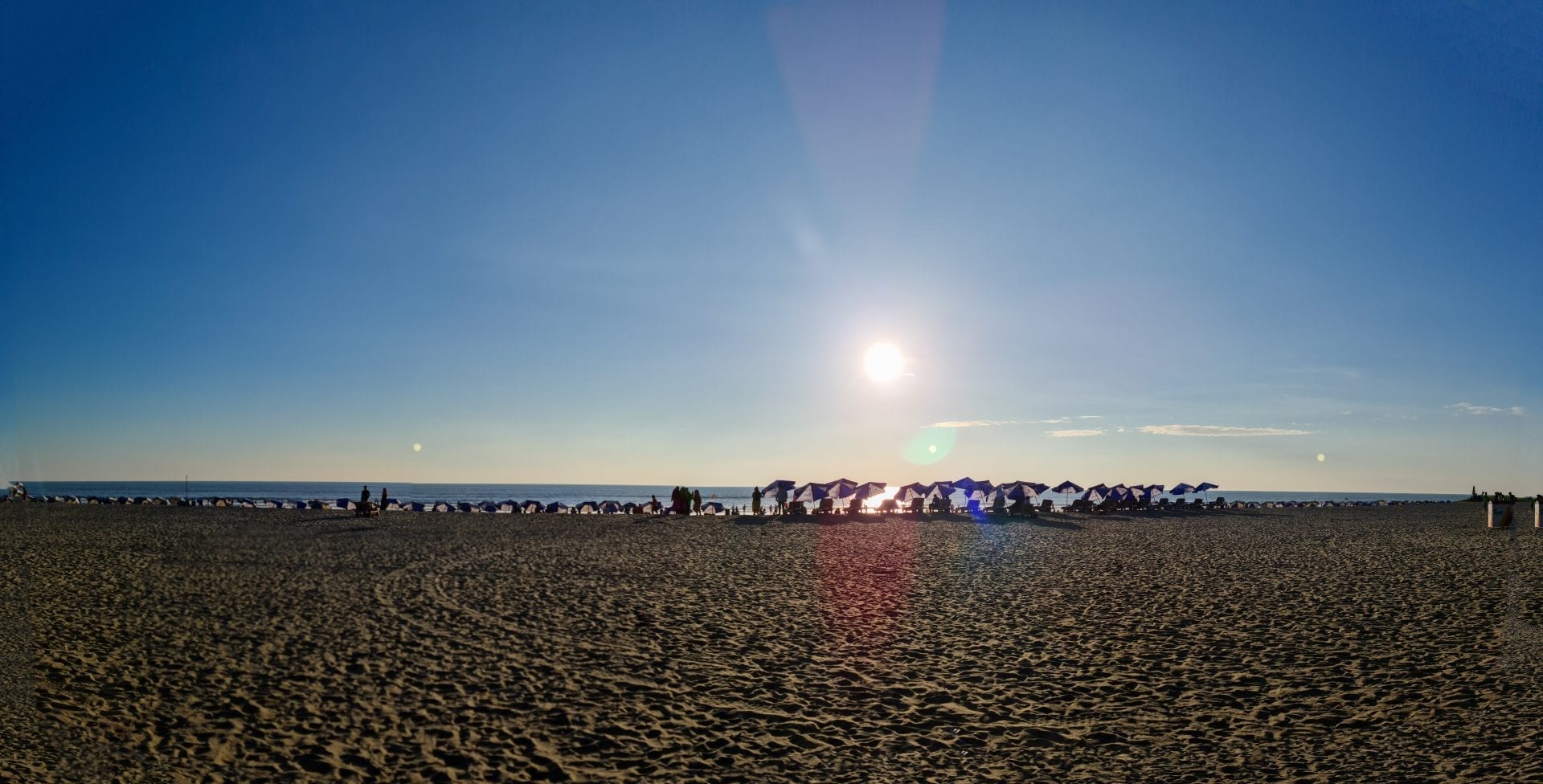
Coxs Bazar aka Cox’s Bazar is the most famous beach town in Bangladesh. In the lap of the sea, the bay of Bengal, this is the longest uninterrupted natural sea beach in the world.
There is a beach in Bangladesh that stretches for 120 kilometres without a single interruption. No harbour, no headland, no rocky outcrop breaking the line. Just sand, surf, and the Bay of Bengal from one horizon to the other.
Cox’s Bazar holds the record as the longest natural uninterrupted sea beach in the world — and it is the most visited tourist destination in Bangladesh, drawing millions of domestic visitors every year and a quietly growing number of international travellers who have begun to discover that the country is far more than they expected.
I have been to Cox’s Bazar eight times. I keep going back. That, probably, tells you everything you need to know.
This is your complete, practical guide to Cox’s Bazar — written by someone who knows it well.
Quick Facts: Cox’s Bazar at a Glance
| Location | Southeastern Bangladesh, 414 km from Dhaka |
| Beach length | 120 km (some sources claim up to 150 km) |
| Best time to visit | November – March (cool, dry, calm seas) |
| Avoid | June – September (monsoon; seas are rough and dangerous) |
| Currency | Bangladeshi Taka (BDT). 1 USD ≈ 110 BDT |
| Flight time from Dhaka | ~45 minutes |
| Bus from Dhaka | 10–13 hours (overnight buses recommended) |
| Language | Bengali; basic English in tourist hotels |
| Alcohol | Only in selected hotels |
| Swimming safety | Safe during high tide in calm months; dangerous in monsoon |
Best Time to Visit Cox’s Bazar
Peak season (November – February):
The ideal window. The weather is sunny and mild (22–28°C), the sea is calm enough for swimming and boat trips, and the sky is clear for photography. This is also the busiest period — book accommodation at least 4–6 weeks ahead, and prices are at their highest.
Shoulder season (March – May):
Still good weather, fewer crowds, and lower hotel prices. March and April are excellent — the sea remains swimmable and the beaches are less packed. May sees rising humidity.
Monsoon (June – September):
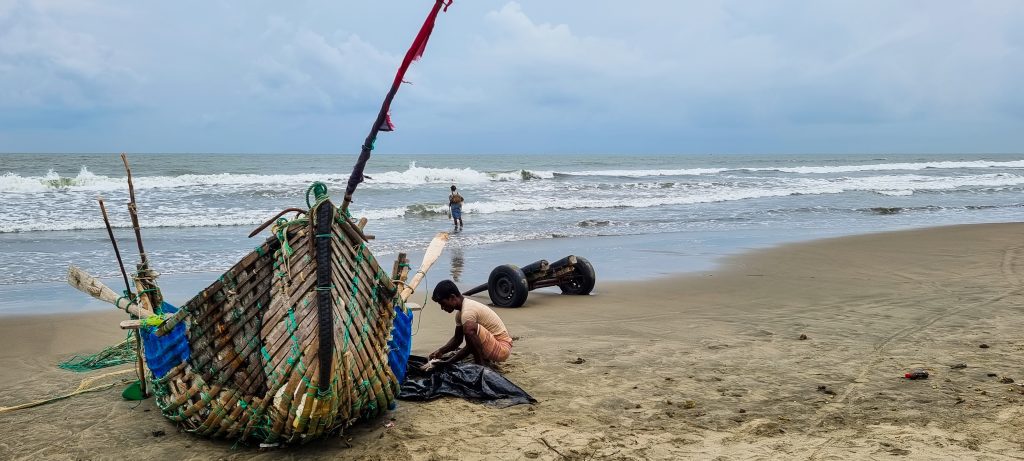
The beach itself can be dramatic and beautiful to watch, but swimming is dangerous and boat trips to Saint Martin’s Island are suspended. Most international visitors skip this period. If you do visit, expect heavy rain, rough seas, and significantly cheaper accommodation.
Off-season tip:
Visit in April or early May for a Cox’s Bazar that feels 60% quieter than peak season, with the same sunshine and noticeably lower hotel rates.
Why Cox’s Bazar Deserves Your Time
The statistics are striking enough — 120 kilometres of unbroken beach is a genuine world record — but statistics don’t explain why Bangladeshis return to this place the way they do, year after year, the way I do.
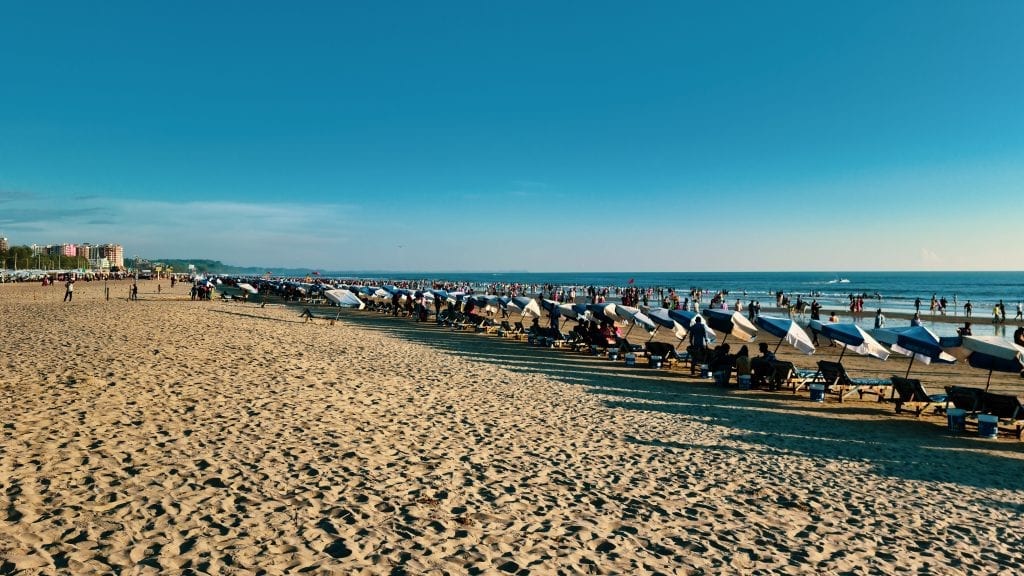
It’s the scale. Standing on the beach at Cox’s Bazar, you cannot see the end of it in either direction. The ocean feels enormous. The waves are loud and insistent, not the polite lapping you get on sheltered resort beaches. The sound alone — that constant, thundering percussion of the Bay of Bengal — is worth the journey.
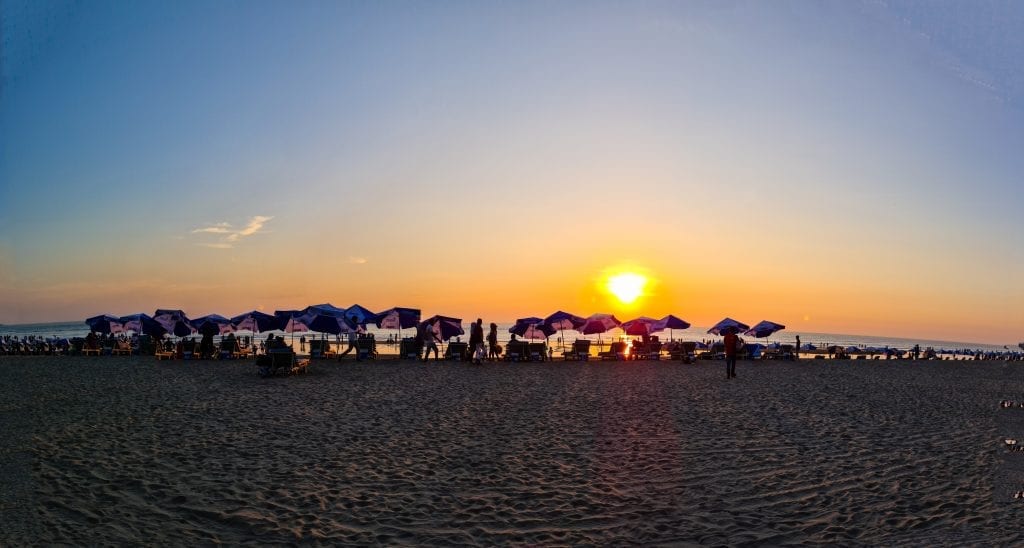
It’s also the people. Cox’s Bazar is where Bangladesh comes to breathe. Newlyweds on their first trip together. Families from Dhaka who drive through the night to arrive at dawn. Groups of students who pool their money for a shared room. Fishermen who have worked these waters for generations. On any given weekend you will find all of them on the same stretch of sand, and the resulting energy is unlike any beach experience in Southeast Asia.
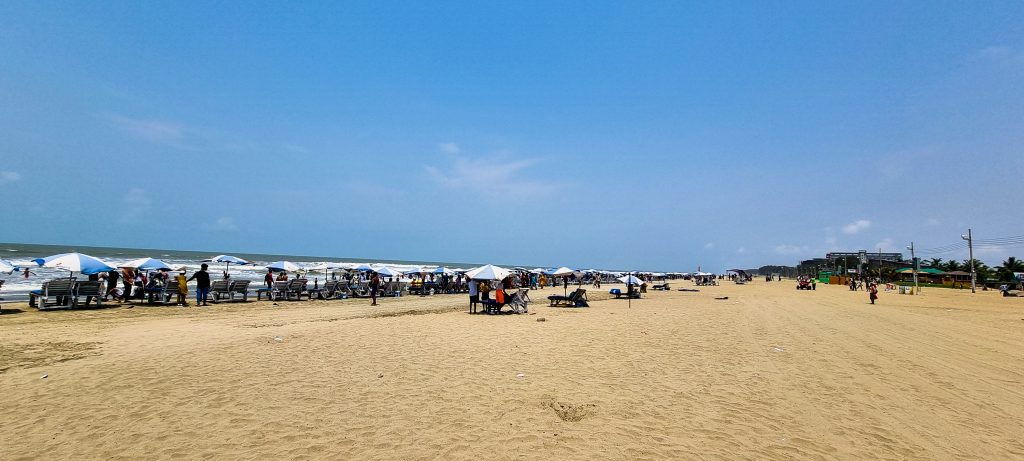
You can find more turquoise water elsewhere — the nearby Saint Martin’s Island is more picturesque in that conventional tropical sense. But there is nothing quite like Cox’s Bazar for sheer, living, breathing scale of human joy meeting ocean.
The Beaches of Cox’s Bazar — Which One is Right for You?
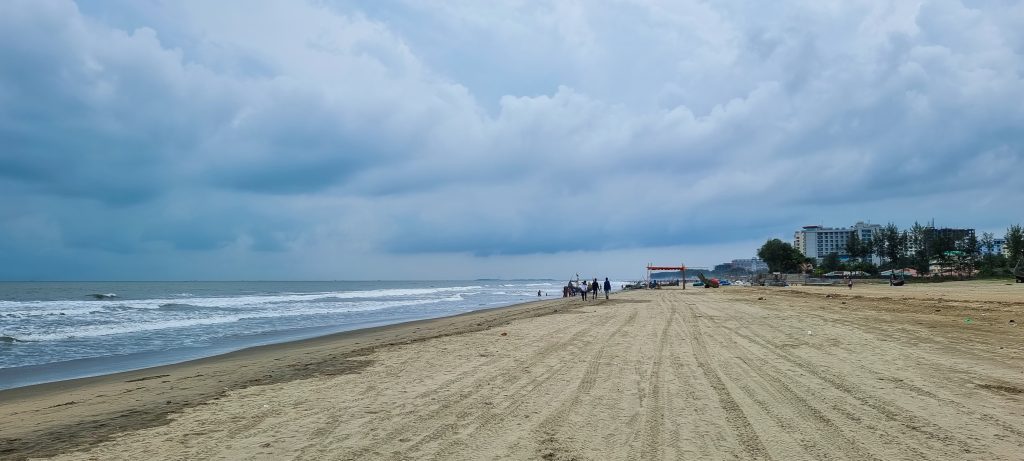
Cox’s Bazar is not a single beach. It is a continuous stretch of coastline divided into distinct sections, each with its own character. Here is how to choose.
Laboni Beach — The Social Hub
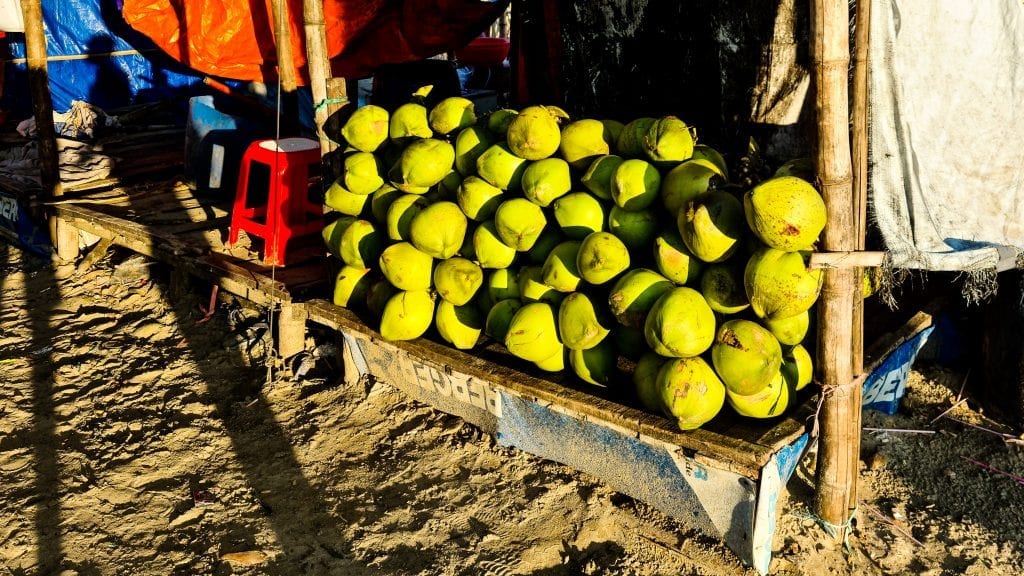
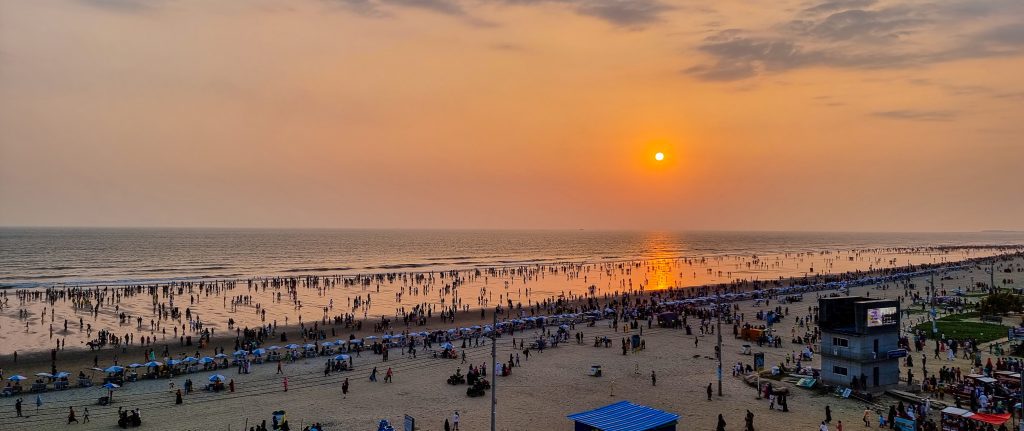
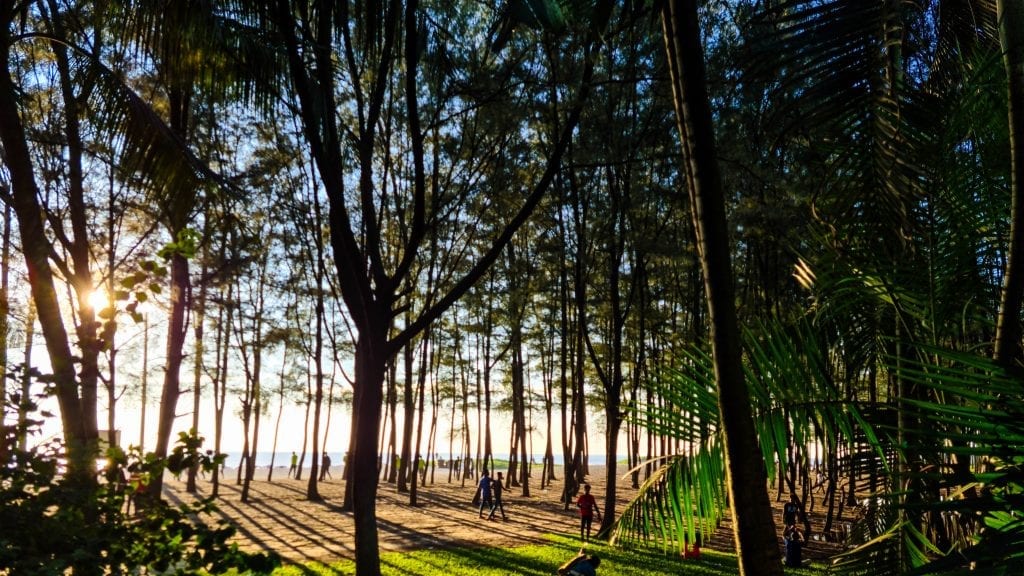
The southernmost of the main beaches and the most accessible from the town centre. Laboni is where you come to feel the full energy of Cox’s Bazar — horse rides, quad bikes, beach hawkers, coconut sellers, and thousands of people in every direction. A row of Tamarix trees lines the beachfront road, softening the view slightly from the hotels.
Best for:
First-time visitors, people-watching, the best sunset views (walk to the water’s edge and face due west)
📸 Photography tip:
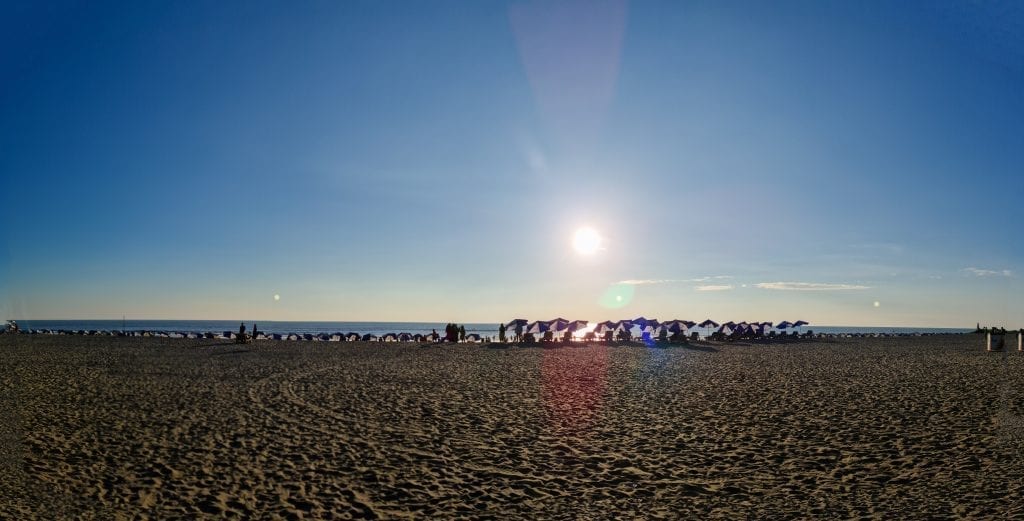
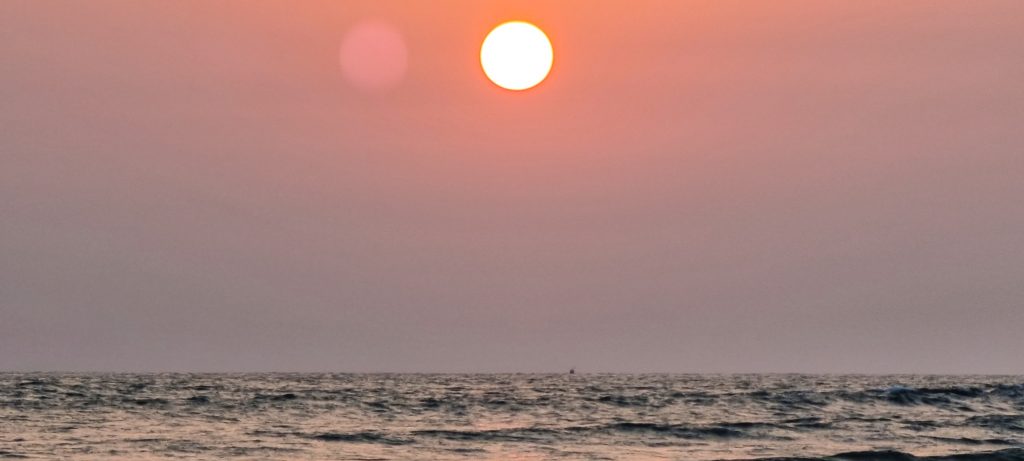
The Laboni sunset, particularly in November–January when the air is clear, produces a near-perfectly circular sun that seems improbably large as it sinks into the Bay of Bengal. Position yourself at the waterline 30 minutes before sunset and wait.
Sugandha Beach — The Family Beach
A short walk north of Laboni, Sugandha is marginally less crowded and has a good range of beach activities. Most guided day itineraries start here in the morning.
Best for: Families with children, morning walks, beach games
Kolatoli Beach — The Beachfront Hotel Zone
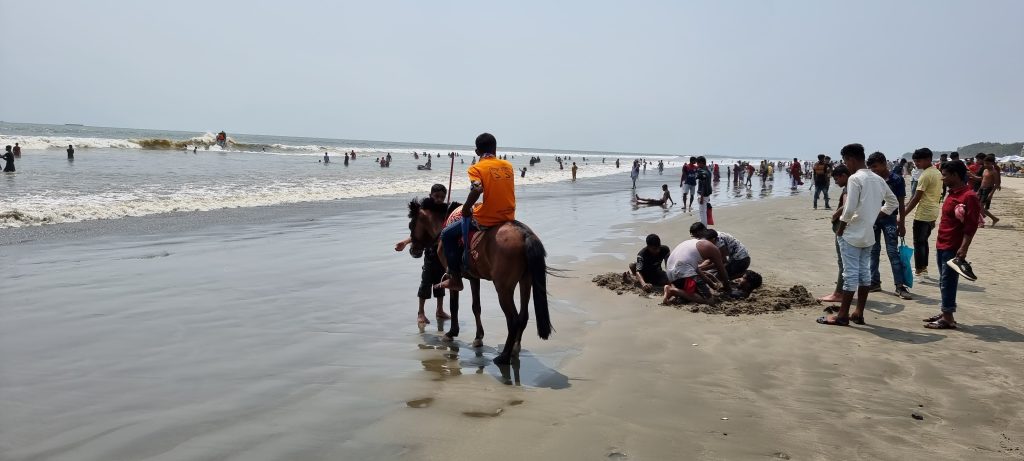
Further north, Kolatoli is where most of the better beachfront hotels are located, including Sayeman and Sea Crown. The beach here is slightly wider and the views from hotel balconies are unobstructed — unlike Laboni, there are no trees between the hotels and the sea.
Best for: Beach-view accommodation, slightly fewer crowds than Laboni, evening barbecue restaurants
Inani Beach — The Hidden Gem, 28km South
Drive 28 km south along the Marine Drive and the Cox’s Bazar that most visitors see gives way to something quieter and genuinely beautiful. Inani Beach is wider, cleaner, and far less crowded. The most distinctive feature here is the large flat coral rocks that emerge at low tide, scattered across the sand in rust-red formations.
The water at Inani is also cleaner and clearer than the main Cox’s Bazar beaches — not the crystal blue of a tropical island, but noticeably better. Walk carefully if you go into the water: the coral rocks can be sharp underfoot.
Best for: Escaping the crowds, photography of the coral formations, couples seeking quiet
When to go: Low tide in the morning — the coral rocks are at their most photogenic when exposed, and the light is best before 10:00 AM
Himchari — Where the Hill Meets the Sea
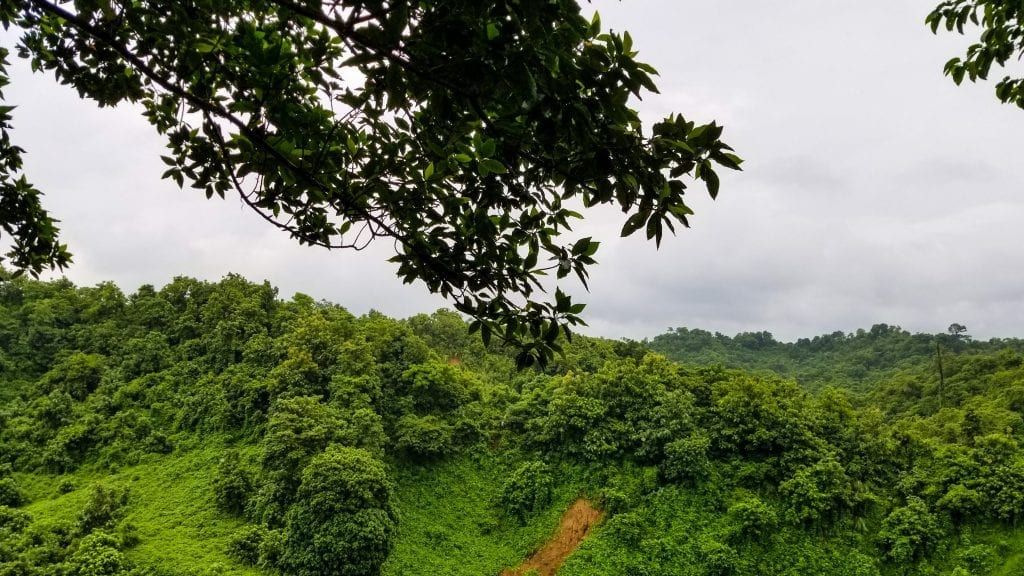
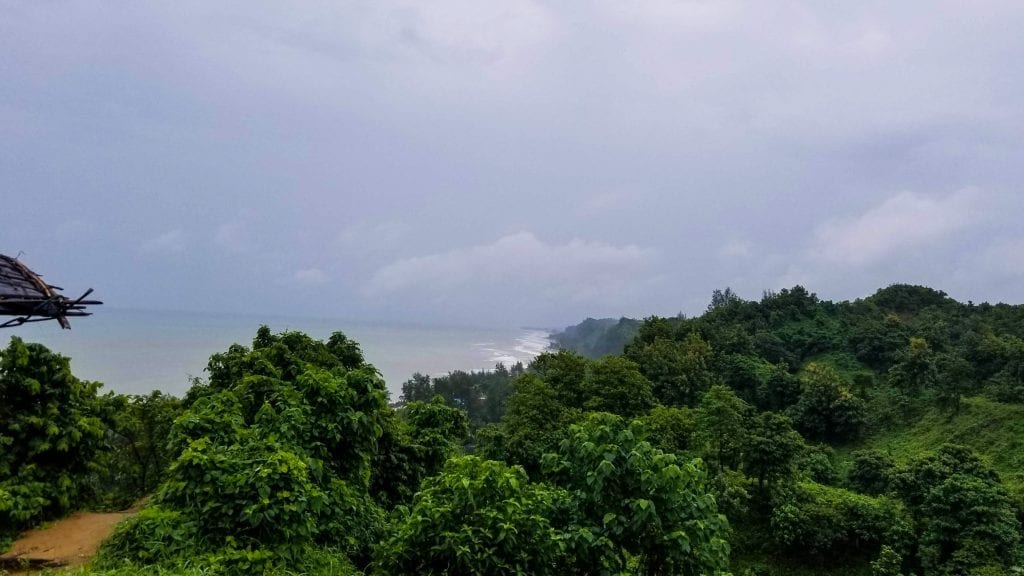
Midway between Cox’s Bazar town and Inani beach (about 12 km south), Himchari is where the flat coastal plain briefly rises into a forested hill. A manageable hike — 20–30 minutes up, well-maintained steps — brings you to a viewpoint with one of the finest panoramas in Bangladesh: the Bay of Bengal in one direction, green hills in the other, and the Marine Drive snaking between them far below.
There is also a seasonal waterfall at the base of the hill (most active July–September, which is the monsoon). During the dry season, it may be reduced to a trickle, but the hill hike is worth it regardless.
Best for: The panoramic ocean view, photography, a break from the beach
Photography tip: The viewpoint is best in morning light (before 11:00 AM) — by afternoon the sea often goes hazy.
Things to Do in Cox’s Bazar
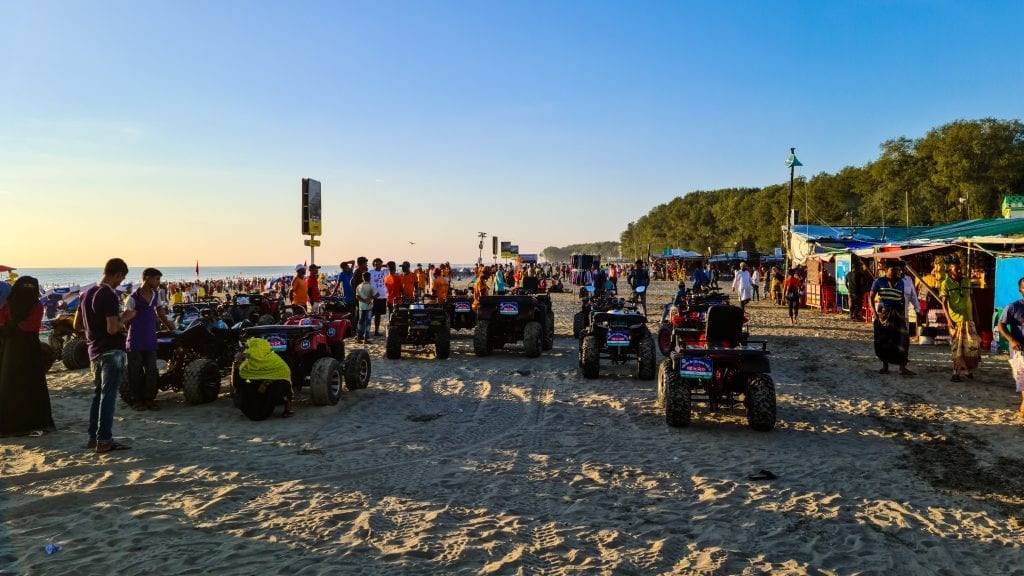
Beach Activities
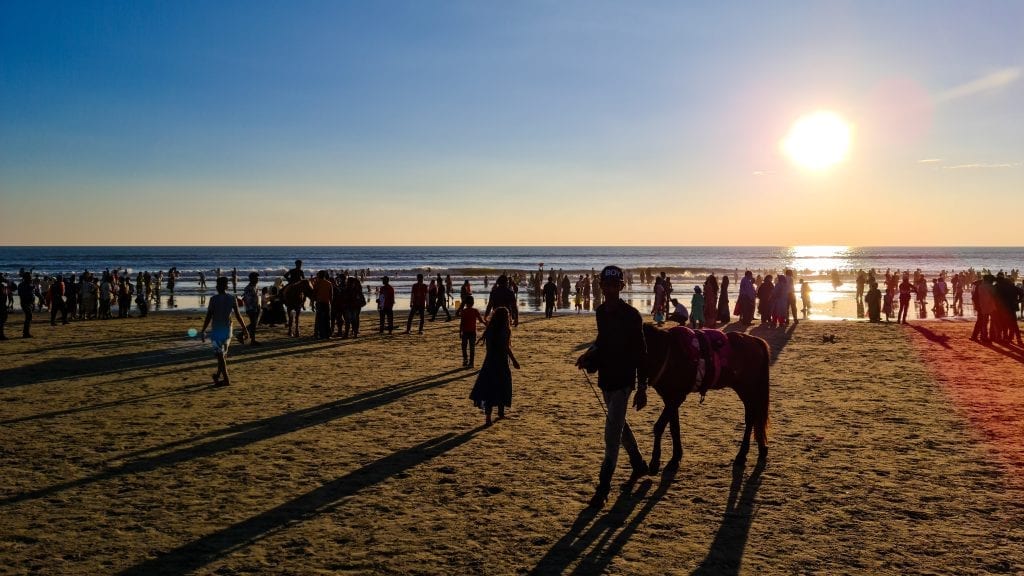
Cox’s Bazar offers more beach activity than any other destination in Bangladesh. Along the main beaches you will find:
- Horse riding — along the waterline, by the hour. Negotiate the price before mounting.
- Quad biking — popular along the harder-packed sand near the water. You can cover significant distance on one.
- Parasailing — available on the main beaches, weather permitting
- Tube floating — rent a large inflatable ring and let the waves carry you. My personal favourite — deeply undignified, completely joyful.
- Beach football and cricket — pick-up games happen spontaneously and visitors are always welcome to join
Swimming
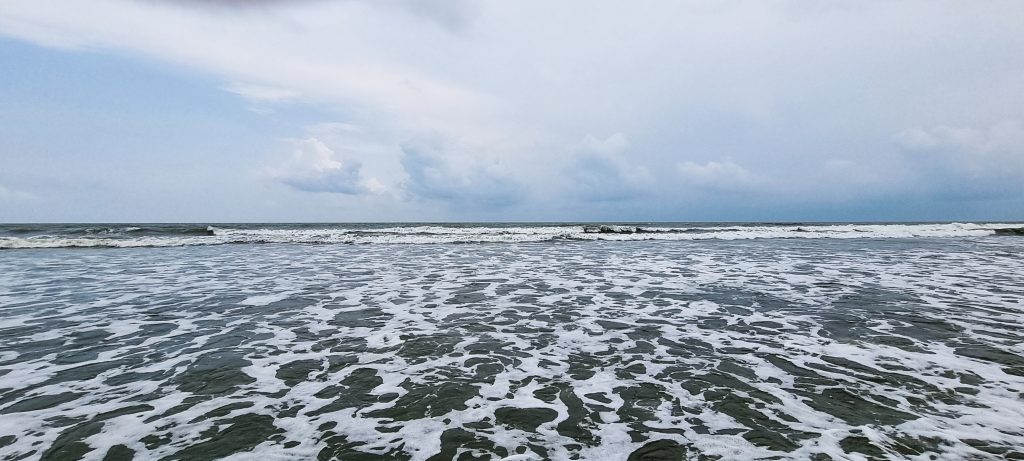
The main beaches are swimmable during high tide in the dry season (November–April). The waves have real size and power — strong enough to be exhilarating for adults, potentially dangerous for young children without close supervision. The sand is soft and dark-coloured near the waterline, which surprises some visitors, but it is extraordinarily fine underfoot.
Important: Do not swim during monsoon months (June–September). The Bay of Bengal is genuinely dangerous during this period and drownings occur annually.
Marine Drive — The World’s Longest Coastal Road
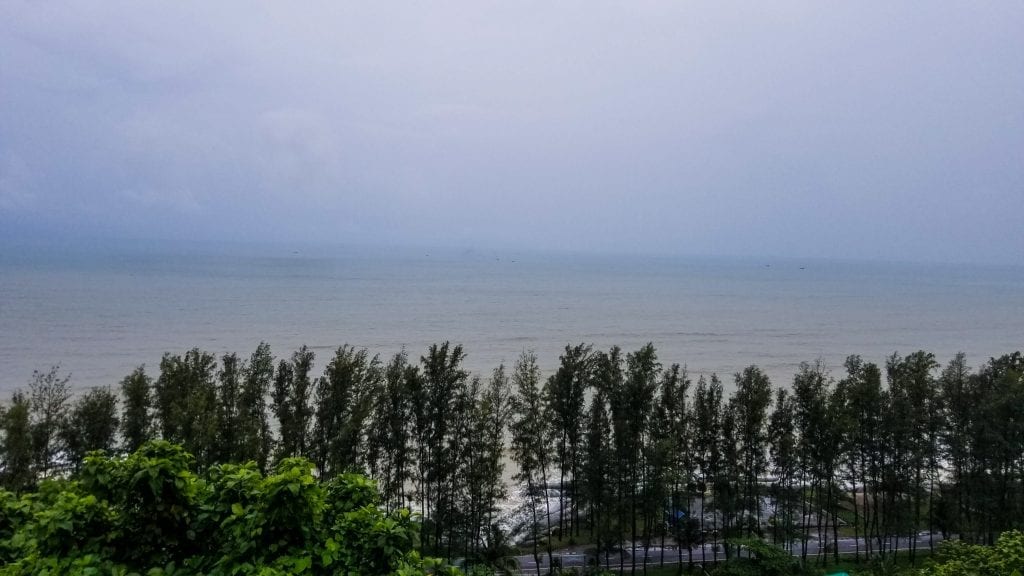
The road running south from Cox’s Bazar to Teknaf stretches 80 kilometres along the coast, officially recognised as the world’s longest marine drive. Renting a motorcycle or hiring a CNG auto-rickshaw for a half-day or full-day drive along this road is one of the best things you can do in Cox’s Bazar.
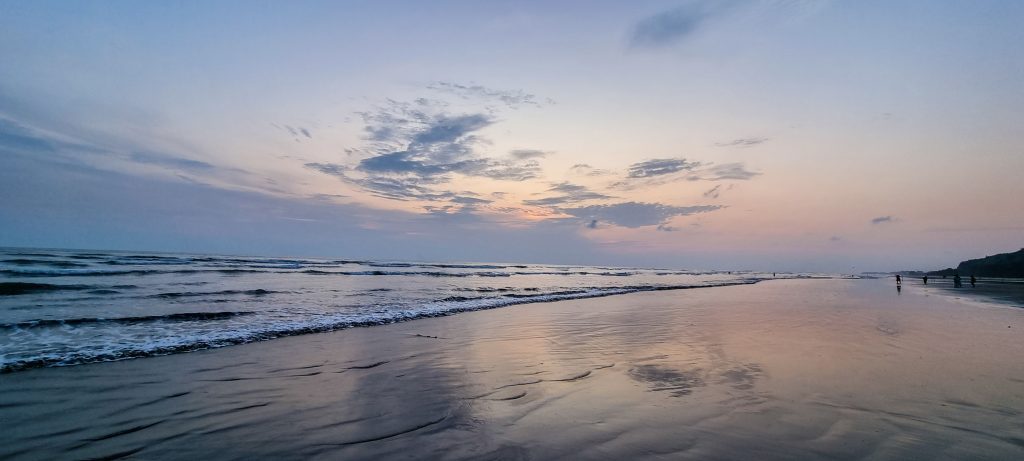
Every few kilometres a turn-off leads to a small, largely empty beach. Stop at whichever one calls to you. The combination of the road, the hills to the east, and the ocean to the west makes for outstanding scenery throughout.
Practical tips for Marine Drive:
- Rent a motorcycle from town: BDT 500–800/day (negotiate; have a local help you)
- CNG auto-rickshaw for a half-day (Cox’s Bazar → Himchari → Inani → return): BDT 800–1,200
- Hire a car with driver for a more comfortable full-day trip: BDT 2,500–4,000
- Start before 9:00 AM to avoid midday heat and reach Inani when the light is best
Dried Fish Market — An Unmissable Sensory Experience
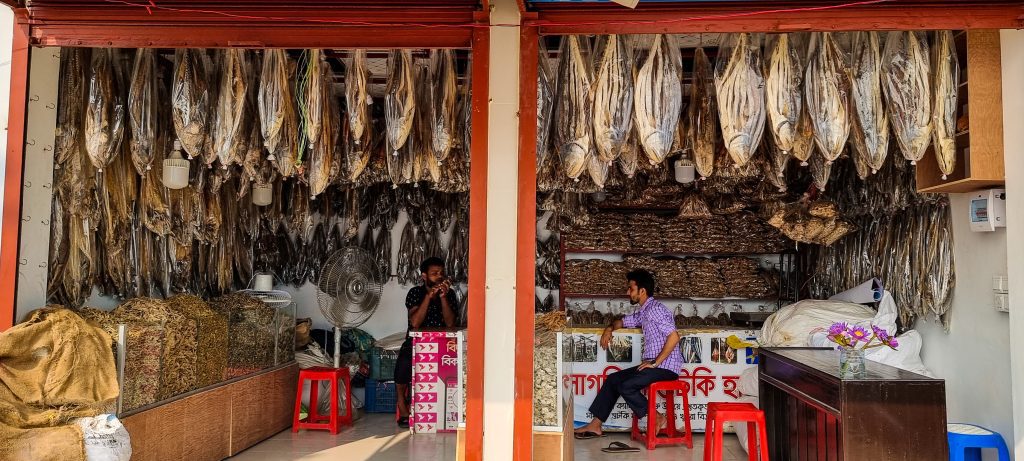
Sunglass on, nose prepared: Cox’s Bazar’s dried fish market is one of the most pungent and fascinating markets in South Asia. Hundreds of varieties of fish — many unrecognisable to outsiders — are laid out to dry on raised platforms and then sold by the kilogram.
Shutki (dried fish) is a staple ingredient in Bangladeshi cooking and a point of fierce regional pride in the south. Locals travel to Cox’s Bazar specifically to buy it as a gift for relatives back home. Even if you have no intention of buying, walk through the market for the spectacle and the insight into how the fishing communities have preserved their catch for generations.
Location: Near the main town area — ask any rickshaw driver for the shutki market Best time: Morning, when activity is highest
Sunset — Cox’s Bazar’s Daily Performance
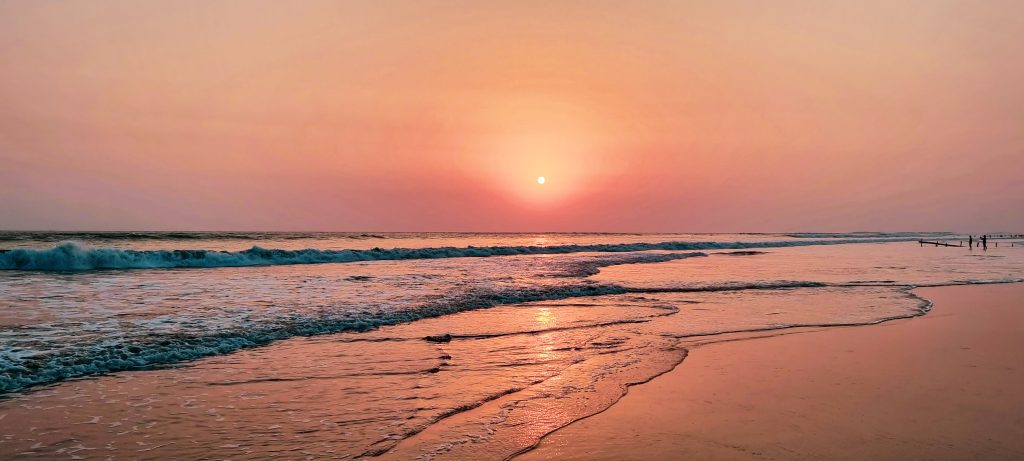
Whatever else you do with your day in Cox’s Bazar, be on the beach at sunset. The lack of any landmass between you and the horizon means you watch the sun descend into open ocean — no islands, no mountains, no obstruction. In the dry season, the sun appears almost impossibly large as it approaches the waterline, like a perfect golden disc being slowly swallowed by the sea.
Best sunset spots:
- Laboni Beach: Walk to the waterline and face west. The widest open view.
- Kolatoli Beach: Less crowded than Laboni at this hour, equally good view
- Himchari viewpoint: For the most dramatic vantage point — ocean below, hill behind you. Requires being there before the sun drops too low.
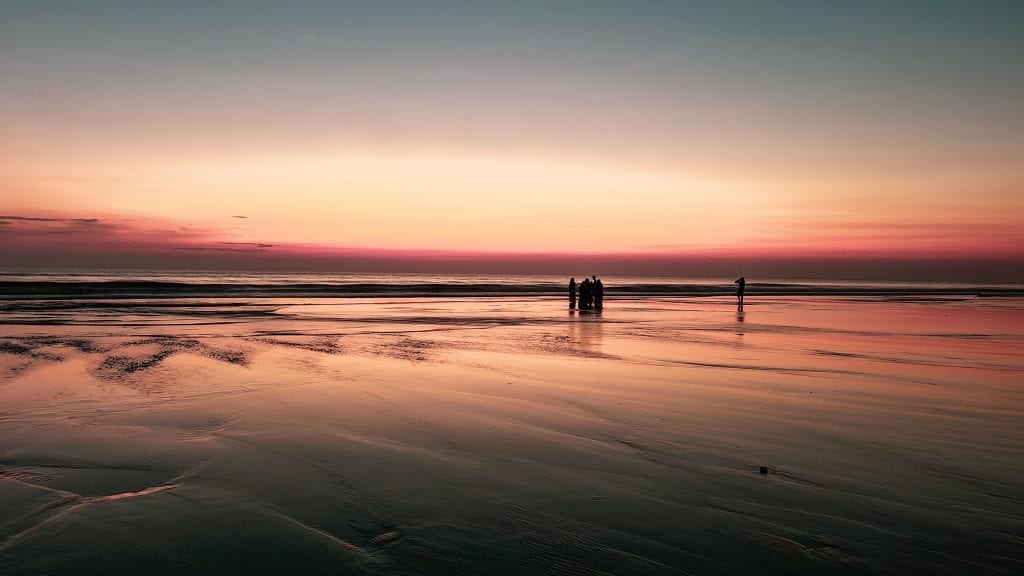
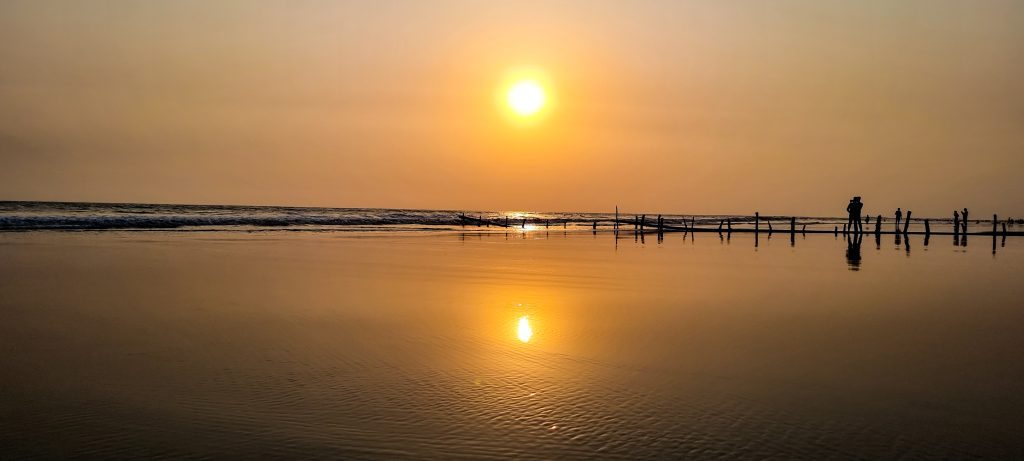
Tip from experience: Start walking from Kolatoli heading south (ocean on your right) and keep going until the crowds thin. Finding a quiet 100-metre stretch of beach is entirely possible, even in peak season.
Where to Eat in Cox’s Bazar
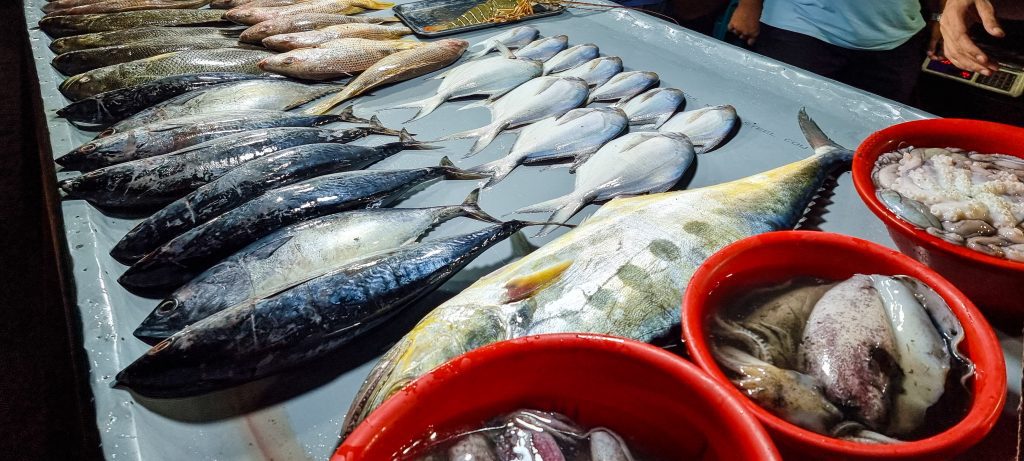
Cox’s Bazar has one signature food experience that you absolutely cannot skip: fresh fish barbecue at night.
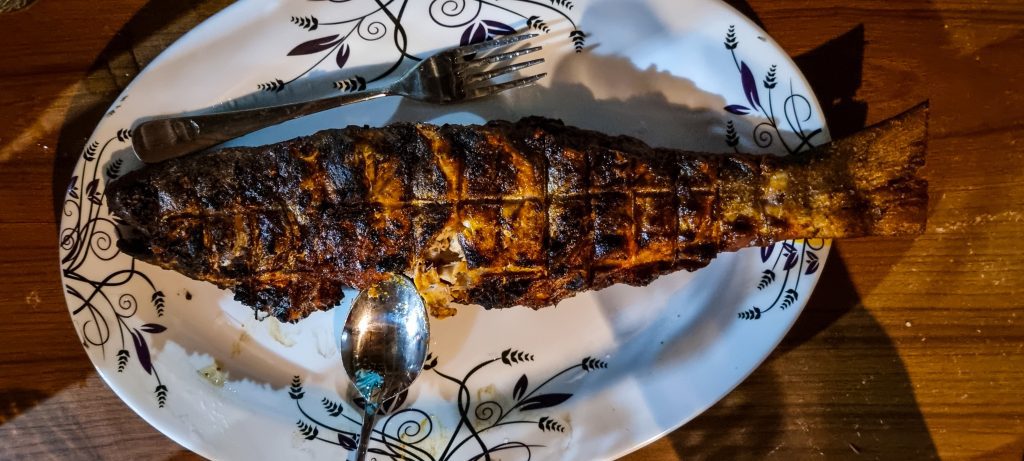
As the sun goes down, the beachside restaurants come to life. Whole fish, freshwater prawns, lobster, and shellfish are laid out on ice in display counters outside the restaurants. You choose your fish, agree the price per kilogram (always ask before they start cooking), and it arrives grilled over charcoal with rice, salad, and chutneys.
What to order:
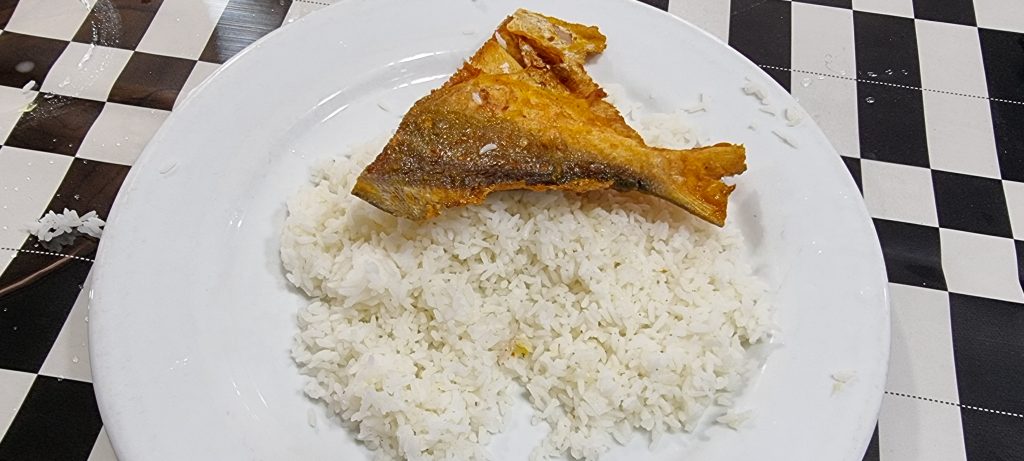
- Rupchanda (Silver Pomfret): The most prized fish in Cox’s Bazar, delicate and almost boneless. Order it fried or grilled.
- Loitta (Bombay Duck): Strange name, extraordinary flavour. Ask for loitta shutki bhuna (dried Bombay Duck curry) if you are adventurous.
- Chingri (Tiger Prawns): Grilled with garlic butter is the standard preparation and it is very good
- Lobster: Available at the better restaurants near Kolatoli; prices vary by size — agree the price before ordering
Recommended Restaurants
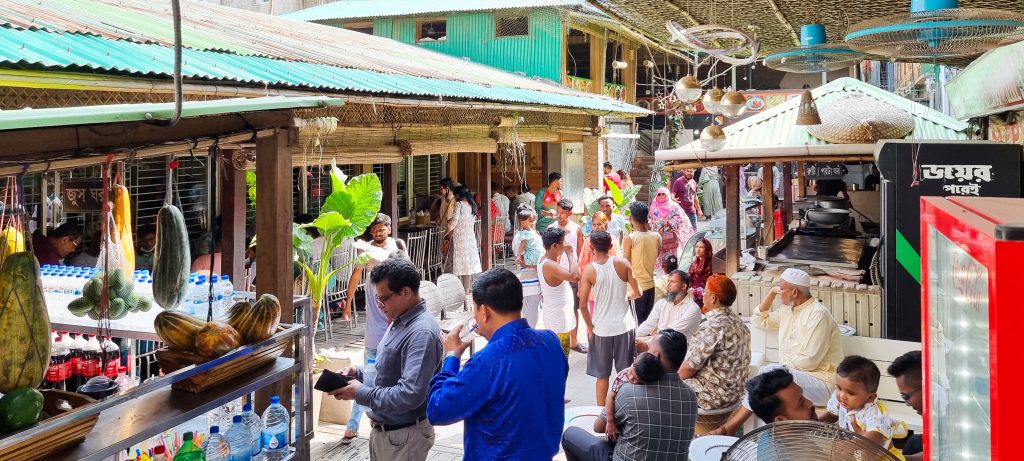
- Poushee Restaurant — Serves some of the finest traditional Bangladeshi cuisine in town. Google Maps
- Shalik Restaurant — Open 24 hours, centrally located near Dolphin Square. Good for everything from morning tea to late-night barbecue. Accepts credit cards — useful when you are running low on cash.
- Mermaid Cafe — The most popular option for international visitors. Serves seafood alongside western dishes (pasta, pizza, sandwiches). Google Maps
- Jhaubon Restaurant — Reliable, affordable local food. Google Maps
- Prasad Paradise — Known specifically for their barbecue. Google Maps
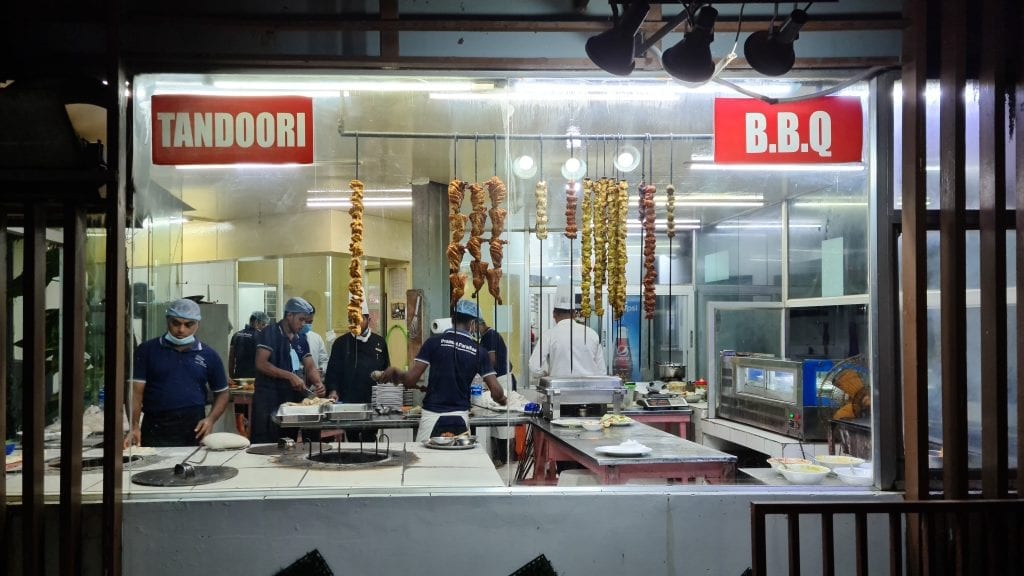
Budget guide:
- Street snack from a beach cart: BDT 20–50
- Full local meal (rice + fish curry + dal): BDT 150–250
- Barbecue dinner for two (fish + prawns + rice): BDT 600–1,500 depending on what you order
- Lobster dinner at a mid-range restaurant: BDT 800–2,000
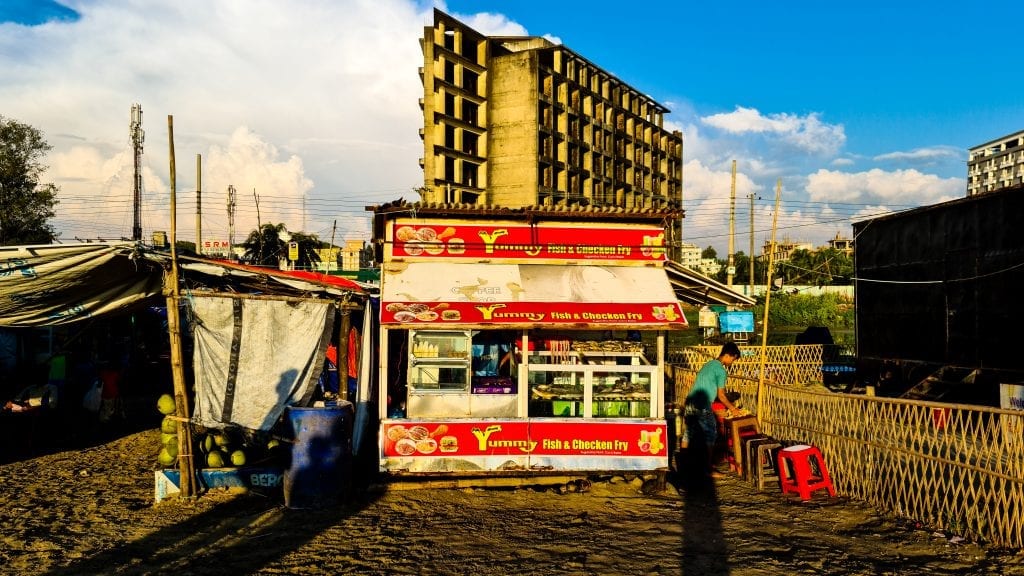
Tip: Always agree the price per kilogram before the fish goes on the grill. This is standard practice, not rude, and avoids bill shock.
Where to Stay in Cox’s Bazar
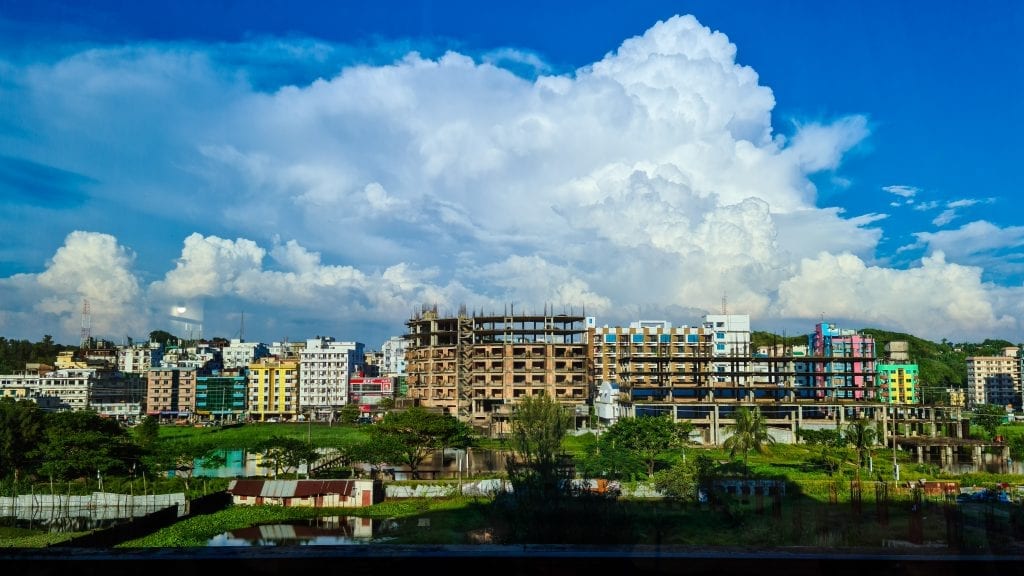
Cox’s Bazar has accommodation ranging from basic guesthouses to upscale beach resorts, but demand consistently outstrips supply during peak weekends and holidays. Book at least 2–4 weeks ahead for November–February visits. For national holidays and Eid, book 2–3 months out.
Staying in Dhaka first? If you are starting your Bangladesh trip in the capital, consider staying at the author’s own Airbnb in Dhaka — two personally hosted listings with local insight and neighbourhood access that hotels simply cannot match. A great base before flying down to Cox’s Bazar.
Luxury / Top Pick
Sayeman Beach Resort — The benchmark for Cox’s Bazar accommodation. Kolatoli beachfront location, excellent service, well-maintained rooms, and a pool. The first private hotel in this area and still among the best. Book Sayeman Beach Resort
Royal Tulip Sea Pearl — Located near Inani beach, away from the busier town beaches. If you want peace, sea-facing rooms, and a resort experience rather than a town-centre stay, this is the best option in Cox’s Bazar. Book Royal Tulip
Mermaid Resort (Himchari) — 20 minutes south of town in Himchari, right at the base of the hill you should be climbing. Highly rated, buffet breakfast included, swimming pool. The most scenic location of any hotel in the area. Book Mermaid Resort
Mid-Range
Hotel Sea Crown (Kolatoli Beach) — My personal favourite for the combination of location and price. Beachfront on Kolatoli, the views from upper-floor balconies are excellent, and it consistently undercuts the Sayeman next door by a significant margin. No pool, but everything else you need. Book Hotel Sea Crown
Long Beach Hotel — Slightly inland but very high room quality for the price. Pool, buffet breakfast, and consistently good maintenance. If the beachfront hotels are full, this is the best alternative. Book Long Beach Hotel
Ocean Paradise — 5-minute walk from Kolatoli beach. Swimming pool, some rooms with ocean views, solid mid-range standard. Book Ocean Paradise
Budget / Best Value
Hotel Seagull (Laboni Beach) — A large beachfront hotel with 181 rooms directly in front of Laboni beach. Pool, spa, shopping arcade, buffet breakfast. It is the most complete budget-to-mid-range package on the strip and has been a Cox’s Bazar institution for years.
📌 Beachfront vs. town hotel: If your priority is waking up, walking 3 minutes, and being on the sand — pay for a Kolatoli or Laboni beachfront hotel. If you are comfortable with a 10-minute walk to the beach and want to save 30–40% on accommodation, the town-centre options are fine. The whole of Cox’s Bazar town is small — nothing is truly far.
Cox’s Bazar Itinerary: How to Spend Your Time
One Day in Cox’s Bazar (If You Must)
If you only have a single day — perhaps fitting Cox’s Bazar into a longer Bangladesh trip — here is how to use it well:
6:30 AM — Walk to Sugandha beach for the early morning. The beach is quietest at dawn, the light is golden, and you will have the sand mostly to yourself.
8:00 AM — Breakfast at your hotel or a nearby café.
9:00 AM — Head south along Marine Drive. Stop at Himchari (about 12 km) and hike up the hill — 25 minutes up, 20 minutes down. Enjoy the panoramic Bay of Bengal view from the top.
11:30 AM — Continue to Inani Beach (16 km further). Spend time exploring the coral rock formations at low tide. Swim if conditions allow.
1:00 PM — Lunch at a beachside restaurant at Inani or drive back to town for Poushee Restaurant.
3:00 PM — Return to the main beaches. Rest, swim, rent a quad bike, or simply walk.
5:30 PM — Position yourself on Laboni Beach for sunset. Stay until the sky goes dark.
7:30 PM — Dinner at a Kolatoli beachside barbecue restaurant. Pick your fish, watch it go on the grill.
Two Days in Cox’s Bazar (Recommended Minimum)
Day 1 — The Beaches Follow the one-day itinerary above at a more relaxed pace, spending longer at each stop.
Day 2 — The Town & Surroundings
Morning: Visit the dried fish (shutki) market near the town centre. Walk through the Buddhist temples area of Cox’s Bazar (there is a significant Rakhine Buddhist community here, with ornate temples worth visiting).
Afternoon: Take the Marine Drive further south past Inani, all the way toward Teknaf if time allows — the scenery becomes wilder and more remote as you go. Evening: Sunset walk, barbecue dinner.
Three Days and Beyond
On Day 3, take the boat from Teknaf (2.5–3 hours) to Saint Martin’s Island — Bangladesh’s only coral island, with genuinely clear turquoise water and a completely different, quieter pace of life. Stay overnight and return the following day.
How to Get to Cox’s Bazar
Cox’s Bazar sits 414 km south of Dhaka in the southeastern corner of Bangladesh, near the Myanmar border.
By Air (Recommended)
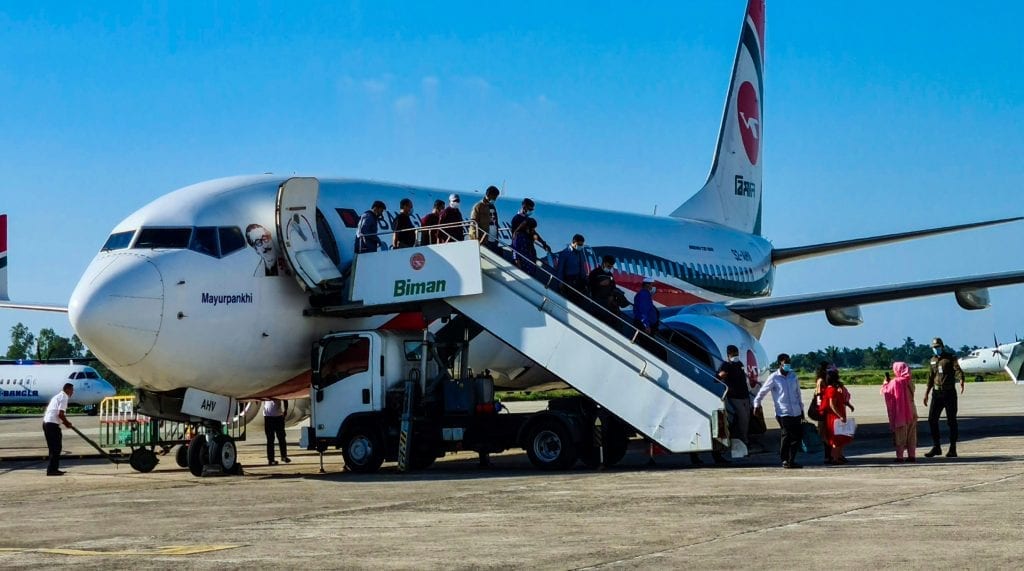
Flying is by far the most convenient option. Several airlines operate multiple daily flights from Dhaka’s Hazrat Shahjalal International Airport to Cox’s Bazar Airport (CGP). The journey takes about 45 minutes.
Airlines: Biman Bangladesh Airlines (operates Boeing 737s on this route), US-Bangla Airlines, NovoAir One-way fare: Approximately USD 40–70 depending on season and how far in advance you book Book early: Cox’s Bazar flights sell out quickly during peak season and Eid. Book 3–4 weeks ahead in November–February.
💡 Tip: Biman tends to operate the largest aircraft (Boeing 737s) on this route, giving more comfort and reliability. US-Bangla and NovoAir are also reliable and often cheaper.
By Bus (Budget Option)

Overnight luxury coaches run from Dhaka’s Sayedabad and Kalyanpur bus terminals to Cox’s Bazar. Journey time is 10–13 hours depending on traffic (Dhaka traffic at departure can add significantly).
Recommended operators: Green Line, Shyamoli, Hanif, Saintmartin (premium AC sleeper) Fare: BDT 1,200–2,000 (approx. USD 11–18) for AC seats; sleeper coaches cost more Departure times: Most luxury buses depart between 9:00 PM and 11:00 PM, arriving in the morning
💡 Tip: Book bus tickets 48–72 hours ahead via Shohoz or Buss BD apps (both work in English). The overnight journey is reasonably comfortable on premium buses and saves you a hotel night.
By Train (New Direct Service — Highly Recommended)
Bangladesh Railway now operates two direct intercity trains from Dhaka’s Kamalapur Station to Cox’s Bazar — the Cox’s Bazar Express (813/814) and the Parjatak Express (815/816), launched in December 2023 following the completion of the new 101 km Dohazari–Cox’s Bazar rail line.
The journey takes approximately 8.5 hours and stops only at Dhaka Airport Station and Chittagong — making it a significantly more comfortable alternative to the overnight bus.
Dhaka → Cox’s Bazar (Train 814): Departs Kamalapur at 10:30 PM, arrives Cox’s Bazar at 7:20 AM (next morning) Cox’s Bazar → Dhaka (Train 813): Departs Cox’s Bazar at 12:30 PM, arrives Dhaka at 9:10 PM
Ticket prices (2026):
- Shovan Chair (Non-AC): BDT 695
- Snigdha AC Chair: BDT 1,325
- AC Seat: BDT 1,590
- AC Berth (sleeper): BDT 2,380
Book online at eticket.railway.gov.bd or via the Rail Sheba app. Tickets are released exactly 10 days in advance at 8:00 AM — AC berths for Thursday nights and weekends sell out within minutes, so log in early. Foreigners register using their passport number.
The overnight train is arguably the best way to travel this route — you depart after dinner, sleep, and wake up in Cox’s Bazar in time for the morning beach.
Getting Around Cox’s Bazar
Once you are there, the town itself is small and navigable:
- CNG auto-rickshaws for town and short trips (BDT 30–100). Always negotiate before you get in.
- Rented motorcycle for Marine Drive — the best way to explore the coast at your own pace
- Hotel jeep/car for day trips to Himchari and Inani — many hotels arrange these or can recommend reliable drivers
Packing for Cox’s Bazar
A quick list of what actually matters:
- Sunscreen, high SPF — the sun on an open beach is intense; shade is minimal
- Light, conservative clothing — this is a Muslim-majority destination; women should bring a light cover-up for beach walks through town; the beach itself is more relaxed
- Flip-flops / waterproof sandals — you will take your shoes on and off constantly
- Reusable water bottle — hydration is essential; bottled water is available everywhere but reducing plastic is worth the effort
- Cash (Taka) — most beach stalls, restaurants, and smaller hotels are cash-only; there are ATMs in Cox’s Bazar town (Dutch-Bangla Bank and BRAC Bank are most reliable)
- Seasickness medication if you plan to take a boat to Saint Martin’s Island
- Power bank — long beach days and the humidity drain phones quickly
FAQ — Cox’s Bazar Travel Guide
Is Cox’s Bazar safe for foreign tourists?
Yes. Cox’s Bazar is accustomed to large numbers of domestic tourists and is generally safe. The usual sensible precautions apply: keep valuables in your hotel safe, avoid isolated areas of beach after dark, and use ride-hailing or pre-arranged transport rather than accepting unsolicited offers. The Rohingya refugee camps in the Cox’s Bazar district should not be visited independently — if you are interested in this aspect, go with an authorised NGO or journalist contact.
Can I swim at Cox’s Bazar?
Yes, during the dry season (November–April) during high tide. The waves are strong but manageable for confident swimmers. Avoid swimming during monsoon months — the current becomes extremely dangerous. There are no lifeguards on the beach, so exercise caution with children.
Is Cox’s Bazar suitable for solo female travellers?
With reasonable precautions, yes. Wear a light cover-up over your beachwear when walking through town, use Uber or pre-booked transport, and stay in well-reviewed hotels. The beach itself is full of families and is generally safe in daylight hours.
How far is Cox’s Bazar from Saint Martin’s Island?
Boats depart from Teknaf, which is at the southern end of the Marine Drive, about 90 km from Cox’s Bazar town. The boat journey from Teknaf to Saint Martin’s is 2.5–3 hours. Boats currently run October–April only (suspended during monsoon for safety).
Read the full guide: Saint Martin’s Island Bangladesh.
What is the local currency and can I use cards?
The local currency is the Bangladeshi Taka (BDT). Most beach stalls, markets, and local restaurants are cash-only. Better hotels and a few restaurants (like Shalik) accept credit cards. There are ATMs in Cox’s Bazar town. Withdraw enough cash before heading out for the day.
Is alcohol available in Cox’s Bazar?
Bangladesh is predominantly Muslim and alcohol is not sold openly. Some of the hotels have arrangements, but there are no beach bars or public venues serving alcohol. Plan accordingly.
What is the Rohingya situation and does it affect tourism?
The Cox’s Bazar district hosts over one million Rohingya refugees in camps near the town of Ukhiya and Teknaf. The camps are not in the main tourist areas and do not affect a typical tourist visit to the beach. Independent visits to the camps are not permitted.
Explore More of Bangladesh
Cox’s Bazar is the most famous destination, but Bangladesh has far more to reward the traveller willing to go further:
- 🏙️ Places to Visit in Dhaka — 30 attractions in the capital, from Mughal forts to world-class architecture
- 🏝️ Saint Martin’s Island — Bangladesh’s only coral island; the natural next stop from Cox’s Bazar
- 🏔️ Sajek Valley — misty mountain valleys in the Chittagong Hill Tracts; completely different from the coast
- 🏛️ National Monument of Bangladesh — the best half-day trip from Dhaka
- 📸 Old Dhaka in Photos — the medieval heart of the capital
- 🌿 Birishiri — the remote Garo Hills village that most tourists completely overlook
A Final Word
Cox’s Bazar is not a perfect destination by the standards of travel photography or resort luxury. The water is not turquoise. The development along the beachfront is uneven. The beach stalls can be pushy. None of this matters once you have stood at the waterline at sunset with 120 kilometres of beach stretching away from you in both directions, and the Bay of Bengal filling the entire horizon.
Come for the scale. Stay for the fish barbecue. Leave having understood why Bangladeshis love this place the way they do.

Leave a reply