
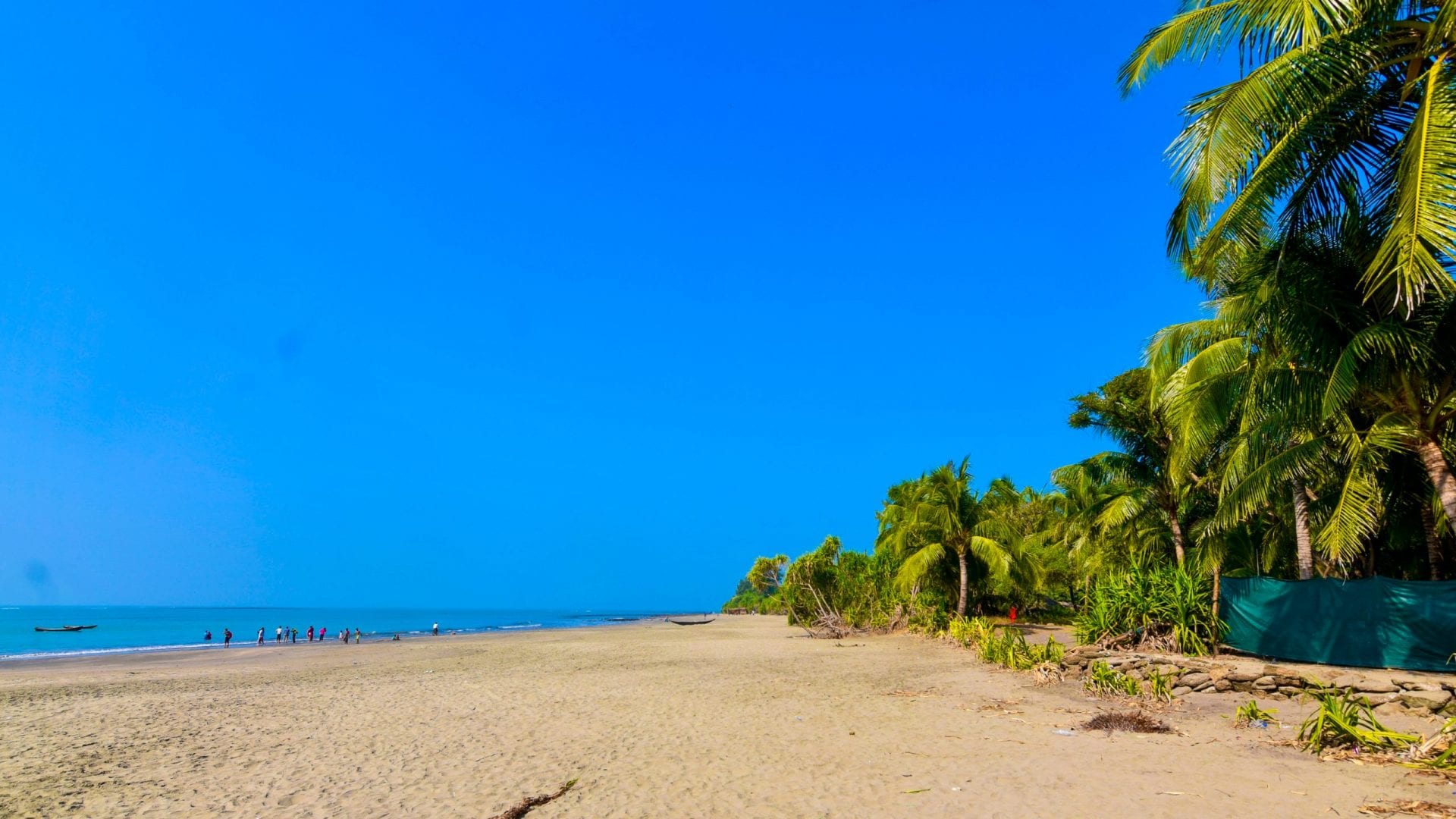
Located to the southern part of Bangladesh, Saint Martin’s Island is a beautiful coral island. To many, Saint Martin’s is the most beautiful place in Bangladesh. We have drafted a travel guide to Saint Martin which includes the activities you can do, amazing photos of the island, and recommended hotels.
Bangladesh has exactly one coral island. It is eight kilometres long, one kilometre wide, home to fewer than 5,000 people, and completely surrounded by the Bay of Bengal. The locals call it Narikel Jinjira — Coconut Island. The rest of the world calls it Saint Martin’s.
It is the most beautiful place in Bangladesh. I say this having seen every corner of this country, having stood on the misty ridges of Sajek Valley and walked the ancient lanes of Old Dhaka. Saint Martin’s is still the most beautiful. The water here is genuinely clear — transparent enough to see the coral and fish beneath the surface from the boat. The beaches are lined with coconut palms. At night, the sky is full of stars.
Getting there takes effort. That effort is entirely worthwhile.
This is your complete, practical travel guide to Saint Martin’s Island in Bangladesh — everything you need to plan the trip, get there safely, and make the most of every hour you have on the island.
Quick Facts: Saint Martin’s Island at a Glance
| Local name | Narikel Jinjira (Coconut Island) |
| Size | 8 km long, 1 km wide (approx. 8 sq km total) |
| Population | Fewer than 5,000 permanent residents |
| Location | Southernmost point of Bangladesh; close to Myanmar |
| Best time to visit | December – January (overnight stays permitted; December is peak) |
| Boat season | November – January only (February closed; monsoon suspended May–Oct) |
| Departure point | Nuniya Chhara BIWTA Jetty, Cox’s Bazar (not Teknaf) |
| Ship departure time | 7:00 AM from Cox’s Bazar; returns 3:00 PM from Saint Martin’s |
| Travel Pass | Mandatory — issued automatically with ship ticket purchase |
| Daily visitor cap | 2,000 tourists maximum per day |
| Electricity | No grid supply; hotels use generators (limited hours) |
| Mobile network | Available (improved significantly in recent years) |
| ATMs | None on the island — bring all cash in Taka before departing |
| Alcohol | Not available (Bangladesh is predominantly Muslim) |
| Plastic | Banned — polythene and single-use plastic prohibited on the island |
Best Time to Visit Saint Martin’s Island
The government now regulates access strictly by season. The rules for the 2025–26 season are as follows:
November — Day trips only The island reopens on 1 November each year. During November, visitors may travel to Saint Martin’s but overnight stays are not permitted — you must return on the 3:00 PM ship the same day. This makes November suitable only for a day excursion, not a proper island stay.
December – January — The sweet spot (overnight stays permitted) This is when Saint Martin’s is at its finest and fully accessible. The Bay of Bengal is calm, the weather is clear and comfortably cool (22–28°C at sea level), visibility underwater is best for snorkelling, and overnight stays are allowed. December is the single busiest month — book accommodation and ship tickets weeks in advance.
February — Fully closed The island is completely closed to all tourist travel throughout February. No ships, no exceptions.
March – October — Monsoon and suspension All passenger ships suspend operations. The Bay of Bengal is genuinely dangerous during the monsoon. Do not attempt to visit.
📌 Key practical note: Even within the open season, a maximum of 2,000 tourists per day are allowed on the island. During peak December weekends this cap can be reached — if you haven’t pre-booked a ship ticket through the official portal, you may not be able to travel on your preferred date. Book early.
Mandatory Travel Pass — Read Before You Book
This is new and non-negotiable. As of the 2024–25 season, all tourists must hold a government-issued Travel Pass to board any vessel to Saint Martin’s Island. Without it, you will not be permitted to board — no exceptions.
How to Get Your Travel Pass
The easiest way — automatic with your ship ticket: You do not need to apply separately. When you purchase a ship ticket through the Bangladesh Tourism Board’s authorised online portal, the travel pass is generated and linked to your booking automatically. Your printed or digital ticket includes a unique QR code that is scanned at boarding. A ticket without a valid QR code is considered invalid.
Key Rules Introduced Alongside the Pass System
- 2,000 tourists maximum per day — once the cap is reached, no further boarding is permitted that day regardless of your ticket
- November: Day trips only; no overnight stays
- December–January: Overnight stays permitted
- February: Island fully closed to tourists
- Polythene and single-use plastic are banned from the island — do not bring them
- Beach bonfires, loud noise, and barbecue parties at night are prohibited
- Motorcycles and motorised vehicles are banned on the island
- Collecting or trading coral, shells, or marine life is strictly illegal
- All tickets must be purchased through the official Bangladesh Tourism Board portal only — not from informal agents or at the jetty on the day
Why Saint Martin’s Island Is Worth the Journey
Most travellers to Bangladesh visit Cox’s Bazar for the beach and consider their coastal experience complete. Saint Martin’s is Cox’s Bazar’s polar opposite in almost every way.
Where Cox’s Bazar is 120 kilometres of sand packed with a million visitors, Saint Martin’s is eight square kilometres of coconut palms and clear water visited by a fraction of that number. Where Cox’s Bazar is loud and electric and alive with commerce, Saint Martin’s is quiet – deeply, almost startlingly quiet, especially at night when the only sound is the ocean.
The water is the thing people are not prepared for. Bangladesh’s coastline and rivers are generally murky, the Bay of Bengal carries enormous quantities of silt from the river systems of the Ganges-Brahmaputra delta. Saint Martin’s, isolated from those river systems by its southern position, has something genuinely different: transparent water in shades of green and blue over coral and sand. You can see your feet when you stand waist-deep. You can see fish from the boat.
It is not the Maldives. But for Bangladesh, it is extraordinary.
Things to Do on Saint Martin’s Island
Explore the Beach on Foot
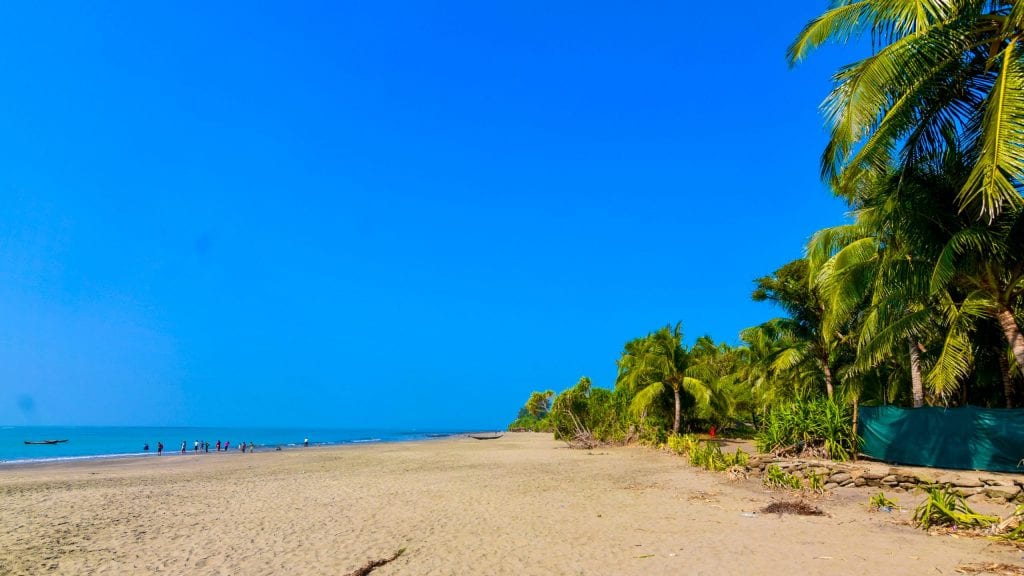
There are no motor vehicles on Saint Martin’s Island not even motorcycles. This is, it turns out, a very good thing. The island is small enough to explore entirely on foot, and doing so is the best way to experience it.
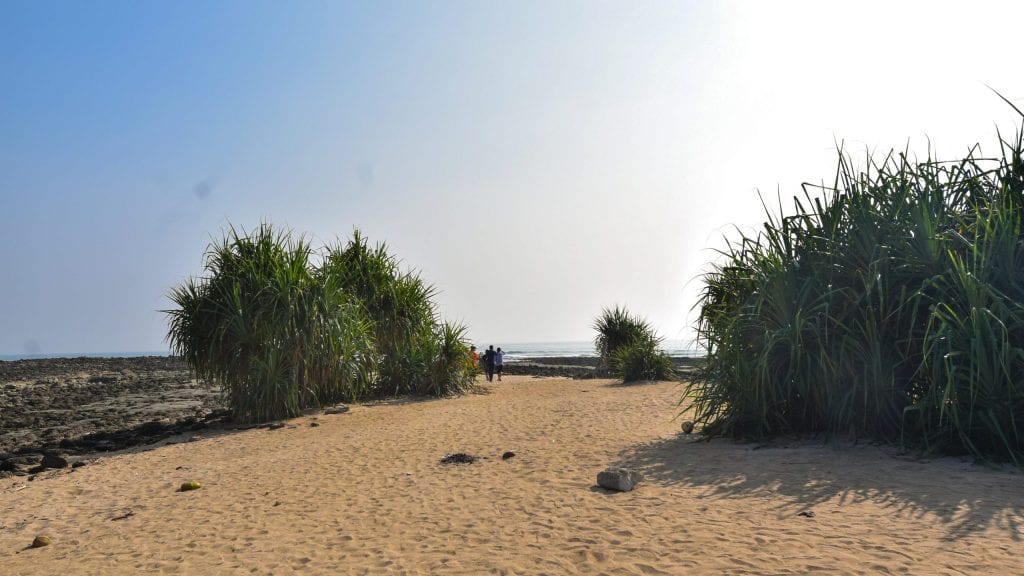
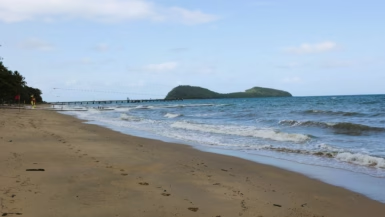
Start from the jetty area in the north and walk south along the beach, keeping the ocean on your left. The northern part of the island is where most hotels and restaurants are concentrated. As you walk south, the development thins out and the beach becomes progressively wilder and more beautiful. Coconut palms lean over the sand. The water graduates from green to blue as the coral deepens.
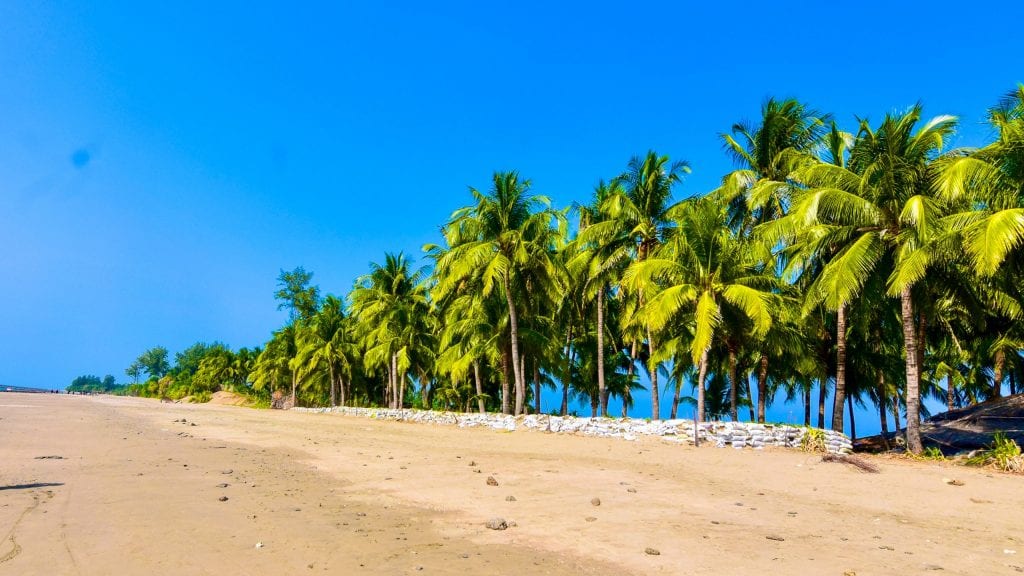
A full circumnavigation of the island on foot takes three to four hours at a relaxed pace — but only attempt it during low tide. Certain sections of the southern tip are submerged during high tide and genuinely impassable. Ask your hotel the tide times before setting out in the morning.
📸 Photography tip: The eastern side of the island (the sunrise side) is less visited and more photogenic in the early morning. Golden light, empty beach, fishing boats returning from overnight trips.
Visit Chhera Dwip — The Torn Island
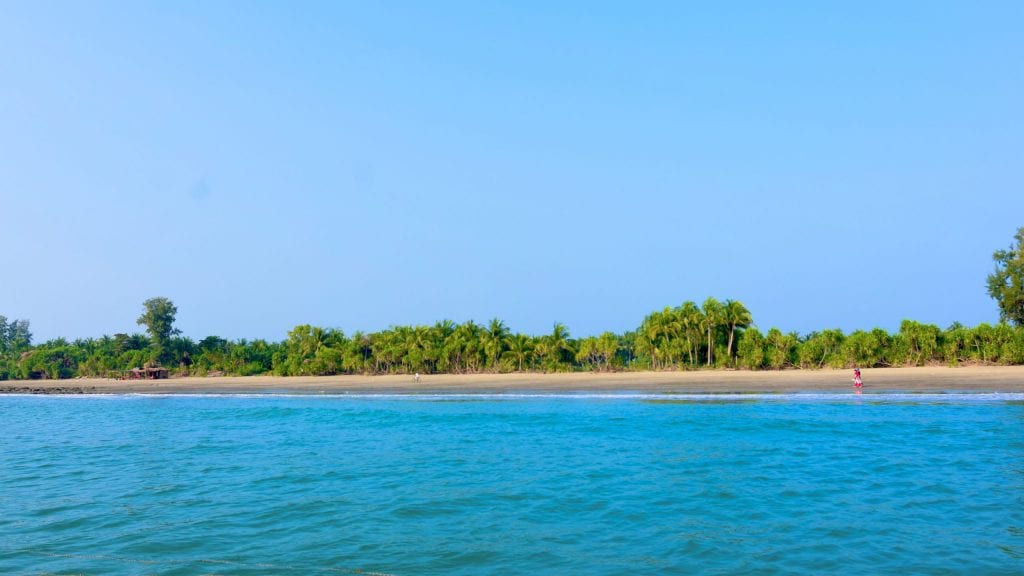
Chhera Dwip translates as “Torn Island” — named because it is physically separated from the main island at high tide and becomes an extension of it at low tide. It is the highlight of any visit to Saint Martin’s.
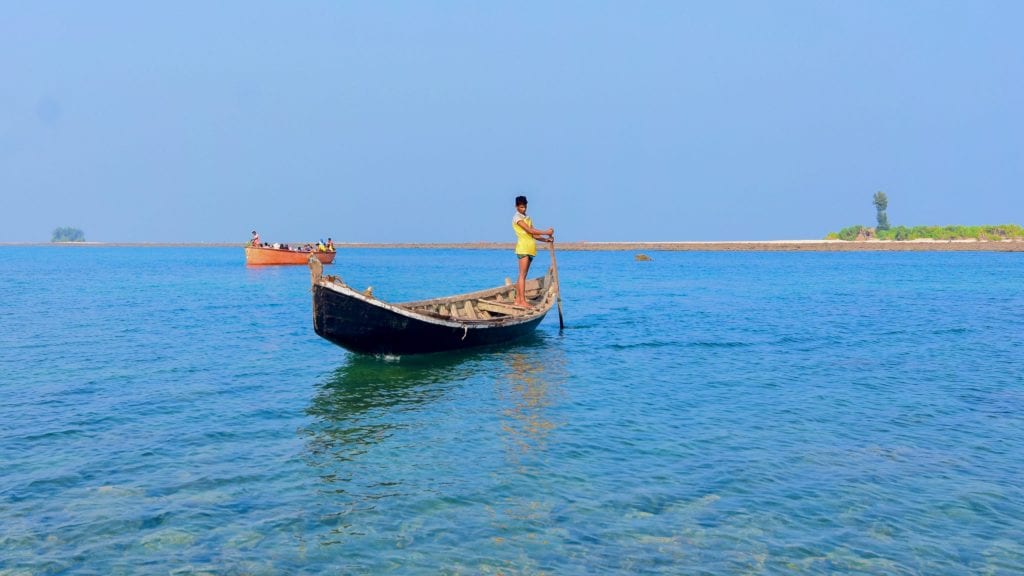
Hire a local fishing boat from the jetty area to take you there — the journey takes about 10–15 minutes across a channel of exceptionally clear water. As you approach, Chhera looks like a deserted island out of a novel: no buildings, no people, just wild beach and rock and the open ocean beyond.
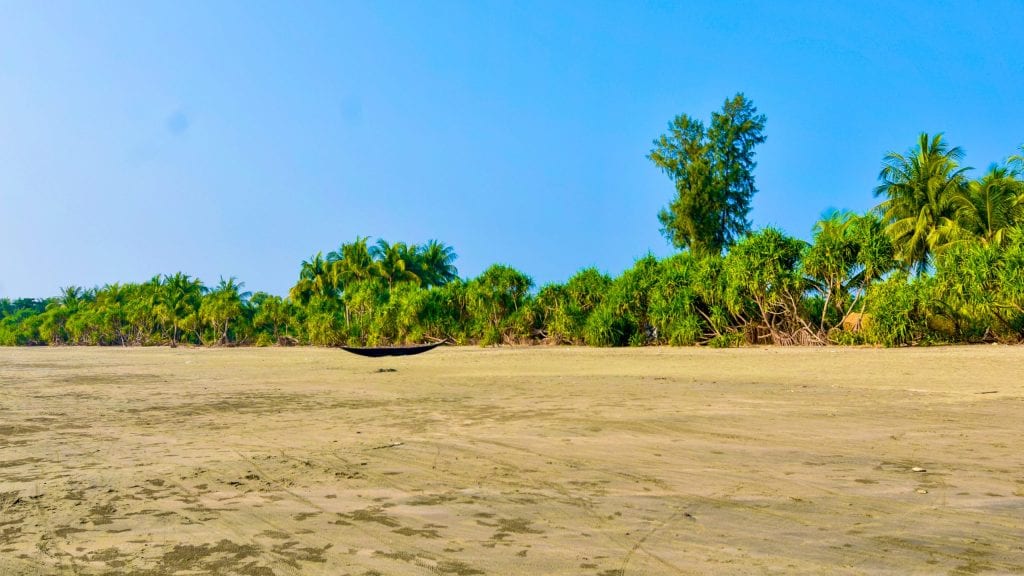
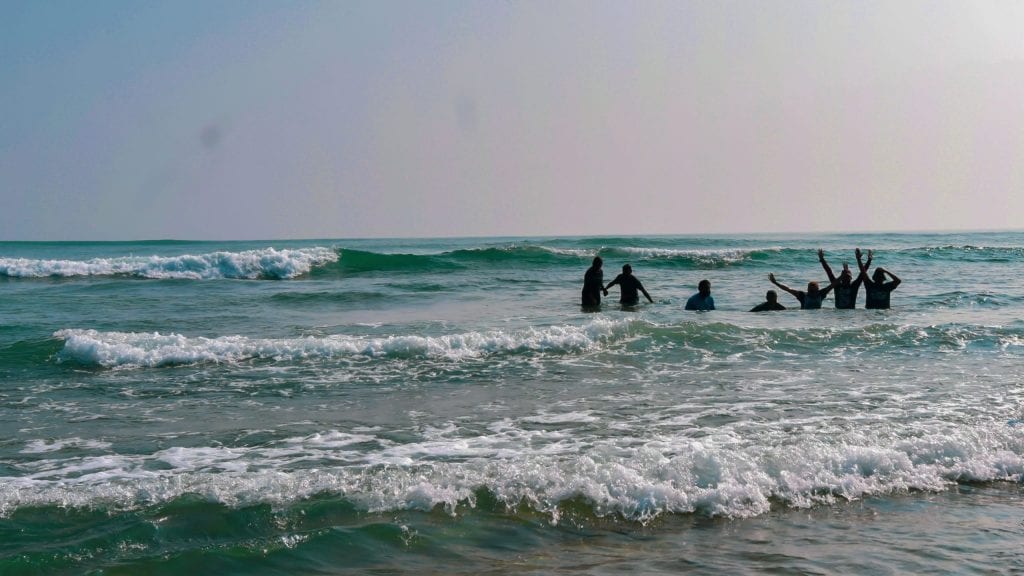
The boat drops you on the beach and you walk the entire island on foot in 30–40 minutes. The western side faces the open Bay of Bengal, where the waves are larger and more powerful. Giant coral formations emerge from the water at the rocks. The snorkelling here — with a mask and fins, available from the boat operators — reveals a coral reef that is still, despite the pressures of tourism, genuinely spectacular.
Practical details:
- Hire a boat from the northern jetty area: approximately BDT 300–500 for the round trip per person (negotiate; group rates are better)
- Best visited in the morning when the light is clear and the tide is dropping
- You can also walk to Chhera Dwip directly from Saint Martin’s during low tide — takes about 30–40 minutes on foot across the exposed coral and sand. Wear shoes with grip.
- Wear water shoes or sandals with straps — the coral is rough and uneven
Snorkelling the Coral Reef
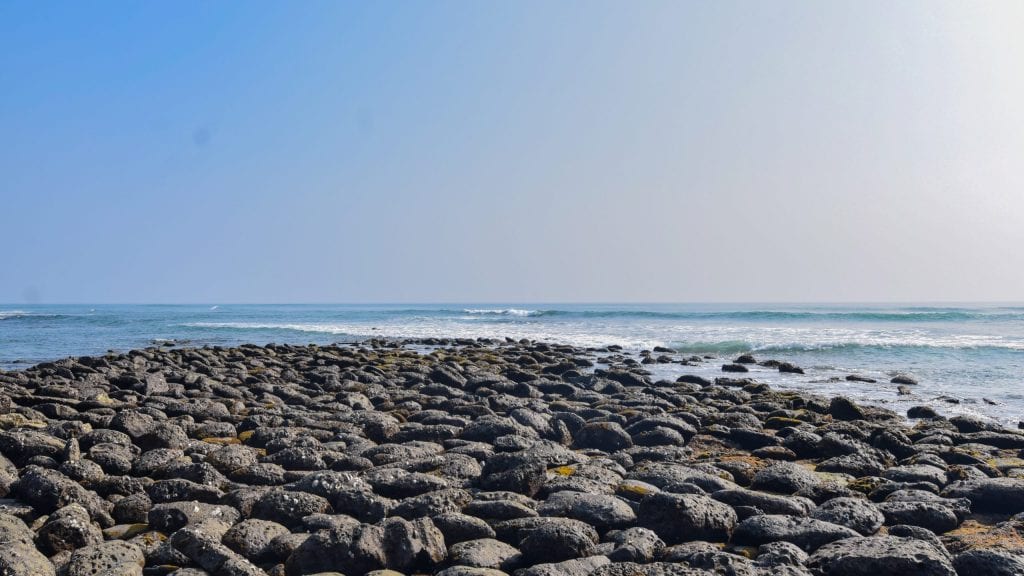
Saint Martin’s is Bangladesh’s only coral island and its only snorkelling destination of any quality. The coral reef surrounds the island, with the most accessible and intact sections around Chhera Dwip and the southern tip of the main island.
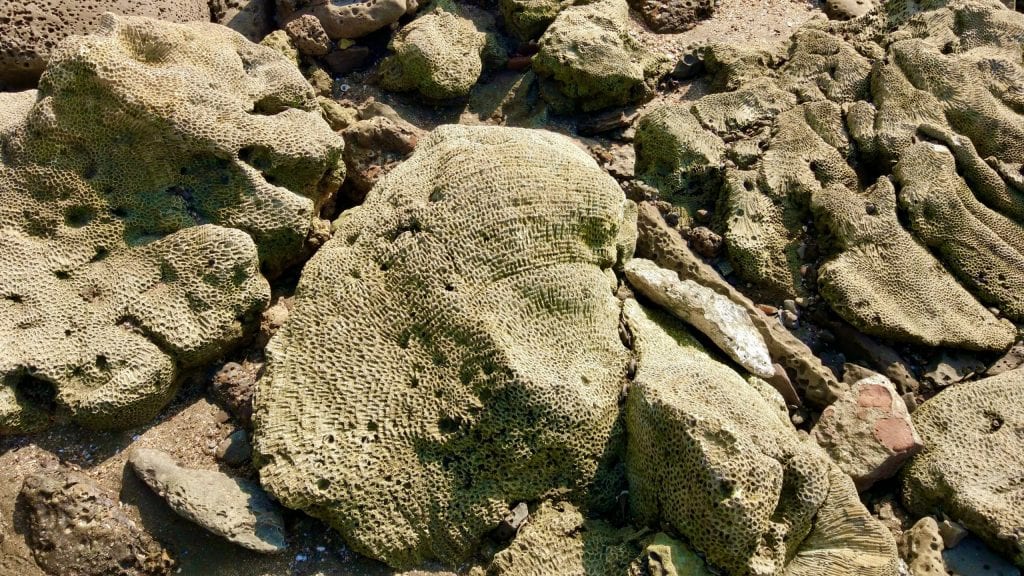
The coral here faces serious pressure from tourism and has been degrading over the past decade. The government has at various points considered restricting tourist access to the island to allow coral recovery. Despite this, there are still areas with living coral, colourful reef fish, sea urchins, and starfish visible to snorkellers.
Hire snorkelling equipment from local operators at the jetty or through your hotel — masks, fins, and a guide for BDT 150–300 per person. The guides know which sections of reef still have the best coral.
⚠️ Important: Do not touch, stand on, or remove any coral. The impact of tourism on Saint Martin’s reef is already severe. Walking on coral kills it. Taking coral as a souvenir (and vendors will try to sell you pieces) directly damages the ecosystem. Leave it exactly as you find it.
Rent a Bicycle and Explore
The island has a small network of unpaved paths connecting the main areas, and local operators rent bicycles for BDT 30–50 per hour. Cycling is an imperfect experience — the paths are sandy and uneven — but it is a genuinely enjoyable way to cover ground when the afternoon heat makes walking less appealing.
Head inland from the beachfront to see how the island’s permanent residents actually live: modest houses set back from the beach, small gardens, fishing nets drying in the sun. Most of the island’s southern half is occupied by farms and local houses rather than tourist infrastructure.
Watch the Sunset from the Western Beach
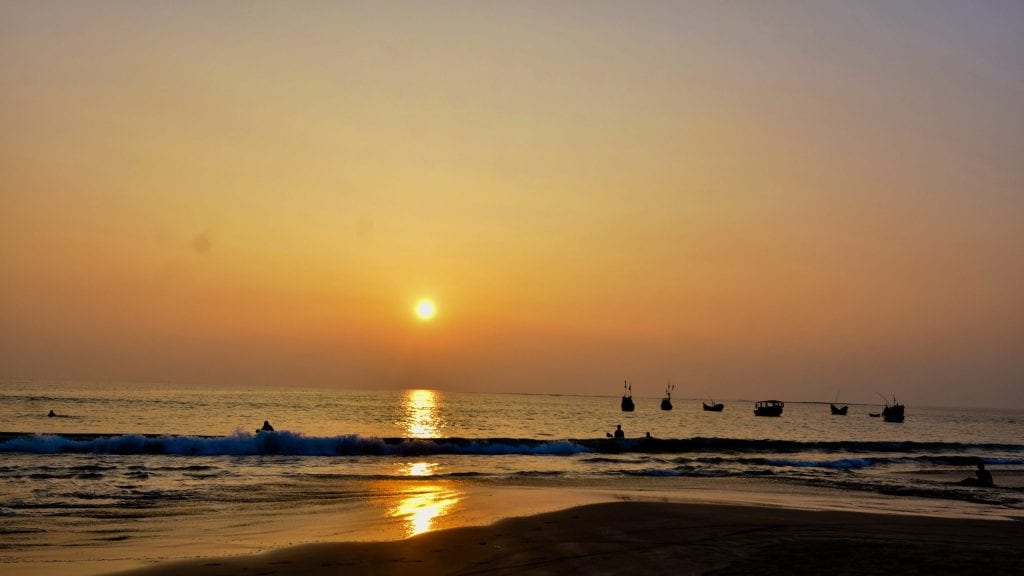
Cox’s Bazar sunsets are famous. Saint Martin’s sunsets are, in my view, superior — partly because the island is quieter, partly because the water is clearer, and partly because the complete absence of buildings on the horizon gives you the purest possible view of the sun meeting the sea.
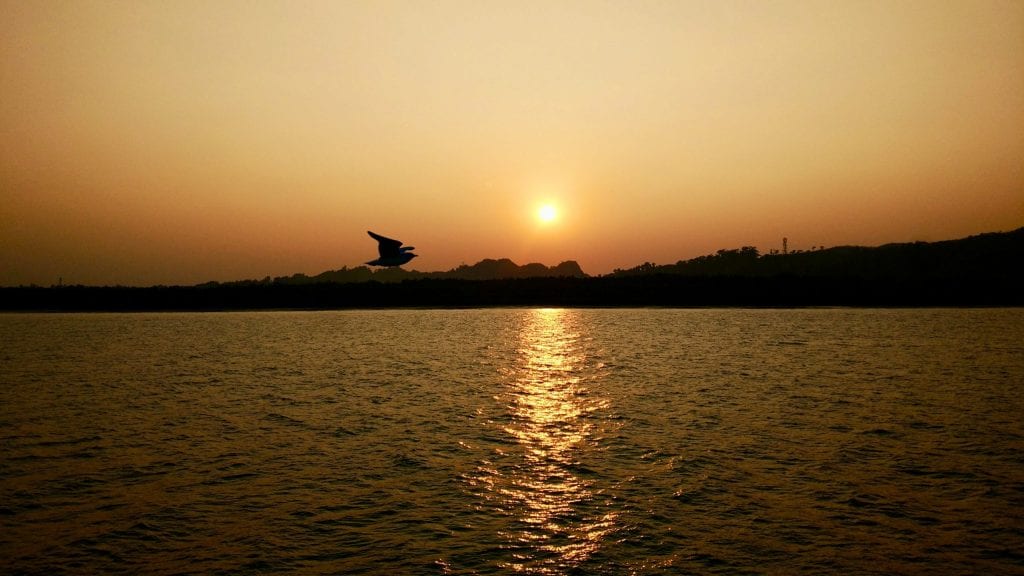
Position yourself on the western beach, facing the Bay of Bengal, about 30 minutes before sunset. The sun descends into the open ocean — no mountains, no islands, no obstructions. In the clear air of December–January, it glows deep orange and then red as it drops, and the water catches and scatters the colour in every direction.
The evenings after sunset are when the island’s barbecue restaurants set up on the beach — the transition from sunset into a dinner of freshly grilled fish, with the sound of the ocean, is as good as evenings get.
Evening Seafood Barbecue
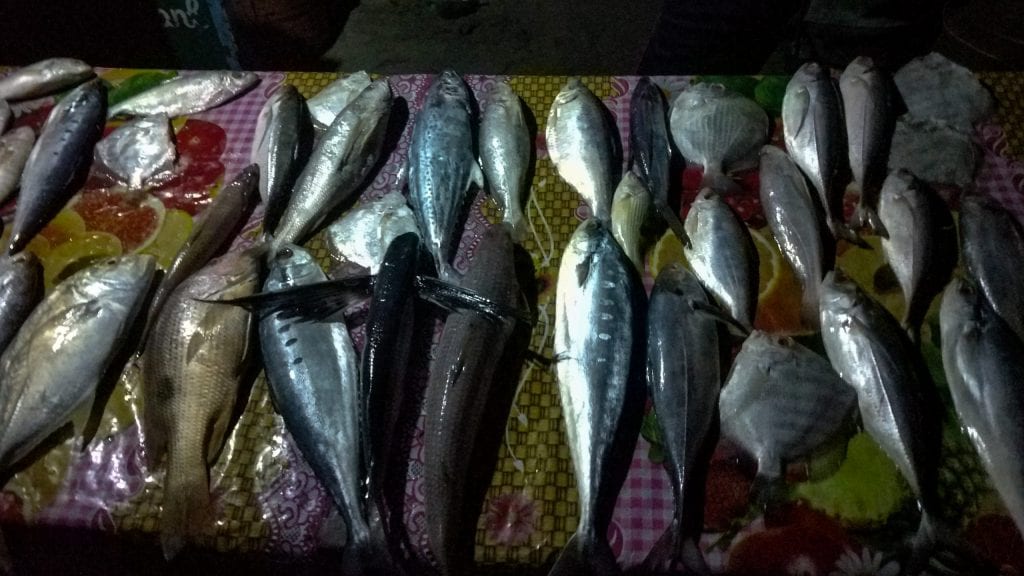
This is not optional. You cannot leave Saint Martin’s without eating fresh fish barbecued on the beach.
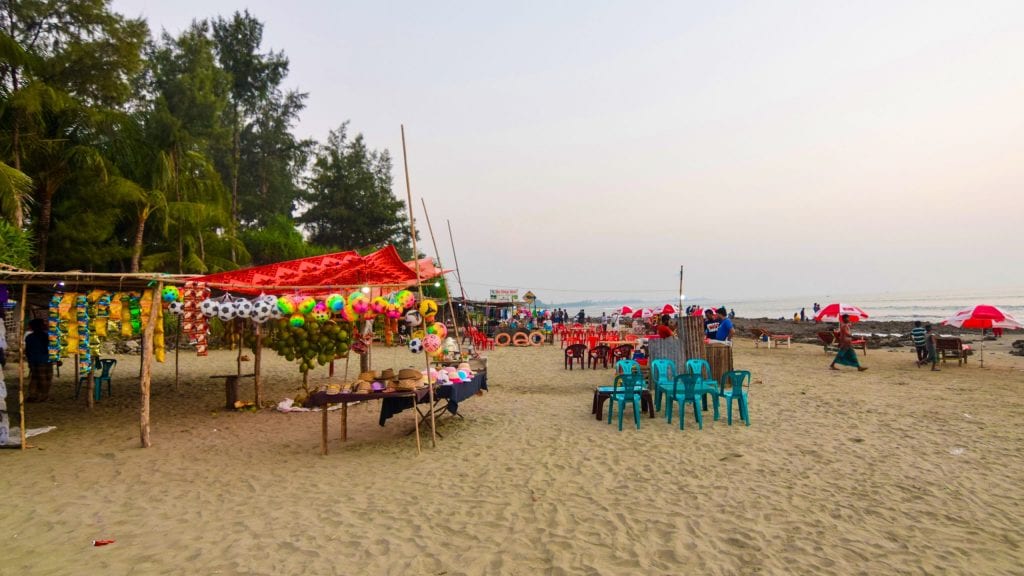
As the sun goes down, temporary restaurants appear along the beachfront — tables and chairs set directly on the sand, with charcoal grills smoking nearby and that day’s catch displayed on ice. You choose your fish, they grill it while you sit and listen to the ocean, and it arrives with rice, lentils, chutney, and lime.

What to order:
- Rupchanda (Silver Pomfret): The most prized catch in these waters. Grilled whole and nearly boneless — remarkable flavour.
- Red snapper: Abundant around the reef; grills beautifully with garlic and salt
- Lobster: Available seasonally; agree the price per piece before ordering
- Chingri (Tiger Prawns): Often very large and fresh; the best value by weight
Tip: Ask your hotel to arrange a barbecue dinner on the beach ahead of time — they can organise a dedicated setup with a wider fish selection, particularly useful in the quieter parts of the island away from the main restaurant strip. Agree the price per person beforehand.
Star-Gazing at Night
This sounds too simple to mention, but it is genuinely one of the best things to do on Saint Martin’s. The island has no grid electricity and negligible light pollution. On clear nights — common from November to February — the sky over Saint Martin’s is spectacular in a way that most people living in cities have genuinely forgotten is possible.
Lie on the beach, or pull a chair to the water’s edge outside your hotel. Give your eyes 15 minutes to adjust. The Milky Way becomes visible on the darkest nights.
Where to Stay on Saint Martin’s Island
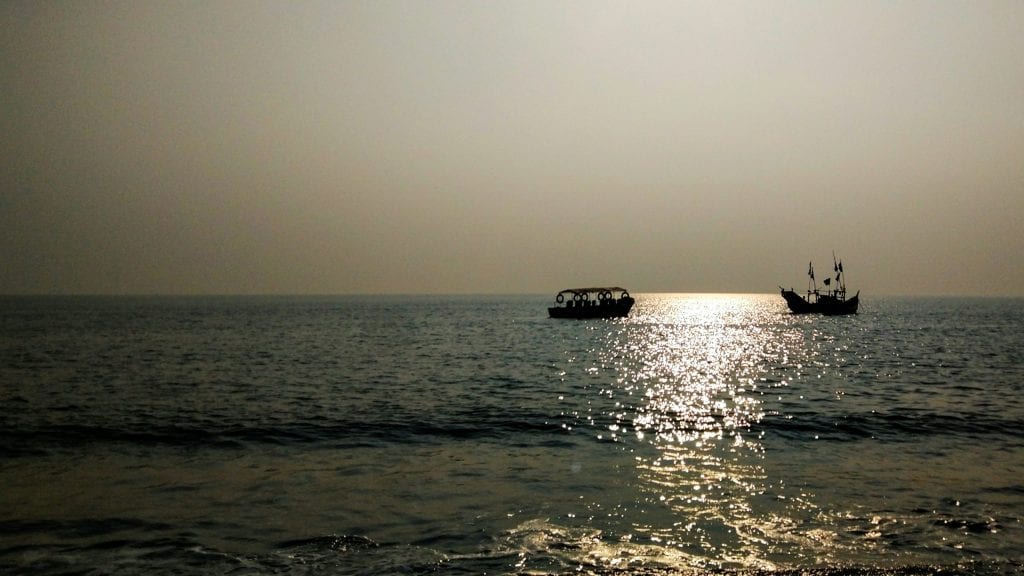
Saint Martin’s Island has no five-star hotels and never will — the island’s remoteness, lack of grid electricity, and limited fresh water supply ensure that. What it does have is a range of comfortable, well-run guesthouses and eco-resorts that are entirely adequate for the experience you are coming here for. You are not here for room service; you are here for the ocean.
The most important rule: Book ahead. During peak season (especially December and weekends in November–January), the better properties fill up completely weeks in advance. Arriving without a reservation is a gamble you will likely lose.
💡 Starting your Bangladesh trip from Dhaka? Before making your way south to Saint Martin’s, consider staying at the author’s own Airbnb in Dhaka — two personally hosted properties with the kind of local knowledge and neighbourhood access that hotels simply can’t offer. A perfect base for your first night in Bangladesh before heading to Cox’s Bazar and Saint Martin’s.
Recommended Hotels on Saint Martin’s Island
Blue Marine Resort — The most consistently recommended property on the island. Beachfront location, better-than-average rooms by island standards, and reliable generator hours. Book early — it fills up fast in December.
📞 +880 1713 399001 | 🌐 bluemarineholidays.com
Hotel Praasad Paradise — A popular mid-range option with solid reviews for food and service. Their kitchen is one of the better ones on the island, which matters when your dining options are limited.
📞 +880 1551 222211 | 🌐 Facebook page
Music Eco Resort — Well-regarded eco-resort with online booking. A good option if you want to book digitally rather than by phone.
📞 +880 1613 339696 | 🌐 musicecoresort.com
Shayari Eco Resort — Smaller and quieter than the main resort strip; good for travellers who want a more peaceful base.
📞 +880 1711 232917 | 🌐 Facebook page
Hotel Abakash — One of the established names on the island, with a range of room types.
📞 +880 1716 789634 | 🌐 abakashparjatan.com
What to expect from all Saint Martin’s hotels:
- Generator electricity for typically 4–8 hours in the evening/night (ask your hotel their specific hours)
- No air conditioning in budget properties; fans in all rooms; the sea breeze is usually sufficient Nov–Feb
- Limited hot water (less important in this climate)
- Basic but fresh seafood at the in-hotel restaurant
- No room service in the conventional sense — the island doesn’t work like that, and it shouldn’t
⚠️ Don’t rely on walkup bookings in peak season. During December weekends and national holidays, every bed on the island can be full. Book by phone or email at least 2–4 weeks ahead.
What to Eat on Saint Martin’s Island
The island’s food scene is simple, honest, and occasionally exceptional when it comes to seafood. There are no fine-dining restaurants and no international cuisine — which is exactly as it should be.
At the beach barbecue stalls (evenings): Your primary dinner experience. Choose from the fish displayed on ice, agree the price, and wait while it is grilled over charcoal. Add rice and dal. This costs BDT 200–600 per person depending on what you choose.
At your hotel restaurant: Most hotels serve a set breakfast (typically rice or bread with eggs, fruit, and tea), and a lunch and dinner menu focused on Bangladeshi fish curries, plain rice, lentils, and vegetables. Food is often fresher here than it looks — everything is caught locally.
Coconuts everywhere: The island’s namesake and its best drink. Fresh coconuts (green, sold chilled) are available from vendors all over the island for BDT 20–30. Refreshing, hydrating, and the most appropriate thing to drink on a tropical island in a country without beachside bars.
Street snacks in the evening: As the sun goes down, small temporary stalls sell fried snacks, biscuits, fruit, and tea along the main beachfront area. Not glamorous — genuinely enjoyable.
How to Get to Saint Martin’s Island
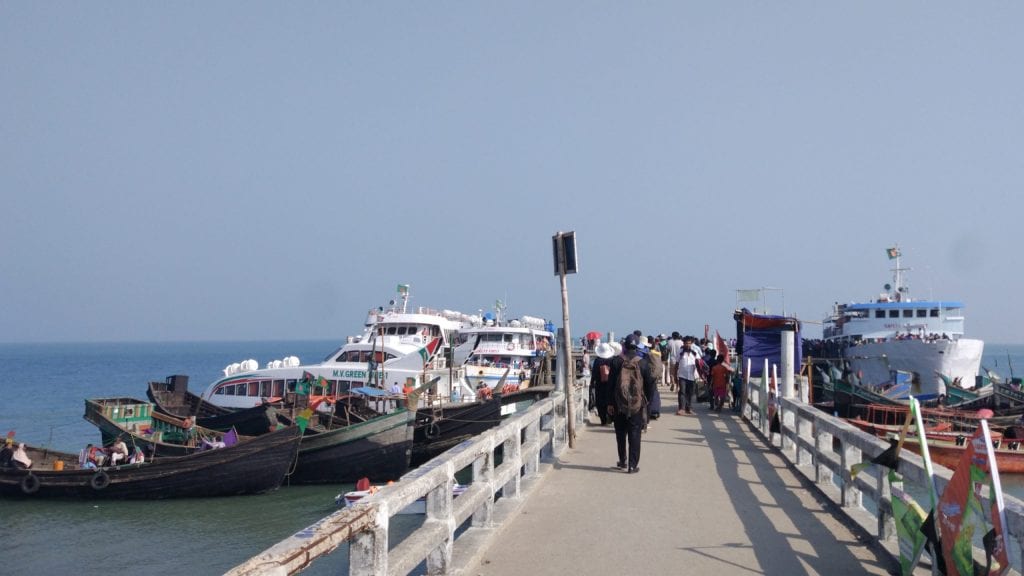
Getting to Saint Martin’s requires more planning than most destinations in Bangladesh. The island is accessible only by sea, the season is strictly limited to November–January, and as of 2024 all ticketing must go through the official government portal. Here is every option, clearly explained.
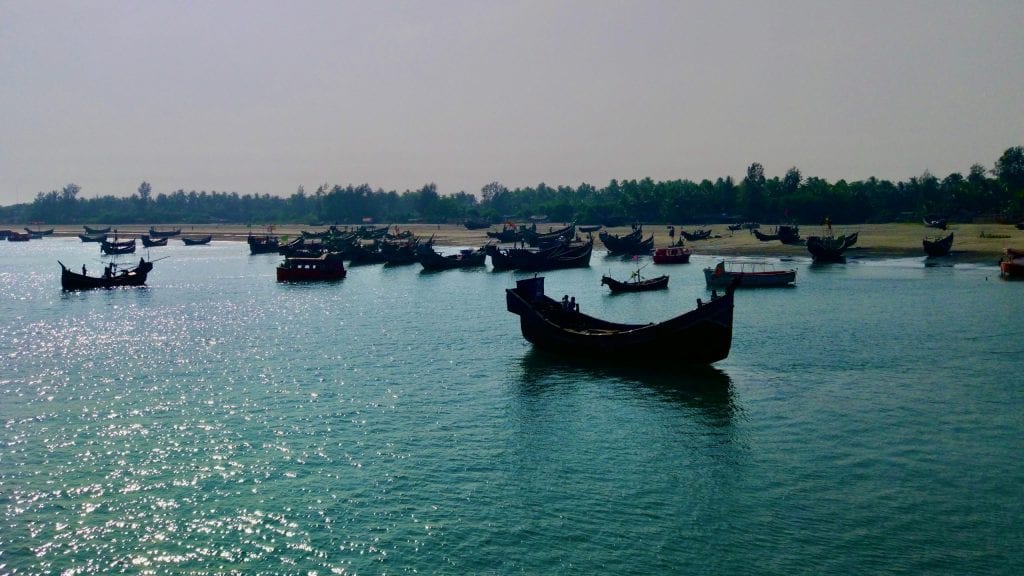
Important: Departure Point Has Changed
Ships no longer depart from Teknaf. All authorised passenger vessels now depart from the Nuniya Chhara BIWTA Jetty in Cox’s Bazar town. This is a significant change from previous years and simplifies the journey considerably — you no longer need to travel the extra 90 km south to Teknaf.
Ships depart Cox’s Bazar at 7:00 AM daily and return from Saint Martin’s at 3:00 PM.
Step 1: Get to Cox’s Bazar
Saint Martin’s is now reached via Cox’s Bazar. Fly or bus from Dhaka, stay overnight in Cox’s Bazar, and board the ship the next morning. The beach at Cox’s Bazar is absolutely worth spending a night or two — see the full Cox’s Bazar travel guide.
Route options from Dhaka:
| Route | Mode | Approximate Time |
|---|---|---|
| Dhaka → Cox’s Bazar (fly) → Saint Martin’s | Fly to CXB + ship | ~3 hours total travel |
| Dhaka → Cox’s Bazar (bus) → Saint Martin’s | Overnight bus + ship | 13–15 hours total |
| Dhaka → Cox’s Bazar (train) → Saint Martin’s | Direct train + ship | ~10 hours total |
Dhaka to Cox’s Bazar by air: ~45 minutes. Biman Bangladesh Airlines, US-Bangla, NovoAir operate multiple daily flights. Fare: USD 40–70 one-way. Book 2–3 weeks ahead in peak season.
Dhaka to Cox’s Bazar by train (new direct service): Bangladesh Railway now operates two direct intercity trains — the Cox’s Bazar Express and Parjatak Express — from Dhaka’s Kamalapur Station. The Cox’s Bazar Express (Train 814) departs at 10:30 PM and arrives at 7:20 AM, giving you a full morning before the 7:00 AM ship — book the night before your ship departure. Journey time: ~8.5 hours. Fare: BDT 695 (non-AC) to BDT 2,380 (AC sleeper). Book at eticket.railway.gov.bd.
Dhaka to Cox’s Bazar by bus: Overnight luxury coaches (Green Line, Shyamoli, Hanif) depart 9–11 PM, arrive in the morning. Fare: BDT 1,200–2,000. Book via Shohoz or Buss BD apps.
Step 2: Book Your Ship Ticket (and Travel Pass)
All tickets must be booked through the Bangladesh Tourism Board’s authorised online portal. Tickets purchased through informal agents or at the jetty on the day will not carry a valid QR code and will be rejected at boarding.
Once you purchase your ticket through the official portal, your Travel Pass is automatically generated and embedded in your QR-coded ticket — no separate application needed.
Ship schedule:
- Departure from Cox’s Bazar (Nuniya Chhara Jetty): 7:00 AM daily
- Return from Saint Martin’s: 3:00 PM daily
- Crossing time: approximately 2–2.5 hours each way
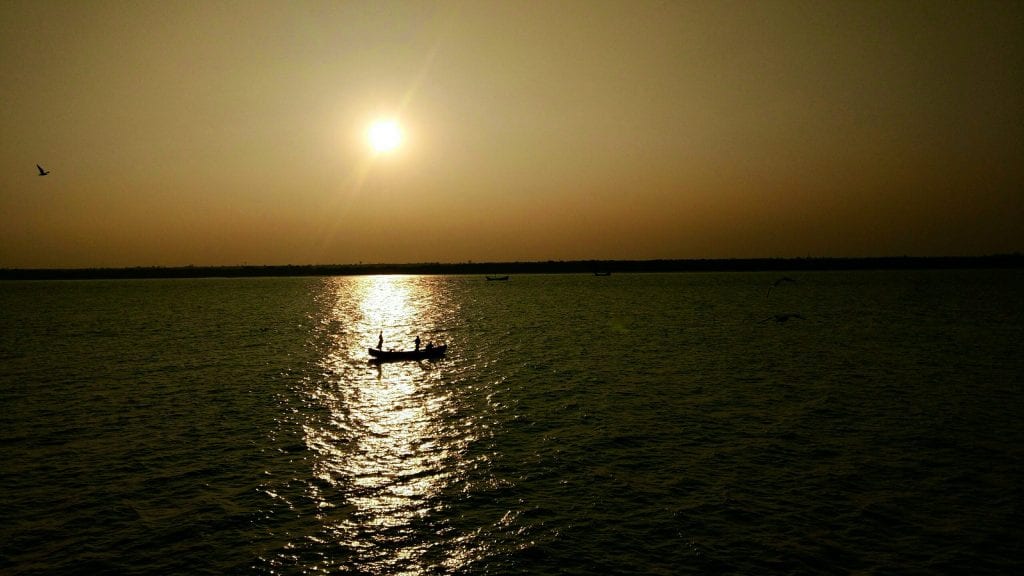
This creates a clear itinerary structure: Stay overnight in Cox’s Bazar, board the 7:00 AM ship, arrive at Saint Martin’s by mid-morning, and plan to return on the 3:00 PM ship whenever you are ready to leave.
Approved ship operators (2025–26 season):
| Ship | Notes | Phone |
|---|---|---|
| MV Karnaphuly Express | One of the main approved vessels | +8801610051005 |
| MV Baro Aulia | Approved for current season | |
| MV Bay Cruise | Approved for current season | |
| MV Kajol | Approved for current season | |
| Keari Sindbad | Established long-running operator | +8801727 266077 |
| Keari Cruise & Dine | Premium option |
Ticket price: BDT 400–800 per person one-way depending on ship class and season.
⚠️ Peak season demand: The 2,000-tourist daily cap means tickets for December weekends sell out quickly. Book at least 2–3 weeks ahead for December. For weekdays in December and all of January, 1–2 weeks ahead is usually sufficient.
Getting Around the Island
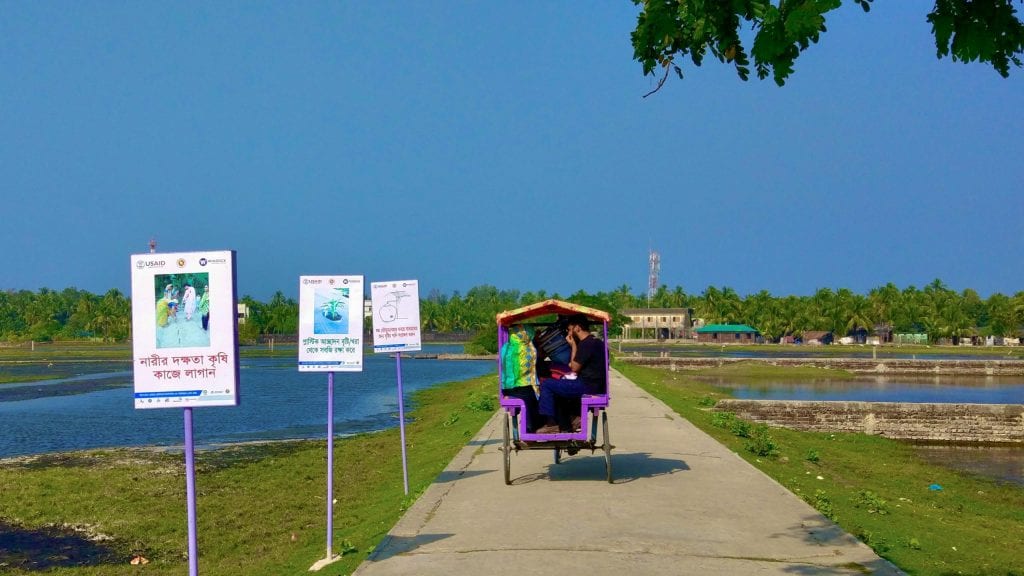
Once you arrive at Saint Martin’s jetty, the island is navigable on foot, by bicycle, or by the small three-wheeled “van” vehicles that meet the boat at the jetty and transport guests to hotels for approximately BDT 30–50 per person.
There are no motorcycles or cars on the island. This is the rule, not the exception — and it is why the island has retained its character.
Sample Itinerary: 2 Nights on Saint Martin’s Island
This is the minimum recommended stay. One night is technically possible but wastes the journey. Note: overnight stays are only permitted December–January. In November you can only do a same-day return trip.
Day 0 (Evening) — Cox’s Bazar
Arrive in Cox’s Bazar by afternoon or evening. Stay overnight near the Nuniya Chhara jetty area, your hotel can advise the closest options. Purchase your ship ticket in advance, your QR-coded Travel Pass is issued automatically with the ticket. Set an alarm: the ship departs at 7:00 AM sharp.
Day 1 — Arrival & the Western Beach
6:30 AM — Arrive at Nuniya Chhara BIWTA Jetty, Cox’s Bazar. Have your QR-coded ticket ready for scanning at boarding.
7:00 AM — Board the ship. Find a seat on the upper deck for the best views of the coast and the open sea.
9:00–9:30 AM — Arrive at Saint Martin’s jetty. Take a van to your hotel (BDT 30–50). Check in, drop your bags.
11:00 AM — Lunch at your hotel or a beachside restaurant near the jetty area.
2:00 PM — Walk south along the western (sunset) beach. Go as far as the terrain allows at this tide. Stop wherever calls to you and simply sit.
5:30 PM — Return to the western beach for sunset. Don’t miss it.
7:30 PM — Dinner at a beachside barbecue restaurant. Choose your fish from the display, wait, eat.
Night — Star-gazing from the beach or your hotel veranda. Sleep to the sound of the ocean.
Day 2 — Chhera Dwip & the Full Island
6:30 AM — Early morning beach walk on the eastern side (sunrise side). Fishing boats returning from the night; the beach to yourself.
8:00 AM — Breakfast at hotel.
9:30 AM — Hire a boat to Chhera Dwip. Spend the morning on the Torn Island — explore on foot, snorkel the reef, watch the waves hit the open-ocean rocks.
12:30 PM — Return to main island. Lunch.
2:30 PM — Rent a bicycle and explore the southern and central parts of the island. Visit the local village areas away from the tourist strip.
5:30 PM — Sunset, again. It is different every evening.
7:30 PM — Final barbecue dinner. If your hotel offers a private beach barbecue arrangement, tonight is the night for it.
Day 3 — Departure
Morning — Final beach walk. Pack up.
3:00 PM — Board the return ship at Saint Martin’s jetty.
5:00–5:30 PM — Arrive back at Nuniya Chhara Jetty, Cox’s Bazar. Continue your journey north to Dhaka by bus, train, or next-morning flight.
Packing List for Saint Martin’s Island
The island’s isolation means anything you forget stays forgotten — there are no shops selling travel essentials.
Essentials:
- Cash in Taka — there are no ATMs on the island. Bring everything you will need: accommodation, food, boat hire, snorkelling gear, souvenirs. BDT 3,000–5,000 per person per day is a comfortable budget.
- Prescription medication — there is a basic health post on the island but no pharmacy with a reliable supply
- Sunscreen (high SPF) — the sun on open water and white sand is intense. Bring more than you think you need.
- Insect repellent — sand flies (no-see-ums) can be a nuisance, especially at dusk on the beach
- Water shoes or reef sandals — non-negotiable for visiting Chhera Dwip and walking on coral areas
- Reusable water bottle — hotels provide drinking water; carrying a refillable bottle reduces the island’s significant plastic waste problem
- Power bank — generator hours are limited; charge your devices during generator time and supplement with a power bank
- Torch/headlamp — useful for walking after generator hours, which can end before you are ready for bed
- Light layers — evenings in December–February can be surprisingly cool on the open water and beach
- Dry bag or waterproof pouch — for phone and valuables on the boat crossing, which can get spray on rough days
Leave behind:
- Heavy luggage — the vans at the jetty are small, and the paths are sandy. A backpack is far easier than a wheeled suitcase.
- Drone — check current regulations before bringing one; drone rules in Bangladesh change and some areas near the Myanmar border have restrictions.
Environmental Responsibility on Saint Martin’s
Saint Martin’s is one of Bangladesh’s most ecologically fragile places. The coral reef that makes it special is under serious threat from overtourism, plastic pollution, unregulated hotel construction, and coral collection.
The government has repeatedly discussed restricting tourist numbers or closing the island temporarily for ecological recovery. Whether you come for one day or one week, please:
- Do not touch or stand on coral — dead coral does not recover. Living coral breaks underfoot.
- Do not buy coral from vendors — this trade is illegal and directly destructive. Refuse any offers, however persistent.
- Carry out your plastic — the island’s waste management is inadequate; any plastic you bring in, take back out with you.
- Use reef-safe sunscreen — standard chemical sunscreens (oxybenzone, octinoxate) damage coral. Mineral-based (zinc oxide, titanium dioxide) sunscreens are less harmful.
- Stay on established paths at Chhera Dwip — the vegetation and coral at the edges of the island are easily damaged by foot traffic.
The island’s future as a tourist destination depends entirely on the health of its reef. Treat it accordingly.
Interesting Facts About Saint Martin’s Island
- Local name: Narikel Jinjira (Coconut Island) — named for the coconut palms that dominate the island’s landscape
- Bangladesh’s only coral island — the entire country has a single coral reef system, and it is here
- Myanmar is very close: Travel a few kilometres southeast from Saint Martin’s and you reach Myanmar. There is no legal border crossing by water — do not attempt it.
- A cyclone in 1991 devastated the island, killing thousands along the Bangladesh coast. The island has been rebuilt, but local memory of the disaster remains vivid.
- Sea turtles nest here: Olive ridley sea turtles nest on Saint Martin’s beaches between November and February — the same peak tourist season. Walk carefully on the beach at night and do not use bright lights near the waterline.
- The island is technically sinking: Like many low-lying coastal areas in Bangladesh, Saint Martin’s faces gradual inundation from rising sea levels. Some beach areas that existed a decade ago are now underwater at high tide.
- Most hotels are in the north: The northern section of the island handles almost all tourist accommodation. The centre and south are largely farmland and local residences — and well worth exploring on foot.
FAQ — Saint Martin’s Island Bangladesh
Is Saint Martin’s Island safe to visit?
Yes, it is a quiet, family-oriented destination with a very low crime rate. The main risks are practical rather than personal: rough seas during monsoon (do not go then), coral cuts if you walk barefoot on the reef, and sunburn on the open beach and water.
Do I need a Travel Pass to visit Saint Martin’s Island?
Yes — it is mandatory for all tourists as of the 2024–25 season. The pass is automatically issued when you purchase a ship ticket. Your ticket will carry a QR code which is scanned at boarding. A ticket without a valid QR code is rejected. There is no separate application needed if you book through the official channel.
How many days should I spend on Saint Martin’s Island?
Two nights (three days) is the sweet spot — enough time to explore the island fully, visit Chhera Dwip, and let the pace of the place slow you down properly. One night is technically possible but feels rushed given the journey to get there. Three or four nights is lovely if you genuinely want to decompress.
Can I visit Saint Martin’s Island as a day trip from Cox’s Bazar?
Yes — and in November it is the only option (no overnight stays permitted in November). The ship departs Cox’s Bazar at 7:00 AM and returns from Saint Martin’s at 3:00 PM, giving you approximately 5–6 hours on the island. It is a worthwhile day trip. If you have the option of visiting in December or January, an overnight stay is strongly recommended to fully experience the island.
Where do the ships depart from?
All authorised ships now depart from the Nuniya Chhara BIWTA Jetty in Cox’s Bazar town — not from Teknaf as was previously the case. This change was introduced for the 2024–25 season. You no longer need to travel to Teknaf.
Do I need to book the ship ticket in advance?
Yes — always. All tickets must be purchased through the Bangladesh Tourism Board’s official portal. You cannot buy tickets from informal agents or at the jetty on the day (they won’t carry the valid QR code). For December weekends, book 2–3 weeks ahead — the 2,000-tourist daily cap means popular dates sell out. For weekdays and January, 1–2 weeks is usually enough.
Is there Wi-Fi on Saint Martin’s Island?
Some hotels offer basic Wi-Fi during generator hours. Mobile data works reasonably well in the northern tourist area. Don’t expect to stream video — but staying connected is possible.
What is the best way to combine Saint Martin’s with the rest of Bangladesh?
The classic route: Dhaka (2–3 days) → Cox’s Bazar (2–3 days) → Saint Martin’s (2–3 nights, December–January only) → return to Cox’s Bazar → fly or train back to Dhaka. This covers the country’s three most iconic destinations in 8–10 days. The new direct train from Dhaka to Cox’s Bazar (Cox’s Bazar Express, 8.5 hours overnight) makes this route even more convenient than before.
Explore More of Bangladesh
Saint Martin’s is magnificent, but it is one chapter in a country that has far more to offer than most travellers expect:
- Places to Visit in Dhaka — 30 must-see attractions in the capital, from Mughal forts to world-class architecture
- Cox’s Bazar — the world’s longest natural beach; the essential stop before Saint Martin’s
- Sajek Valley — misty mountain valleys in the Chittagong Hill Tracts; the country’s most dramatic highland scenery
- National Monument of Bangladesh — the best half-day trip from Dhaka; essential context for understanding the country
- Old Dhaka in Photos — the medieval heart of the capital, best explored on foot
- Birishiri — the remote Garo Hills village that most tourists completely overlook
A Final Word
Saint Martin’s Island does not try to be anything it is not. It has no resort pools, no cocktail bars, no beachside massage beds. What it has is the cleanest water in Bangladesh, a reef that — if treated with care — may yet survive the pressures placed on it, and evenings so quiet that the stars become something you actually stop and look at.
The journey to get there is longer than it should be, and that is probably why it remains as good as it is.
Go. Stay two nights. Come back changed.
Found this guide useful? Leave a comment below with your own Saint Martin’s experience — and pin it to help other travellers find this hidden corner of Bangladesh.

Can’t wait to get to travel again. Definitely saving this guide
Thanks for your comment. Yes, hope to start traveling soon. Cheers!
Wow, I didn’t know there are islands in Bangladesh, it sounds so dreamy. I like
the boats and the corals..
Thanks for your comment. Why don’t you come and visit someday?
Just find your blog here..
That looks like an amazing place to visit!!