
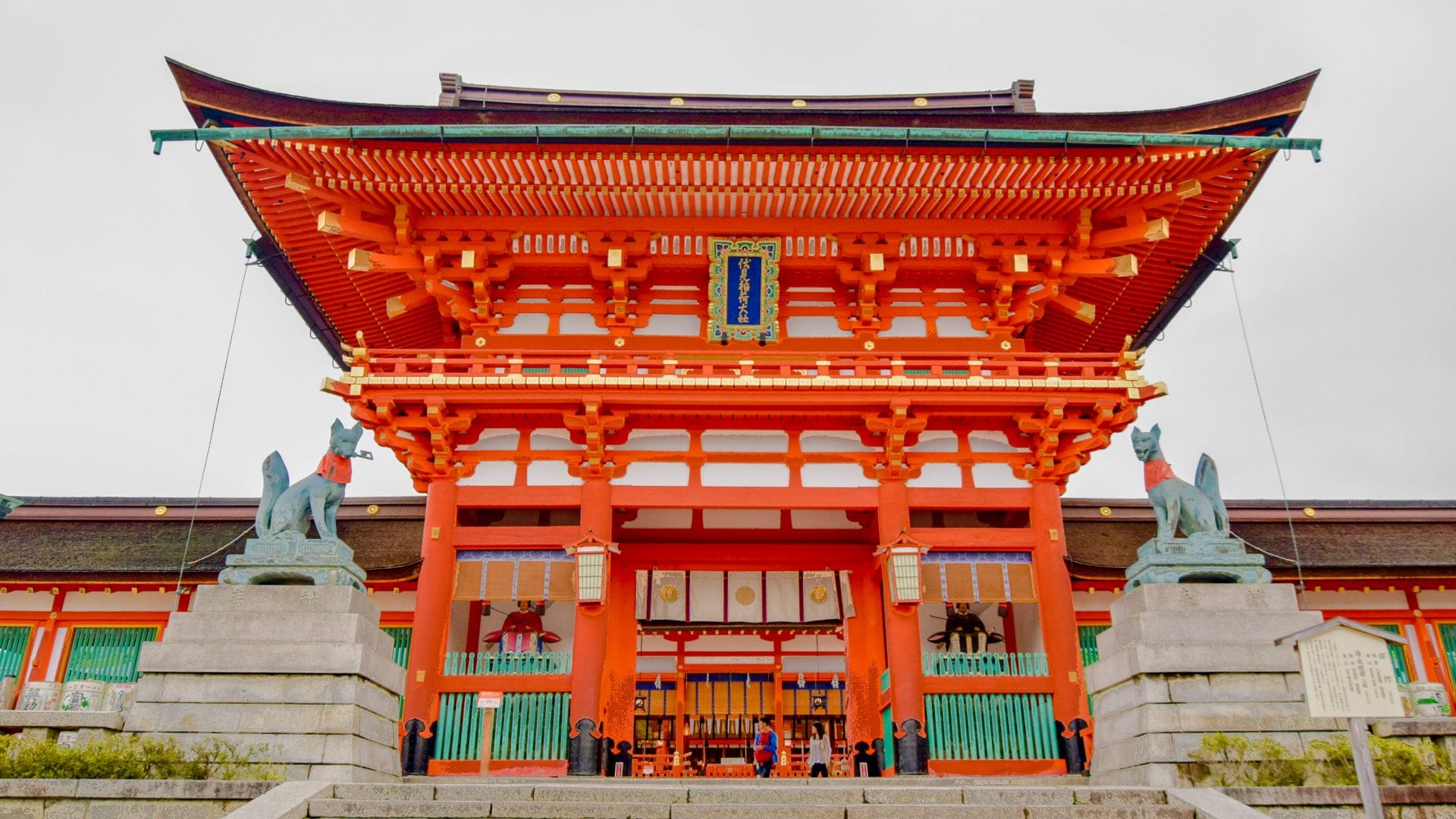
Trip Overview
The Trip in a Nutshell
Trip Highlights at a Glance
Nights Per Stop
| Stop | Nights |
|---|---|
| Tokyo | 4 |
| Kawaguchiko | 1 |
| Nikko | 2 |
| Kyoto | 3 |
| Osaka | 1 |
| Hiroshima or Sapporo | 2 |
| Total | 13 |
How the Trip Flows
Capital & culture → mountain day trips → UNESCO shrines → temples & deer → food capital → the fork at the end
Day-by-Day at a Glance
Tokyo
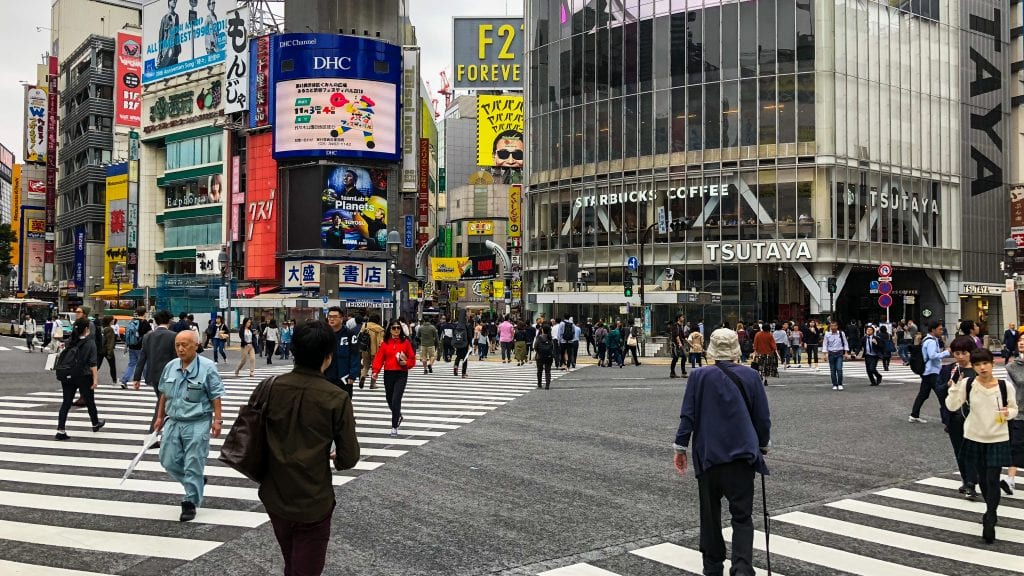
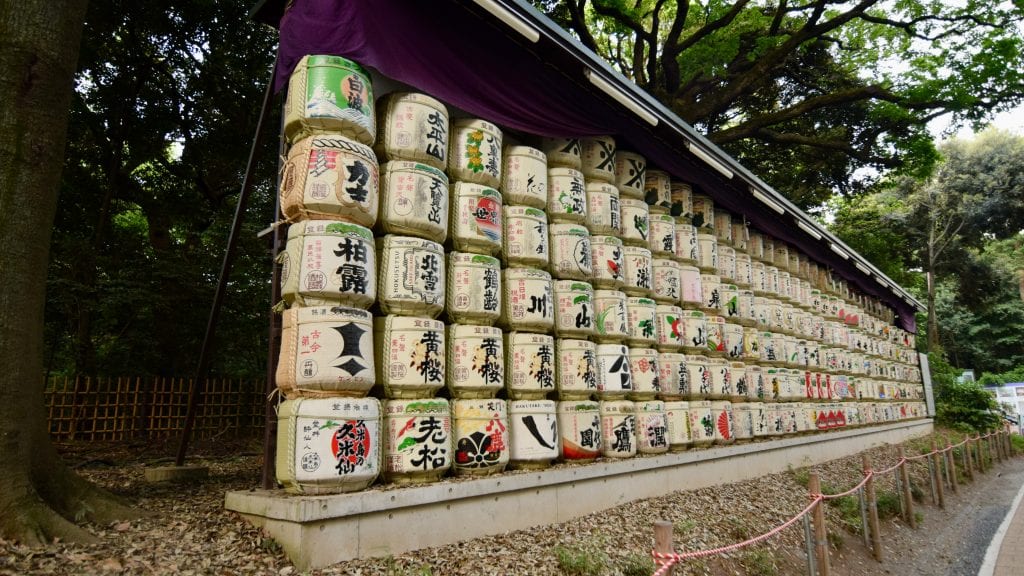
Shibuya, Meiji Jingu, Harajuku, Shinjuku Gyoen
Tokyo
Senso-ji, Ueno Park, the Tokyo National Museum, Akihabara, Tokyo Skytree
Tokyo
Tsukiji Outer Market, the Imperial Palace Gardens, Ginza
Tokyo → Kawaguchiko
Mount Fuji views, Oishi Park, the north shore, overnight at the lake
Kawaguchiko → Ashikaga → Tokyo
A second Fuji morning, the Great Wisteria, strawberry picking at Agri-land
Nikko
Shinkyo Bridge, the Tosho-gu shrine complex
Nikko
Kegon Waterfall, Lake Chuzenji, Chuzen-ji Temple
Kyoto
Fushimi Inari, Kiyomizu-dera, Gion
Nara
Deer park, Isuien Garden, Nigatsudo at sunset
Arashiyama
Bamboo Grove, Tenryu-ji, Kinkaku-ji
Osaka
Dotonbori, Osaka Castle, Kuromon Market, Shinsekai
Hiroshima & Miyajima, or Hokkaido
The Peace Memorial & the floating torii, or Lake Shikotsu & Sapporo
Part 1: Tokyo
Tokyo for the gateway, three days clustered by area rather than crossed back and forth.
Getting the airport choice right matters before anything else. Haneda sits 20km from central Tokyo, Narita 70km, so if your flight gives you a choice, Haneda saves real time and money on both ends of the trip. Read the full Narita vs Haneda breakdown if you want the transport costs laid out. For more depth on the city than fits here, I wrote a full 4-day Tokyo itinerary separately.Pro Tip
If three self-guided days feels like more logistics than you want on your first days in Japan, a private first-timer’s Tokyo day trip covers Meiji Jingu, Takeshita Street, Tsukiji, Tokyo Tower and Senso-ji in a single guided outing. It compresses what I spread across three days into one, worth knowing about even though I did it my own way.
Day 1
Land in Tokyo, Shibuya, Meiji Jingu, Harajuku, Shinjuku Gyoen
Check in
Shibuya Granbell Hotel, Tokyo
Shibuya
Meiji Jingu
Shinjuku Gyoen National Garden
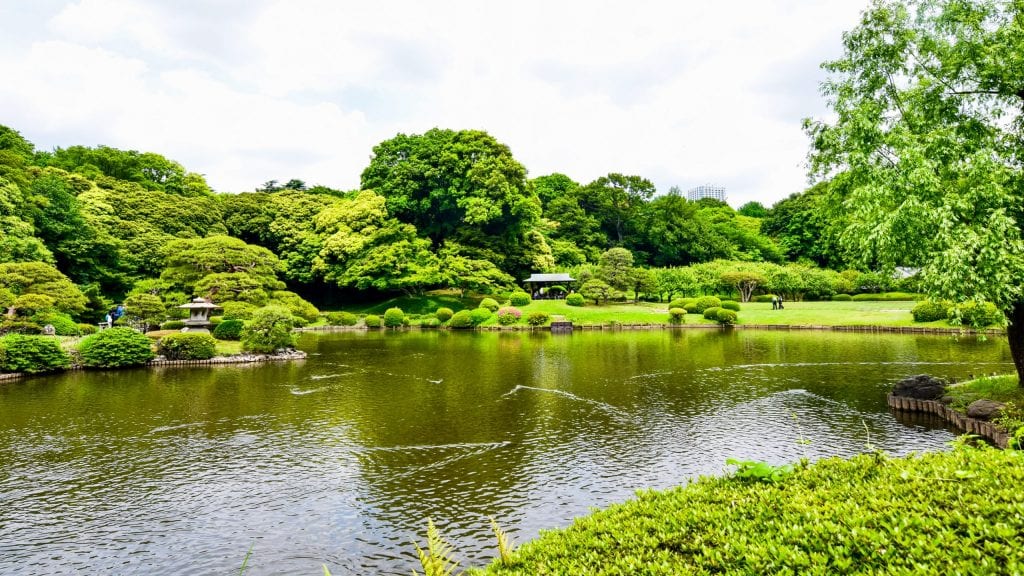
Close the day at Shinjuku Gyoen. Tokyo isn’t all skyscrapers, this 23-hectare garden combines three distinct styles in one walk, traditional Japanese with ponds and bridges, formal French with manicured symmetry, and open English lawns, and holds 20,000 trees including 1,500 cherry trees, in spring it’s the single best blossom spot in the city. It’s also the real-world setting behind the Ghibli film The Garden of Words, which explains the particular quality of stillness the place has even when it’s crowded.
Dinner, sorted
Shinjuku food tour, 13 dishes at 4 local eateries
📍 Overnight in Tokyo
Day 2
Senso-ji, Ueno Park, Tokyo National Museum, Akihabara, Tokyo Skytree 🏠 Day trip
Senso-ji
I started at Senso-ji, Tokyo’s oldest temple, founded in 645 AD and dedicated to Kannon, the goddess of mercy. The approach along Nakamise-dori, a 250-meter covered street of traditional craft stalls and snack vendors, is almost as famous as the temple itself, and Kaminarimon, the great red gate with its enormous paper lantern, is one of those places that photos never quite prepare you for. A large part of Asakusa was destroyed in WWII, but nothing about walking it today gives that away. I went before 9am on purpose, by mid-morning this is one of the most crowded sites in Japan, and later took a Sumida River cruise for a completely different view of the district from the water.
Ueno Park & Tokyo National Museum
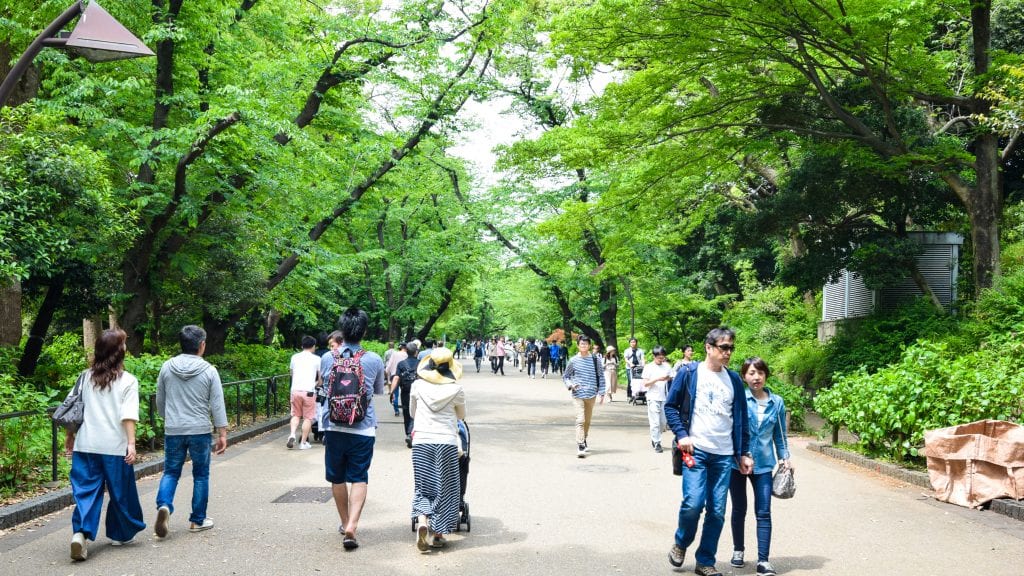
Ueno Park and the Tokyo National Museum came next, close enough to Asakusa to keep the morning moving in one direction rather than backtracking. The park holds Shinobazu Pond, an actually relaxing spot between museum visits, and it’s home to more than one museum, the National Science Museum, the Tokyo Metropolitan Museum, and the National Museum for Western Art all sit within a short walk of each other, plus Ueno Zoo, Japan’s oldest, with pandas as the main draw for anyone traveling with kids. Of all of them, the Tokyo National Museum was my pick, and it isn’t close, the finest single collection in Japan, spread across six separate buildings.
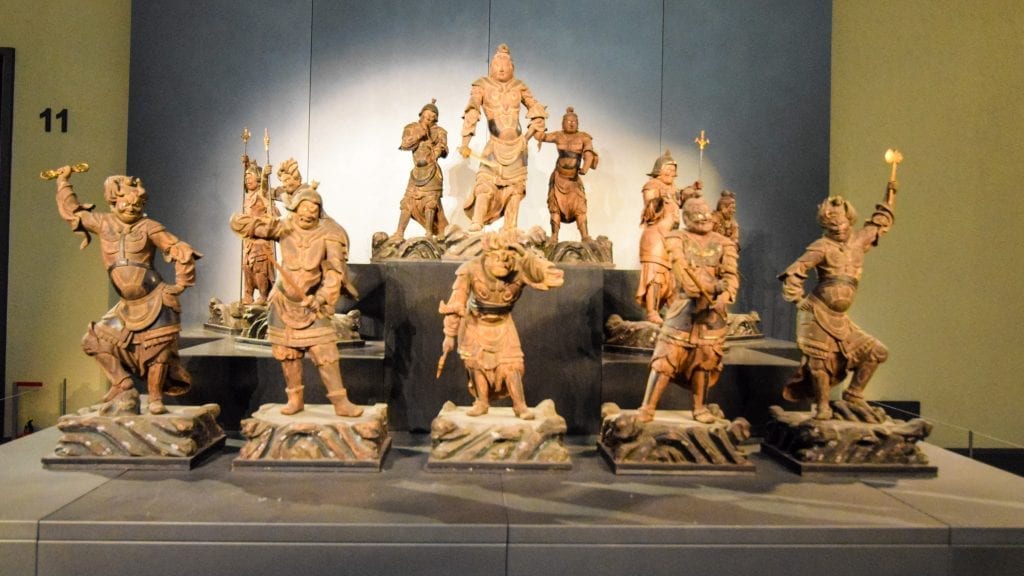
Honkan, the main hall, holds the core Japanese art collection, samurai swords among the standouts, a real reminder of how much of Japan’s history runs through conflict fought with that one weapon. Hyokeikan is the oldest building, western-influenced architecture from a different era entirely. Toyokan houses artifacts from as far as Egypt, and the Horyuji Treasures gallery, the newest of the six, has a simplicity to its architecture I liked more than almost anything inside it. All told the museum holds around 110,000 artifacts, sculptures, armor, woodblock prints, pottery, kimono, calligraphy, more than any single visit covers properly, and the park around it holds over a thousand cherry trees, one of the best blossom spots in the city come spring.
Akihabara (Akiba)
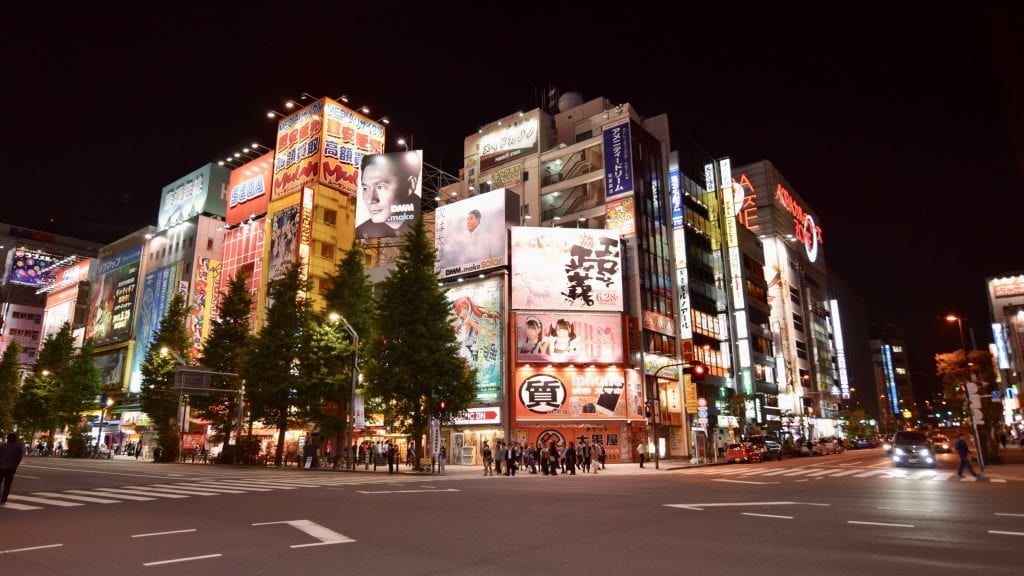
Akihabara filled the afternoon, Japan’s electronics and anime capital, and even if gaming culture isn’t your thing, the sheer energy of the district is worth the detour, game centers packed with people of every age playing like their life depends on it. If Ginza is Tokyo’s fashion and brand capital, Akihabara is where you go to discover something you didn’t know you wanted. Yodobashi Camera alone runs nine floors of everything electronic imaginable.
Tokyo Skytree
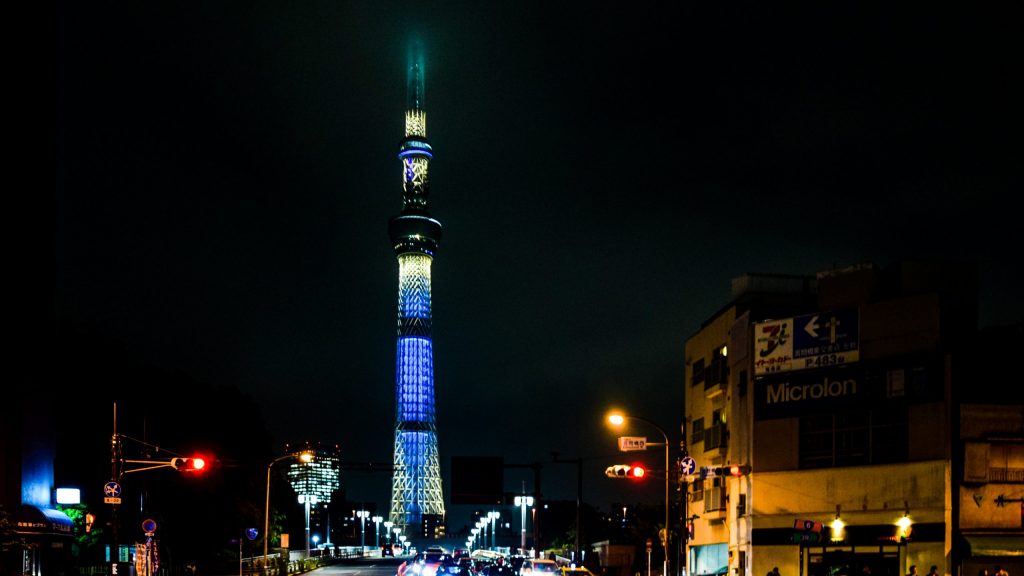
I saved Tokyo Skytree for the evening, a short subway ride back toward Asakusa, the tallest free-standing tower in the world at 634 meters, with visibility up to 100km on a clear day. Mount Fuji is even visible from the top if the weather cooperates. Two observation decks, Tembo Deck at 350 meters gives the better panoramic view and is the right call for most people, Tembo Galleria at 450 meters adds the vertigo of a glass floor looking straight down if that’s more your thing.
📍 Overnight in Tokyo
Day 3
Tsukiji Outer Market, Imperial Palace Gardens, Ginza 🏠 Day trip
Tsukiji Outer Market
I started early at Tsukiji Outer Market, vegetables, pickled goods, fresh seafood and street food lining narrow lanes, hundreds of stalls serving sushi, sashimi and grilled fish. The tuna auction itself moved to Toyosu Market back in 2018, so if that’s specifically what you’re after you’ll need to register there before 4am, but Tsukiji’s outer market food stalls are the real reason to come regardless.
The Imperial Palace grounds
The Imperial Palace grounds came next, the interior buildings aren’t open to the public, but the Kokyo Gaien outer plaza and the East Gardens are free and worth a real hour, a quiet contrast to the market’s noise just a short walk away. The inner grounds themselves can be toured, 1 hour 15 minutes, weekdays only, 10am and 1:30pm slots, but it needs booking about a month ahead through the Imperial Household Agency’s own site, not something to plan around unless you’re organized well in advance.
Ginza
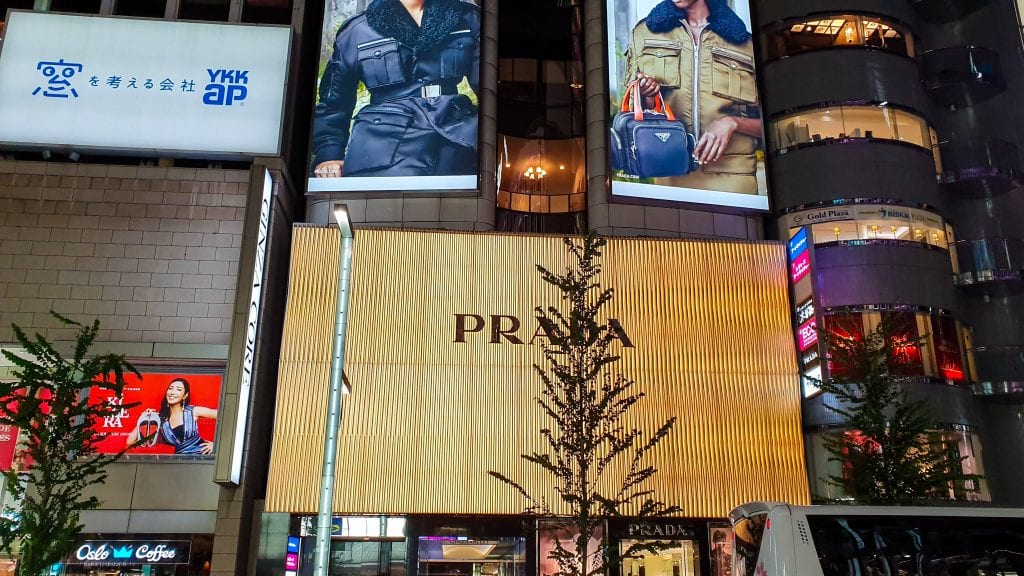
Ginza closed out the day, the highest concentration of international luxury brands in the country, Louis Vuitton and Prada among the names lining Chuo Dori, high-end malls, art galleries, and some of the most expensive real estate in Japan. I timed my visit for a weekend, when Chuo Dori closes to traffic and turns into a full pedestrian boulevard. Even with no intention of buying anything, the window shopping is free and the architecture alone is worth the walk. The Uniqlo flagship here is one of the best-stocked in Japan for practical travel clothing, worth a stop even if luxury shopping isn’t the point.
Pro Tip
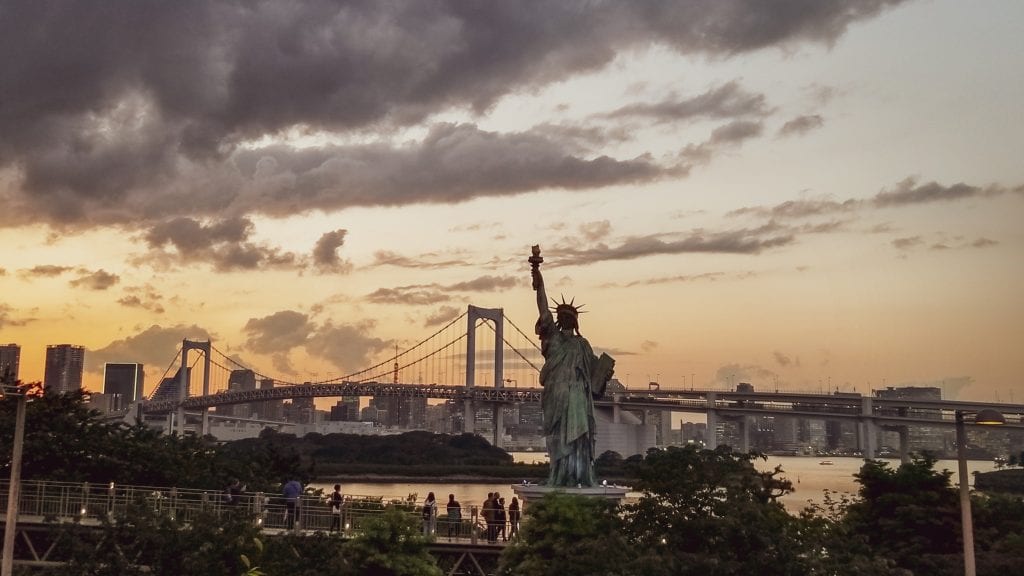
If you have a fourth Tokyo day, Odaiba is worth adding, a futuristic man-made island with waterfront views, the Rainbow Bridge, and a Statue of Liberty replica that catches first-timers off guard, paired well with TeamLab Planets if you book far enough in advance. I didn’t have the extra day on this trip and don’t regret prioritizing Tsukiji and the Palace instead, but it’s a real option if your schedule allows it.
Day 4
Tokyo → Kawaguchiko, Mount Fuji views 🧳 Travel day · time to explore after
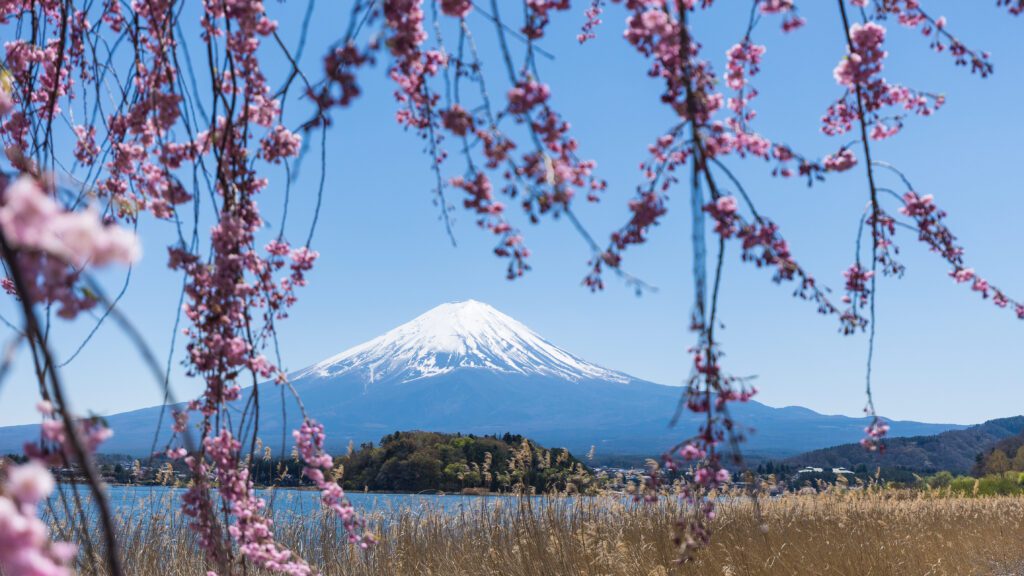
Lake Kawaguchiko was the most reliable place I found to actually see Mount Fuji, about 2 hours from Shinjuku by direct highway bus (around ¥2,200 one way), and the north-shore position gives the classic, most-photographed angle on the mountain. I stayed overnight rather than doing this as a same-day round trip, one evening only gives you one chance at clear skies, and Fuji is only visible on roughly 60-70% of days.
Check in
Koyabashi, Kawaguchiko
Oishi Park is the most reliable viewpoint for the classic Fuji-over-lake shot, with lavender blooming there in July to frame the mountain. I also walked a stretch of the north shore trail, Fuji visible almost the whole way, and rented a rowing boat on the lake for a completely different angle on the same mountain.
Pro Tip
I checked the Fujisan Watcher webcam the morning of, before leaving Tokyo. If it’s hidden in cloud, the lake area is still beautiful, just manage expectations. My full guide to the best places to see Mount Fuji covers every viewpoint, a visibility table by month, and the 2026 climbing regulations.
📍 Overnight in Kawaguchiko
Day 5
Kawaguchiko → Ashikaga Flower Park & Agri-land 🚐 Full travel day
A second morning at the lake was the whole reason for staying over, Chureito Pagoda climbs 398 steps above the town for a composition with the pagoda and Fuji together, worth it even out of breath, and a real different angle from the north shore views the evening before.
Pro Tip
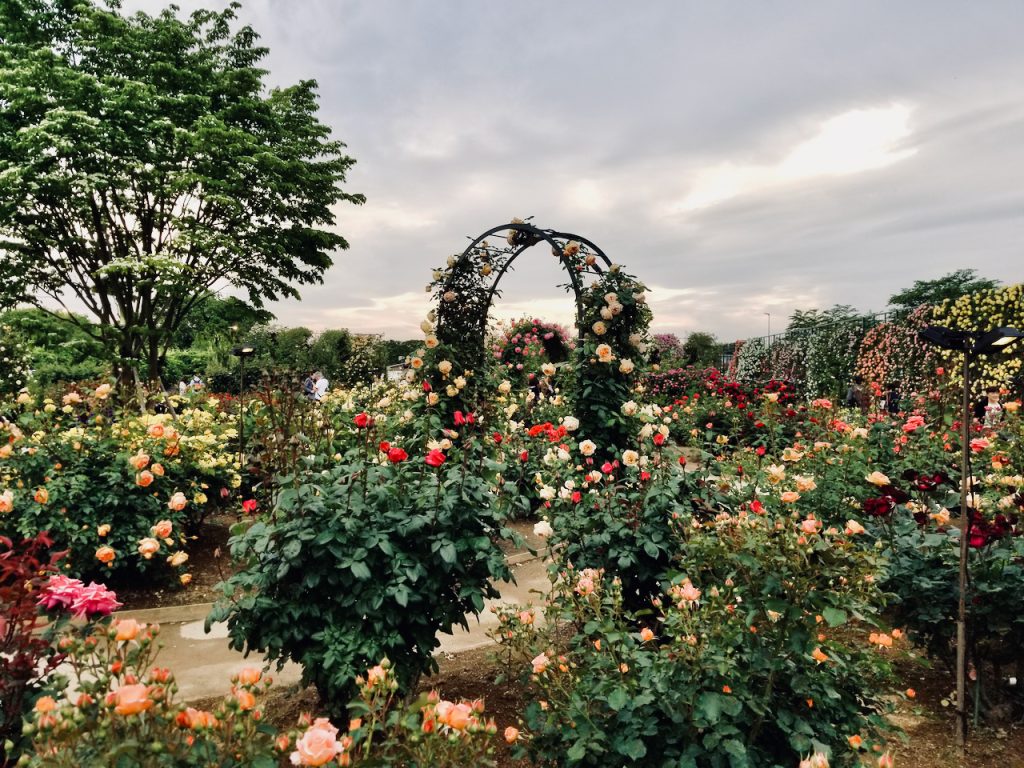
Wisteria peaks mid-April to mid-May. Outside that window, roses and the park’s other flowers still make the trip worthwhile, check the park’s official site for current bloom conditions and ticket pricing before you go. And don’t leave early, the evening illumination is ranked one of Japan’s top three light displays, and your day ticket covers it, no separate entry needed. I left as the first lights came on once and regretted it immediately.

A short distance from the flower park, JA Ashikaga Agri-land let me pick and eat fresh strawberries straight from the plant, a completely different Japanese experience from anything else on this route.
📍 Overnight in Tokyo, back through the city that evening
Part 3: Nikko — UNESCO Shrines, Waterfalls & Mountains
Nikko is a mountain town about 2 hours from Tokyo by the Tobu Limited Express from Asakusa to Tobu-Nikko Station (1 hour 50 minutes, ¥2,700). I’d used Luggage Forwarding to send my main bag ahead a day earlier, since Nikko earns two full nights and I didn’t want to drag it through Kawaguchiko and Ashikaga first. I wrote a full Nikko guide with more depth than fits here.Day 6
Shinkyo Bridge, Tosho-gu Shrine Complex 🧳 Travel day · time to explore after
Check in
Nikko Station Hotel II
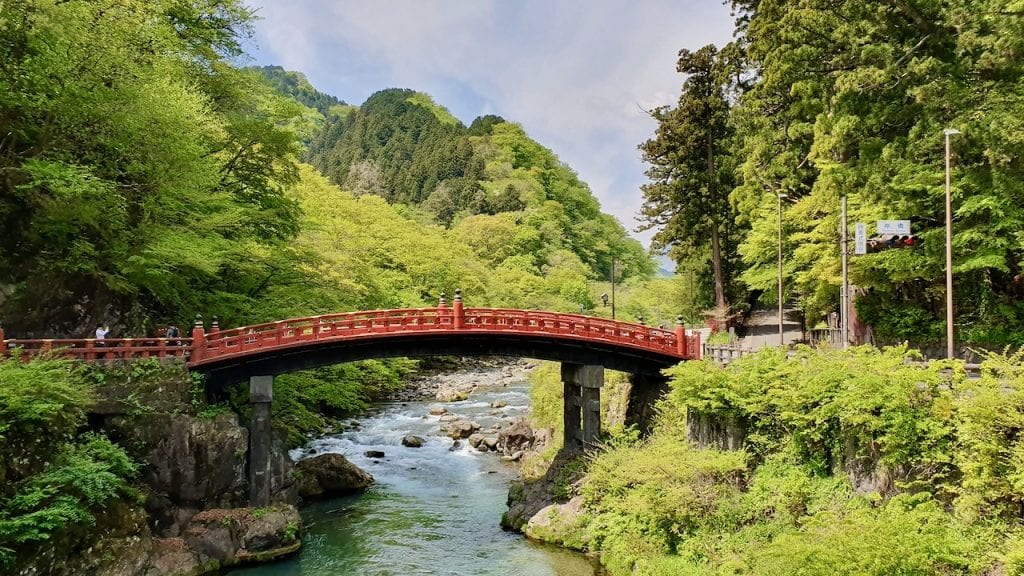
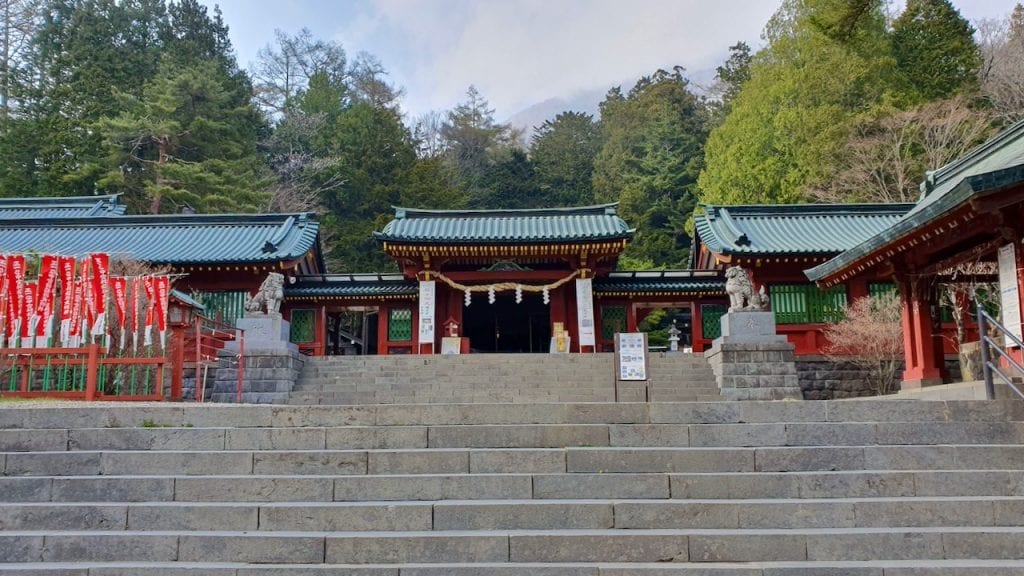
I started at Shinkyo Bridge, the vermilion bridge over the Daiya River that’s part of Futarasan Shrine and the gateway into Nikko’s UNESCO World Heritage shrine complex. Arrive early, the crowds build fast and the light is better anyway.
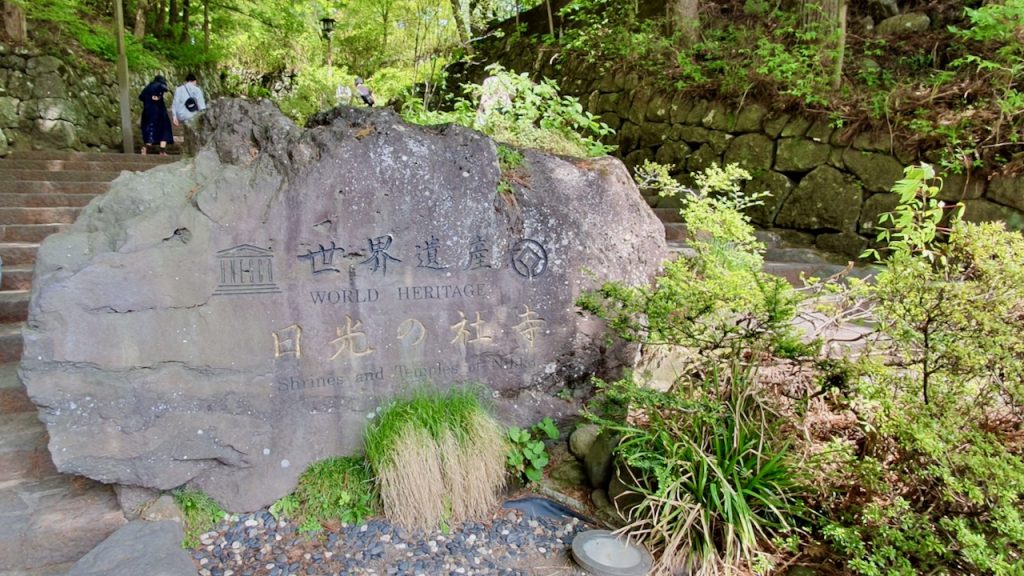
The shrine complex itself runs over 100 buildings across the UNESCO site. Tosho-gu, the mausoleum of Tokugawa Ieyasu, is the most ornately decorated shrine I saw anywhere in Japan, more than 508 individual carvings. Don’t miss the Yomeimon Gate or the famous sleeping cat carving. Entry ran about ¥1,600.
Skip the ticket line
Nikko Toshogu Shrine admission ticket
📍 Overnight in Nikko
Day 7
Kegon Waterfall, Lake Chuzenji, Chuzen-ji Temple 🏠 Day trip
Worth buying first
2-day Nikko World Heritage Area Pass
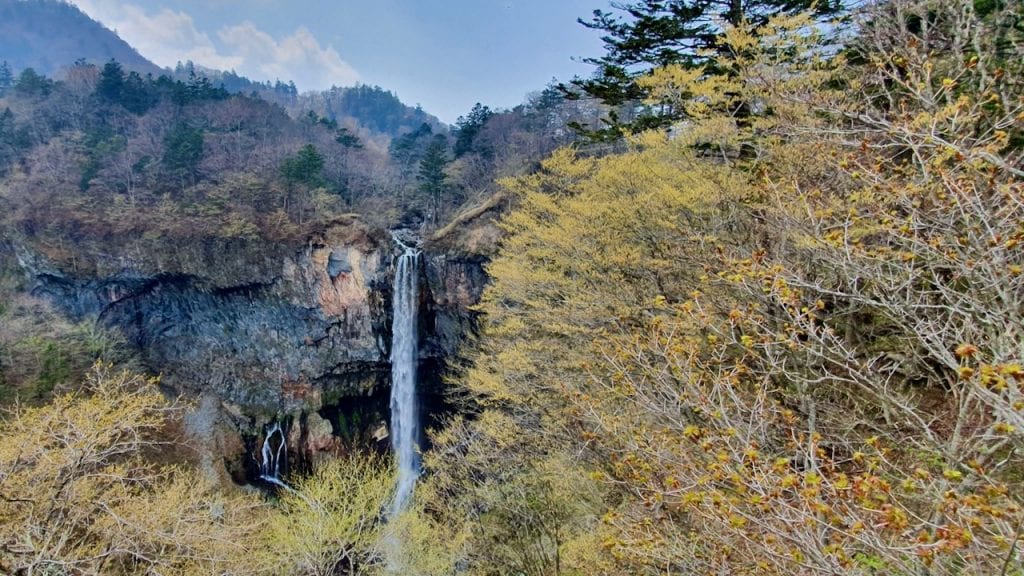
A bus from Nikko toward Yumoto Onsen, covered by the Nikko World Heritage Area Pass, got me up to Kegon Waterfall, 97 meters and one of Japan’s top three waterfalls, and Lake Chuzenji beside it.
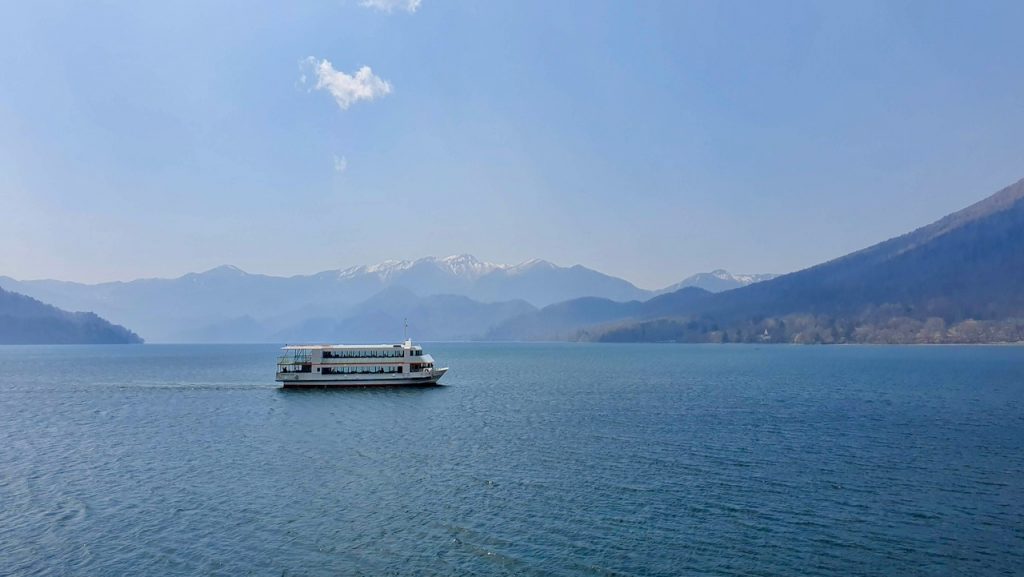
I rented a bike at the lake, the Docomo electric bike rental was the easiest option, and later a kayak to float on the water surrounded by mountains on every side.
On the lake’s eastern bank, Chūzen-ji Temple houses a 9th-century Kannon statue carved from a single piece of cypress, a quiet way to close out Nikko.
Warning
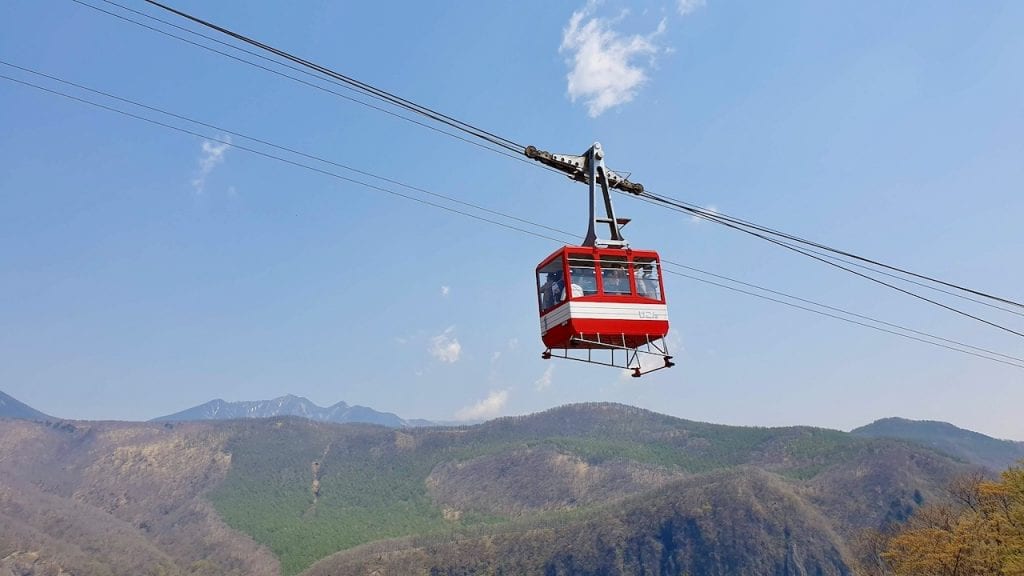
The Akechidaira Ropeway, which used to give a four-in-one view of the falls, lake, and Mount Nantai from above, is closed for renovation from January 16, 2026 until roughly September 2027. Don’t build a Nikko day around it right now. The Kegon Falls upper viewing platform still gives the 97-meter drop straight on, and the Hangetsuyama Observatory above the lake gets you the lake-and-mountain composition without the ropeway.
Pro Tip
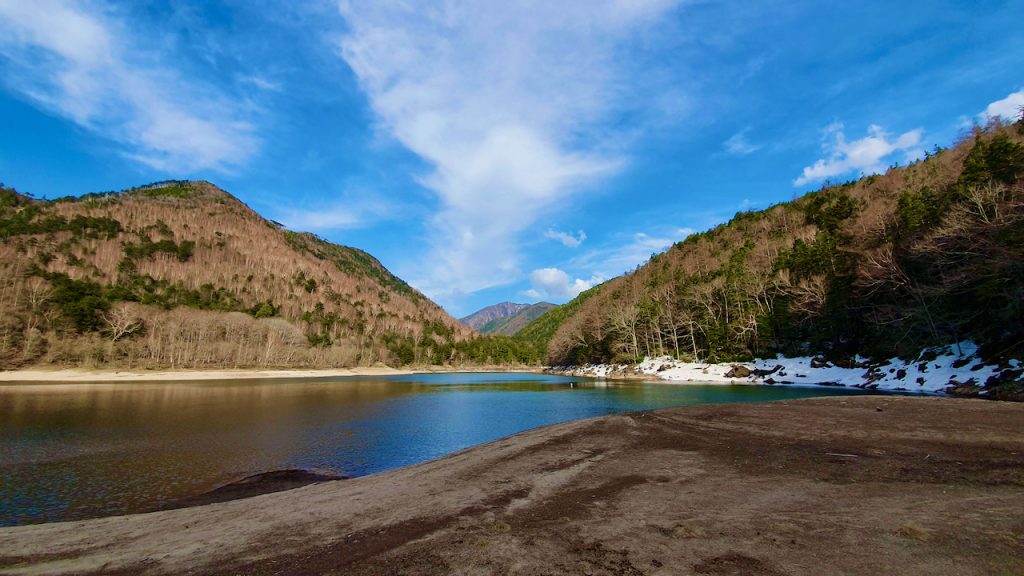
If you’d rather hike than linger lakeside, the hike to Karikomi Lake is a real alternative to the Chuzenji afternoon above, twin emerald lakes formed by ancient lava flows, a 90-minute one-way trail through old forest. I didn’t have time to do both properly in one day, pick whichever pace fits you better rather than rushing both.
📍 Overnight in Nikko
Getting to Kyoto: Shinkansen from Tokyo (or Utsunomiya), about 2 hours 15 minutes. I took the Hikari rather than the Nozomi, since the JR Pass covers Hikari and Kodama but not Nozomi without an extra surcharge, around ¥4,960 one-way if you want the faster train. The time difference between them is only a few minutes, so I never bothered paying it.
Part 4: Kyoto, Nara & Arashiyama
For many people Kyoto is the best single destination in Japan, once the capital, now the country’s cultural one. Three days here is tight, I’ll say that plainly rather than pretend otherwise, and I’ve flagged where a fourth day actually helps below. For more depth than fits here, I wrote a full 3-day Kyoto itinerary separately.Pro Tip
If you’d rather have Fushimi Inari, Kinkaku-ji and the Bamboo Grove handled in one guided day instead of spread across my three, a Kyoto highlights bus tour covers all three in a single outing. I did it self-guided across separate days for the pace, but this is a real alternative if your schedule’s tighter.
Day 8
Fushimi Inari, Kiyomizu-dera, Gion 🧳 Travel day · time to explore after
Check in
Green Rich Hotel Kyoto Eki Minami
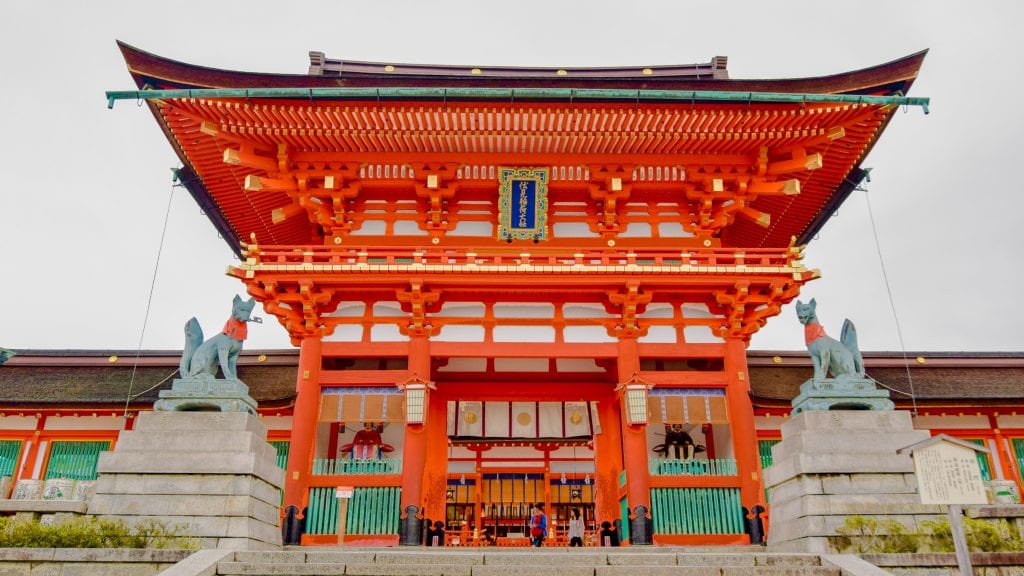
I was at Fushimi Inari before 8am, the most photographed shrine in Japan and one of the most extraordinary places I saw anywhere in the country, thousands of vermilion torii gates winding up a forested mountain. Go early, by 10am it’s crowded, by noon it’s a queue.
From there, Kiyomizu-dera, Kyoto’s most visited temple, built into a hillside on wooden pillars with panoramic city views, entry around ¥500, again best before 9am. Sannenzaka and Ninenzaka, the preserved cobblestone streets below it, are the most photogenic historic streets I walked anywhere in Japan. I closed the day in Gion, the geisha district, walking the preserved wooden machiya streets between 4:30 and 6pm for the best chance of seeing a Geiko.
Pro Tip
A 2026 photography ban applies in Gion’s private alleyways now, fines run ¥10,000. Stick to the main streets with your camera out.
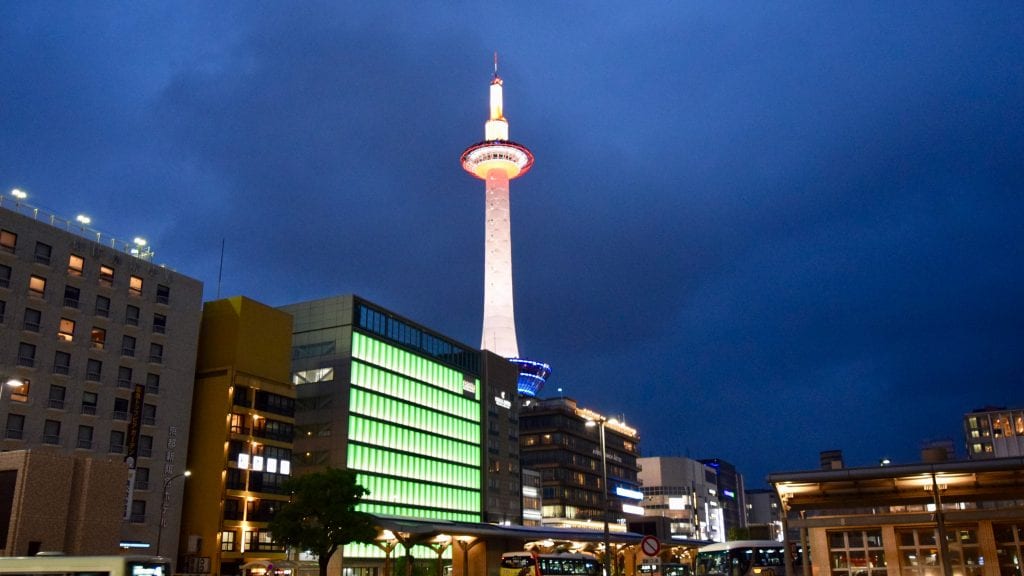
If you have a fourth Kyoto day, or more energy than I had left, Nijo Castle (the 17th-century Tokugawa shogunate palace, famous for “nightingale floors” that squeak to warn against intruders, ¥1,600) and Nishiki Market (five blocks of street food and Kyoto specialties, go hungry) both sit close to this same side of the city and are worth adding rather than cutting something else to fit them in.
📍 Overnight in Kyoto
Day 9
Nara, full day 🏠 Day trip
Nara is just under an hour from Kyoto on the Kintetsu Limited Express, about ¥1,280, and it earns the full day trip. I wrote a dedicated Nara day trip guide with more detail than fits here.Skip the planning
Nara deer park, Todai-ji & the Great Buddha, guided walk
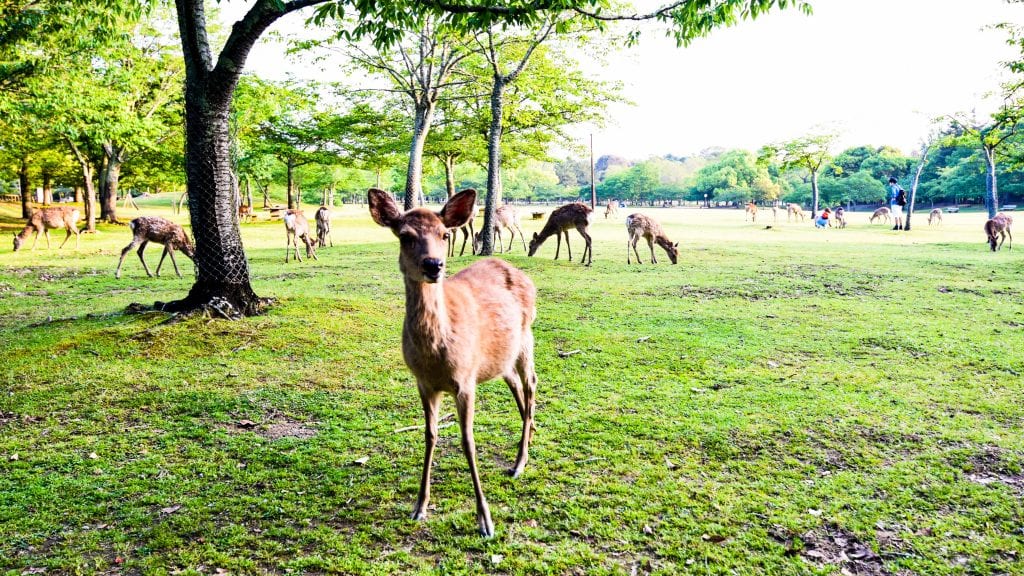
The deer of Nara Park are as delightful as advertised, and that’s not a low bar, I went in skeptical. Official deer crackers run about ¥200, and watching them actually bow before you feed them is not a tourist myth. Show empty hands the moment the crackers run out, or they won’t leave you alone.
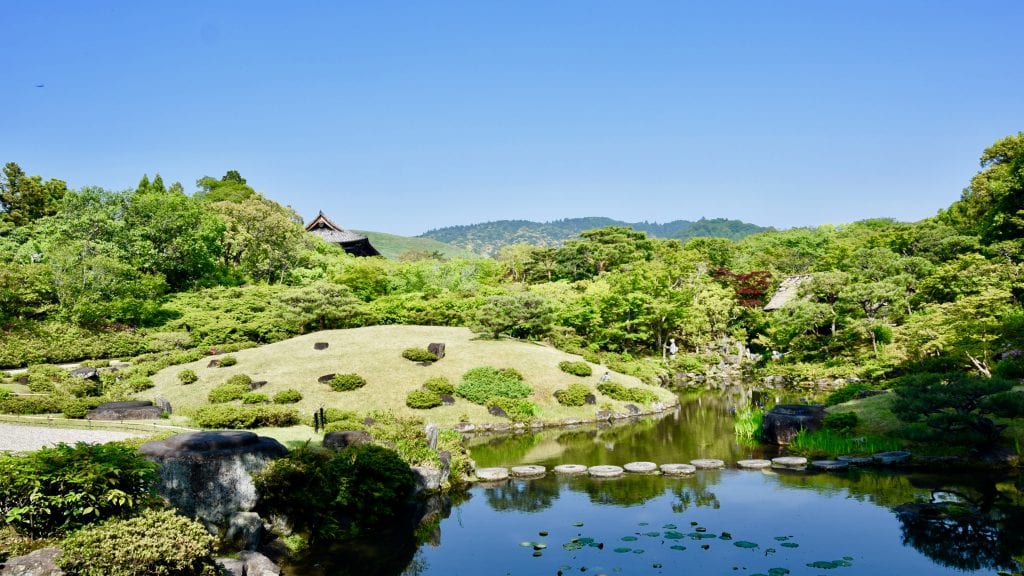
Isuien Garden, a 17th-century garden from the Meiji era, has a pond shaped like the Japanese character for water, with Mount Wakakusayama as the backdrop.
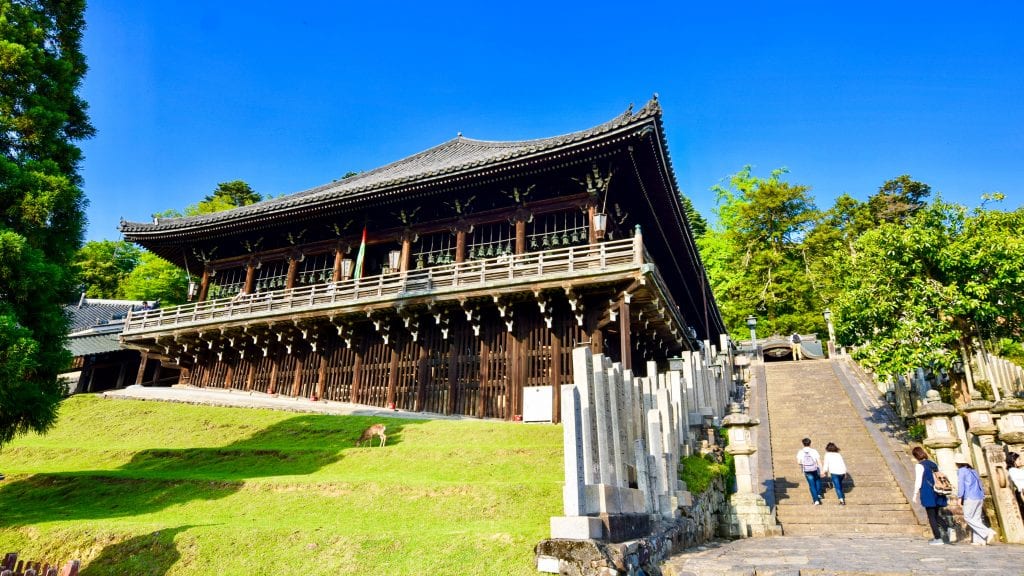
Nigatsudo temple, on the hillside of Mount Wakakusa, dates back to the 700s, a short walk from Isuien, and gives one of the best sunset views over Nara.
📍 Overnight in Kyoto
Day 10
Arashiyama & Kinkaku-ji 🏠 Day trip
I gave Arashiyama the full day it deserves rather than rushing it, the bamboo grove, Tenryu-ji Temple, and the Togetsukyo Bridge over the Katsura River all reward slow walking more than a checklist pace.
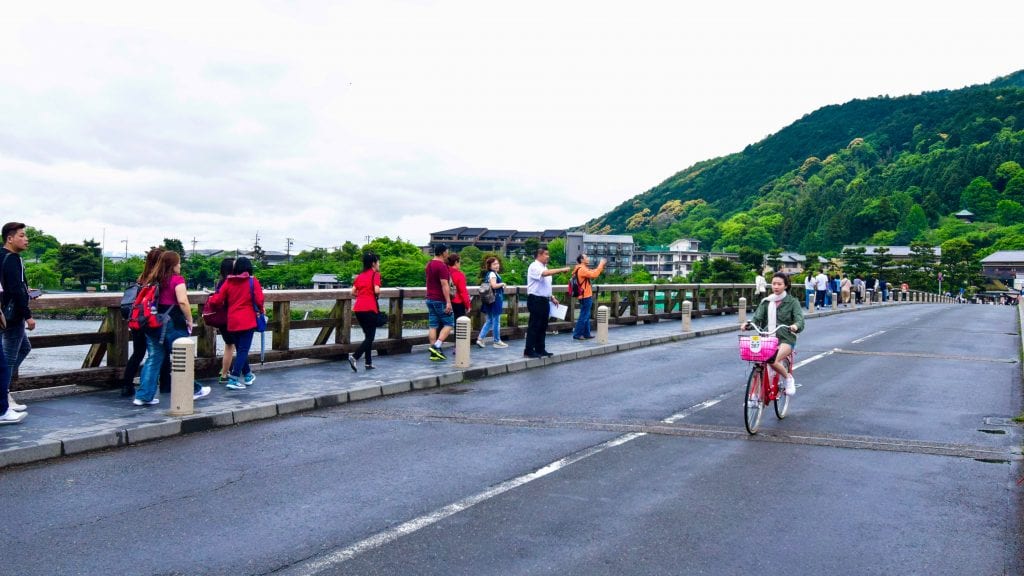
The Togetsukyo Bridge, 155 meters of wood over the Katsura River, is the gateway into Arashiyama, and the view changes completely with the seasons.
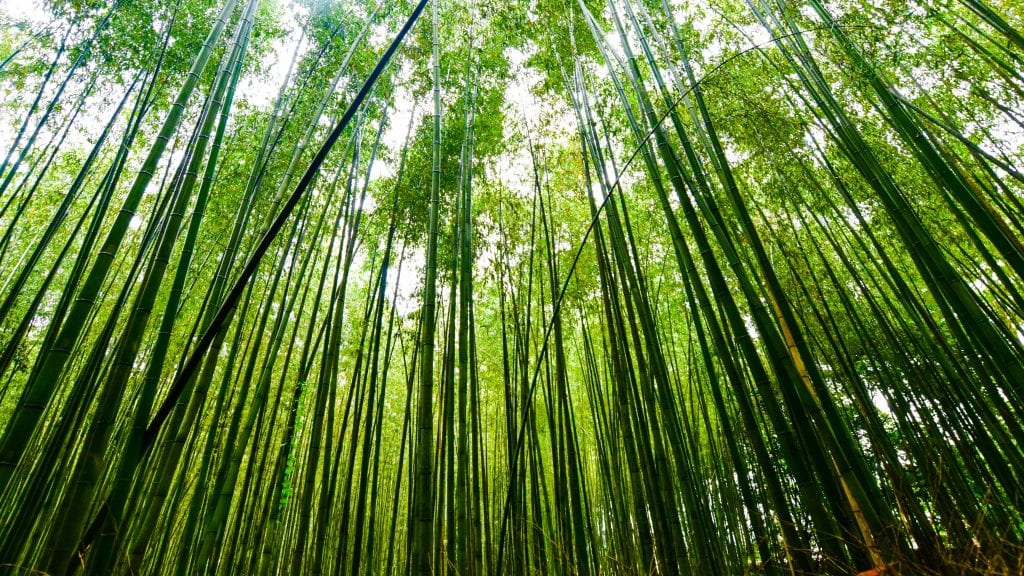
The Bamboo Grove is one of the most photographed places in Japan for good reason, walking through countless bamboo stalks with sunlight cutting through them at angles that shift as you move. It’s free and open 24 hours, dawn is when it feels otherworldly rather than crowded.
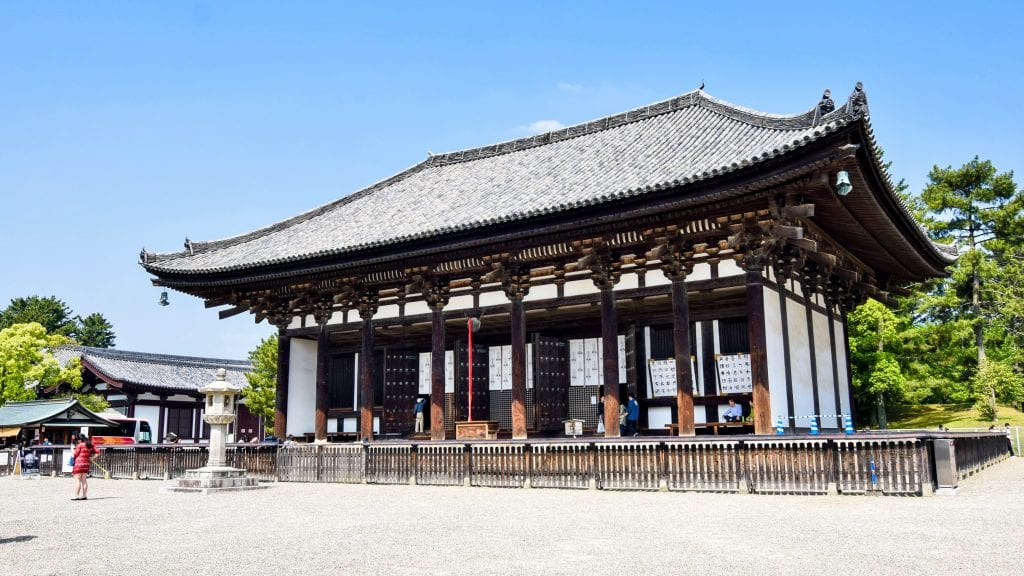
Tenryu-ji, a UNESCO World Heritage Site built by the shogun dynasty in the 13th century, has a Zen garden that’s remained untouched since 1339, even though the main hall itself has been rebuilt more than once after fires and wars.
I closed the day at Kinkaku-ji, the Golden Temple, one of the most photographed pieces of architecture in Kyoto, and the setting around it, a reflecting pond and manicured grounds, makes it more than just the gold leaf.
Pro Tip
Ginkaku-ji, the Silver Pavilion, and the Philosopher’s Path beside it sit on the opposite side of Kyoto from Arashiyama and don’t fit cleanly into this day without real backtracking. If you have a fourth Kyoto day, pair them with Day 8’s east-side temples instead of trying to force them in here.
📍 Overnight in Kyoto
Extending the trip: Nagoya sits almost exactly halfway between Tokyo and Kyoto on this same Shinkansen line. If you have a spare day somewhere in this route, breaking the journey there turns a dead train day into a real stopover, see my one day in Nagoya itinerary for how I’d spend it.
Part 5: Osaka — Japan’s Food Capital
Day 11
Kyoto → Osaka, Dotonbori, Osaka Castle, Kuromon Market, Shinsekai 🧳 Travel day · time to explore after
Check in
Hotel Hillarys Shinsaibashi, Osaka
Osaka is just 15 minutes from Kyoto by Shinkansen, or 30 by regular train, and it deserves at least one full day, ideally two if you have them. Osaka is where Japan eats, the phrase “kuidaore,” eat until you drop, comes from here and is taken seriously.
Dotonbori is the neon-lit canal district with the famous Glico running man sign, and it’s street food heaven, takoyaki, okonomiyaki, kushikatsu, all of it eaten standing up between stalls.
Pro Tip
If you’d rather have someone show you around than navigate Dotonbori and the Castle yourself, a 4-hour Dotonbori to Osaka Castle walking tour covers the same ground guided, or for a broader mix of hotspots and lesser-known corners, an Osaka Kickstart hotspots and hidden gems tour takes a different route through the city entirely.
Eat like a local
Hungry Osaka street food tour, 15 tastings & 3 drinks
Osaka Castle, the most visited castle in Japan, was rebuilt in the 1930s but remains historically significant, and the park around it is excellent for cherry blossom season. Kuromon Market is Osaka’s kitchen, similar to Nishiki in Kyoto but bigger and more local-feeling. Shinsekai, an older neighborhood with a real retro atmosphere, has the best kushikatsu restaurants I found in the city.
See it from the water
Dotonbori River Cruise, Glico Sign & neon lights
Pro Tip
Nara and Kyoto are both easily reachable from Osaka as day trips. If you’d rather base yourself in Osaka than Kyoto for this stretch of the trip, it works just as well as a hub. For a different kind of evening, an Osaka sumo experience with a live show and an audience challenge is a real alternative to another night of street food, and doesn’t require Tokyo’s Ryogoku arena to see it.
📍 Overnight in Osaka
Part 6: Hiroshima or Hokkaido
This is where the trip splits into a real choice rather than a single path, and I’ve written both properly rather than picking one and treating the other as an afterthought.
Option A: Hiroshima & Miyajima
From Kyoto or Osaka, the Shinkansen to Hiroshima runs about 1 hour 20 minutes from Osaka, around ¥9,700, covered by the JR Pass.
Check in
HOTEL MYSTAYS Hiroshima Peace Park
The Hiroshima Peace Memorial Park and Museum sit at the center of this stop, the city was destroyed by the atomic bomb on August 6, 1945, and the museum is one of the most moving experiences I’ve had anywhere in Japan, honest, unsentimental, and important. I gave it 2 to 3 hours between the museum and the park, and didn’t rush either.
Skip the planning
Hiroshima & Miyajima UNESCO day tour
Miyajima Island is a 45-minute ferry from Hiroshima, the JR ferry is covered by the JR Pass, the Aquanet ferry is not, so I made sure to take the right one. The island holds the floating torii gate of Itsukushima Shrine, which really does appear to float at high tide, photograph it from the beach for the classic image. Free-roaming deer wander the island the same way they do in Nara. I stayed for sunset, when the day-trippers clear out and the light on the torii gate is extraordinary.
The Genbaku Dome, the A-Bomb Dome, is the only building left standing near the bomb’s hypocenter, a UNESCO World Heritage Site and one of the most powerful pieces of architecture I’ve stood in front of anywhere.
Pro Tip
Onomichi sits between Osaka and Hiroshima on the same Shinkansen line, an old seaside town with hillside temples, scenic viewpoints, and famous ramen that most visitors overlook completely. If your schedule allows, it’s worth a brief stop rather than rushing straight through.
Option B: Hokkaido
If you want to push further, flying from Kyoto or Osaka to Sapporo shows a completely different side of Japan, nature rather than history, volcanic lakes and onsen towns instead of temples and shrines. Kyoto itself has no airport, so this means flying out of Kansai International or Osaka Itami either way.
Check in
APA Hotel Sapporo Susukino Ekimae
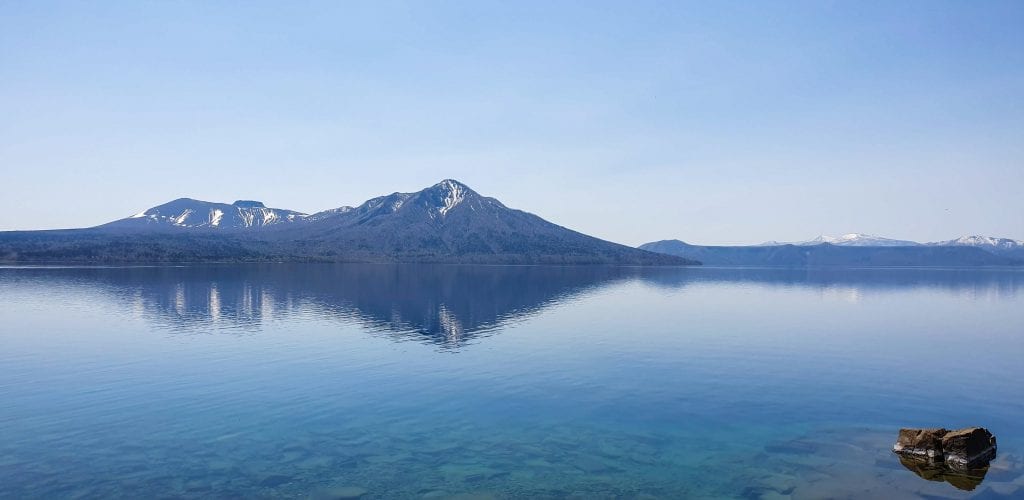
Lake Shikotsu, inside Shikotsu-Toya National Park, is a caldera lake and the second deepest in Japan. Renting a bicycle to circle the perimeter is the way to see it, the view changes at every angle.
From Sapporo
Lake Toya fireworks & Lake Shikotsu tour
Marukoma Onsen sits near the lake, a natural hot spring surrounded by forest with open-air baths, entered naked, that’s not optional in a traditional Japanese onsen.
Pro Tip
Noboribetsu, Hokkaido’s most famous onsen town, sits within reach of Sapporo but wasn’t part of my own route, so I don’t have first-hand detail on it here. Jigokudani, Hell Valley, its volcanic centerpiece, is dramatic in photos, steaming vents and sulfurous pools, and a Noboribetsu & Lake Toya day tour covers it alongside a second look at Lake Toya if you want to add it.
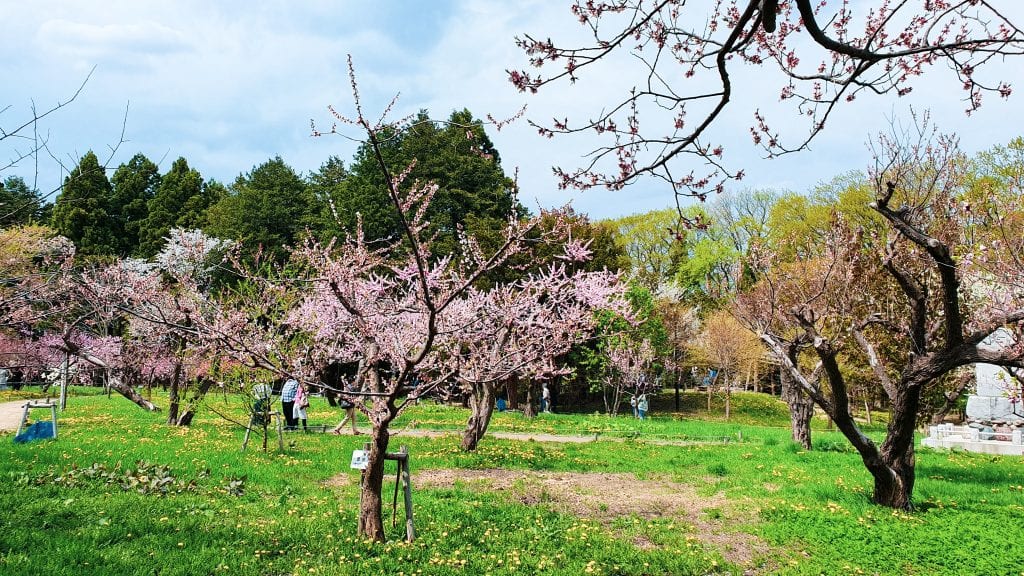
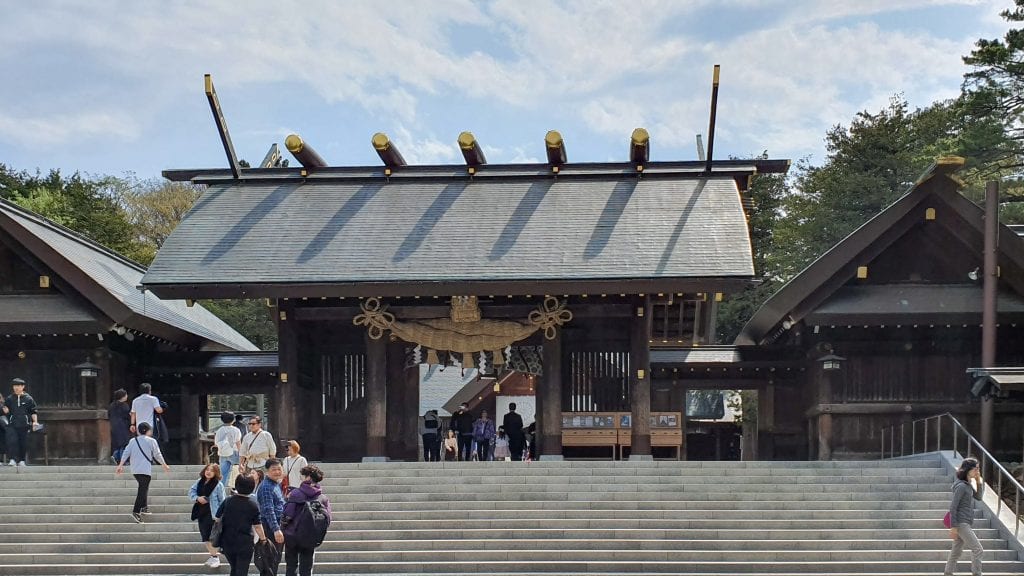
Maruyama Park is Sapporo’s best cherry blossom spot, blooming late April, three to four weeks after Tokyo, and Hokkaido Jingu Shrine sits right beside it, the most important Shinto shrine in Hokkaido, dedicated to four deities including Emperor Meiji. Walk through the torii gate along the sides, not the center, which is reserved for the gods.
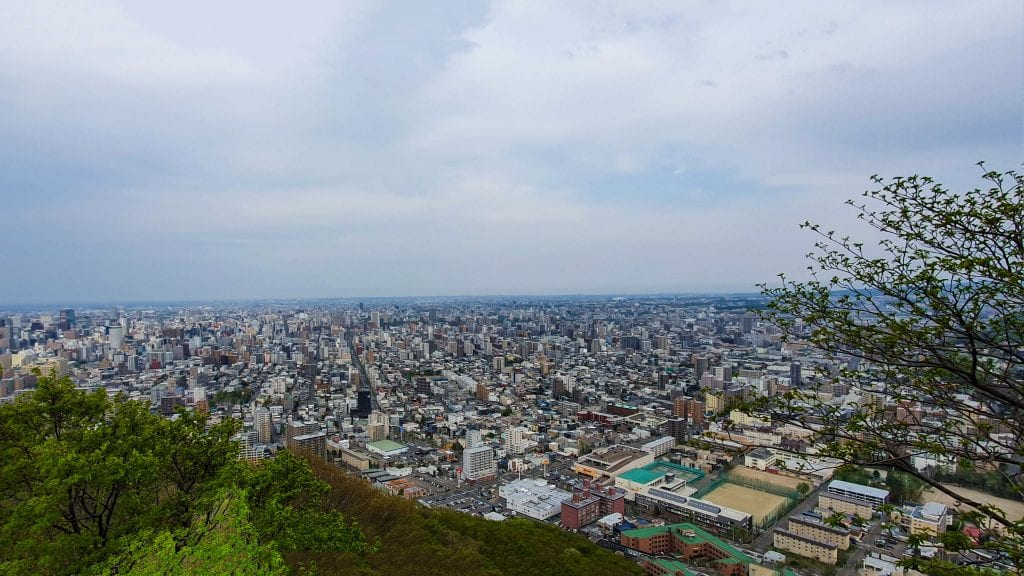
A gentle hike up Maruyama Mountain, only 225 meters, gives a full panoramic view of Sapporo in under 45 minutes, through forests of oak, linden, and Acer pictum.
Otaru, a historic port town 40 minutes from Sapporo by train, rounds out the alternate ending, the Otaru Canal, glass workshops, the Music Box Museum, and the best fresh sea urchin I’ve heard of anywhere in Japan. Don’t leave without trying the uni donburi and LeTAO’s double-layer fromage cheesecake.
📍 Overnight in Hiroshima or Sapporo, depending which ending you choose
This itinerary connects to the following detailed guides for each destination:
- Tips for Traveling to Japan for the First Time — read before you go
- Best Airport to Fly into Tokyo — Narita vs Haneda
- 4-Day Tokyo Itinerary — full Tokyo breakdown
- Best Places to See Mount Fuji — including Hakone options
- Ashikaga Flower Park Guide — wisteria festival and timing
- Things to Do in Nikko — complete 2-day Nikko guide
- Hike to Karikomi Lake — full trail guide
- 3-Day Kyoto Itinerary — complete Kyoto guide
- Nara Day Trip from Kyoto — deer, temples, Isuien
- One Day in Nagoya Itinerary — a stopover between Tokyo and Kyoto
- Day Trips from Sapporo — Hokkaido exploration
Transport Between Cities — Summary
| Leg | Train/Transport | Time | Cost (approx) | JR Pass? |
|---|---|---|---|---|
| Tokyo → Kawaguchiko | Highway Bus from Shinjuku | ~2 hours | ¥2,200 | ❌ No |
| Tokyo → Nikko | Tobu from Asakusa | 1h 50m | ¥2,700 | ❌ No |
| Tokyo → Kyoto | Shinkansen (Hikari) | 2h 15m | ¥14,000 | ✅ Yes |
| Tokyo → Kyoto | Shinkansen (Nozomi, faster) | 2h 10m | ¥14,000 + ~¥4,960 surcharge | ⚠️ Surcharge required |
| Kyoto → Nara | Kintetsu Limited Express | 35m | ¥1,280 | ❌ No |
| Kyoto → Osaka | Shinkansen or local JR | 15–30m | ¥560–1,430 | ✅ Partially |
| Osaka → Hiroshima | Shinkansen | 1h 20m | ¥9,700 | ✅ Yes (Hikari/Kodama) |
| Hiroshima → Tokyo | Shinkansen | 3h 45m | ¥19,440 | ✅ Yes (Hikari/Kodama) |
| Osaka/Kyoto → Sapporo | Fly (New Chitose Airport) | ~2 hours | ¥10,000–30,000 | ❌ No |
The JR Pass covers Hikari and Kodama Shinkansen but not Nozomi or Mizuho without an extra per-leg surcharge, about ¥4,960 for Tokyo–Kyoto. The time difference is usually just a few minutes, so I stuck with Hikari the whole way and never paid it.
Budget Guide for 2 Weeks in Japan
| Category | Budget per day | Mid-range per day |
|---|---|---|
| Accommodation | ¥3,000–6,000 (hostel/capsule) | ¥8,000–15,000 (business hotel) |
| Food | ¥2,000–3,000 (convenience store + local) | ¥5,000–8,000 (sit-down meals) |
| Transport (local) | ¥1,000–2,000 | ¥1,500–3,000 |
| Entry fees | ¥500–1,500 | ¥1,000–3,000 |
| Total (daily) | ¥6,500–12,500 (~US$45–85) | ¥15,500–29,000 (~US$105–195) |
The 14-day JR Pass is additional and needs its own line in your budget, ¥80,000 as of September 2026 via the official site, rising to ¥84,000 through overseas sales agents from October 1, 2026. Run the numbers for your specific route before buying, if you’re only doing Tokyo and Kyoto with no further travel, individual tickets can work out cheaper.
Where to Stay — Hotel Recommendations by City
Tokyo
Budget: Annex Katsutaro Ryokan, traditional ryokan near Ueno, affordable, great atmosphere · Sakura Hotel Jimbocho, clean, central, budget-friendly
Mid-Range: The GATE Hotel Asakusa Kaminarimon, steps from Senso-ji, rooftop views · Shibuya Granbell Hotel, well located for the western sights
Luxury: The Tokyo Station Hotel, inside the famous red brick Marunouchi building
Nikko
Where I stayed: Nikko Station Hotel II, 400 meters from the station, about US$72/night for two, and what I’d book again.
Luxury: Kanaya Hotel, Japan’s most historic hotel, opened 1873, near the shrine complex.
Kyoto
Where I stayed: Green Rich Hotel Kyoto Eki Minami, good value, near Kyoto Station.
Mid-Range: Ryokan Shimizu, a genuine traditional ryokan at a reasonable price · Miru Kyoto Nishiki, walkable to Nishiki Market and Gion
Luxury: BnA Alter Museum, an art hotel where every room is designed by a different artist
Osaka
Where I stayed: Hotel Hillarys Shinsaibashi, well connected, close to Dotonbori.
Mid-Range: Properties near the Dotonbori canal give the most convenient base for food exploration. Search Osaka hotels on Booking.com.
Hiroshima
Where I stayed: HOTEL MYSTAYS Hiroshima Peace Park, steps from the Peace Memorial Park and Museum.
Sapporo
Where I stayed: APA Hotel Sapporo Susukino Ekimae, central, well connected for day trips.
Pro Tip
Spend at least one night in a traditional ryokan somewhere on this route, tatami floors, futon bedding, yukata robes, a communal onsen. It’s a different way to sleep, and it changes how you think about the rest of the accommodation on the trip.
Seasonal Itinerary Variations
This 14-day route works year-round, but the experience changes a lot with the season.
Spring (Late March–Early May) — Cherry Blossom
The most popular time to visit, and I understand why. Ueno Park and Shinjuku Gyoen in Tokyo are the finest blossom spots in the capital. Maruyama Park in Kyoto, the Philosopher’s Path, and Arashiyama are all at their best. Book accommodation 6+ months ahead for late March and early April. Ashikaga Flower Park peaks at wisteria during late April to early May too, so the trip naturally lines up cherry blossom in Tokyo and wisteria in Ashikaga inside the same fortnight.
Warning
Avoid Golden Week, April 29–May 6. Japan’s largest domestic holiday period, trains fully booked, hotels at peak prices, every site at capacity. If your dates overlap, book everything months in advance or shift your dates if you can.
Autumn (October–November) — Foliage
The second most beautiful season I’ve seen here. Nikko is one of the finest autumn foliage destinations in the country, the shrine complex surrounded by red and gold maples. Kyoto’s Arashiyama, the Philosopher’s Path, and Kinkaku-ji all deliver their best color in November. Less crowded than spring, but still worth booking ahead.
Winter (December–February) — Snow and Quiet
Nikko’s shrines under snow are among the most atmospheric sights I’ve come across in Japan. Yumoto Onsen, near Karikomi Lake, is at its best with snow around the baths. The Sapporo Snow Festival runs in February, if the Hokkaido alternate appeals, that’s the month for it. Fewest tourists of any season.
Summer (June–August) — Green and Hot
Hot, humid, and busy across the main route, but Hokkaido is the exception, notably cooler than Honshu, with Furano’s lavender fields at peak bloom in July. If you’re leaning toward the Hokkaido alternate and traveling in summer, July is the month to aim for.
Which Variation Suits You?
| Traveler type | Best adjustment |
|---|---|
| Couples / Romance | Add a ryokan night in Nikko or Kyoto; include Miyajima for the floating torii at sunset |
| Budget travelers | Stay in capsule hotels and hostels; use the bus over taxis; eat from convenience stores and ramen shops |
| Nature lovers | Prioritize the Hokkaido alternate; add the Karikomi Lake hike; spend extra time at Lake Chuzenji |
| Families with children | Swap the Karikomi hike for Nara’s deer park; include Tokyo DisneySea; Asahiyama Zoo if doing Hokkaido |
| History enthusiasts | Add a full day in Hiroshima; consider Himeji Castle en route; spend more time in Nikko’s shrine complex |
| First-timers wanting the classics | Follow the main route exactly as written, it’s built for you |
Frequently Asked Questions
Which airport should I depart from at the end of my Japan trip?
If you’re finishing in Tokyo, you have the choice of Haneda (HND) or Narita (NRT). Haneda is 20km from central Tokyo, faster and cheaper to reach. Narita is 70km away but handles more long-haul international routes. In most cases, whichever airport your return flight uses decides it for you, but if you do have a choice, Haneda saves time and transport cost on your last day. The full Narita vs Haneda guide covers transport options and costs from central Tokyo to both.
Is 2 weeks enough for Japan?
It’s the length I’d recommend for a first visit. Enough time to see the essential highlights, Tokyo, Kyoto, Nara, Osaka, and Hiroshima or Hokkaido, without feeling rushed. You’ll leave wanting to come back, which is the right way to leave Japan.
Should I buy a JR Pass for 2 weeks in Japan?
For this specific route, Tokyo through Kyoto, Osaka, Hiroshima and back to Tokyo, the 14-day JR Pass typically pays for itself. The Tokyo–Kyoto Shinkansen alone costs about ¥14,000 each way. The pass runs ¥80,000 as of September 2026 via the official site, rising to ¥84,000 through overseas agents from October 1, 2026, so run a JR Pass calculator against your specific route before buying.
What is the best route for 2 weeks in Japan?
The Golden Route, Tokyo, Kyoto, Osaka, Hiroshima, is popular for good reason, it’s logical, efficient, and covers Japan’s main highlights. This itinerary adds Nikko and Ashikaga Flower Park as distinctive stops before Kyoto, which is what actually gave my trip more character than the standard route.
What is the best time to do a 2-week Japan trip?
Late March to early April for cherry blossom, book everything 6+ months ahead. November for autumn foliage. Both are spectacular in different ways. Avoid Golden Week, April 29–May 6, unless you’ve booked everything months in advance already.
How much does 2 weeks in Japan cost?
Budget roughly US$80–150 a day including accommodation, food, local transport, and entry fees. The JR Pass, about ¥80,000 for 14 days as of September 2026, is an additional upfront cost. Total for two weeks lands around US$1,500–2,500 depending on your style.
Is Osaka worth including in a 2-week Japan itinerary?
Yes, without question. Osaka is Japan’s food capital, 15 minutes from Kyoto by Shinkansen, and a completely different atmosphere from both Tokyo and Kyoto. Don’t skip it.
Why This 2-Week Japan Itinerary Works
Most 2-week Japan itineraries follow the same Golden Route clone, Tokyo, Kyoto, Osaka, maybe Hiroshima, rushed day trips squeezed in wherever they fit. Mine runs the same backbone but doesn’t stop there, and I’d make the same three calls again.
- It moves in one direction. Tokyo → Nikko → Kyoto → Osaka → Hiroshima minimizes backtracking almost entirely. Nikko sits northeast of Tokyo, a natural first excursion before heading west. Kyoto, Nara, and Osaka cluster together. Hiroshima is the final leg before flying home. No doubling back.
- It includes what most Golden Route itineraries skip. Nikko’s UNESCO shrines and mountain lakes, and Ashikaga’s wisteria tunnel, both sit a short train ride from Tokyo and both get left off almost every competing itinerary. Not obscure, just overlooked.
- It has a real alternate ending. Days 12–14 can go to Hiroshima and Miyajima, the classic close, or north to Hokkaido for a completely different pace, volcanic lakes, onsen towns, a side of Japan most two-week trips never touch. I’ve laid out both properly rather than picking one and pretending the other doesn’t exist.
Two weeks in Japan is a trip that stays with you. The temples and shrines are extraordinary, but it is the smaller moments — the convenience store breakfast, the perfectly timed train, the taxi driver who bowed as you exited — that define a Japan trip. Plan well, start early each day, and leave room for the unexpected. Japan will fill it.
Liked this 2-week Japan itinerary? Pin it for later!

Fuad Omar
Fuad loves to travel! A lot! Carrying a Bangladeshi passport means he needs a prior visa for visiting most of the countries. He got detained in many borders because of his nationality but; he didn’t give up - he set his foot to 44 countries. He believes, if he could travel the world despite all the odds, you can, too. Fuad is a Computer Engineer by profession, and author of a travelogue in Bangla. He currently lives in Dhaka, Bangladesh.
View stories
Leave a reply