
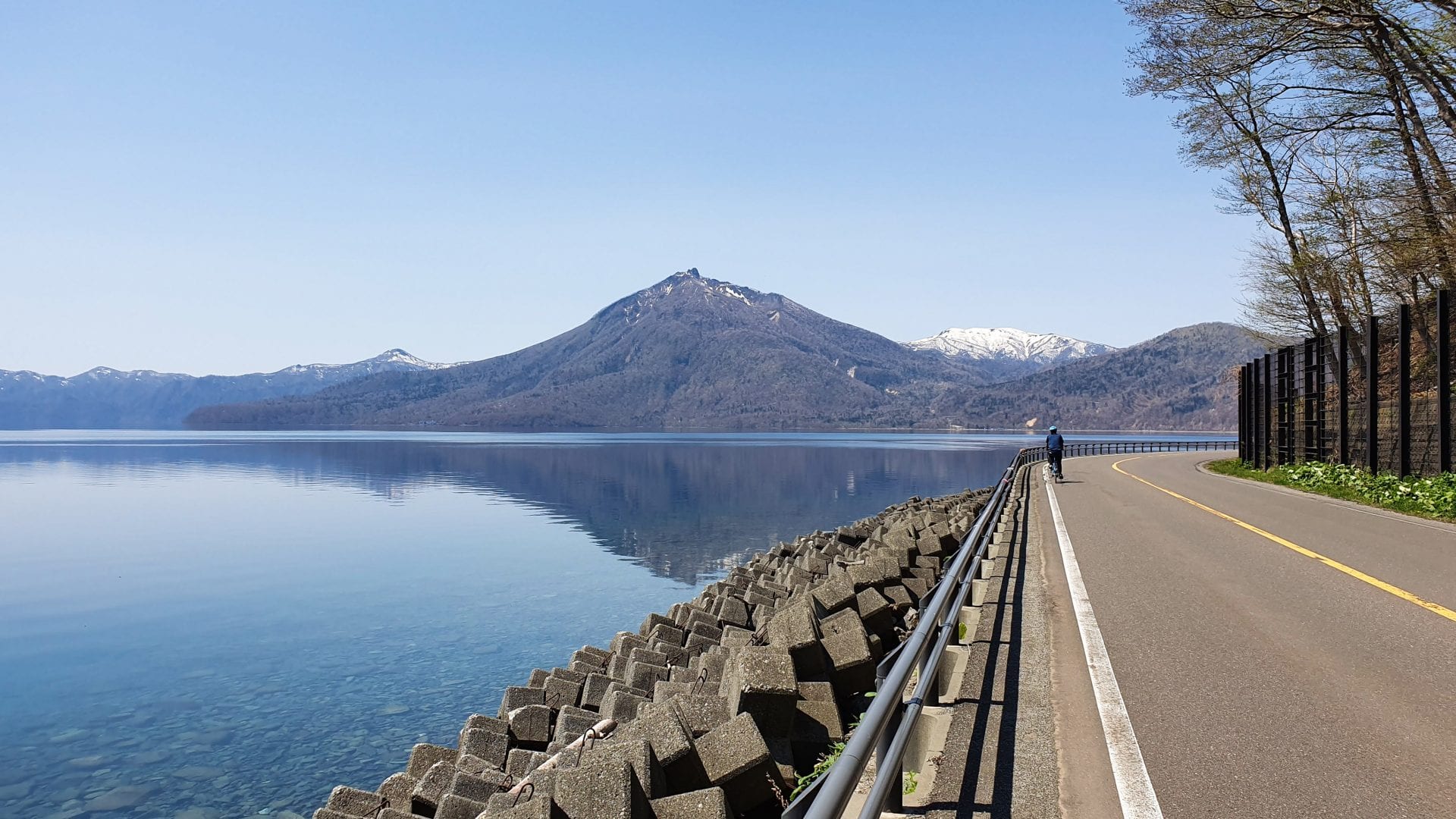
Hokkaido is the northernmost island of Japan — arguably its most beautiful region. While Tokyo and Kyoto are the most visited cities in Japan, my quest for naturally beautiful places kept me searching further north. I found Nikko and Ashikaga Flower Park that way. But Hokkaido was the destination that showed me what “most beautiful region in Japan” actually means.
Sapporo is the capital of Hokkaido and the ideal base for exploring it. The city is 830 kilometres from Tokyo — far enough that most visitors fly — but once you are here, the rest of Hokkaido opens up beautifully. From a single Sapporo hotel room, you can reach hot spring towns, caldera lakes, lavender fields, canal towns, and wildlife parks — all within a day.
Here are the 13 best day trips from Sapporo, with honest transport information for each.
You need to know certain things before visiting Japan. Read that first if this is your first time.
SAPPORO AS A BASE — KEY FACTS
- Sapporo location: Southwest Hokkaido, 830 km from Tokyo
- Airport: New Chitose Airport (CTS) — 35 min by rapid train, 75 min by bus
- Transport card: Sapporo has a subway system — IC card (Suica/Pasmo) works
- Hokkaido Rail Pass: Covers most train-based day trips from Sapporo — worth buying
- Best seasons: Summer (July–August) for lavender; November for autumn foliage; February for snow festival
- Car rental note: A car unlocks Hokkaido’s most remote areas — recommended for Furano, Biei, Shakotan
Why Use Sapporo as Your Base?
Hokkaido’s most beautiful places are often remote, with limited public transport. If you have a private car, you can explore freely. But even without one, Sapporo’s position in the southwest makes it the best public transport hub for the island — trains and buses connect to most of the major destinations below.
💡 Hokkaido Rail Pass: If you plan to take trains to multiple destinations (Otaru, Noboribetsu, Asahikawa), the Hokkaido Rail Pass is worth buying. It covers unlimited travel on JR Hokkaido lines for 3, 5, or 7 days and includes the rapid train from New Chitose Airport. Available through Klook and JR offices.
💡 Evening in Sapporo: Before or after a day trip, the Mount Moiwa Ropeway offers a panoramic night view of the entire Sapporo city grid from 531 metres — one of Japan’s top three night views. Book the Mt. Moiwa Ropeway ticket (Klook) in advance for the evening session.
Charter a car in Sapporo (Klook) for maximum flexibility.
Day Trips from Sapporo — Quick Reference
| Destination | Distance | Journey time | Best season | Best for |
|---|---|---|---|---|
| Otaru | 40 km | 40 min by train | Year-round | Canal, seafood, glass |
| Jozankei Onsen | 25 km | 1 hr by bus | Autumn (Oct) | Onsen, foliage |
| Lake Shikotsu | 55 km | 1.5 hrs by bus | Spring–Autumn | Cycling, kayaking |
| Noboribetsu | 85 km | 1 hr by express | Year-round | Hell Valley, onsen |
| Furano & Biei | 100–130 km | 2–3 hrs | Summer (Jul) | Lavender, Blue Pond |
| Asahiyama Zoo | 130 km | 2.5 hrs by train | Winter (Feb) | Penguin parade |
| Maruyama Park | 5 km | 20 min by subway | Spring (Apr) | Cherry blossom |
| Lake Toya | 100 km | 1.5 hrs by train | Summer–Autumn | Volcano, onsen |
| Shakotan Peninsula | 100 km | 2 hrs by car | Summer | Coastline, seafood |
Otaru — The Most Popular Day Trip from Sapporo
Otaru consistently tops every list of day trips from Sapporo — a historic port town just 40 minutes away on the JR Hakodate Line, making it the easiest excursion from the city.
The star attraction is the Otaru Canal — a photogenic waterway lined with converted stone warehouses that glow under gas lanterns at night. Walking the canal towpath is one of those effortless pleasures that does not require planning or effort: you simply arrive, walk, and photograph. In the evening, the reflection of the lanterns in the water and the old warehouses behind them create a scene that genuinely surprises first-time visitors.
Beyond the canal, Otaru has the Kitaichi Glass complex (traditional Hokkaido glass craftsmanship, with workshops where you can try your hand), the Music Box Museum, and Sakaimachi Street — a preserved merchant street of 19th-century buildings housing glass shops, cafes, and craft studios.
The food: Otaru is one of the best seafood cities in Japan. The Sankaku Market near the station serves fresh sushi and uni (sea urchin) donburi at prices far below Tokyo equivalents. Do not leave without trying the sea urchin. LeTAO — a Hokkaido cheesecake brand — has its flagship store in Otaru; their double-layer fromage cheesecake is the best souvenir you can bring back to your hotel.
Transport: JR Hakodate Line from JR Sapporo Station to Otaru Station. Around 40 minutes. ¥640 one-way. Covered by the Hokkaido Rail Pass.
💡 Train seat tip: Sit on the right side of the train when departing Sapporo. The last portion of the journey hugs the Hokkaido coastline and the ocean views on that side are genuinely beautiful — a preview of what Otaru has to offer before you even arrive.
💡 Winter visit: If you are in Sapporo in February, the Otaru Snow Light Path festival transforms the canal into one of the most romantic winter scenes in Japan — snow lanterns lining the banks, canal lit from below, complete quiet. Worth planning a Sapporo trip around.
Book a private day trip to Otaru (Klook)
Want more in one day? The Otaru + Cape Kamui + Blue Cave Boat Tour + Shiroi Koibito Park from Sapporo (Klook) is an excellent full-day circuit — covering the Otaru Canal, a boat tour into the blue sea cave at Cape Kamui on the Shakotan coast, and Hokkaido’s most famous cookie factory, all in one departure from Sapporo.
Jozankei Onsen — Best Onsen Day Trip from Sapporo
Jozankei Onsen was founded in 1866 by a monk named Mizumi Jozan, who opened a spa along the river to heal people with its mineral-rich waters. Today it is one of the best onsen escapes near Sapporo, with 20 traditional ryokans along with shops and restaurants.
Tucked into a forested gorge along the Toyohira River, Jozankei is Hokkaido’s largest hot spring town and one of the easiest day trips from Sapporo for genuine onsen culture. Most ryokans and hotels offer day-use onsen plans (typically ¥1,000–2,000) so an overnight stay is not necessary.
Walk the Futami Suspension Bridge trail to see the river gorge from above, dip your feet in the free riverside footbaths, and visit the Jozankei Onsen Shrine. The mineral-rich sodium chloride waters are said to improve circulation and skin — whether or not you believe this, soaking in an outdoor bath surrounded by Hokkaido forest is its own reward.
Autumn is the real star of the show at Jozankei — mid-October is when the foliage is at its best, providing some truly breathtaking scenery.
💡 Hidden gem nearby: The Hill of the Buddha (Makomanai Takino Cemetery) — a giant 13-metre stone Buddha head emerging from a hill, designed by legendary architect Tadao Ando, surrounded by lavender in summer. It is on the route between Sapporo and Jozankei and can be combined in a single day.
Transport: Direct bus from Sapporo Station to Jozankei Onsen. Approximately 1 hour. ¥1,100 one-way.
Sapporo: Jozankei & Hill of the Buddha One-Day Cultural Tour (Klook) — the most efficient way to combine both in a single day with a guide.
Lake Shikotsu — Cycling and Kayaking in Hokkaido’s Clearest Lake
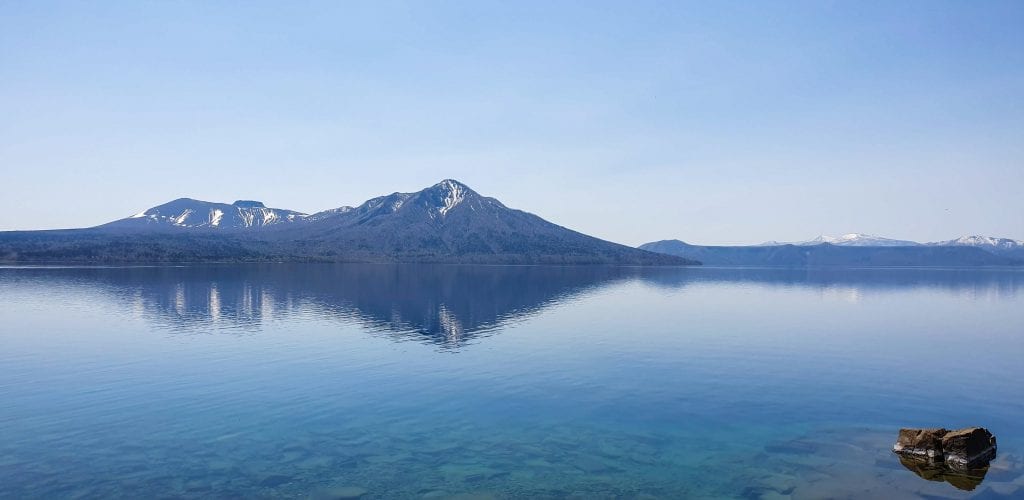
Shikotsu-Toya National Park is a large national park in southwest Hokkaido. Its name contains two lakes — Shikotsu and Toya — and both are worth visiting.
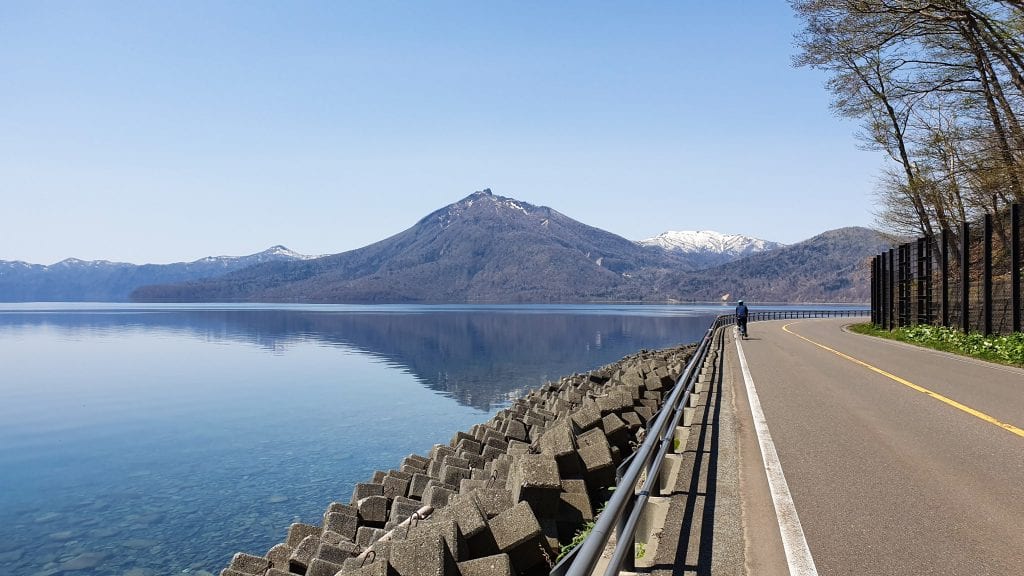
Lake Shikotsu is a caldera lake and the second deepest lake in Japan, surrounded by multiple volcanoes. Mount Tarumae is the most famous of them. The reflection of the mountains in the crystal clear blue water — on a clear day you can see the bottom at considerable depth — is extraordinary.
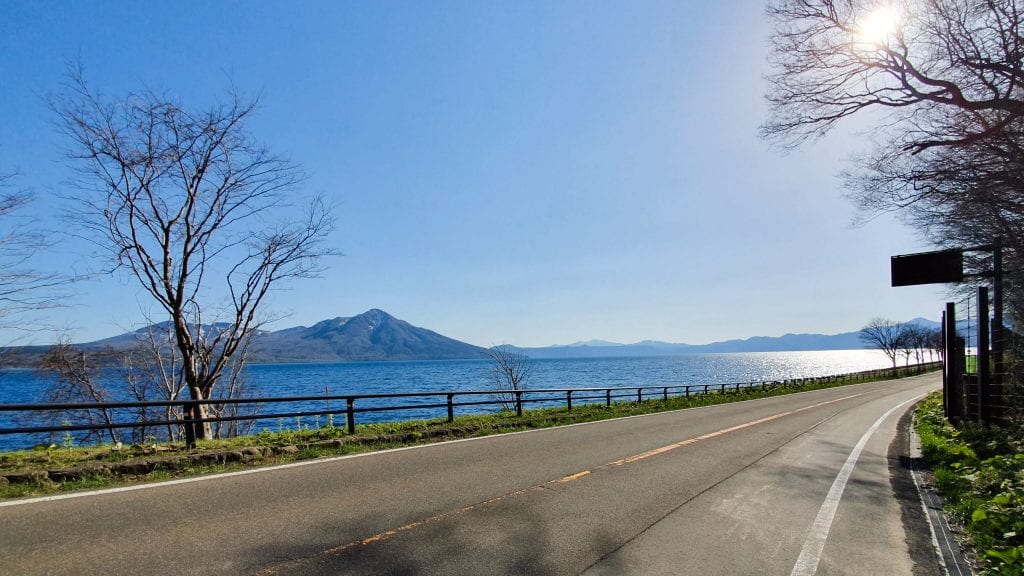
Cycling: Renting a bicycle and riding around the lake is the best activity here. The road is in good condition and the views change at every angle. Do not miss the Poropinai Observatory — a viewpoint that gives you a panoramic overview of the entire lake. The roads are hilly and will take a good test of your stamina, so pace yourself.
Marukoma Onsen: While circling the lake you will pass Marukoma Onsen — an open-air onsen on the eastern side of the lake, surrounded by forest and near Mount Eniwa. It requires climbing some challenging gradients to reach, but it is worth it. Note that this is a nude onsen — there are no separate bathing areas by gender, and bathing suits are not permitted.
Kayaking: Lake Shikotsu also offers kayaking and stand-up paddleboarding — one of the most incredible caldera lakes you’ll ever see, and a fantastic place to either canoe, try stand-up paddleboarding or go kayaking.
Transport: Bus from Sapporo Station (Hokkaido Chuo Bus) to Shikotsu Kohan. Around 1.5 hours. ¥1,250 one-way. Note: buses run infrequently — check the timetable before you go and identify your return bus on arrival.
Book Lake Shikotsu Tour (Viator)
Yamasen Bridge — A Detour on the Lake Shikotsu Route
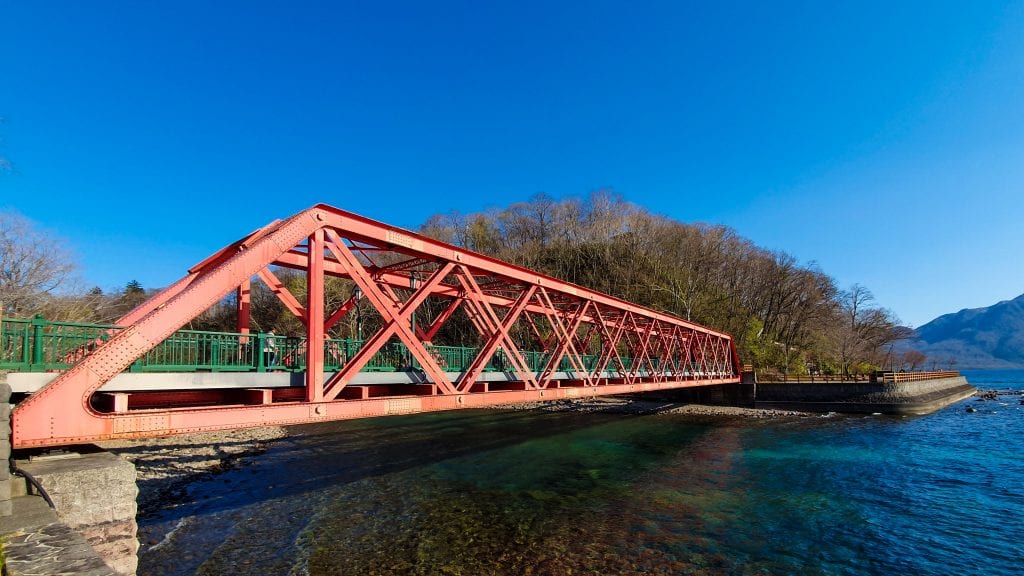
If you are cycling around Lake Shikotsu, you will pass the red Yamasen Bridge — a conventional railway bridge from an earlier era of Japanese train travel. The modern Shinkansen runs by electricity at extraordinary speed; bridges like Yamasen carry the memory of how Japan moved before that. It is a good photography stop.
Noboribetsu Onsen — Hell Valley and Hot Springs
Noboribetsu Onsen is the most famous onsen destination in Hokkaido and one of the most popular from Sapporo. Unlike Jozankei, which is a forested river gorge, Noboribetsu is a volcanic landscape — active, dramatic, and unlike anywhere else in Japan.
Hell Valley (Jigokudani): The centrepiece of Noboribetsu is the volcanic valley of steaming vents, sulfurous mud pools, boiling streams, and rust-coloured rock that the Japanese have named Jigokudani (Hell Valley). A 10-minute walk from the main bus stop, it is walkable via a series of observation decks and boardwalks. The steam, the smell, and the otherworldly colour palette of yellows, reds, and greys make this one of the most visually arresting places in Hokkaido. Visit in winter when the steam contrasts with snow for the most dramatic effect.
Noboribetsu is not a single onsen but an entire onsen town. Eleven types of hot spring water have been identified here — different temperatures, mineral compositions, and therapeutic properties. You can access hotel onsens even without staying — day-use rates are typically ¥700–2,000 per person.
Transport: JR Limited Express from Sapporo Station to Noboribetsu Station. Approximately 1 hour to 1 hour 20 minutes. Around ¥4,000–5,000 round trip. Covered by the Hokkaido Rail Pass. Bus from the station to the onsen area.
Noboribetsu + Lake Toya + Niseko Full Day Tour from Sapporo (Klook) — covers Hell Valley, Bear Park, Lake Toya, and Kyogoku Spring in one departure. The most efficient way to see both Noboribetsu and Lake Toya without a car.
Furano and Biei — Lavender Fields and the Blue Pond
If Lake Shikotsu is Hokkaido’s most beautiful lake and Noboribetsu is its most dramatic volcanic landscape, Furano and Biei together represent its most photographed summer imagery.
Furano — Lavender Fields: Furano, just about two hours from Sapporo by car, is a paradise for nature lovers, with sprawling flower fields filled with gorgeous blooms. From oriental poppies to marigolds, the fields are bursting with colour, especially at Farm Tomita, famous for its stunning lavender fields. Farm Tomita is the most famous — row upon row of lavender on a hillside, with fields of other flowers (yellow marigolds, pink cosmos, red poppies) filling the lower sections. The lavender peaks in mid-July. There is also lavender ice cream, lavender soap, and lavender everything. Free to enter.
Biei — The Blue Pond (Aoiike): Biei’s Blue Pond is one of the most photographed natural phenomena in Japan — a vivid turquoise lake whose colour comes from natural colloidal aluminium hydroxide particles in the water. The colour shifts from bright teal to deep blue depending on the light, season, and weather. Dead white birch trees stand in the water, their reflections completing an image that looks too beautiful to be natural. It is illuminated at night during winter. Free to visit.
Transport: Furano and Biei are 2–3 hours from Sapporo by car (National Route 38) — the most comfortable option. By public transport, take the JR Furano Line from Sapporo via Asahikawa (approximately 2.5–3 hours). Biei Station is on the same line, before Furano. A guided day tour from Sapporo is the simplest option if you do not have a car.
💡 Guided tour strongly recommended. Getting between Farm Tomita in Furano and the Blue Pond in Biei by public transport is time-consuming. A guided tour from Sapporo handles the logistics and ensures you reach both in a single day.
- Hokkaido Summer: Shikisai no Oka Flower Viewing Tour from Sapporo (Klook) — covers Shikisai no Oka’s famous rainbow flower fields and Biei’s most scenic spots
- Asahiyama Zoo + Biei Furano Flower Viewing Day Tour from Sapporo (Klook) — combines Asahiyama Zoo with the Furano and Biei flower fields in a single full-day circuit; the most comprehensive summer day tour from Sapporo
- Asahiyama Zoo + Waterfalls + Blue Pond Day Tour (GetYourGuide) — adds Shirahige Falls and the Shirohige waterfall that flows directly into the Blue Pond
Book a shared transfer from Chitose Airport
Maruyama Park, Shrine, Zoo and Mountain — The Sapporo Local Cluster
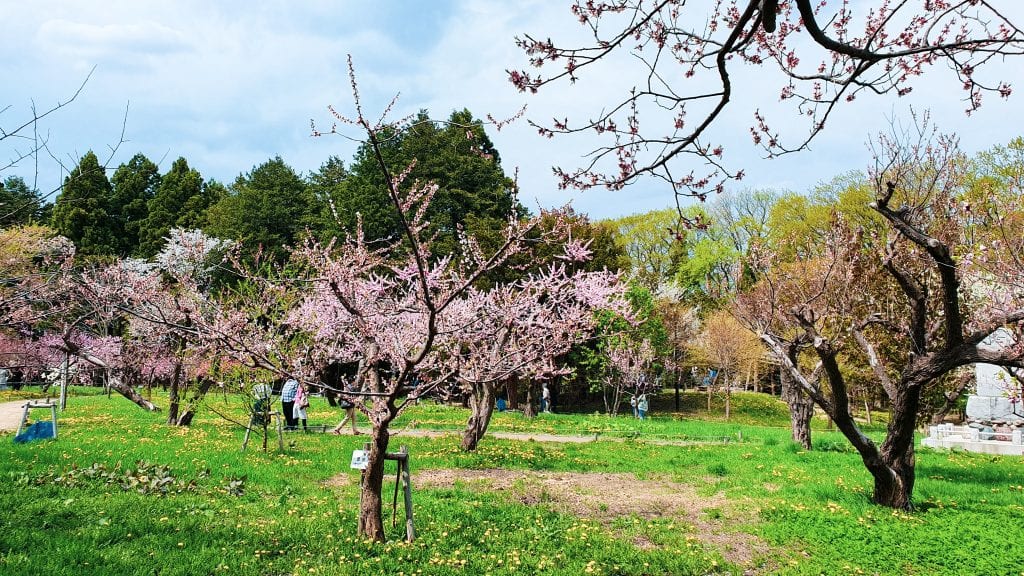
Maruyama Koen is Sapporo’s most beloved park — famous for cherry blossom (hanami) season in late April and early May, when local families arrive with food and large sheets for picnics under the trees. What made it interesting to me beyond the cherry blossoms was the variety of other flowers — tulips, poppies, and seasonal plantings throughout the spring months.
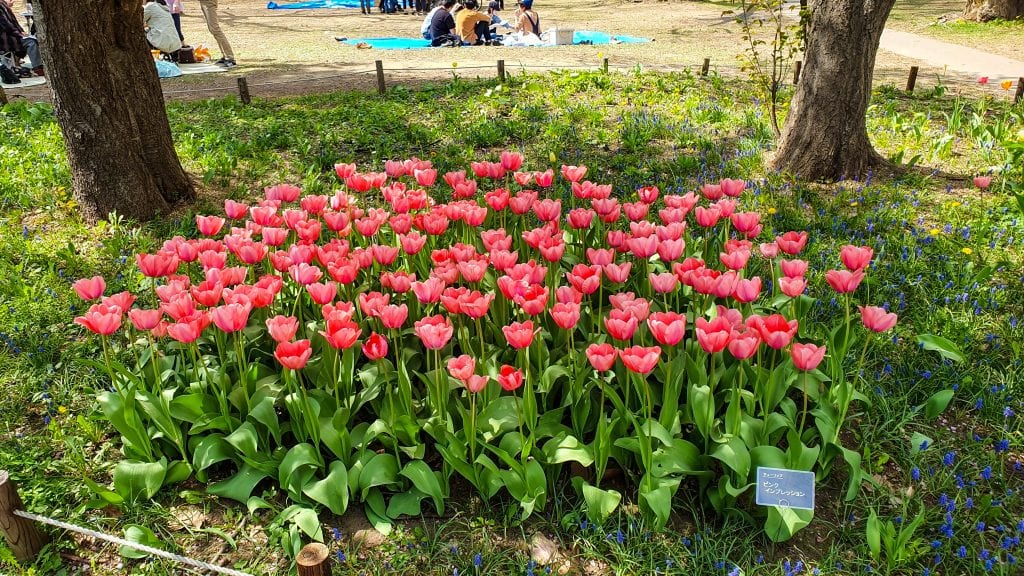
Cherry blossom timing: Hokkaido’s season arrives 3–4 weeks later than Tokyo. If you are visiting Sapporo in late April or early May, this park is where to be.
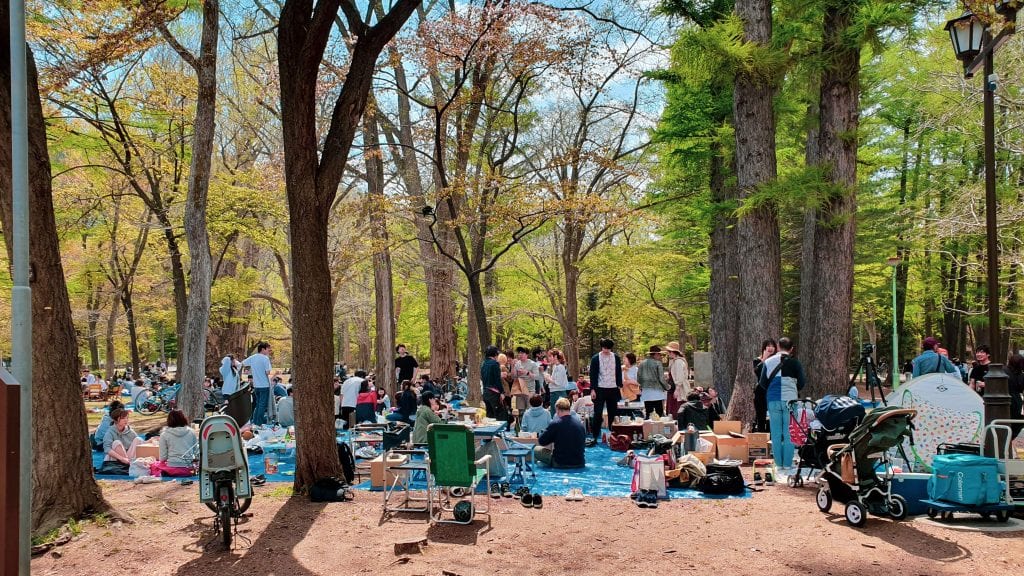
Hokkaido Jingu Shrine
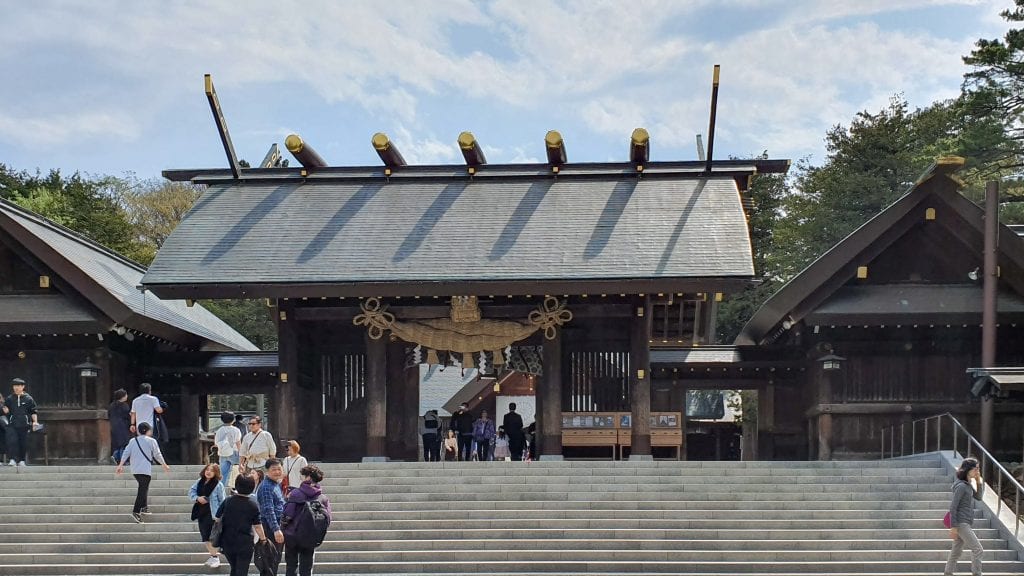
Adjacent to Maruyama Koen, Hokkaido Jingu is the most important Shinto shrine in Hokkaido. It is dedicated to four deities including Emperor Meiji and enshrined within 180,000 square metres of forested grounds.
When passing through the torii gate, do not walk through the centre of the path — this is reserved for the gods. If you can time your visit to 14–16 June, the Sapporo Festival (Hokkaido Shrine Festival) is the major annual event of the shrine — one of the most significant festivals in Hokkaido.
Maruyama Zoo
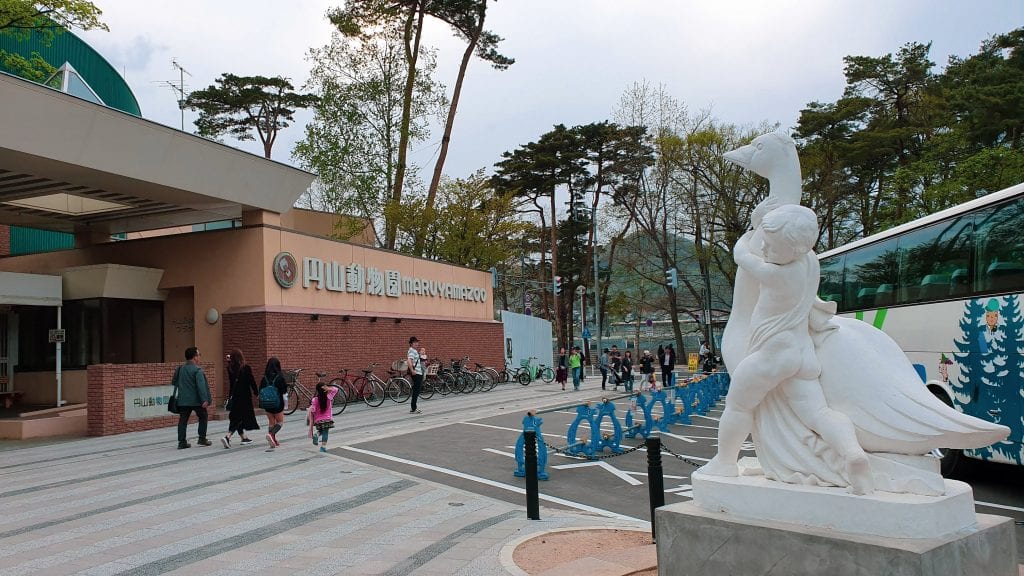
If you are travelling with children, Maruyama Zoo sits next to the park — the oldest zoo in Sapporo, opened in 1951. Over 700 animals of approximately 170 species, with chimpanzees and bears as the main attractions.
Hike to Maruyama Mountain
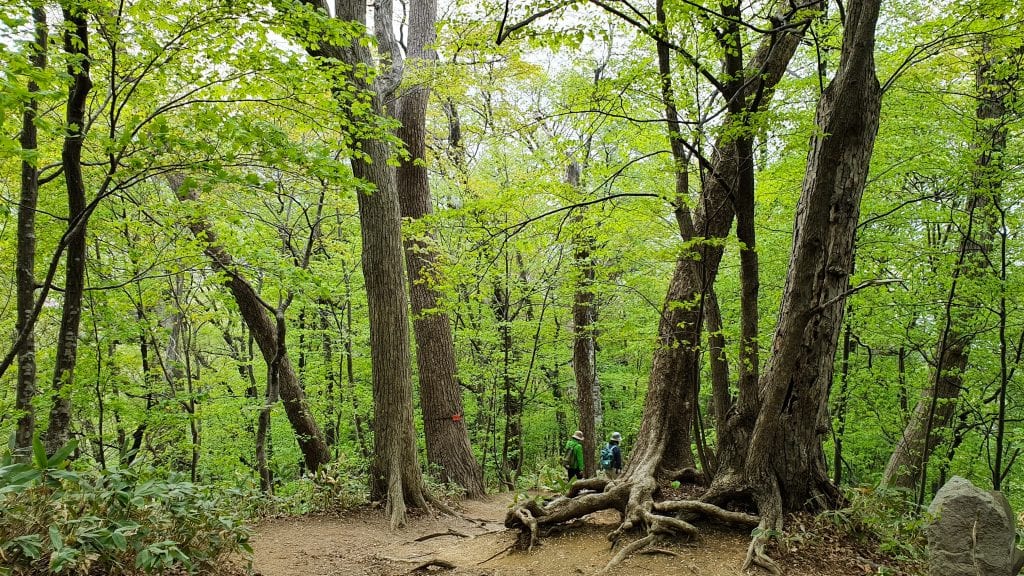
Maruyama Mountain is a gentle 225-metre peak immediately adjacent to the park. The trail climbs through dense forest of oaks, linden, and Acer pictum — watch your feet on the enormous roots. The summit can be reached in under 45 minutes. The view of Sapporo city from the top is panoramic and surprisingly expansive for such a small elevation.
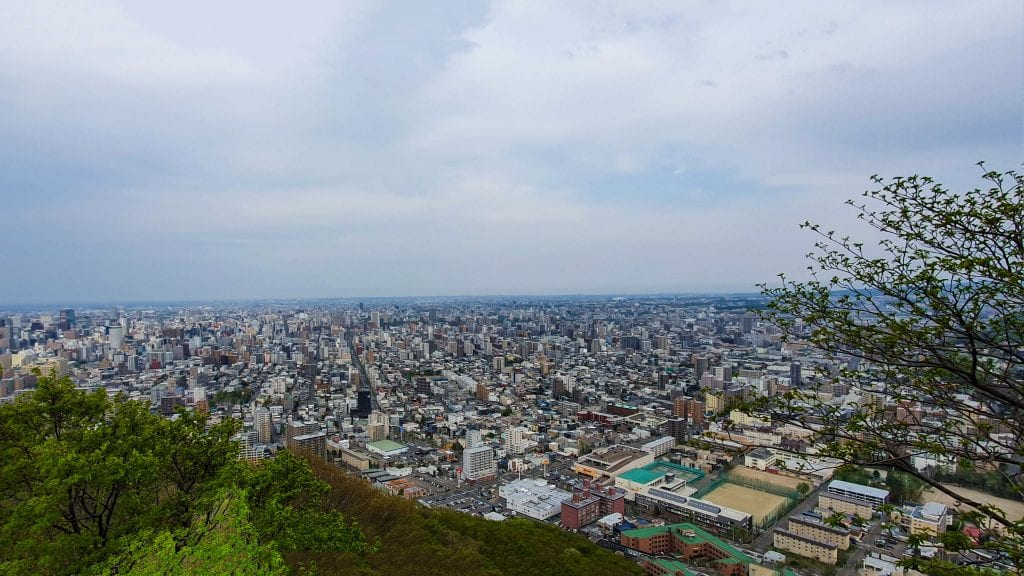
Transport (Maruyama cluster): Maruyama Koen Station on the Sapporo Subway Tozai Line. 20 minutes from Sapporo Station. Subway fare.
Asahiyama Zoo — Japan’s Most Innovative Zoo
Although Asahiyama Zoo is approximately 2.5 hours from Sapporo by express train, it is worth the journey. This is the second most visited zoo in Japan after Ueno Zoo in Tokyo — and arguably the most creatively designed.
The major innovation is a transparent tunnel through which you can watch penguins swim, play, and parade. The tunnel puts you at eye level with the underwater world and creates one of the most unusual wildlife experiences in Japan. Additional highlights include polar bears, seals, lions, and giraffes. During winter (January–March), the famous Penguin Walk happens twice daily — a procession of penguins along a snow path, accompanying keepers on their morning exercise.
Transport: JR Limited Express (Kamui or Lilac) from Sapporo Station to Asahikawa Station. Approximately 1 hour 25 minutes. Around ¥4,900 one-way. Bus from Asahikawa Station to the zoo.
Book a trip to Asahiyama Zoo (Viator)
9. Lake Toya — Volcano and Waterfront Onsen
Lake Toya is the second lake in Shikotsu-Toya National Park — a caldera lake formed by a volcanic explosion, with Mount Yotei and Mount Usu as its volcanic neighbours. The shoreline is dotted with onsen hotels and resorts. A boat takes visitors to Nakajima Island in the centre of the lake. Mount Usu — an active volcano that last erupted in 2000 — can be explored on foot with a ropeway to the volcanic observation deck.
Transport: JR Limited Express from Sapporo Station to Toya Station. Approximately 1 hour 35 minutes to 2 hours. Covered by the Hokkaido Rail Pass. Bus from Toya Station to Toya Onsen.
Shakotan Peninsula — Hokkaido’s Blue Coastline
Shakotan Peninsula is one of those beautiful places in Hokkaido where you can experience breathtaking views of the Sea of Japan and delicious seafood. Located about 100 kilometres from Sapporo, it is famous for its incredible coastline and crystal clear blue waters.
Cape Kamui offers views over the sea and cliffs from its observatory. The Shimamui Coast is listed among Japan’s 100 Most Beautiful Beaches. Sea urchin harvested from these waters is considered among the finest in Japan — the restaurants in Shakotan town serve it simply, in donburi or fresh on the shell.
Best season: Summer (June–August). The sea is too rough for boat tours and the seafood quality is at its peak.
Transport: This one requires a car — Shakotan is not practical by public transport. Rent a car in Sapporo via Discover Cars and take National Route 5 through Otaru and northwest along the coast.
Hokkaido Ball Park F Village — Sapporo’s Modern Day Out
Hokkaido Ball Park F Village is the home of the Hokkaido Nippon-Ham Fighters baseball team, but in 2026 it has evolved well beyond a sports venue. Built across 32 hectares in Kitahiroshima (25 minutes from Sapporo by JR), the complex now operates as what the developers call a “365-day destination” — and the claim is largely accurate.
You do not need a baseball ticket to visit. The village has outdoor saunas with views of the stadium, glamping accommodation, the KUBOTA AGRI FRONT (an agricultural experience centre where you can pick vegetables and understand Hokkaido’s farming culture), multiple restaurants serving Hokkaido produce, and walking trails around the grounds. On game days, the atmosphere is electric even from outside the stadium.
For travellers who want something distinctly modern and Japanese — and different from temples, onsen, and nature — this is the best option near Sapporo.
Transport: JR Chitose Line from Sapporo Station to Kitahiroshima Station. Approximately 25 minutes. ¥640 one-way. Shuttle bus from the station to the village on game days and weekends.
Lake Utonai — Hokkaido’s Hidden Birdwatching Wetland
Lake Utonai is a Ramsar-designated wetland 40 minutes south of Sapporo — one of Japan’s most important migratory bird habitats and a genuine hidden gem that almost no competitor article mentions. Over 270 bird species have been recorded here, including white-tailed eagles, Steller’s sea eagles, and whooper swans in winter.
If birdwatching or quiet nature walks are your preference over volcanic valleys and theme parks, Lake Utonai offers something completely different — peaceful, unhurried, and free from crowds.
Transport: JR Chitose Line from Sapporo to Tomakomai, then local bus. Approximately 40–50 minutes.
Hokkaido Birdwatching at Lake Utonai with a Guide (GetYourGuide)
| Month | Best destination | What’s happening |
|---|---|---|
| Late April | Maruyama Park | Cherry blossoms — Hokkaido’s season |
| May | Lake Shikotsu | Greenery, cycling, clear water |
| June–July | Furano, Biei | Lavender peak, Blue Pond most vivid |
| August | Shakotan Peninsula | Sea urchin season, clear water |
| October | Jozankei Onsen | Autumn foliage — best in Hokkaido |
| November | Lake Toya | Foliage + onsen combination |
| February | Asahiyama Zoo | Penguin Walk; Sapporo Snow Festival |
| February | Otaru | Snow Light Path canal festival |
| Year-round | Otaru, Noboribetsu, Ball Park F Village | No bad season for any of these |
Hotels in Sapporo
Sapporo has excellent accommodation across all budgets. For day-tripping, staying near Sapporo Station or a subway station is the priority — transport connection is everything.
Budget
Backpackers Hostel Ino’s Place — popular among backpackers, most rooms cater to 6 people. Note that it is a distance from central Sapporo — factor this into your morning departure times. Book on Booking.com | Book on Agoda
Nakamuraya Ryokan — one of the better ryokans in Sapporo, within walking distance of the central station. Friendly staff. A good option for those who want the tatami and futon experience at a budget-friendly price. Book on Agoda
Mid-Range
Vessel Inn Sapporo Nakajima Park — extremely well-rated for the price. Wide buffet breakfast. Small rooms (standard for Japan) but excellent overall value. Book on Booking.com | Book on Agoda
Unwind Hotel & Bar Sapporo — excellent location with subway access within 5 minutes walk. Breakfast delivered to your room each morning. The buzzing Susukino entertainment district is nearby. Book on Hotels.com | Book on Booking.com
Hotel Clubby Sapporo — next to Sapporo Factory shopping complex. Larger rooms than most Sapporo hotels. Buffet breakfast with a wide variety. Book on Agoda | Book on Hotels.com
Ibis Styles Sapporo — reliable Ibis quality. Nearest subway a couple of minutes walk. Good service. Book on Booking.com | Book on Agoda
Richmond Hotel Sapporo Ekimae — 10 minutes walk from JR Sapporo Station. Earlier check-in at 2 PM compared to most Japanese hotels’ 3 PM. Moderate room size, good value overall. Book on Agoda | Book on Hotels.com
Solaria Nishitetsu Hotel Sapporo — a polished 4-star property with an on-site restaurant, bar, and indoor/outdoor communal baths. One of the newer additions to Sapporo’s mid-range market and consistently well-reviewed for cleanliness and service. Book on Agoda
Cross Hotel Sapporo — 5-minute walk from JR Sapporo Station, with one of the best features in the mid-range category: an indoor/outdoor rooftop public bath with city views. The French/Japanese breakfast buffet and free evening drinks are an unusually generous inclusion at this price point. Book on Booking.com
Keio Plaza Hotel Sapporo — a well-established 4-star property near Sapporo Station with an indoor pool, spa, multiple restaurants, and room service — rare amenities at this tier. Consistently rated as one of the best value upscale options in the city. Book on Trip.com
Luxury
JR Tower Hotel Nikko Sapporo — directly on top of Sapporo JR Station. The best views in the city from the upper floors. Ideal for those who want the easiest possible transport access to day trips. If your budget allows, this is the best position in Sapporo. Book on Hotels.com | Book on Booking.com
Hotel Sosei Sapporo MGallery — Sapporo’s highest-rated boutique luxury property (rated 9.3/10 across platforms), part of Accor’s MGallery Collection. Elegant design, spacious rooms, and exceptional service near Sapporo Factory. The most recommended choice for couples and design-conscious travellers who want a distinctive stay rather than a corporate hotel. Book on Trip.com
InterContinental Sapporo — the first international luxury hotel to open in Hokkaido, beside Nakajima Park. 149 guestrooms and suites with floor-to-ceiling city views, a heated indoor pool, club lounge, and three dining venues. Rated 9.6/10 — the highest-rated hotel in the city by several review platforms. The best choice for travellers who want a full 5-star international experience. Book on Agoda
Sapporo Grand Hotel — a historic landmark in central Sapporo near Odori Park, operating since 1934 and recently updated. Four restaurants, two bars, a spa, and a bakery on site. Large, family-friendly rooms. The most accessible luxury price point ($150–280/night) and the best location for sightseeing and shopping. The character of the building — combining heritage architecture with modern comfort — makes it stand apart from the modern towers. Book on Booking.com
Food in Sapporo
Rather than a list of restaurant names, here is what to actually eat in Sapporo and where to find it.
Sapporo ramen — Sapporo is the birthplace of miso ramen. Rich, warming, and distinctively Hokkaido. Ramen Yokocho (Ramen Alley) in Susukino is the classic destination — a narrow alley of small ramen shops that has been operating since 1951. Go in the evening. Try a Chopstick and Ramen-Making Experience (GetYourGuide) for a hands-on activity on a rest day between trips.
Soup curry — Sapporo’s own culinary invention. A thin, spiced broth served as a dipping curry with large-cut vegetables and chicken or lamb. Every local has a favourite restaurant. Suage+ near Odori is one of the better-known spots.
Seafood — Hokkaido’s seafood is the finest in Japan. Nijo Market near Odori Station is the most accessible market for fresh crab, sea urchin, and salmon roe. Book the Nijo Market Seafood Lunch & History Tour (GetYourGuide) for a guided walk with lunch included — a good option for the first morning in Sapporo before heading out on a day trip.
Evening activity: The Sapporo Sumo Show Experience with Japanese Food & Photo (GetYourGuide) is a memorable evening option — a sumo demonstration followed by a Japanese meal. Good for a night when you return from a day trip too tired for another commute.
Shiroi Koibito — Sapporo’s most famous souvenir: crisp langue de chat cookies sandwiched with white chocolate, made by Ishiya. The factory in west Sapporo is open as a tourist attraction. Available everywhere but freshest bought close to the factory.
Hokkaido dairy — soft serve ice cream made from Hokkaido milk at almost every tourist spot. It is noticeably richer and creamier than soft serve elsewhere in Japan. Always worth trying.
How to Get to Sapporo
How to go to Sapporo.
By Air (Recommended)
New Chitose Airport (CTS) is an international airport 40 km from Sapporo. Direct flights operate from Hong Kong, China, South Korea, Taiwan, Thailand, and Hawaii, as well as Tokyo (approximately 1.5 hours). From the airport, take the JR rapid train to Sapporo Station (35 minutes, covered by Hokkaido Rail Pass) or the airport bus (75 minutes, more convenient with heavy luggage).
Book shared transfer from New Chitose Airport to Sapporo (Klook)
By Train from Tokyo
A very long journey — take the Tohoku Shinkansen to Shin-Hakodate-Hokuto, then transfer to Hokkaido Shinkansen. Not recommended over flying unless you are collecting the Shinkansen experience itself.
By Ferry
A scenic option for the journey itself. The nearest port for Sapporo is Otaru, with ferry routes from Niigata and Maizuru on Honshu.
Which Day Trip Should You Choose?
Not sure where to start? Use this quick decision guide:
| Your situation | Best choice | Why |
|---|---|---|
| Only 1 day, no planning | Otaru | 40 min train, easy on foot, great food |
| Want an onsen experience | Jozankei (easy) or Noboribetsu (dramatic) | Jozankei by bus in 1 hour; Noboribetsu has Hell Valley |
| Summer visit, want flowers | Furano & Biei | Lavender + Blue Pond — the iconic Hokkaido image |
| Going with kids | Asahiyama Zoo | Penguin tunnel; worth the 2.5 hour train |
| Want a lake experience | Lake Shikotsu | Rent a bike, second deepest lake in Japan |
| Love volcanos and drama | Noboribetsu or Lake Toya | Hell Valley or active Mount Usu |
| Autumn foliage | Jozankei | Mid-October is the best foliage in Hokkaido |
| Winter visit | Otaru (Snow Light Path) or Asahiyama Zoo (Penguin Walk) | Both are at their best in winter |
| Want something modern | Ball Park F Village | Saunas, glamping, Hokkaido food — 25 min by train |
| Have a car, want coastline | Shakotan Peninsula | Sea urchin and blue water — summer only |
Frequently Asked Questions
What is the best day trip from Sapporo?
Otaru is the easiest and most universally enjoyable — 40 minutes by train, beautiful canal, excellent seafood, and easy to explore on foot. For natural scenery, Lake Shikotsu by bicycle is the most memorable. For hot springs, Noboribetsu has the most dramatic setting (Hell Valley). For summer, Furano’s lavender fields are the most distinctively Hokkaido experience.
Do I need a car to explore from Sapporo?
Not for the closest destinations. Otaru, Jozankei Onsen, Lake Shikotsu, Noboribetsu, and Asahiyama Zoo are all accessible by train or bus. A car becomes necessary for Furano and Biei (especially if combining both in a day), and essential for Shakotan Peninsula.
Is the Hokkaido Rail Pass worth buying?
Yes, if you plan to take express trains to two or more destinations. The pass covers Otaru, Noboribetsu, Asahikawa (for Asahiyama Zoo), Lake Toya, and the airport rapid train. Available for 3, 5, or 7 days. Not worth it if you are only doing Otaru (the train is cheap independently).
What is the best time of year to visit Sapporo?
Depends on what you want. Summer (July–August) for lavender fields and blue water. Late April for cherry blossoms. October for autumn foliage (especially Jozankei). February for the Sapporo Snow Festival and penguin parades at Asahiyama Zoo. Hokkaido is genuinely beautiful in every season.
Can I do Furano and Biei in one day from Sapporo?
Yes, but only comfortably with a car or a guided tour. By public transport, the journey time leaves very little time at each destination. A full day tour from Sapporo that visits both Farm Tomita in Furano and the Blue Pond in Biei is the most practical option.
Hokkaido rewards visitors who look beyond Sapporo city itself. The city is beautiful and worth a few days — the ramen, the seafood, the beer, the Susukino nights — but the island’s real character lives in the landscape. A caldera lake with a volcano behind it. Lavender stretching to the horizon. A hot spring in a forested gorge. Each day trip from Sapporo shows you a different face of the same extraordinary island.
Planning your wider Japan trip? Hokkaido is the alternate ending to my 2-week Japan itinerary — or read the 4-Day Tokyo Itinerary and the 3-Day Kyoto Itinerary for the main route.
Liked this guide? Pin it for later!

Leave a reply