
Ashikaga Flower Park changed my perception about colours.
I thought my life was full of colours – black, white, red, blue, green, yellow, pink, orange, and one or two more. Those are the names of the colours I knew, and I could see the existence of those in my life. So, I was happy about it.
I was so very wrong.
And I would not have known it, until I entered a park far away from my country.
Ashikaga Flower Park opened my eyes with colours I never knew could exist on earth.
When some Japanese friends suggested this flower park, I was doubtful. “Flower park? We also had a flower garden in my backyard.” They were pretty hurt, and I pretended to ignore it. So one morning, I alighted the train to the park as a day trip from Tokyo without telling anyone. A secret mission. As it turns out, it was one of the best decisions I made in Japan.
QUICK FACTS — ASHIKAGA FLOWER PARK (2026)
- Location: Ashikaga City, Tochigi Prefecture
- Distance from Tokyo: ~90–120 minutes by train
- Nearest station: Ashikaga Flower Park Station (JR Ryomo Line) — 1–3 minute walk
- Park size: 23 acres / 94,000 square metres
- Famous for: Wisteria trees — 350+ trees including a 160-year-old giant
- Best time to visit: Late April to early May (wisteria peak)
- 2026 Wisteria Festival: April 11 to May 20
- 2026 Evening illumination: April 18 to May 20
- Entry fee: ¥1,200–¥2,300 depending on bloom condition
- CNN recognition: Named one of the world’s nine Dream Travel Destinations (2014)
A Walk Through Ashikaga Flower Park
The first blow was the variable ticket price – the entrance fee changes depending on the bloom condition, which I will explain later. I paid more than a thousand Japanese yen. Instantly, I was in a wonderland full of colours. The transition from the actual world to a world of colours took only a minute.
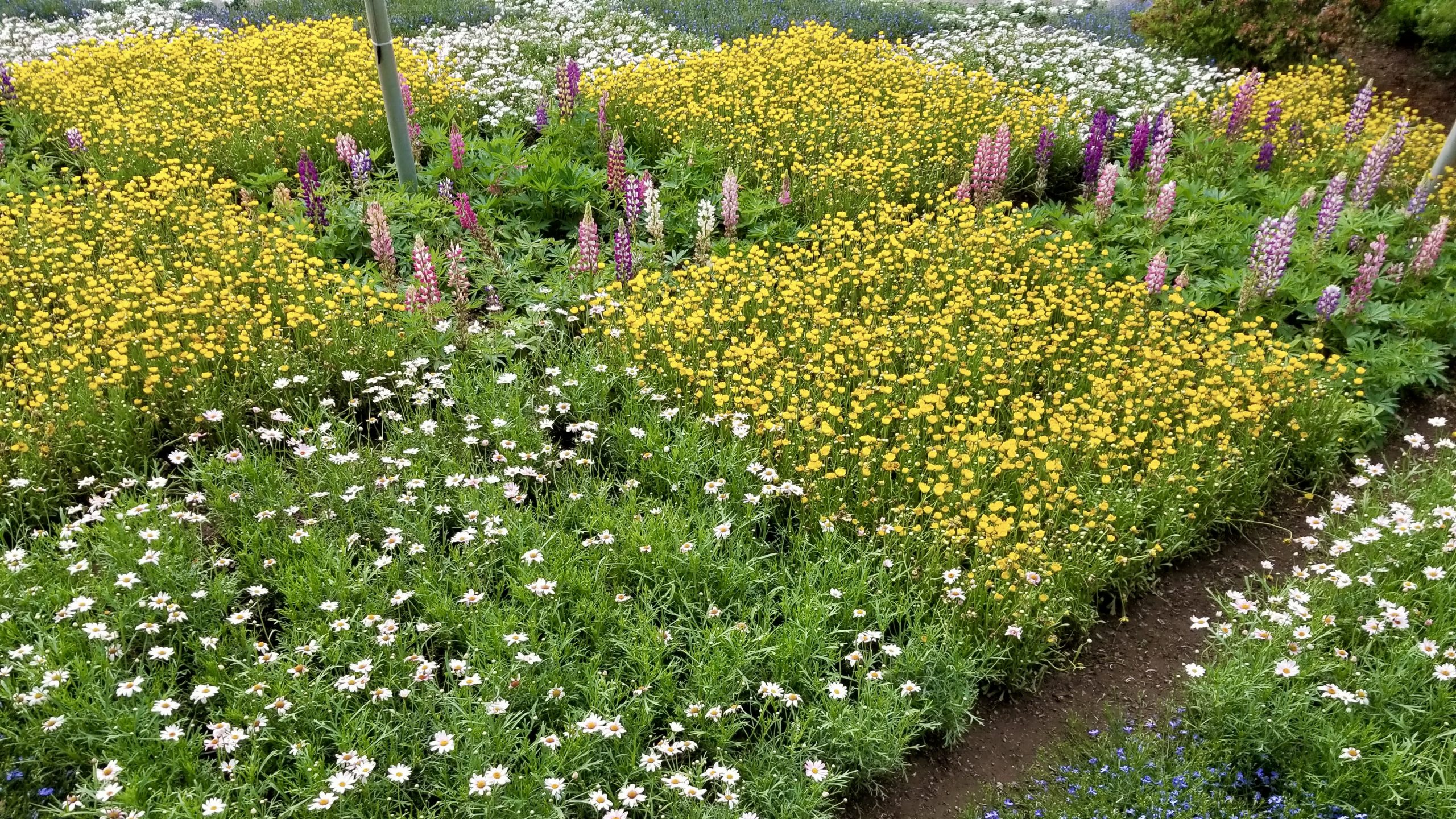
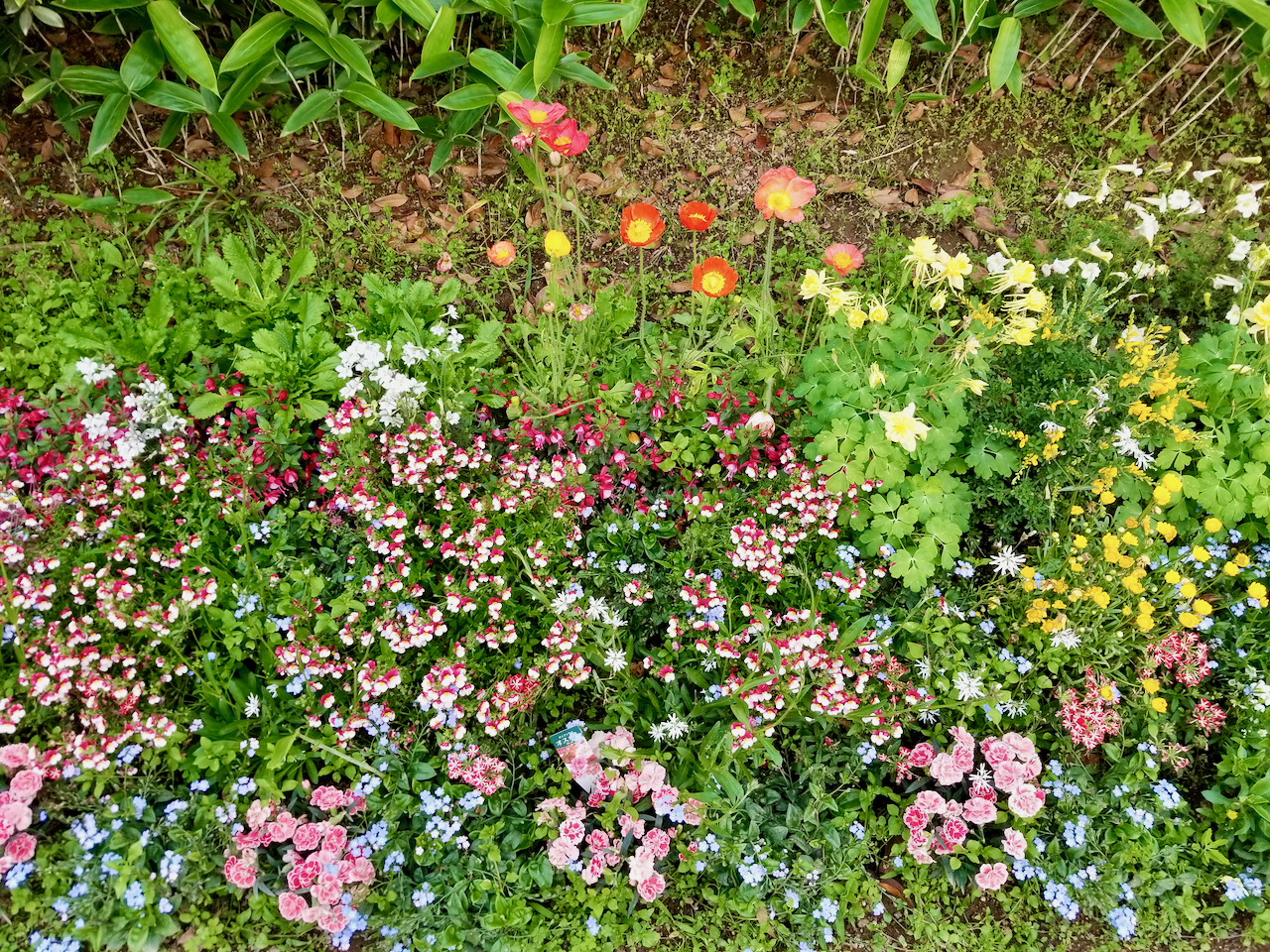
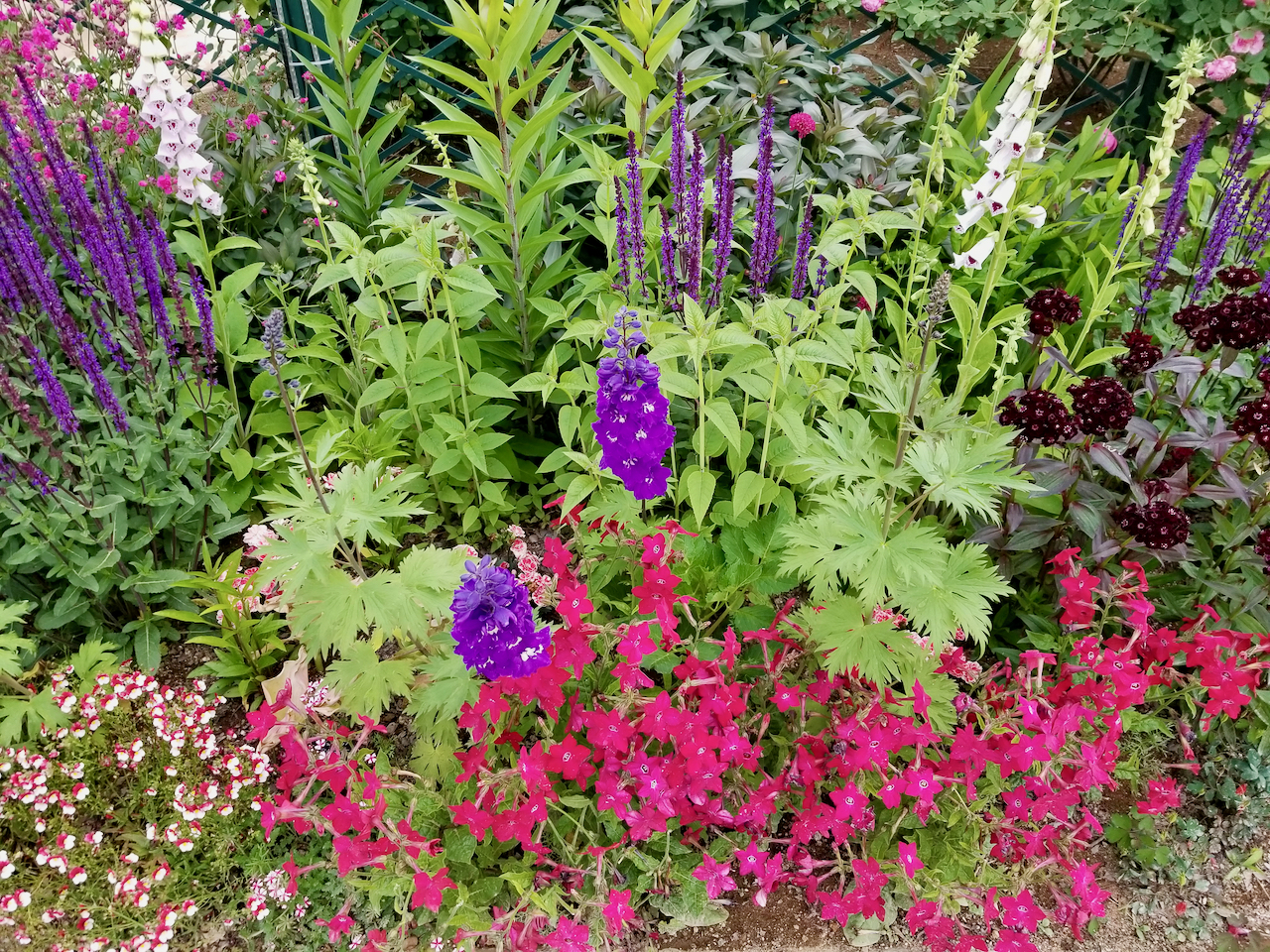
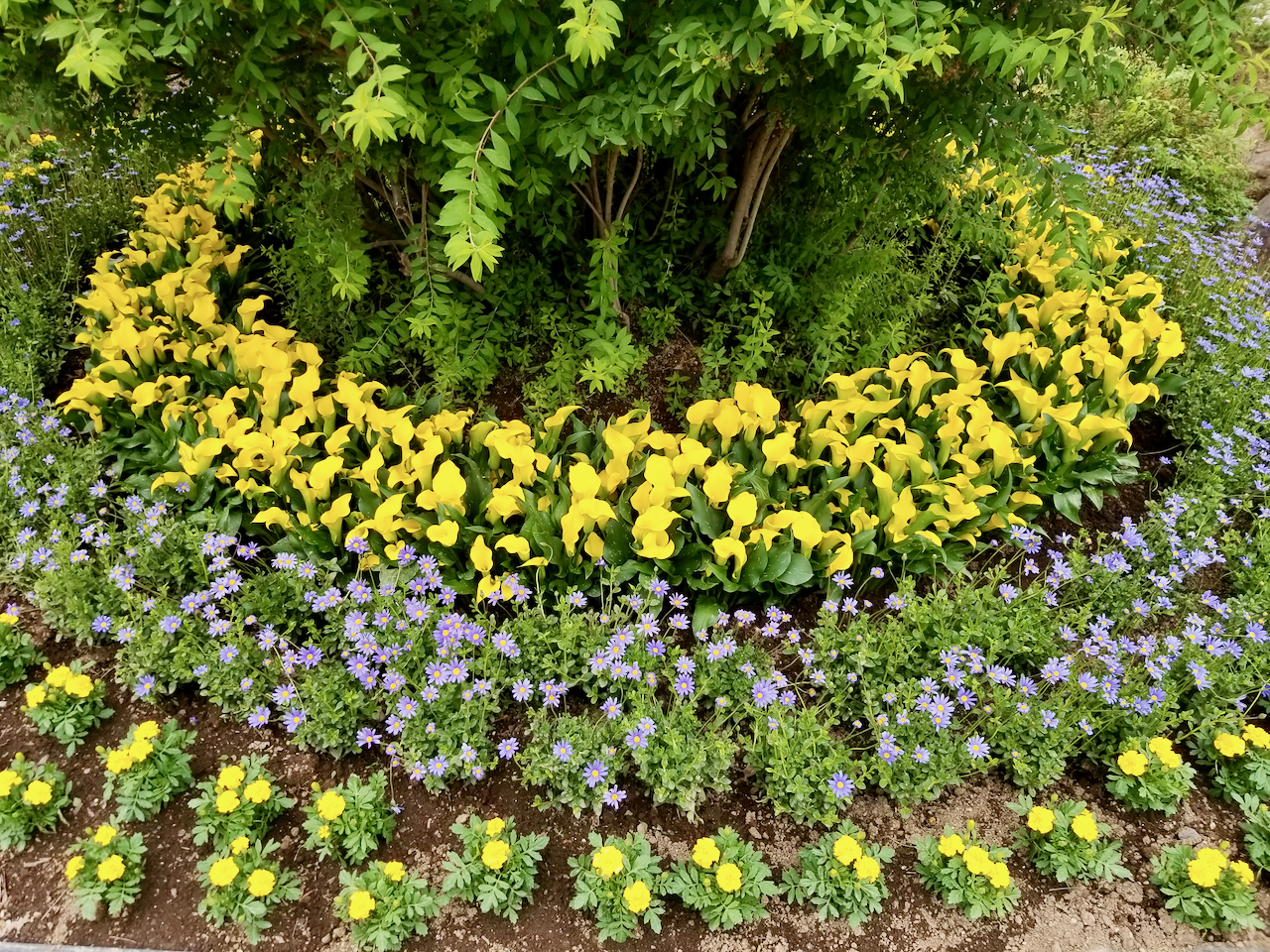
As far as my eyes went, I could only see flowers. I am not a big flower lover and I do not know their names. However, as a novice, I could vouch for them as beautiful.
A tough part of visiting the park was to decide where to visit. It was properly marked and planned. However, it was difficult to focus on one particular one.
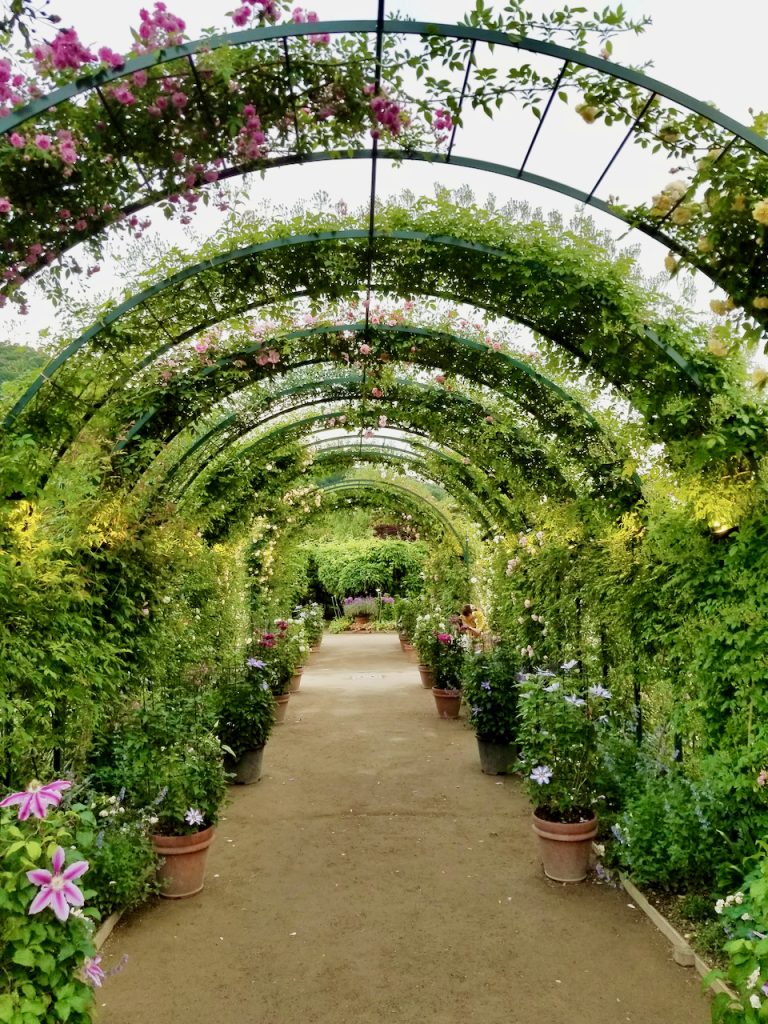
I walked through a gate of celebrations made of green leaves. It was very busy — the photo hunters wanted a piece of their memories with it.
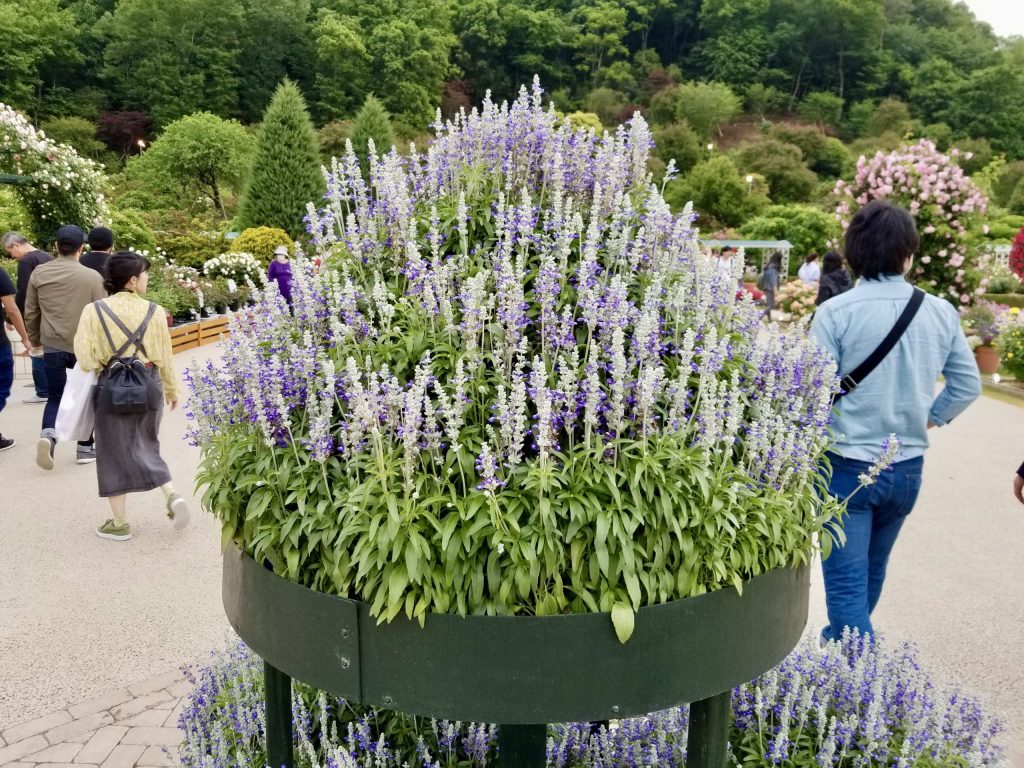
Then I met what I can only describe as an ice-cream cake made of violet beauties — flowers arranged in dense circular layers, rising from the ground in a shape I had no other word for.
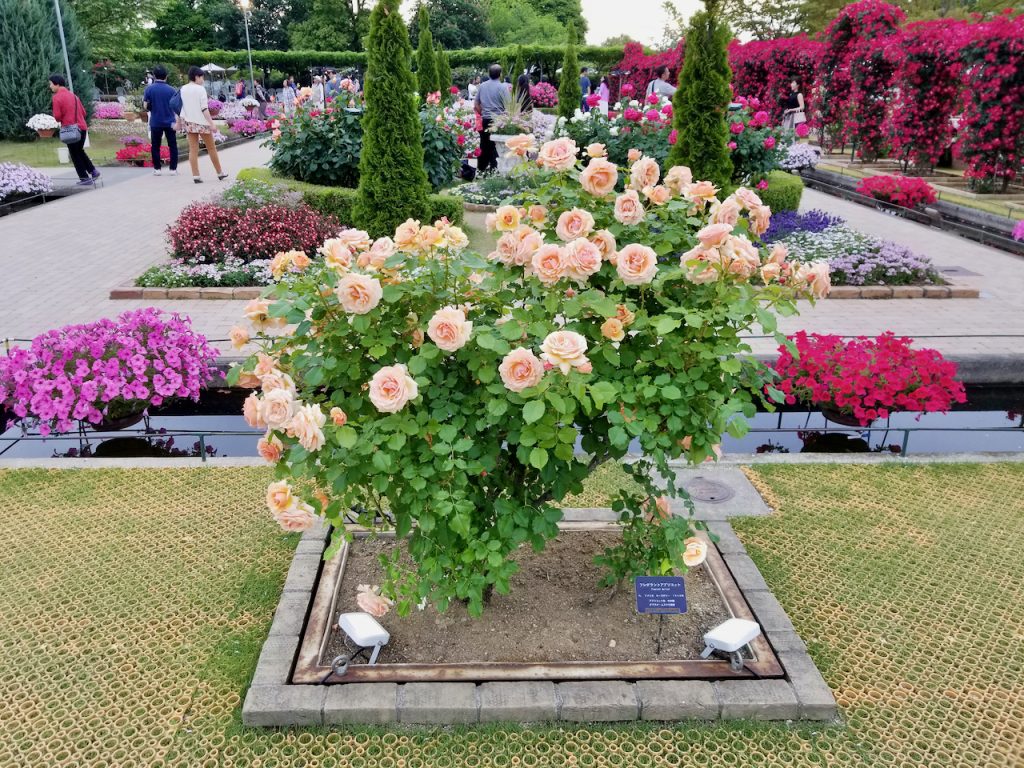
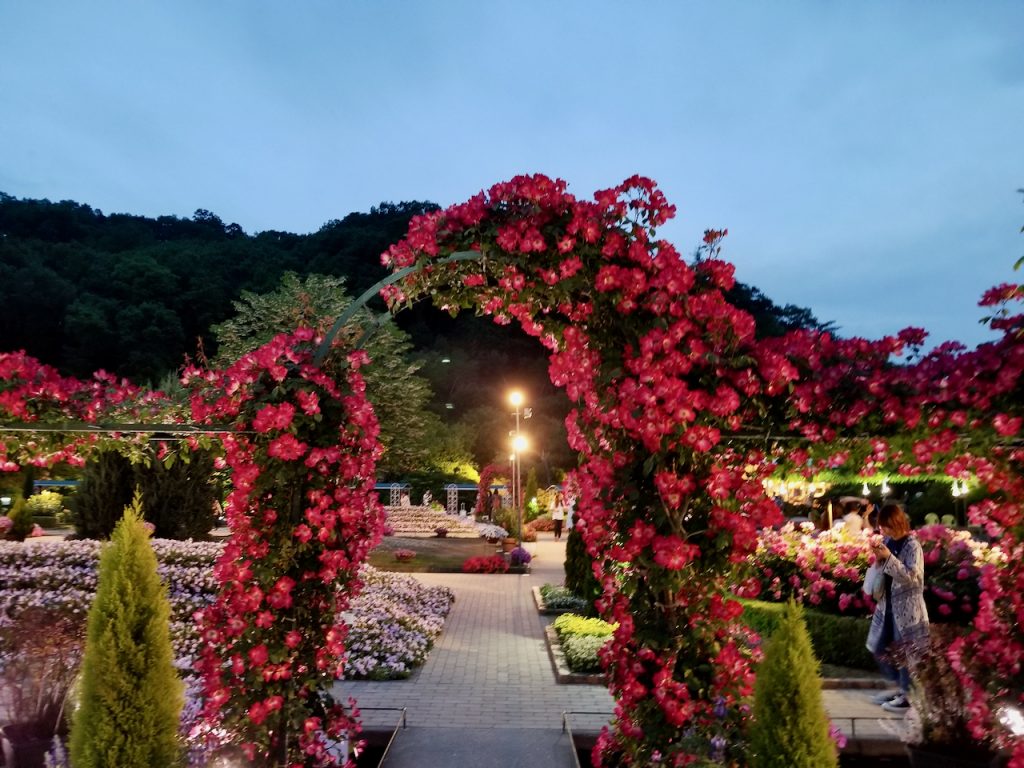
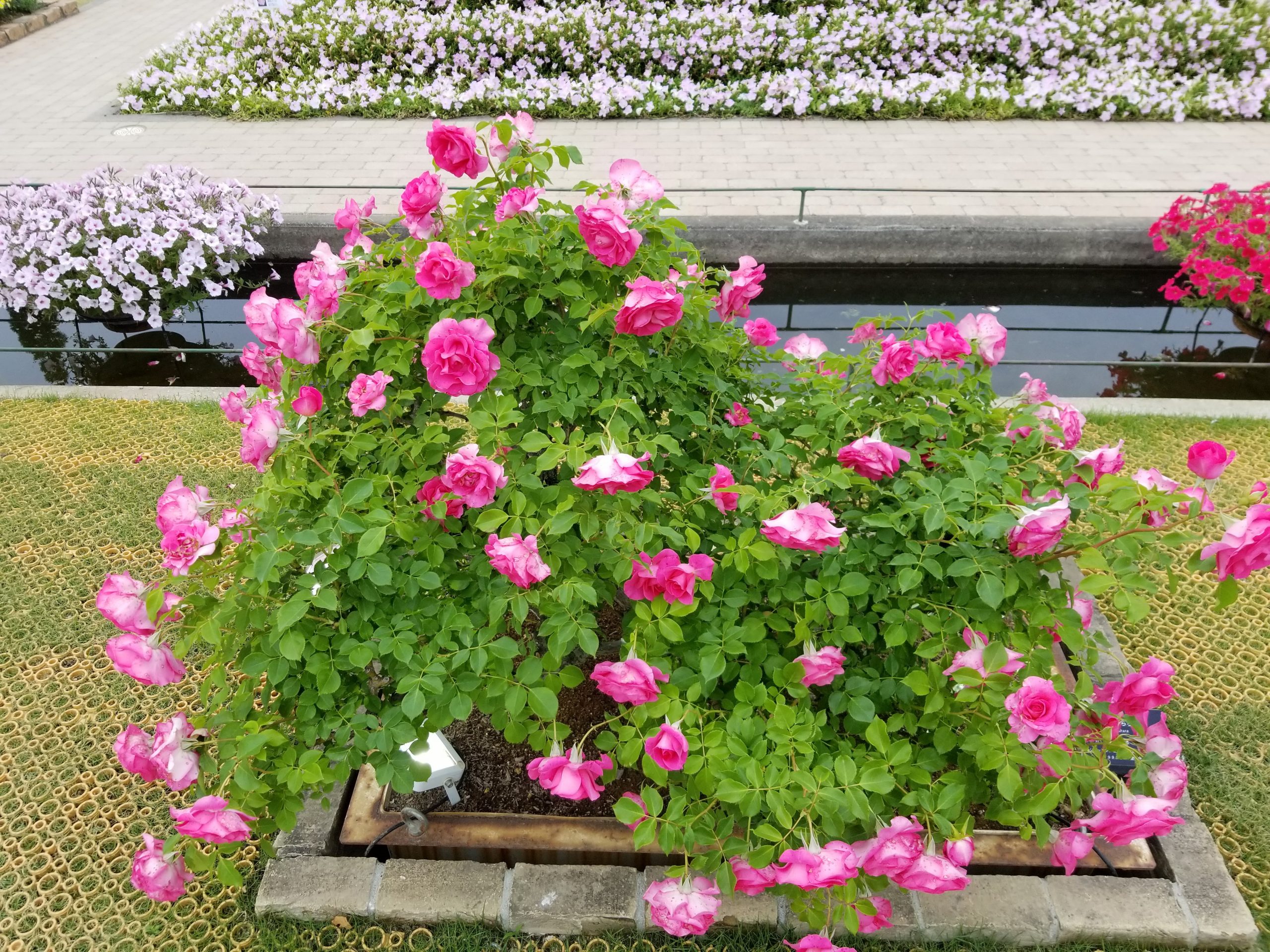
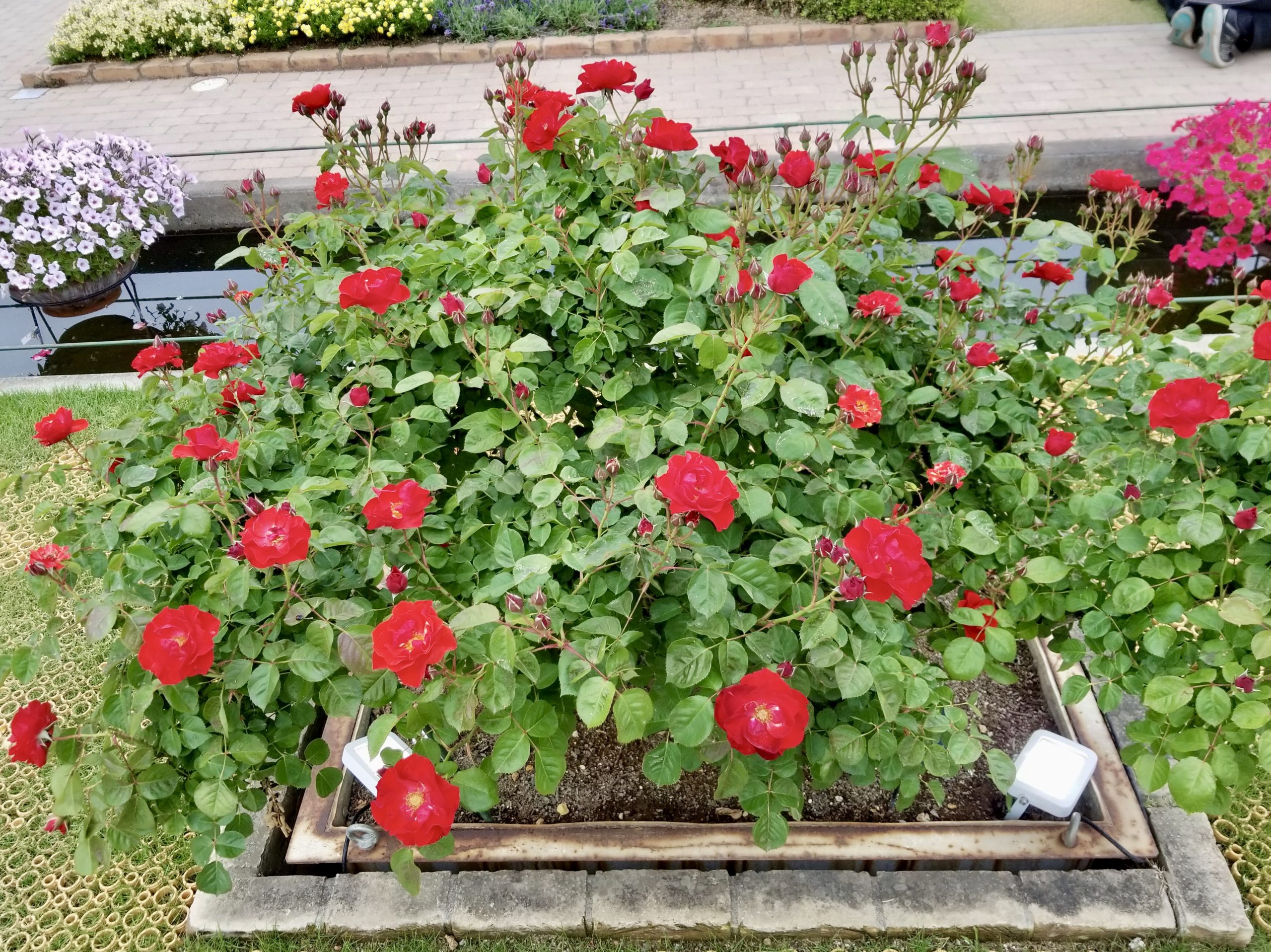
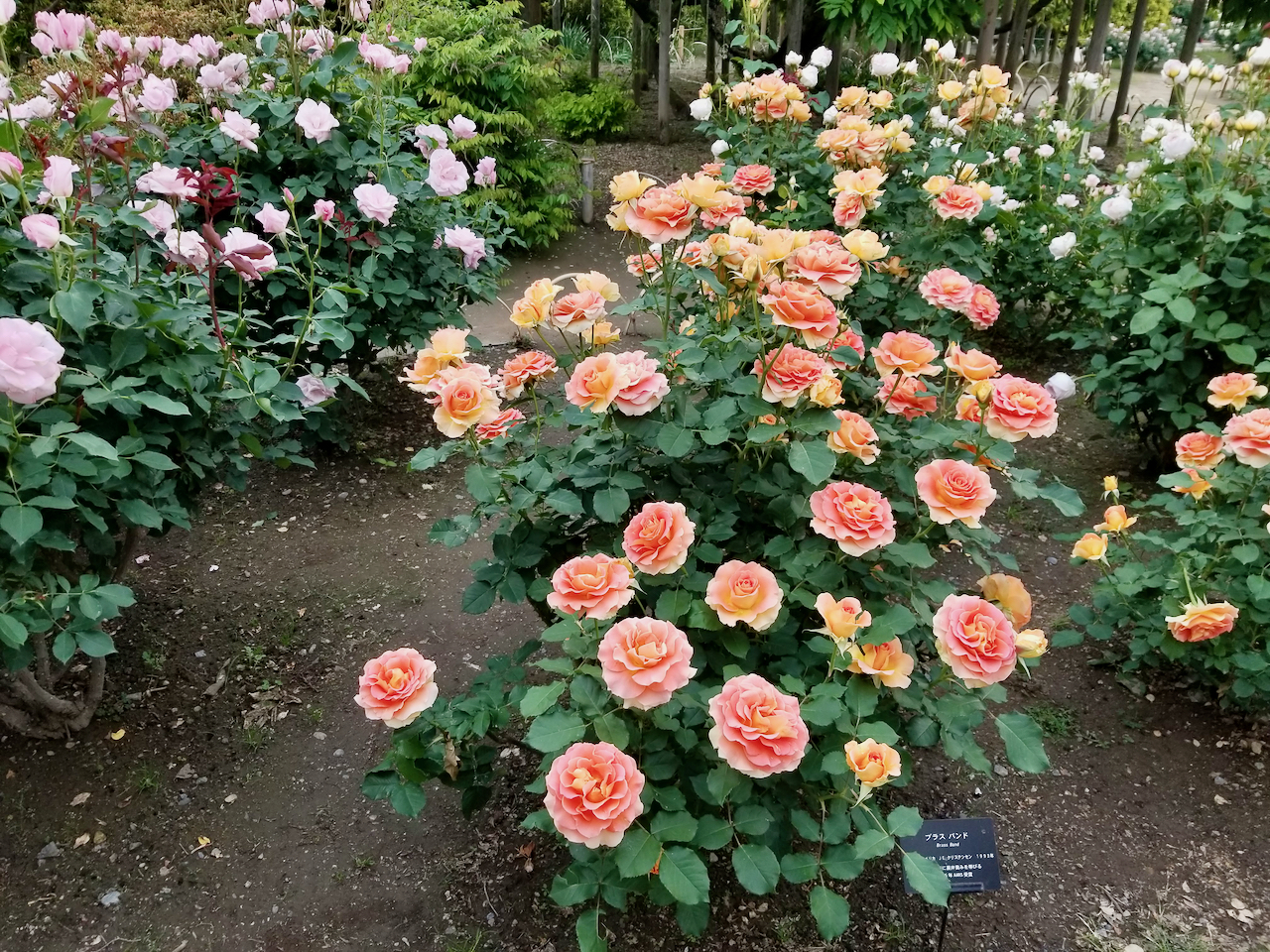
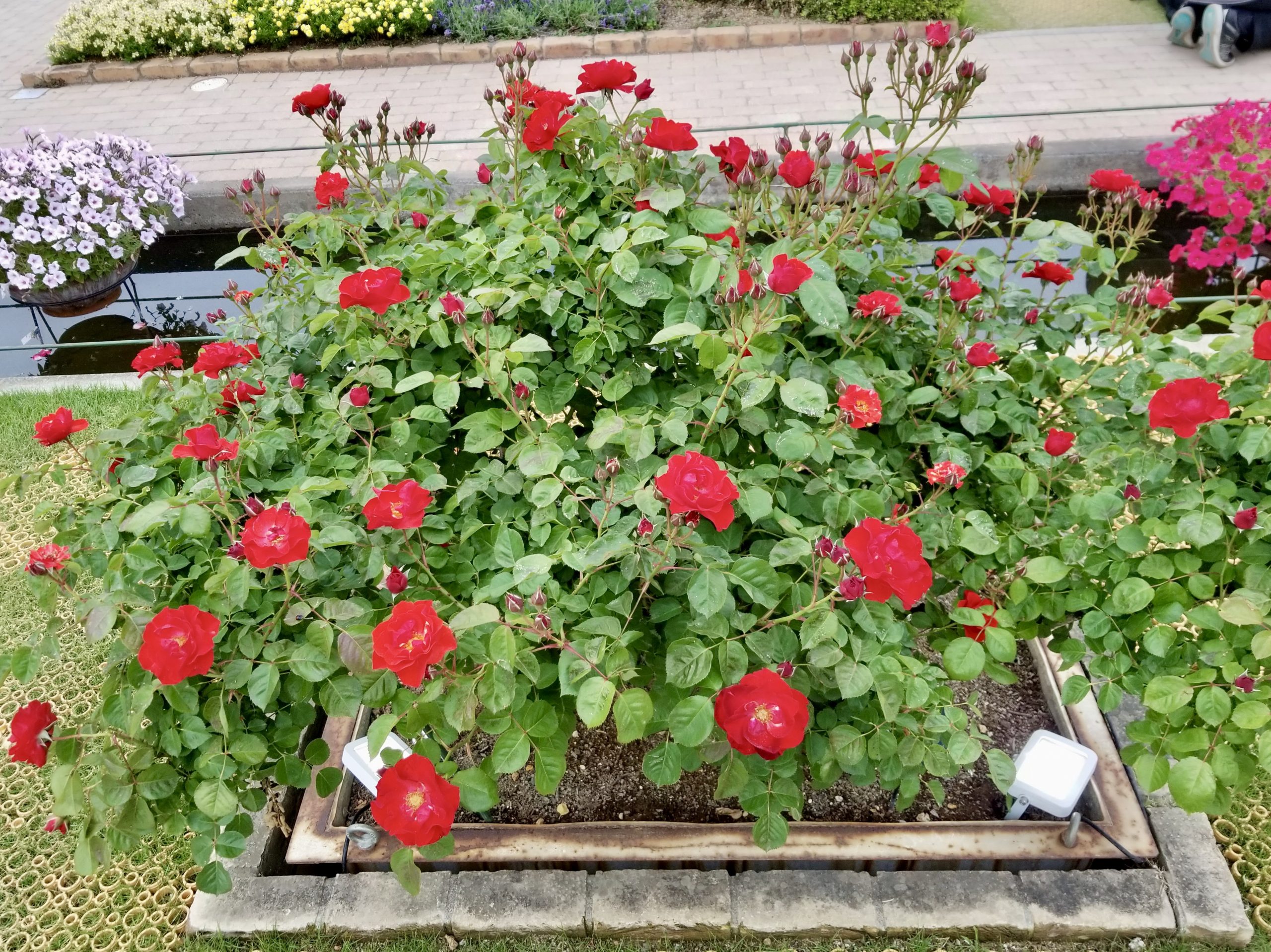
I was happy to see pinkish roses laid in rectangular areas, with lights in the base that would surely spark at night.
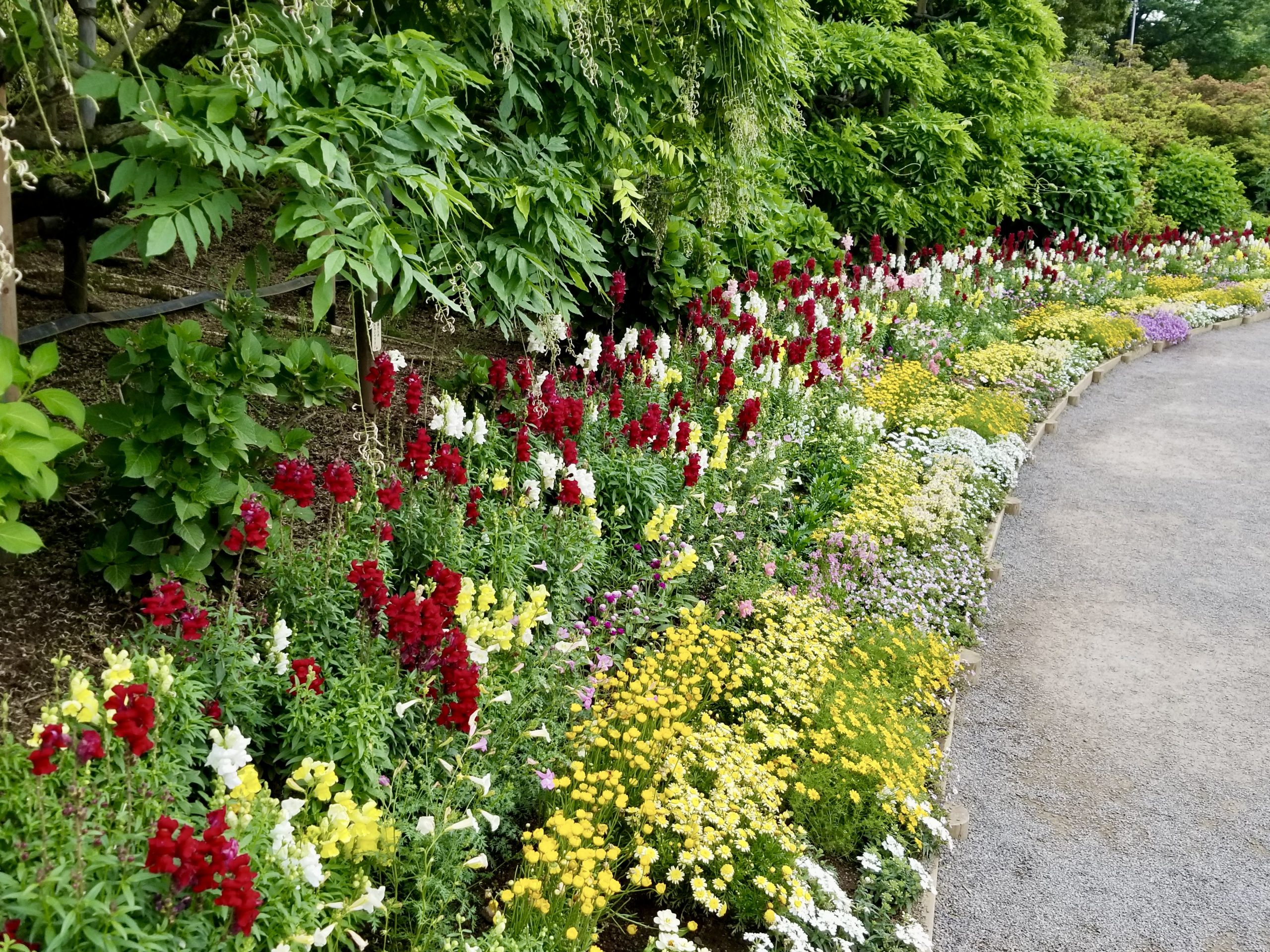
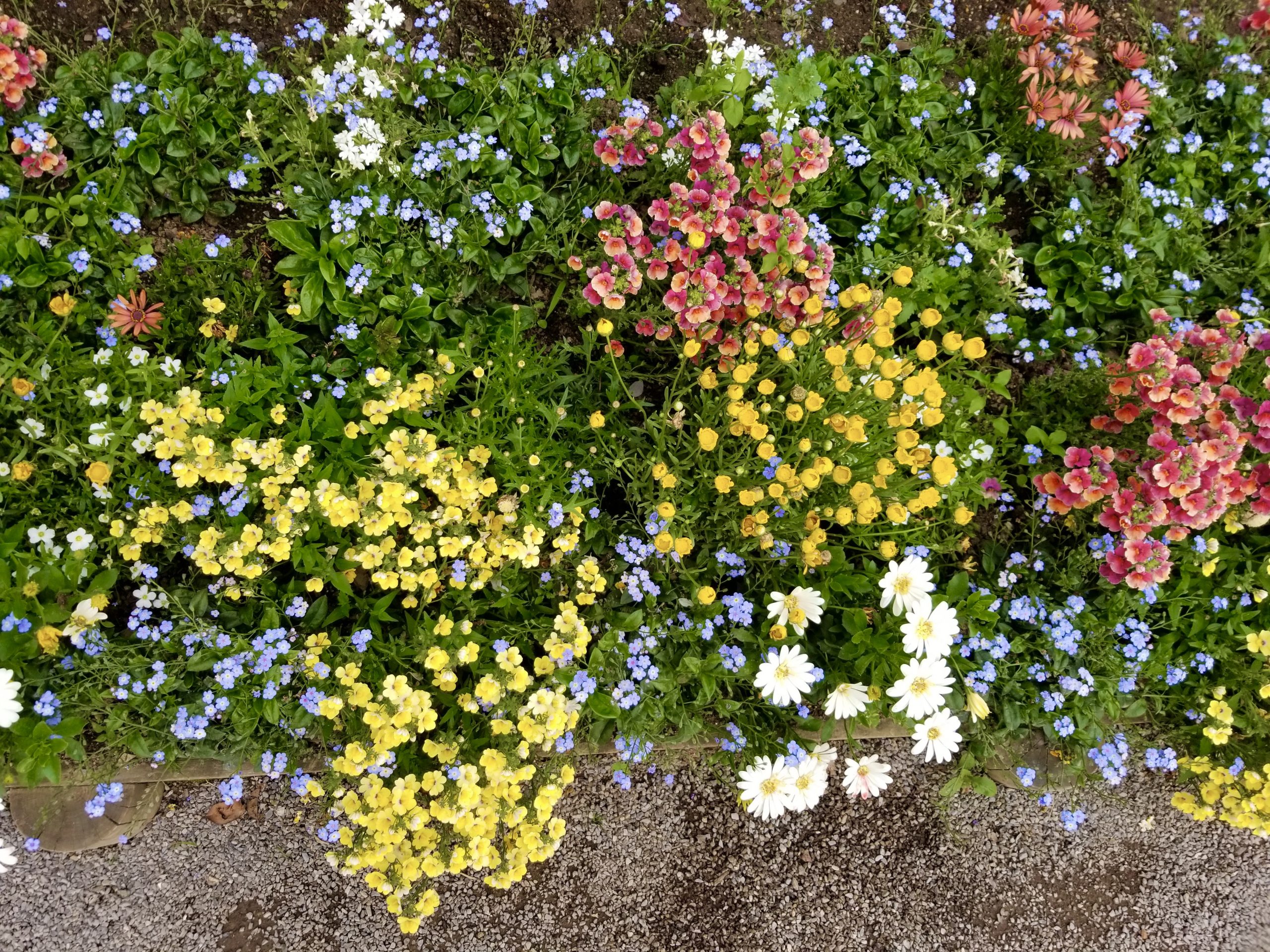
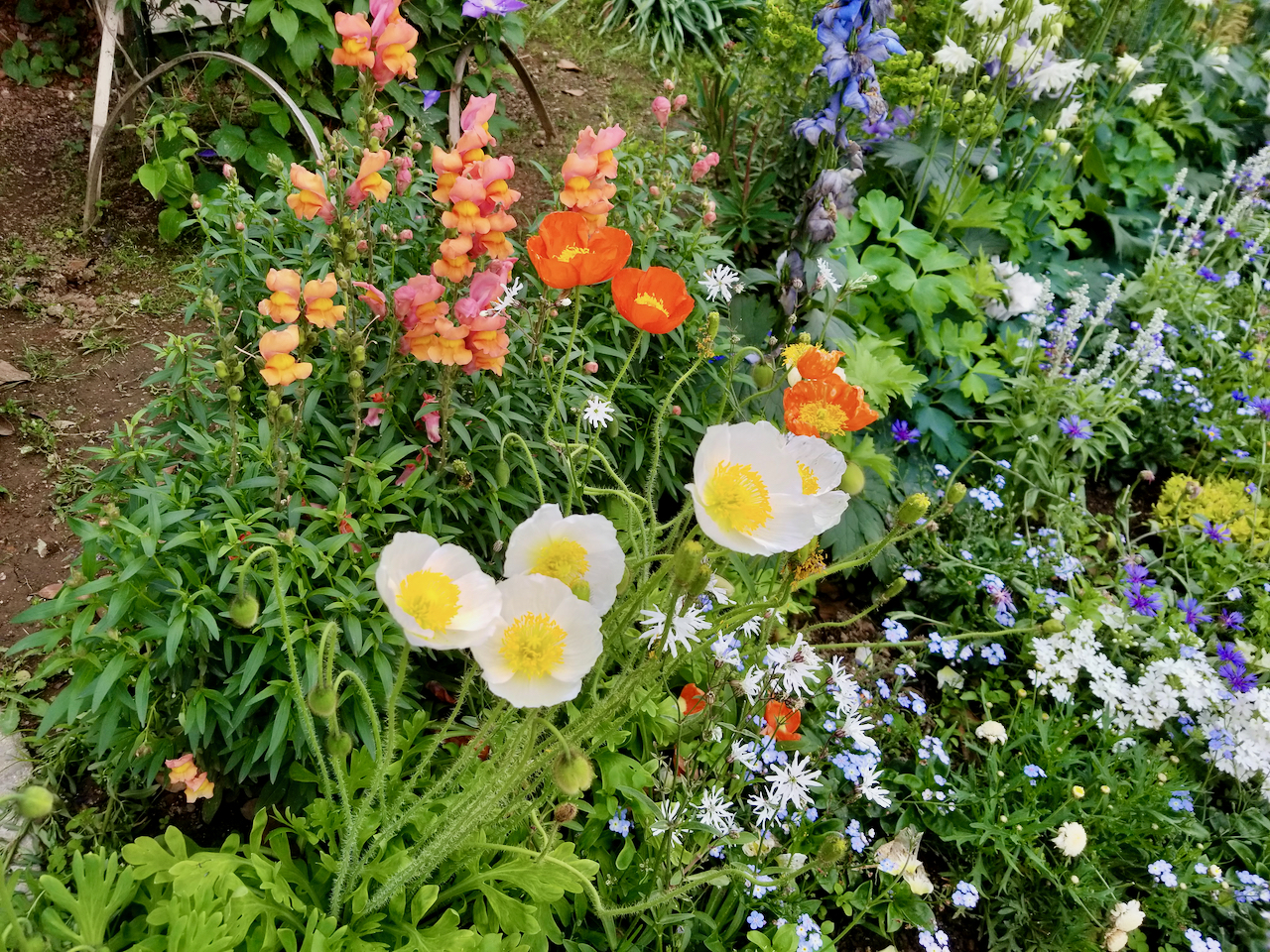
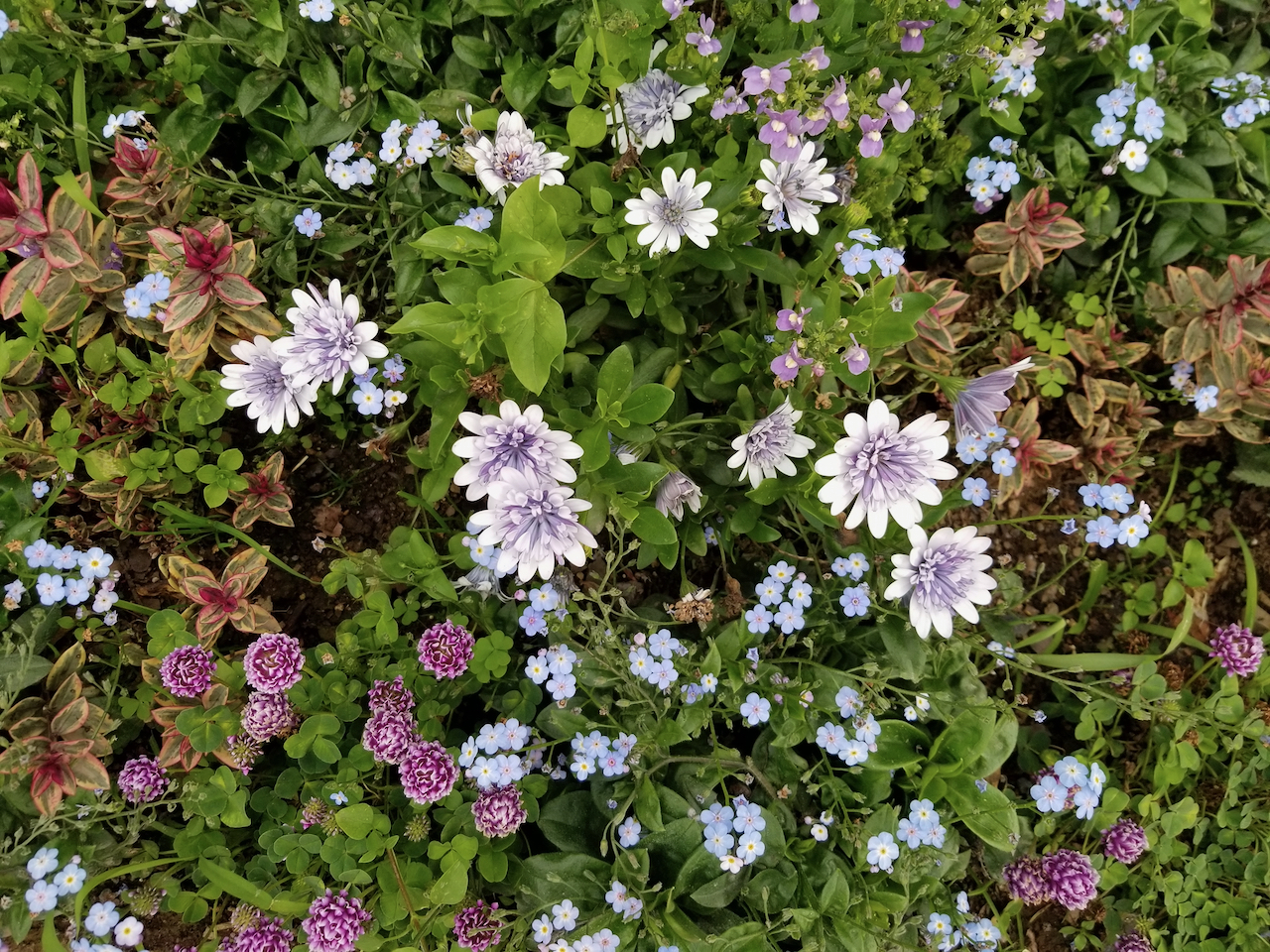
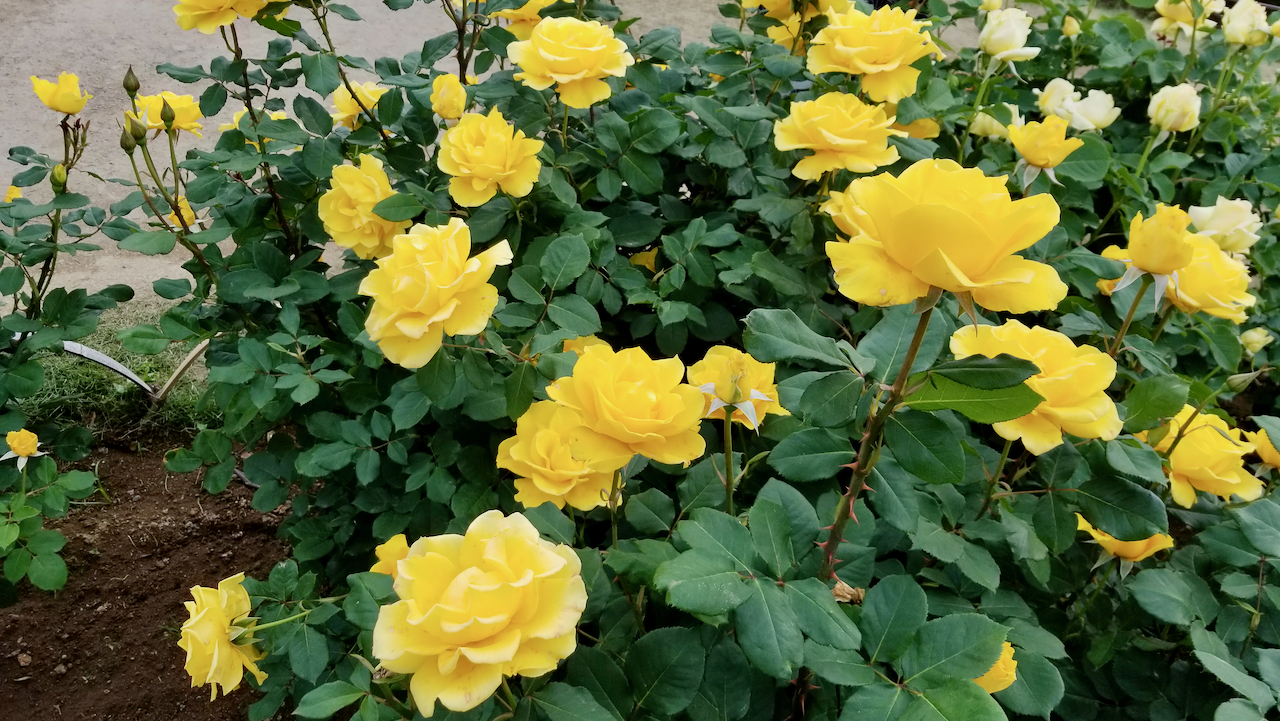
As I moved past, I saw yellow, red, white, purple — and as I mentioned, many colours I had no names for. Even the flowers kissed the gates through which we were roaming.
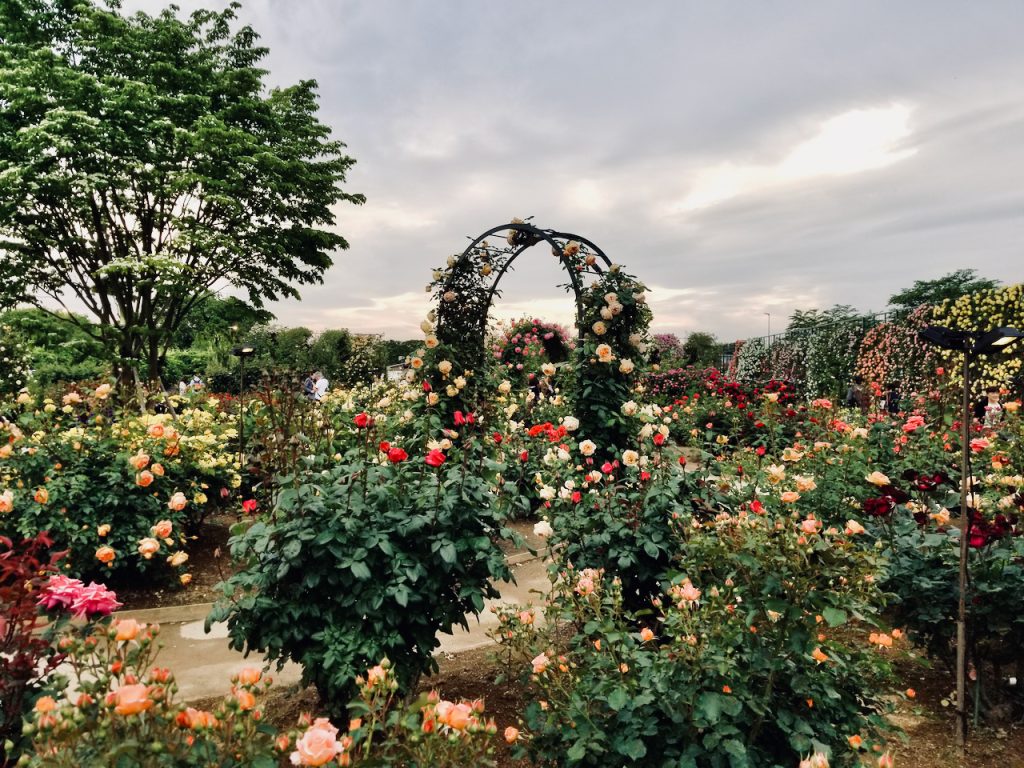
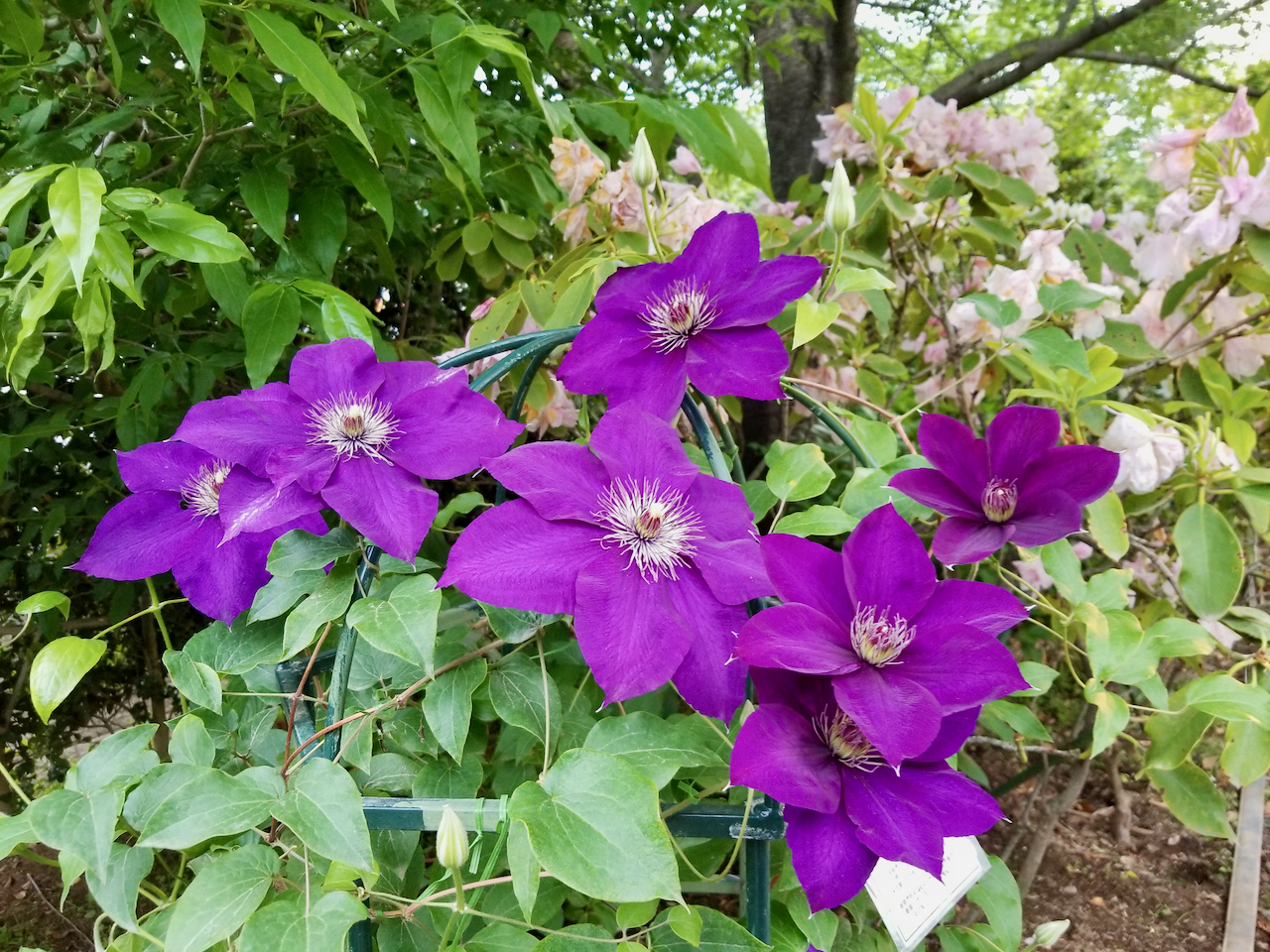
I picked some flower names from the placards: winter clematis, Christmas rose, iris, hydrangea, fuji, lotus. And so many more I could not identify.
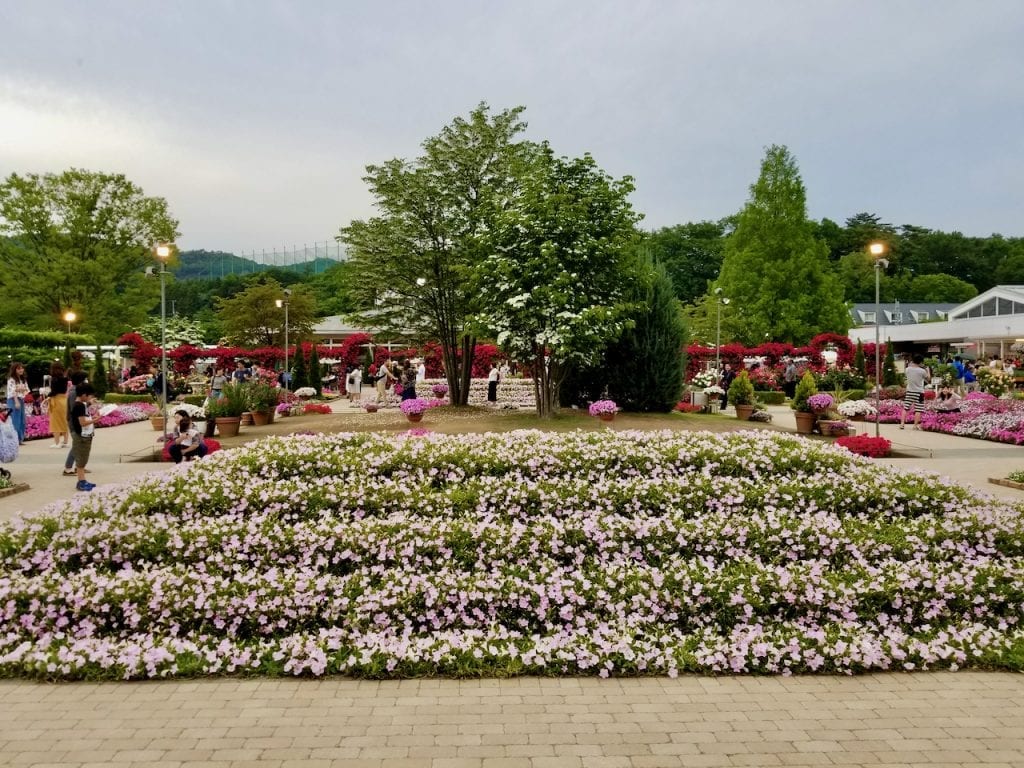
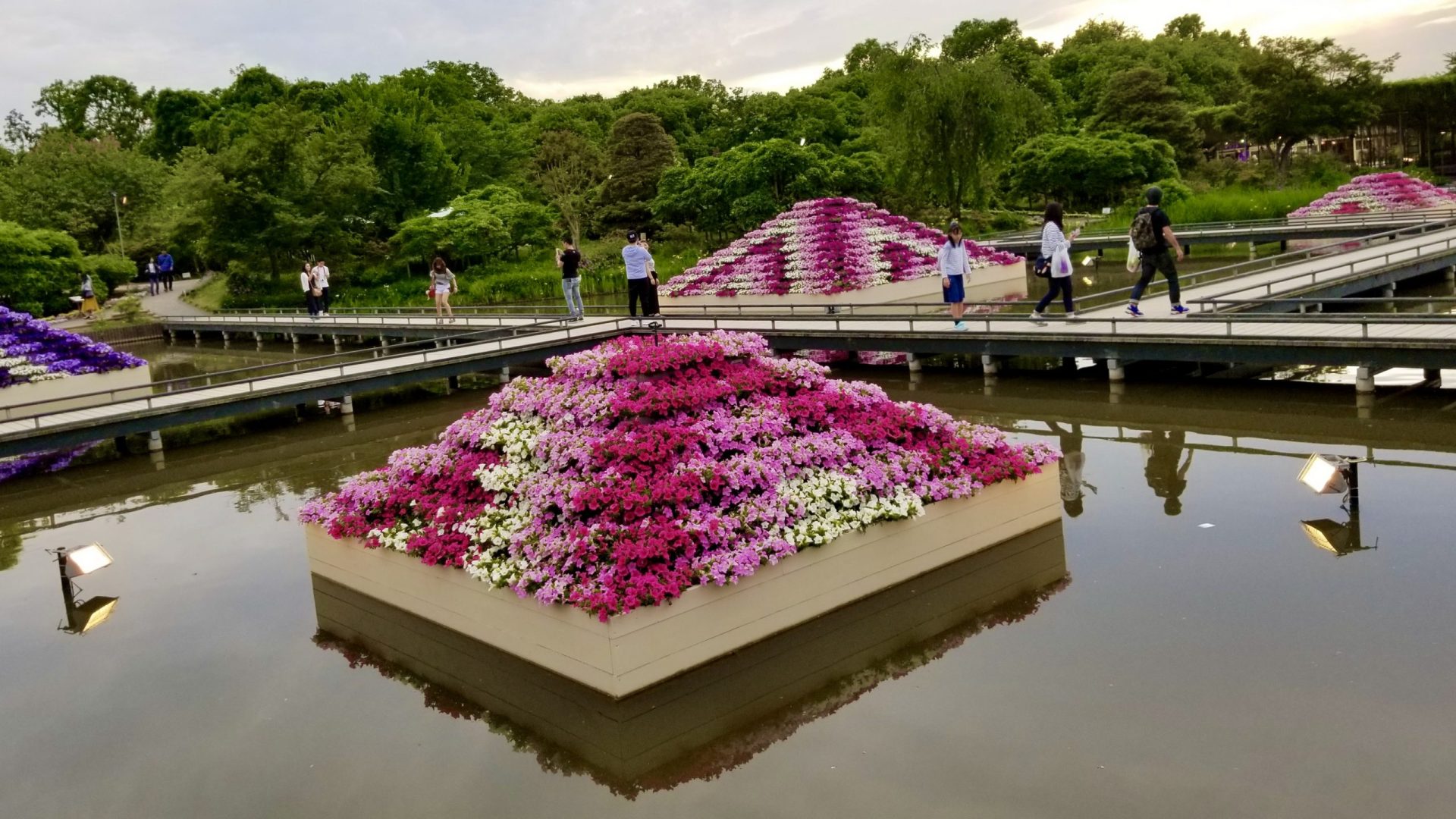
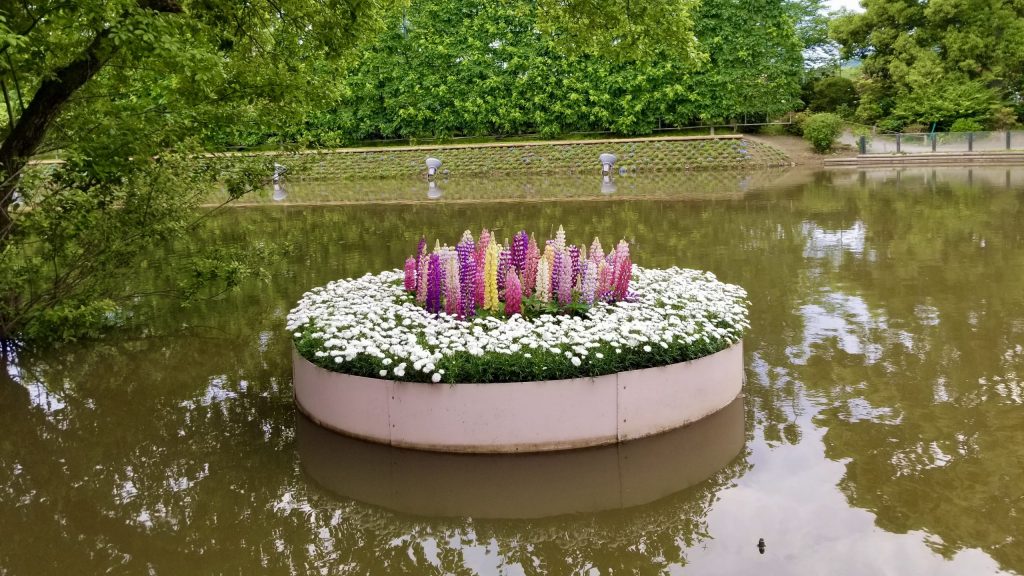
There were so many designs of flowers against the backdrop of greeneries. One arrangement in particular looked like flowers floating in a tranquil pond, giving me the notion of colourful corns.
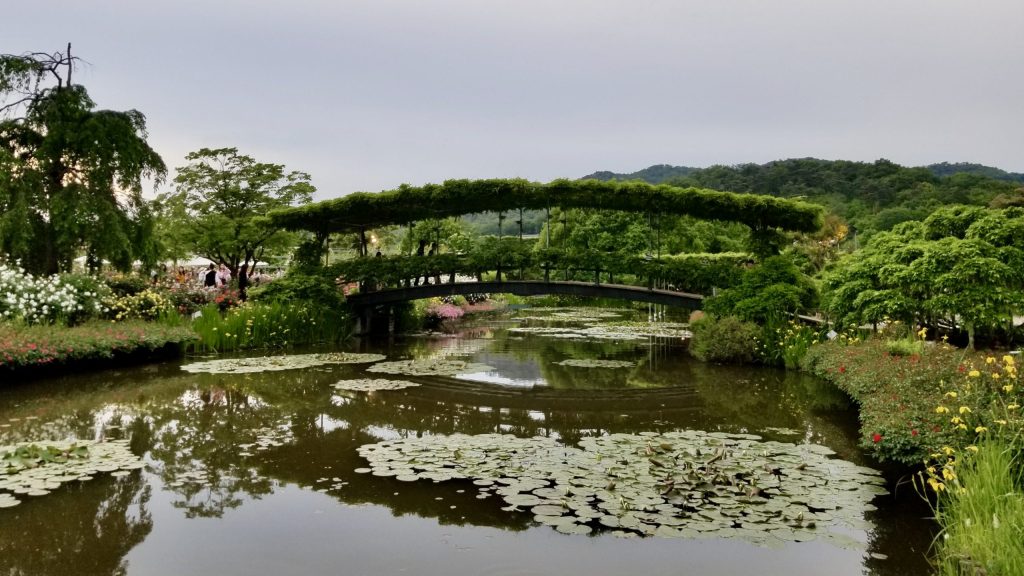
A pond gave calmness to the park. When you see the bridge, you know you are in Japan.
There were many colourful pyramids of flowers, made of wood and draped with blooms, proclaiming their presence like small Egyptian monuments.
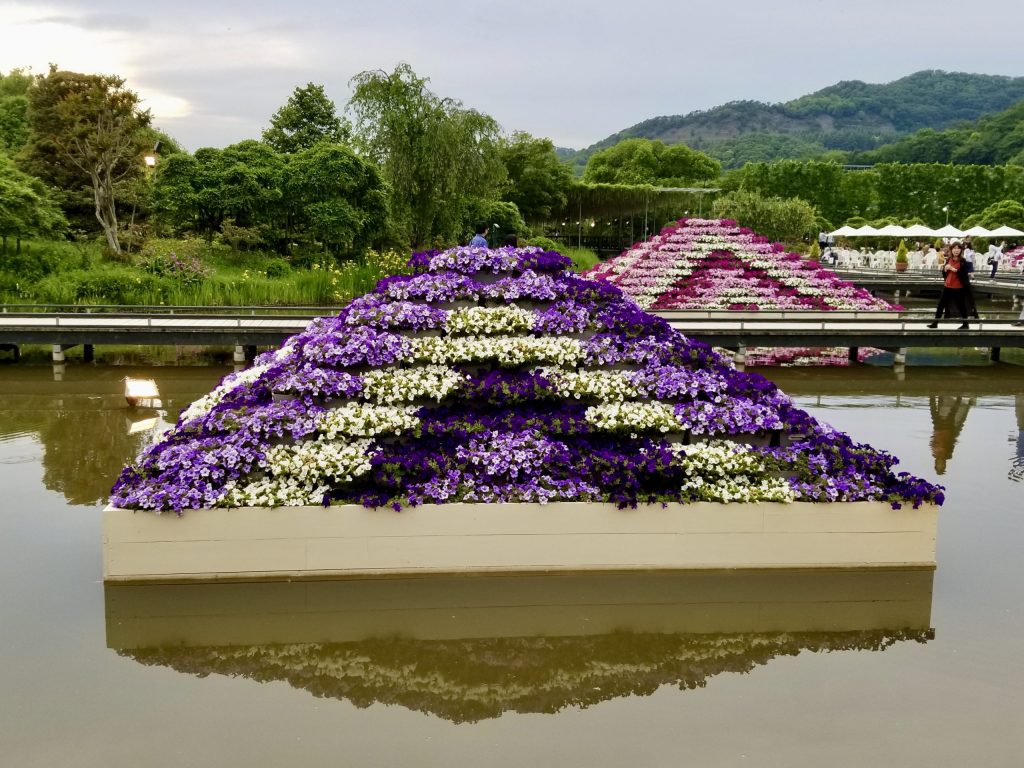
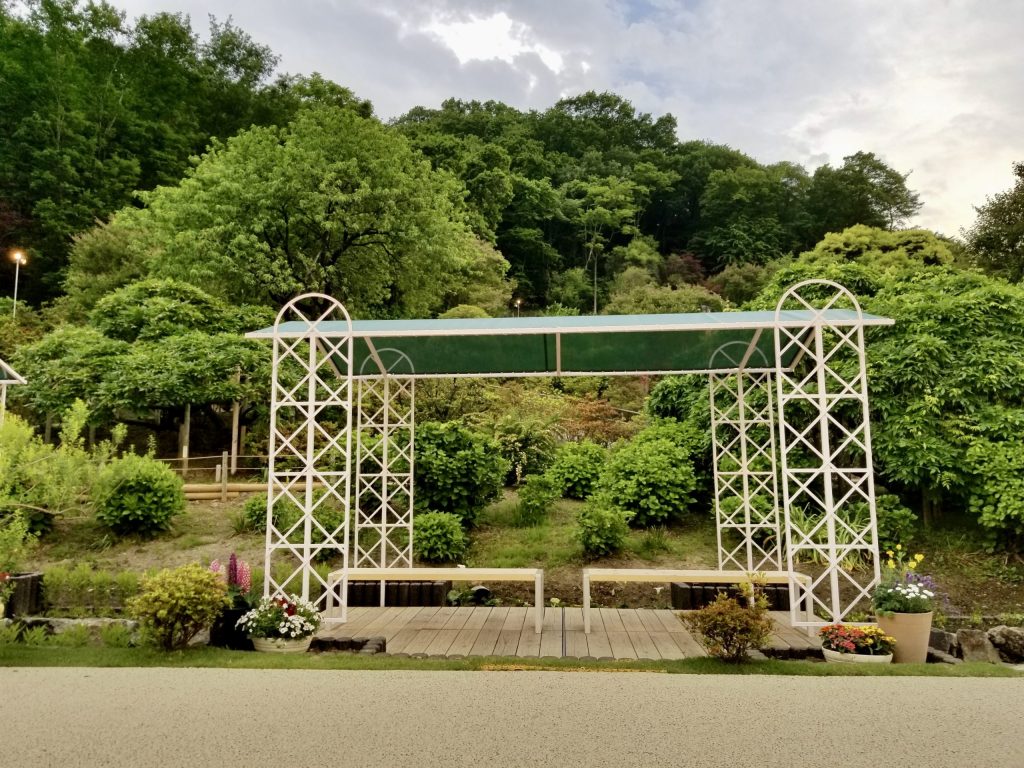
I had to stop for a moment to witness the simplicity of Japanese design. I rested on a bench to appreciate it and the surrounding beauties.
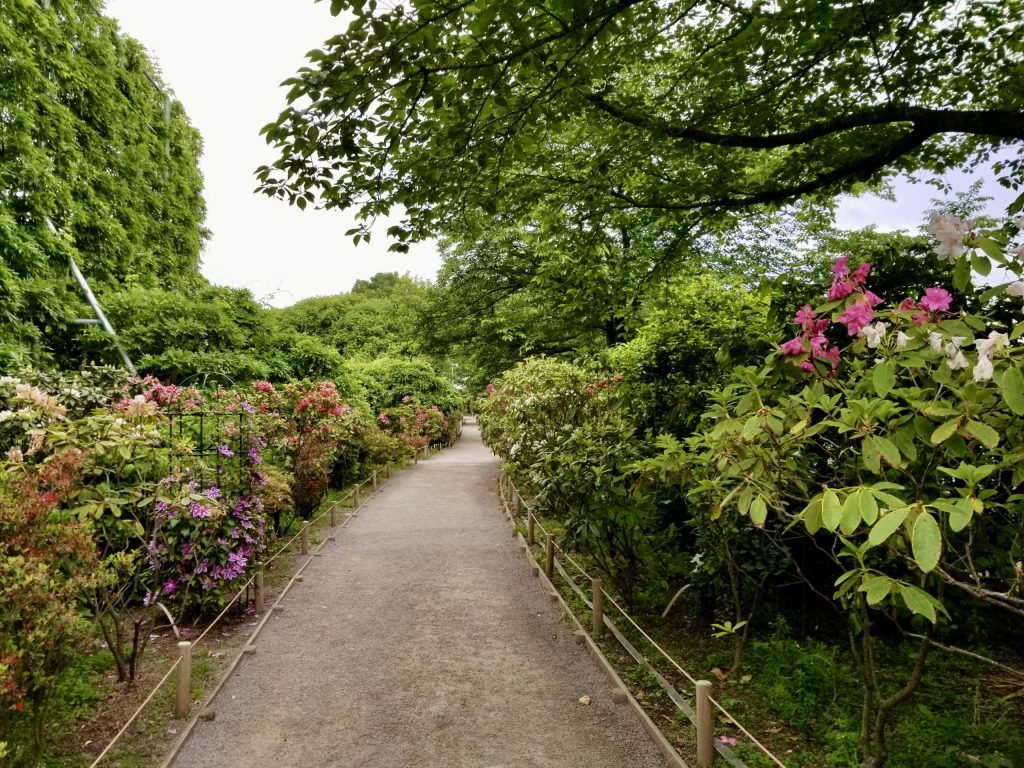
And the wandering began again with a beautiful pathway, flowers pressing in on both sides of the road.
I heard it looks gorgeous at night. But I wanted to contemplate whatever I saw during the day. So as soon as the lights showed their first presence, I left — and immediately regretted not staying.
It was a day of colours in a serene floral kingdom.
The Photo Gallery
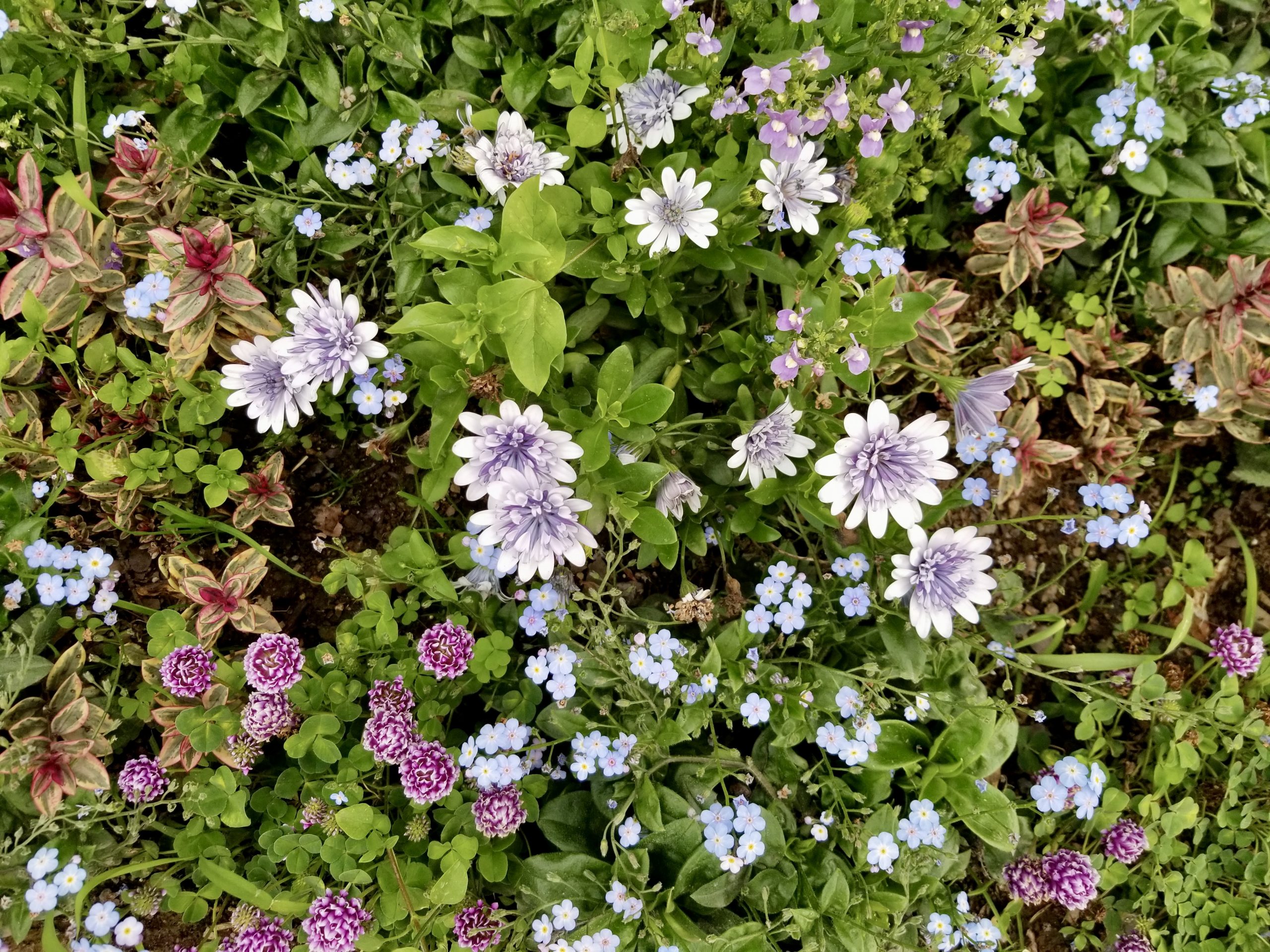
All photos below are from my personal visit to Ashikaga Flower Park.
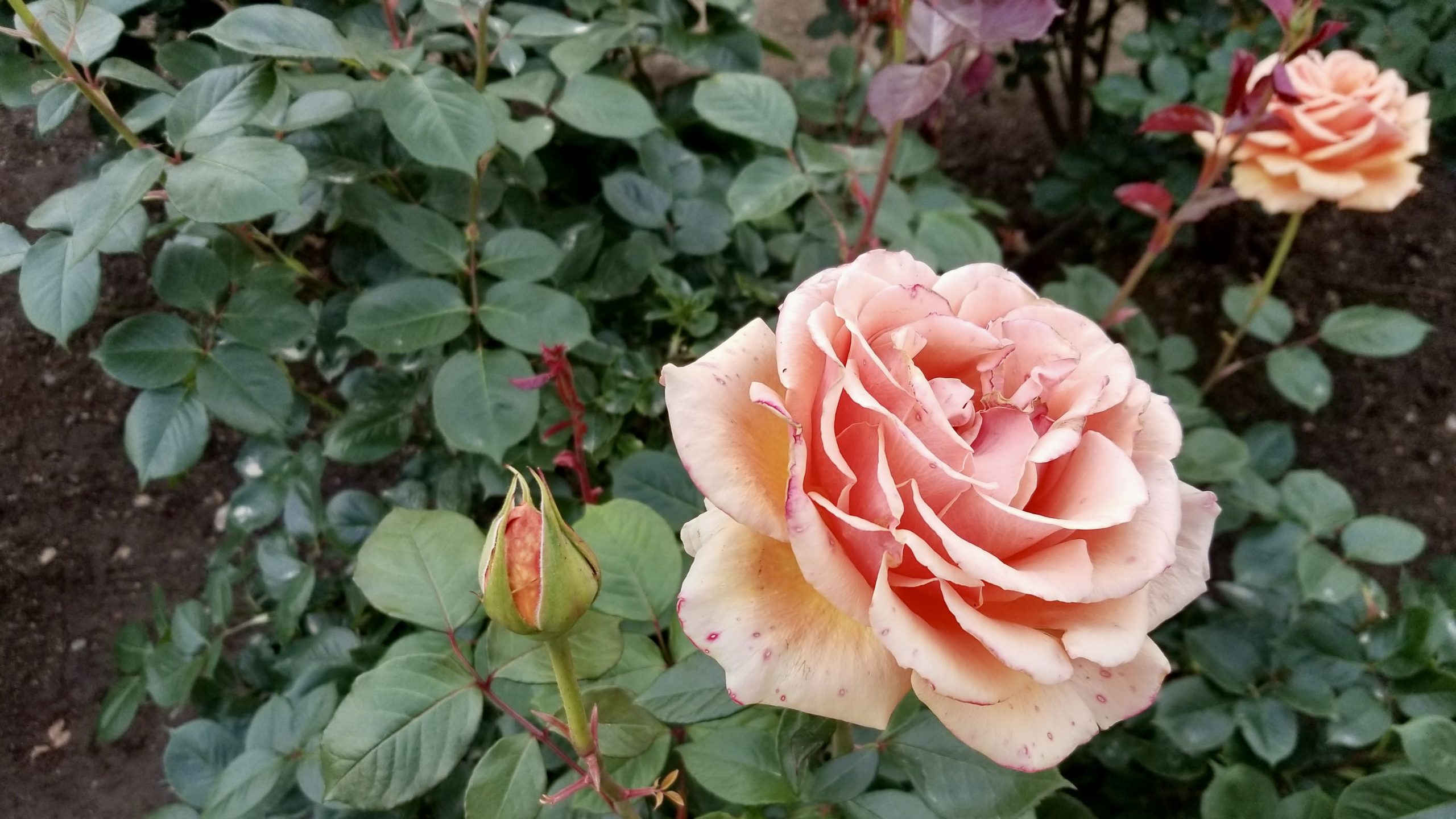
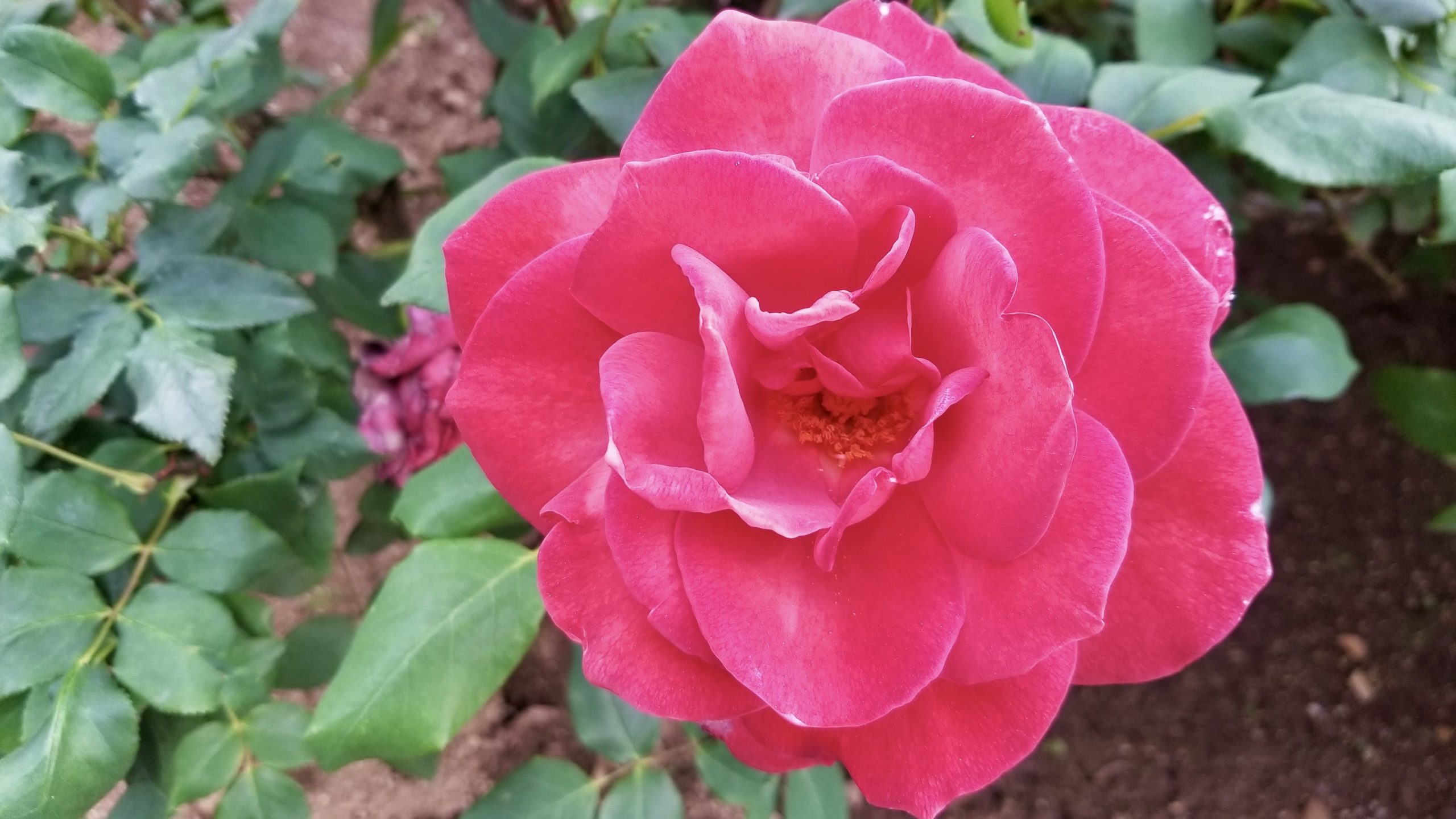
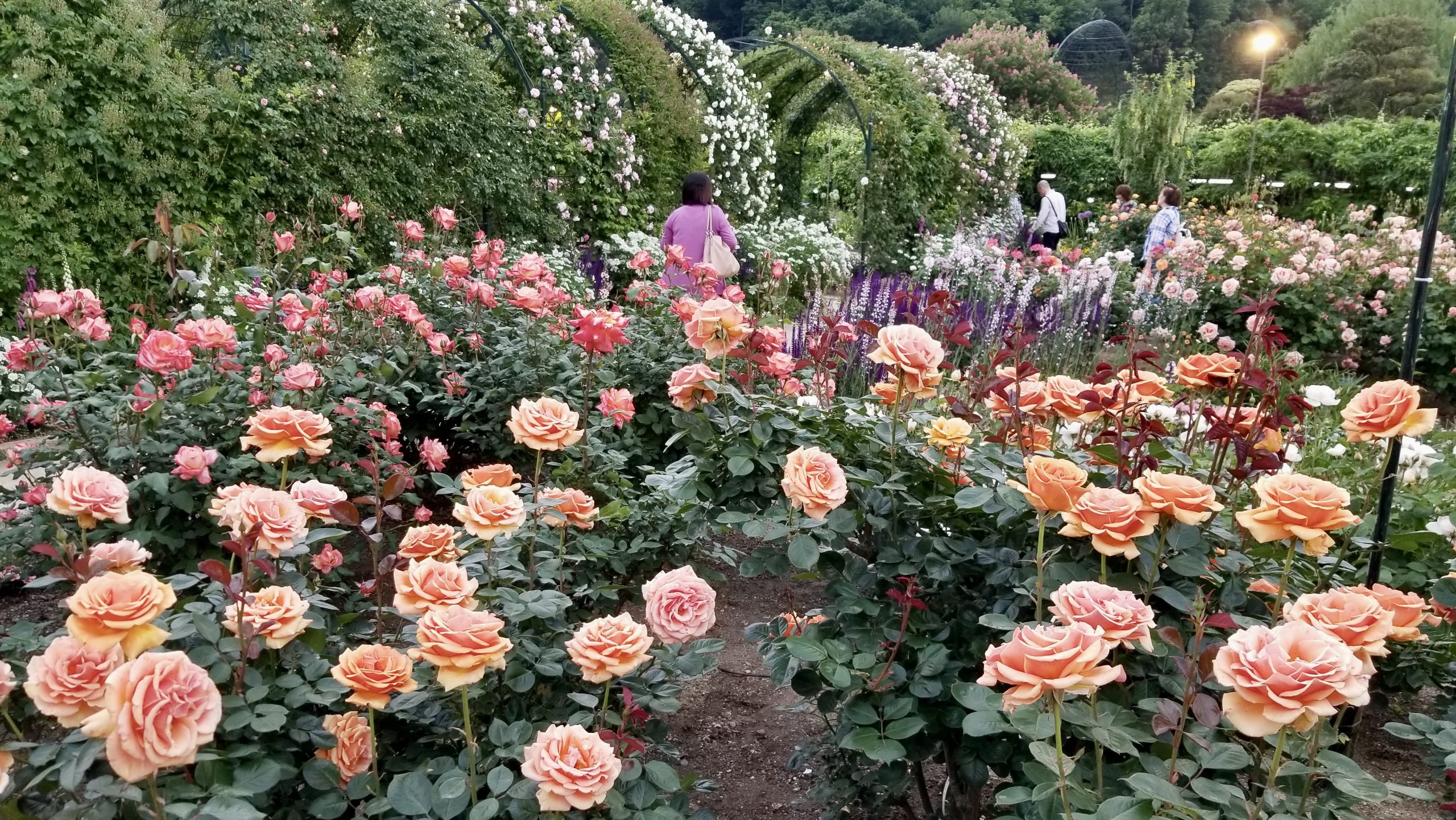
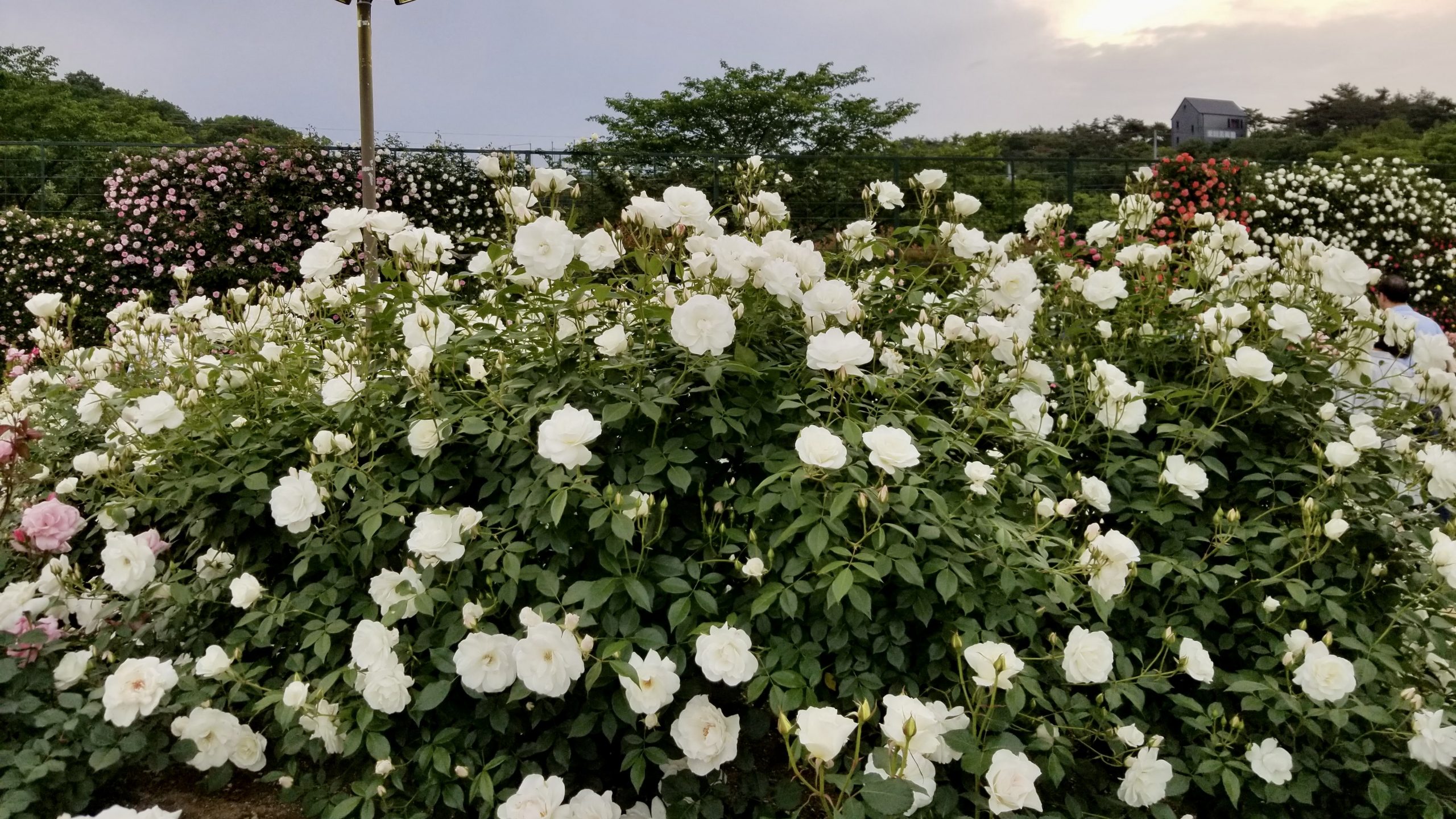
The Night Illumination — Do Not Leave Early
I left Ashikaga Flower Park as the first lights came on. It was a mistake.
The park’s evening illumination transforms it entirely. Thousands of LED lights recreate the cascades of wisteria flowers in glowing purple, pink, and white — draping overhead like luminous waterfalls. The 160-year-old Great Wisteria tree, illuminated from below, becomes something cinematic. The reflection of the lights on the ponds doubles everything.
The winter illumination (October 18 to February 15) is recognised as one of Japan’s top three illuminations, with themed chapters across the season — autumn florals, a Christmas period, and a New Year display. During the wisteria season, the evening light-up runs from April 18 to May 20 in 2026.
💡 Stay for the evening. If you are visiting during wisteria season, plan to stay until at least 7 PM. The park does not require you to leave and re-enter for the evening session — your day ticket covers both. The illuminated wisteria is worth staying for.
Best Time to Visit Ashikaga Flower Park
The park is open year-round but the experience changes dramatically with the season.
| Season | What you see | Best for |
|---|---|---|
| Late April–early May | Peak wisteria — purple, white, pink, yellow. Great Wisteria in full bloom. | The classic Ashikaga experience |
| May–June | Roses, azaleas, wisteria winding down | Rose lovers, fewer crowds |
| October–February | Winter illumination — Japan’s top 3 light display | Night photography, romantic visits |
| March | Early spring flowers, quiet crowds | Budget visitors, peaceful experience |
Wisteria Bloom Colour Timeline
The wisteria does not all bloom at once — different varieties peak at different times across a month-long window:
| When | What’s blooming | Colour |
|---|---|---|
| Mid-April | Pale pink wisteria (usubeni fuji) | Light pink |
| Late April | Great Wisteria (O-fuji) — peak | Deep purple |
| Early May | White wisteria tunnel — peak | White |
| Early May | Double-flowered great wisteria | Purple-pink |
| Mid-May | Yellow laburnum flowers | Yellow |
💡 Read the ticket price before you leave Tokyo. The park publishes its bloom condition and that day’s entry fee each morning on the official website. If the price is at ¥2,300 — the maximum — it means peak bloom is happening right now. A high ticket price is actually the best possible sign. A low price means the flowers are early or winding down.
The Great Wisteria Festival 2026 runs from April 11 to May 20, with evening illumination from April 18 to May 20.
💡 Go on a weekday. Weekends during peak wisteria season are very crowded — the park fills with visitors from Tokyo and the queue for popular photo spots forms quickly. A Tuesday or Wednesday visit gives you the same flowers with significantly more space.
Your Perfect Day at Ashikaga Flower Park — A Day Trip Itinerary
If you are visiting from Tokyo as a day trip, here is how to structure the day to cover everything without rushing.
9:00 AM — Arrive at opening Take an early train from Tokyo (depart around 7:00–7:30 AM) and arrive at Ashikaga Flower Park Station by 9 AM. The park is quietest in the first two hours. Walk directly to the Great Wisteria tree while the light is good and the crowds are thin.
9:00–11:00 AM — Great Wisteria and the main show Spend the first two hours on the headline attractions: the Great Wisteria canopy, the purple wisteria tunnel, and the white wisteria tunnel. These are the photo spots that fill up fastest — being here early makes a significant difference.
11:00 AM–1:00 PM — Rose garden, pyramids, and the pond After the wisteria sections, explore the wider park — the rose garden, flower pyramids, the traditional Japanese bridge over the pond, and the flower paths. Eat lunch at the on-site restaurant or grab wisteria soft serve ice cream from one of the stalls — a Ashikaga Flower Park signature that is genuinely good and worth the small queue.
1:00–3:00 PM — Second loop and rest The afternoon light changes the appearance of the flowers noticeably. Take a second pass through the wisteria sections for different photos, rest on one of the benches, and explore any sections you missed in the morning.
3:00–5:30 PM — Wait for the evening Rather than leaving mid-afternoon, stay. Find a seat inside the park or the café, have a coffee, and wait. The crowds begin to thin after 3 PM. By 5 PM the park is significantly quieter.
5:30 PM onwards — The illumination As the light fades, the park’s LED illumination begins. The Great Wisteria tree, lit from below, is a completely different sight. The reflections on the pond multiply everything. Daytime visitors do not need to buy a separate ticket — your original ticket covers the evening session. Stay until at least 7 PM.
Can You Do Ashikaga Flower Park and Hitachi Seaside Park in One Day?
In spring, two of Japan’s most spectacular flower destinations are in season at the same time: the purple wisteria tunnels at Ashikaga Flower Park and the blue nemophila hills at Hitachi Seaside Park. The problem: getting between them by train requires approximately 3 hours of transfers.
The practical solution is a guided combo tour that handles the logistics. The Wisteria Night View & Nemophila Day Trip from Tokyo (GetYourGuide) combines both parks in a single day — blue nemophila in the morning, wisteria illumination in the evening — with transport arranged throughout. If you want both, this is the only realistic way to do it without spending your day on trains.
Ashikaga Flower Park vs Kawachi Fuji Garden
Both are famous wisteria destinations in Japan. If you are deciding between them, here is the honest comparison:
| Ashikaga Flower Park | Kawachi Fuji Garden | |
|---|---|---|
| Location | Tochigi Prefecture, ~90 min from Tokyo | Fukuoka Prefecture, Kyushu |
| Wisteria trees | 350+ | ~150 |
| Famous feature | 160-year-old Great Wisteria (1,000 m² canopy) | Fuji tunnel — walking path under cascading wisteria |
| Night illumination | Yes — one of Japan’s top 3 | Limited |
| Access from Tokyo | Day trip by train | Requires flight or multi-day trip |
| CNN recognition | Top 9 World Dream Destinations | No |
Verdict: For visitors based in Tokyo, Ashikaga is the clear choice — closer, larger, and with the addition of the night illumination that Kawachi does not offer at the same scale. Kawachi’s wisteria tunnel is often cited as more immersive for pure photography, but the journey from Tokyo makes it a separate trip rather than a day out.
How to Get to Ashikaga Flower Park from Tokyo
The park has its own dedicated train station — Ashikaga Flower Park Station on the JR Ryomo Line — which is just a 1–3 minute walk from the park entrance. This makes the journey simpler than it used to be.
The standard route:
- Take the JR Utsunomiya Line from Tokyo or Ueno Station to Oyama Station
- Transfer to the JR Ryomo Line toward Takasaki
- Get off at Ashikaga Flower Park Station
- Walk 1–3 minutes to the west entrance
Total journey time: approximately 90–120 minutes depending on the train. Cost: approximately ¥1,500–2,000 from central Tokyo.
💡 Check the train schedule in advance. The JR Ryomo Line does not run frequently — some services run only once an hour. Identify your return train before you arrive so you do not find yourself waiting at the station.
💡 Luggage storage: Store bags at Oyama Station rather than Ashikaga Flower Park Station — Oyama has ample coin lockers while Ashikaga Flower Park Station has very limited storage. Oyama is your transfer point anyway, so drop bags there on the way in and collect on the way back.
💡 Japan eSIM: You will want to check the park’s official bloom condition and today’s ticket price while on the train, and navigate transfers at Oyama. Yesim Japan eSIM activates on arrival with no SIM swap needed.
Guided tour option: If the train logistics feel complicated, both Viator and GetYourGuide offer guided day trips from Tokyo that include transport:
- Day Trip to Ashikaga Flower Park from Tokyo (Viator)
- Private Day Tour to Ashikaga Flower Park from Tokyo (Viator)
Entry Fee — The Smarter Way to Read the Price
Tickets cost between ¥1,200 and ¥2,300 for adults (children ¥600–¥1,200) depending on the bloom condition and day of the week.
Most visitors find the variable pricing confusing. Here is the simpler way to think about it: a higher ticket price is good news. The park sets the price based on how spectacular the bloom is that day. If the gate price is ¥2,300 — the maximum — the Great Wisteria is at its absolute peak. A price of ¥1,200 means the flowers are early or winding down.
| Bloom condition | Approximate adult price |
|---|---|
| Peak bloom (best days, weekends) | ¥2,000–¥2,300 |
| Good bloom | ¥1,800–¥2,000 |
| Moderate bloom | ¥1,500–¥1,800 |
| Early or late season | ¥1,200–¥1,500 |
The park publishes its current bloom condition and entry price daily on the official website. Check on the morning of your visit before boarding the train.
Evening tickets are sold from 5:30 PM at a reduced rate. If you are arriving only for the illumination, this is the most cost-effective option. Daytime visitors do not need to purchase a separate evening ticket — your original ticket covers both sessions.
Opening Hours
- Weekdays: 9:00 AM to 6:00 PM
- Weekends and public holidays: 9:00 AM to 9:00 PM
- During wisteria festival (mid-April to mid-May): 7:00 AM to 9:00 PM
- Closed: December 31 and the third Wednesday and Thursday of February
Trivia
- The park covers 23 acres (94,000 square metres)
- Over 350 wisteria trees on site
- The Great Wisteria tree is over 160 years old and its canopy covers nearly 1,000 square metres
- CNN named it one of the world’s nine Dream Travel Destinations in 2014 — the only Japanese site on the list
- Wisteria is called fuji in Japanese — a word also used in the name of Mount Fuji, though the two are unrelated
- In the anime Demon Slayer, wisteria repels demons — the park has become a pilgrimage site for fans of the series
- Wisteria-flavoured desserts are available inside the park during the festival season — specifically the wisteria soft serve ice cream, which has become a signature of the visit and is worth seeking out
- The park also features over 5,000 azalea bushes, roses, clematis, lotus flowers, and seasonal displays year-round
Frequently Asked Questions
When is the best time to visit Ashikaga Flower Park?
Late April to early May for the wisteria peak — specifically late April for the deep purple Great Wisteria, and early May for the white wisteria tunnel and yellow laburnum. The 2026 Great Wisteria Festival runs from April 11 to May 20.
How long does it take to reach Ashikaga Flower Park from Tokyo?
Approximately 90–120 minutes by train. Take the JR Utsunomiya Line from Tokyo or Ueno to Oyama, then transfer to the JR Ryomo Line to Ashikaga Flower Park Station — a 1–3 minute walk from the park gate.
How much is the entry fee?
Between ¥1,200 and ¥2,300 for adults depending on the bloom condition and day of the week. Check the official website the day before your visit for the current price.
Is Ashikaga Flower Park worth visiting outside wisteria season?
Yes — the winter illumination (October to February) is ranked one of Japan’s top three light festivals and draws visitors specifically for the night experience. The rose season (May to June) is also beautiful with fewer crowds.
Can I see the night illumination with a day ticket?
Yes — during the wisteria festival, visitors do not need to leave and re-enter for the evening session. Your day ticket covers both.
Is Ashikaga Flower Park connected to Demon Slayer?
Indirectly — the park does not have official Demon Slayer branding, but wisteria plays a significant role in the series as the flower that repels demons. Many fans visit specifically to walk through real wisteria tunnels and photograph the purple cascades.
Can I do Ashikaga Flower Park and Hitachi Seaside Park in one day?
Yes — but only with a guided combo tour. Getting between the two parks by train takes approximately 3 hours and requires multiple transfers. The Wisteria Night View & Nemophila Day Trip from Tokyo (GetYourGuide) handles all logistics and combines both in a single day — blue nemophila hills in the morning, wisteria illumination at night.
What is wisteria soft serve ice cream?
A park signature — soft serve ice cream flavoured with wisteria extract, available at stalls throughout the park during the festival season. It is light purple in colour, subtly floral in flavour, and has become one of those “I was here” photos that most visitors take. Worth trying.
Can I add all of those colours to my life one day? I am still not sure. But I know that visiting Ashikaga Flower Park showed me colours I did not previously know existed. That is worth a 90-minute train ride from anywhere.
Planning your wider Japan trip? Ashikaga Flower Park appears as Day 5 of my 2-week Japan itinerary — or read the 4-Day Tokyo Itinerary and Things to Do in Nikko on their own, both easy to combine with a visit here.
Loved Ashikaga Flower Park? Pin it for later!


What a lovely place to visit! I’m no gardener but I love visiting open gardens when I’m abroad! It’s always such a calming place, thanks for sharing!