
A 3 day Kyoto itinerary covering Fushimi Inari, Nijo Castle, Kiyomizu-dera, Arashiyama and Kinkaku-ji, with prices, hours, transport tips and the 2026 rules checked in November 2026.
If you make a list of the ten most visited tourist destinations in Japan, several of them will be in Kyoto. Kyoto was Japan’s imperial capital for over a thousand years, and it is one of the best places in Japan to see temples, shrines and old wooden streets in a few days. Its Historic Monuments of Ancient Kyoto are listed by UNESCO as 17 separate sites. Three days is enough to see the highlights if you plan well. Here is how I would spend them, with prices, hours and rules updated for 2026.
Visiting Japan for the first time? Read my essential tips for Japan before you go.
QUICK FACTS: 3 DAYS IN KYOTO
- Getting there from Tokyo: about 2 hours 15 minutes by Nozomi Shinkansen (around ¥14,000 for a reserved seat)
- Getting there from Osaka: about 30 minutes by JR Special Rapid train
- Best area to stay: Gion/Higashiyama (walkable to most sights) or near Kyoto Station (easiest transport)
- Best time to visit: late March to early April (cherry blossom) or mid to late November (autumn leaves), but book months ahead
- Biggest crowd tip: arrive at Fushimi Inari before 8 AM, because the path fills up quickly after that
- Transport: an IC card (Suica, Pasmo or ICOCA) works on buses and trains, and a Subway and Bus 1-Day Pass costs ¥1,100
- Rules to know: photography is banned on private side streets in Gion (¥10,000 fine), and Nishiki Market asks you not to eat while walking
- Costs: Kyoto’s accommodation tax rose in March 2026, up to ¥10,000 per person per night at the top tier
3 days at a glance:
Day 1: Fushimi Inari, Nijo Castle, Nishiki Market and Gion
Day 2: Kiyomizu-dera, Sannenzaka, Ginkaku-ji, the Philosopher’s Path and Pontocho
Day 3: Arashiyama, the Bamboo Grove, Tenryu-ji and Kinkaku-ji
Prices, opening hours and rules last checked on 12 November 2026. They change, so confirm on the official sites before you go.
Day 1: Fushimi Inari, Nijo Castle, Nishiki Market and Gion
Fushimi Inari Shrine: Start Before 8 AM
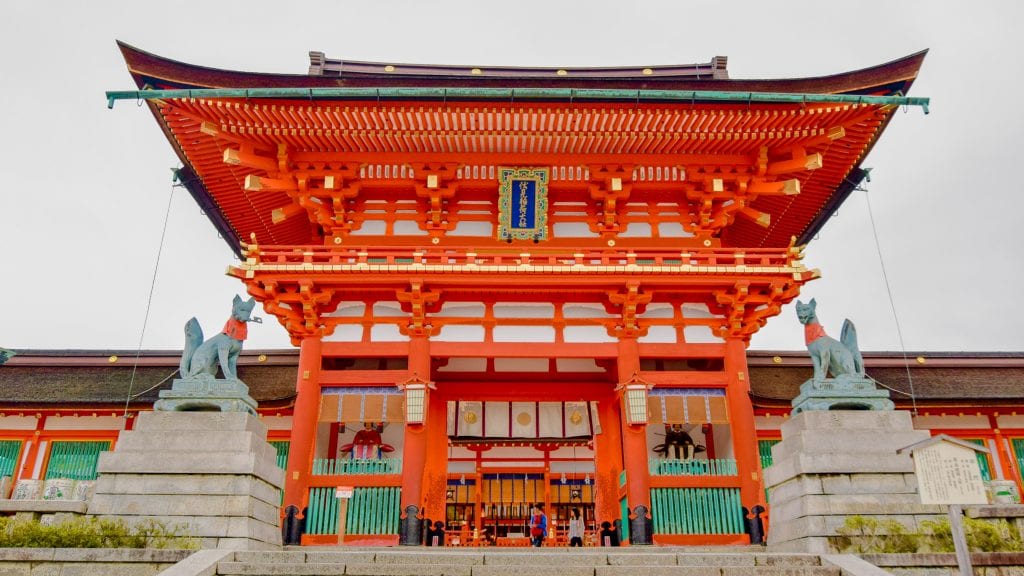
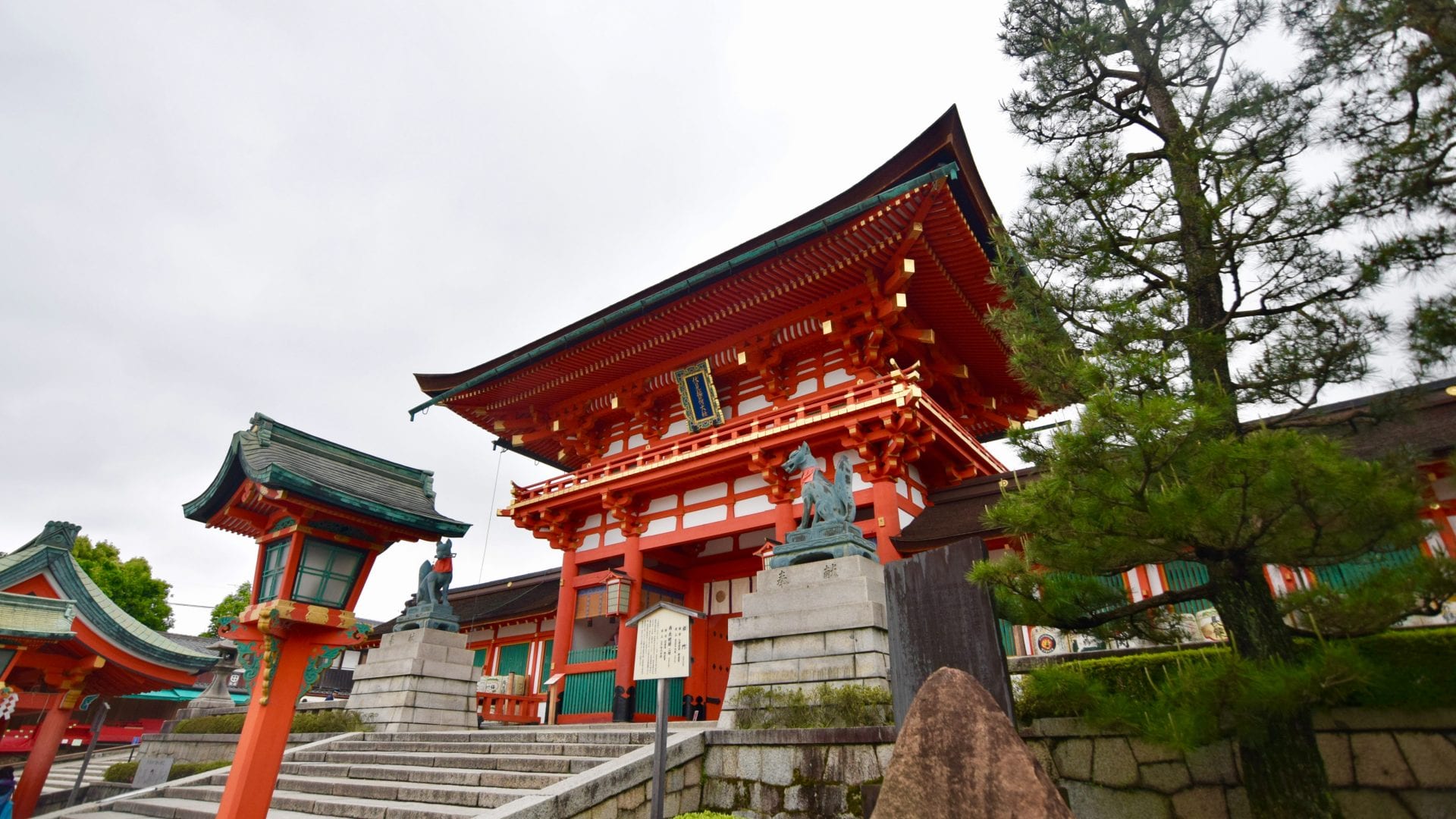
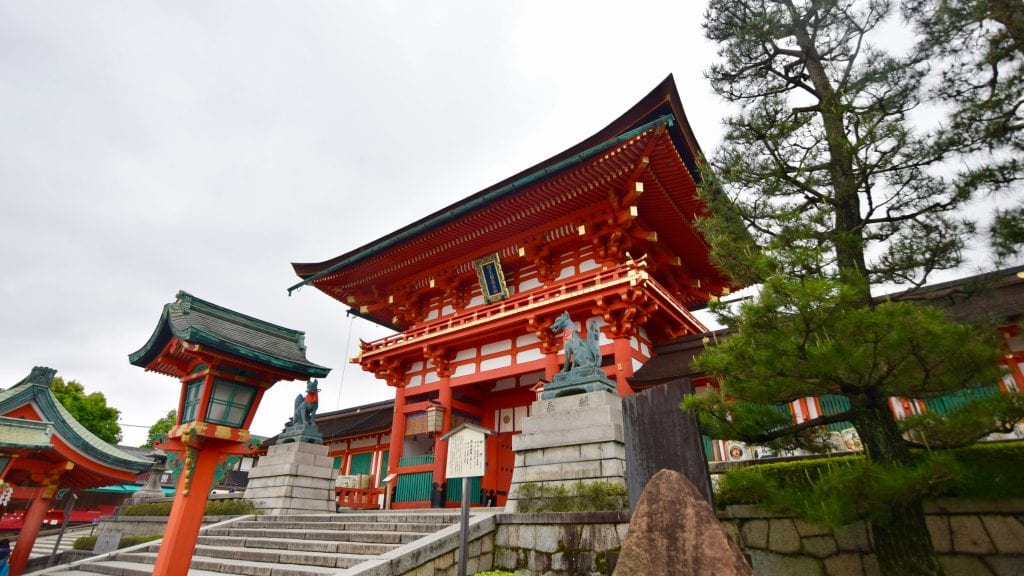
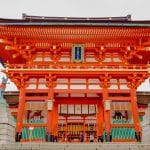
Fushimi Inari Taisha is one of the most photographed shrines in Japan, and the photos do not exaggerate: thousands of vermilion torii gates wind up a wooded mountain, with orange light filtering through the gaps and stone foxes watching from the shadows. It is one of the most extraordinary places I have ever walked through.
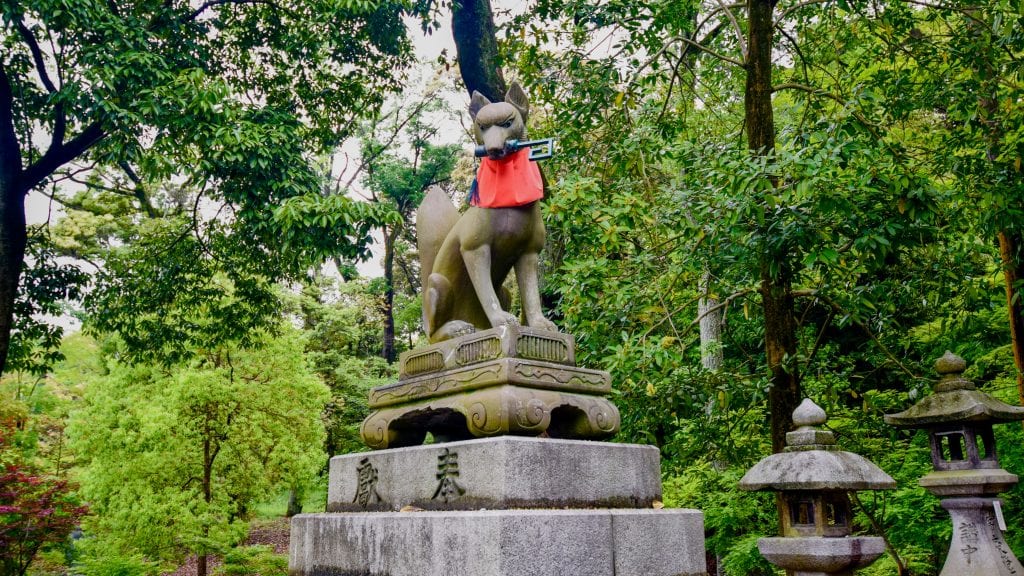
The shrine is dedicated to Inari, the Shinto god of rice, agriculture, and business. The foxes (kitsune) you see throughout the complex are Inari’s messengers, and many of them hold a key in the mouth. The torii tunnels lead up Mount Inari to the summit.
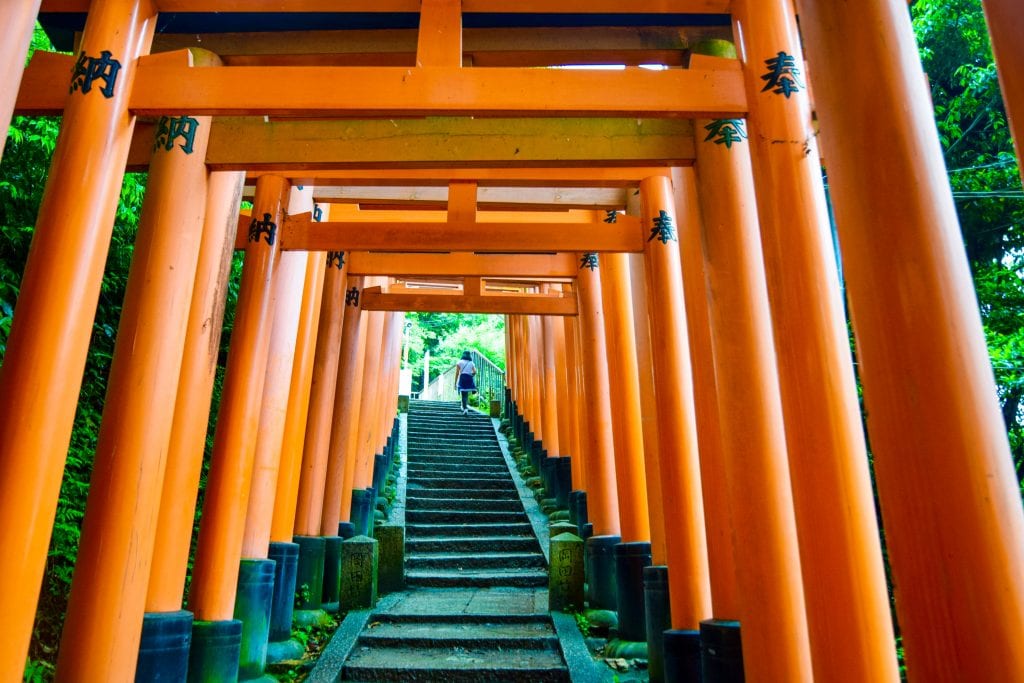
Do you need to hike to the top? No. The most photogenic section is the lower tunnel, reached in the first 20 minutes. The Yotsutsuji intersection, about halfway up, takes roughly 30 to 45 minutes, and many people turn back there. The full return hike to the summit takes about 2 to 3 hours. The gates are the point, so go as far as feels right.
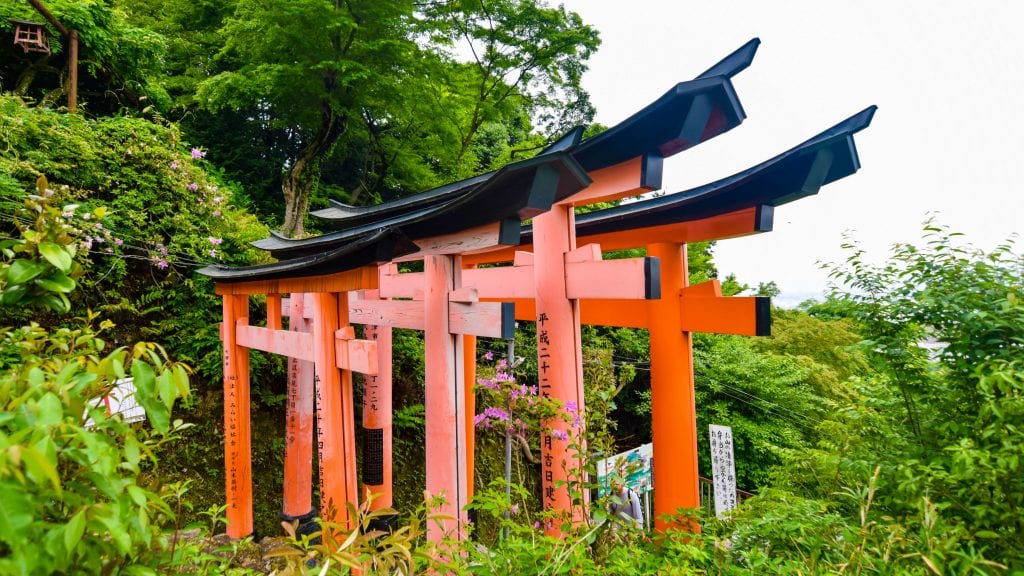
⏰ Suggested time: 2 to 3 hours. Arrive before 8 AM. By 9 AM the path is crowded, and by 10 AM it is a slow shuffle.
Admission: Free. The grounds are open 24 hours. To get there, take the JR Nara Line from Kyoto Station to Inari Station, about 5 minutes, and the entrance is right outside.
Nijo Castle: The Shogun’s Kyoto Residence
Nijo Castle was the Kyoto residence of the Tokugawa shogunate, built in the early 17th century. It is one of the seventeen sites in the Historic Monuments of Ancient Kyoto UNESCO listing, and it deserves more than the brief stop most visitors give it.
The Ninomaru Palace has “nightingale floors”, corridors that squeak with every footstep, traditionally explained as a warning against intruders. Walking through them is oddly compelling. The surrounding garden is large and beautiful, especially in spring and autumn.
Opening hours: 8:45 AM to 5:00 PM, with last entry at 4:00 PM (Ninomaru Palace entry ends at 4:10 PM). The Ninomaru Palace is closed on Tuesdays in January, July, August and December, and hours are sometimes shortened for events, so check the castle’s notices. Admission: ¥800 for the grounds, or ¥1,300 including the Ninomaru Palace. The Honmaru Palace needs an advance reservation and a separate ¥1,000 ticket.
Nishiki Market: Kyoto’s Kitchen
Nishiki Market is a narrow, covered arcade several centuries old, running for five blocks through central Kyoto with over 100 shops and stalls selling everything Kyoto eats: pickled vegetables, fresh tofu, grilled skewers, matcha sweets, dried fish, and street food you will not find in the rest of Japan.
Go hungry, but follow the market’s request not to walk while eating: eat in front of or inside the shop where you bought the food. Do not skip the pickles. Kyoto’s tsukemono (pickled vegetables) are some of the best in Japan and cheap to try at the market stalls.
Opening hours: Most stalls are open from about 9:00 AM to 6:00 PM, but hours vary by shop and many close in the late afternoon. Late morning to early afternoon is the best time.
Book a Nishiki Market food tour if you want someone to explain what everything is and where to find the best of it.
Gion: Kyoto’s Geisha District (Read Before You Visit)
From Nishiki Market, walk east toward Gion. This is Kyoto’s best-known geisha district, with wooden machiya townhouses, paper lanterns, narrow flagstone lanes and the occasional glimpse of a geiko (the Kyoto word for geisha) in full dress moving between appointments.
⚠️ PHOTOGRAPHY RULES IN GION
Gion’s residents and shop owners banned photography on private side streets in October 2019, with a ¥10,000 fine, and signs are posted. Public roads such as Hanamikoji Street are not covered by the ban. Some private alleys are also marked as off limits to visitors, so follow the signs. Do not chase or block geiko and maiko for photos, and ask before photographing anyone. The rules are set by the local association and can change, so follow the signs.
Geiko and maiko are most often seen heading to evening appointments in the late afternoon and early evening, though there is no guarantee. Gion is worth visiting at any time. The architecture alone, especially at dusk when the lanterns are lit, is worth the walk.
This post contains affiliate links. If you book through them, I may earn a small commission at no extra cost to you.
For a more structured experience of the district, the Kyoto Geisha Walking Tour: Gion District & Hidden Gems (GetYourGuide) is a guided way to see parts of Gion with some context, if you do not want to just wander.
Kyoto Tower: Optional Evening Stop
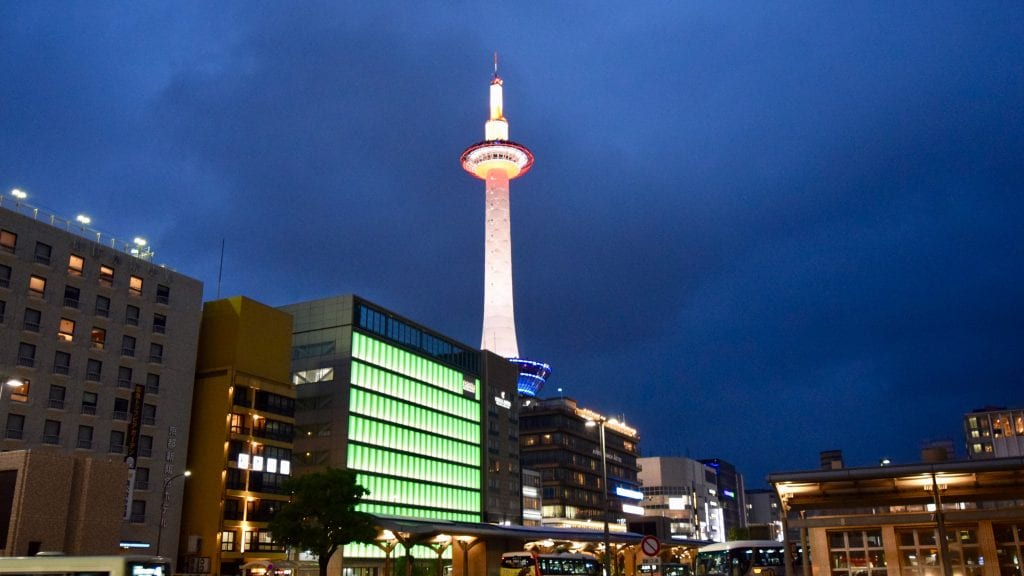
Just outside Kyoto Station, the 131-metre Kyoto Tower provides panoramic city views from a platform 100 metres up. It is the tallest structure in Kyoto and the contrast between the modern tower and the ancient city below is striking at night.
Opening hours: 10:00 AM to 9:00 PM (last entry 8:30 PM), with adult admission of ¥1,000 at the ticket office. Skip it if you are tired. Buy Kyoto Tower tickets online in advance, and check the tower’s website for current hours.
Alternative evening: Sumo Show & Hot Pot. If you want something completely different for your first evening in Kyoto, the Sumo Show Experience with Chicken Hot Pot & Souvenir (GetYourGuide) is a different way to spend a first evening in Kyoto: a sumo demonstration followed by a shared hot pot dinner. Read the current reviews before you book.
Day 2: Kiyomizu-dera, Sannenzaka, Ginkaku-ji and the Philosopher’s Path
Day 2 moves east to Higashiyama, Kyoto’s temple district, with steep stone streets, the city’s best-known temple and a canal-side walk.
Kiyomizu-dera Temple: Arrive Early
Kiyomizu-dera is the site most people mean when they say “that famous wooden temple in Kyoto.” Built into the hillside on a network of wooden pillars, without a single nail according to tradition, it offers a sweeping terrace view over Kyoto’s rooftops and the surrounding forest. It is a UNESCO World Heritage Site and one of the busiest temples in the city.
Allow about 1.5 to 2 hours for the temple and the streets of Sannenzaka and Ninenzaka below it, which are ideal for traditional photos.
Go before 9 AM. The steep approach streets are charming in the early morning when the souvenir shops are still shuttered and the stone steps are nearly empty.
Admission: ¥500. Open daily from 6:00 AM to 6:00 PM (6:30 PM in July and August), with longer hours during special illuminations. Check the temple’s website for current hours.
💡 While you’re in the Higashiyama area: A traditional tea ceremony near Kiyomizu-dera is a popular way to slow the day down. Book a tea ceremony experience near Kiyomizu-dera via GetYourGuide in advance, because places can fill up in peak season.
Sannenzaka and Ninenzaka: Historic Streets Below Kiyomizu-dera
Directly below Kiyomizu-dera, the cobblestone lanes of Sannenzaka (Three Year Slope) and Ninenzaka (Two Year Slope) wind through well-preserved historic streetscapes. Traditional wooden buildings house tea shops, pottery studios, matcha soft-serve counters, and craft shops. This is the Kyoto of woodblock prints.
💡 Tip: According to local legend, a fall on Sannenzaka brings bad luck. Tread carefully on the stone steps.
What to eat here: Matcha soft-serve ice cream. Many shops sell it, so try one on the walk down.
Ginkaku-ji: The Silver Pavilion
Despite its name, Ginkaku-ji (the Silver Pavilion) was never coated in silver, and a common explanation is that the shogun who commissioned it ran out of money. What it lacks in precious metal it makes up for in garden design: the grounds are among the most refined in Kyoto, and the raked sand garden includes a sand cone known as the Moon Viewing Platform (Kogetsudai).
Opening hours: 8:30 AM to 5:00 PM from March to November, and 9:00 AM to 4:30 PM from December to February. Admission: ¥1,000 for adults (older guides list ¥500). It is a bus or taxi ride north of Kiyomizu-dera, so allow travel time and arrive by mid-afternoon, because the gates close early.
The Philosopher’s Path: A Late-Afternoon Walk
The Philosopher’s Path (Tetsugaku-no-michi) is a canal-side walkway of about 2 kilometres lined with cherry trees, running between the Ginkaku-ji area and the Nanzen-ji area. Its name comes from the Kyoto University philosopher Nishida Kitaro, who reportedly walked this route in daily meditation.
In spring it is one of the great cherry blossom walks in Japan. In autumn the maple trees turn the path gold and red. In winter it is quiet and reflective in a way that perfectly matches the name. Most people start at Ginkaku-ji and walk south toward Nanzen-ji, which takes about 30 minutes at an easy pace.
Small independent coffee shops and craft galleries line the path. Duck into whichever looks appealing.
Optional: Samurai Ninja Museum
If you have time between the Philosopher’s Path and dinner, the Samurai Ninja Museum guided tour (GetYourGuide) is in the Kawaramachi area, not far from Pontocho, and is an interactive museum covering samurai armour, ninja history, and hands-on demonstrations. The listing describes it as taking about 90 minutes, which suits families or anyone who wants something lighter after a day of temples. Check the current tour details before you book.
Evening: Pontocho
After the Philosopher’s Path, make your way to Pontocho for dinner. This is a single narrow alleyway running parallel to the Kamo River, lined with restaurants, from affordable ramen and yakitori to proper kaiseki dining rooms. From the Philosopher’s Path, a bus or taxi to Kawaramachi is the easiest way to reach it. The setting at night, with lanterns strung overhead and the occasional glimpse of river through the gaps, is atmospheric in the evening.
Book in advance for anything above street food level, because the best places fill up early.
Day 3: Arashiyama and Kinkaku-ji
Day 3 takes you west to Arashiyama, about 10 kilometres from central Kyoto. Allow most of the day, because the area rewards slow walking. Kinkaku-ji comes last and is optional: skip it if you want a slower day in Arashiyama. It closes at 5:00 PM, so plan to leave Arashiyama by about 2:30 PM and allow roughly an hour by bus or taxi between the two. If you arrive early, start with the bamboo grove and Tenryu-ji (it opens at 8:30 AM), then walk to the river and the bridge.
Togetsukyo Bridge: First Stop
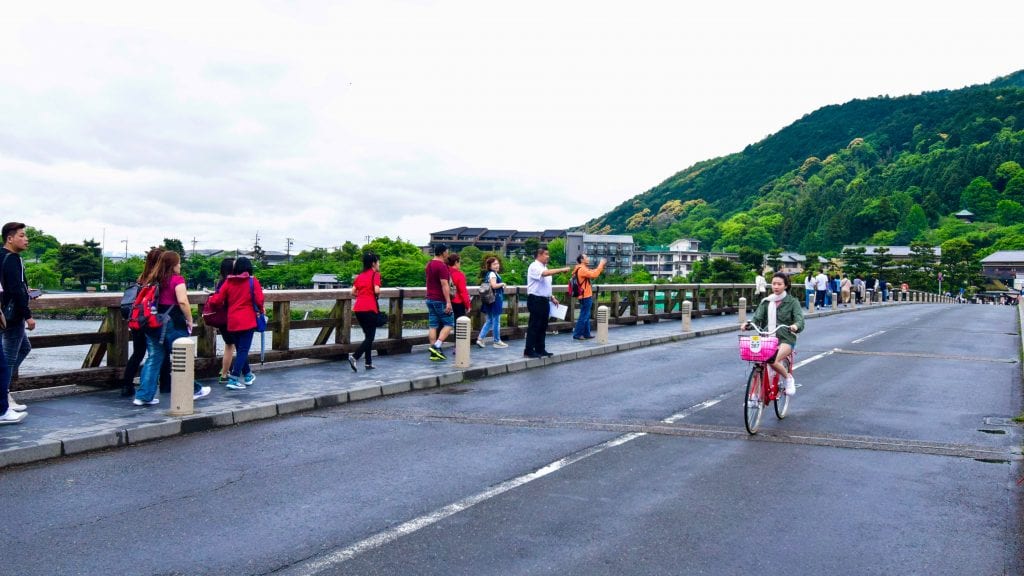
After reaching Arashiyama station, a short walk brings you to the Togetsukyo Bridge, a 155-metre bridge over the Katsura River. The bridge itself is not the point; the view from it is. Arashiyama mountain rises in the background, green or pink or amber depending on the season, and the river below is wide enough to give the whole scene scale.
Book the Arashiyama bicycle tour if you want to cover more ground and move at your own pace.
Hillside Paths Above the River
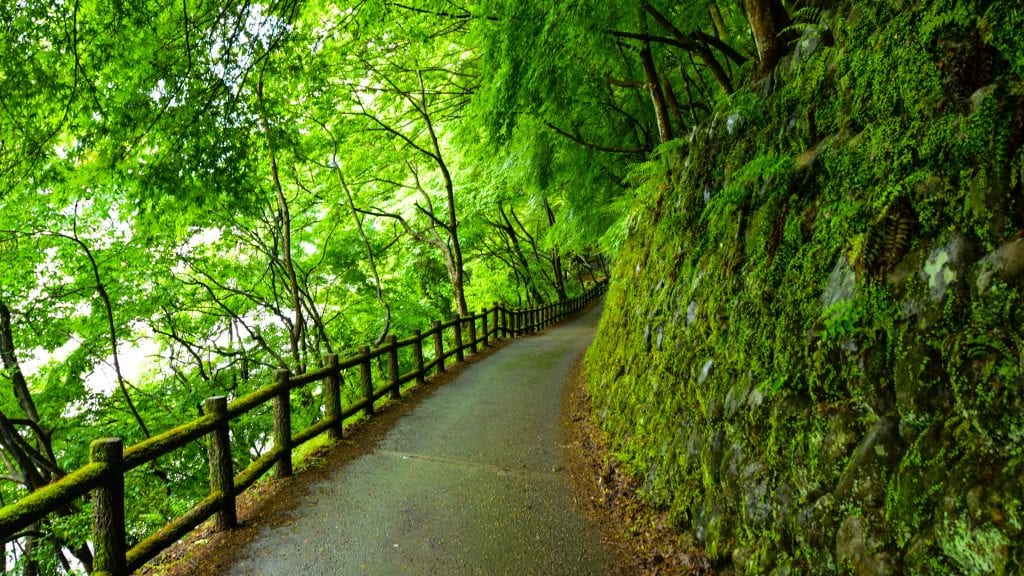
Cross the bridge and take the small paths heading uphill. I did not find these in a guidebook. I just walked. The routes wind into the forested hillside above the river through a quiet that feels earned after the busy streets of central Kyoto.
Katsura River
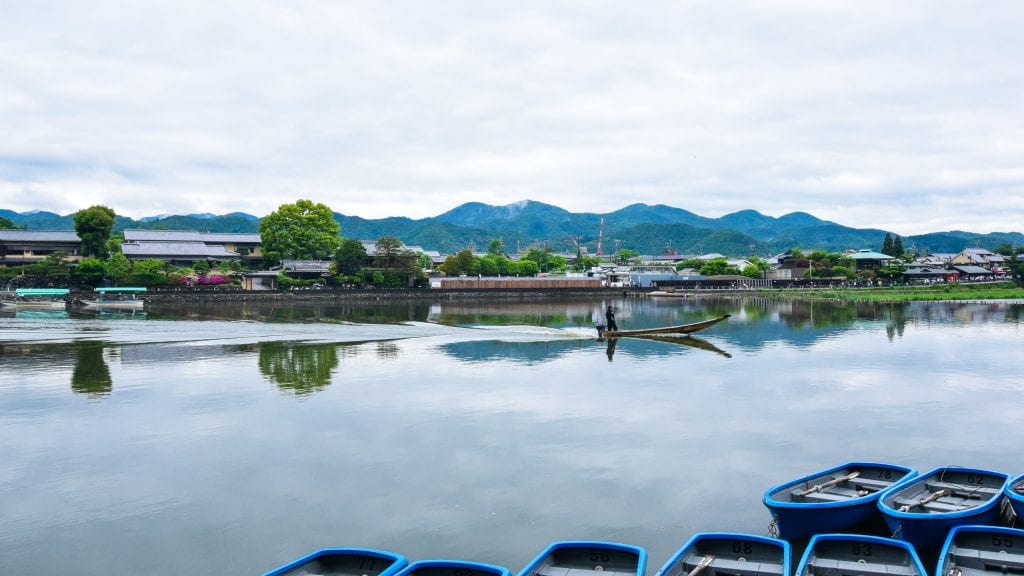
If you want to rent a boat and take a trip to the Katsura river, just do it! Even if you don’t do it, just sit at the bank of the river as the moment passes by.
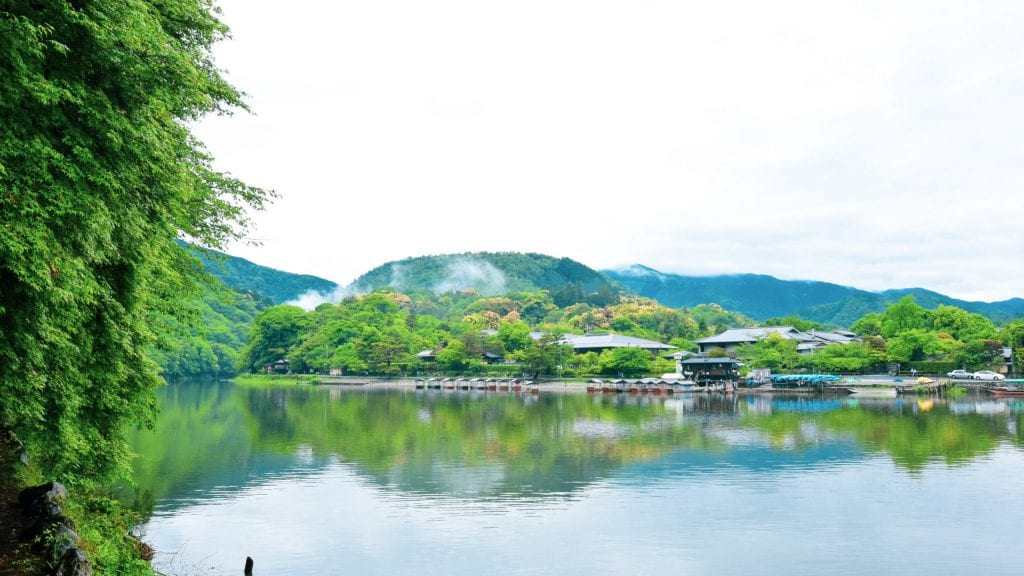
You will see the beautiful Arashiyama mountains as the backdrop and their reflection on the calm water of Katsura.
Arashiyama Bamboo Grove: Go at Dawn If You Can
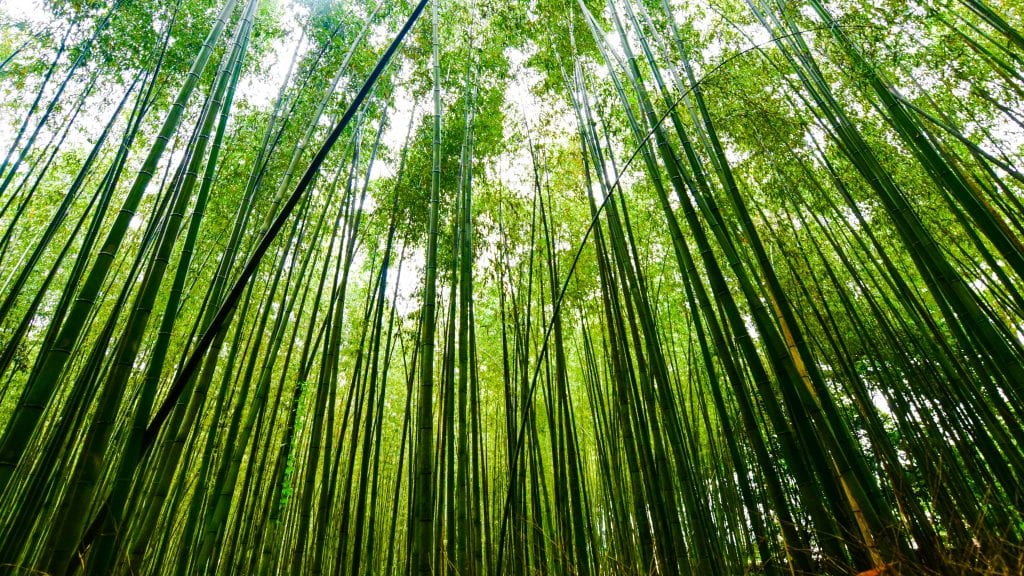
The Arashiyama Bamboo Grove is one of the most photographed places in Japan and one of the most crowded by mid-morning. Thousands of bamboo stalks create a green tunnel that filters the light in ways that make even your phone camera produce extraordinary images.
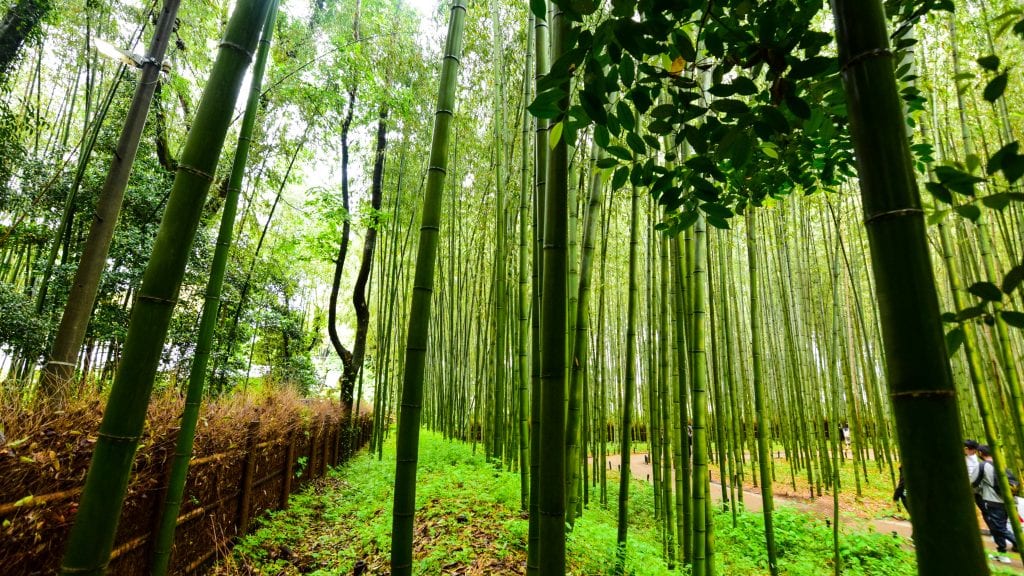
It is also free and open 24 hours, which means you can visit at dawn before the crowds arrive and have the path almost entirely to yourself. If this is possible in your schedule, do it, and visit the bridge afterwards. The grove is much quieter at 6 AM than at 11 AM, when tour groups and day-trippers have arrived.
Book the Arashiyama Bamboo Grove walking tour for a guided morning walk with context and crowd management.
Tenryu-ji Temple and Garden
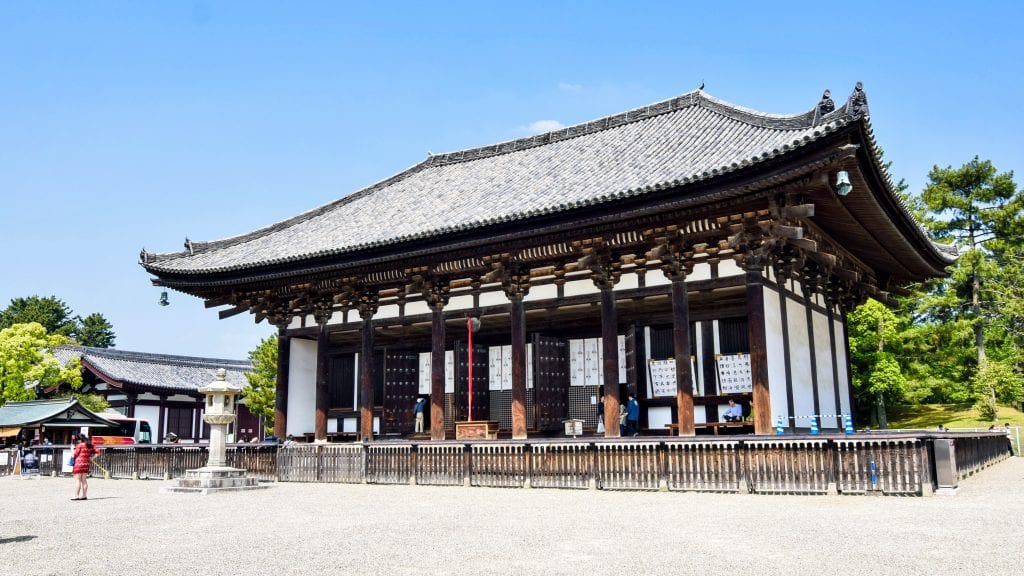
Tenryu-ji is a Zen Buddhist temple established in 1339, and while the main hall has been rebuilt repeatedly after fires and wars, the garden, attributed to the monk Muso Soseki, is considered one of the finest Zen gardens in Japan. The mountains of Arashiyama serve as a borrowed backdrop, a technique called shakkei (borrowed scenery) that blurs the boundary between the garden and the landscape beyond it.
Admission: ¥500 for the garden only, or ¥800 including the buildings. Open 8:30 AM to 5:00 PM (last entry 4:50 PM).
Kinkaku-ji: The Golden Pavilion in the Afternoon
Kinkaku-ji is one of the most visited sites in Kyoto: a three-storey Zen pavilion whose top two floors are covered in real gold leaf, reflected in the Mirror Pond below. It was originally a retirement villa built in 1397, converted to a temple after the owner’s death. The current building dates from 1955, rebuilt after a monk set fire to the original in 1950 (a story immortalised in Mishima’s novel).
The visit is brief: you walk a set path around the pond, take your photos and leave, but the view is striking, especially in autumn when the surrounding maples frame the gold in red and orange.
The classic photo is the pavilion reflected in the Mirror Pond from the main viewing area, and the visit takes roughly 30 to 45 minutes.
Admission: ¥500. Open daily from 9:00 AM to 5:00 PM.
How to Get to Kyoto
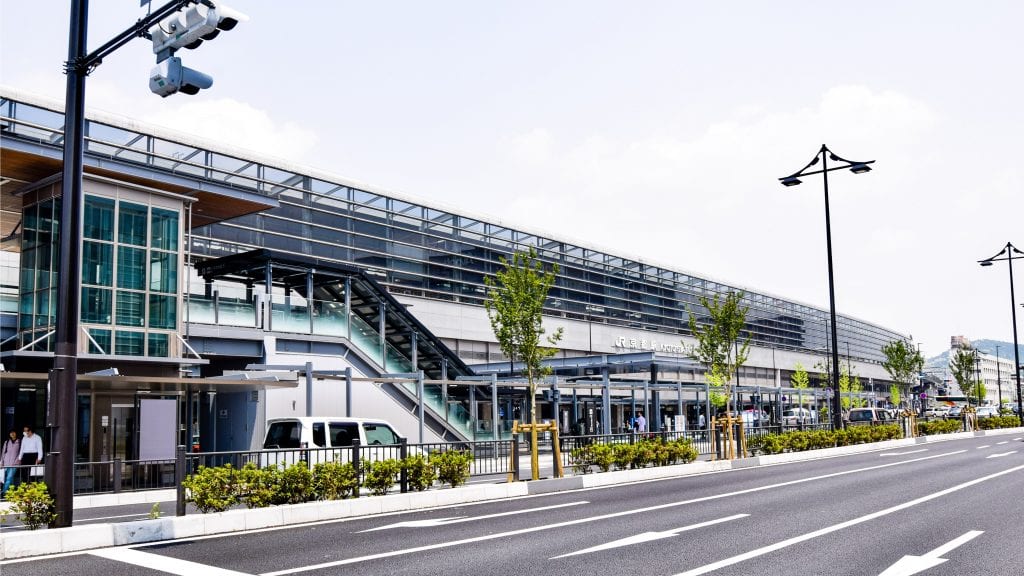
Kyoto is connected to all major Japanese cities by Shinkansen bullet train and bus.
From Osaka with a day tour to Arashiyama and Nara: This Klook tour is a good option if you are basing yourself in Osaka.
From Tokyo: About 2 hours 15 minutes on the Nozomi, or about 2.5 hours on the Hikari, with a reserved seat costing roughly ¥13,850 to ¥14,500. Book your train tickets in advance. Shinkansen fares are fixed, but reserved seats can sell out on weekends and holidays. If you’d rather not do it in one hop, Nagoya sits roughly halfway and works well as a stopover.
From Osaka: About 30 minutes by JR Special Rapid train from Osaka Station. Also accessible by Hankyu or Keihan lines.
By night bus from Tokyo: Takes about 7 to 8 hours, which saves a night of accommodation but costs you a proper night’s sleep. Book via Klook.
Best Hotels in Kyoto
Hotels in Japan are expensive relative to room size, but Kyoto has a good range across budgets. For a 3-day itinerary, I recommend staying in the Gion or Higashiyama district, which is close to most of Day 2 and has Keihan trains from Gion-Shijo to Fushimi Inari. Nightly rates vary a lot by season, so I have grouped the hotels by type rather than quoting prices. I have not re-checked every property’s current status, so confirm availability when you book. Near Kyoto Station works well too if you prioritise easy transport over atmosphere.
⚠️ Accommodation tax (from 1 March 2026): Kyoto now charges a five-tier tax per person per night, based on the room rate: ¥200 under ¥6,000, ¥400 from ¥6,000 to ¥19,999, ¥1,000 from ¥20,000 to ¥49,999, ¥4,000 from ¥50,000 to ¥99,999, and ¥10,000 at ¥100,000 or more. Budget for it when you compare prices.
Luxury
- BnA Alter Museum: an art hotel where each room is designed by a different artist. Unusual and memorable.
- Hotel Kanra Kyoto: a contemporary boutique hotel inspired by traditional Kyoto architecture.
- Four Seasons Hotel Kyoto: the top end of the market, with a garden and a spa.
- Hotel Granvia Kyoto: directly inside Kyoto Station. Excellent for early morning trains.
Mid-Range
- Kyoto INN Gion: well located for Day 1 and Day 2 sights, good value.
- Ryokan Shimizu: a traditional ryokan experience at a reasonable price.
- Miru Kyoto Nishiki: walking distance from Nishiki Market and Gion.
- Dormy Inn Premium Kyoto Ekimae: clean, reliable, and near the station. Includes an onsen.
Budget
- Ibis Styles Kyoto Station: compact but functional, excellent station location.
- Citadines Karasuma-Gojo Kyoto: apartment-style rooms, more space for the price.
- Hotel Resol Trinity Kyoto: good reviews, central location.
💡 Ryokan tip: If budget allows, spend at least one night in a traditional ryokan rather than a hotel. Tatami floors, futon bedding, yukata robes, and a communal onsen are experiences specific to Japan that most first-time visitors underestimate until they have done it.
Where to Eat in Kyoto
Rather than a list of restaurant names, here is where to focus your eating:
Nishiki Market (Day 1): Street food, pickles and grilled things on sticks. Eat at the stall or in front of the shop where you bought it, not while walking.
Pontocho (Day 2 evening): The best single alleyway for dinner in Kyoto. Mix of street food and sit-down restaurants. Prices run from a few hundred yen for a skewer to ¥15,000 or more for kaiseki.
Arashiyama (Day 3): Several good restaurants near the bamboo grove and river. Look for places serving yudofu (hot tofu in kombu broth), a Kyoto speciality that suits a cold afternoon.
Must-try dishes in Kyoto: Kaiseki (multi-course seasonal cuisine), yudofu, tofu dengaku (grilled tofu with miso glaze), and matcha in any form.
Getting Around Kyoto
Kyoto’s sights are spread across the city in different directions, which catches many visitors off guard. Arashiyama is to the far west, Higashiyama is on the opposite side, and Fushimi Inari sits to the south. Relying only on city buses means slow, crowded journeys, especially on weekends.
- IC card: Suica, Pasmo and ICOCA all work on Kyoto buses, subways and most trains, so a card you already have from Tokyo will do. Otherwise, get an ICOCA card at a Kyoto or Osaka station, or use Mobile Suica or Mobile ICOCA on your phone. Tap in and tap out.
- Limited express buses (weekends and holidays): Since June 2024, Kyoto City has run the EX100 and EX101 routes from Kyoto Station to Kiyomizu-dera, and EX100 continues via Gion and Heian Shrine to Ginkaku-ji. They run on Saturdays, Sundays and public holidays only, and the fare was ¥500 when they launched, so check the Kyoto City Transportation Bureau for current routes and fares.
- Regular bus: The backbone for other routes. Flat fare of ¥230 per ride in the central zone: board at the rear door and tap your IC card when you get off. A Subway and Bus 1-Day Pass costs ¥1,100 and covers both, so it pays off from about five rides. Buses get badly congested at peak tourist hours, especially late morning and mid-afternoon, so avoid them then if you can.
- Subway: The fastest option for longer distances. Two main lines: Karasuma (north to south) and Tozai (east to west). Essential for getting from the station area to Higashiyama quickly.
- Taxi: Useful for the Arashiyama day when you are tired. Reasonably priced for short hops. Drivers may speak little English, so show the destination on Google Maps.
- Hop-on Hop-off Sightseeing Bus: If you want the flexibility of a bus without navigating routes, the Kyoto Hop-on Hop-off Sightseeing Bus (GetYourGuide) covers a tourist circuit that includes Kinkaku-ji, Kiyomizu-dera, Nijo Castle and Arashiyama, with a single day ticket, according to the listing. It suits visitors who prefer not to plan transport stop by stop, but check the current route before you book.
- JR Pass: The ordinary 7-day Japan Rail Pass rose from ¥50,000 to ¥53,000 on 1 October 2026, although the official Japan Rail Pass website kept the old price for a limited promotional period. It generally does not cover the Nozomi, the fastest Shinkansen between Tokyo and Kyoto, so it only pays off if you make several long trips, such as Tokyo to Kyoto, Kyoto to Hiroshima and back to Tokyo on Hikari and Kodama services. Add up the individual fares before you buy. Book your Shinkansen tickets in advance via 12GoAsia.
💡 PRO TIP
To avoid the crowded city buses, use trains where you can: the JR Nara Line to Fushimi Inari, the subway to Nijo Castle and Keihan trains from Gion-Shijo. Keep buses for Kinkaku-ji and Higashiyama, and go outside peak hours.
Frequently Asked Questions
Is 3 days enough for Kyoto?
Yes, for the highlights. You can see Fushimi Inari, Kiyomizu-dera, Higashiyama, Arashiyama, Kinkaku-ji, Nijo Castle and Gion in 3 days if you start early each morning. A fourth day allows a more relaxed pace or a Nara day trip.
What is the best time to visit Kyoto?
Spring (late March to mid-April for cherry blossom) and autumn (mid to late November for foliage) are the most spectacular and the most crowded, so book accommodation months in advance. Winter (December to February) offers quiet temples and occasional snow. Summer is hot, humid and busy.
Should I stay near Kyoto Station or in Gion?
Gion and Higashiyama are more atmospheric and close to most of Day 2. Kyoto Station is better for day trips and early trains. For a 3 day itinerary, Gion is the better base.
Can I see geishas in Gion?
Possibly. Geiko and maiko are most often seen in the late afternoon and early evening, though there is no guarantee. Photography is banned on private side streets in Gion, with a ¥10,000 fine, a rule introduced in 2019, while public roads such as Hanamikoji Street are not covered. Ask before photographing anyone, and do not block or chase them.
Is Kyoto expensive?
It is mid-range for Japan. As a rough guide, food, entry fees and local transport come to about ¥10,000 to ¥15,000 per person per day, before accommodation. Most temple admission fees are ¥500 to ¥1,000. Note the accommodation tax that rose in March 2026, up to ¥10,000 per person per night at the top tier.
Is a JR Pass worth it for Kyoto?
Usually not for Kyoto alone. The ordinary 7-day pass rose from ¥50,000 to ¥53,000 on 1 October 2026, and it generally does not cover the Nozomi, so it only pays off if you make several long Shinkansen trips in the week. A Tokyo to Kyoto Shinkansen costs roughly ¥14,000 each way, so compare the individual fares first.
Should I visit Nara on a Kyoto trip?
Yes, if you have a fourth day or want to swap Arashiyama. Nara is under an hour from Kyoto by train and feels quite different from the temple-dense streets of central Kyoto, with its deer, Todai-ji and Isuien Garden. Book a Kyoto and Nara day tour or go independently. Read my full Nara day trip guide for temples, timing and deer etiquette
How do I get to Fushimi Inari from Kyoto Station?
Take the JR Nara Line from Kyoto Station to Inari Station, which takes about 5 minutes. The shrine entrance is right outside the station.
Can I eat while walking in Nishiki Market?
The market asks visitors not to walk while eating. Eat in front of or inside the shop where you bought the food.
How much is the Kyoto bus pass?
A Subway and Bus 1-Day Pass costs ¥1,100 for adults, and a single ride on a flat-fare city bus costs ¥230. The pass pays off from about five rides in a day, and buses can be crowded at peak times.
What is the Kyoto accommodation tax?
Since 1 March 2026, Kyoto charges ¥200 to ¥10,000 per person per night depending on the room rate: ¥200 under ¥6,000, ¥400 up to ¥19,999, ¥1,000 up to ¥49,999, ¥4,000 up to ¥99,999 and ¥10,000 at ¥100,000 or more.
Kyoto rewards visitors who arrive early, walk slowly, and resist the urge to check everything off a list… Plan enough to give yourself structure. Leave enough gaps to find your own version of it.
If Kyoto is one leg of a longer trip, this itinerary sits in the middle of my 2-week Japan itinerary, between Tokyo and Osaka/Hiroshima.
Maps of places to visit in Kyoto
Loved this 3-day Kyoto itinerary? Pin it for later!

Leave a reply