
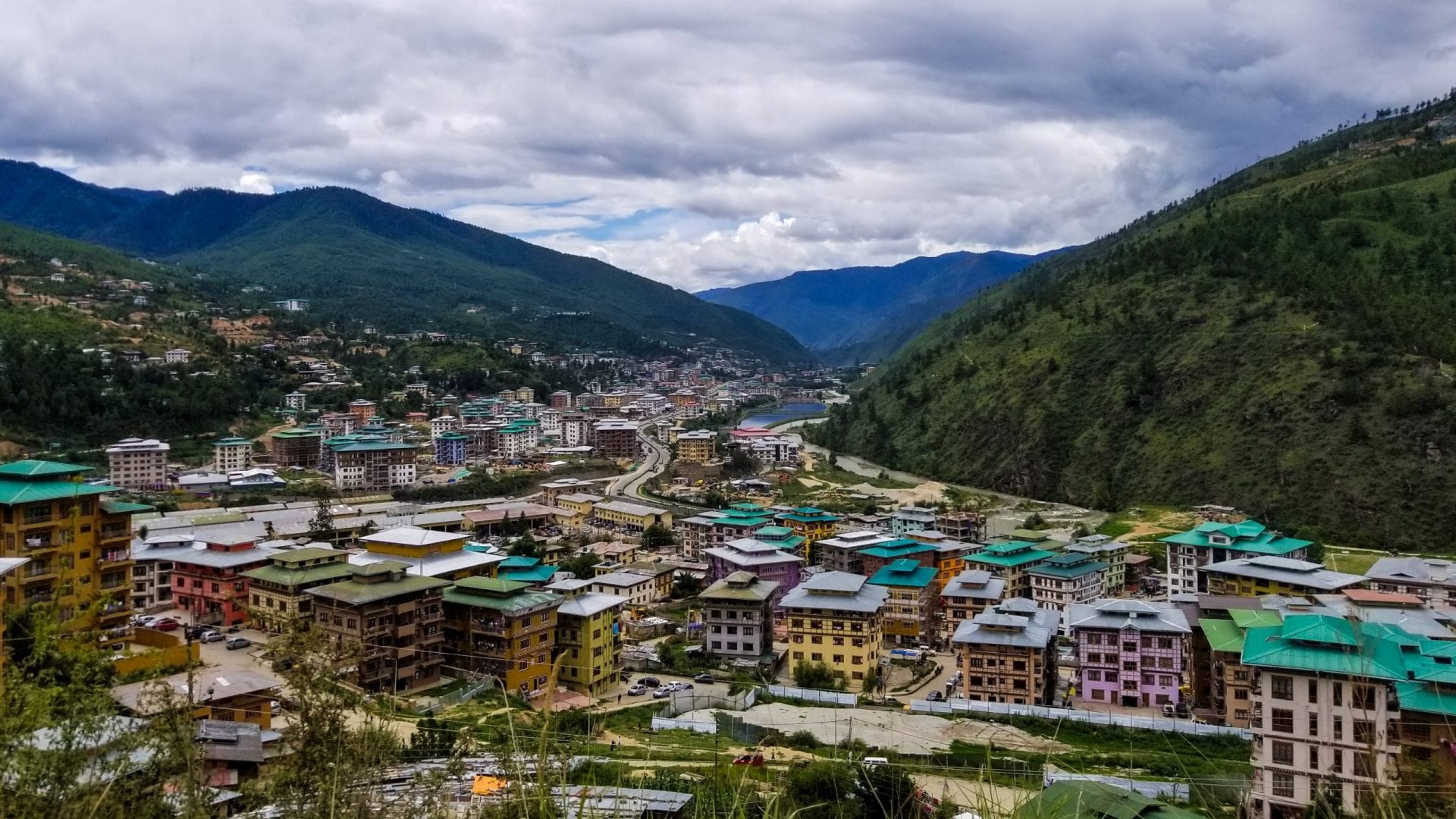
I have been asked more times than I can count: “How do you actually plan a trip to Bhutan?” It is a fair question, because Bhutan does not work like anywhere else I have travelled to. You cannot book a flight, land, and figure the rest out as you go. Almost every visitor arranges their entire trip — guide, driver, hotels, permits — through a licensed Bhutanese tour operator before they ever leave home. That sounds restrictive, and in a narrow sense it is. But it is also exactly why Bhutan still feels the way it does: quiet, unhurried, and almost entirely unspoiled by the kind of tourism that has changed so many other places I have visited.
I have now written in detail about every major stop on the classic western Bhutan route — the landing, the drive into the capital, Thimphu itself, Punakha, Phobjikha Valley, the Tiger’s Nest hike, a quiet botanical park most visitors never hear about, and the question of timing. This page pulls all of that together into one place: a real itinerary, the costs you should actually expect, and a straight answer to the logistics questions everyone asks before they go.
Bhutan at a Glance
- 🌏 Location: Eastern Himalayas, bordered by India and China (Tibet)
- ✈️ Entry point: Paro International Airport — Bhutan’s only international airport
- 🛂 Visa: Required for most nationalities, arranged through a licensed tour operator
- 💰 Sustainable Development Fee: $100/person/night for most nationalities, fixed through August 2027 (reduced rate for Indian, Bangladeshi, and Maldivian citizens)
- 🗓️ Ideal trip length: 7 days for the classic western loop
- ☀️ Best time to visit: March–May and September–November
- 🧭 Independent travel: Paro and Thimphu only, since 2022 — everywhere else needs a licensed guide
- 🏔️ Known for: Gross National Happiness, carbon-negative status, the Tiger’s Nest Monastery, and being one of the last countries to introduce television (1999)
Why Bhutan Is Not Like Anywhere Else You’ve Been
Bhutan measures its own success by Gross National Happiness rather than GDP, and it shows. There is no advertising on the roadside. There is not a single electronic traffic light in the entire country — Thimphu’s traffic, including in the capital itself, is directed entirely by hand. The country is carbon-negative, meaning it absorbs more carbon than it produces, largely because well over half the land remains forested by law.
None of that happens by accident. Bhutan deliberately caps its tourism numbers and prices through the “high value, low impact” model. The Sustainable Development Fee — currently $100 per person per night for most visitors — funds free healthcare and education across the country, and is the mechanism that keeps Bhutan from becoming the kind of place that outgrows itself. It is also, bluntly, why a trip here costs more per day than a trip to most of Southeast Asia. You are not just paying for a hotel room. You are paying into the system that keeps the place worth visiting in the first place.
I found this out the honest way: landing at Paro on a Drukair flight that, I will tell you plainly, terrified me. Only a small number of pilots in the world are certified to land there, and once you understand why, the fear makes a lot more sense.
Entry Requirements, Visa, and the Sustainable Development Fee
Here is what actually needs to happen before you land.
The visa. Most nationalities need a visa arranged through a licensed Bhutanese tour operator before arrival — you cannot apply for it yourself the way you would for most countries. Indian, Bangladeshi, and Maldivian citizens have simplified entry requirements and do not need the same advance visa process, though they still need to register their trip.
The Sustainable Development Fee (SDF). This is the number that surprises people. It currently stands at $100 per person, per night, for most nationalities — a rate that was cut in half from $200 as an incentive, fixed through 31 August 2027. Indian, Bangladeshi, and Maldivian citizens pay a substantially reduced rate, closer to $15 per night. Children under 6 are exempt, and children aged 6 to 12 pay half price. This fee is not optional and is not something you can avoid by booking cheaper accommodation — it applies regardless of where you stay.
The guide requirement. Since Bhutan’s 2022 reopening, Paro and Thimphu can technically be explored independently, without a guide physically accompanying you. Step beyond those two towns — to Punakha, to Phobjikha, on any trek — and a licensed guide becomes mandatory again. In practice, because almost every itinerary covers more than just those two towns, nearly everyone travels with a guide for the entire trip.
read before planning
Do not attempt to plan a Bhutan trip the way you might plan a trip to Vietnam or Thailand, booking flights first and figuring out the rest later. Your operator needs to be arranged first, since your visa and SDF registration run through them. Give yourself at least a few weeks of lead time, more if you’re travelling during a major festival.
What a Trip to Bhutan Actually Costs
Real numbers, not vague ranges. For most travellers, total cost per person per night falls into roughly these bands, all of which already include the SDF, guide, driver, and accommodation:
| Tier | Cost per person/night | What you get |
|---|---|---|
| Budget | ~$250–320 | Clean guesthouses and family-run hotels, identical guide and itinerary to higher tiers — only the room differs |
| Mid-range | ~$320–480 | Three-star and boutique hotels, often with valley or dzong views — the most common tier for first-time visitors |
| Upper mid-range | ~$480–700 | Four-star heritage properties, upgraded rooms, enhanced dining |
| Luxury | $700+ | Premium lodges in exclusive locations, private transfers, elevated everything |
For the full 7-day, 6-night loop above — Paro, Thimphu, Punakha, Phobjikha, and the Tiger’s Nest, all in one continuous route — that means the SDF alone comes to $600 per person for most nationalities, before a single hotel or meal is added. Add the one-time $40 visa fee, and your flight (Bhutan has only two airlines — Drukair and Bhutan Airlines — flying into the country’s sole international airport, so fares are higher than comparable regional routes).
tips for saving cost
Travelling as a couple or in a small group meaningfully reduces the per-person cost, since the guide and vehicle are shared expenses split across the group. Solo travellers typically pay a supplement for exactly this reason.
The Classic 7-Day Bhutan Itinerary
This is the route I’d actually recommend, and it’s more efficient than it might first look: by starting and ending in Paro rather than pushing straight through to Thimphu on arrival, and by doing the Tiger’s Nest as a day trip rather than needing a separate overnight for it, the whole loop — Paro, Thimphu, Punakha, Phobjikha, and the Tiger’s Nest — fits into 6 nights, not the 8 you’d need if you tried to bolt Phobjikha on as an afterthought.
If you’d rather not coordinate the guide, permits, and hotels yourself, a handful of well-structured multi-day tours already bundle this exact route into one itinerary, with everything below handled in a single booking:
Day 1: Land in Paro, Overnight in Paro
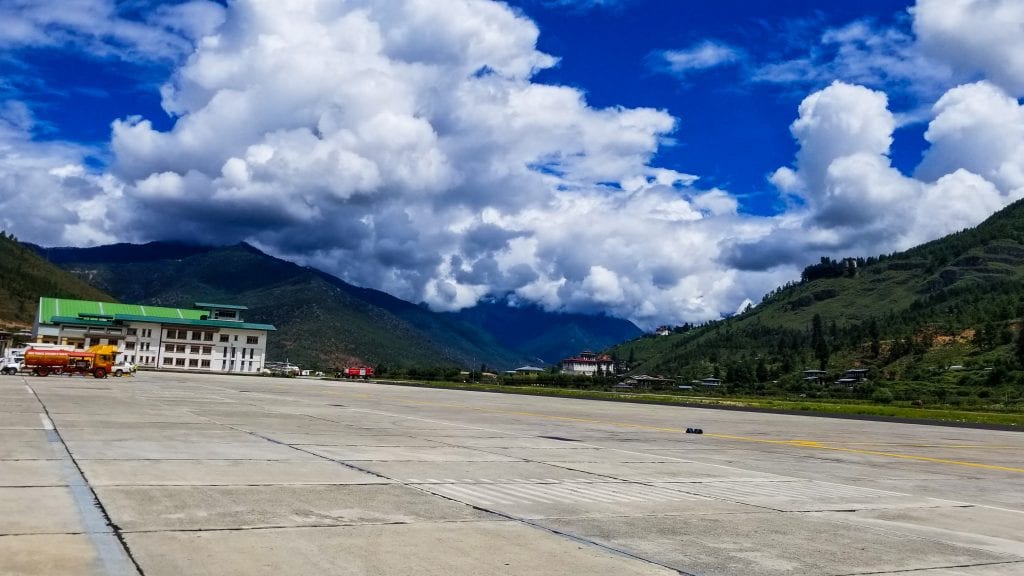
Your trip starts with one of the more memorable landings in commercial aviation. The approach into Paro is flown entirely by sight, by a small number of specifically certified pilots, through a valley narrow enough that you will see individual houses on the hillside before you see the runway. I found it genuinely frightening the first time, and genuinely wonderful in hindsight.
Rather than push straight on to Thimphu the same day, stay the first night in Paro itself and use the afternoon for Rinpung Dzong, also known simply as Paro Dzong. The current structure dates to 1644-46, built under Zhabdrung Ngawang Namgyal — the same historical figure who unified Bhutan — on the site of an earlier fortress. Like every dzong in the country, it was built without a single nail. It survived a major earthquake in 1897 only to burn down in 1906, and was rebuilt afterward; today it houses fourteen shrines and chapels, split between the district’s monastic body and its local government offices, the same dual religious-and-administrative role you’ll see repeated at every dzong in Bhutan. A traditional covered cantilever bridge sits just below it, worth the short walk down.
👉 Full guide: Landing at Paro Airport
Day 2: Paro to Thimphu, Explore the Capital
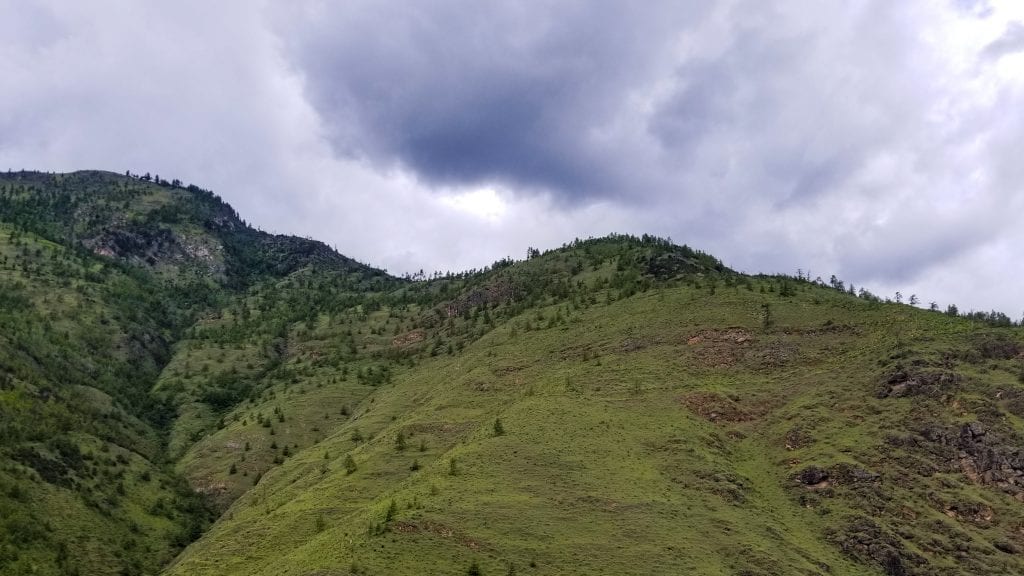
From Paro, it’s about a 90-minute drive to Thimphu, Bhutan’s capital, on a smooth mountain road that stops at Tachog Lhakhang along the way — a small temple with a 600-year-old iron chain bridge that most visitors don’t expect and everyone remembers.
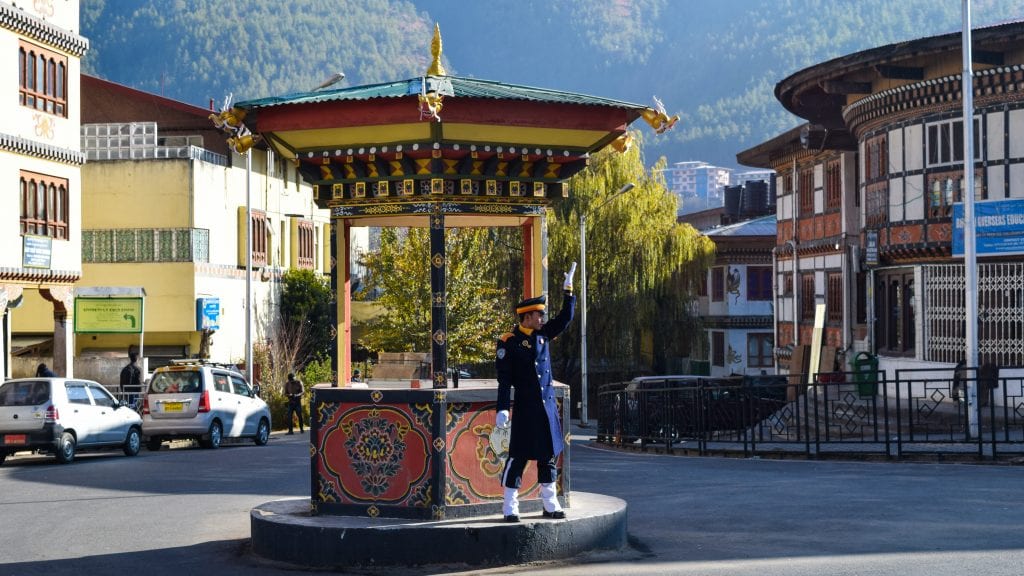
Thimphu itself is unlike any other capital city I’ve visited — no high-rises, no traffic lights (the country trialled them once and residents asked for them to be removed in favour of hand-directed traffic), and a genuine slowness to daily life.
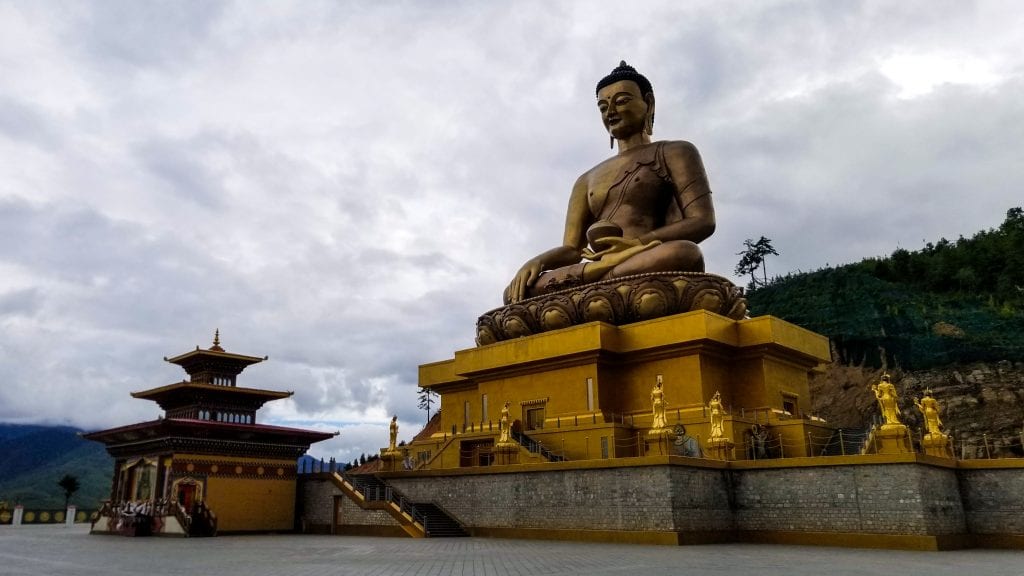
The essentials here are the National Memorial Chorten, the towering Buddha Dordenma statue, Tashichho Dzong (rebuilt in the 1960s using no nails at all, the same technique as Paro Dzong), and if your dates align, the Thimphu Weekend Market. Stay overnight in Thimphu.
👉 Full guide: Places to Visit in Thimphu
Day 3: Thimphu Morning, Then Over Dochula Pass to Punakha
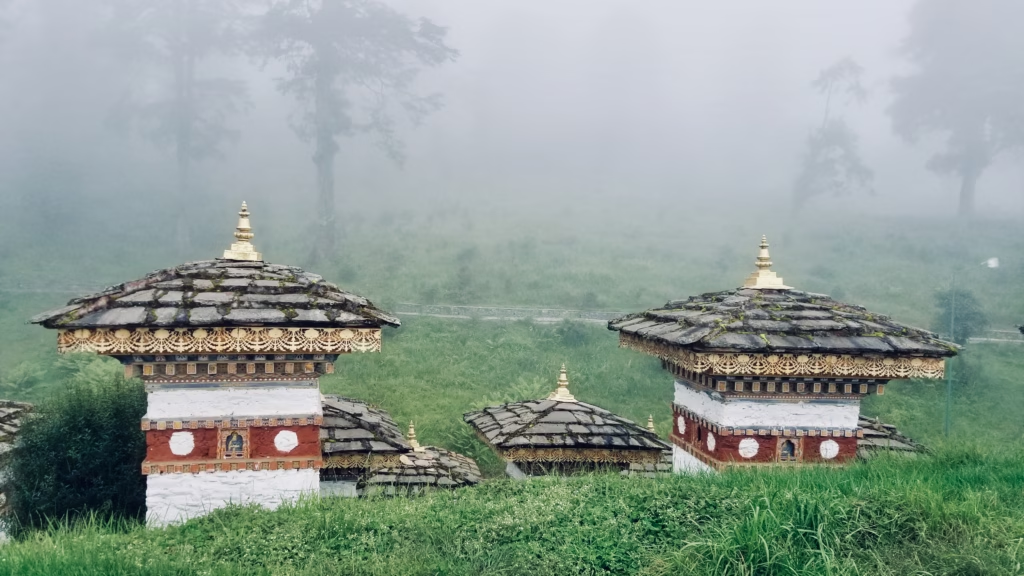
Use the morning for anything you didn’t get to the day before, then set off for Punakha after lunch. The drive crosses Dochula Pass, marked by 108 memorial chortens and, on a clear day, a genuinely spectacular Himalayan panorama.
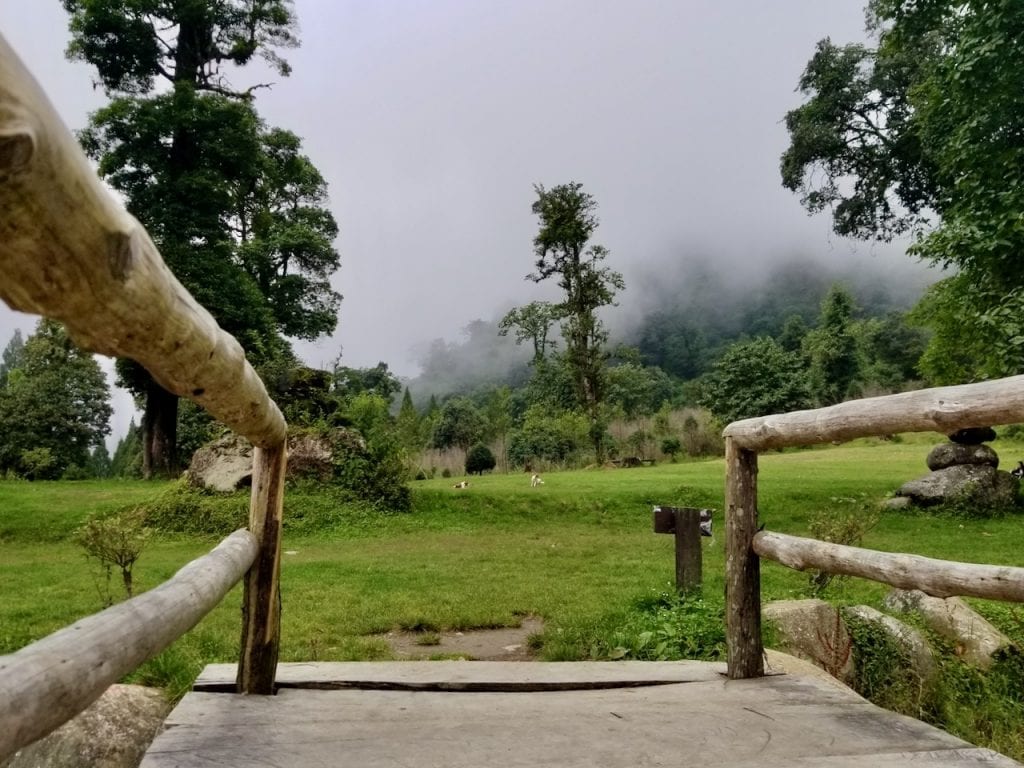
A few minutes further along sits the Royal Botanical Park at Lamperi — a quiet, almost entirely overlooked stop with a small sacred lake and fearless musk deer that most itineraries drive straight past. It’s worth asking your guide to include it specifically, since it isn’t a default stop on every tour.
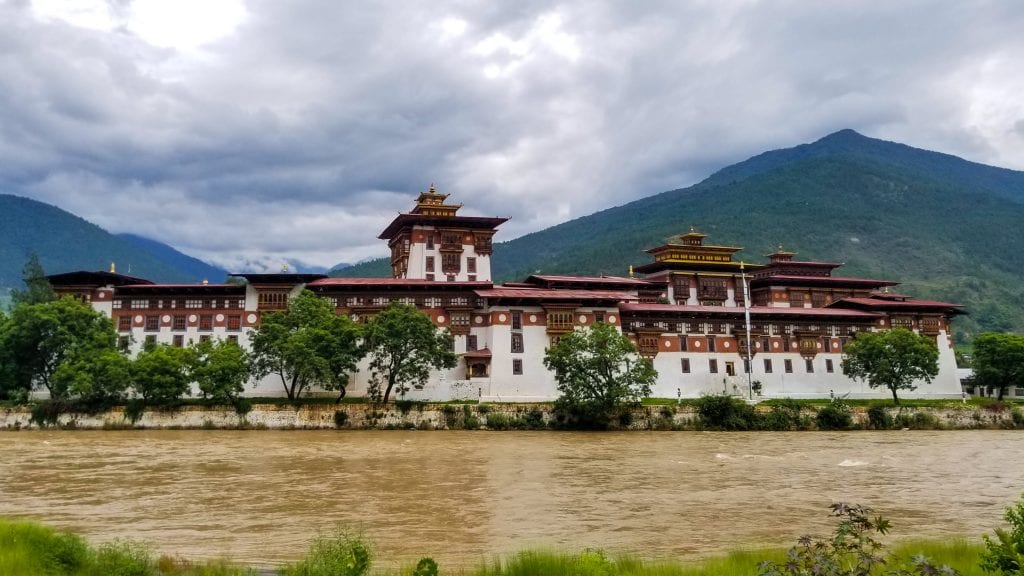
Once in Punakha, Punakha Dzong sits at the confluence of two rivers and is, by common agreement among Bhutanese people themselves, the most beautiful fortress in the country. Depending on your arrival time, you may want to save the Dzong itself and the nearby suspension bridge for the following morning. Stay overnight in Punakha.
👉 Full guides: Royal Botanical Park in Bhutan and Places to Visit in Punakha
Day 4: Punakha Morning, Then On to Phobjikha Valley
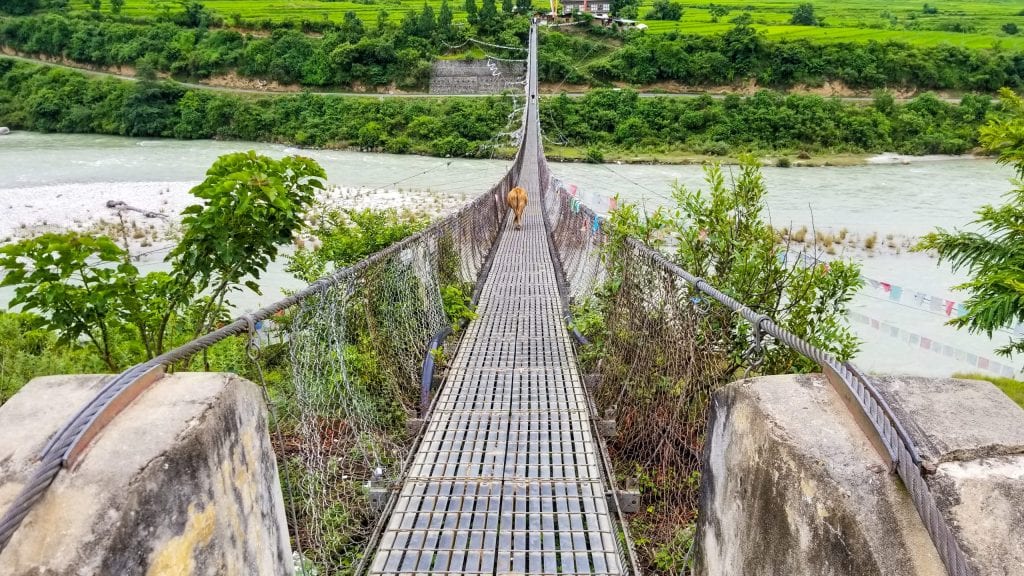
Spend the morning on whatever you didn’t finish the day before — the suspension bridge over the Po Chhu river, one of the longest in Bhutan, and Chimi Lhakhang, the country’s fertility temple dedicated to the “Divine Madman,” are both worth the time.
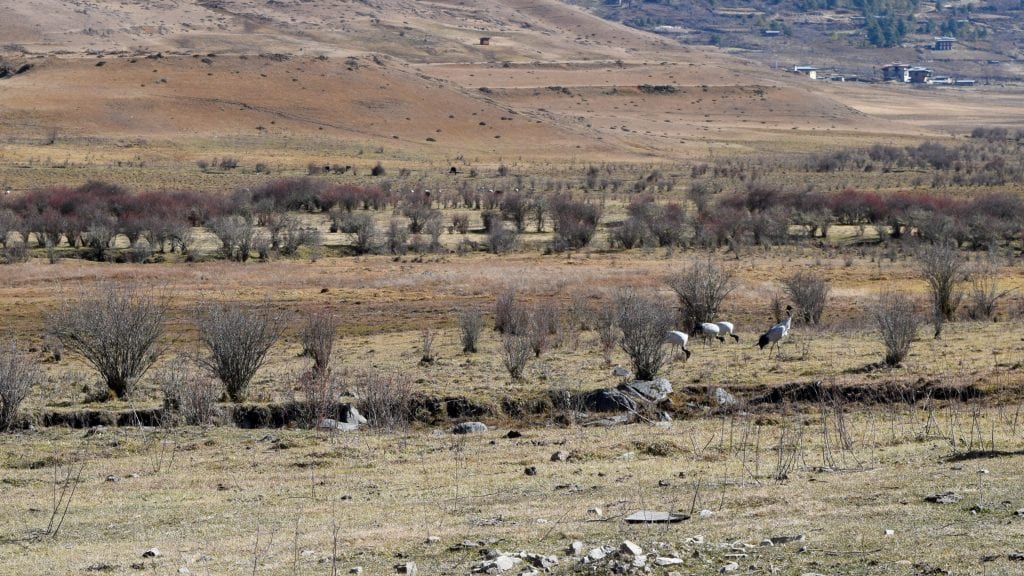
By early afternoon, head onward to Phobjikha Valley. Be realistic about this leg: it’s a genuine drive, continuing past Wangdue Phodrang rather than backtracking, and it’s worth leaving with enough daylight in hand. Phobjikha is a wide, bowl-shaped glacial valley that most first-time Bhutan visitors skip entirely, which is genuinely their loss. Settle into a homestay for the night — this is how most visitors experience the valley, and it’s one of the more memorable nights of the whole trip.
👉 Full guides: Places to Visit in Punakha and Phobjikha Valley in Bhutan
Day 5: Explore Phobjikha, Then the Long Drive Back to Paro
Spend the morning properly in the valley — Gangtey Monastery sits above it, and the walk out through prayer flags and open wetland is one of the quieter, more memorable parts of any Bhutan trip. If you’re travelling between November and March, this is also the wintering ground of the endangered black-necked crane, and the valley’s power lines are deliberately buried underground specifically to protect their flight paths.
⚠️ Be honest with yourself about this day’s drive. Getting from Phobjikha back to Paro is a genuinely long haul — you’re retracing the Punakha and Dochula Pass route in reverse, then continuing on to Paro rather than stopping in Thimphu, which adds up to a full afternoon and evening of driving. Start straight after lunch, and don’t schedule anything else for the rest of the day. You’ll likely arrive in Paro after dark.
Stay overnight in Paro, ready for the hike the next morning.
Day 7: The Tiger’s Nest
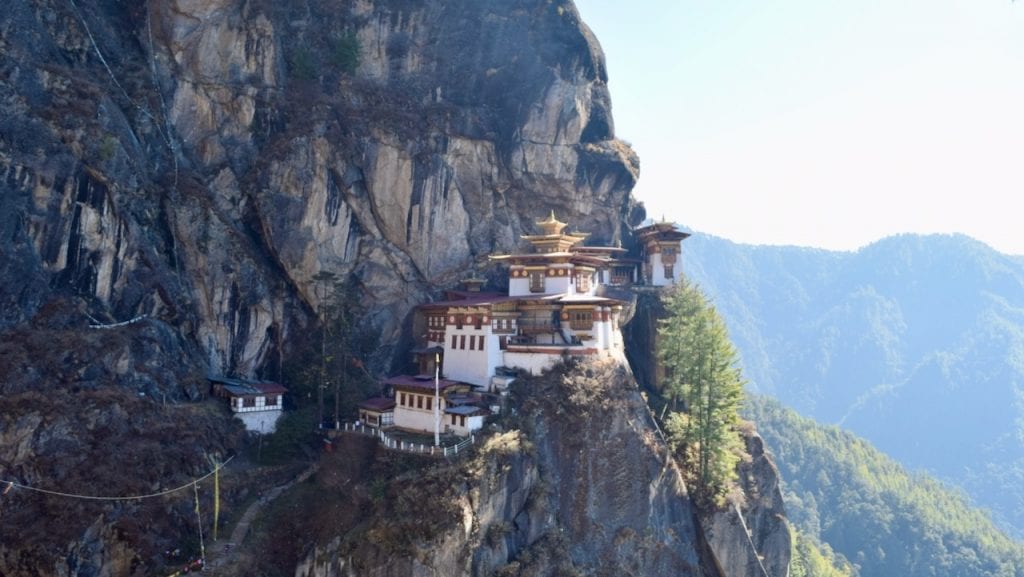
This is why the trailhead being close to Paro matters — the whole hike happens as a single day trip, no need to relocate anywhere. The climb to Paro Taktsang goes roughly 500 to 900 metres depending on where you measure from, to a monastery built directly into a cliff face 900 metres above the valley floor. It is a genuinely demanding half-day hike, and by this point in the trip you’ve already spent five days at similar altitude elsewhere in the country, which many travellers find helps with the adjustment.
Nothing about this monastery looks like it should be structurally possible. Standing in front of it does not fully resolve that feeling, even once you’re there. Stay overnight in Paro — your last night in the country.
👉 Full guide: Tiger’s Nest Trek
Day 7: Explore More of Paro, Then Depart
With a few hours left before your flight, this is a good moment for whatever you didn’t fit in on Day 1. Ta Dzong, the circular watchtower-turned-National-Museum sitting directly above Rinpung Dzong, is the obvious choice — built in 1649, converted to a museum in 1968, and home to over 3,000 artefacts spanning 1,500 years of Bhutanese history, for a modest entry fee of around Nu 300 (roughly $3.60). If you have a little more time, Kyichu Lhakhang, one of the oldest temples in the entire Himalayan region, sits a short drive away and is known for its garden and an orange tree that bears fruit year-round.
Head to Paro Airport for your departure flight.
When to Go
Spring (March–May) and autumn (September–November) are Bhutan’s high season — clear skies, the best trekking conditions, and the country’s major festivals, including Paro Tshechu in spring and Thimphu Tshechu in autumn. Winter (December–February) is quieter and often better value, with cold, clear days, and it’s the only season you’ll see the black-necked cranes in Phobjikha. Summer monsoon (June–August) is the low season — muddy trails, reduced visibility, but the greenest the country ever looks.
I’ve personally visited Bhutan in both December and May, and the two visits felt like two different countries — one brown and quiet, one green and cloud-wrapped. Neither was wrong. It depends entirely on what you’re after.
👉 Full guide: Best Time to Visit Bhutan
Frequently Asked Questions
How many days do you need in Bhutan?
Seven days covers the classic western loop comfortably: Paro, Thimphu, Punakha, Phobjikha Valley, and the Tiger’s Nest hike. Five days is workable if you drop Phobjikha. Ten days or more lets you add Bumthang or Haa Valley without rushing.
How much does a trip to Bhutan cost?
Budget on roughly $250 to $700+ per person per night depending on your accommodation tier, which already includes the Sustainable Development Fee, guide, driver, and hotels. The SDF alone is $100 per person per night for most nationalities, so a 7-night trip carries $700 in SDF before anything else is added.
Do I need a visa for Bhutan?
Most nationalities need a visa arranged through a licensed Bhutanese tour operator, along with the Sustainable Development Fee. Indian, Bangladeshi, and Maldivian citizens have simplified entry requirements and a significantly reduced SDF rate.
Can I travel around Bhutan without a guide?
Since Bhutan’s 2022 reopening, Paro and Thimphu can technically be explored independently. Everywhere else, including Punakha and Phobjikha Valley, requires a licensed guide. Since almost every itinerary goes beyond the two western towns, most visitors travel with a guide for the entire trip regardless.
What is the best time to visit Bhutan?
Spring (March to May) and autumn (September to November) offer the clearest skies, the best trekking conditions, and Bhutan’s major festivals. Winter is quieter and cheaper with genuinely pleasant days. Summer monsoon (June to August) is the low season, with muddy trails and reduced visibility.
Every Bhutan Guide, in One Place
- Landing at the Paro Airport in Bhutan
- Paro Airport to Thimphu
- Places to Visit in Thimphu
- Royal Botanical Park in Bhutan
- Places to Visit in Punakha
- Phobjikha Valley in Bhutan
- Tiger’s Nest Trek
- Best Time to Visit Bhutan
Booking Your Bhutan Trip
- 🗺️ 6-Day Nature and Culture Tour with Phobjikha Valley
- 🗺️ 9-Day Tour Experiencing Phobjikha Valley
- 🗺️ Scenic Bhutan Guided Multi-Day Tour with Airport Pickup
- 📋 Confirm your visa, SDF, and transport arrangements with a licensed Bhutanese tour operator before you fly

Leave a reply