
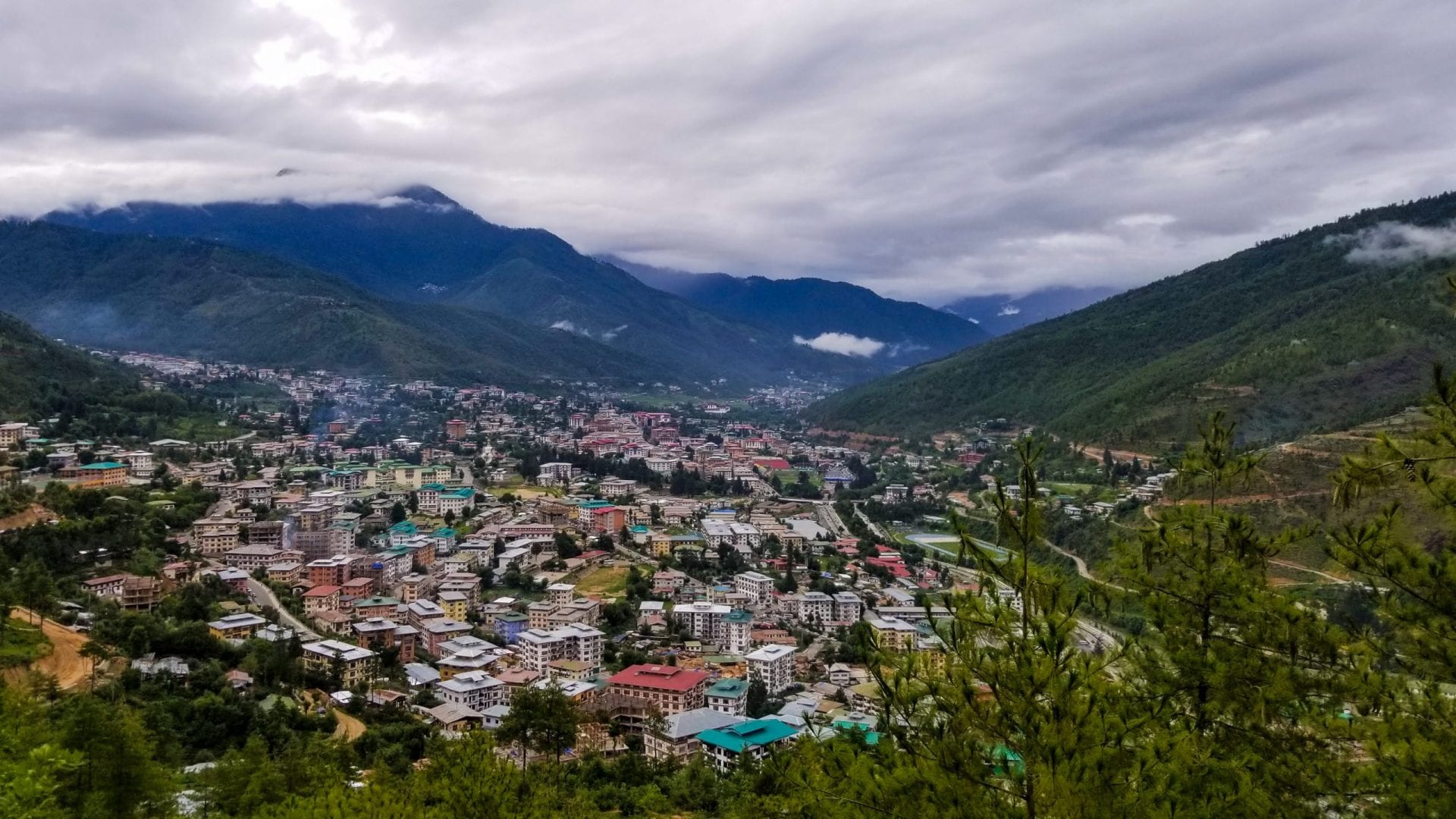
Thimphu is a perfect base to explore Bhutan. It can also be seen as a place to break your journeys to the different places in Bhutan. If you get bored of seeing the beautiful countryside of Bhutan, Thimphu might come as a change by presenting it’s nightlife and city like vibe.
Thimphu is the capital of Bhutan, a mystic country in South Asia. When I think of a capital, I imagine large buildings, big cars, buzzing city life with a lot of noise and pollution. You may blame me for stereotyping, but pardon my meanness. Thimphu is a rare exception to that. You won’t find high-rise buildings here, life is still slow, and people are welcoming in Thimphu. You will arrive in Thimphu through a beautiful 90-minute scenic journey from Paro Airport. Since reaching there, it doesn’t matter if you go out for the trek to Tiger’s Nest, or a day trip to Punakha, or even explore further to the Phobjikha Valley, you have to spend time exploring the Thimphu valley. Here are the best places to visit in Thimphu.
Thimphu at a Glance
- 📍 Location: Central-western Bhutan, on the Wang Chhu river
- ⛰️ Elevation: ~2,334 metres (7,657 ft)
- 🗓️ Recommended time: 1 to 2 days
- 🕐 National Memorial Chorten: 6:00 AM – 6:00 PM, free entry
- 🕐 Buddha Dordenma: 9:00 AM – 5:00 PM, closed Monday and national holidays
- 🏛️ Tashichho Dzong: Limited public access — evenings on weekdays, fuller access weekends 🛍️ Weekend Market: Friday to Sunday, near Changlimithang Stadium
- 🚦 Known for: No electronic traffic lights — one of only two capital cities in the world without any
⚠️ Thimphu itself can technically be explored without a guide physically accompanying you, following Bhutan’s 2022 reopening — but you’ll still need to arrange your visa and Sustainable Development Fee through a licensed Bhutanese operator before you arrive, and the moment your trip extends to Punakha, Phobjikha, or any trekking, a guide becomes mandatory again.
If you’d rather not coordinate the guide, permits, and hotels yourself, a handful of well-structured multi-day tours already bundle Thimphu into a wider Bhutan itinerary, with the guide, driver, SDF, and accommodation handled in one booking:
National Memorial Chorten
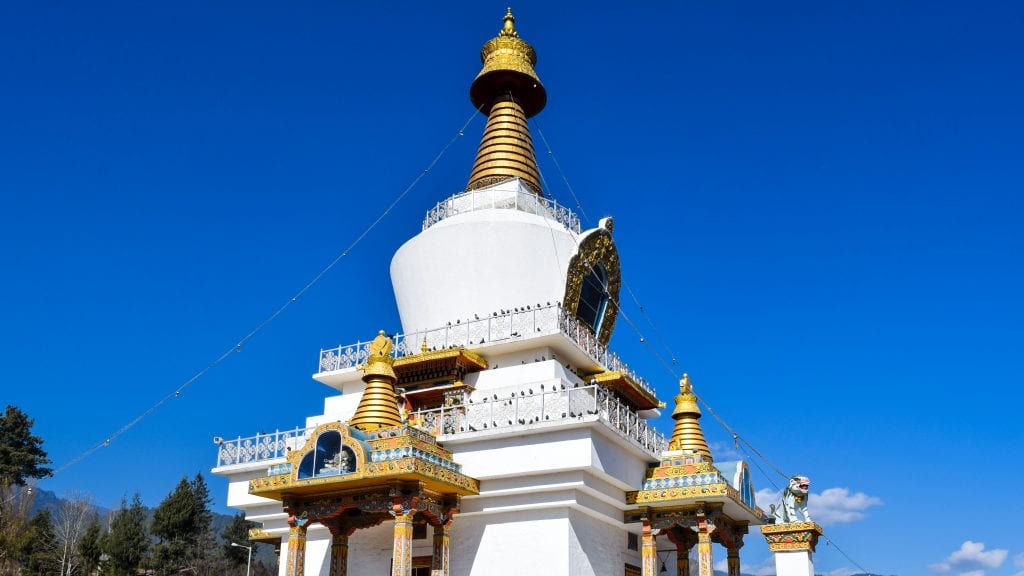
National Memorial Chorten is one of the most popular places to visit in Thimphu. The word Chorten means Seat of Faith. The Bhutanese think that monuments like this resemble the mind of Buddha. This is a stupa residing in the heart of Thimphu.
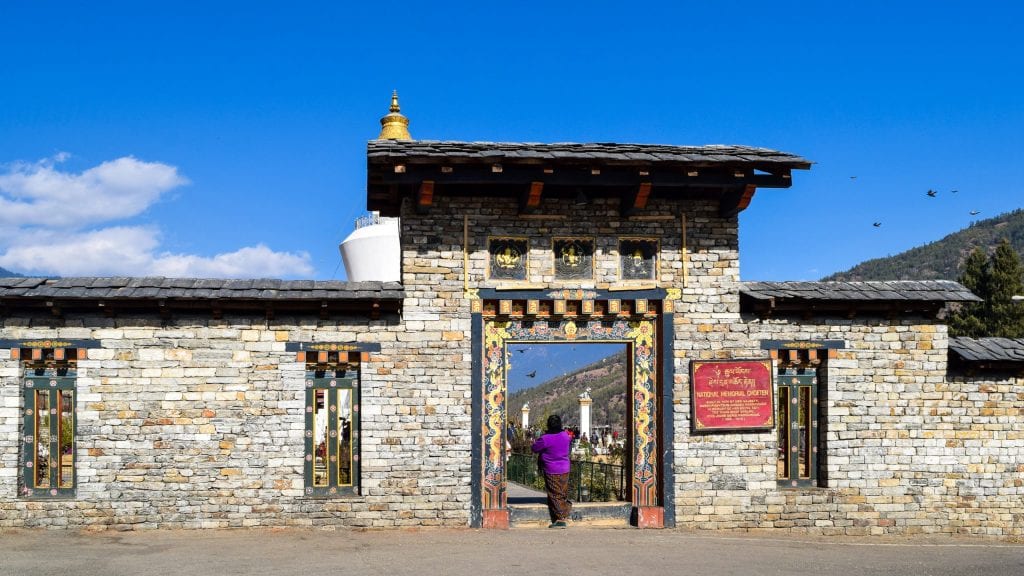
You enter the Chorten complex through an ornamental gate passing a small garden. Among the four entrances, one is open for entrance. There is no entry fee, so you can just enter there. There is no roof in the complex.
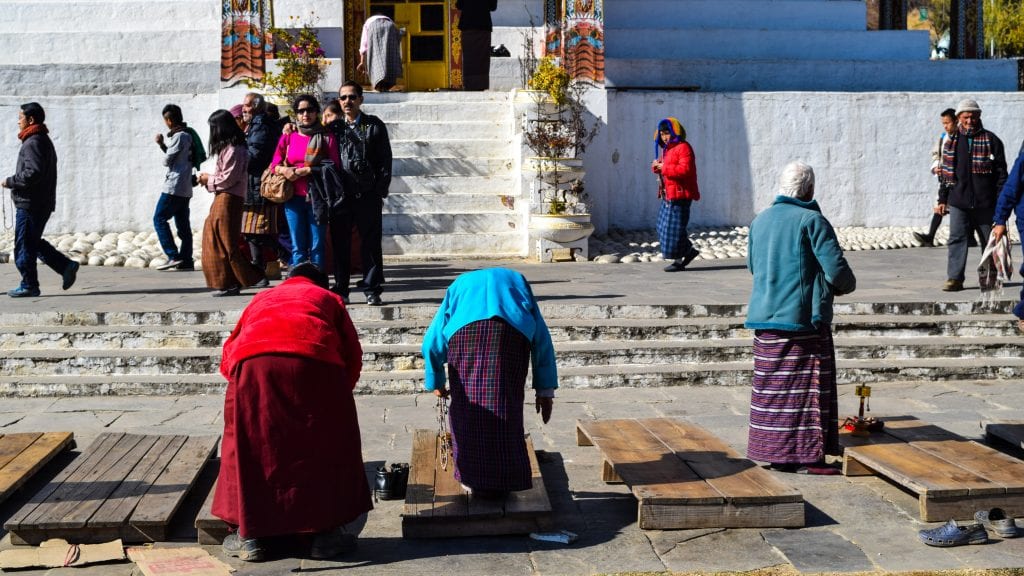
This is a popular place to pray. People circumambulate the Chorten (named Kora) throughout the day in a clockwise direction. They also pray on a wooden structure, bowing and whirling the red prayer wheel.
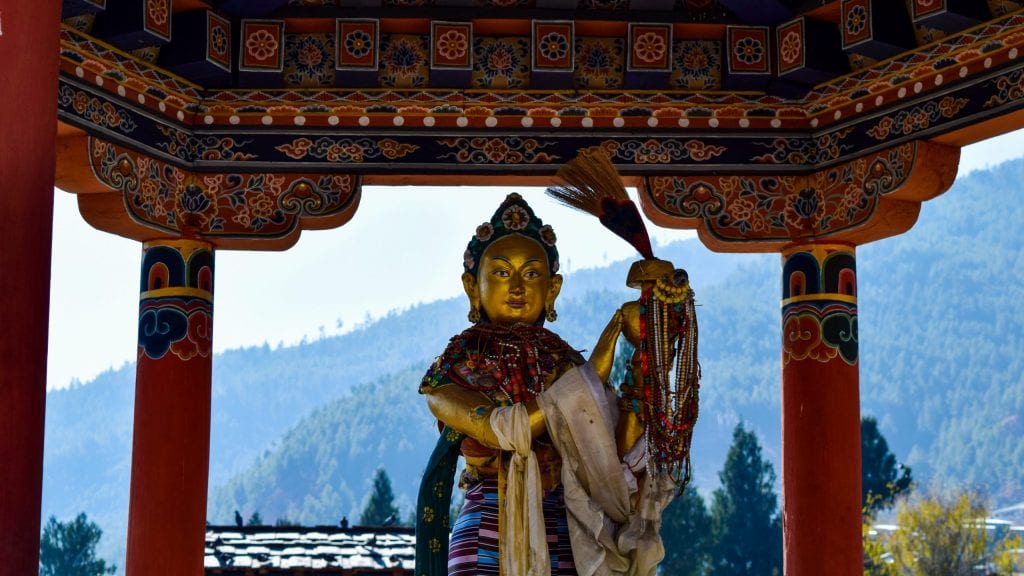
National Memorial Chorten is also known as the Thimphu Chorten. With a golden finial and whitewashed body, this Chorten was built in 1974. The third king of Bhutan, Jigme Dorji Wangchuck, died in 1972. His mother patronized this Chorten in memory of her son.
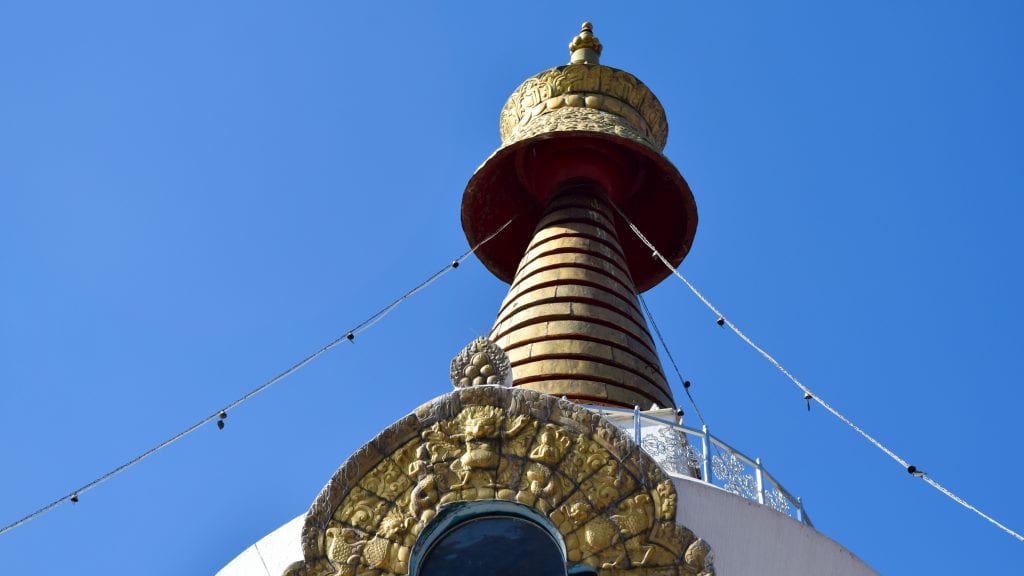
If you look at the top of the Chorten, you will notice a golden spire with a crown. Part of it has an intricate design that looks like a pyramid. If you go inside, you will find statues, paintings, and mandalas.
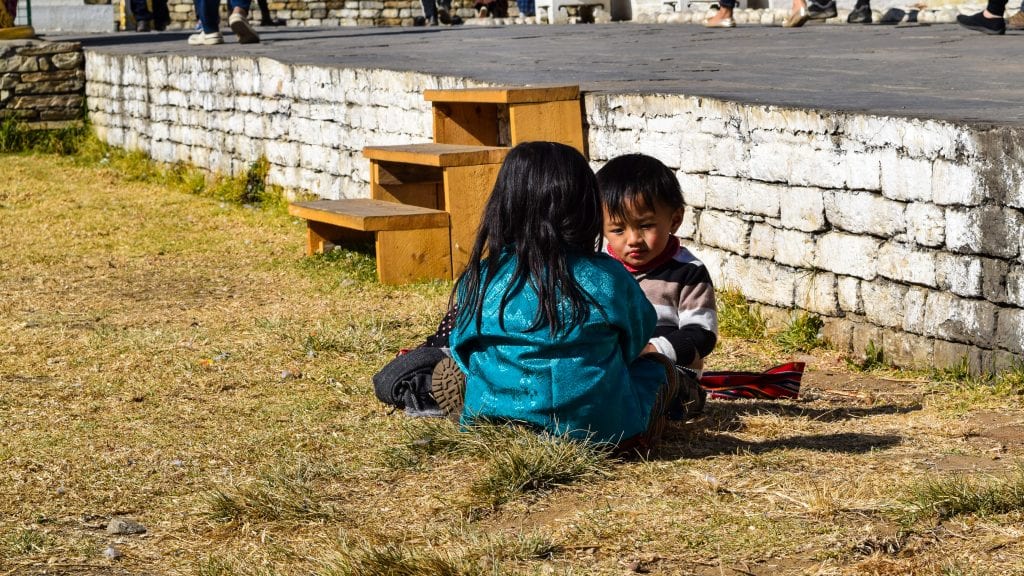
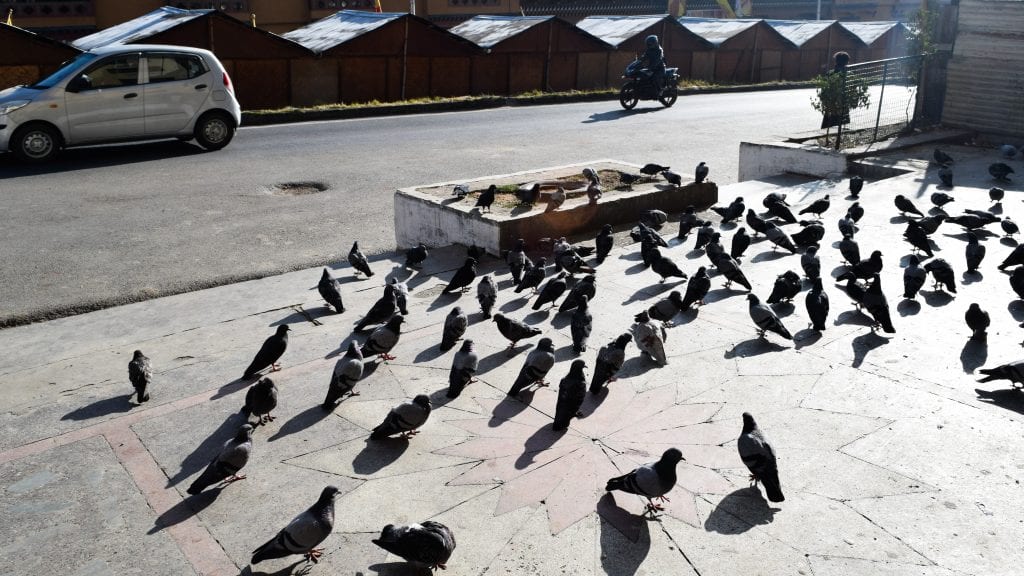
While the complex can be busier (compared to Bhutanese standards, of course!) with visitors, early morning is quiet. While the parents pray, the kids play on the grass. You will find birds, especially pigeons, in the compound.
💡 Visit early morning for the quietest, most reflective atmosphere, this is when most locals come to pray before the day gets busier.
Visiting Hours
6:00 AM to 6:00 PM. Free entry.
Book a 5 days 4 nights Bhutan Trip
Buddha Dordenma – One of the best Places to Visit in Thimphu
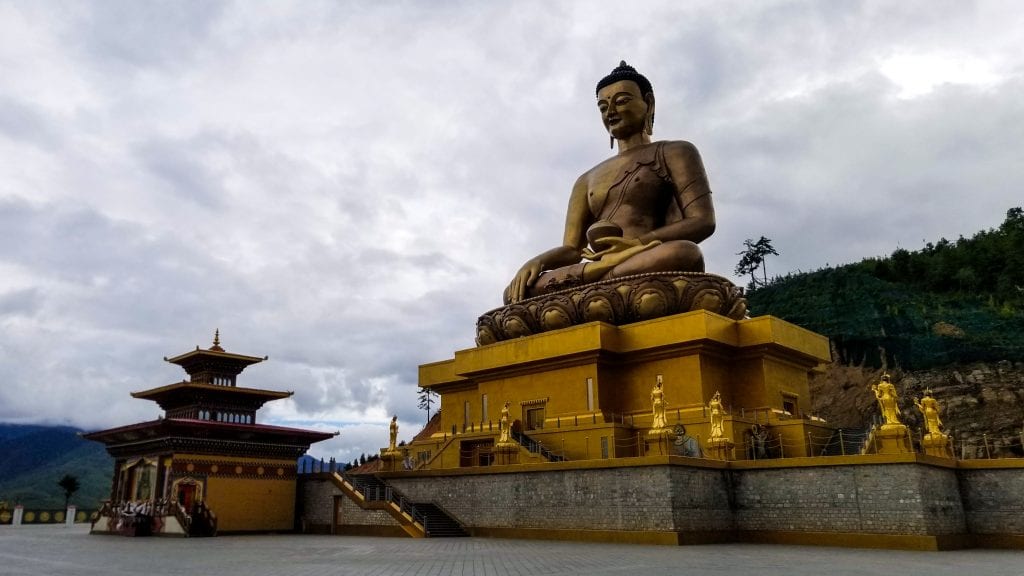
My driver brought me here — I didn’t know about it beforehand. All I understood was that we were going uphill for a while. When I entered the complex, I was spellbound by the sheer size of the Buddha statue. Unlike the huge complex of Shwedagon Pagoda, this complex only has a statue on the hilltop.
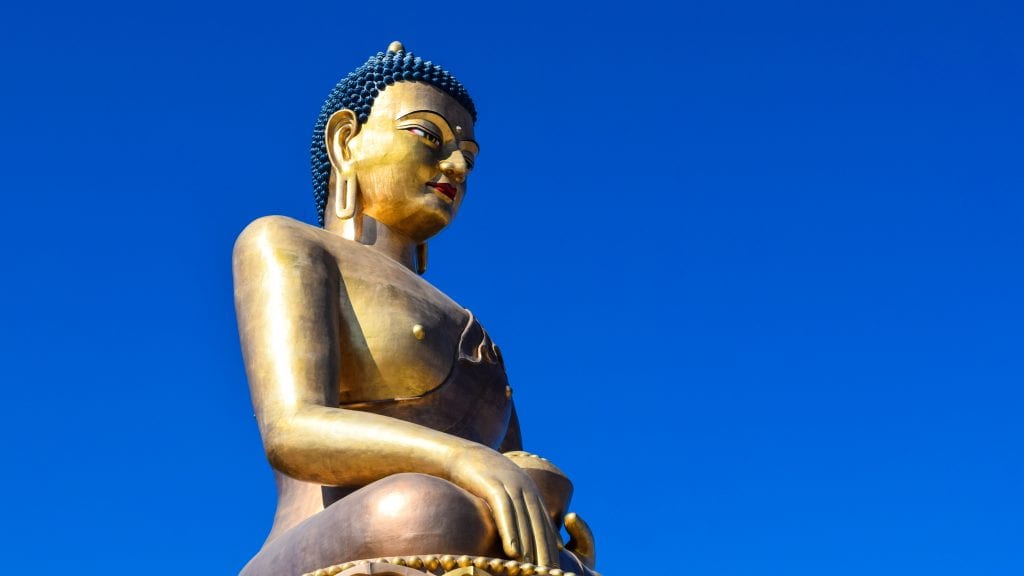
This Shakyamuni Buddha statue was built to celebrate the 60th anniversary of the fourth king of Bhutan, Jigme Singye Wangchuck. This wonderful piece of art was built in China and brought to Bhutan by road in pieces. It was later reassembled here in the Kuenselphodrang Nature Park in the southern part of Thimphu.
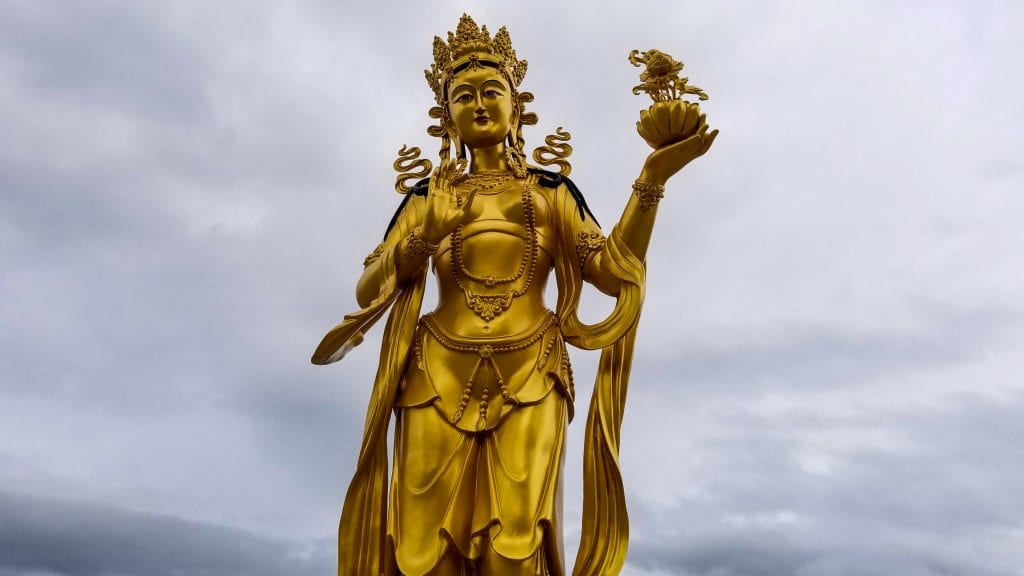
You will find the Buddha statue surrounded by several Goddesses with red lips, golden bodies, plucked eyebrows, and ornamented crowns. One of their hands is in a pose for blessing, while another carries different items. They are not huge like the Buddha statue, but no less lively and beautiful.
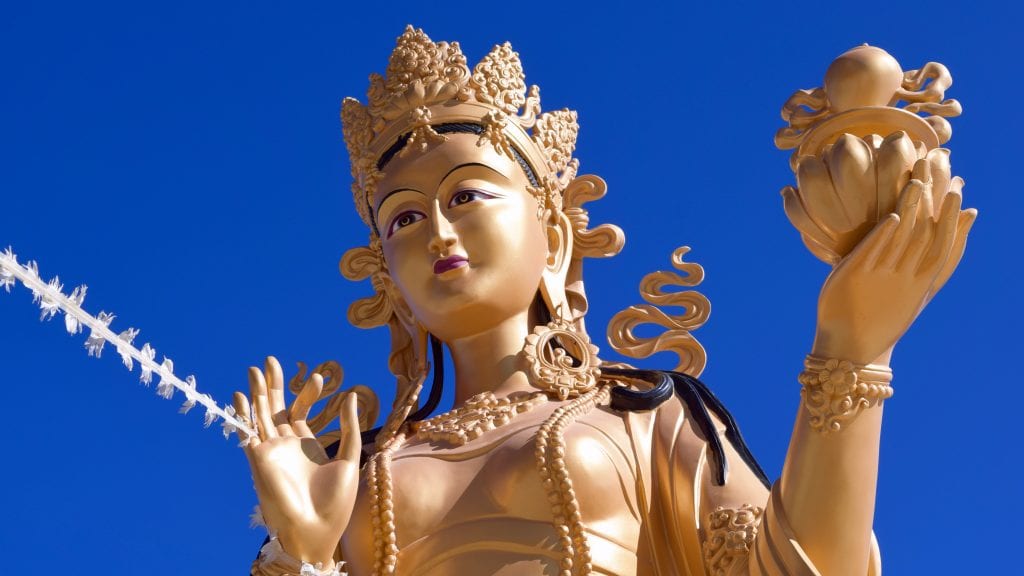
You should visit this place at different times to get the most out of it. On a cloudy day, it looks very different compared to a sunny day. At night, the statue is illuminated with light, giving it a wonderful look.
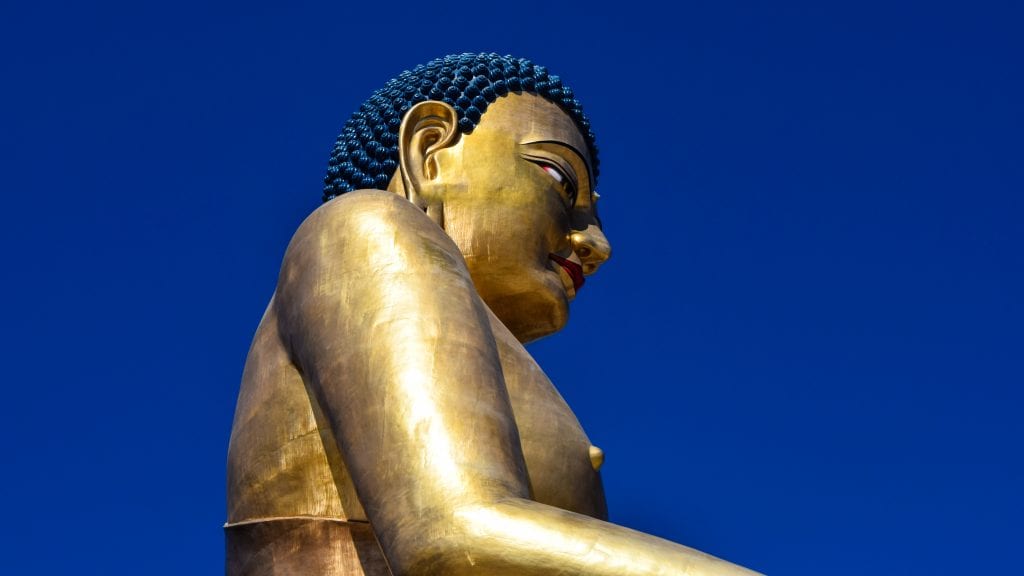
The statue is huge — about 52 metres tall, roughly 30 times taller than me! When you go there, you’ll sense the sheer scale of it. You can also enjoy a beautiful panoramic view of the Thimphu valley from the complex.
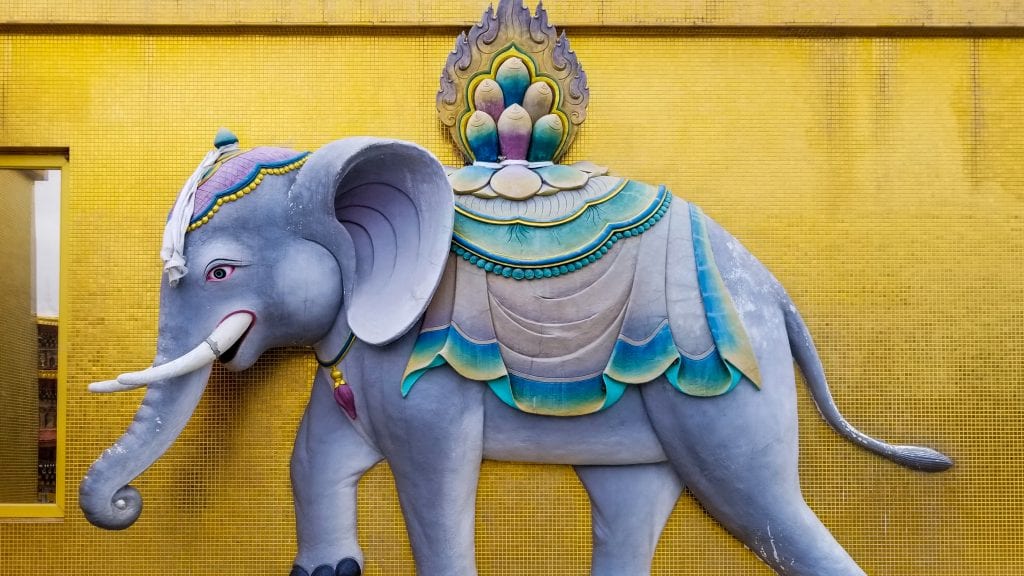
To me, Buddha Dordenma is an underrated statue. People don’t know much about it, and they should! This is not only one of the best places to visit in Thimphu but one of the most precious things in all of Bhutan.
💡 Visit at sunset if you can. The golden statue against the fading light over the Thimphu valley is a genuinely different experience from a midday visit.
Opening Hours
9:00 AM to 5:00 PM (closed Monday and national holidays).
Tashichho Dzong
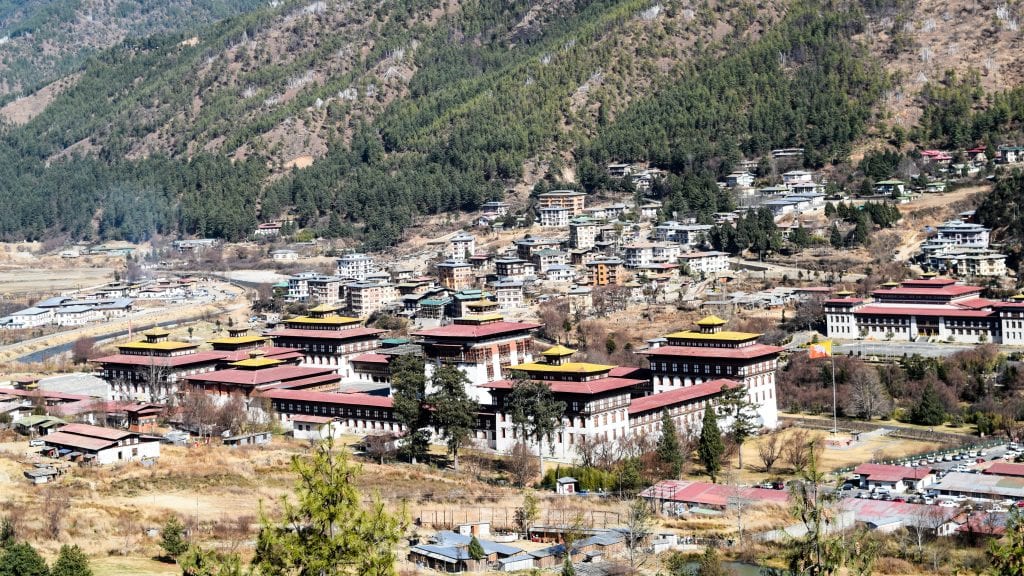
Bhutan has some majestic Tibetan-style monasteries. Although I loved Punakha Dzong more, Tashichho Dzong is also majestic and one of the most (as well as most essential) places to visit in Thimphu. If you go there in the harvesting season, you will see the Dzong surrounded by paddy fields, with the mountains giving it a fascinating background.
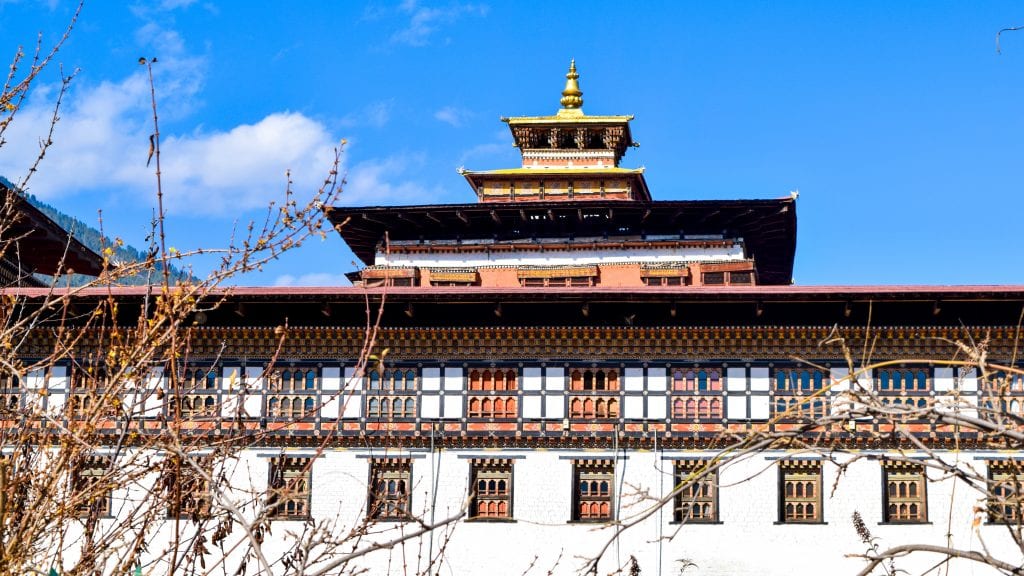
The Dzong is a traditional piece of architecture and was originally built as a fortress. Tashichho Dzong is white and red and now hosts the government offices of Bhutan as well as functioning as a monastery. There are two separate entrances leading to the monastery and the office. If a Bhutanese person doesn’t wear their traditional dress, they cannot enter a Dzong.
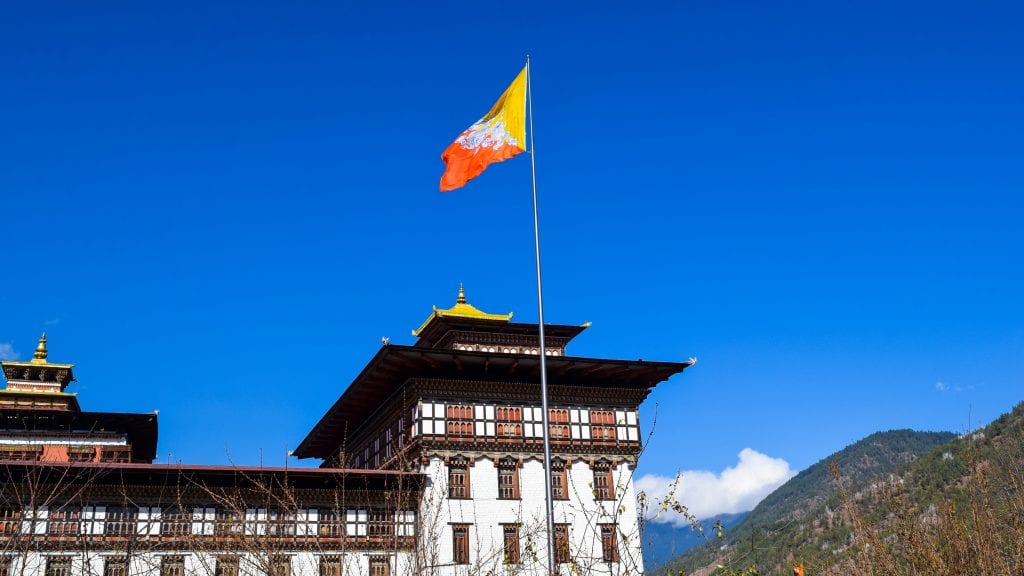
Tashichho Dzong can be considered one of the finest examples of Bhutanese architecture. Unlike the skyscrapers of conventional cities, it looks grand and majestic. The original site dates back to 1216, when a smaller fortress called Dho-Ngon (Blue Stone) Dzong stood here. The dzong has been rebuilt and expanded many times over the centuries, including after fires and an earthquake. The current structure was rebuilt in the 1960s under the third king in traditional Bhutanese style, using no nails at all — an extraordinary feat of traditional carpentry that’s easy to miss if you don’t know to look for it.
Read before you go
Since it’s an active government building, public access to Tashichho Dzong is limited. Visitors are generally admitted in the early evening on weekdays once government offices close, with fuller access on weekends and holidays. Confirm the current schedule with your guide, since it does shift, and expect modest dress requirements and restrictions on cameras inside.
Changangkha Lhakhang
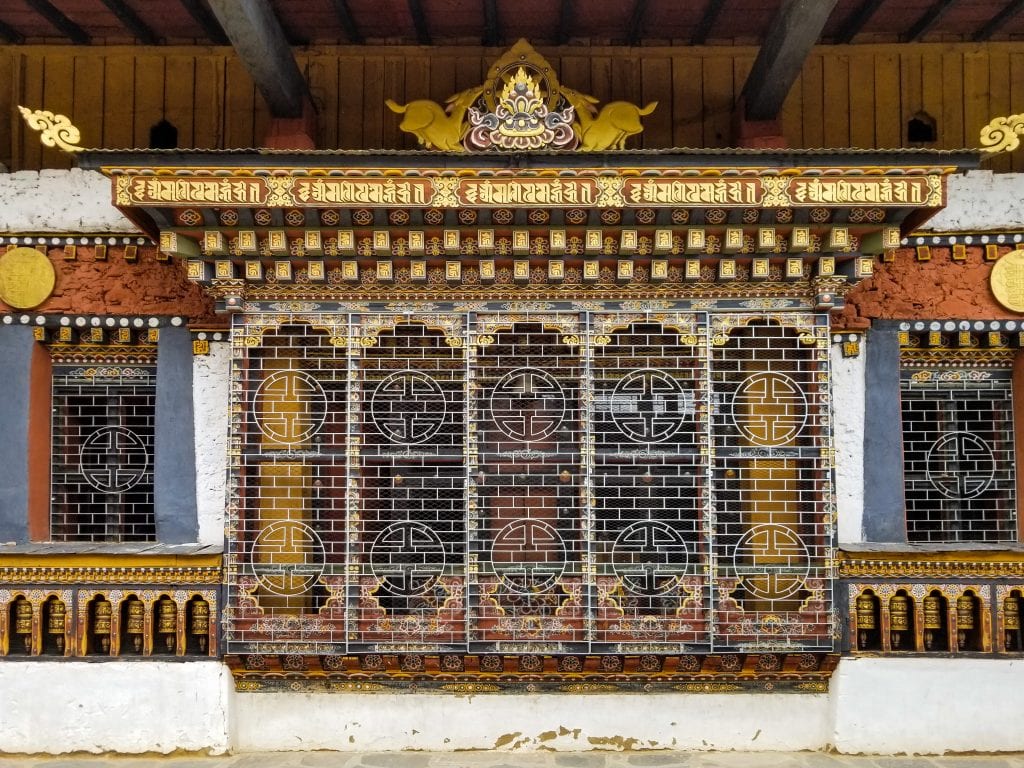
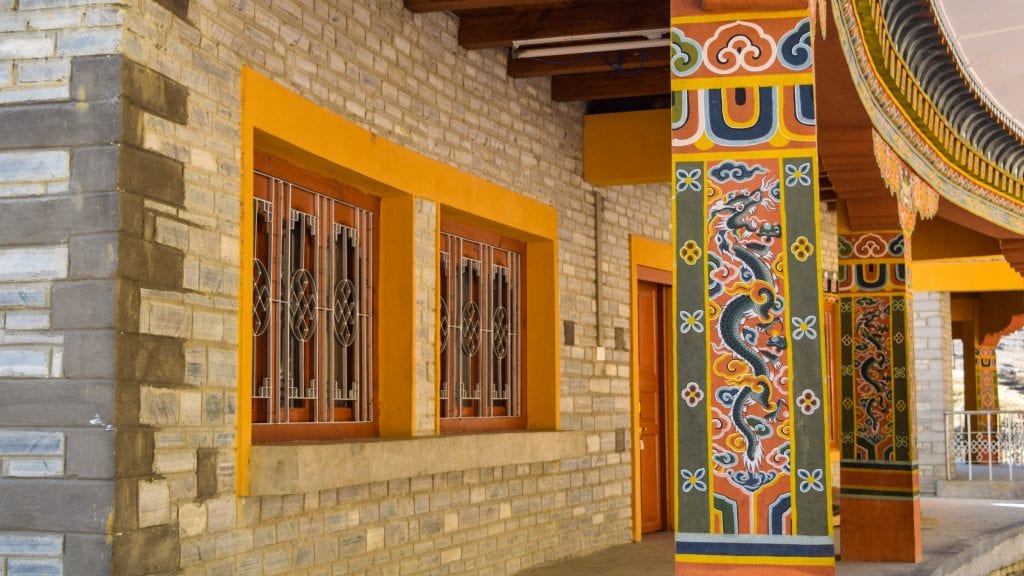
Changangkha Lhakhang is a temple in Thimphu. The amazingly beautiful setting of this temple makes it one of the most attractive places to visit in Thimphu. This ancient temple perches like a fortress just beside a river in Thimphu. The Bhutanese believe it to be a wish-fulfilling temple. You need to climb stairs to reach the top of it. Don’t forget to whirl the numerous small prayer wheels once you’re there. Like many other Bhutanese buildings, it has a dominance of white and red, with gold making up a major part of its design. Changangkha Lhakhang is a calm and peaceful place, as not many people visit here.
Visiting Hours
6:00 AM to 6:00 PM
Royal Takin Preserve
The Takin — a goat-like animal with heavy fur and strong horns — is the national animal of Bhutan. This is a rare animal, seen in only a few places in the world, all at higher altitudes. Royal Takin Preserve (also known as the Motithang Takin Preserve) is the place where you can spot them.
Initially, this place was a designated zoo for the Takin. However, two things led to the zoo being dismantled: inside a zoo, the Takin were not moving freely and were losing their natural characteristics, and the king of Bhutan found it cruel to confine the animal there. That’s why the Takins now live in open space.
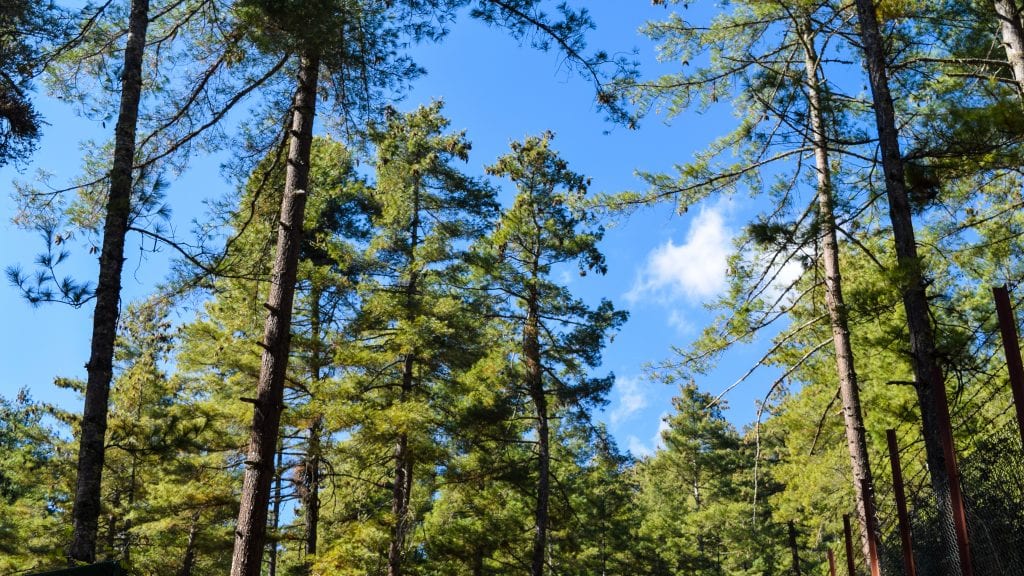
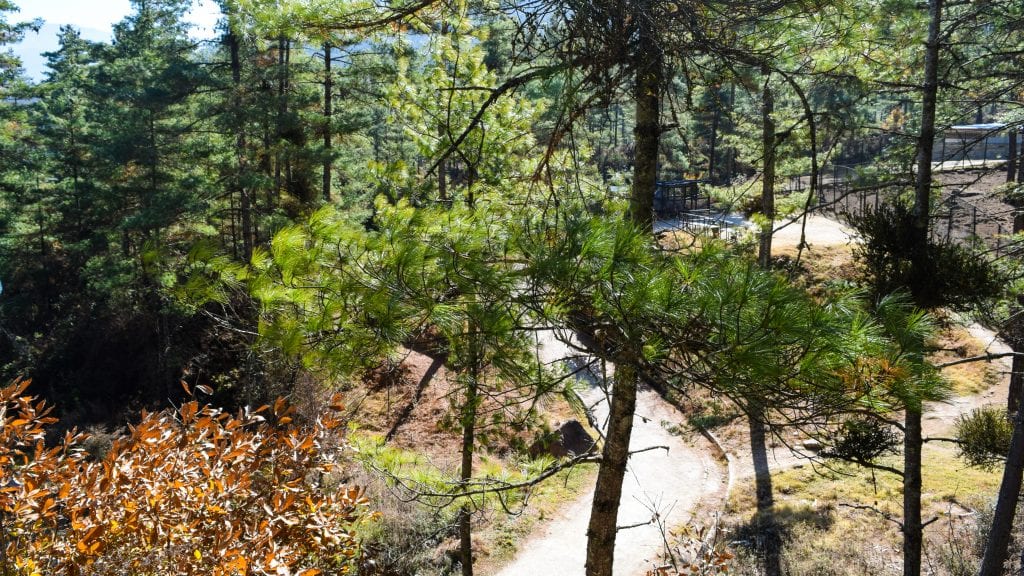
As the Takins are not confined in a cage, it’s difficult to spot them since the area is quite large — about 8 acres. Your best chance of seeing them is in the morning near the fence when they’re being fed. It also offers some good hiking trails through the forest amid greenery. As the land isn’t flat, I found it physically challenging to walk around — I’m sure you’re not as unfit as me!
💡 Go in the morning specifically for feeding time. Outside of that window, the Takins can be genuinely hard to spot across the 8-acre preserve.
Traffic Control of Thimphu
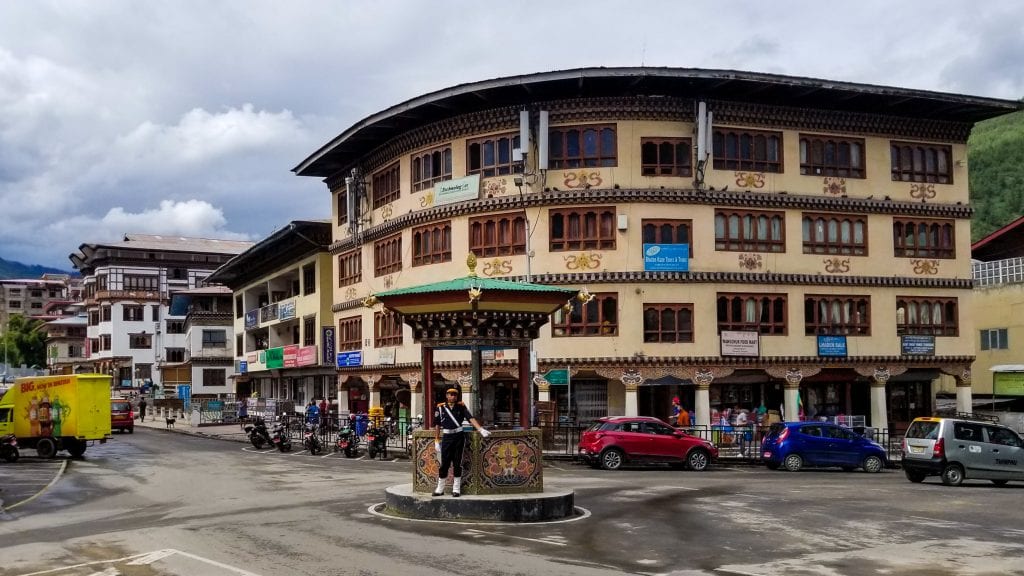
There are 195 capital cities in the world, and only two of them do not have any electronic traffic light. Thimphu is one of them. So when in Bhutan, don’t forget to visit the traffic control booth and witness something not many people would see in their lifetime.
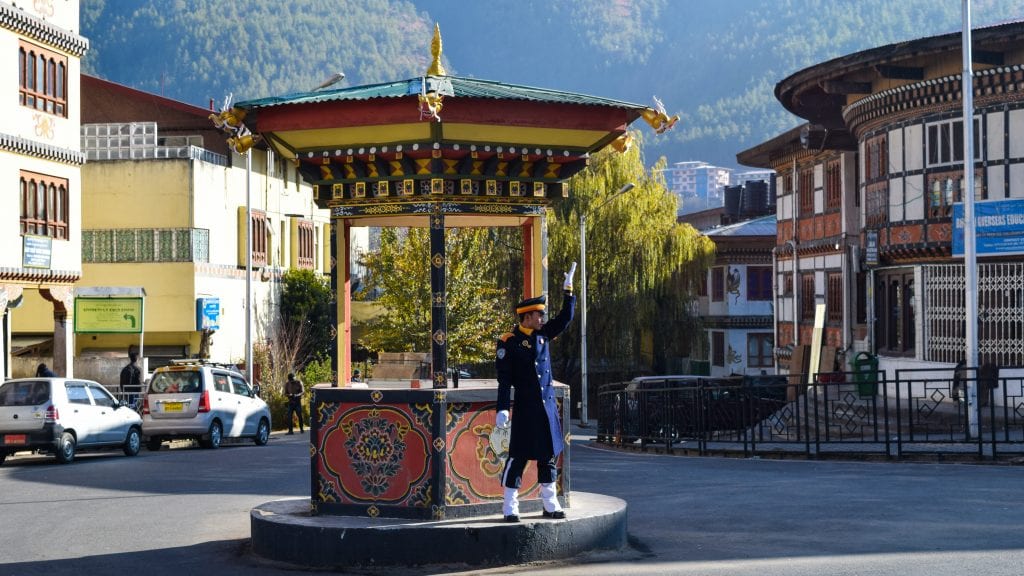
Traffic is handled manually by an officer. They continuously move their hands in different directions like a professional dancer performing on stage. It looks amazing! Traffic in Bhutan is so light that electronic traffic lights haven’t been necessary — it’s manageable with human interaction alone.
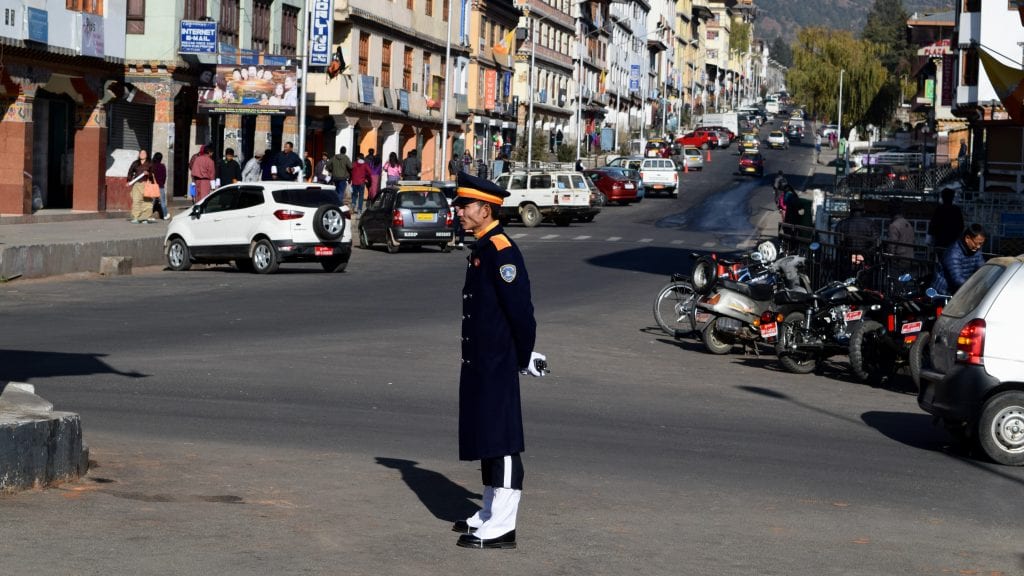
That said, Bhutan did once install traffic lights as a pilot project. The Bhutanese complained that they were too mechanical and preferred the human touch, so the project was scrapped, and I’m glad it was. Every time I visit Bhutan, I go to this spot to enjoy the live performance of the traffic police
Watch Archery in National Stadium
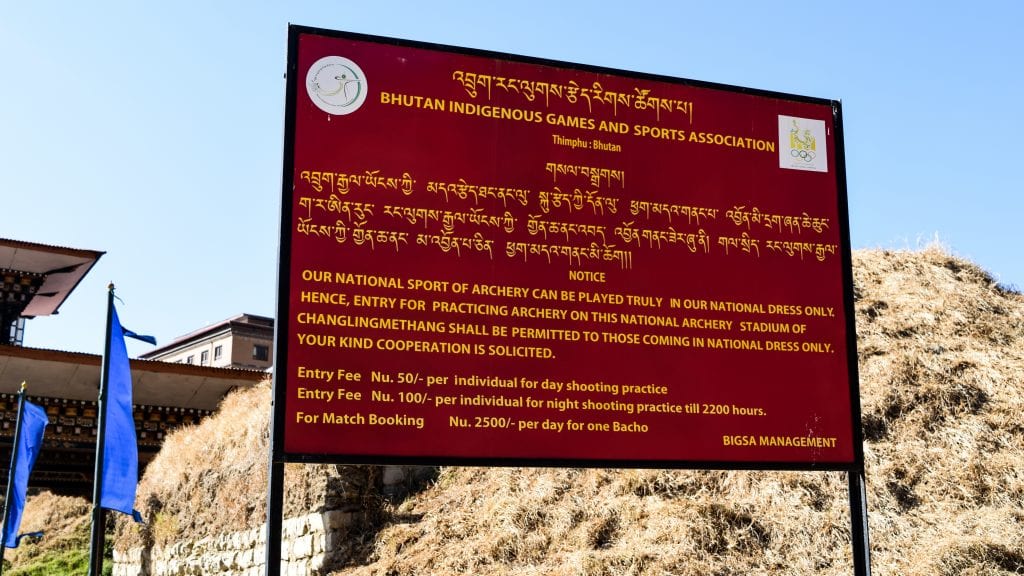
Archery is the national sport of Bhutan and a source of pride for the Bhutanese. Visit the Changlimithang Stadium and Archery Ground. You’ll see people practicing archery in Bhutanese traditional dress. It was a lot of fun watching, since the players were dancing and gently mocking each other between shots.
Thimphu Weekend Market
The market runs on the western bank of the Wang Chhu river, close to Changlimithang Stadium, from Friday through Sunday. Vendors begin arriving from across the country on Thursday, so the stalls are at their fullest and most varied from Friday onward. It’s the best single place in the city to get a real sense of everyday Bhutanese life — fresh produce, dried yak cheese, incense, handwoven textiles, and household goods, all traded the way they’ve been traded for generations. If your schedule allows a Friday, Saturday, or Sunday in Thimphu, build in time for this.
Find a hilltop and enjoy the surroundings
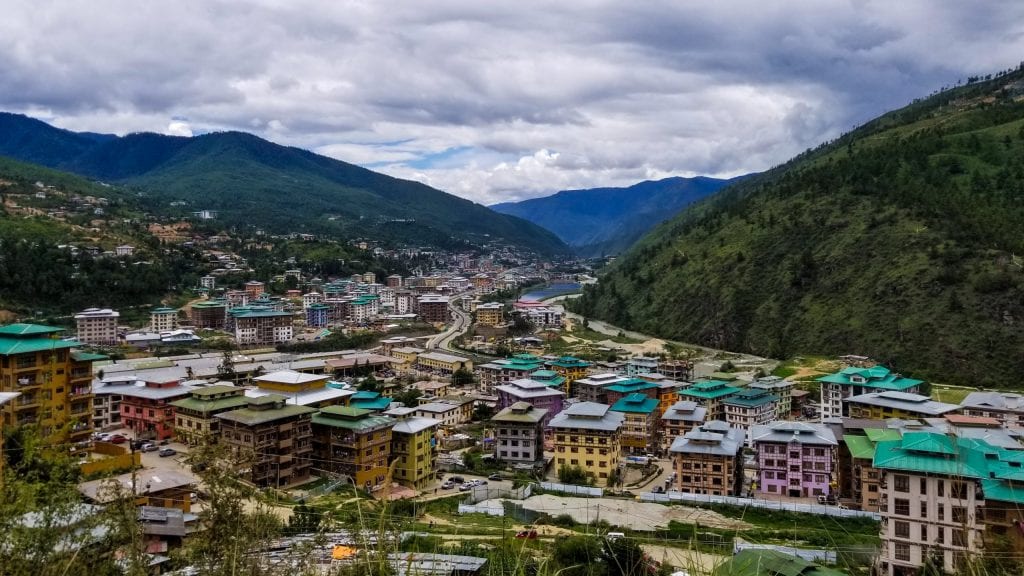
If you’re tired of seeing the Dzong, Chorten, and Dordenma of Thimphu, now is the time to stop and admire this beautiful capital. Just place yourself on a hilltop and sit. Don’t worry, you’ll find plenty of such spots. As time passes, admire the tranquility, the fresh air, the colorful buildings, the flowing rivers, the snake-like roads, and the green valleys.
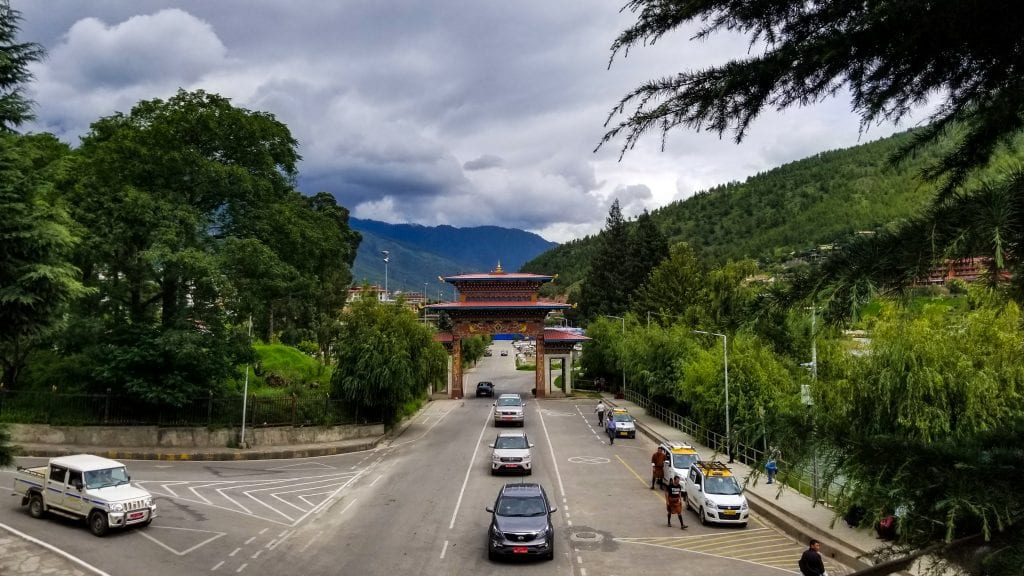
Wherever you look, you’ll find something interesting, like the Thimphu gate, or something refreshing, like a river, floating clouds, or eye-catching greenery.
A Walk in the Street of Thimphu
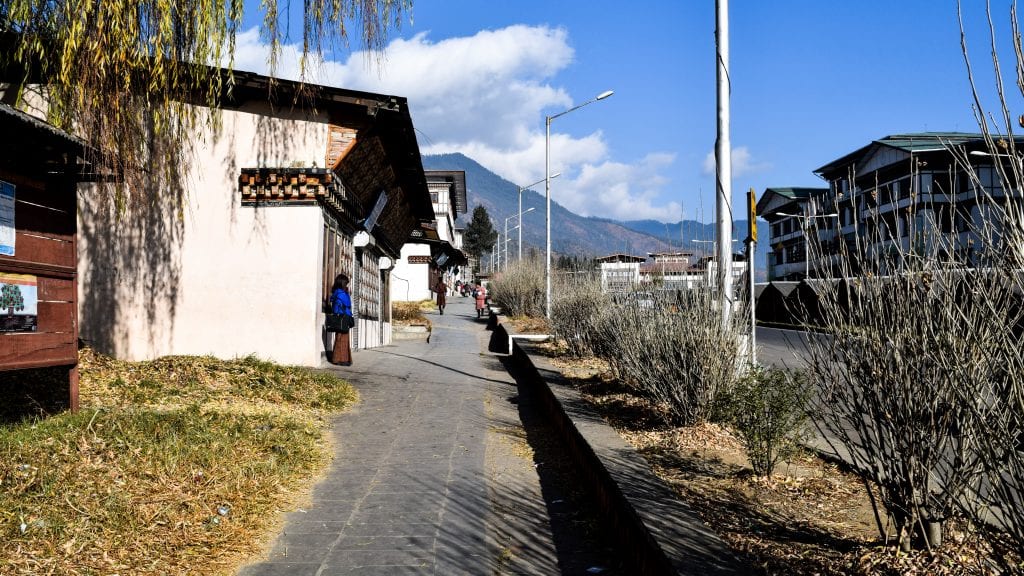
One of the best ways to explore Thimphu is to take a walking route starting from the Clocktower Square. This route covers some of the most popular places to visit in Thimphu. Continue toward the traffic circle, and an uphill walk will take you to the famous Swiss bakery.
From there, head toward the National Memorial Chorten — it’s a long walk. Then head back toward where you came from, taking a left at Jangchhub Lam. You’ll reach Droma Lhakhang. Spend some time there and visit the Thai Pavilion Park nearby. From there, get back to Norzin Lam (the main road) and visit Sephub Gyeltsen Tsongkhang to buy traditional clothes and prayer flags.
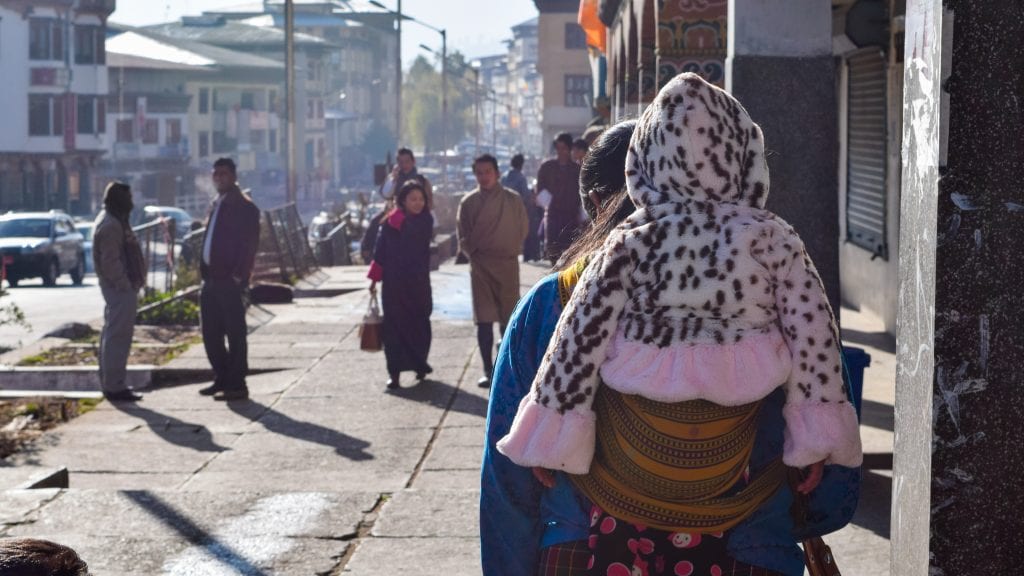
A short walk from there takes you to the National Handicrafts Emporium and the National Textile Museum. Your next stop is the Taj Tashi hotel, the most expensive, gorgeous, and out-of-the-world hotel in Bhutan. Don’t forget to grab a coffee there — it’s a good excuse to see the lobby.
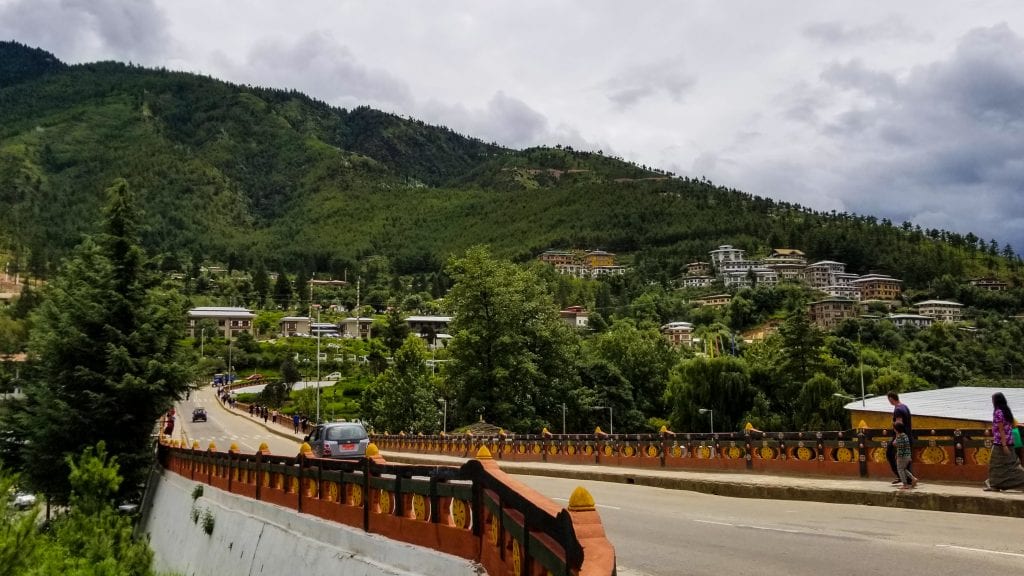
From the Taj Tashi hotel, head toward Chang Lam, cross it, and continue toward Chhogyel Lam. Before visiting the weekend market, stop by Zangto Pelri Lhakhang. Spend some time beside the Wang Chhu river. End your walking tour at the Changlimithang Archery field.
A 1 to 2 Day Suggested Itinerary
One day: Start early at National Memorial Chorten, then Buddha Dordenma mid-morning, followed by the Takin Preserve. Spend the afternoon on the Clocktower Square walking route, timing your visit to the traffic control booth for whenever traffic is busiest. If it’s a weekday, aim to reach Tashichho Dzong in the early evening once government offices close.
Two days: Split the above across two days at a slower pace, and add the Weekend Market if your dates fall on a Friday, Saturday, or Sunday, plus a proper hilltop sunset from one of the viewpoints above the city.
Some other Places to Visit in Thimphu
Beyond everything above, a few more spots worth knowing about:
- Tango Goemba — a popular monastery outside the city center, a good half-day trip if you have extra time
- National Institute for Zorig Chusum — a school teaching Bhutan’s traditional arts, where you can watch students practicing painting, woodwork, and embroidery
- National Textile Museum — a deeper look at traditional Bhutanese weaving and dress, if the walking tour above only gave you a glimpse
Where to Stay in Thimphu
Thimphu’s hotel scene ranges from basic clock-tower-adjacent guesthouses to genuinely excellent boutique and luxury properties. Here’s an honest, research-backed breakdown by category.
The Top-Tier Luxury Pick
Pemako Thimphu — This is the hotel you may know as the Taj Tashi, which split from the Taj/IHCL group in 2023 and was rebranded by Bhutan’s own Tashi Group. Same striking dzong-style building in the heart of town, same 66 rooms and suites, still widely regarded as the best hotel in the capital — reviews right through 2026 consistently call it the finest place to stay in Thimphu. Expect an indoor heated pool, a full spa, multiple restaurants covering Bhutanese and international cuisine, and the kind of five-star polish that comes with genuine institutional history. If budget isn’t a constraint, this is the one to book.
Best Boutique Pick
The Pema by Realm is the best boutique option below Pemako’s price point. A 4-star hotel near Clock Tower Square with the country’s first open rooftop bar, two restaurants, a spa, and years of consistently excellent reviews across every major platform — travellers repeatedly describe the service as exceeding the star rating. Most of Thimphu’s landmarks are a 15-minute walk away. If Pemako is out of budget, this is the next best call.
Excellent Central Options
Drukgyal Twin Tower Hotel — Genuinely outstanding reviews, largely thanks to direct views of Tashichho Dzong, the Buddha Dordenma, and the Thimphu valley from many rooms and balconies. Comfortable, well-equipped, and the owner is personally praised by name in reviews for going out of his way for guests. Slightly quieter side of town, no elevator.
The Willows Hotel, Bhutan — A newer 3-star hotel just 350 metres from the city centre, right across from the Archery Stadium. Consistently rated 8.8+ across booking platforms, with reviewers repeatedly calling it the best value in Thimphu. Comfortable rooms, genuinely warm staff, and a location you can walk almost everywhere from.
The Capital Hotel Thimphu — A modern 4-star option in the business district, a 4-minute walk from the Weekend Market and 9 minutes from Clock Tower Square. Ranked in the top 20 hotels in Thimphu on TripAdvisor with consistently strong reviews for cleanliness and service. Good spa facilities if you want a bit more comfort after a day of sightseeing.
Best for Views
Jambayang Resort — Perched on a hillside overlooking the entire Thimphu valley, with a distinctive open-air layout and consistently glowing reviews for both the panoramic views and the staff’s fluent English and hospitality. A genuinely lovely spot to watch the sunset over the capital.
Lemon Tree Resort, Thimphu — Note this is the hillside resort property (about 16 minutes from town), not the city-centre Lemon Tree Hotel. A peaceful, nature-set retreat with excellent hospitality reviews, though a little removed from walkable sightseeing — best if you have your own transport or don’t mind a short taxi ride each way.
Good Central Budget Options
Bhutan Boutique Residency — A 3-star hotel right in the city centre, a short walk to the market and nightlife. Spacious rooms for the price, generally warm reviews, though it’s worth noting reviews are mixed on billing communication with tour agencies — confirm your payment is settled directly before checking out.
Hotel Shantideva — About as central as it gets — practically on Clock Tower Square itself. Basic but clean, all-vegetarian restaurant, and a genuinely convenient base for a short stay. Note the hotel gate closes around 11pm, worth knowing if you’re planning a late night out.
Ludrong Hotel — Well-reviewed for its mountain-view terrace, sauna, and fitness facilities, in the Langjophakha area a short distance from the centre.
Gakyil Thimphu — Central, near Clock Tower Square, with a solid multi-cuisine restaurant (guests particularly praise the vegetarian options). Reviews are mixed — some genuinely warm, others more middling — so treat this as a reasonable fallback rather than a first choice if the options above are unavailable on your dates.
A Niche Pick Worth Knowing
Khamsum Inn — One of the only fully vegetarian hotels in Thimphu, with a genuinely dedicated following among vegetarian, vegan, and Jain travellers. Central location near Clock Tower Square. Reviews describe it as a solid, if unremarkable, budget option — book this one specifically if strict vegetarian dining matters to your trip, rather than for the room quality alone.
A location note on two properties:
Hotel White Tara and Hotel Silverpine are both perfectly comfortable 3-star hotels with decent reviews, but both sit in the Olakha area on the outskirts of town rather than within walking distance of the main sights — you’ll want a taxi to get in and out. Fine if you have your own transport arranged, less convenient if you’re planning to explore on foot.
Frequently Asked Questions
Is Thimphu worth visiting?
Yes. As Bhutan’s capital and largest city, Thimphu is the natural base for most visitors, combining Tashichho Dzong, Buddha Dordenma, the National Memorial Chorten, and the famous hand-directed traffic control in one compact area, alongside easy access to Punakha and Phobjikha Valley.
How many days do you need in Thimphu?
One full day covers the main sights comfortably. Two days allows a more relaxed pace with time for the Weekend Market, a hilltop walk, and the walking tour through the city center.
Can tourists visit Tashichho Dzong?
Yes, though access is limited since it’s an active government building. It’s generally open to visitors in the early evening on weekdays once government offices close, with fuller access on weekends and holidays. Confirm current hours with your guide, since these do shift.
When is the Thimphu Weekend Market open?
Friday through Sunday, on the western bank of the Wang Chhu river near Changlimithang Stadium. Vendors from across the country begin arriving Thursday, so the stalls are fullest from Friday onward.
Why doesn’t Thimphu have traffic lights?
Bhutan trialled electronic traffic lights as a pilot project, but residents found them too mechanical and asked for them to be removed in favor of hand-directed traffic control. Thimphu remains one of only two capital cities in the world without a single traffic light.
Planning Your Bhutan Trip
- 🕌 Book a 5 days 4 nights Bhutan Trip on Klook
- ✈️ Full guide: Paro Airport Landing in Bhutan
- 🚗 Full guide: Paro Airport to Thimphu
- 🏛️ Full guide: Places to Visit in Punakha
- 🏔️ Full guide: Phobjikha Valley

Leave a reply