
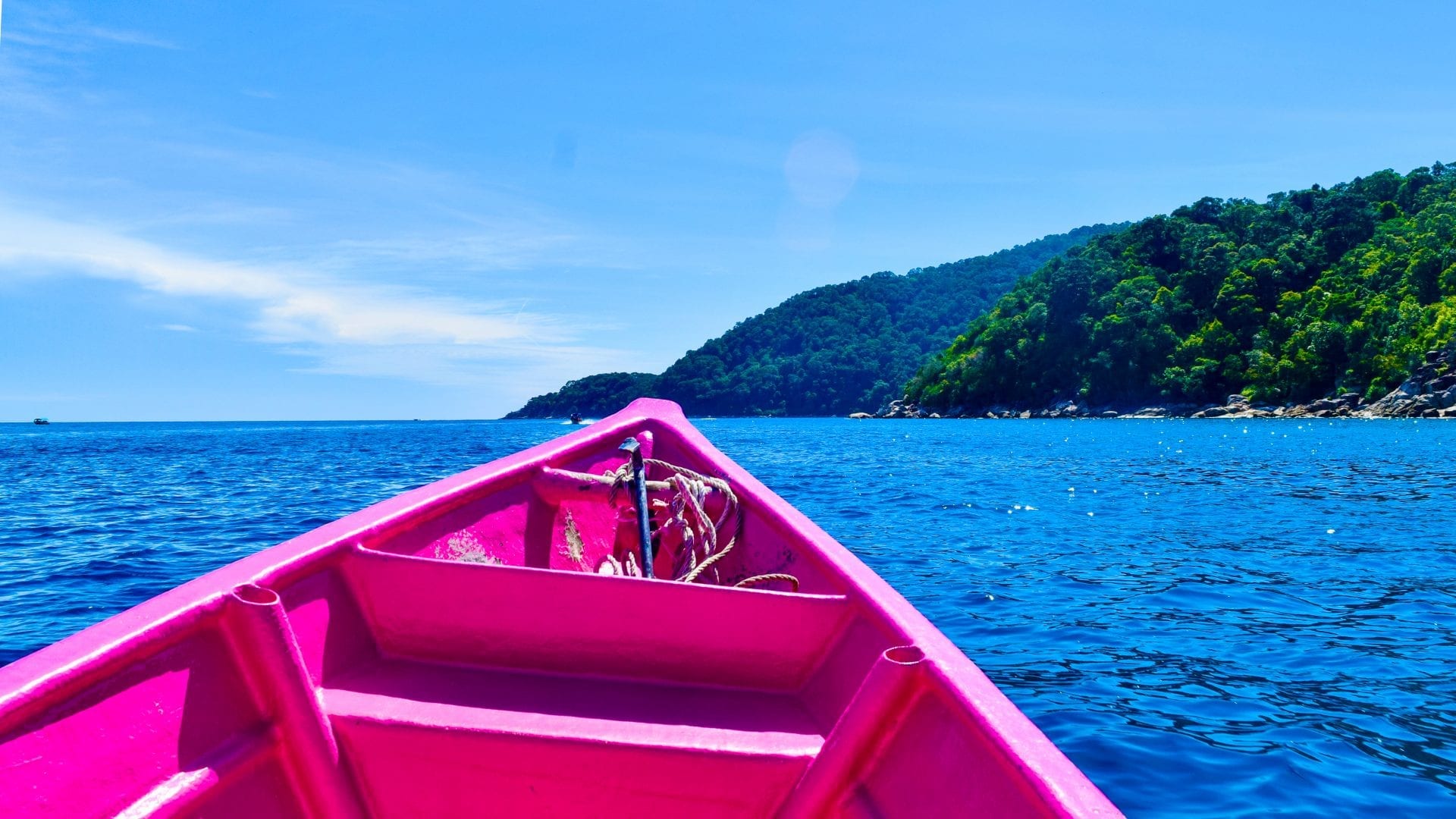
Far from major towns, in a remote corner of northeast Malaysia, sit two small islands with some of the clearest water I have ever swum in. Palm trees, thick jungle, and a version of island life with no roads, no cars, and barely any noise beyond the waves. If you are an adventure seeker who loves nature, things to do in Perhentian Islands could fill several very happy days. Langkawi might be the more famous Malaysian island, but the Perhentians are the more beautiful one.
The Perhentian Islands are actually two islands: Perhentian Besar (the big one) and Perhentian Kecil (the small one), a short water taxi ride apart. Here is everything worth doing on both, plus the practical details — cost, timing, and the monsoon closure that catches a lot of first-time visitors off guard — that will make your trip go smoothly.
Perhentian Islands at a Glance
- 📍 Location: Off the northeast coast of Peninsular Malaysia, Terengganu state
- 🏝️ Two islands: Perhentian Besar (quiet, families) and Perhentian Kecil (social, backpackers)
- 🛥️ How to get there: Boat from Kuala Besut jetty, 30–45 minutes
- 💰 Marine park fee: RM30/adult, RM15/child — cash only, paid at the jetty
- 🗓️ Recommended stay: 3–4 days
- ☀️ Open: March to October only — closed for monsoon November to February
- 🏧 Cash: No ATMs on the islands — bring enough with you
- 🚗 Getting around: No roads or cars — walking paths and water taxis only
Perhentian Kecil vs Perhentian Besar: Which Island Should You Choose?
Before anything else, it helps to know which island fits your travel style, since where you base yourself shapes the whole trip.
| Perhentian Kecil (Small Island) | Perhentian Besar (Big Island) | |
|---|---|---|
| Atmosphere | Lively, social, backpacker-heavy | Quieter, more relaxed |
| Best for | Solo travelers, backpackers, couples wanting nightlife | Families, couples wanting peace |
| Main beaches | Long Beach, Coral Bay, Keranji Beach | West Beach, Teluk Dalam, Tuna Bay |
| Nightlife | Beach bars, fire shows on Long Beach | Very limited |
| Accommodation | Budget hostels and chalets | Mid-range resorts, family-friendly hotels |
| Getting around | Walking paths connect most beaches | Some beaches need a water taxi or hike |
Many visitors stay on one island and take a water taxi across to explore the other for the day, which is exactly what I did.
Best Time to Visit Perhentian Islands
The islands physically close for part of the year
From roughly November to February, the northeast monsoon brings rough seas and heavy rain. Most resorts shut down, ferry services stop running, and the islands are, for practical purposes, closed to tourists. This is not a minor seasonal dip — plan your trip outside this window entirely.
March to October is when everything is open. Within that window:
- July and August are peak season — the best underwater visibility, the busiest beaches, and the highest prices
- April, May, June, September, and October are the shoulder months — still good weather, noticeably fewer crowds, and better value on accommodation
I’d point most travelers toward the shoulder months unless you specifically want the peak-season energy.
How to Get to Perhentian Islands
The islands have no airport, so every visit starts the same way: fly or take a bus/train to the Terengganu/Kelantan coast, then catch a boat from Kuala Besut jetty.
In brief: most travelers fly into Kuala Lumpur first, then continue by bus or flight to the Kuala Besut area, before taking a 30–45 minute boat to the islands. Speedboats and the covered ferry both run regularly, with a return boat ticket typically costing around RM70. Expect to wade through shallow water when boarding and disembarking, since there’s no proper pier on either island.
Book your Kuala Besut Jetty to Perhentian Islands ferry ticket in advance — this saves you queuing and negotiating at the jetty itself, especially useful in peak season when boats fill up fast.
I’ve written a full, detailed breakdown of every route and cost — flights, buses, taxis, and the jetty itself — in a dedicated guide:
👉 Read the complete guide: Kuala Lumpur to Perhentian Islands
Bring cash before you reach the jetty
There are no ATMs at Kuala Besut or on either island. You’ll need cash for the RM30 marine park conservation fee (RM15 for children), the boat ticket, and pretty much everything once you arrive. The nearest bank is roughly a kilometre from the jetty — sort your cash out well before you get there.
Best Things to Do in Perhentian Islands
Scuba Diving – Top Thing to Do in Perhentian Islands
Perhentian Islands and diving are synonymous! Perhentian Islands is a paradise for scuba divers. My first scuba diving experience was there. It has a visibility of about 20 meters. You will be able to see a different world once you dive under the water. Besides colorful fishes, you will see turtles and sharks (of course if you are lucky).
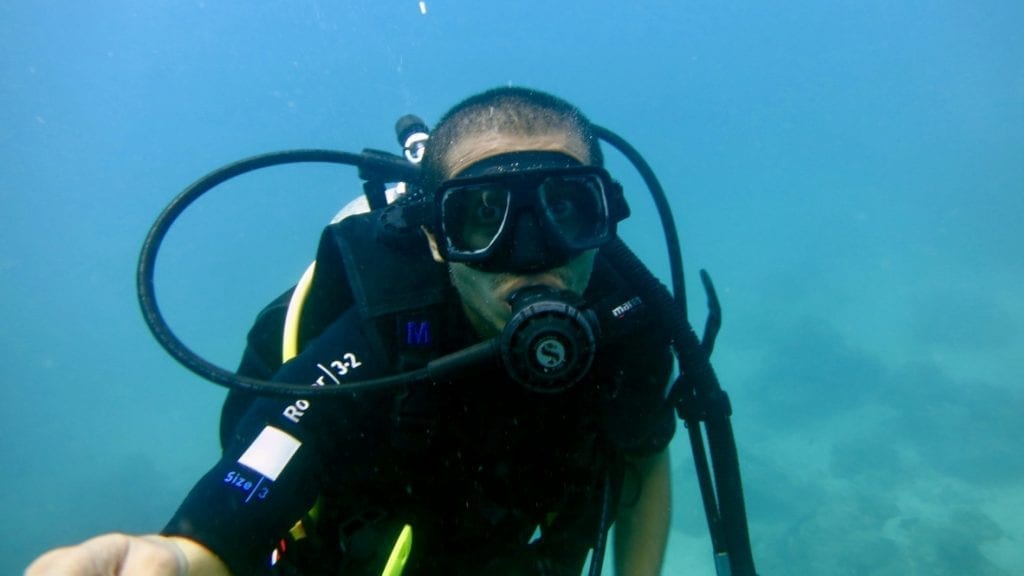
As I am not a certified diver, I had to go to a diving agency for diving. I followed the recommendations of Lonely Planet Malaysia and chose Pro Diver’s World in Coral View Resort. While they are a bit expensive compared to others, they satisfied me with their services. My instructors were from Europe. They are certified PADI instructors and move to different countries, doing part-time jobs with a scuba diving operator so they can dive more with people like me.
Book a guided Scuba diving experience in Perhentian Islands
We were supposed to dive to 10 meters, however, I could only make it to 5 to 7 meters at most. It gave me a good idea of the colorful world. Many people ask if you need to know how to swim for scuba diving. Well, although the answer might be very obvious to you, it’s worth searching, the result might surprise you.
For those who want to go further than a single discovery dive, the islands are also one of the most affordable places in Southeast Asia to get PADI certified:
If you’re already certified and just want to get in the water, book the Perhentian Dive Extravaganza — 5 fun dives with a PADI 5-star dive center instead of a full course.
Beyond the general reefs, two dive sites worth knowing by name: Sugar Wreck, a sunken cargo ship that has become an artificial reef home to giant pufferfish and the occasional bamboo shark, and T3, a rocky pinnacle popular with more experienced divers. Ask your dive shop which sites are included before booking.
Snorkeling — Turtle Point, Shark Point & Coral Garden
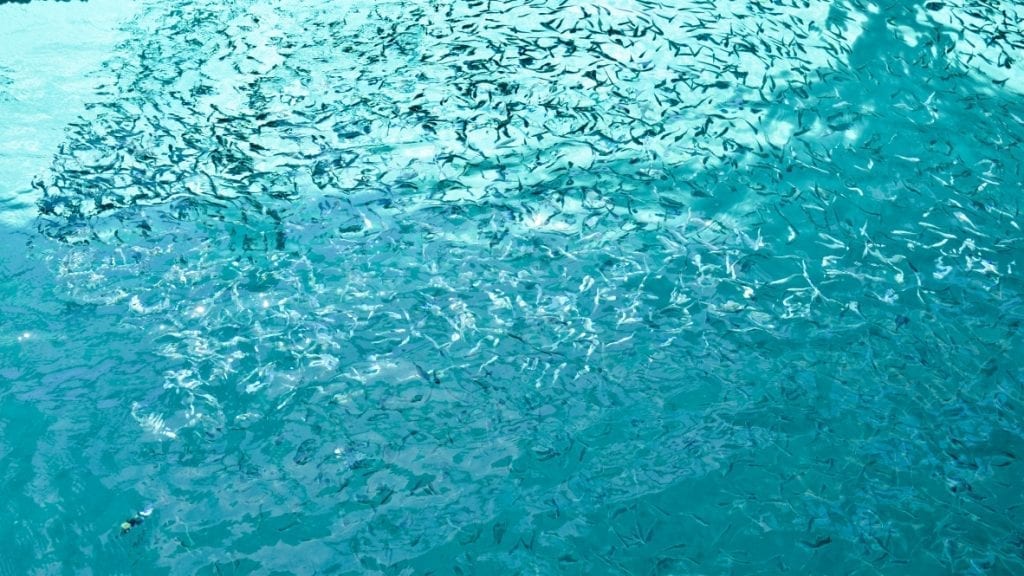
The water in the Perhentian Islands is astonishingly clear. When I was standing on the ferry pier, I could see a bunch of small fishes from above. If you are afraid of diving, or simply don’t want to for whatever reason, snorkeling gives you nearly as much of the underwater world.
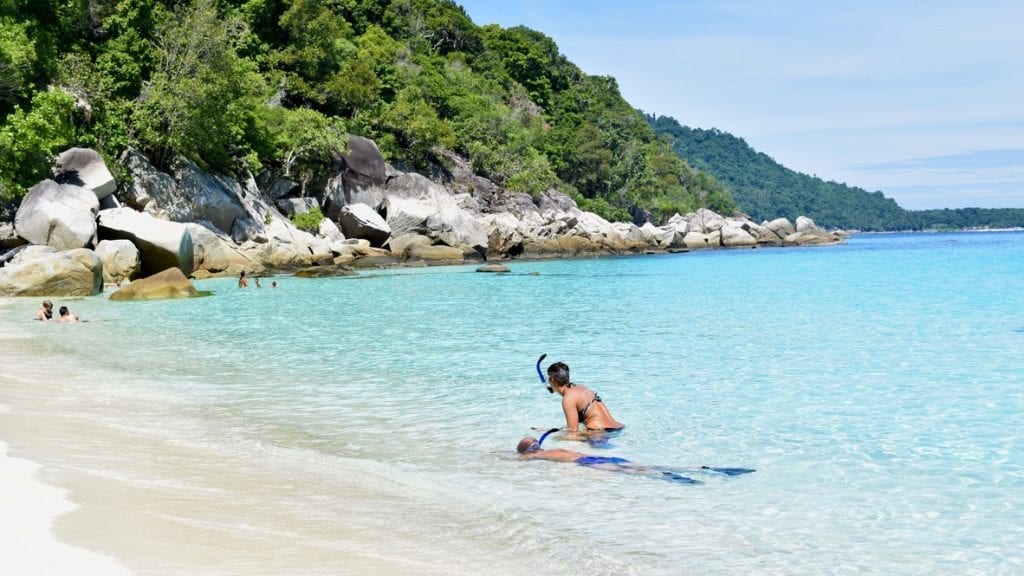
Most half-day snorkeling trips stop at three well-known sites, mainly around the southern end of Perhentian Besar:
- Turtle Point — shallow, calm water with a near-guaranteed sighting of green sea turtles grazing on the sandy seabed. The easiest and most beginner-friendly of the three.
- Shark Point — home to small, entirely harmless blacktip reef sharks. More of an adrenaline spike than an actual risk; they’re far more cautious of you than you are of them.
- Coral Garden — softer corals and smaller, more colourful reef fish, a gentler contrast to the other two stops.
A half-day boat trip covering all three typically runs a few hours and costs a modest amount per person, usually arranged directly through your resort or a dive shop on Long Beach.
Kayaking
Perhentian islands consist of two islands – Perhentian Besar (the big one) and Perhentian Kecil (the small one). You can take a kayak and go from one island to another, or alternatively just roam around in the open sea.
I did the kayaking from Besar and traversed along the edge of the sea. It was thoroughly enjoyable.
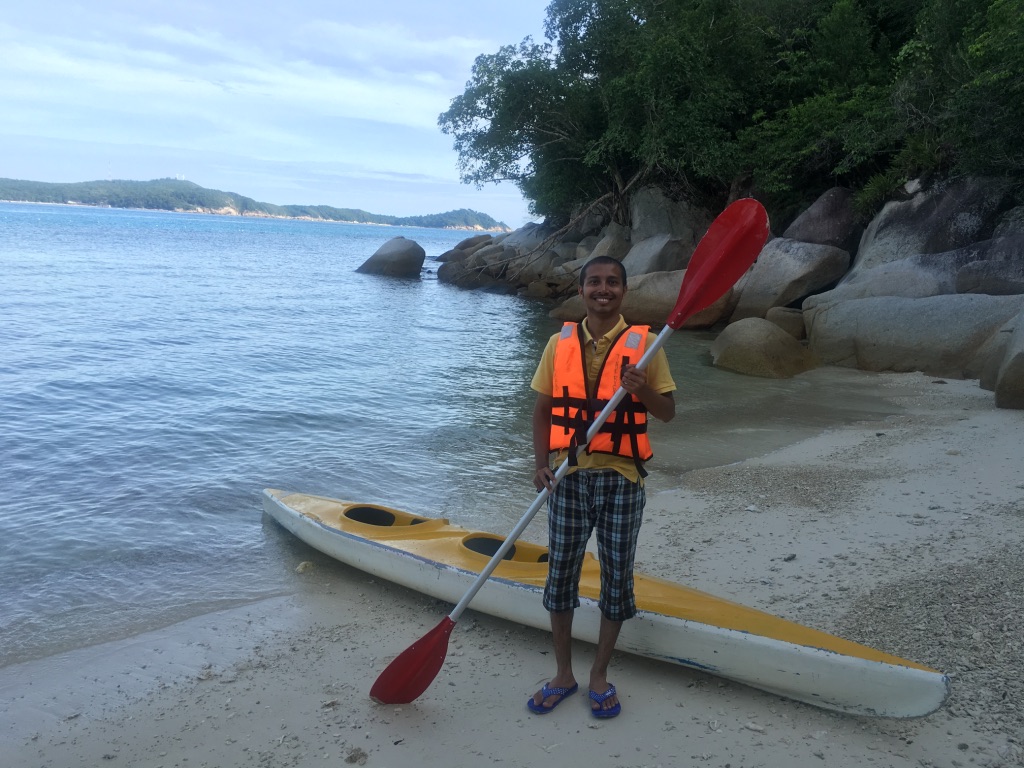
Kayaks can be rented by the hour from most resorts and beach kiosks, and are a good way to reach smaller coves that boats can’t easily access, like Romantic Beach on Kecil.
Relaxing on the beach
While there are two islands in the Perhentian Islands, there are several beaches on each one.
In Perhentian Kecil, notable beaches are Coral Bay, Long Beach, and Keranji Beach.
Long Beach is the most famous beach on the island. You will find plenty of backpacker hotels here. The sand on the beach is white, and the water is of wonderful quality. There are some bars, although they are not cheap. In fact, the Perhentian Islands are expensive compared to islands in Thailand.
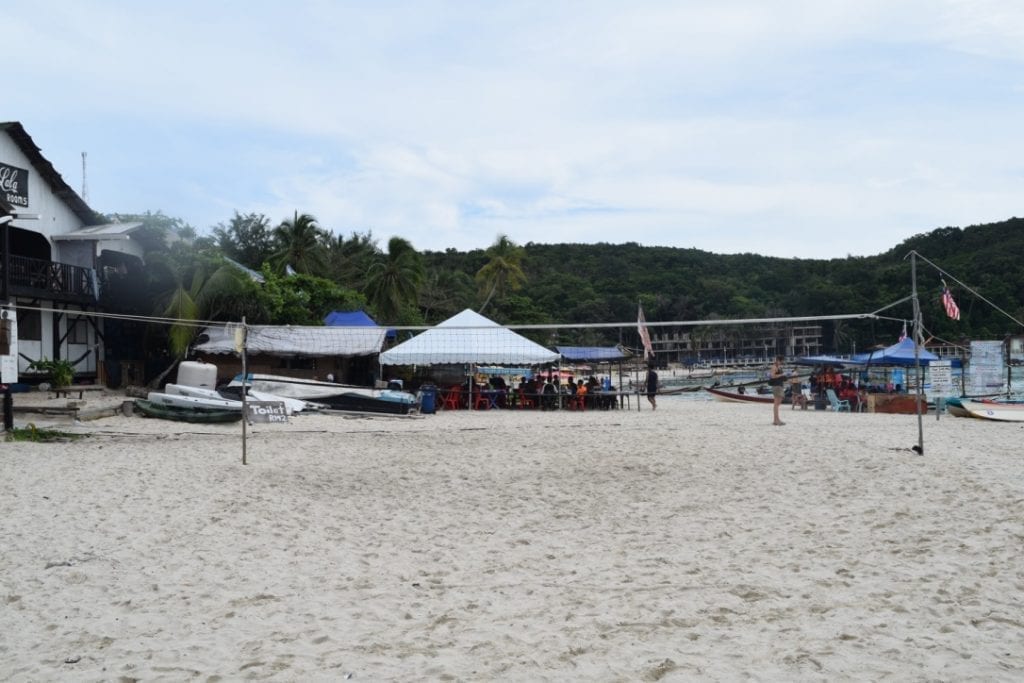
Coral Bay is the largest of all, and most of the hotels are placed there. As boats come to that beach, it can get busy around arrival times. Still, you can find a piece of space of your own somewhere.
Keranji Beach is far and less busy. If you want to spend some time on your own, you will find this beach suitable.
It’s possible to walk from Coral Bay to Long Beach in 10 to 15 minutes. You won’t find much light after sunset, so it isn’t wise to make that walk at night.
In Perhentian Besar, the notable beaches are West Beach, Teluk Dalam, and Tuna Bay.
I didn’t like West Beach much; it’s a short stretch with hotels and restaurants.
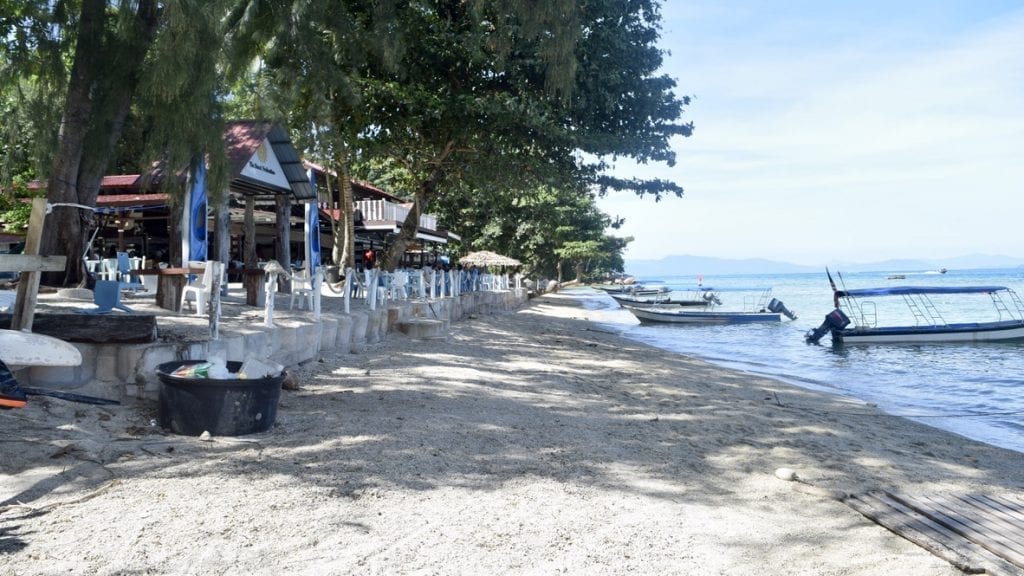
Teluk Dalam is nice, and my favorite in Perhentian Besar. It’s quite a long beach. If you go past Coral View Resort towards the beach, you’ll need to climb down a bit. There are palm trees at one end complemented by green jungle. The view on the way to Teluk beach is a treat for the eyes.
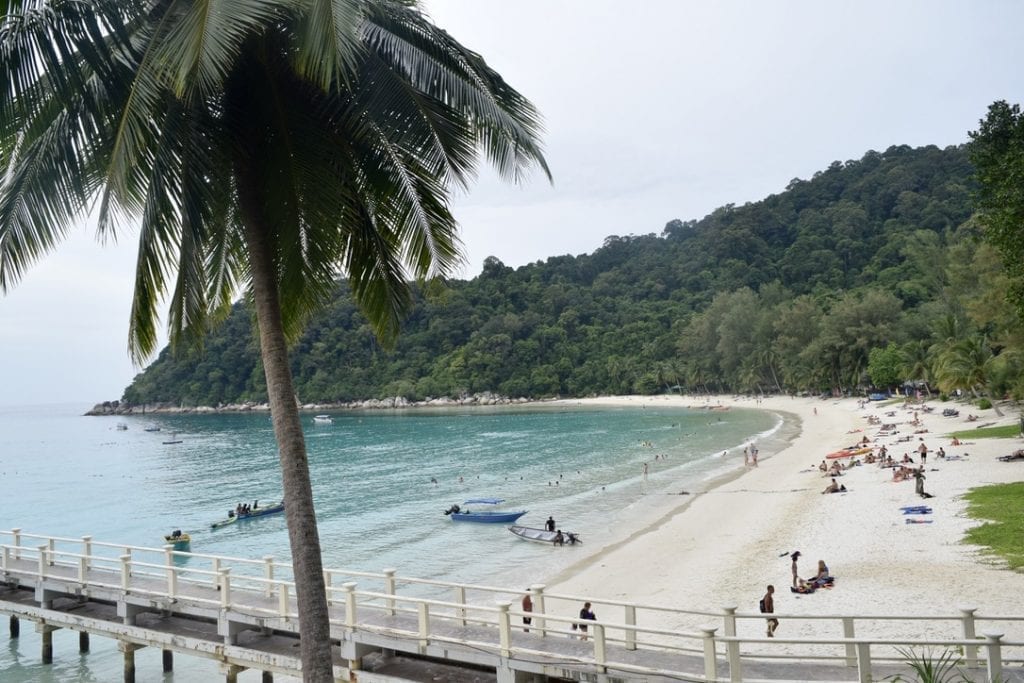
Hiking through the forest
If you get bored of the ocean and tired of beach-bumming, there are jungle trails on both islands. You enter the forest and follow marked paths, occasionally rewarded with a view of the island from above. Trails on Besar tend to be in better condition than those on Kecil.
The best-known hike on Kecil leads to Windmill Point, a jungle trail running from the back of Long Beach up to a hilltop where two disused windmills stand, with a genuinely spectacular panoramic view over both islands. It’s a steep climb of around 20 to 40 minutes depending on your pace.
caution
Sections of the old boardwalk and staircase near Windmill Point have been damaged by weather over the years and can be uneven or slippery. Wear proper shoes, never flip-flops, bring water, and take it slowly on the way down.
On Besar, a popular trail runs from Perhentian Island Resort to Teluk Dalam through dense tropical forest, where you might spot monitor lizards and the occasional monkey along the way.
Visiting Turtle beach
To me, Turtle Beach was the best beach on the island (although I could not spot any turtle there — only heard that there were turtles, but tourists had driven them away). You need to take a boat to reach it. The ride takes approximately 20 minutes and costs around RM 20.
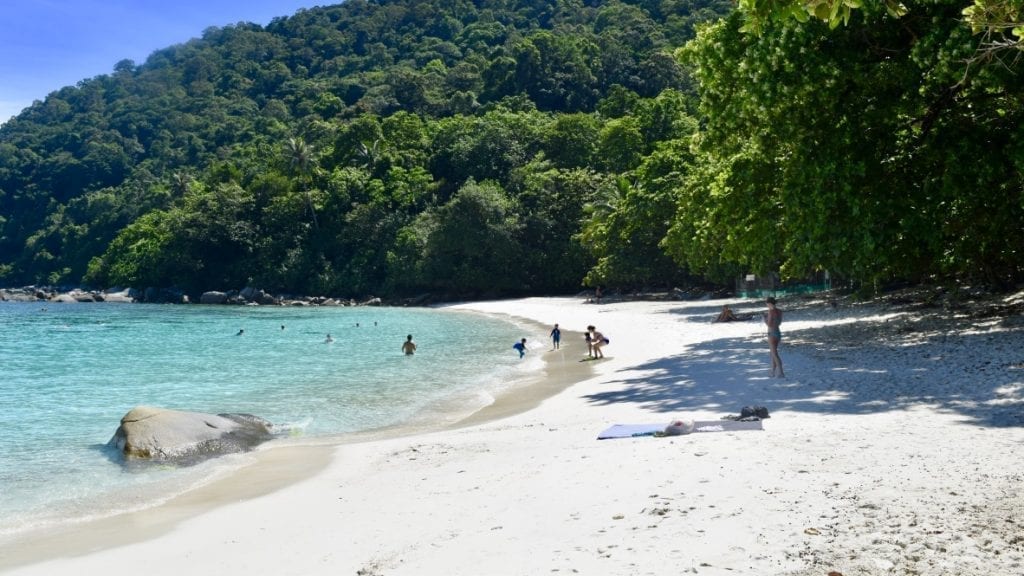
The water was turquoise blue there, the sand soft, and there were hardly any people. Most importantly, there is no establishment on the beach — no hotel, restaurant, or bar. That’s why you should bring food or water with you if you want to stay there longer.
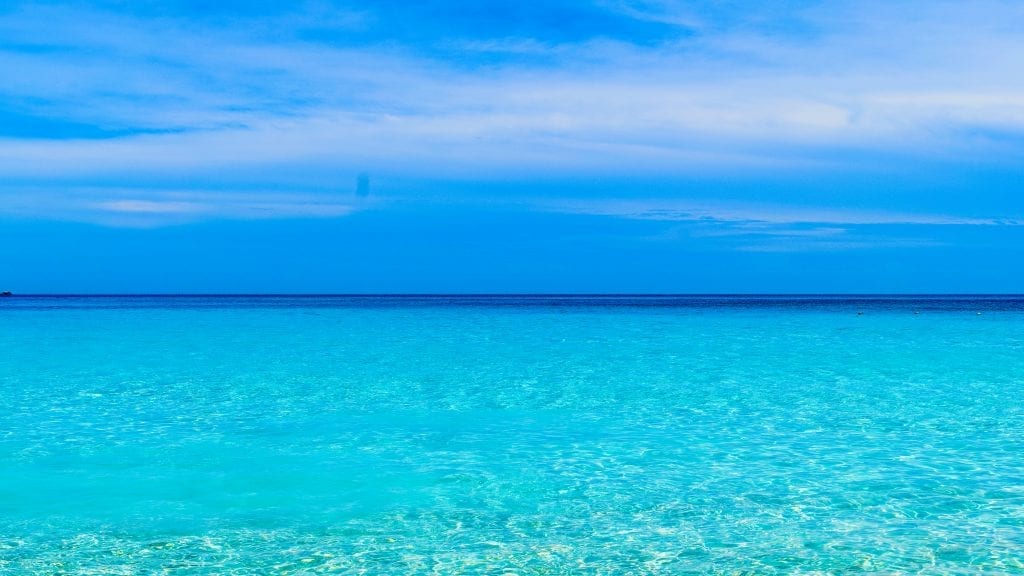
Once you’re there, you’ll want to stay as long as possible. Just make sure someone is picking you up later, otherwise you’ll be stuck in this piece of paradise (which, admittedly, is not the worst problem to have).
Are you convinced about visiting there?
A Suggested 3-Day Perhentian Islands Itinerary
Day 1: Arrival & Long Beach
Take the morning boat from Kuala Besut, check into your accommodation, and spend the afternoon settling in on Long Beach or Coral Bay. Watch the sunset from Coral Bay, one of the best spots on the island for it, then catch a fire show if one’s happening that evening.
Day 2: Underwater Day
Spend the morning on a snorkeling trip to Turtle Point, Shark Point, and Coral Garden, or book a discovery scuba dive if you’ve never tried it before. Rest in the afternoon, then take a water taxi across to explore Perhentian Besar’s beaches if you’re staying on Kecil.
Day 3: Hiking & Turtle Beach
Hike up to Windmill Point in the cooler morning hours for the best light and views, then spend the afternoon at Turtle Beach — bring your own food and water, since there’s nothing there but sand, sea, and quiet. Rent a kayak in the late afternoon if you still have energy left.
If you have a fourth or fifth day, this is a good moment to slow down entirely: no plan, just whichever beach looks best that morning.
Where to Stay in Perhentian Islands
Accommodation is genuinely split by personality between the two islands. On Perhentian Kecil, Long Beach and Coral Bay have the widest range of budget hostels and backpacker chalets, along with mid-range options like Bubu Resort. On Perhentian Besar, resorts like Coral View Resort, Perhentian Island Resort, and Tuna Bay Island Resort offer a quieter, more upscale stay geared toward couples and families.
For the full breakdown, with our specific recommendations by budget and location:
💡 Most budget accommodation on the islands operates on a walk-in basis and doesn’t take advance bookings, especially outside peak season. If you want the certainty of a confirmed room, look toward the mid-range and resort-style properties, which do take bookings ahead of time.
Practical Tips for Visiting Perhentian Islands
- Bring more cash than you think you need. No ATMs exist on either island or at the jetty.
- The marine park fee is RM30/adult, RM15/child, paid in cash at Kuala Besut before boarding.
- Pack proper shoes for hiking, not just flip-flops — the jungle trails get slippery.
- There’s no roads or cars. Everything is on foot or by water taxi, so pack light if you’re moving between beaches.
- Book diving in advance if you have specific dates, especially in peak season (July–August).
For a fuller list of practical, on-the-ground tips, see our dedicated guide:
👉 Read the complete guide: Tips for Visiting Perhentian Islands
Other Islands Worth Knowing About Nearby
Perhentian isn’t the only island off the Terengganu coast. If you’re building a longer east-coast Malaysia trip, or Perhentian’s peak-season boats and hotels are fully booked, two neighbours are worth knowing about, even though I haven’t covered them in depth on this blog yet.
Lang Tengah, reached via the Merang jetty rather than Kuala Besut, is smaller, quieter, and generally more upscale than either Perhentian island — a good pick if you want the same clear water with fewer backpackers around. Book the Lang Tengah ferry from Merang Jetty.
Pulau Kapas, further south, is known for its turtle nesting beaches and tends to draw a slightly different, calmer crowd. If you want to combine it with a short resort stay, Kapas Coral Beach Resort offers 2D1N or 3D2N packages worth comparing against Perhentian’s own accommodation.
Neither is a substitute for Perhentian’s snorkeling and diving, in my experience researching the region, but both are legitimate options if your dates don’t line up or you want to island-hop along the same stretch of coast.
Perhentian Islands FAQs
Is Perhentian Islands worth visiting?
Yes. The Perhentian Islands offer some of the clearest water and best snorkeling and diving in Malaysia, with far fewer crowds than Langkawi. The lack of roads and development keeps it feeling genuinely untouched.
How many days do you need in Perhentian Islands?
3 to 4 days is ideal for most travelers — enough time to try diving or snorkeling, visit both islands, and relax without rushing. If you’re doing a PADI certification course, plan for at least a week.
Which is better, Perhentian Kecil or Perhentian Besar?
Perhentian Kecil suits backpackers, solo travelers, and anyone who wants a livelier social scene with beach bars and fire shows on Long Beach. Perhentian Besar suits families and couples who want a quieter, more upscale stay.
Can beginners snorkel in the Perhentian Islands?
Yes. Turtle Point in particular has shallow, calm water that’s ideal for beginners and offers a near-guaranteed turtle sighting. Life jackets are widely available for anyone not confident swimming.
When is the best time to visit Perhentian Islands?
March to October is the dry season and the only time the islands are fully open. July and August are peak season with the best visibility but the biggest crowds; April, May, June, September, and October offer a quieter, better-value alternative. The islands close almost entirely from November to February due to the monsoon.
Are there ATMs on the Perhentian Islands?
No. There are no ATMs on the islands or at the Kuala Besut jetty. Bring enough cash for your entire stay before you leave the mainland. Some resorts accept cards, often with an extra fee.
How much is the Perhentian Islands marine park fee?
RM30 per adult and RM15 per child, paid in cash at the Kuala Besut jetty before boarding your boat.
Read More About Perhentian Islands
Booking Your Perhentian Islands Trip
<!– [DESIGN: BOOKING CTA] Dark background checklist box with gold checkmarks –>
book before you arrive
- 🚤 Kuala Besut Jetty to Perhentian Islands ferry ticket
- 🤿 Discover scuba diving experience in Perhentian Islands
- 🎓 4-day PADI Open Water diving course
- 🎓 3-day PADI Advanced Open Water diving course
- 🐠 Perhentian Dive Extravaganza — 5 fun dives with PADI 5-star center
- 🏝️ Lang Tengah ferry from Merang Jetty (nearby alternative island)
- 🏝️ Kapas Coral Beach Resort stay in Pulau Kapas (nearby alternative island)
- 🚕 Full transport guide: Kuala Lumpur to Perhentian Islands
- 🏨 Full hotel guide: Perhentian Islands Hotel and Resorts
- 📋 Full practical guide: Tips for Visiting Perhentian Islands



Leave a reply