
Once upon a time, there was a sleeping fishing village named Edo. From there, it became one of the most populous metropolitan areas in the world. Yes — I am talking about Tokyo, the capital of Japan. You are bound to get surprised if you visit this city for the first time, because of the uniqueness of the people and the sheer scale of it all. There is nowhere else quite like it on earth.
Tokyo is a futuristic city with skyscrapers, neon lights, and culinary delights on every corner. You can visit shrines and palaces, enjoy architecture, and wander through some of the most beautiful gardens you have ever seen. And yet the real beauty of Tokyo often lies in the bustling streets — watching the lifestyle and movements of people who have somehow made a city of 14 million feel completely safe, quiet, and extraordinarily polite.
If it is your first time in Tokyo, four days is enough to see the highlights and understand what this city is. Here is how to spend them well.
Visiting Japan for the first time? Read these essential tips for Japan before you go.
QUICK FACTS — 4 DAYS IN TOKYO
- Transport card: Buy a Suica or Pasmo IC card at the airport or any station — tap in, tap out, no tickets needed
- Essential line: Yamanote Line — circular JR loop connecting Shibuya, Shinjuku, Harajuku, Ueno, Akihabara and more
- Best areas to stay: Shinjuku (best transport links), Asakusa (most traditional), Shibuya (best for Day 1 sights)
- Shibuya Sky: Sunset slots sell out in minutes — book via Klook for the international ticket pool
- TeamLab: Two experiences — Planets (Toyosu, water/tactile) and Borderless (Azabudai Hills, new location since 2024)
- Tokyo Disney: Tickets released exactly 60 days in advance — cannot be bought at the gate
- 2026 tax-free update: VAT now paid upfront by tourists, refunded at the airport
- ⚠️ Tuna auction is at Toyosu Market (not Tsukiji) since 2018
Tokyo by Area — Quick Orientation
Tokyo is enormous. Before planning, understand how the city is laid out:
| Area | Character | Best for |
|---|---|---|
| Shibuya | Modern, neon, youth culture | Crossing, shopping, nightlife |
| Shinjuku | Neon, parks, entertainment | Gardens, nightlife, transport hub |
| Harajuku | Youth fashion, pop culture | Takeshita Street, Meiji Jingu |
| Asakusa | Traditional, old Tokyo | Senso-ji, rickshaws, crafts |
| Ueno | Museums, parks, markets | National Museum, cherry blossom |
| Akihabara | Electronics, anime, gaming | Tech shopping, arcade culture |
| Ginza | Luxury brands, fine dining | High-end shopping, architecture |
| Odaiba | Futuristic, waterfront | TeamLab, views, entertainment |
The rule: Plan each day by area. Tokyo is so spread out that crossing it wastes hours. Each day in this itinerary clusters nearby sights together.
Getting to Tokyo from the Airport
From Narita Airport
Two main options — both excellent depending on your budget and destination:
- Keisei Skyliner — the fastest option (41 minutes to Ueno/Nippori), around ¥2,570. Best if you are staying in the Ueno or Asakusa area. Book Keisei Skyliner tickets via Klook — avoids the ticket machine queue on arrival.
- Narita Airport Limousine Bus — direct to major hotels and stations, 60–90 minutes depending on traffic, around ¥3,200. Best if you have heavy luggage or are going directly to your hotel. Book the Narita Limousine Bus via Klook.
From Haneda Airport
The Tokyo Monorail to Hamamatsucho (free with JR Pass) takes about 15 minutes. Alternatively, the Keikyu Line connects directly to Shinjuku, Shibuya and other central stations.
Getting Around Tokyo
The Suica or Pasmo IC card is the single most important thing to buy on arrival. Load it with ¥3,000–5,000 and tap in and out of every bus, train and some convenience stores without buying individual tickets.
Buy a Tokyo Subway Ticket via Klook — the 24/48/72-hour subway pass is worth it if you are making more than 3–4 subway journeys per day.
The Yamanote Line is the circular JR train line that connects Tokyo’s most important stations — Shinjuku, Shibuya, Harajuku, Akihabara, Ueno and more. Every visitor should understand this line. It is the backbone of your Tokyo days.
Google Maps is accurate to within a minute for Tokyo’s train system. Enter your destination, follow the directions. Do not take taxis unless you are tired and desperate — they are expensive and slow in traffic.
⚠️ AVOID RUSH HOUR
7:30–9:30 AM and 5:30–8:00 PM on weekdays. Trains are genuinely packed beyond Western comprehension. Plan your morning departures before or after these windows.
💡 JAPAN eSIM
Download a Japan eSIM via Yesim before you travel. You will need data constantly for navigation, translation, and checking queue times at popular attractions. Japan’s public wifi is patchy.
Day 1: West Tokyo — Shibuya, Harajuku, Meiji Jingu & Shinjuku
Day 1 covers the modern, neon western heart of Tokyo.
Shibuya Crossing
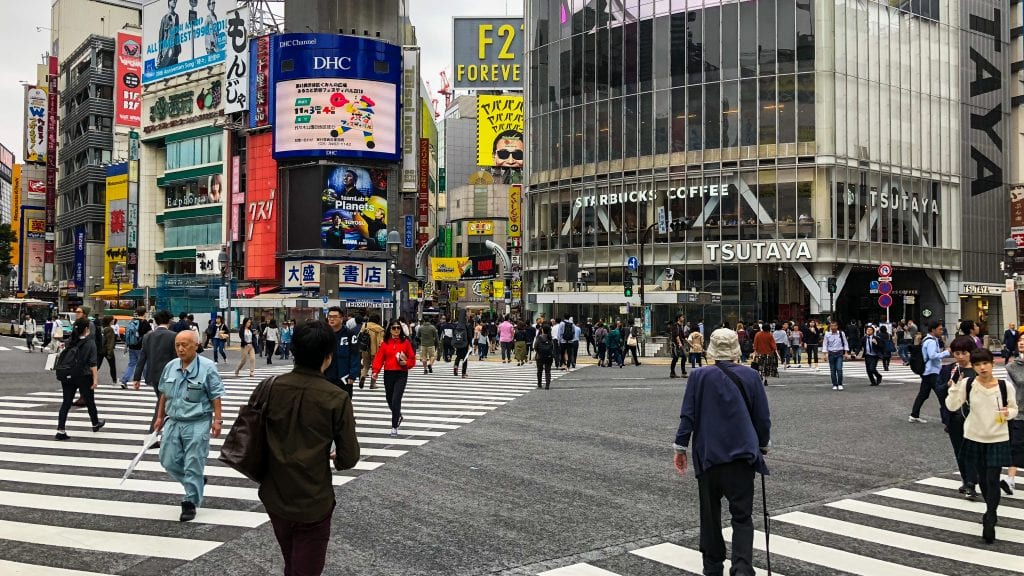
Not many places in the world are as vibrant, energetic, and full of life as Shibuya. This is where Tokyo’s teenagers come dressed in the latest bold fashion — colourful hair, statement clothes — all completely at ease. Then comes the crossing: when the lights change, thousands of people cross from every direction simultaneously. It is organised chaos executed with perfect Japanese calm.
💡 Shibuya Sky booking tip
For the best overhead view of the crossing, visit Shibuya Sky — the observation deck at the top of Shibuya Scramble Square. Sunset slots sell out in under 2 minutes on the official site. Book via Klook — they maintain a separate international ticket pool that is often available when the official site shows sold out. Go at sunset for the full effect.Book a walking tour in Shibuya and surroundings.
Evening food option
The Tokyo Shibuya Food Tour — 13 dishes at 3 eateries (GetYourGuide) is the best way to eat well in the Shibuya area without spending hours researching where to go. 13 dishes across three venues — ramen, yakitori, izakaya — with a guide who knows which queues are worth joining.
Harajuku — Takeshita Street
Five minutes from Shibuya by train, Harajuku is Tokyo’s youth culture capital. Takeshita Street is a narrow pedestrian alley packed with cosplay fashion, vintage clothing, crepe shops, and things you will not find anywhere else. It is loud, colourful, and genuinely unlike anywhere on earth.
Even if fashion is not your thing, walking Takeshita Street is a cultural experience. Tokyo’s youth subcultures are on full display and the energy is infectious.
Meiji Jingu
Meiji Jingu is the most important Shinto shrine in Tokyo — dedicated to Emperor Meiji (the first monarch of modern Japan) and Empress Shoken. Completed in 1920, 100,000 trees were planted at inauguration. Those trees now form a 170-acre forest in the heart of the city. The moment you enter the torii gate, the noise of Tokyo disappears.
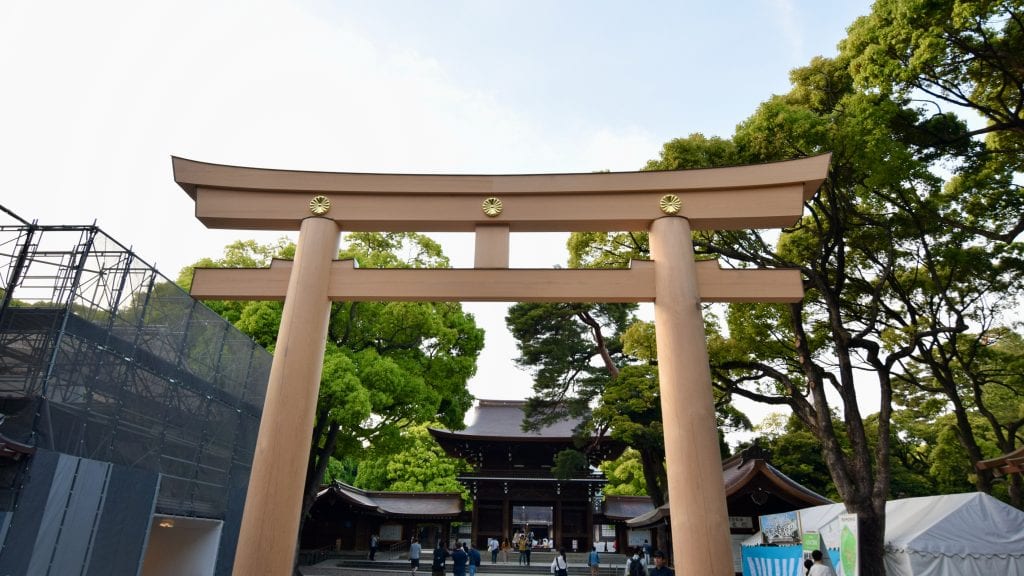
You will reach the main complex of the shrine in 10 minutes of walking through a big wooden Torii gate. It also contains a lovely garden, which is like a maze to navigate. It will be a once-in-a-lifetime experience for you if you can manage to visit the shrine on New Year’s Day. About three million people visit there to make sure that their year ahead is a good one.
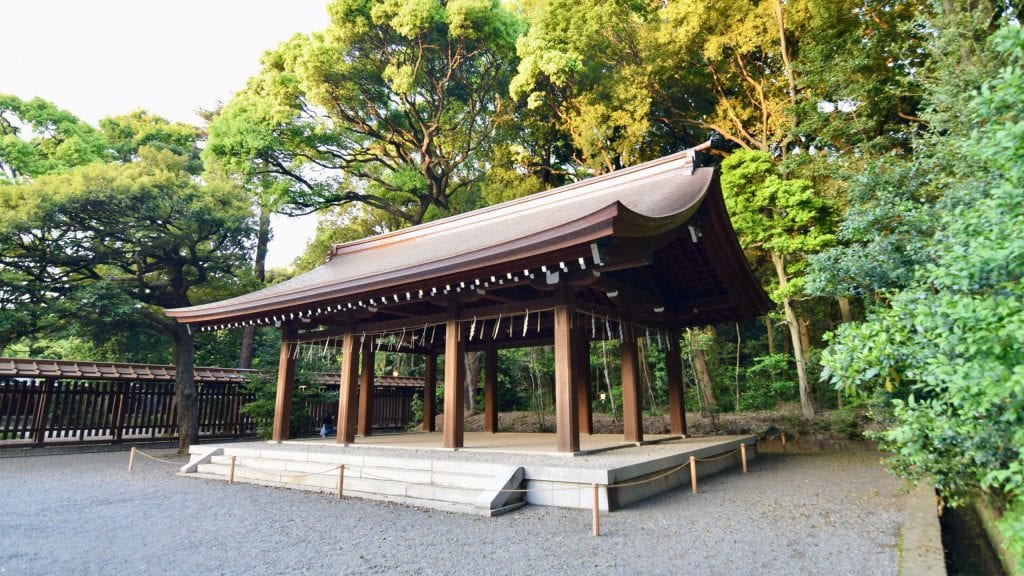
This shrine is located in a huge green forest spanning 170 acres. The moment you enter the complex, you will sense soothing tranquility. Even if you do not have any interest in visiting a shrine, you should visit here to spend time in the greeneries.
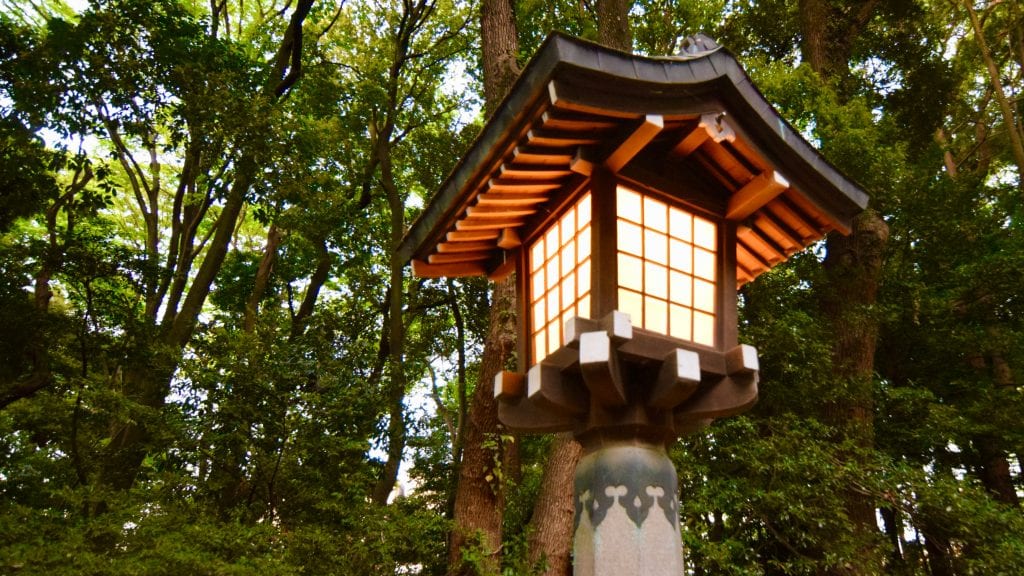
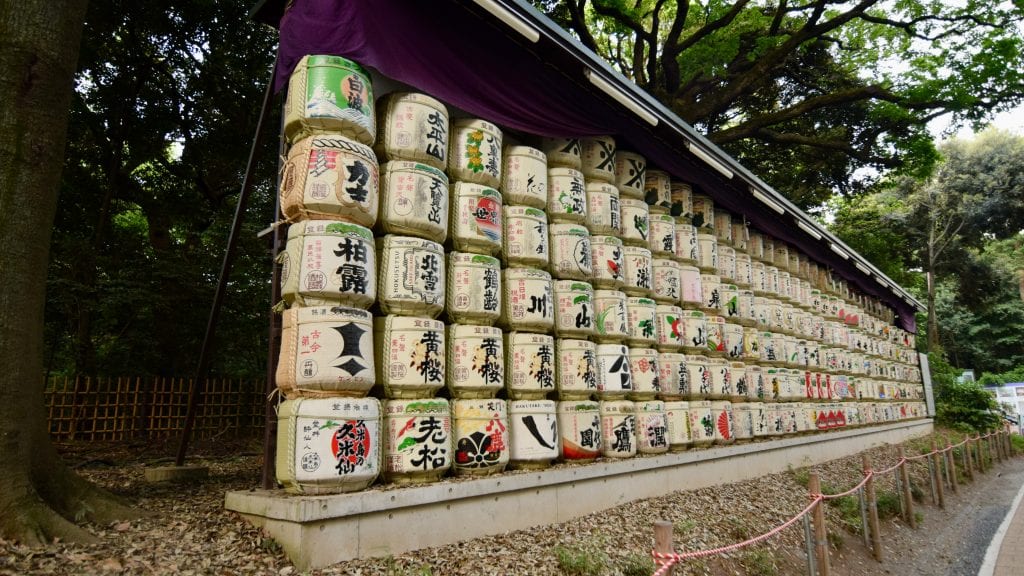
I found many sweet spots in the complex, like beautifully carved lamp posts. This is also a popular place for weddings, especially during the weekends. You can throw coins in a box and make a wish. It didn’t work for me; maybe you are the lucky one! The Nakamise street inside the complex, the sake barrels donated by breweries from across Japan, and the garden hidden within the complex all reward slow exploration.
Admission: Free. Open sunrise to sunset.
💡 Combined tour option
The Tokyo Pop Culture & Tradition Tour — Meiji Shrine to Harajuku (GetYourGuide) covers both Meiji Jingu and Harajuku with a guide who explains the contrast between the sacred and the youth culture happening within 500 metres of each other. An excellent choice for first-time visitors who want context.
Shinjuku Gyoen National Garden
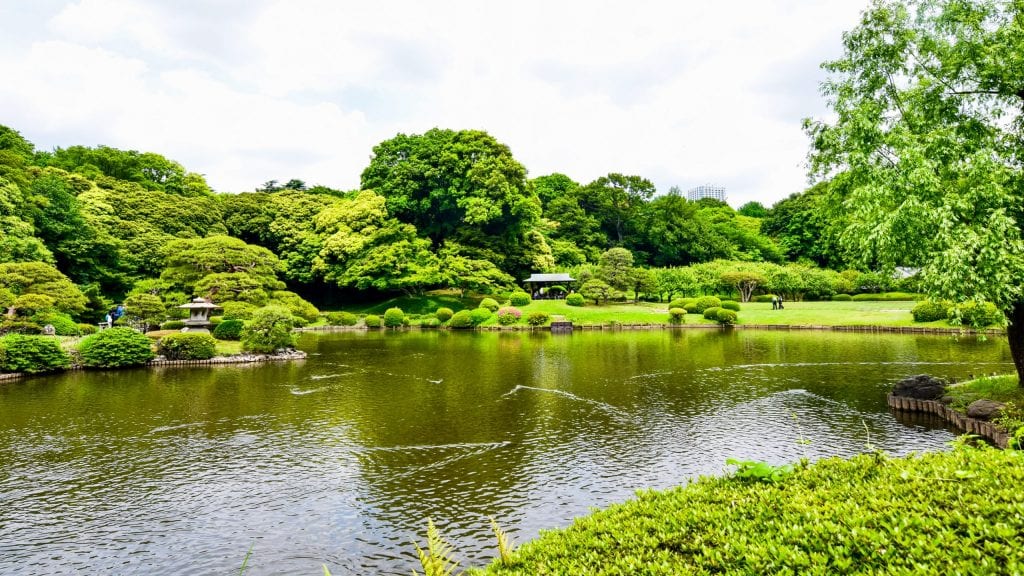
Shinjuku Gyoen is one of the most beautiful parks in Tokyo. The word Gyoen means imperial garden, and this one combines three distinct garden styles: traditional Japanese (ponds, bridges, lanterns), French formal (symmetrical, manicured), and English landscape (open lawns). More than 20,000 trees grow here, including 1,500 cherry trees.
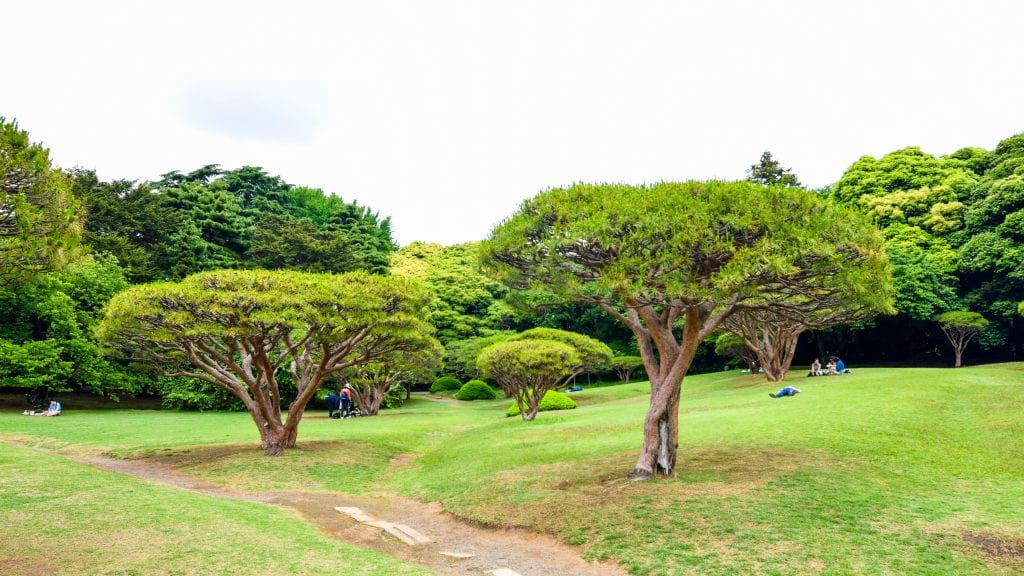
This garden was the setting for the Ghibli film Koto no ha no Niwa (The Garden of Words) — which explains the particular quality of stillness it has.
Admission: ¥500. Open 9:00 AM to 4:30 PM (closed Mondays).
Evening: Akihabara or Shinjuku Nightlife
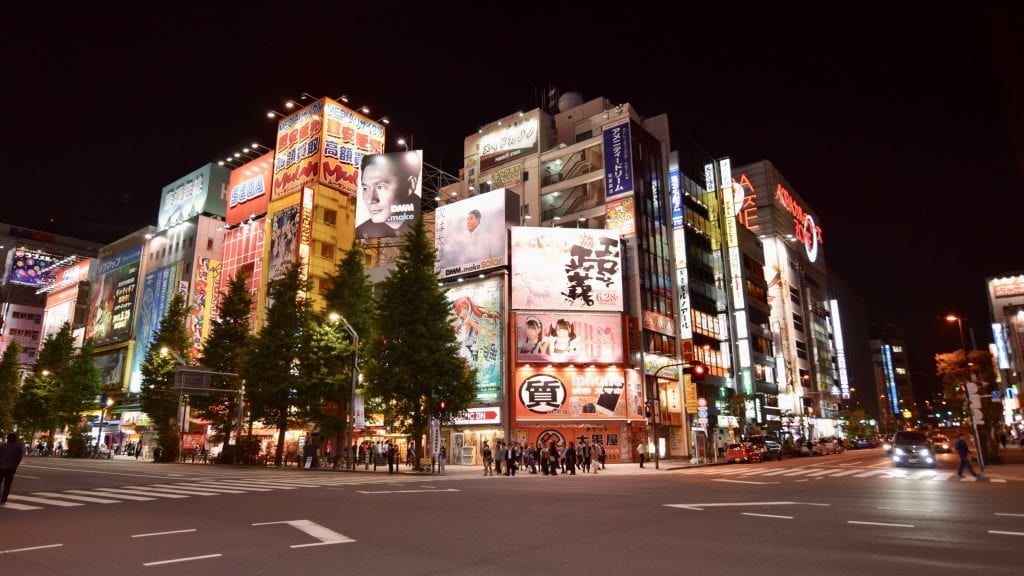
You will find all sorts of electronics in Akihabara. But, that’s not all. This part of the town buzzes with anime, manga, and game lovers. The streets are dotted with game centers where you will find the latest video games. You will see people of different ages playing the games as if their life depends on it!
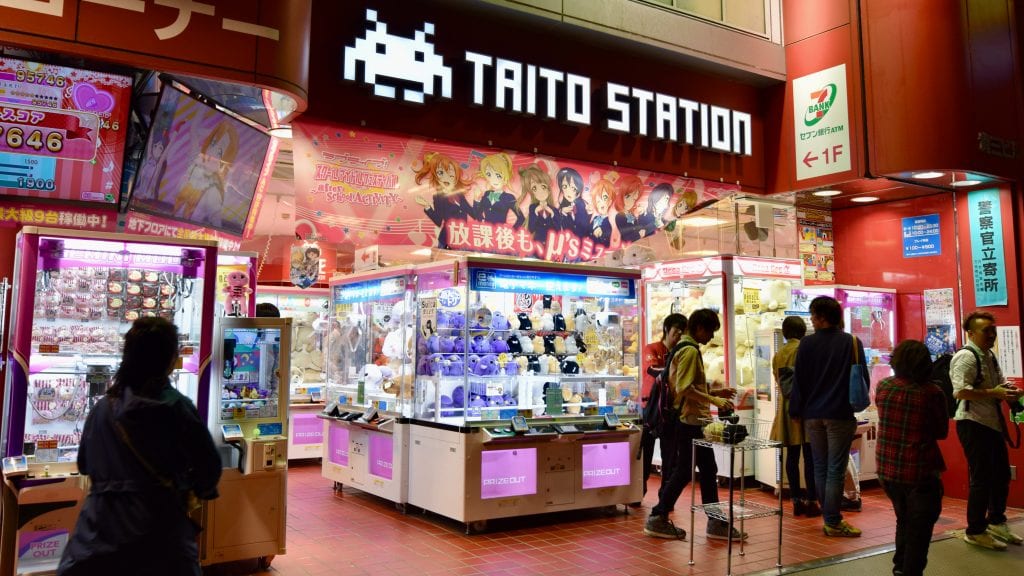
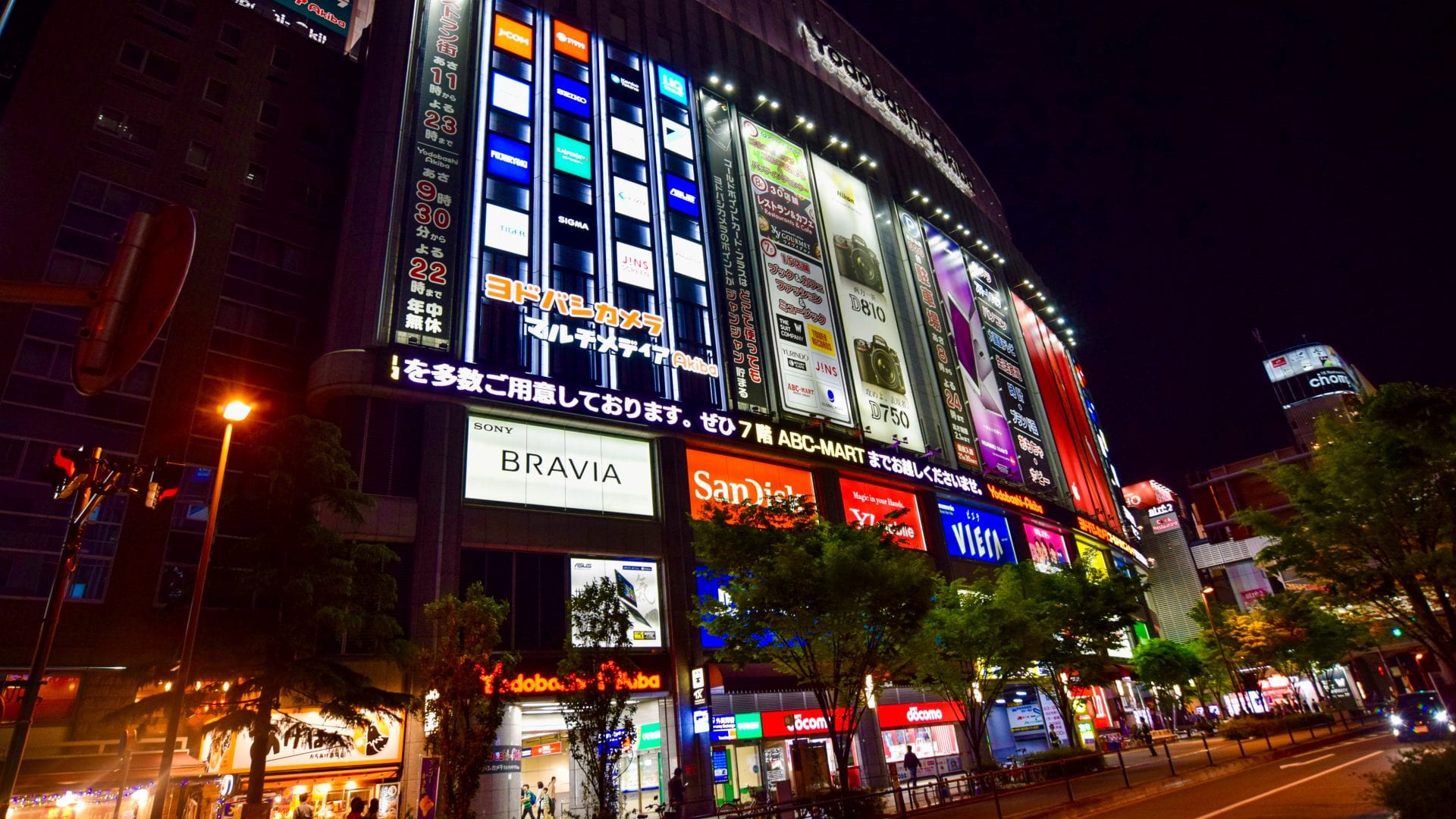
Don’t forget to visit Yodobashi Camera – the 9 storied electronic building where you will be able to buy mobile phones, watches, speakers, home theatres, shoes, toys. If Ginza is the brand and fashion capital of Tokyo, Akiba is the capital for discovering something new for a foreigner!
Shinjuku Nightlife (alternative evening)
If Akihabara is not your scene, Shinjuku at night is one of the great Tokyo experiences — the neon signs of Kabukicho, the tiny bars of Golden Gai (a maze of 200+ cramped drinking establishments each seating about eight people), and the energy of one of the world’s busiest entertainment districts.
The Tokyo Shinjuku Nightlife & Secret Backstreets Walking Tour (GetYourGuide) takes you through the parts of Shinjuku that most tourists walk past without understanding what they are looking at. Or for a food-first approach, the Tokyo Shinjuku Food Tour — 15 dishes at 4 eateries (GetYourGuide) is excellent value for a first evening in Tokyo.
Day 2: East Tokyo — Asakusa, Ueno & Tokyo Skytree
Day 2 covers the older, more traditional side of Tokyo in the northeast.
Senso-ji Temple — Tokyo’s Oldest Temple
Senso-ji is Tokyo’s oldest and most visited Buddhist temple, founded in 645 AD and dedicated to Kannon, the goddess of mercy. The approach via Nakamise-dori — a 250-metre covered shopping street lined with traditional craft stalls, snack vendors, and souvenir sellers — is as famous as the temple itself. At the far end stands Kaminarimon, the great red gate with its enormous paper lantern.
The temple complex is free and open 24 hours. An early morning visit before 8 AM gives you the approach, the lantern, and the main hall almost entirely to yourself.
Admission: Free. Main hall opens 6:00 AM.
⏰ Go before 9 AM.
By mid-morning, Senso-ji is among the most crowded sites in all of Japan.
Rickshaw option: For a completely different experience of Asakusa, the Tokyo Asakusa Sightseeing Tour by Rickshaw (GetYourGuide) takes you through the district by human-pulled rickshaw with a guide who explains the history of old Tokyo. The rickshaw drivers double as storytellers — this is one of the more memorable ways to spend a morning in Japan.
Luxury option: The Tokyo Asakusa Private Half Day Tour with A5 Wagyu Omakase (Klook) combines a private guided tour of Asakusa with an A5 wagyu beef omakase lunch. One of the highest-quality experiences available in the area.
Ueno Park
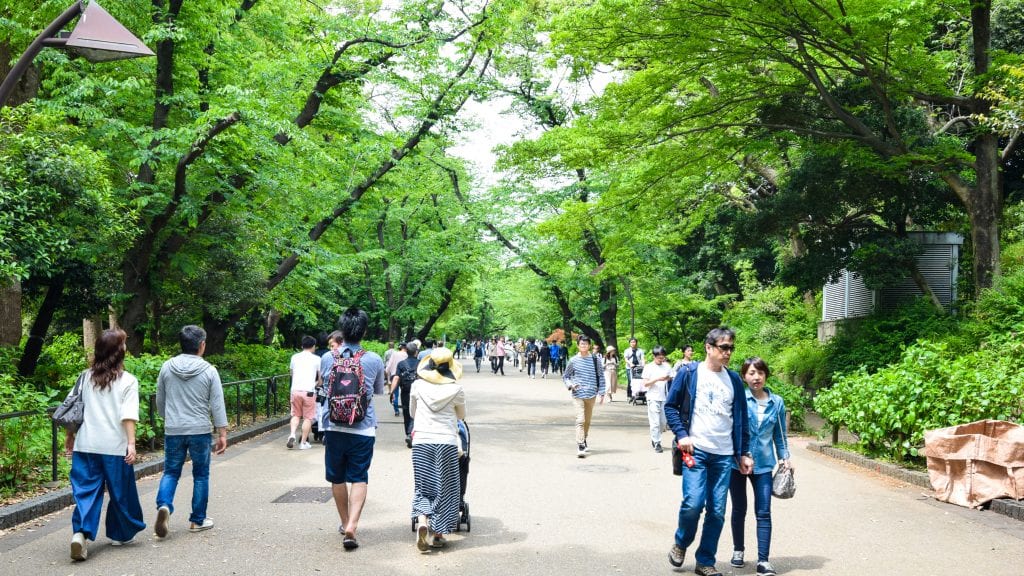
Cherry blossom in Tokyo is best seen from the Ueno park containing more than 1000 cherry trees. However even if you do not visit during the cherry blossom time(March to April), you should pay a visit to this enormous park. Apart from the greeneries, shrines, and temples, you will find the Shinobazu pond here which is a great place for relaxation. In Tokyo, I almost saw every man wear a black coat and white shirt in public. They look so serious. Visiting this park gave me a refreshing change – I saw the Japanese wearing informal dresses.
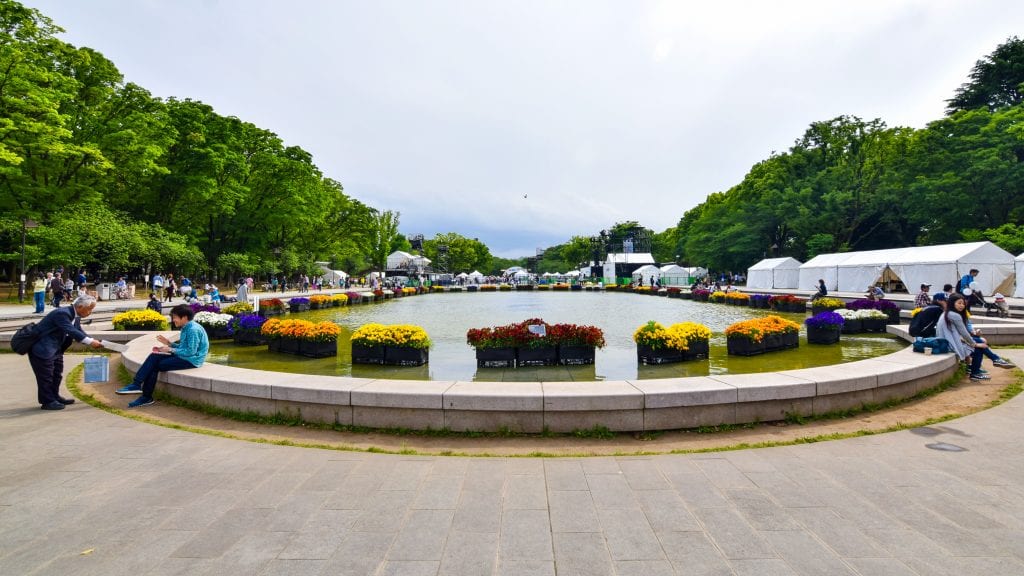
What makes Ueno park more interesting is the number of museums this particular place host. It has the Tokyo National Museum, the National Science Museum, Tokyo Metropolitan Museum, and the National Museum for Western Art. If these are not enough for you, find the Ueno Zoo It is also home to Ueno Zoo, Japan’s oldest zoo with large Panda bears.
Tokyo National Museum
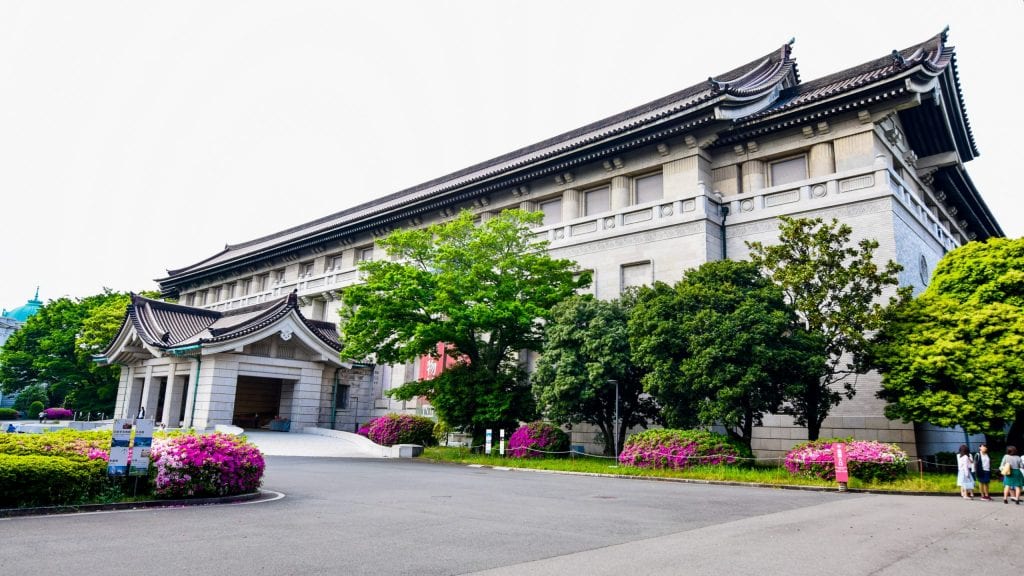
Among the numerous museums in Ueno Park, my pick was Tokyo National Museum. Believe me, it’s a treasure and not to be missed. This museum is obviously the best in Japan in terms of the collection of items, and the oldest one. However, you cannot go wrong with visiting the rest of them mentioned above. The architecture of the building itself is a treat to watch with a tiled roof and grand staircase.
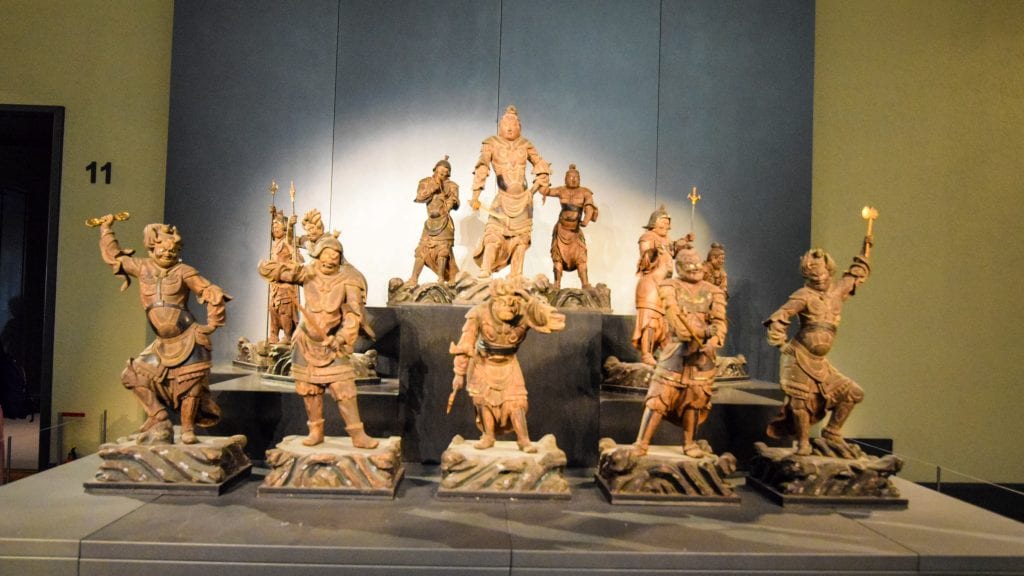
What does the Tokyo National Museum contain? Pretty much everything! It has about 110,000 artifacts – sculptures, samurai swords, masks, armors, woodblock prints, potteries, paintings, kimonos, calligraphy, metalware, lacquerware, statues, and many other things. One thing I understood, the Japanese had a long history of fight and war using their own weapon – the Samurai sword.
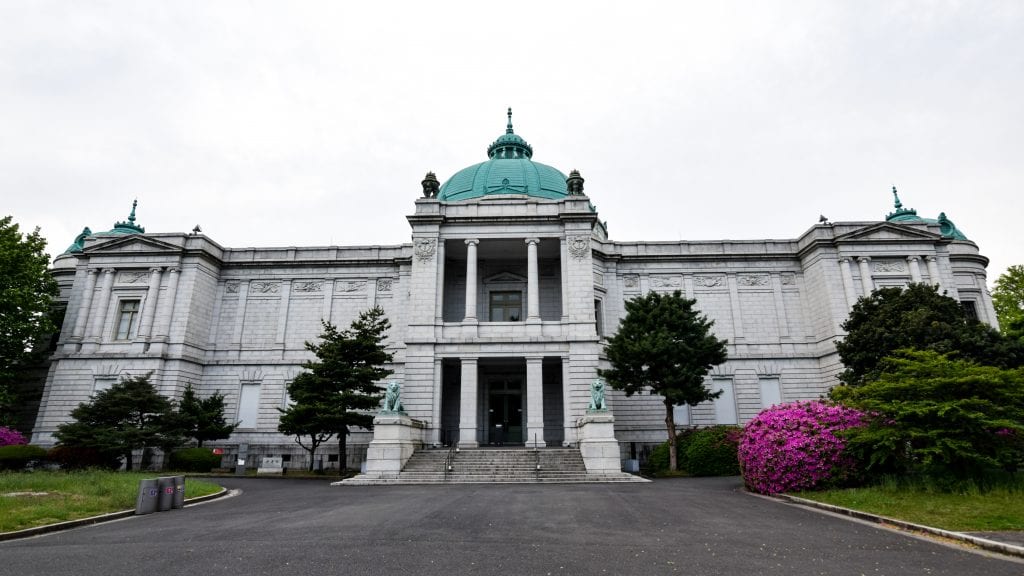
This museum has six big buildings with different names. Interestingly, each of them deserves to be a separate museum, they are so rich in collections! The main building is Honkan which contains the Japanese arts. Hyokeikan is the oldest influenced by western architecture.
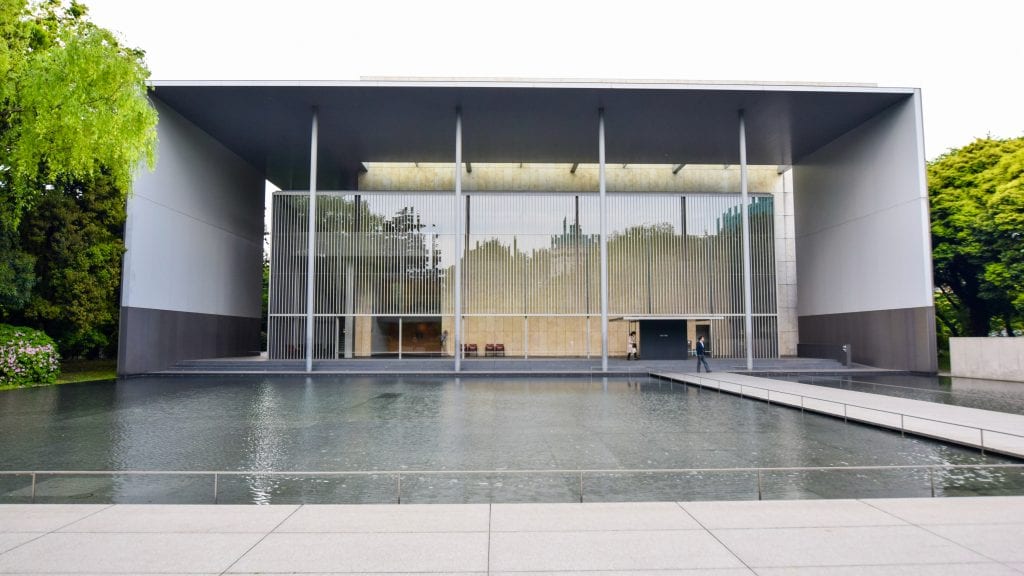
Horyuji is the newest of them all and I simply loved its architecture due to the simplicity it holds! I enjoyed spending time outside of this building more than anything else! It contains smaller religious statues.
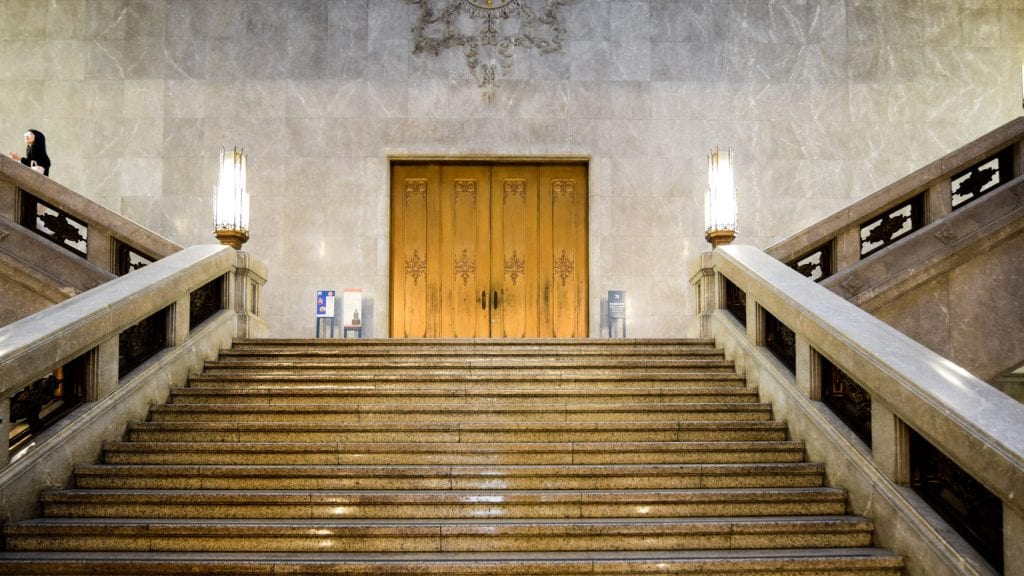
Toyokan is for hosting the artifacts from Egypt to South East Asia. Don’t miss the Kuroda Memorial hall where you can see the paintings of Kuroda Seiki, the father of modern painting in Japan. Tokyo national museum arranges exhibitions throughout the year which is free and showcases rare things at times.
Admission: ¥1,000. Open 9:30 AM to 5:00 PM (closed Mondays).
Tokyo Metropolitan Art Museum
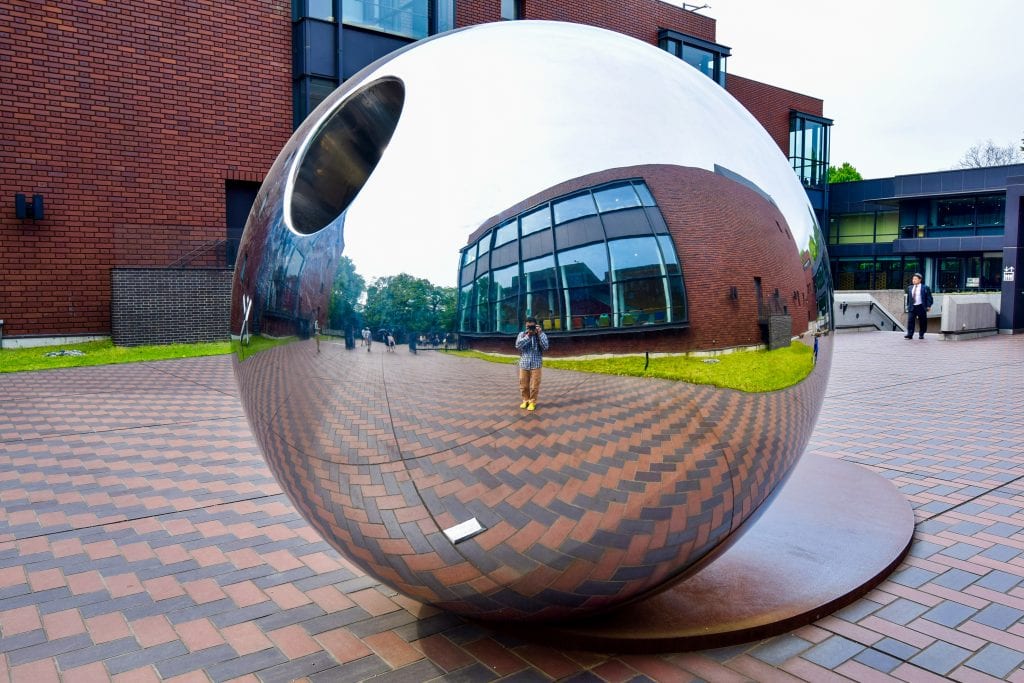
If you are interested in contemporary art, the Tokyo Metropolitan Art Museum is directly adjacent to the National Museum and hosts more than 250 exhibitions per year. Check the current schedule before visiting.
Evening: Asakusa
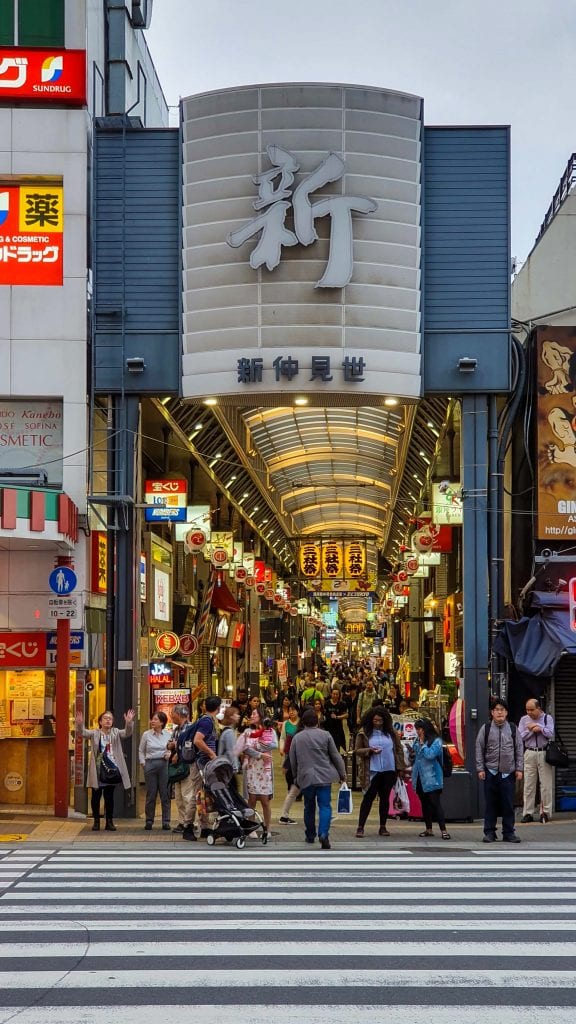
The last stoppage of the Ginza metro line will take you to Asakusa. It is the older part of the town that provides a vibe of the past. Hordes of tourists, especially, Chinese head towards this region to buy cheaper things from the shopping streets. A major attraction of Asakusa is the 7th-century temple named Sensoji. A large part of Asakusa was destroyed during WWII but you won’t feel anything about it in recent time. Asakusa is best explored on foot. Many people take the Sumida River Cruise to get a different view of Asakusa from the water.
Evening: Tokyo Skytree
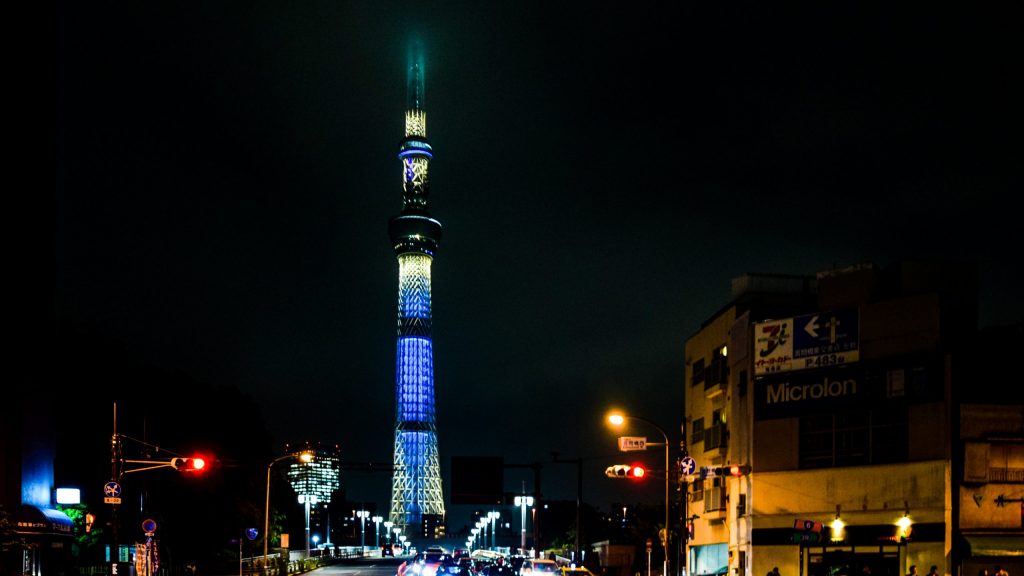
At 634 metres, Tokyo Skytree is the tallest free-standing tower in the world. On a clear day, visibility from the observation decks reaches about 100 kilometres — on the clearest days, Mount Fuji is visible. At night, the view of Tokyo’s grid of lights is extraordinary.
Two observation decks: Tembo Deck at 350m (better panoramic views) and Tembo Galleria at 450m (for those who want the vertigo of looking straight down). The lower deck is the right choice for most visitors.
Buy Tokyo Skytree tickets online (Klook) — skip the queue.Buy Ticket of Tokyo Skytree online
Day 3: Central Tokyo — Tsukiji, Ginza, Police Museum & Imperial Palace
Tsukiji Outer Market — Morning
Tsukiji Outer Market is the place to start Day 3 — early. Vegetables, pickled goods, fresh seafood, and street food line the narrow lanes. Hundreds of restaurants and food stalls serve sushi, sashimi, grilled fish, and just about every sea creature available. Go hungry.
⚠️ Important update
The tuna auction moved to Toyosu Market in 2018 — not Tsukiji. If you want to watch the auction (5:25–6:15 AM, 120 visitors per day, first-come first-served), register before 4:00 AM at the Toyosu Market Fish Information Center (Kachidoki Gate). Tsukiji still has the outer market food stalls — which are the real reason to visit anyway.
Explore Tsukiji Fish Market with an expert guide (Viator)
Ginza
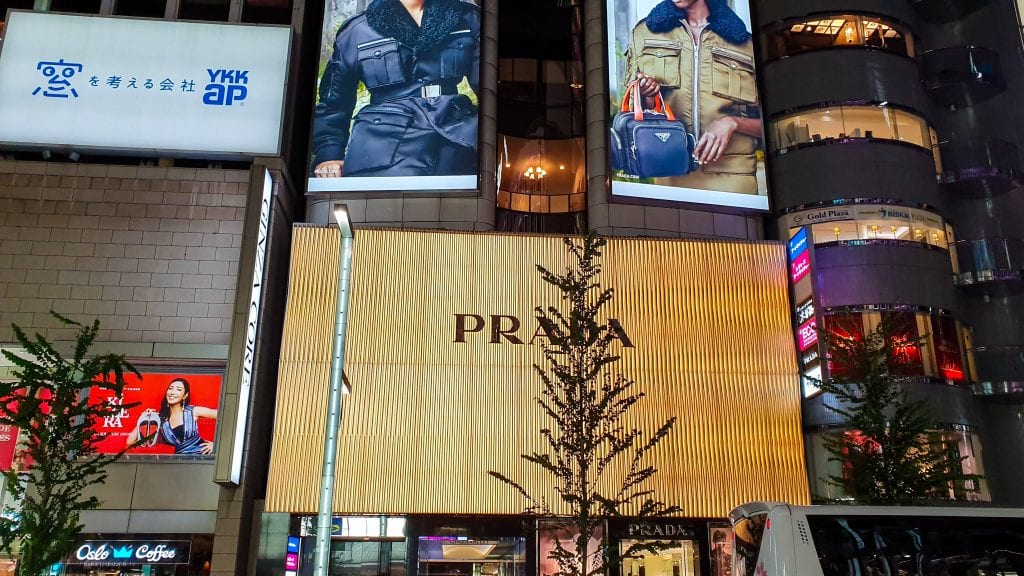
Ginza is Tokyo’s most prestigious shopping district — high-end malls, modern architecture, art galleries, and restaurants where the land is among the most expensive in Japan. Every major international luxury brand has a presence.
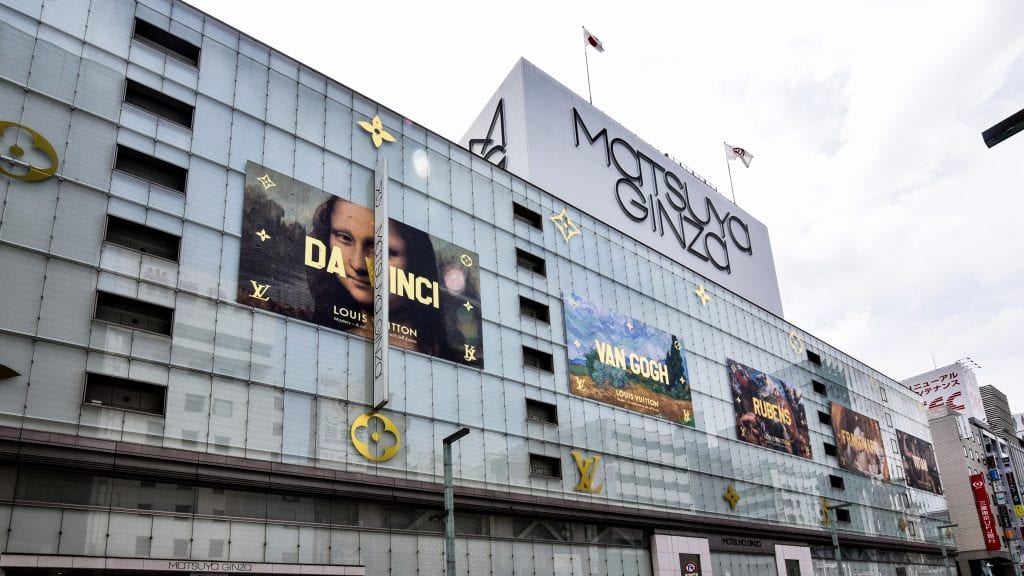
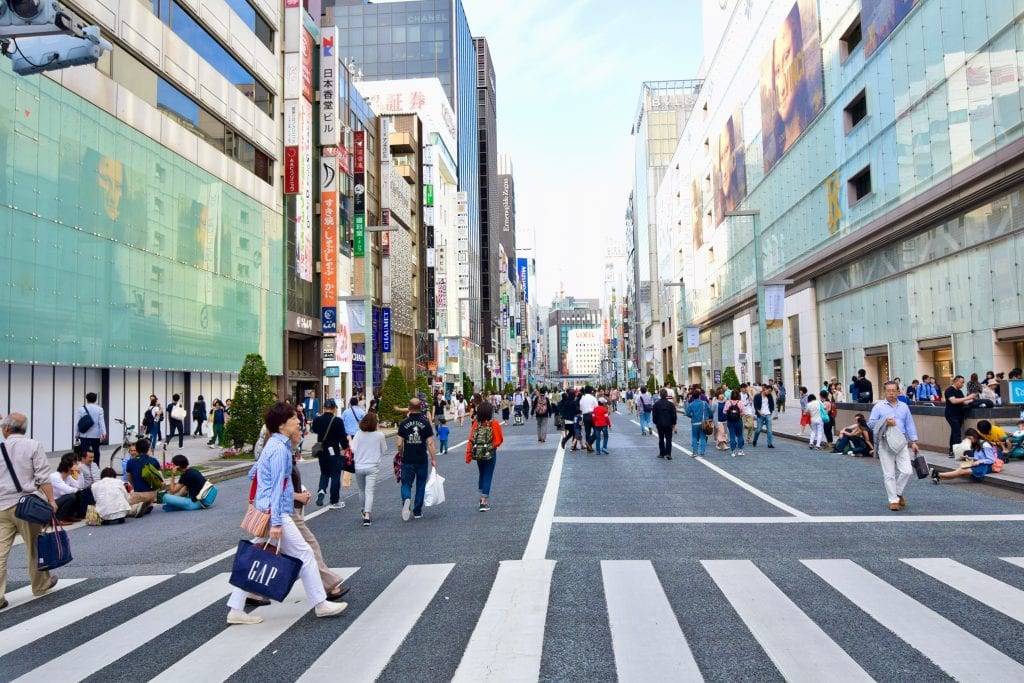
My favourite visit was on a weekend when Chuo Dori closes to vehicles and becomes a pedestrian boulevard. Even if you have no intention of buying anything, the window shopping is free and the architecture is worth examining.
💡 2026 tax-free shopping update
Japan changed its tourist tax-free rules in 2026. Tourists now pay the 10% VAT upfront on purchases and receive a refund at the airport. Keep your receipts. The process is straightforward at major department stores and electronics chains.
💡 Do not miss Uniqlo in Ginza
One of the largest and best-stocked in Japan. If you need warm layers, packable clothing, or practical travel items, this is where to buy them.
Police Museum — Tokyo’s Best Hidden Gem
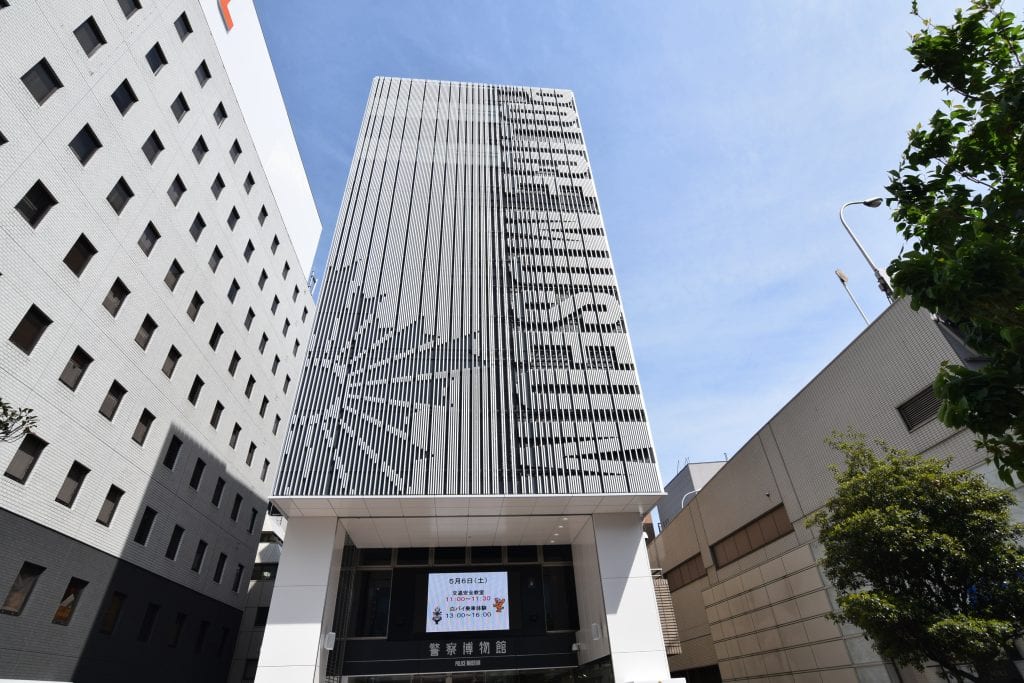
You won’t find this museum in many guidebooks of Tokyo, however, I loved this different kind of museum. I am from a region, where the general public does not regard a policeman highly. It’s a kind of stereotyping, but there lie some valid reasons behind that. Spending some time in the police museum was a breath of fresh air for me.
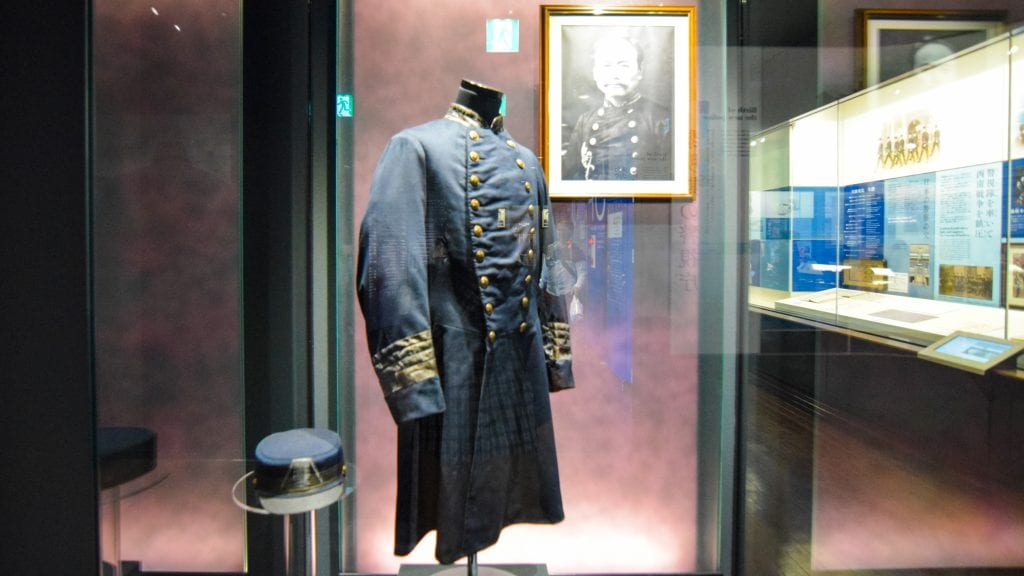
From the moment of entering the building to the top, you will be greeted by policemen. You will see the history of Japanese police and their contributions toward protecting the city. There are numerous simulators where the kids can learn about traffic signals and basic safety rules. The forensic section will teach you about collecting and analyzing samples from a crime scene. Spending some time here will be a lot of fun!
Tokyo Station
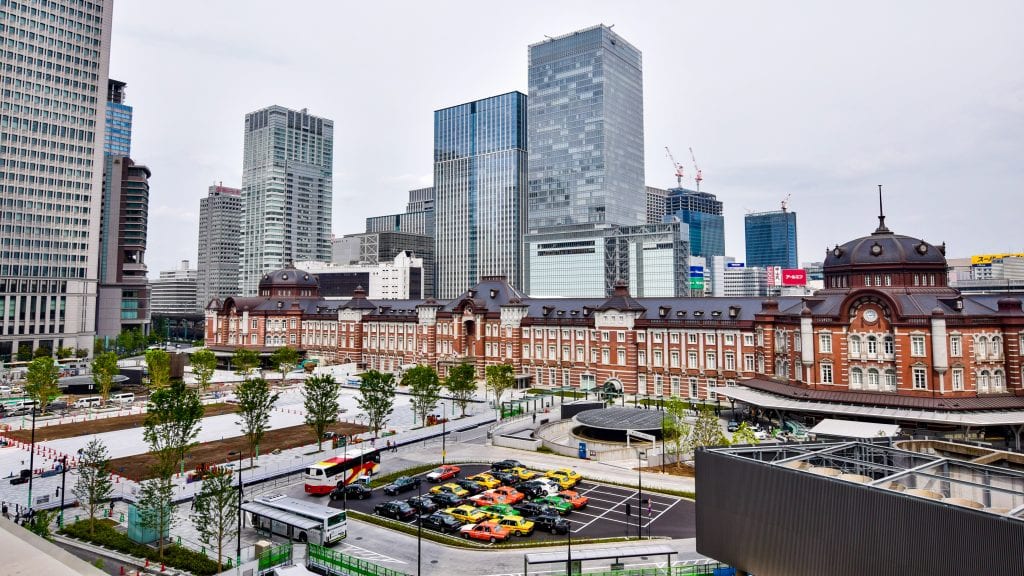
Every visitor to Japan passes through Tokyo Station. The Marunouchi red brick facade is one of the most photographed contrasts in the city. The underground beneath the station is a world of its own. Get a coffee, sit in the underground market, and watch the rhythm of Japan’s busiest station.
Book a half day Tokyo Walking Tour (GetYourGuide)
Imperial Palace Gardens
The Imperial Palace is the residence of the Emperor of Japan — the interior buildings are not open to the public. However, the Kokyo Gaien (outer plaza) and the East Gardens are free and beautiful. The East Gardens in particular are worth an hour.
For the inner grounds tour (1 hour 15 minutes, Monday–Friday, 10 AM and 1:30 PM only), book in advance through the Imperial Household Agency website. Reservations open about a month in advance.
Book Tokyo Sightseeing Day Tour by Bus (Klook)
Day 4: Choose Your Tokyo
Option A: Odaiba & TeamLab
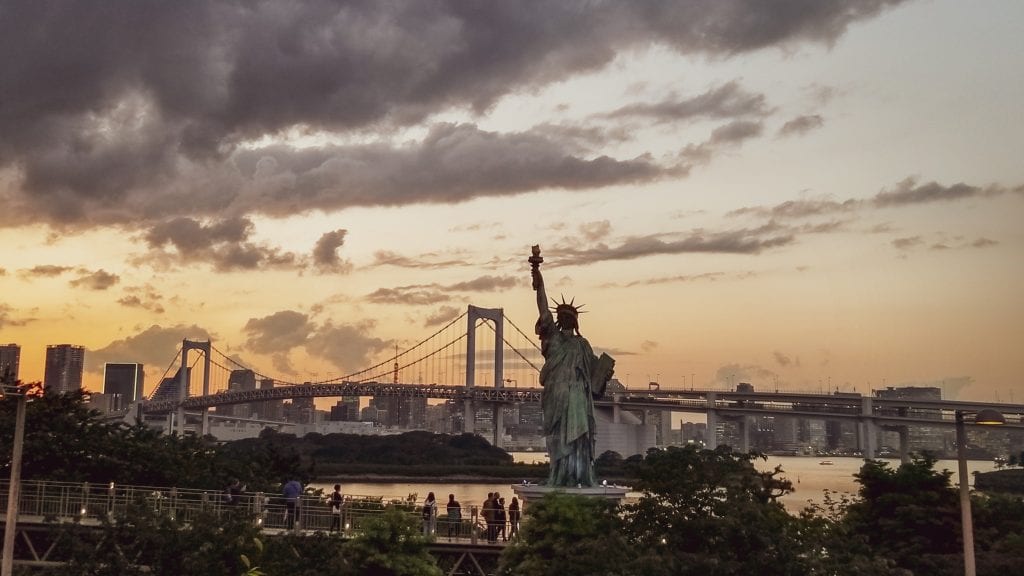
Odaiba: When I heard that Odaiba is a man-made island, I did not believe it. The entire Tokyo is futuristic, but even Tokyo residents call Odaiba futuristic. Shopping malls, exhibition centres, and entertainment venues line the waterfront. The Statue of Liberty replica and Rainbow Bridge make for surreal photos. The observation deck gives panoramic views of Tokyo port.
TeamLab — understand the difference before you book:
There are currently two TeamLab venues in Tokyo and most articles confuse them:
- TeamLab Planets (Toyosu): The original tactile, water-based experience. You remove shoes and socks and walk through installations where water reaches ankle height. Rooms of hanging orchids, mirrored light fields, and digital koi that scatter when you walk. Deeply immersive and genuinely unlike anything else. Takes 60–90 minutes.
- TeamLab Borderless (Azabudai Hills, new location since 2024): The larger, more labyrinthine experience. No defined route — you wander through interconnected rooms of light and sound that change based on visitor movement. Takes 2–3 hours. The new Azabudai Hills location is more spacious and accessible than the old Odaiba venue.
Both require advance booking and both sell out. They are different enough that visiting both is worthwhile if you have the time. If you can only do one: Planets for the tactile experience, Borderless for the scale.
Option B: Tokyo Disneyland or DisneySea
Both parks are in Urayasu, about 30 minutes from central Tokyo by JR Keiyo Line.
DisneySea is unique to Japan and widely considered one of the finest theme parks ever built — divided into seven themed ports including Mediterranean Harbor, Mysterious Island, Arabian Coast, and Port Discovery. It is more adult-oriented than Disneyland and has no equivalent anywhere else in the Disney network.
Disneyland is the classic format. Excellent, but if you have been to any Disney park before, DisneySea is the one to prioritise.
⚠️ 2026 Disney booking rules: Tickets are released exactly 60 days in advance and cannot be bought at the gate. The official site frequently rejects international credit cards. Book Tokyo Disney tickets via Klook — they process international payments reliably and often have availability when the official site does not.
Day Trips from Tokyo
If you have extra time, three day trips from Tokyo are worth considering:
- Mount Fuji / Lake Kawaguchiko — the most iconic day trip. Read the best places to see Mount Fuji guide for the full plan.
- Nikko — ancient mountain shrines and waterfalls, full day by train. Read Things to Do in Nikko.
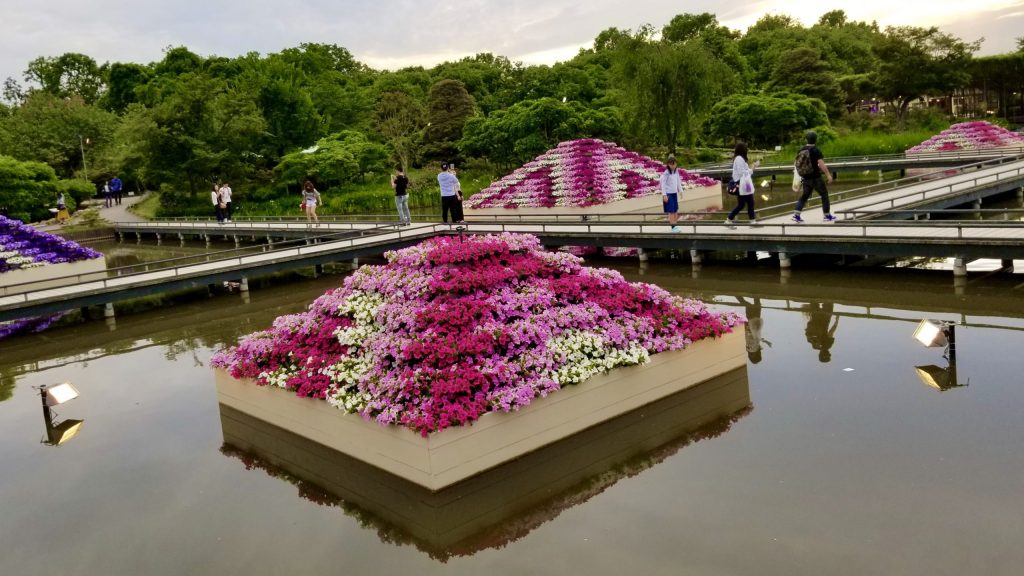
- Ashikaga Flower Park — extraordinary seasonal flower displays. Read the Ashikaga Flower Park guide.
Renting a car gives you the flexibility to reach Lake Kawaguchiko and the Fuji Five Lakes area at your own pace, which public buses do not allow well. Compare car hire rates via Discover Cars for the best price across local and international agencies.
Heading to Kyoto next? Read the 3-Day Kyoto Itinerary — it pairs naturally as the second leg of a Japan trip. If you’re mapping out the full route, this itinerary is the first four days of my 2-week Japan itinerary.
Best Places to Stay in Tokyo
Hotels in Tokyo are expensive relative to room size, but the Japanese are skilled at making small spaces functional and comfortable. The most important decision is location — stay near a Yamanote Line station and you are connected to everything.
For a full area-by-area breakdown and a ranked list of the city’s 23 best hotels by category, see my companion guides: Where to Stay in Tokyo and Best Hotels in Tokyo. The shortlist below is a quicker pick-and-book option if you just want to lock something in.
Best areas:
- Shinjuku — best transport links, widest range of options, close to Day 1 gardens and nightlife
- Asakusa — most traditional, perfect base for Day 2, budget-friendly
- Shibuya — best for the western sights, lively atmosphere
Luxury (Over $150/night)
- Mimaru Tokyo Asakasa — apartment-style luxury, great for families
- The Tokyo Station Hotel — inside the historic Marunouchi building. The most atmospheric hotel in Tokyo.
- Shangri-La Hotel Tokyo — views over the Imperial Palace gardens
- Palace Hotel Tokyo — premier location overlooking the palace moat
- Pullman Tokyo Tamachi
Mid-Range ($75–$150/night)
- The GATE Hotel Asakusa Kaminarimon — steps from Senso-ji, rooftop views. Best mid-range in Asakusa.
- Andon Ryokan — traditional ryokan in Asakusa at a fair price
- Shibuya Granbell Hotel — well located for Day 1 sights
- Mitsui Garden Hotel Ginza Premier — rooftop bar with Tokyo Tower views
- MIMARU Tokyo Ginza East
- Hotel Ryumeikan Tokyo
Budget ($50–$75/night)
- Hundred Stay Tokyo Shinjuku — great value, excellent Shinjuku location
- Annex Katsutaro Ryokan — traditional ryokan near Ueno
- Nui. Hostel & Bar Lounge
- Family Inn Saiko
Cheap (Below $50/night)
💡 Ryokan tip: If budget allows, spend at least one night in a traditional ryokan. Tatami floors, futon bedding, yukata robes, and a communal onsen are uniquely Japanese and transform the stay from accommodation into an experience.
Map of 4 Days Tokyo Itinerary
Best Time to Visit Tokyo
| Season | When | What to expect |
|---|---|---|
| Spring | Late March–April | Cherry blossom — the most beautiful time. Also the most crowded and most expensive. Book months ahead. |
| Autumn | November | Foliage season — reds and golds across the parks. Second most beautiful, second most crowded. |
| Winter | December–February | Least crowded, crisp and cold, no foliage but occasional illuminations. Underrated. |
| Summer | July–August | Hot, humid (35°C+), typhoon risk. Not recommended unless you have no choice. |
For first-time visitors: If you have flexibility, target late March to early April for cherry blossom, or November for autumn colour. Both require booking accommodation and popular experiences months in advance.
Tokyo Travel Tips
Budget guide (per person per day):
- Budget (hostel, convenience store meals, free sights): ¥5,000–8,000
- Mid-range (business hotel, sit-down restaurants, paid attractions): ¥15,000–25,000
- Comfort (good hotel, restaurant meals, experiences): ¥30,000–50,000
Convenience store breakfast: 7-Eleven, Lawson, and FamilyMart are everywhere and genuinely good. An onigiri (rice ball, ¥150), a hot coffee (¥200), and a small pastry (¥150) makes a filling breakfast for ¥500. The egg salad sandwiches and hot nikuman (steamed buns) are particularly good.
Cash: Carry some always. Many small restaurants, izakayas, shrines, and independent stalls are cash only. ¥5,000–10,000 in hand at any given time is sensible.
Shoes: You will walk 15–20 kilometres per day. Bring comfortable walking shoes. Many temples and traditional restaurants require shoe removal — slip-ons make this easier.
Queues: Tokyo is very good at managing queues but very popular attractions (Shibuya Sky, TeamLab, Senso-ji in the morning) have real wait times. Booking online in advance eliminates this for ticketed attractions.
Frequently Asked Questions
Is 4 days enough for Tokyo?
Yes, for the highlights. Tokyo is vast — you could spend weeks and not exhaust it — but four days covers the main areas well if you plan by geographic zone. You will leave wanting to return, which is the right way to leave Tokyo.
What is the best area to stay in Tokyo for first-time visitors?
Shinjuku for the best transport links and widest hotel range. Asakusa for the most traditional atmosphere and easy access to Day 2 sights. Shibuya for proximity to Day 1 attractions. All three are excellent bases — choose based on your style and which day’s sights you want closest.
Do I need a JR Pass for Tokyo?
For getting around Tokyo itself — no. The Suica/Pasmo IC card handles everything in the city. A JR Pass is worth buying if you are also travelling to Kyoto, Osaka, or Hiroshima by Shinkansen. The Tokyo–Kyoto bullet train alone costs ¥14,000 each way.
TeamLab Borderless or TeamLab Planets?
They are genuinely different experiences. Planets (Toyosu) is tactile and water-based — you walk through ankle-deep water in immersive digital rooms. Borderless (Azabudai Hills) is larger and more labyrinthine — no fixed route, rooms of light that respond to your movement. Planets takes 60–90 minutes; Borderless takes 2–3 hours. If you can do one: Planets for something more intimate, Borderless for scale.
Should I visit DisneySea or Disneyland?
DisneySea if this is your only Disney visit in Japan — it is unique to Tokyo and has no equivalent elsewhere in the world. Disneyland if you want the classic format or are travelling with young children who know the characters. Both are full-day experiences; do not try to do both in one day.
Is Tokyo safe for solo travellers?
Extremely. Tokyo is consistently ranked among the safest major cities in the world. Violent crime is rare, lost wallets are routinely returned, and women travelling alone report high comfort levels even at night. The main practical challenges are the subway system complexity (solved by Google Maps) and cash requirements at small venues.
How much does a day in Tokyo cost?
Budget travellers spending ¥5,000–8,000 per day (convenience store meals, free sights like Meiji Jingu and Tsukiji, hostel accommodation) can cover Tokyo comfortably. A mid-range day including sit-down meals, one paid attraction, and a business hotel costs ¥15,000–25,000.
Tokyo is the kind of city that never quite lets go of you. I have been once and already know I will go back. Four days gives you enough to understand what it is — the organised energy of it, the coexistence of the ancient and the futuristic, the extraordinary politeness of 14 million people going about their lives at incredible speed. It does not feel like the largest city in the world. It feels like the most competent one.
Enjoy your trip to the land of the rising sun.
Liked this 4-day Tokyo itinerary? Pin it!

Leave a reply