
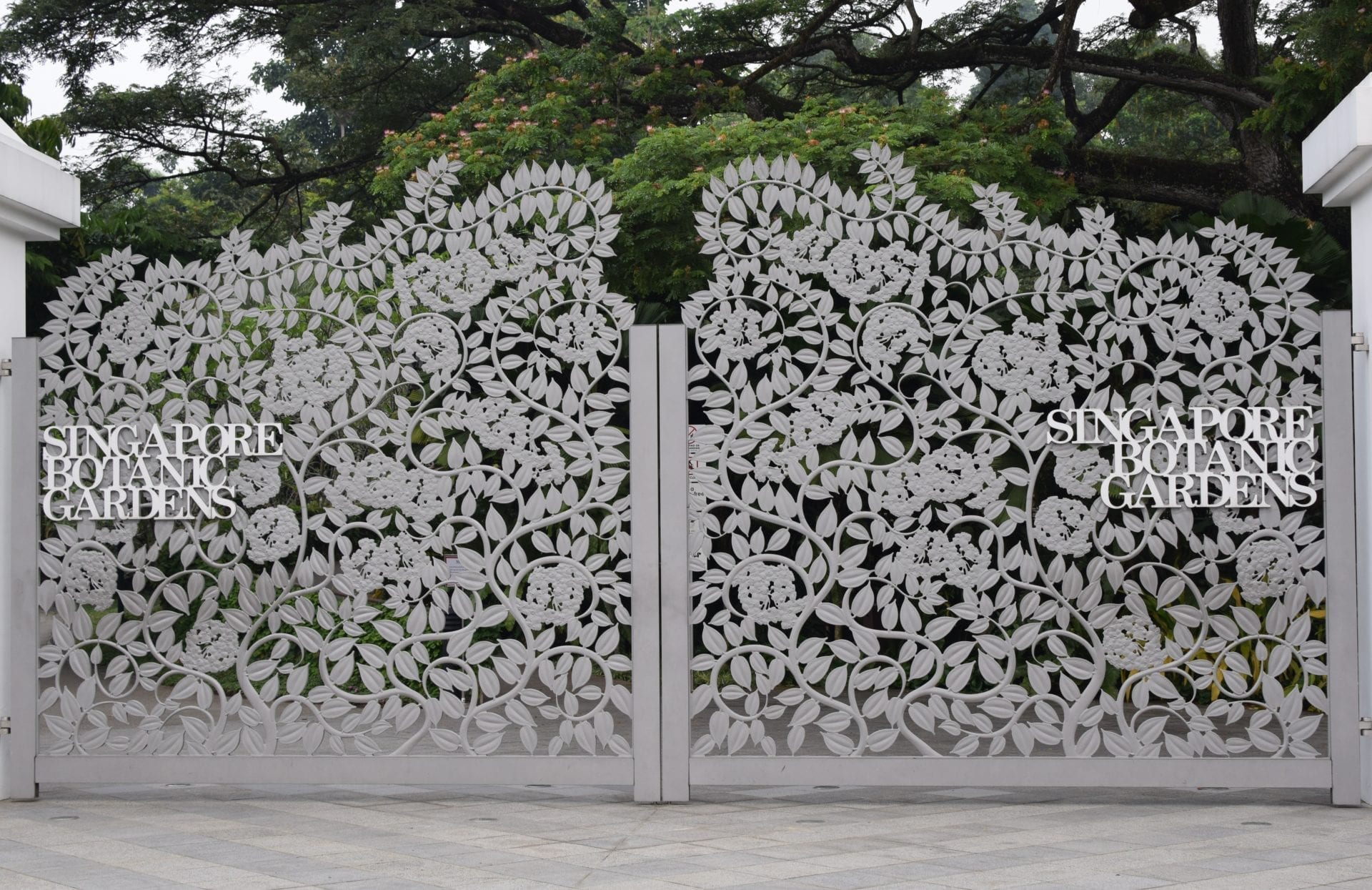
The Singapore Botanic Gardens is a UNESCO World Heritage Site in Singapore and showcases 162 years old tropical garden. This travel guide of Singapore Botanic Gardens will take you through the gardens with some fantastic photos. Enjoy!
The Singapore Botanic Gardens is a UNESCO World Heritage Site in Singapore — and it’s completely free to enter. For over 160 years, this 202-acre tropical garden has sat at the heart of one of Asia’s most dynamic cities, offering 4 million visitors a year a green sanctuary from the urban intensity just outside its gates.
I landed in Singapore at 4:30 in the morning. Whenever I arrive somewhere new, I don’t waste time. Besides, it had only been a four-hour flight from Dhaka, and the excitement of being somewhere new made sleep impossible. The MRT (Mass Rapid Transit) of Singapore doesn’t begin operating until 5:30am, and I didn’t want to spend extra money on a taxi. I found myself wondering: where can I go the moment the MRT opens?
After a moment of exploration, I discovered the perfect answer. The Singapore Botanic Gardens opens at 5:00am — even before the MRT. It is the ideal first stop in Singapore.
This travel guide will take you through the gardens, section by section, with tips on what to see, what to eat, and why this place holds a significance far beyond its beauty.
Quick Facts
| 📍 Address | 1 Cluny Road, Singapore 259569 |
| 🕐 Garden hours | 5:00am – midnight, daily |
| 🌸 Orchid Garden hours | 8:30am – 7:00pm daily (last entry 6:00pm) |
| 💰 Entry | Free (Orchid Garden: SGD 15 non-residents / SGD 5 Singapore residents) |
| 🌸 Orchid count | 1,500+ species, 3,000+ hybrids on display |
| 🚇 MRT | Botanic Gardens Station (CC19/DT9) |
| 📐 Size | 202 acres / 82 hectares |
| 🏆 UNESCO | World Heritage Site since 2015 |
Singapore Botanic Gardens Map
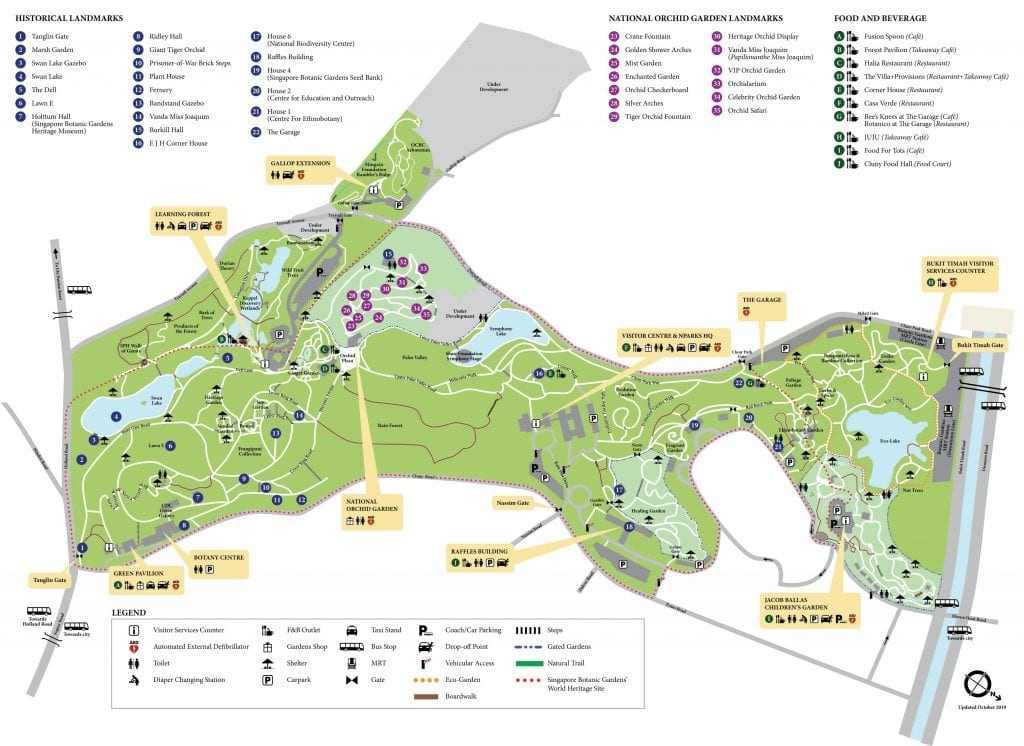
Keep this map — it’ll orient you when you arrive. The gardens are large enough to lose track of where you are, and sections like the Rainforest, the Orchid Garden, and the concert venue are spread across the full expanse.
Suggested Walking Route (2–3 hours)
Before we go section by section, here’s a practical route to get the most out of a visit:
- Enter via Tanglin Gate — the main entrance near the MRT station
- Admire the Grand Clock Tower near the entrance — a SEIKO clock set in a beautiful heritage frame
- Walk the Heritage Landscape — the oldest part of the garden, showing the Victorian British colonial design influences
- Visit Swan Lake — elegant swans, lotus water lilies, and some of the most beautiful early-morning light in Singapore
- Explore the Rainforest — 6 hectares of primary rainforest inside the garden
- Enter the National Orchid Garden — budget at least 45–60 minutes here
- Walk through the Ginger Garden and enjoy the Eco Lake
- Exit via Nassim Gate, or loop back to Tanglin Gate
For evening visits: Enter via Bukit Timah Gate and check whether a concert is taking place at the Symphony Stage — see the concerts section below.
Let’s Walk Through the Gardens
I was animated to visit this place. It’s not that I had never been to a garden before — it’s that I had never been to a tropical garden on the UNESCO World Heritage list. And my initial impression was wonderful, even before I had properly entered.
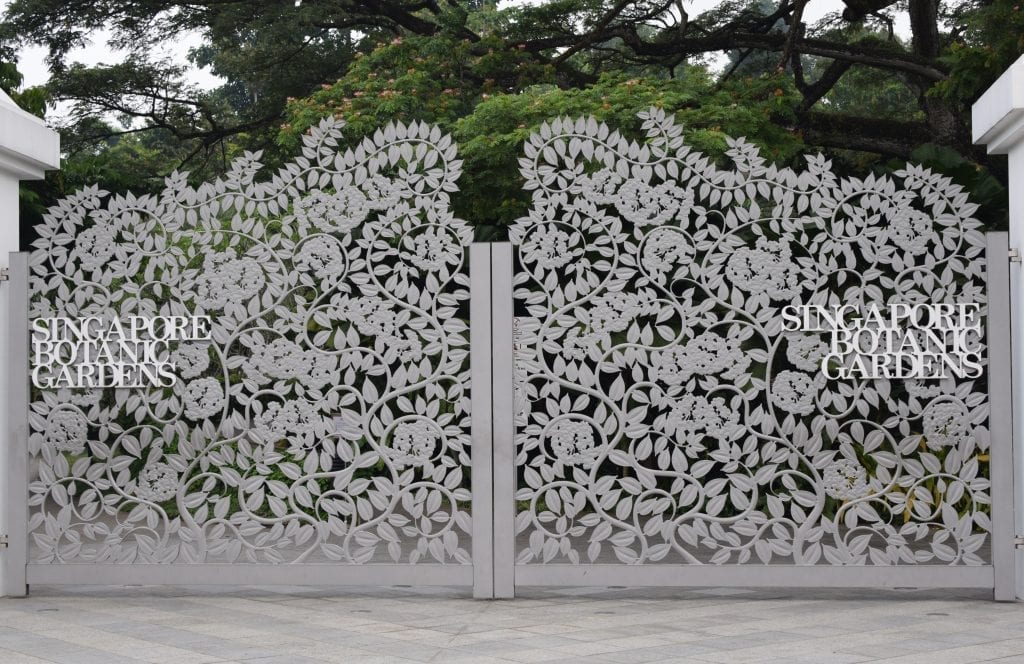
First, the entry gate: delicate, sophisticated, the colours and pattern projecting a soothing elegance the moment you look at it. It’s like a lace embroidery on a wedding dress — an unlikely comparison, but I stand by it.
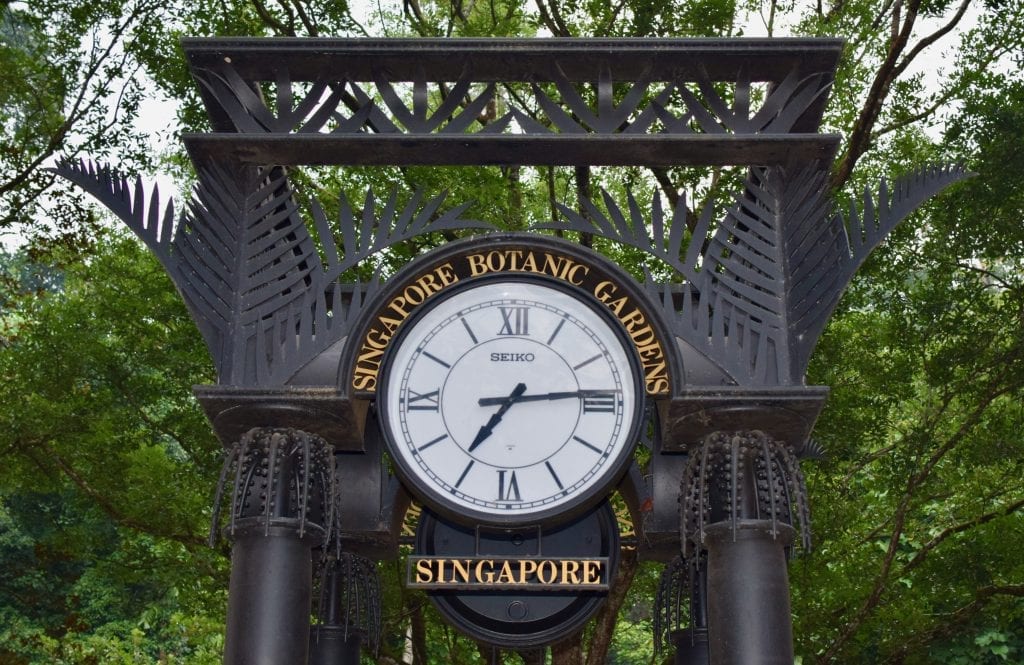
Then this: a magnificent grand clock.
It was early in the morning for me and the weather was perfect — neither hot nor cold, the air still fresh before Singapore’s heat set in. There were very few people inside. A lush green serenity reminded me of the island’s famous relationship with its own greenery.
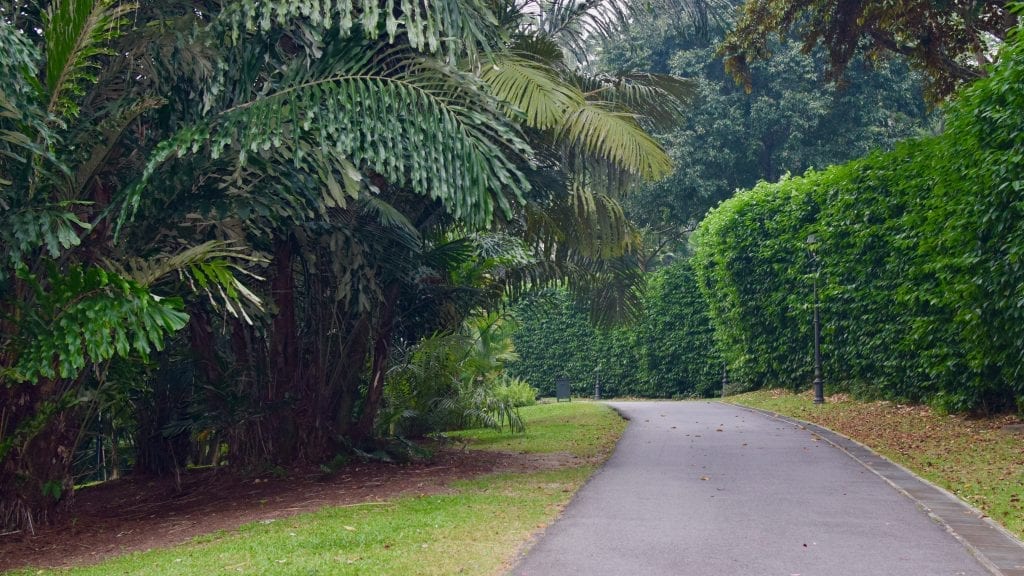
There are paved walkways in every direction — some wide, some narrow, all beautifully maintained. Wandering through them gives you the sensation of walking through a forest, even while you’re within a city of six million people. The British influence is visible everywhere: in the formal lawns, the Swan Lake, the curved paths designed for leisurely Victorian strolls.
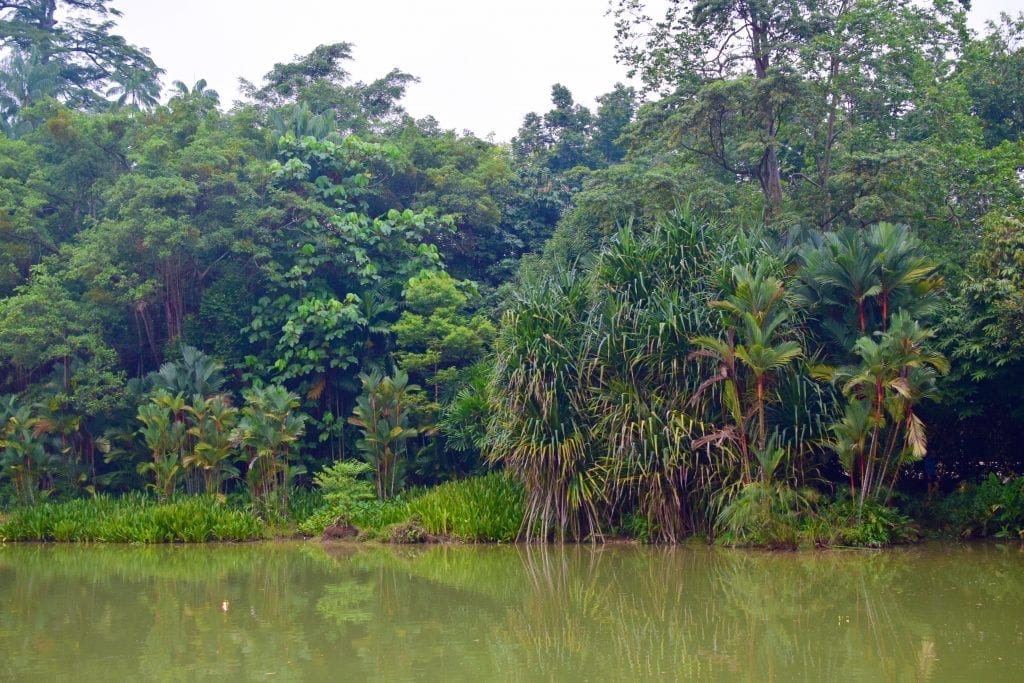
And then suddenly you realise that there is a genuine rainforest inside the garden. A six-hectare patch of primary tropical forest that has been here since before the city. If you visit during the wet season — which is to say, at almost any time — I wouldn’t be surprised if you encounter a passing shower beneath its canopy.
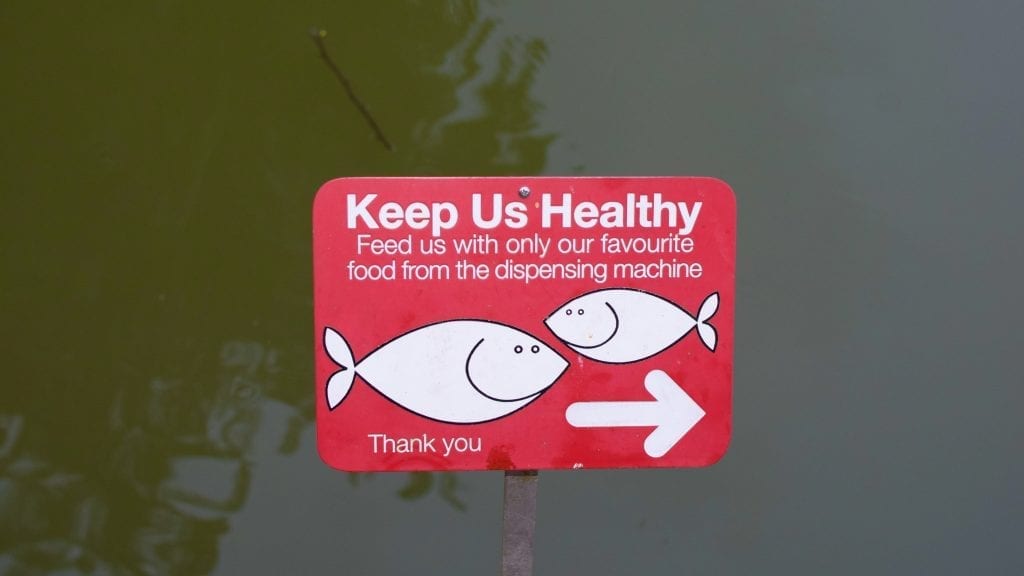
The ponds are a delight. Many visitors throw food in for the fish — but the fish, it turns out, have lodged an official objection.
The garden authority has installed food dispensing machines near the ponds — you can buy proper fish food and feed the fish correctly. It’s a small detail, but it tells you something about how Singapore approaches the care of even its smallest residents.
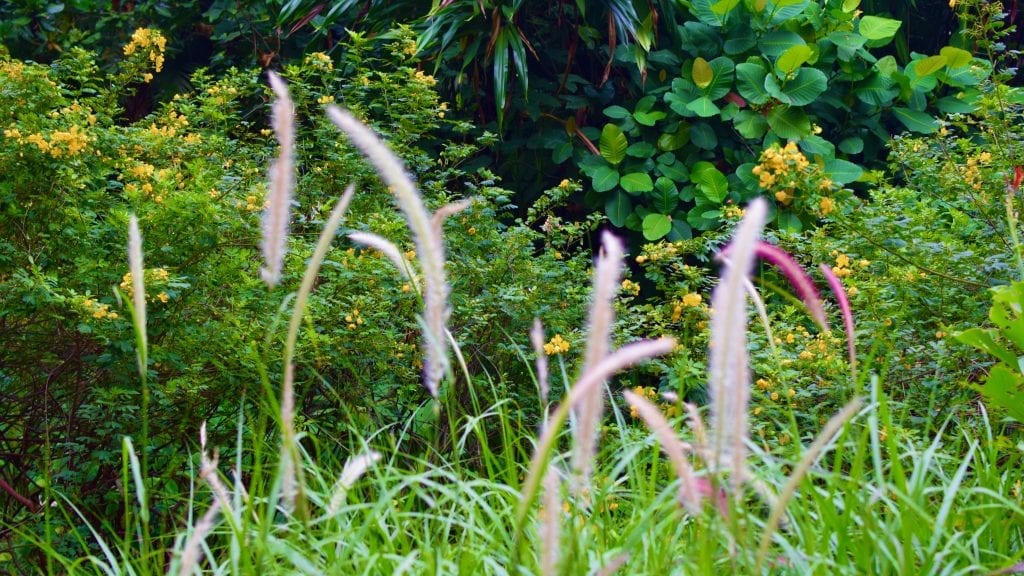
My walk continued through endless beautiful things. Apart from the enormous old trees, there were flowers and orchids I didn’t know the names of — and didn’t need to. Beauty doesn’t require a label.
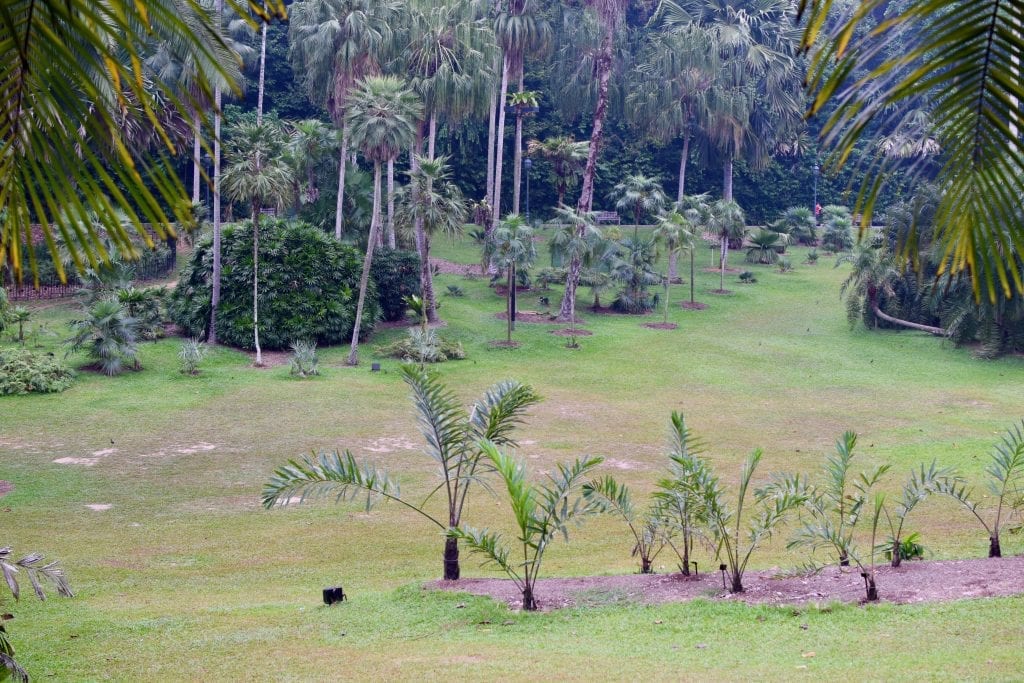
One interesting observation: although the garden has been here for over 160 years and is full of enormous mature trees, they are still planting. I saw young trees being installed in various open spaces among their older neighbours — the garden is not a museum but a living, growing thing.
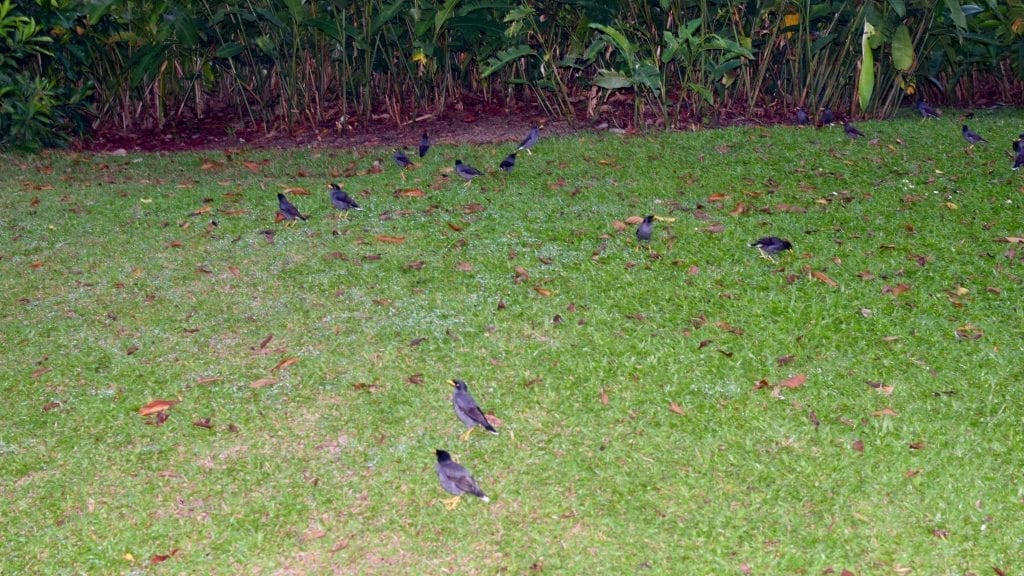
And the birds! If you arrive early enough in the morning, you’ll see them conducting what I can only describe as a planning session in the treetops — calling to each other, moving from branch to branch, invisible except for their sound until you look carefully.
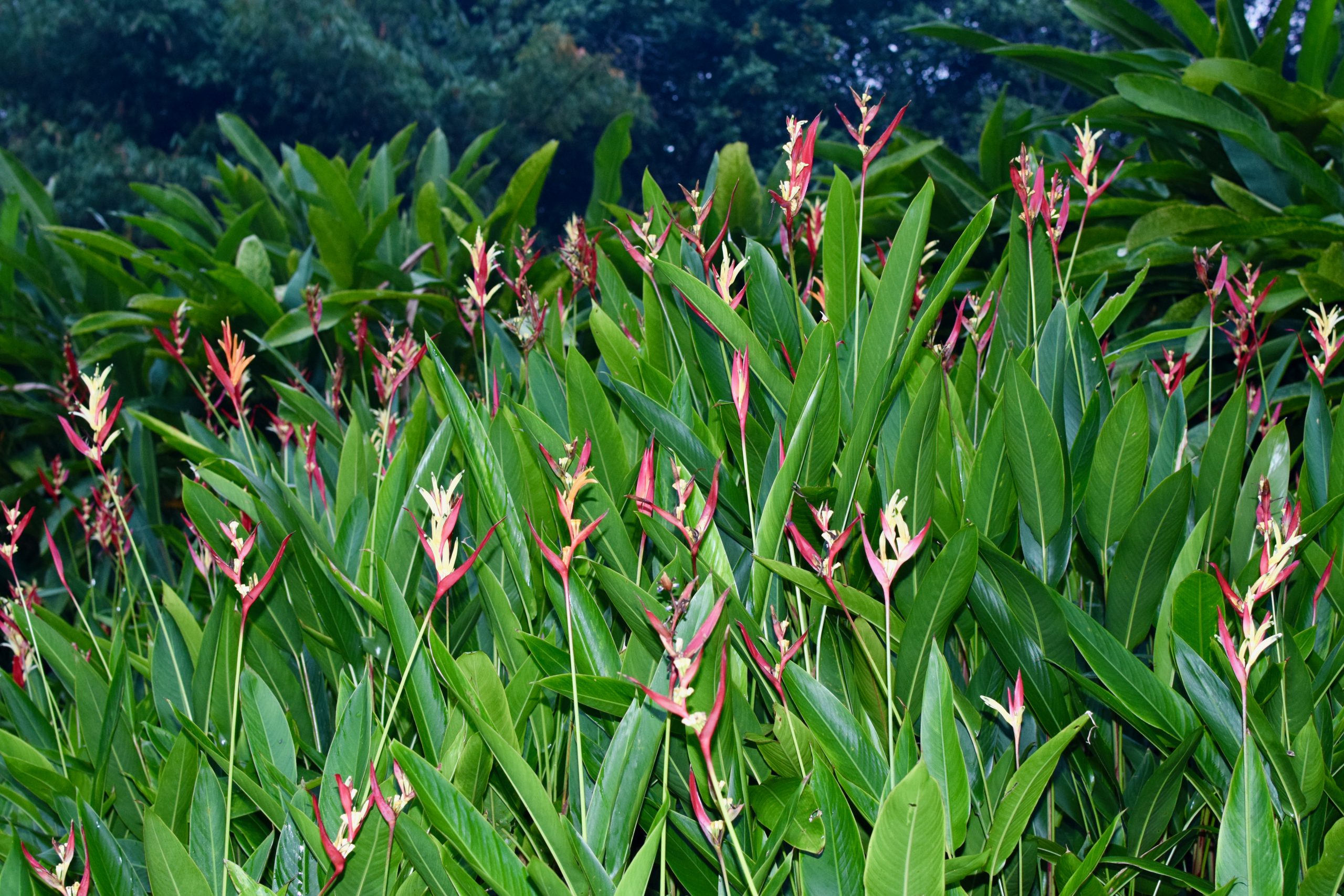
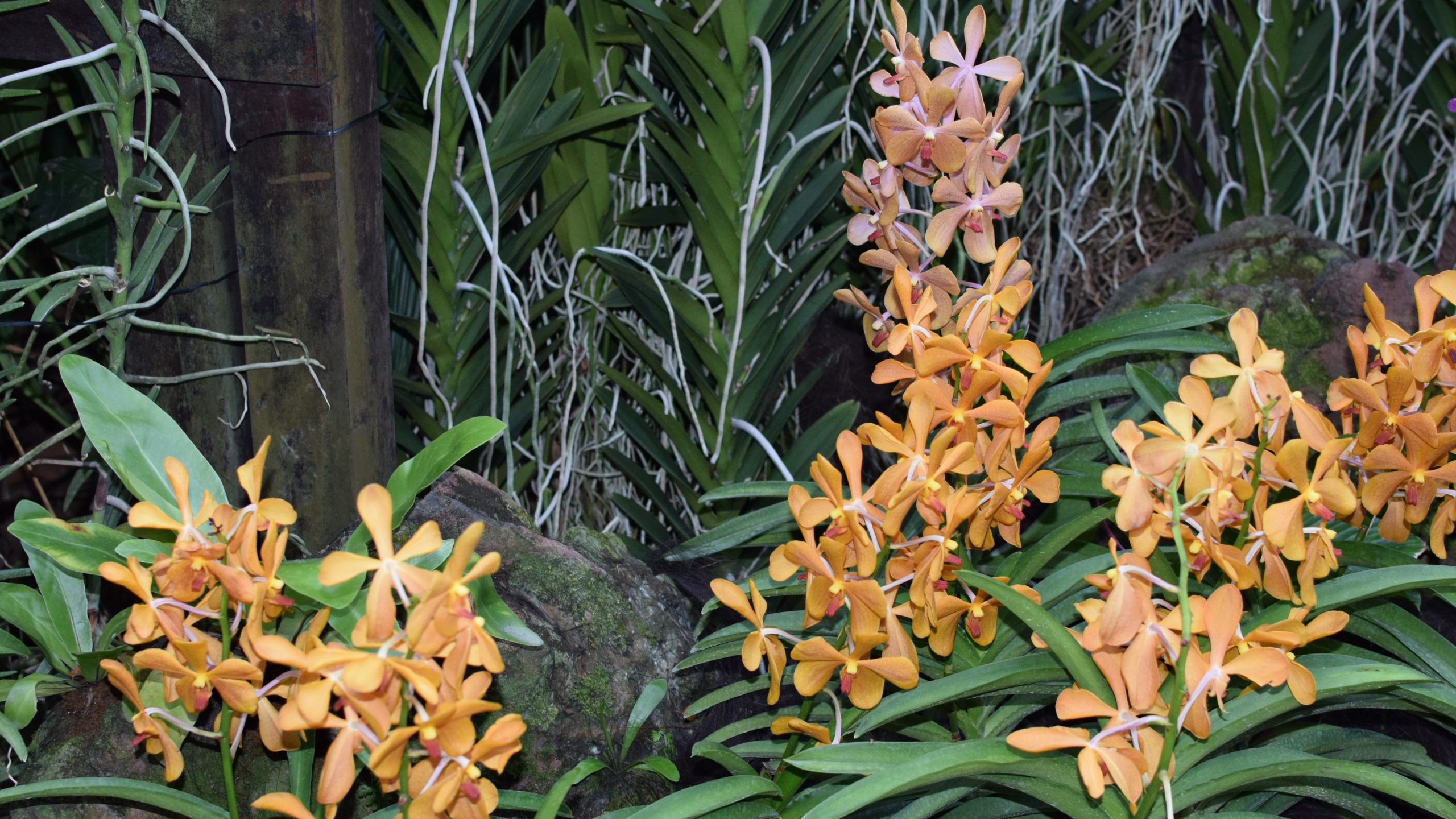
As much as I would like to describe so many things in the garden, I can’t keep the flowers and orchids away. Look at the photos below to know what I meant!
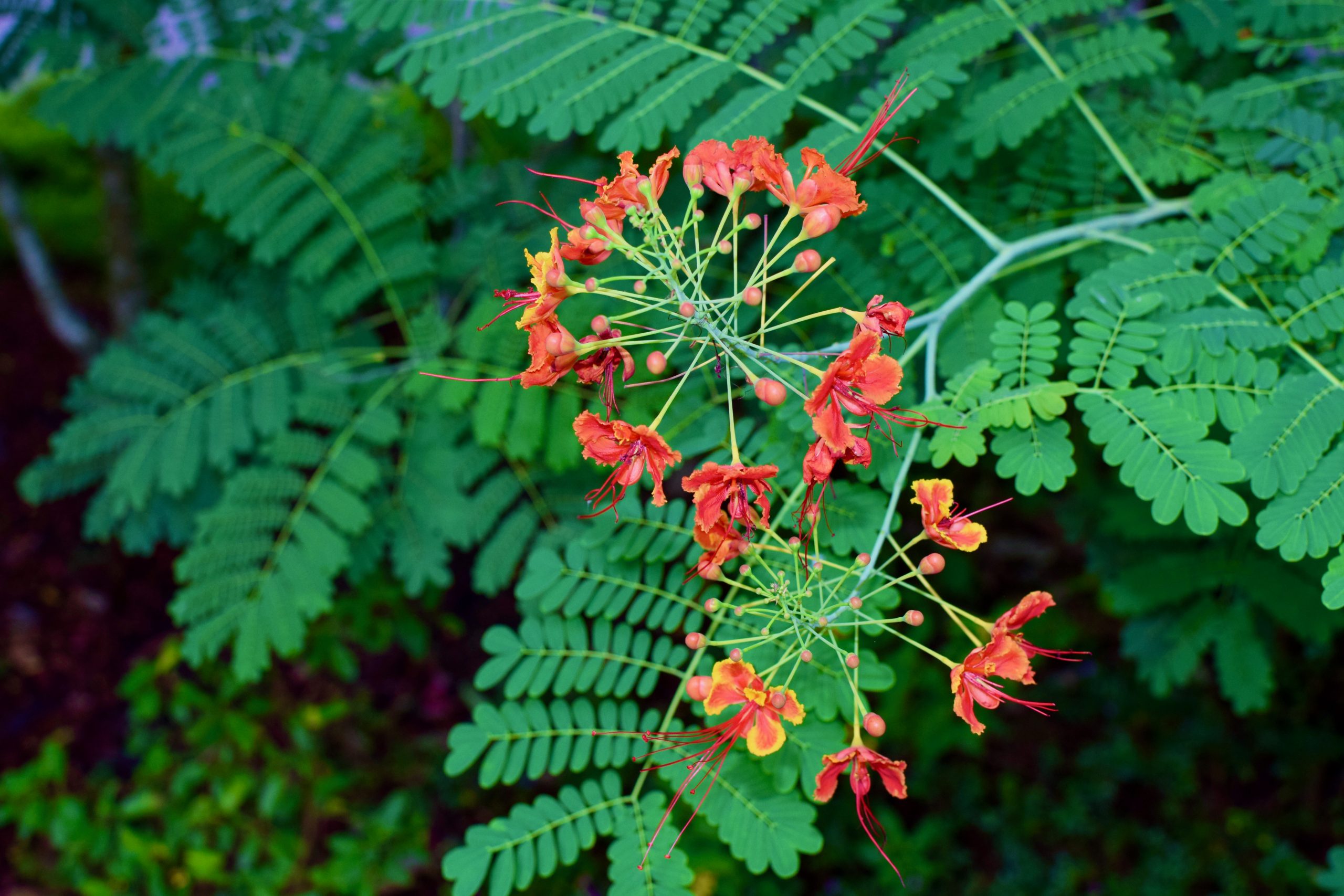
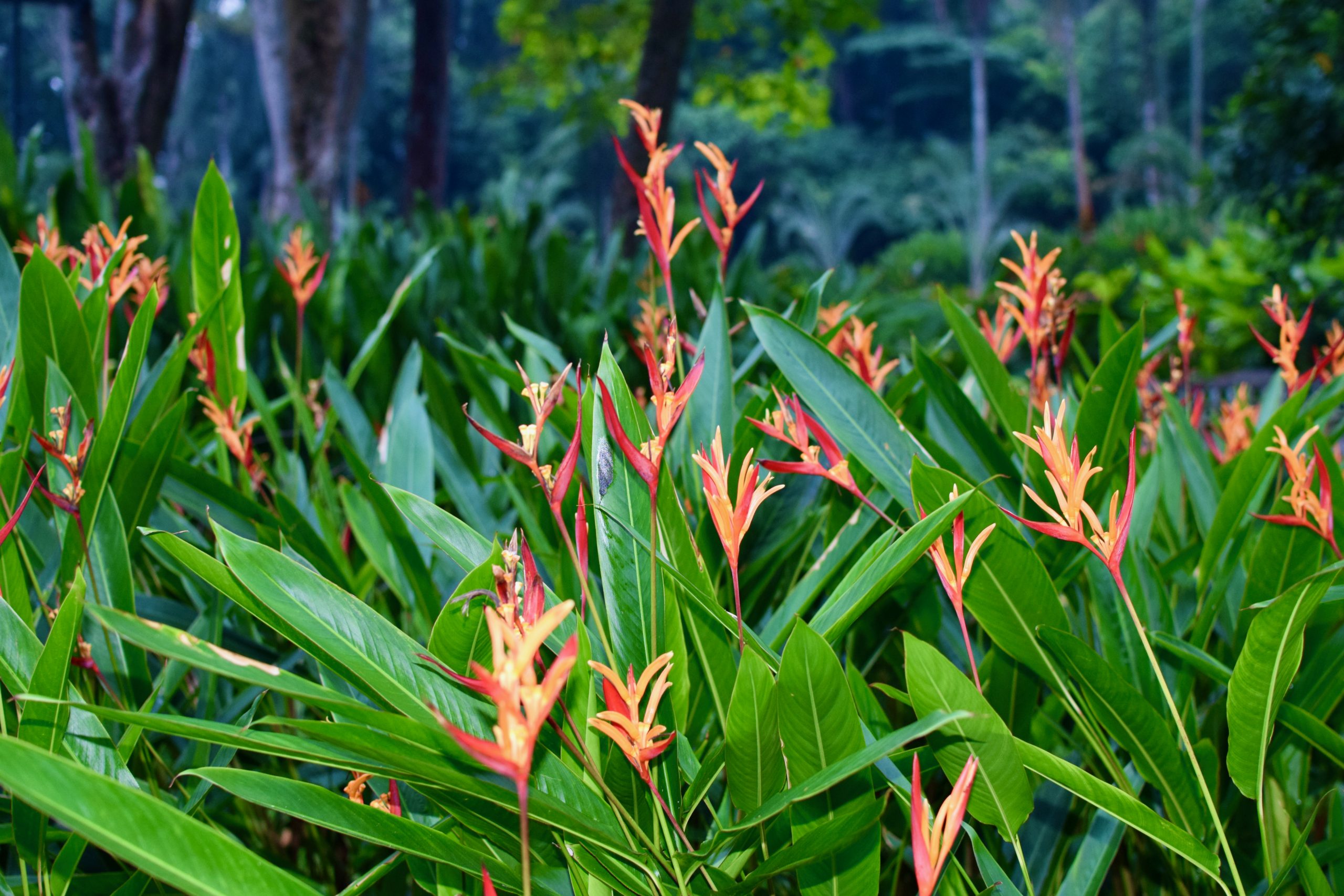
The Sculpture: Girl on a Swing
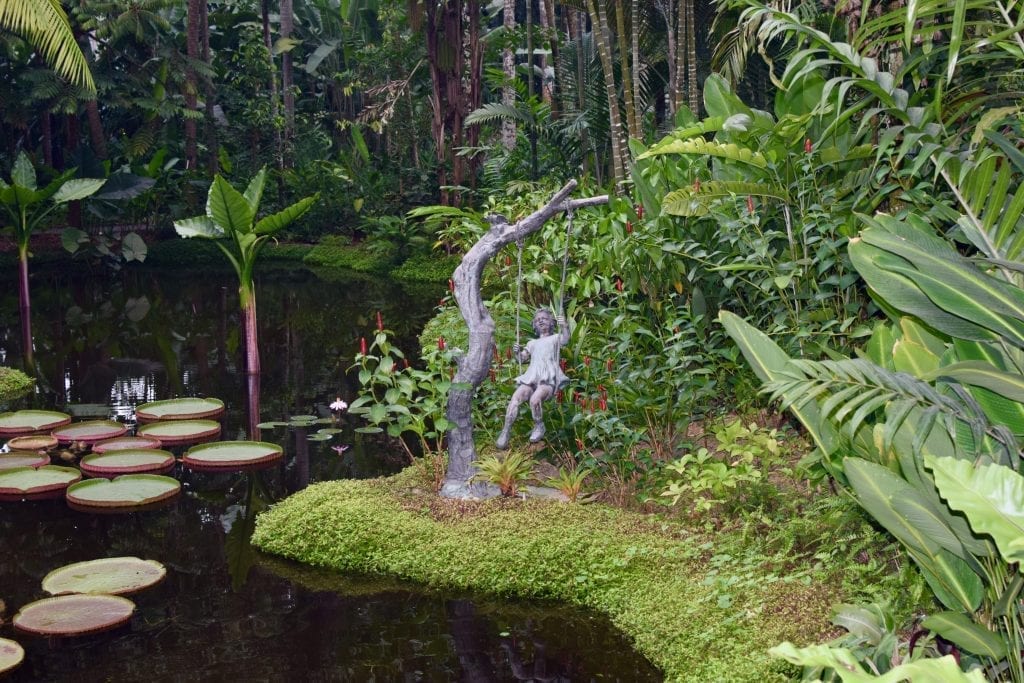
There are several sculptures in the garden. Some of them are made of bronzes. I found one of them on my way – it’s called Girl on a Swing. A local girl wearing traditional Sarong is swinging in the open over multicolored flowers and shrubs. This is how freedom feels like!
The Water Lilies
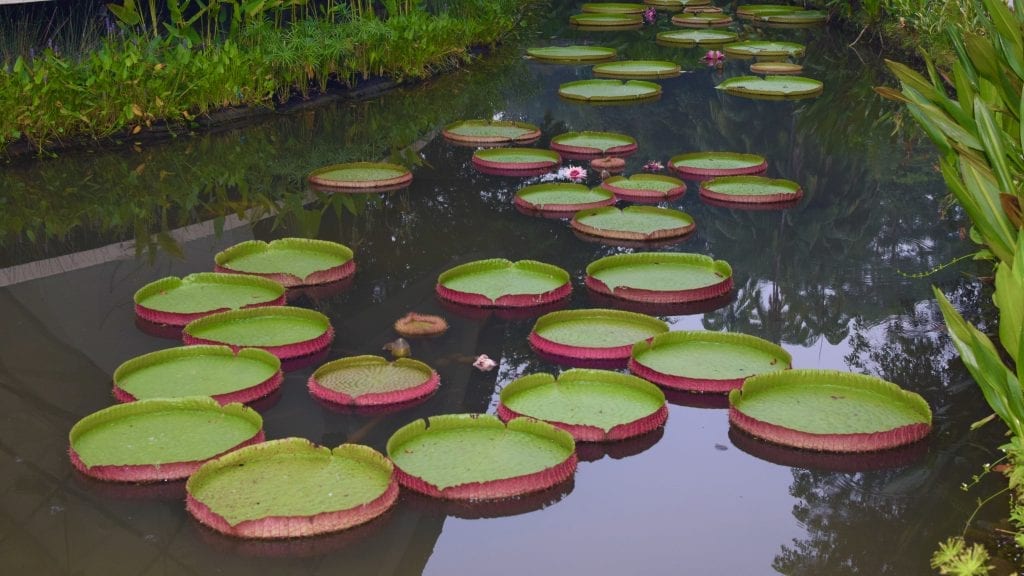
We live with small moments, don’t we? Some moments in life last far longer in memory than their duration would suggest. My visit to the Botanic Gardens was marked by one of them.
Near one of the garden’s ponds, I found water lilies — and the sight of them, perfectly still in the early morning light, presented what I can only call the most quietly exquisite moment of my entire Singapore trip.
No wonder four million visitors a year come here. There are moments in this garden that you don’t easily forget.
Hidden Gems Most Visitors Miss
The SPH Walk of the Giants
Most visitors follow the main paths between the Orchid Garden, Swan Lake, and the Rainforest — and miss one of the gardens’ most extraordinary features entirely. The SPH Walk of the Giants is a 260-metre elevated boardwalk that takes you 8 metres above the ground through the forest canopy, face-to-face with palms, giant epiphytes, and century-old trees that grow to the height of a 20-storey building. The suspended canopy webs around the giant trees make this one of the most unusual walking experiences in Singapore. It’s in the Learning Forest section of the gardens and is entirely free.
The Prisoner of War Steps
On the path from the Tanglin Gate to the National Orchid Garden, look for a set of steps that carry an extraordinary history. These are the Prisoner of War Steps, built under Japanese occupation in 1942 by Allied prisoners — many of them Australian — incarcerated at Changi Prison. Look closely at the bricks: they are engraved with tiny, uneven arrows — a mark of defiance, a code carved in secret. It’s a sobering reminder that this peaceful garden carries the weight of history alongside its beauty.
National Orchid Garden
Inside the Botanic Gardens there is a section dedicated entirely to orchids: the National Orchid Garden. This is not just Singapore’s largest orchid collection — it is one of the largest in the entire world.
The numbers: Over 1,500 species and 3,000 hybrids on display — a collection that has grown significantly through the gardens’ century-long breeding programme. Around 60,000 individual plants are in bloom at any given time.
Opening hours: 8:30am – 7:00pm daily. Last entry is 6:00pm — later than most visitor guides suggest, giving you more time than you might expect for an afternoon or early evening visit.
But what makes this garden truly special — and what gives visitors a wonderful story to tell — is the Celebrity Orchid Collection. Singapore has a long tradition of honouring distinguished visitors by naming new orchid hybrids after them. Walk through this section and you’ll encounter orchids named after:
- 👸 Princess Diana — Dendrobium ‘Princess Diana’, named when she visited Singapore in 1989
- 🎬 Shah Rukh Khan — Aranda ‘Shah Rukh Khan’, honouring the Bollywood superstar
- 🕊️ Nelson Mandela — Spathoglottis ‘Nelson Mandela’, named for the late South African president
- 🥋 Jackie Chan — Dendrobium ‘Jackie Chan’
Yes — you can tell people you met Mandela, Diana, Shah Rukh Khan, and Jackie Chan all in the same garden. On the same morning.
Don’t miss the Sembcorp Cool House inside the Orchid Garden — an air-conditioned glasshouse that drops to a blissful 16–24°C while Singapore swelters outside. It houses over 1,000 orchid species and hybrids from high-elevation montane forests, displayed across two storeys. After an hour of walking in tropical heat, stepping in here feels like a gift. It’s also one of the most photogenic spaces in the entire gardens.
Free guided tours: Guided tours of the National Orchid Garden run on the third Saturday of every month at 9am, 10am, 11am, and 4pm in multiple languages. These are free (though you still pay the Orchid Garden entrance fee). A guided tour transforms what might seem like a garden of beautiful flowers into a story of conservation, science, and diplomacy. Highly recommended.
Singapore Botanic Gardens Entrance Fee
Singapore Botanic Gardens Entrance Fee
Free!
Yes — the main Botanic Gardens is completely free to enter. Anyone can walk in through any gate, explore at leisure, and spend as much time as they like.
The only paid section is the National Orchid Garden inside the gardens. Note there are two pricing tiers — non-residents pay significantly more than Singapore residents:
| Visitor | Non-Resident Fee | Singapore Resident Fee |
|---|---|---|
| Adults | SGD 15 | SGD 5 |
| Seniors (60+) | SGD 3 | SGD 1 |
| Students (with valid ID) | SGD 3 | SGD 1 |
| Children below 12 | Free | Free |
At SGD 15, the National Orchid Garden is still excellent value — this is the world’s largest tropical orchid collection, with over 1,500 species and 3,000 hybrids, plus the Cool House and VIP Celebrity collection. Budget travellers should know: book online in advance through Viator or Klook where discounts of up to 30% are sometimes available.
👉 Buy National Orchid Garden tickets via GetYourGuide — discount available online vs gate price
👉 Buy National Orchid Garden tickets via Viator
I can recommend you a great guided tour in Singapore Botanic Gardens, you will be able to gather a lot of knowledge if you join them.
Restaurants in Singapore Botanic Gardens
You will be surprised to know that the Botanic Gardens contains a two-Michelin-star restaurant — and several other excellent options across different budgets.
- Corner House ⭐⭐ — Two Michelin stars. Set in a beautifully restored 1910 colonial bungalow near the Nassim Gate entrance. Serves stunning French-Asian cuisine. Dinner from SGD 190+/person; tasting menus available. Book weeks in advance — this is one of Singapore’s most sought-after reservations. 👉 📝 Affiliate note: Corner House takes reservations via their own website (cornerhouse.com.sg) and also via Chope (Singapore’s main restaurant booking platform). If you have a Chope affiliate relationship, insert the link here. If not, link directly to the Corner House website.
- Botanico — Upscale all-day dining in the heritage Garage building. Particularly popular for weekend brunch. Mid-range to expensive.
- Bee’s Knees — Casual café on the ground floor of Botanico. Great for coffee and light bites before or after your walk.
- The Halia — Set in the Ginger Garden. Halal-certified, vegetarian-friendly. Lunch and dinner. Beautiful alfresco setting.
- Di Wei Teochew Restaurant — Authentic, affordable Chinese cuisine. One of the more budget-friendly options inside the gardens.
- Casa Verde — Italian cuisine, family-friendly, near the main entrance.
- Fusion Spoon — Near Tanglin Gate. Halal-certified casual dining: Western, Asian, Japanese, Korean. Good value.
- Food for Tots — Kids-friendly restaurant, ideal for families.
- JUJU — Near Bukit Timah Gate. Grab-and-go: smoothie bowls, healthy bites.
- The Provisions (Ginger Garden) — Grab-and-go food and drinks. Good for a quick snack mid-walk.
Singapore Botanic Gardens MRT Station
There is excellent news on transport: unlike many Singapore attractions (the zoo, notably), the Botanic Gardens has its own MRT station right beside it.
Botanic Gardens MRT Station (CC19/DT9) sits at the intersection of the Downtown Line (Blue) and the Circle Line (Orange). This means you can reach the gardens directly from almost anywhere in the city without needing to change lines twice.
Coming from Changi Airport: take the Downtown Line from Changi Airport/Expo directly to Botanic Gardens Station — the journey is about 35–40 minutes with no changes needed.
The most convenient way to use the MRT is with a reloadable travel card. It’s cheaper than single-journey tickets and works on buses too. Buy your Singapore MRT travel card via Klook and collect it at the airport — no queuing at the machine when you arrive.
Singapore Botanic Gardens Opening Hours
- Main garden: 5:00am to midnight, daily (yes — open until midnight!)
- National Orchid Garden: 8:30am to 7:00pm daily (last entry at 6:00pm)
The main garden’s extraordinary hours make it one of the few attractions in Singapore you can visit at almost any time. Early morning (before 8am) is wonderful: cool, quiet, and beautifully lit.
Singapore Botanic Gardens Concert
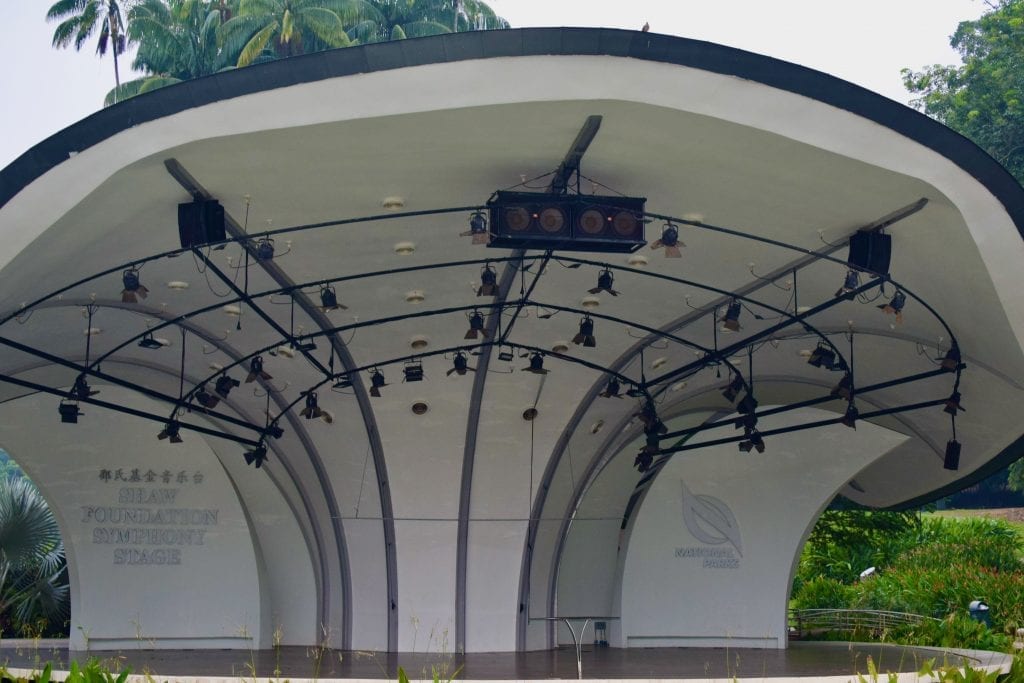
Inside the gardens, on an artificial lake, sits the Shaw Foundation Symphony Stage — one of the most beautiful outdoor concert venues in Asia. Instead of sitting in stadium seating, audiences spread out across the grass slope surrounding the stage. It’s an experience: the music floating through tropical night air, fireflies occasionally visible, the Botanic Gardens dark and quiet around you.
The Singapore Symphony Orchestra performs here approximately once a month — and the concerts are free. Other performers and music events also take place throughout the year.
Check the Singapore Botanic Gardens events calendar before your trip. If you can time your visit with a concert evening, it’s one of the most memorable experiences Singapore has to offer — and one that most tourists completely miss.
Wedding in Singapore Botanic Gardens
What better place to get married than a UNESCO World Heritage Site? Yes, weddings do take place here — in dedicated halls and spaces available for hire. The Botanic Gardens isn’t free for wedding bookings, and advance planning is essential, but the setting is extraordinary. The open green spaces serve as a natural backdrop for photography.
If you’re planning to propose in Singapore, the water lily pond in the early morning would be a strong candidate for the most beautiful spot in the city.
Jacob Ballas Children’s Garden — For Families
There’s a wonderful addition to the Botanic Gardens that many visitors miss: the Jacob Ballas Children’s Garden — Singapore’s first garden designed for children and Asia’s largest children’s garden. It features:
- Adventure play areas with rope bridges, climbing structures, and a tree house
- A water play area — bring a change of clothes and a towel
- A sensory trail designed to engage all five senses
- A working farm and orchard, with a forest that has its own stream and ponds
- Educational exhibits about how plants grow and how food is produced
Entry is free.
Opening hours: 8:00am – 7:00pm (last entry 6:30pm). Closed every Monday — unless that Monday falls on a public holiday, in which case it opens and the following Tuesday is instead closed. Always worth checking before you plan a family visit.
Important: Adults must be accompanied by a child aged 14 or below to enter Jacob Ballas Children’s Garden. The garden is reserved for children and their family groups.
Facts about Singapore Botanic Gardens
Who founded Singapore Botanic Gardens?
The first botanical garden in Singapore was established in 1822 by Sir Stamford Raffles — also the founder of modern Singapore — on Fort Canning. The current Botanic Gardens at their present site were established in 1859 under the direction of Laurence Niven, a horticulturist who shaped much of the garden’s foundational design.
When was Singapore Botanic Gardens built?
The gardens have been at their present location since 1859 — making them older than Singapore’s independence (1965) by over a century.
How much time should I spend in Singapore Botanic Gardens?
At minimum, 2 hours. If you want to visit the Orchid Garden and have a meal, plan for 3–4 hours. Those coming for an evening concert may spend an entire half-day.
How big is the Singapore Botanic gardens?
202 acres / 82 hectares — very large by urban garden standards. Wear comfortable shoes.
Why is Singapore botanic gardens a world heritage site?
The Singapore Botanic Gardens was inscribed as a UNESCO World Heritage Site in 2015 — the only tropical botanic garden in the world to receive this designation.
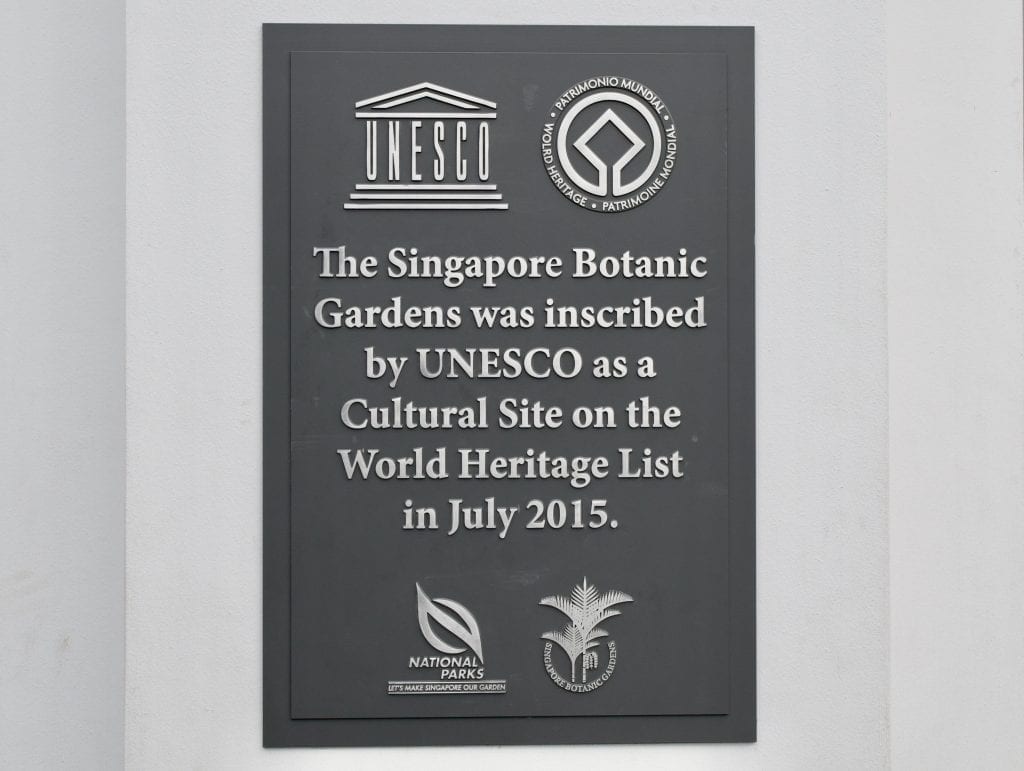
I am a genuine admirer of UNESCO World Heritage Sites. Wherever I travel, I seek them out. Singapore has only one — and the Botanic Gardens wears that designation with full justification. Two reasons drove UNESCO’s decision:
1. The unique tropical colonial garden landscape. This garden represents something extraordinary: the application of British Victorian landscape design to a tropical Asian environment over more than 160 years of continuous care. It is simultaneously a piece of British colonial history and a deeply Singaporean place — the tensions of that duality visible in every formal lawn and every wild rainforest corner.
2. The role in the global rubber trade. In the late 1800s, H.N. Ridley — the Botanic Gardens’ director at the time developed the technique for sustainable rubber tapping using Brazilian rubber seeds that had been smuggled out of South America. He spent years convincing sceptical planters to adopt his methods. They eventually did, transforming Malaya (and Singapore) into the world’s dominant rubber producer by the early 1900s. That discovery, made in these gardens, helped fund much of the economic development of Southeast Asia. A garden that changed history.
Accessibility at Singapore Botanic Gardens
The gardens are largely accessible for visitors with mobility challenges:
- Paved pathways throughout all main areas
- Wheelchairs available for loan free of charge at the Tanglin Gate Visitor Centre (subject to availability)
- Accessible toilets at all major facilities throughout the gardens
- The main areas are flat; some sections (including the Rainforest) have uneven terrain
Where to Stay Near Singapore Botanic Gardens
The gardens sit in the Tanglin / Orchard Road area — one of Singapore’s most central and well-connected neighbourhoods. Staying nearby puts you within easy reach of the gardens for an early morning visit, as well as Orchard Road shopping and excellent transport links across the city.
Luxury:
- Shangri-La Singapore — A 5-minute walk from the gardens. The garden wing and pool are exceptional.
- The Goodwood Park Hotel — A heritage hotel on Scotts Road, within walking distance.
Mid-range:
- Novotel Singapore on Stevens — Excellent value, great transport links, 10 minutes from the gardens.
- Hotel Indigo Singapore Katong — Slightly further but highly recommended for its character.
Or search all hotels near Singapore Botanic Gardens on Booking.com for the latest prices — rates vary significantly by season.
Frequently Asked Questions: Singapore Botanic Gardens
What is the Singapore Botanic Gardens famous for?
It’s Singapore’s only UNESCO World Heritage Site — the first and only tropical botanic garden on the UNESCO list. It holds the world’s largest tropical orchid collection (1,500+ species, 3,000+ hybrids), a two-Michelin-star restaurant, and played a pivotal role in the global rubber trade in the 1900s.
Can I visit Singapore Botanic Gardens at night?
Yes — the main garden is open until midnight and sections near the restaurants and Evans Road are beautifully lit after dark. The National Orchid Garden closes at 7:00pm (last entry 6:00pm), so plan to see that section in the afternoon rather than late evening.
Is the Singapore Botanic Gardens good for families with children?
Very much so. The Jacob Ballas Children’s Garden is Asia’s largest children’s garden with free adventure play, water play, and a working farm. Open 8:00am–7:00pm but closed Mondays. Note adults must be accompanied by a child (aged 14 or below) to enter.
Is there a restaurant in Singapore Botanic Gardens?
Yes, several. The flagship is Corner House (two Michelin stars). Other options range from The Halia in the Ginger Garden to casual cafés like Bee’s Knees, spanning all budgets.
Are there free guided tours of Singapore Botanic Gardens?
Yes. Free guided tours of the National Orchid Garden run on the third Saturday of every month at 9am, 10am, 11am, and 4pm in multiple languages. You’ll still pay the Orchid Garden entrance fee, but the guided experience is free. Check the official Singapore Botanic Gardens website for the current schedule.
See More of Singapore
- 🗺️ 4-Day Singapore Itinerary for First Timers — Full day-by-day trip plan with real costs
- 🌙 Singapore at Night — The Complete After-Dark Guide — Light shows, Night Safari and more
- 🐘 Singapore Zoo — Complete Visitor Guide — Animals, tickets, family tips
- ✈️ Changi Airport — Complete Layover & Visitor Guide — Jewel, layovers, and more
Have you visited Singapore Botanic Gardens? How was your experience? Leave a comment below!
Found this Singapore Botanic Gardens guide useful? Pin it for later!


Leave a reply