
Bagan has thousands of ancient temples on a plain in Myanmar. This guide covers the best pagodas, the entry fee, e-bikes, balloons and the climbing ban, with a note on current government travel advice.
It’s a shame that I did not know about Bagan although I live not too far away from there. Bagan is an ancient archaeological complex in the Mandalay Region of Myanmar (Burma). The kingdom itself has earlier roots, but the golden age of temple construction here ran from the 11th to the 13th century, when an estimated 10,000 or more pagodas were built across the plain. It’s a UNESCO World Heritage Site. Depending on how you count the ruins, somewhere between 2,200 and 3,500 pagodas survive today, scattered across the plain near the bank of the Irrawaddy River.
Bagan Pagodas at a Glance
- 📍 Location: Mandalay Region, Myanmar, on the bank of the Irrawaddy River
- 🏛️ UNESCO status: World Heritage Site since 2019
- 🕌 Surviving structures: Roughly 2,200 to 3,500, out of an estimated 10,000+ originally built
- 🎟️ Entry fee: 30,000 Kyat for 3 days (raised from 25,000 Kyat and 5 days on 1 October 2023)
- 🧗 Climbing: Banned at the vast majority of temples, so confirm current status locally
- 🚲 Getting around: E-bike, roughly $4 to 8 a day in older price guides (confirm locally)
- ☀️ Best time to visit: November to February
- 🎈 Hot air balloons: Traditional season runs roughly from October or November to March; confirm with an operator
⚠️ CHECK YOUR GOVERNMENT’S TRAVEL ADVICE FIRST
The UK Foreign Office advises against all but essential travel to Mandalay Region, which includes Bagan, and against all travel to several other parts of Myanmar, including the Magway and Sagaing regions near the Bagan area (still current on 9 November 2026). The US State Department says do not travel to Burma because of armed conflict, civil unrest, arbitrary detention and landmines. These are government warnings about the country as a whole, not a report of fighting inside the temple plain. Travelling against government advice can invalidate travel insurance, so get written confirmation from your insurer that your itinerary is covered. Consular help can be limited. My photos and diary are from my own earlier visit, so conditions and access may be different now.
This post contains affiliate links. If you book through them, I may earn a small commission at no extra cost to you.
I went to Bagan from Yangon by an overnight bus. If a 9-hour overnight bus isn’t for you, flights from Yangon to Bagan take under an hour and land at Nyaung-U Airport, right in the archaeological zone itself. Check current flight availability, because schedules change. As soon as I checked in the hotel there I took an electric bike and drove on my own. It’s fine if you want to follow a map, but my suggestion would be to get lost amongst these temples. At one point of driving through the ruins, I felt like; I was in another universe surrounded by aliens!
Before you go: the climbing situation has changed
Climbing to the top of temples used to be one of Bagan’s signature experiences, and this article originally encouraged it. That’s no longer accurate. Restrictions began in 2016 and have tightened since, largely for structural safety following earthquake damage, and climbing is now banned at the great majority of temples. Which specific temples (if any) remain open for climbing has shifted over time and is inconsistently enforced, so don’t plan your visit around climbing a particular one. Instead, head to the Nan Myint viewing tower or one of the purpose-built viewing mounds scattered around the plain, or take a hot air balloon at sunrise, all good alternatives for the panoramic view climbing used to offer.
Explore Bagan Pagodas through Photos
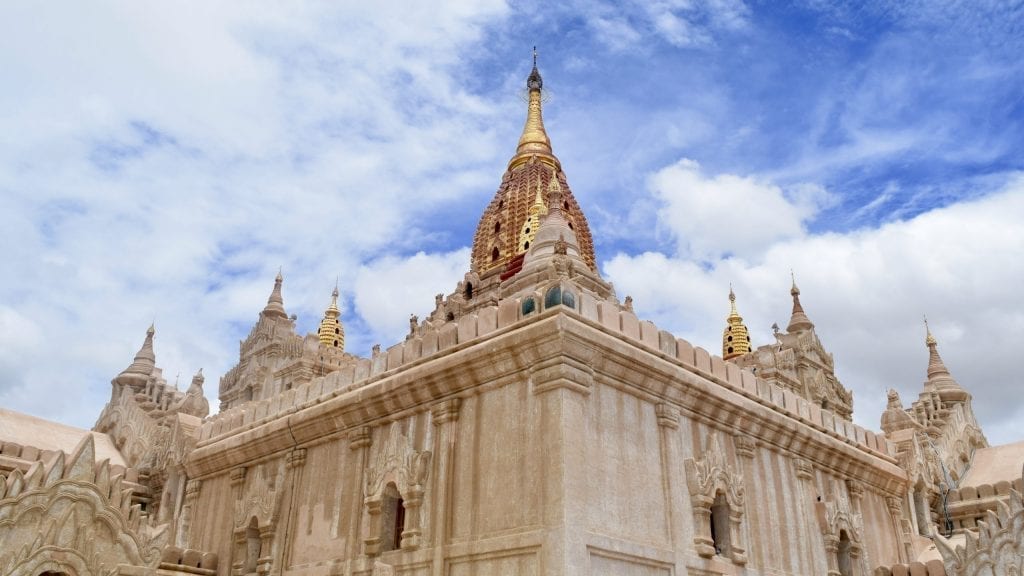
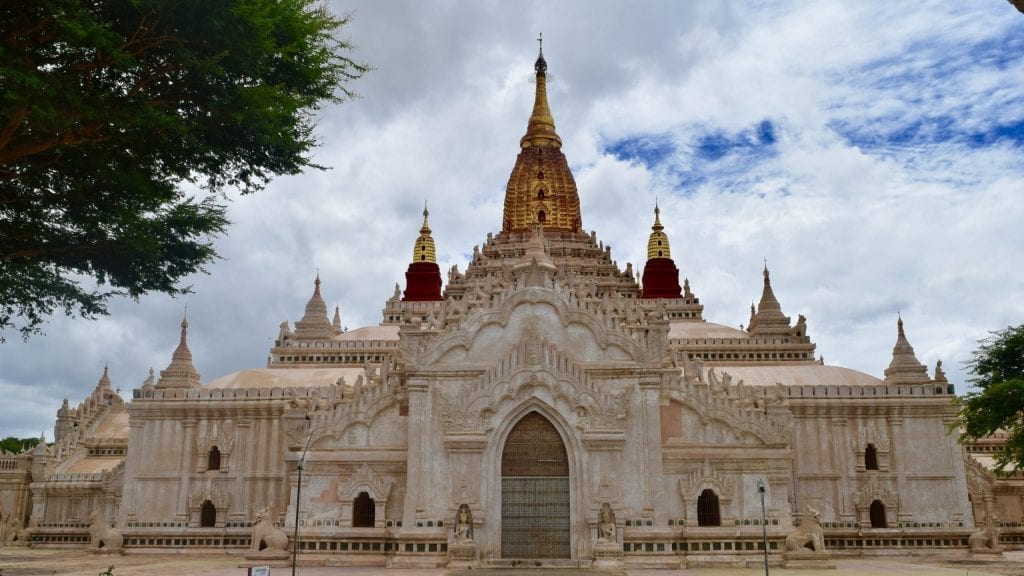
Ananda Temple was completed in 1105 under King Kyansittha, and it’s widely considered the finest surviving example of early Bagan architecture, a cruciform layout topped with a gilded spire, believed to have been influenced by Indian temple design.
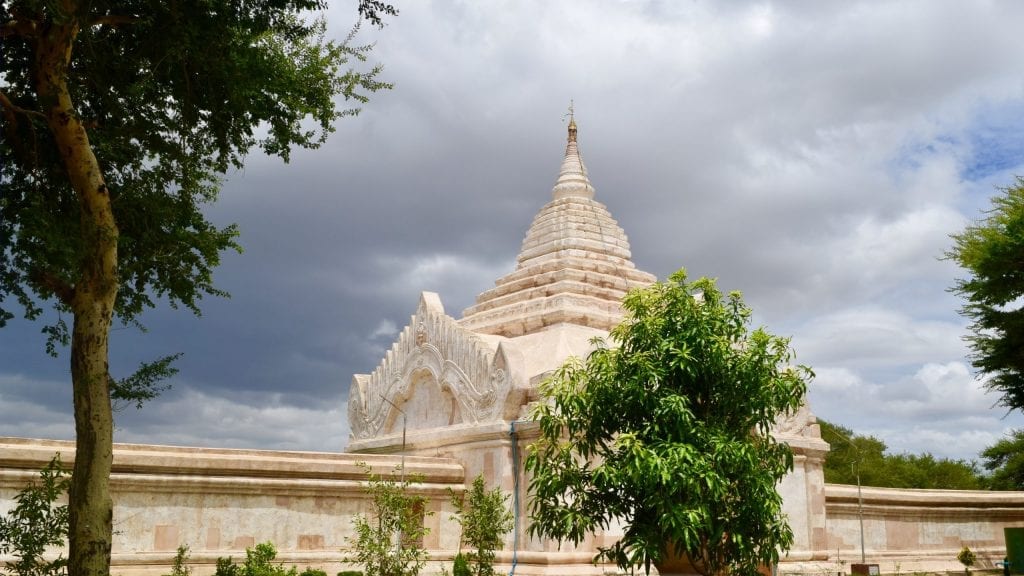
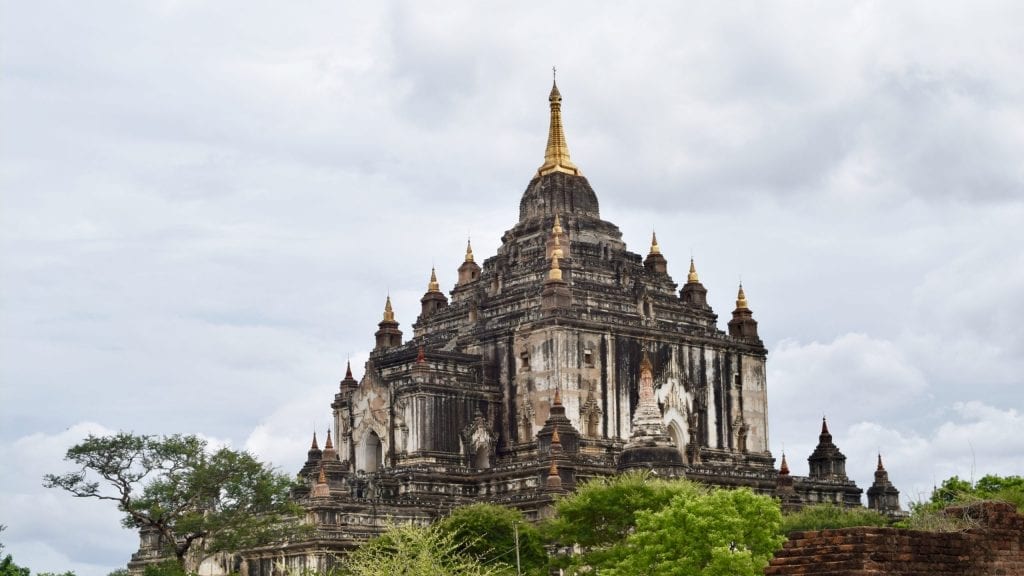
Thatbyinnyu is the tallest temple on the plain, primarily white with gold-tipped spires. Past earthquakes have made its upper stories structurally unstable, so it’s one of the temples where climbing has been off-limits for some time regardless of the wider rules.
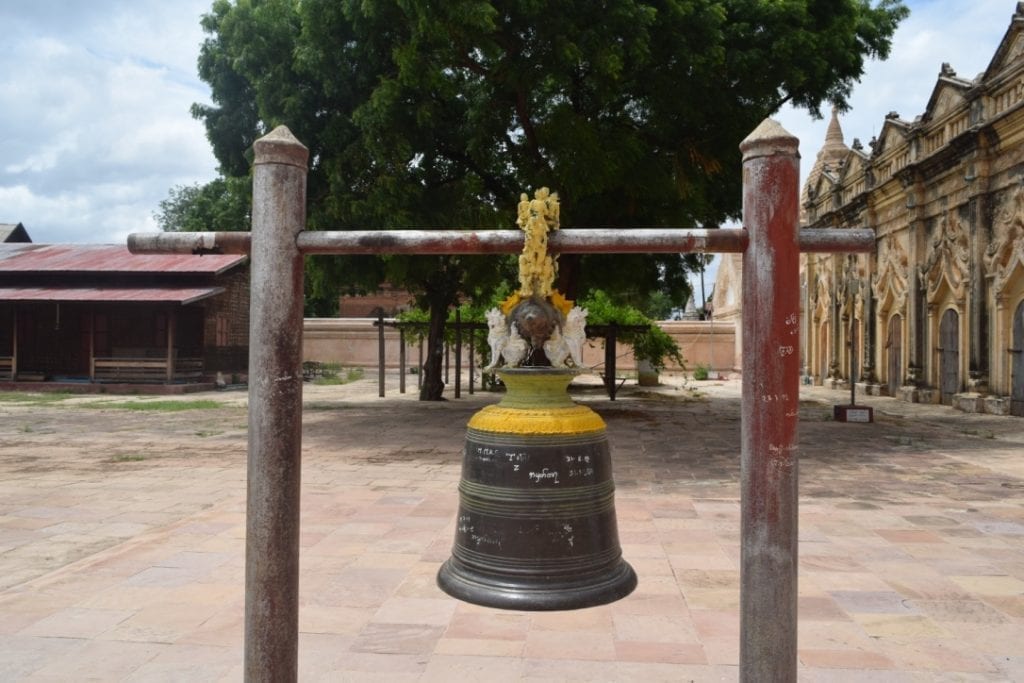
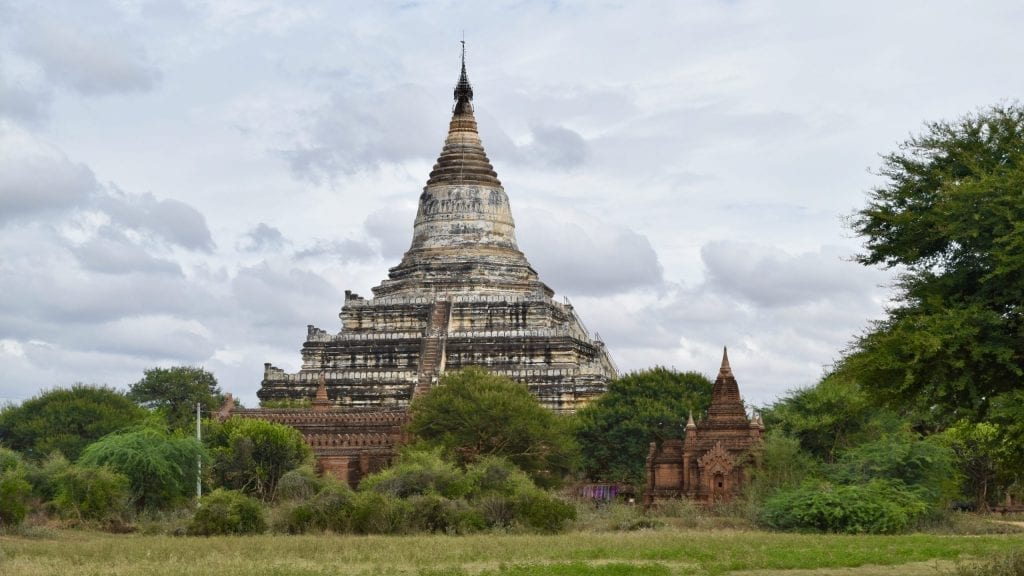
Shwesandaw dates to around 1057, built under King Anawrahta, and was once Bagan’s best-known sunset spot. Do not assume climbing is permitted there today.
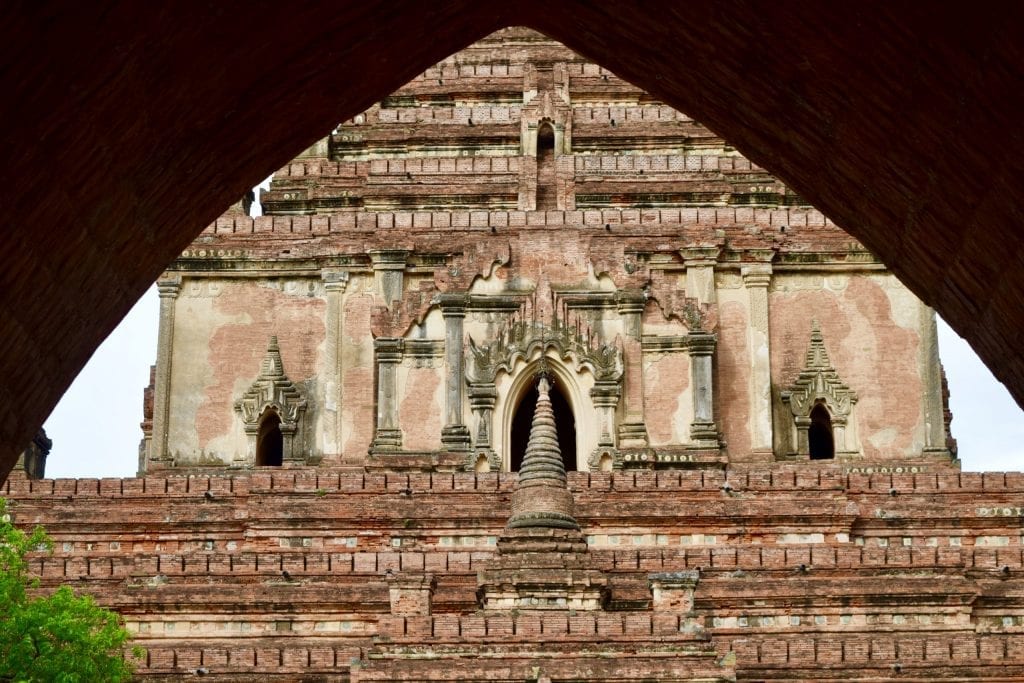
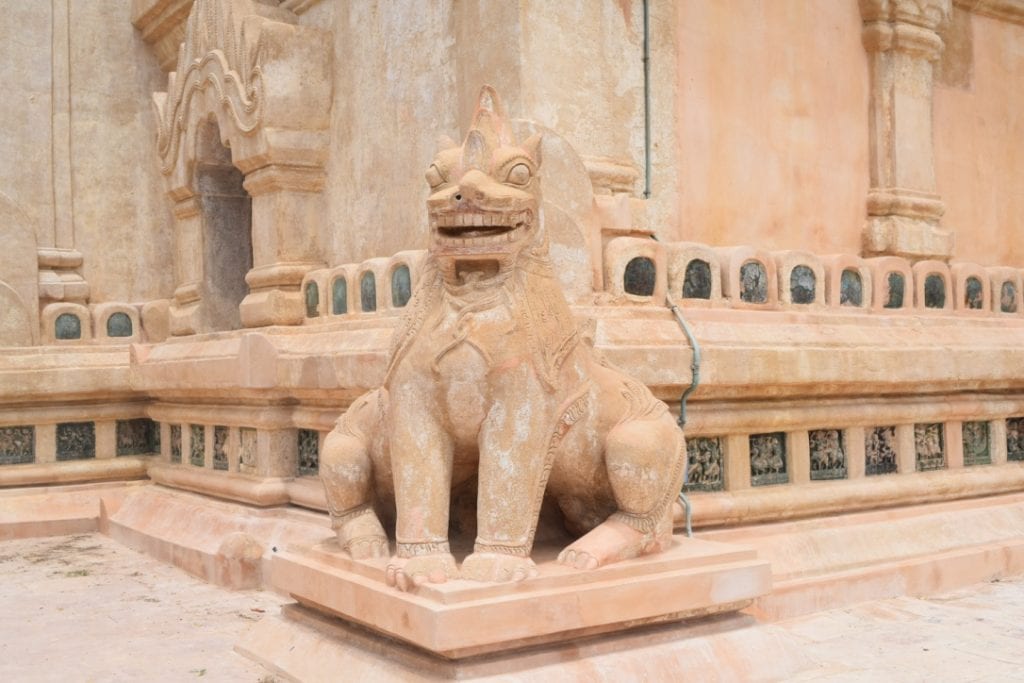
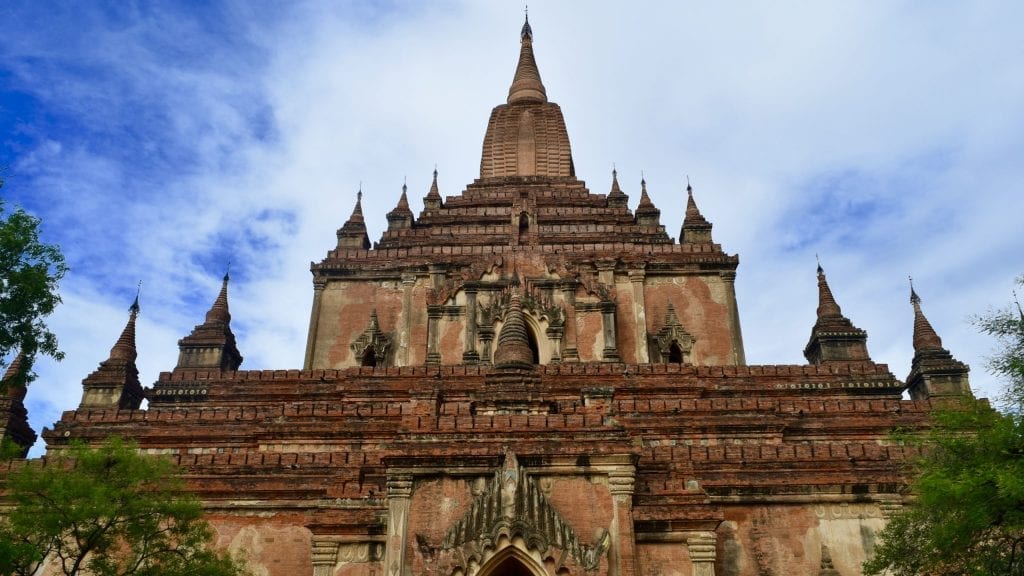
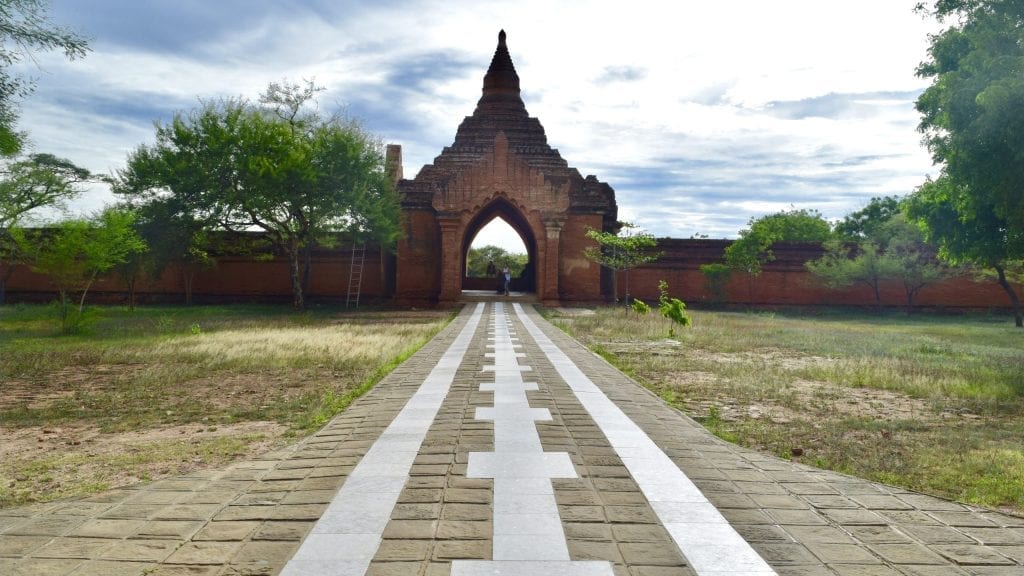
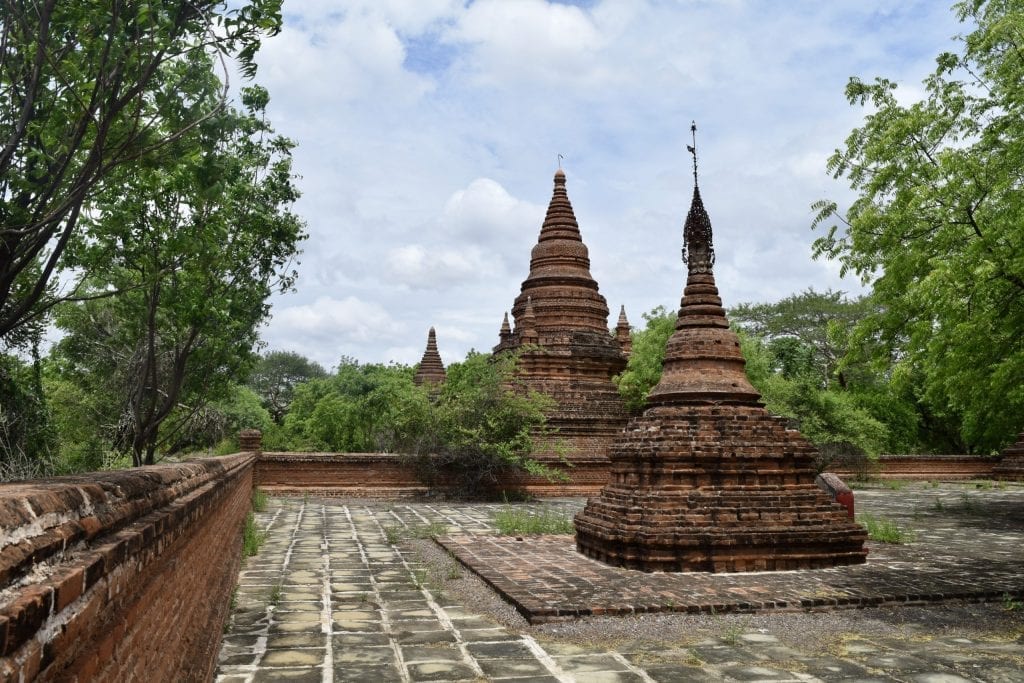
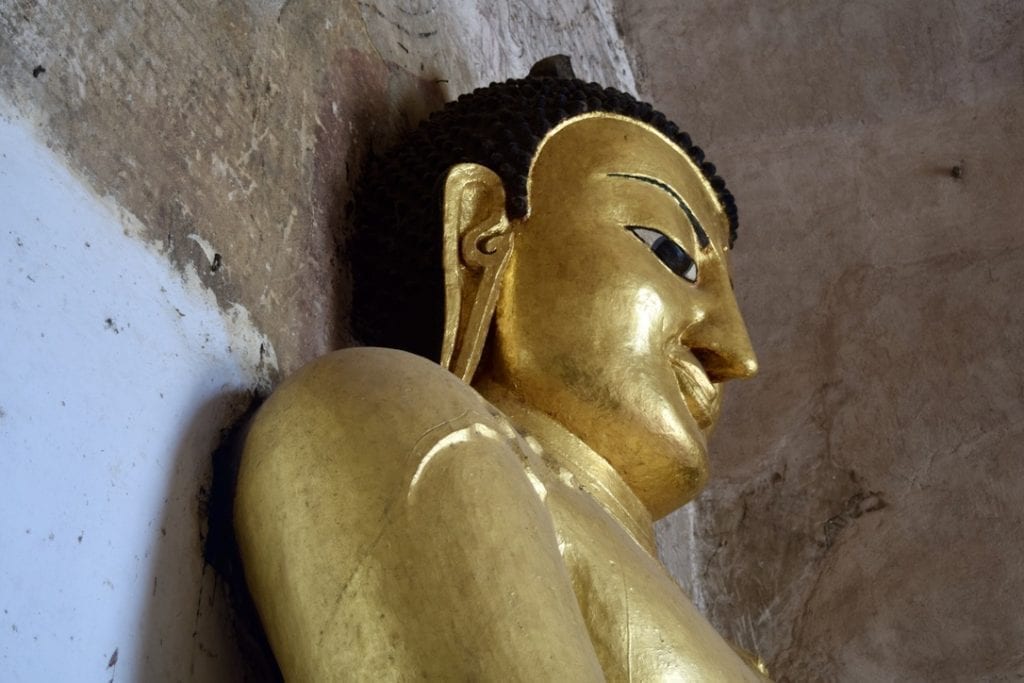
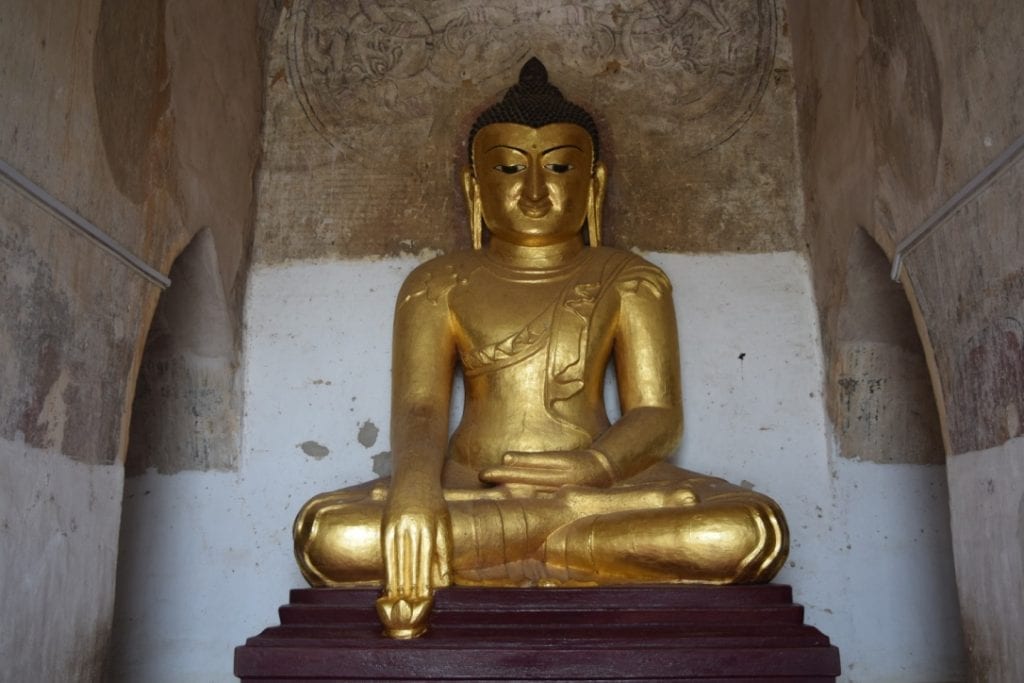
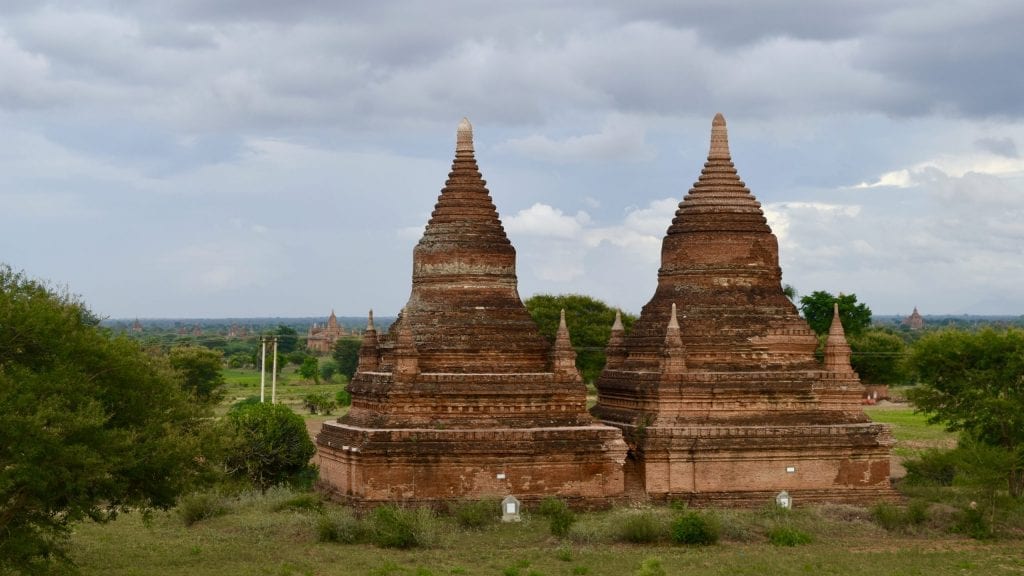
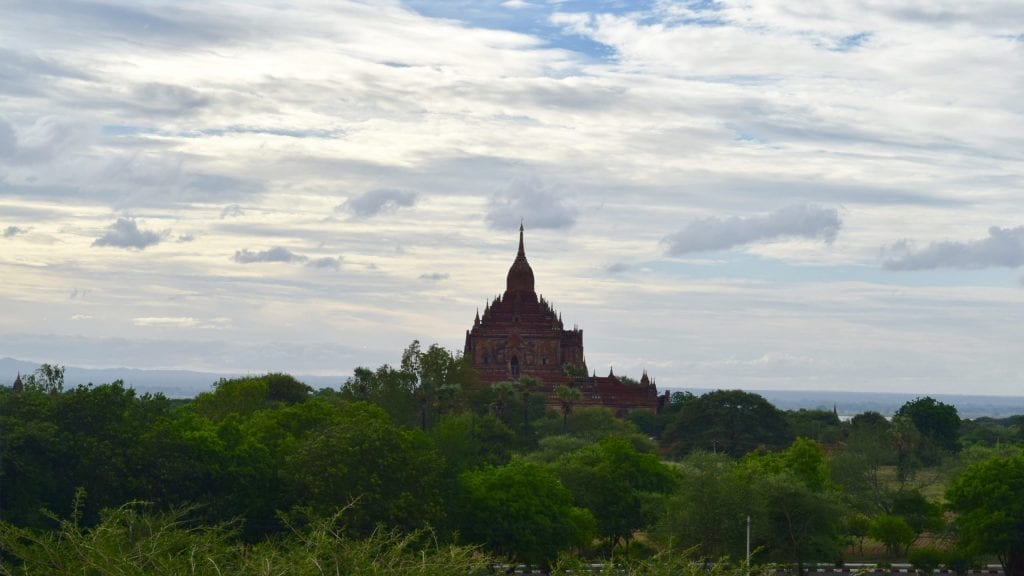
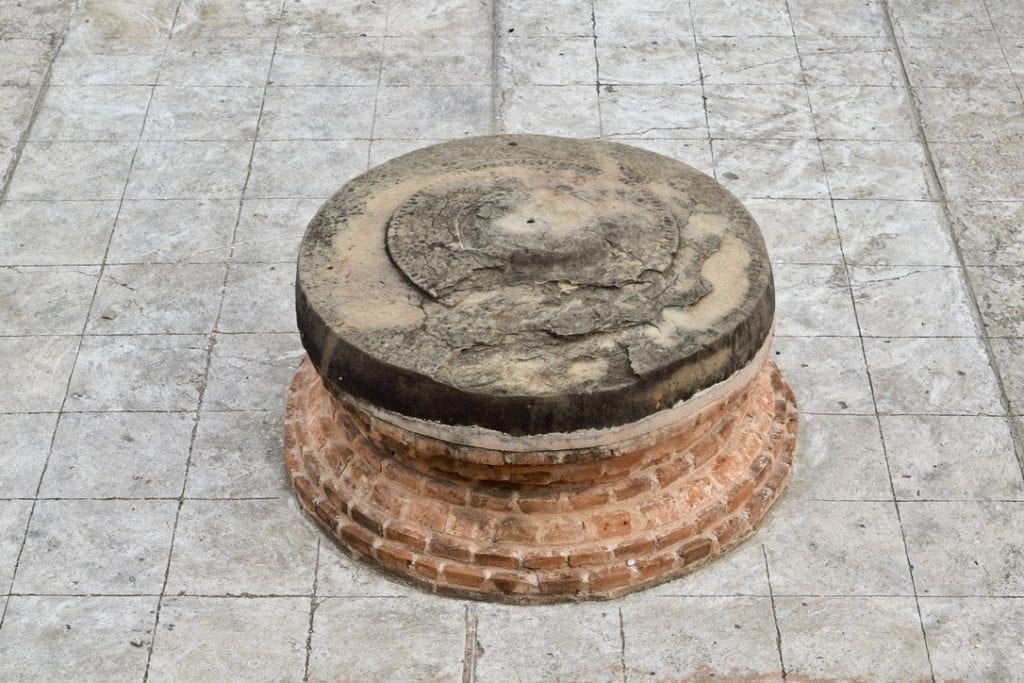
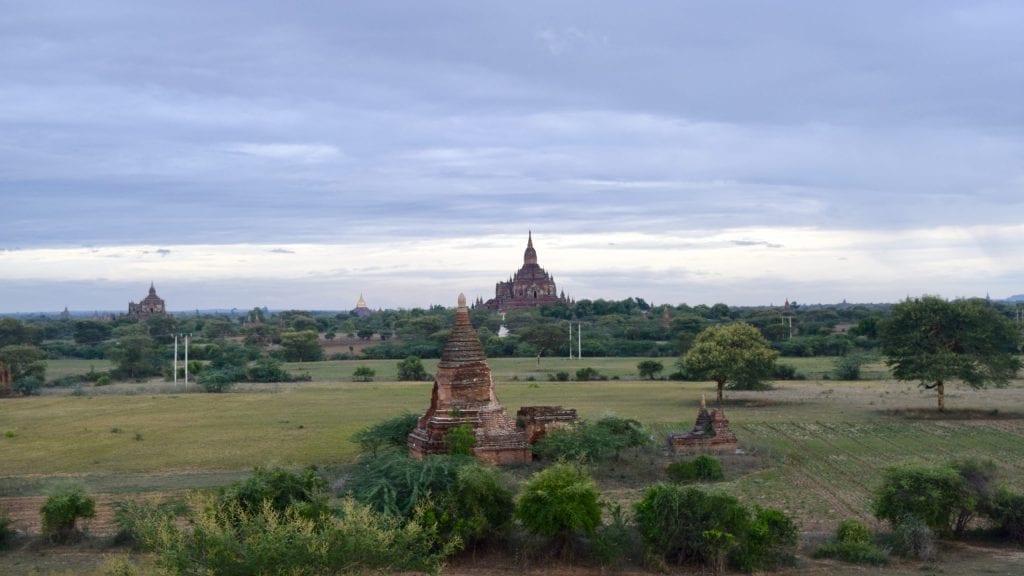
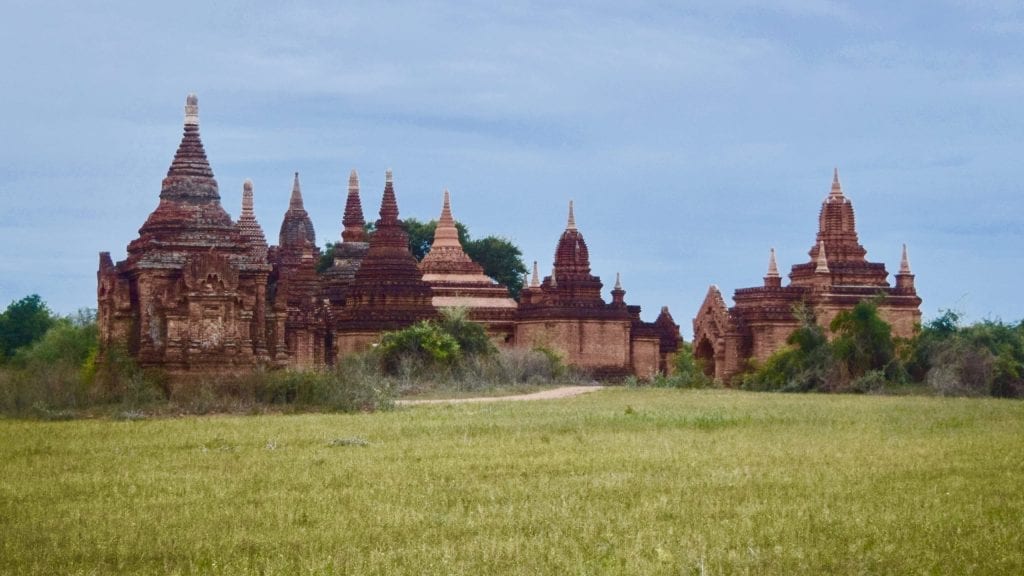
Watching the sunrise and sunset over the plain remains one of the best reasons to visit Bagan. Just do it from a designated viewpoint rather than the temples themselves these days.
On hot air balloons
If you’re not tight on budget, a hot air balloon ride over the plain at sunrise is one of the best ways to see Bagan’s scale, thousands of temples stretching to the horizon, something no ground-level photo quite captures. The traditional balloon season runs roughly from October or November to March, subject to weather and operating conditions, so check with an operator before you plan around it, and popular operators sell out well in advance, so book ahead if your dates fall in that window. Book Balloons Over Bagan here.
In my view, Bagan is highly underrated. I didn’t find a lot of people there when I visited. However, go there before the tourists go. And the day is tomorrow, if not today!
Top Pagodas in Bagan
While it is very difficult to choose a bunch of them, you should not miss the following:
- Ananda Pahto: completed 1105, King Kyansittha, widely considered Bagan’s most beautiful temple
- Thatbyinnyu Pahto: the tallest temple in Bagan, climbing off-limits due to earthquake damage
- Sulamani Pahto: known for its detailed old murals and intricate doorways
- Dhammayangyi Pahto: Bagan’s largest temple by footprint, built by King Narathu, who according to legend built it to atone for killing his own father and brother to seize the throne. It is generally described as unfinished, and its brickwork is so precise that, as the popular anecdote goes, a pin cannot be pushed between the joints in places.
- Shwesandaw Pagoda: built c.1057 under King Anawrahta, historically Bagan’s best-known sunset viewpoint
Pagoda or temple? Bagan has temples you can walk into (pahto), solid bell-shaped stupas (zedi) and pagodas, and in everyday English people use “pagoda” and “temple” interchangeably. I do the same on this page.
Best Pagodas to watch Sunset in Bagan
- Pyathada Paya
- Buledi pagoda
⚠️ Both of these have historically been among the more accessible sunset spots, but confirm current access rules before you go. The same climbing restrictions discussed above apply here too, and enforcement has shifted over the years.
Guided Tours, If You’d Rather Not Explore Solo
I explored entirely on my own by e-bike, which I’d still recommend if you enjoy getting a little lost. But if you’d rather have a guide explaining what you’re looking at, or want the temples covered efficiently without navigating yourself, a few solid options.
Mount Popa: A Worthwhile Day Trip from Bagan
If you have an extra day, Mount Popa is worth the detour. It’s an extinct volcano about 50 km southeast of Bagan, roughly 1 to 1.5 hours by car, and it’s one of the most spiritually significant sites in the country, considered the home of the 37 Nats, Myanmar’s traditional spirits worshipped alongside Buddhism since long before Buddhism arrived.
A common point of confusion
Most visitors don’t actually climb Mount Popa itself (1,518 metres, a genuine multi-hour trek few tourists attempt). What you’re actually visiting is Taung Kalat, a dramatic volcanic plug in Mount Popa’s shadow, with a monastery perched directly on top.
Getting to the monastery means climbing a covered stairway of roughly 777 steps, barefoot, passing shrines to individual Nats the whole way up. Monkeys live along the route and have a well-earned reputation for grabbing food and anything that looks like it might contain food, so keep bags zipped. At the top, on a clear day, the views stretch back across the plains toward Bagan itself.
Most visitors combine Mount Popa with a stop at a local toddy palm farm on the way, where you can see how palm sugar and palm wine are traditionally made, a nice cultural add-on to the climb itself.
- Private Day Tour to Mount Popa: an easy day trip if you’re staying in Bagan
- Private Tour: Bagan & Mount Popa (2 Days): if you’d rather combine both destinations properly rather than rush Popa into half a day
Beyond Bagan: Getting to Mandalay
Many travellers continue on to Mandalay after Bagan, and there are a couple of good ways to make that leg of the journey rather than just another bus ride.
The Irrawaddy River cruise between Bagan and Mandalay is one of Myanmar’s classic scenic journeys, a full day on the water, watching riverside village life go by, rather than a road transfer. If you’d rather move faster, a private transfer covers the same route by road in considerably less time.
- Day Cruise Bagan to Mandalay: the scenic river option
- From Bagan City to Mandalay Private Transfer: the faster road option
Practical Information
Entry Fee
The Bagan Archaeological Zone fee is 30,000 Kyat for foreigners, valid for 3 days. Myanmar state media reported that the fee rose from 25,000 Kyat (valid for 5 days) on 1 October 2023, and staying longer means paying an additional zone fee. Fees can change, so confirm at the checkpoint, and keep your ticket because it is occasionally checked at major temples. Collection points have been reported at the airport and at roadside checkpoints for bus arrivals, so allow for paying on arrival, even at night.
A known scam to watch for
A known scam to watch for: fake tickets and overcharging have been reported. Buy only the official pass, carry the exact amount in local currency if you can, and know the current price before you arrive.
How to Get Around
E-bikes are the most popular way to explore, costing roughly $4 to 8 (6,000 to 10,000 Kyat) per day in older price guides, so confirm locally, because the kyat has fallen sharply and prices vary by shop and bike. Regular motorbikes are illegal for foreign tourists to rent anywhere in Myanmar, which is exactly why e-bikes became the default. Bicycles are the cheapest option if you don’t mind the heat. Horse-drawn carriages and hired taxis are also available for a more guided, less self-directed pace.
Best Time to Visit
November to February is the ideal window, comfortable temperatures, clear skies, and the main balloon season. March to May gets brutal, regularly exceeding 40°C. June to October is monsoon season: fewer tourists and the plain turns a lush green, but expect regular afternoon rain.
What to Wear
Cover your shoulders and knees, and expect to remove your shoes and socks every time you enter a temple, because most Bagan temples are barefoot-only, so sandals or flip-flops make life considerably easier than trying to keep re-lacing shoes all day.
Visa and security: A visa is required, and tourist e-visas are available for eligible nationalities through the official Myanmar e-visa system, so do not assume visa on arrival and check the rules for your own passport. Expect police and military checkpoints, carry your passport and visa, and do not photograph military personnel or installations. Local authorities can change access arrangements at short notice, so check locally before you travel.
Booking Your Bagan Trip
- ✈️ Flight from Yangon to Bagan
- 🎈 Balloons Over Bagan
- 🛕 Full Day Tour in Bagan UNESCO World Heritage
- 🛕 Discover Bagan Day Tour
- 🚗 Bagan Sightseeing Tour by Private Guide and Car
- 🚲 Bagan Cycling Tour: Villages & Temples Explorer
- 🌋 Private Day Tour to Mount Popa
- 🌋 Private Tour: Bagan & Mount Popa (2 Days)
- 🚢 Day Cruise Bagan to Mandalay
- 🚗 Bagan to Mandalay Private Transfer
Frequently Asked Questions
Is it safe to visit Bagan?
Check your government’s advice first. The UK Foreign Office advises against all but essential travel to Mandalay Region, which includes Bagan, and the US State Department says do not travel to Burma. Travel insurance may not cover trips made against government advice, so confirm your cover before you book.
How many pagodas are there in Bagan?
Estimates vary depending on the source and how ruins are counted, ranging from around 2,200 to over 3,500 surviving structures, out of an estimated 10,000 or more built mainly between the 11th and 13th centuries. The August 2016 earthquake damaged 389 monuments, according to UNESCO.
Can you still climb the pagodas in Bagan?
No, not at the vast majority of temples. Climbing has been restricted since 2016 and tightened further since, primarily for structural safety and preservation. Alternatives include the Nan Myint viewing tower, purpose-built viewing mounds, and hot air balloon rides. Confirm current rules locally, since specific exemptions have shifted over time.
What is the entry fee for the Bagan Archaeological Zone?
30,000 Kyat for foreigners, valid for 3 days, according to Myanmar state media (it rose from 25,000 Kyat and 5 days on 1 October 2023). Fees can change, so confirm at the checkpoint. Buy only the official pass, since fake tickets and overcharging have been reported.
What is the best time to visit Bagan?
November to February offers the most comfortable temperatures and clear skies, and it is the main balloon season. March to May is extremely hot, often over 40°C. June to October is the monsoon, with fewer tourists and lush green surroundings but regular afternoon rain.
How do you get around Bagan?
E-bikes are the most popular option, costing roughly $4 to $8 per day, since regular motorbikes are illegal for foreign tourists to rent. Bicycles, horse carts, and hired taxis are also available.
Is Mount Popa worth visiting from Bagan?
Yes, if you have an extra day. Mount Popa is about 50 km from Bagan, roughly 1 to 1.5 hours by car, and is Myanmar’s most significant site for Nat spirit worship. Most visitors climb the roughly 777 steps to Taung Kalat, a volcanic plug with a monastery on top, rather than the much larger Mount Popa peak (1,518 metres) itself.
How do I get from Yangon to Bagan?
I took a 9-hour overnight bus, but flights from Yangon take under an hour and land at Nyaung-U Airport, inside the archaeological zone. I describe the journey in my Yangon to Bagan guide.
Are Bagan temples open after the 2025 earthquake?
After the March 2025 earthquake, Myanmar authorities reported only minor damage at Bagan, and major temples such as Ananda, Thatbyinnyu, Dhammayangyi and Shwesandaw were reported to have escaped serious damage. Access can change, so check which temples are open locally.
Can foreigners rent e-bikes in Bagan?
E-bikes are the usual choice, because regular motorbikes cannot be rented by foreign tourists anywhere in Myanmar. Prices vary by shop and bike, and rules can change, so ask your hotel.
Do I need a visa for Myanmar?
Yes. A visa is required, and tourist e-visas are available for eligible nationalities. Do not assume visa on arrival, and check the requirements for your own passport before you book.
Further Reading
Are you looking for hotels in Bagan?
Read my extensive article on Bagan Hotels
Confused about how to roam around in Bagan?
See my bike riding experience in Bagan
If you’re continuing your Myanmar trip, Shwedagon Pagoda in Yangon is the other unmissable stop, a completely different kind of pagoda experience to Bagan’s scattered plain of ruins.


Leave a reply