
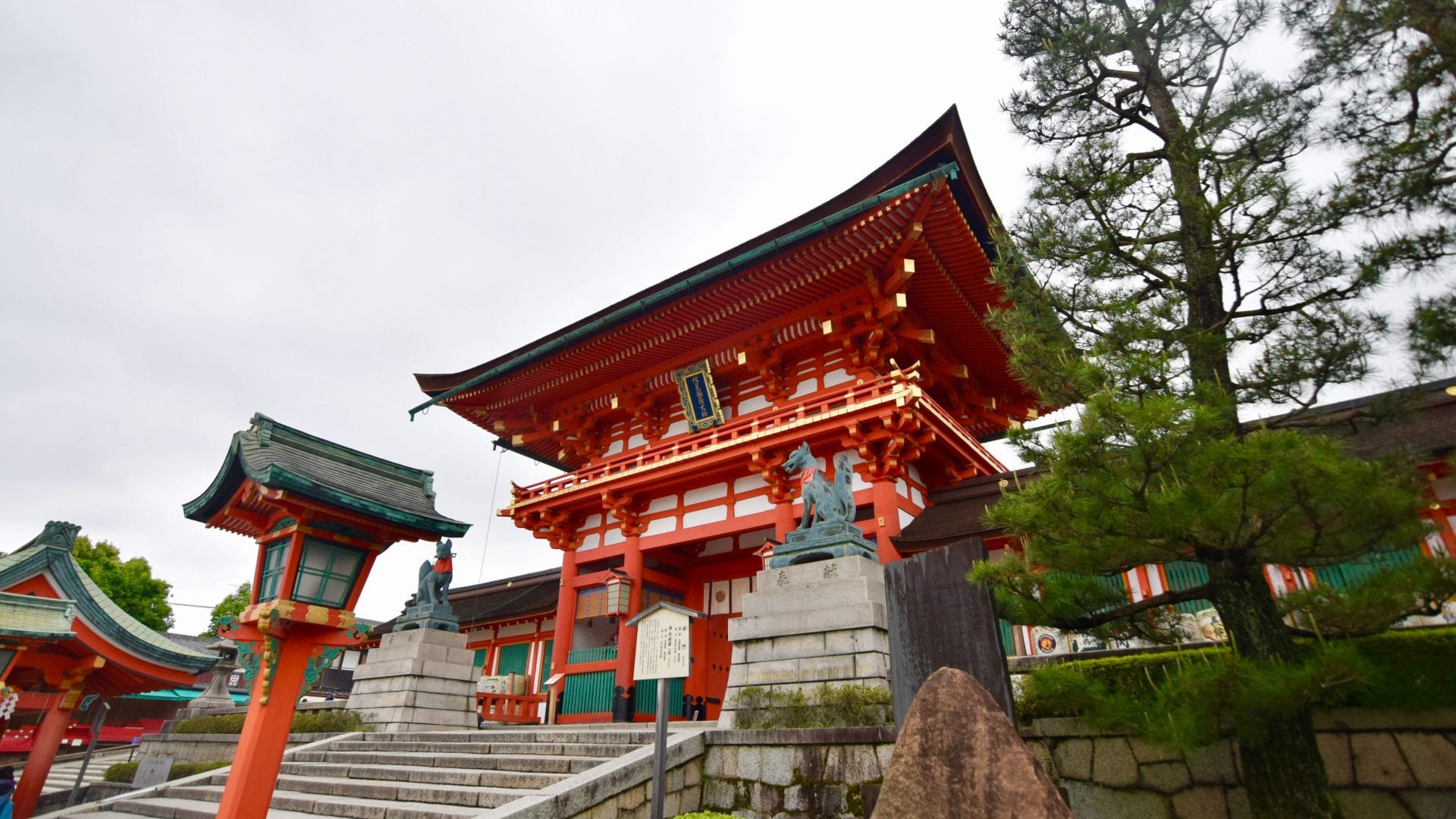
If you make a list of the ten most visited tourist destinations in Japan, several of them will be in Kyoto. Once the imperial capital for over a thousand years, Kyoto is where Japan keeps its soul — 17 UNESCO World Heritage Sites, more Michelin stars per capita than almost any city on earth, ancient wooden districts that were somehow spared the bombs of World War II, and a food culture that makes every other city feel like it is just trying harder. Three days is enough to see the highlights if you plan well. Here is how I would spend them.
Visiting Japan for the first time? Read these essential tips for Japan before you go.Traveling to Japan for the first time? Learn these fantastic tips for Japan.
QUICK FACTS — 3 DAYS IN KYOTO
- Getting there from Tokyo: ~2h15m by Shinkansen bullet train
- Getting there from Osaka: 25 minutes by train
- Best area to stay: Gion/Higashiyama (walkable to most sights) or near Kyoto Station (easiest transport)
- Best time to visit: March–April (cherry blossom) or November (autumn foliage) — but book months ahead
- Biggest crowd tip: Arrive at Fushimi Inari before 8 AM — it makes a genuine difference
- IC card (Suica/Pasmo): Essential for buses and trains throughout Kyoto
- 2026 note: Photography is now banned in several Gion alleyways — respect the signs
Day 1: South Kyoto — Fushimi Inari, Nijo Castle, Nishiki Market & Gion
Fushimi Inari Shrine — Start Before 8 AM
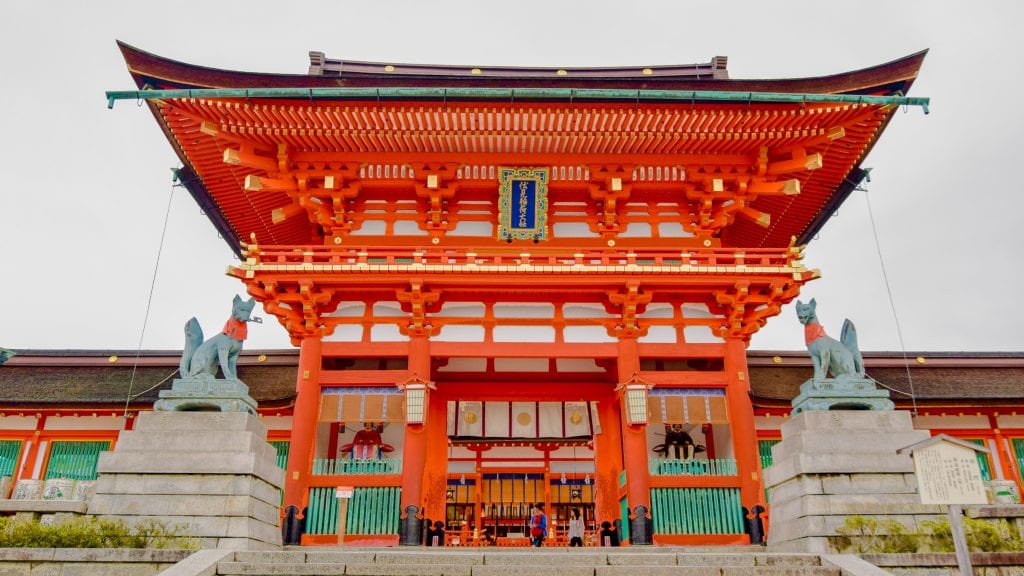
Fushimi Inari Taisha is the most photographed shrine in Japan, and the photos do not lie — thousands of vermilion torii gates winding up a wooded mountain, orange light filtering through the gaps, stone foxes watching from the shadows. It is genuinely one of the most extraordinary things I have ever walked through.
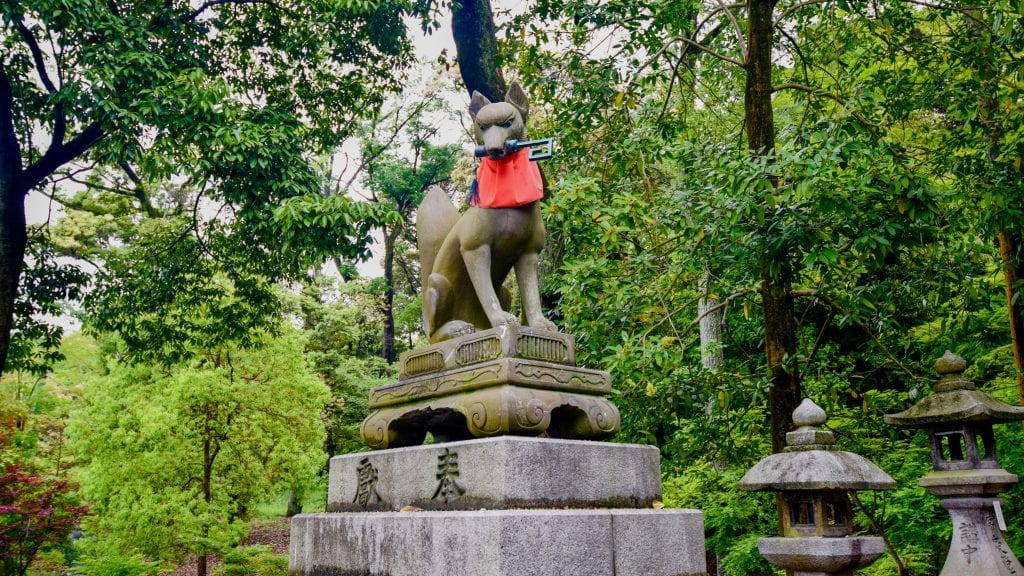
The shrine is dedicated to Inari, the Shinto god of rice, agriculture, and business. The foxes (kitsune) you see throughout the complex are the messengers of Inari — each one holding a key in its mouth. The five shrines that make up the complex are connected by the famous torii tunnel, which leads all the way to the summit of Mount Inari, a two-hour return hike.
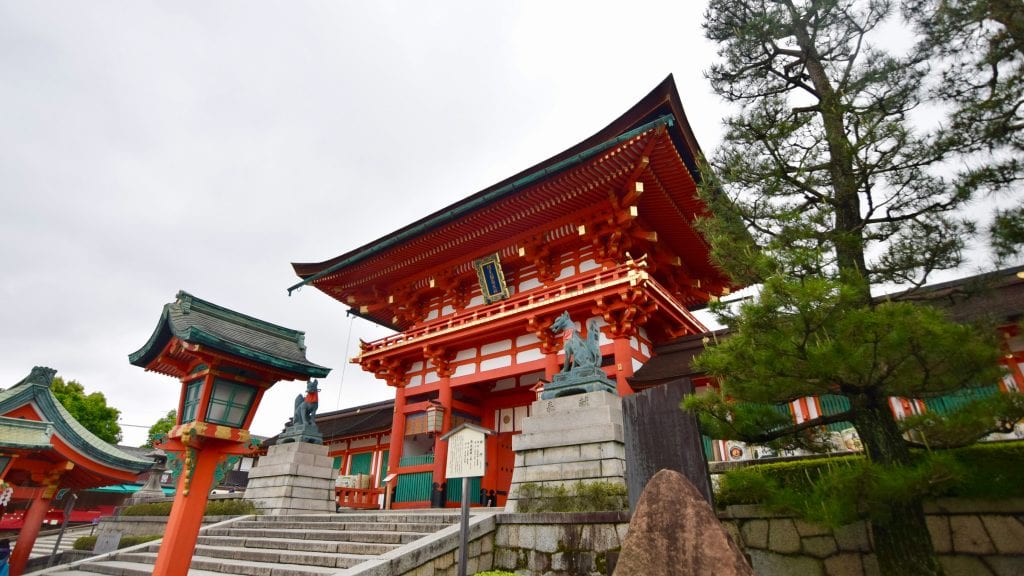
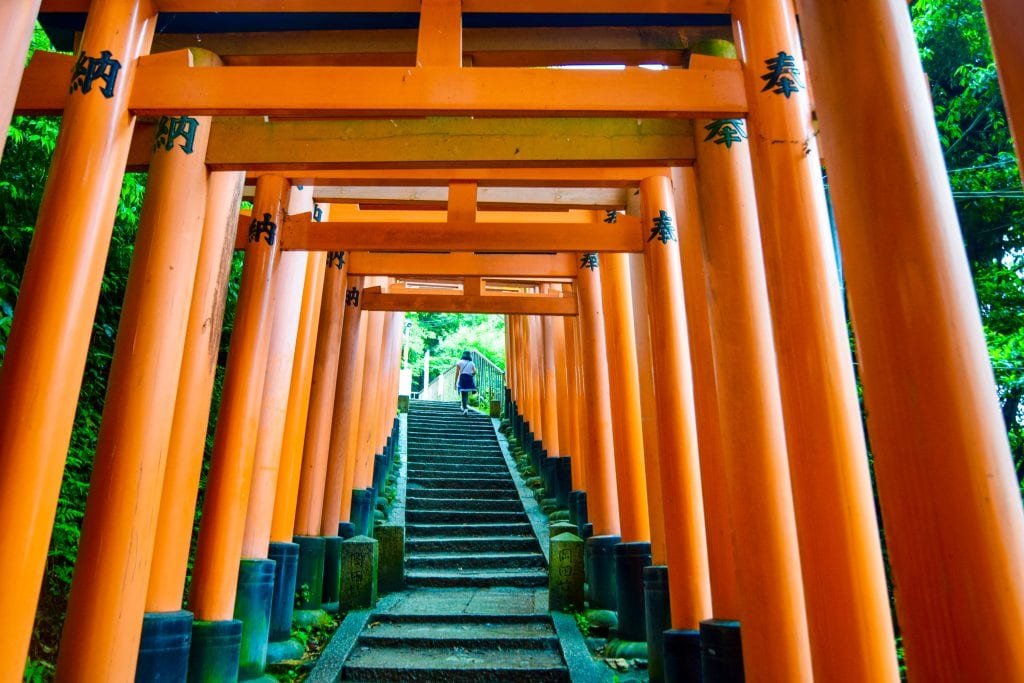
Do you need to hike to the top? No. The most photogenic section is the lower tunnel, reached in the first 20 minutes. The summit adds 90 minutes and the views, while nice, are not the point — the gates are the point. Go as far as feels right.
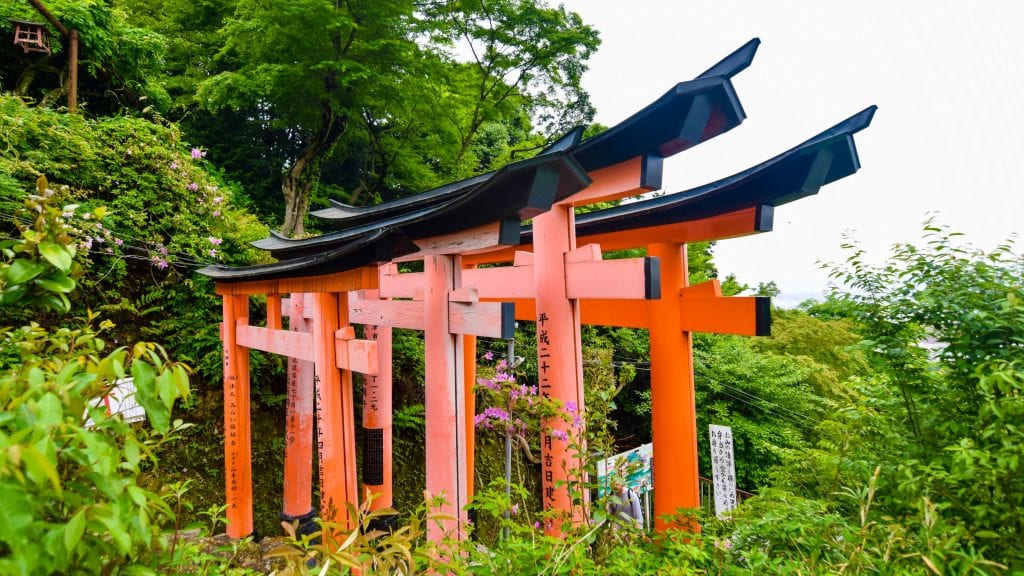
⏰ Suggested time: 2–3 hours. Arrive before 8 AM. By 9 AM the path is crowded. By 10 AM it is a slow shuffle.
Admission: Free. Open 24 hours.
Nijo Castle — Imperial History in 68 Acres
Nijo Castle was the Kyoto residence of the Tokugawa shogunate, built in the early 17th century and occupying 68 acres of central Kyoto. It is one of the seventeen sites in Kyoto that form part of the UNESCO World Heritage designation, and it deserves more than the brief stop most visitors give it.
The castle has “nightingale floors” — corridors engineered to squeak with every footstep, so no assassin could approach undetected. Walking through them is oddly compelling. The surrounding garden is large and beautiful, especially in spring and autumn.
Opening hours: 8:45 AM to 4:00 PM (last entry; you can stay inside until 5:00 PM). Closed on Tuesdays in December, January, and July.
Nishiki Market — Kyoto’s Kitchen
Nishiki Market is a narrow, covered arcade several centuries old, running for five blocks through central Kyoto with over 100 shops and stalls selling everything Kyoto eats — pickled vegetables, fresh tofu, grilled skewers, matcha sweets, dried fish, and street food you will not find in the rest of Japan.
Go hungry. Eat as you walk. Do not skip the pickles — Kyoto’s tsukemono (pickled vegetables) are some of the best in Japan and cheap to try at the market stalls.
Opening hours: Most stalls 9:00 AM to 6:00 PM. Best visited late morning or early afternoon.
Book a Nishiki Market food tour if you want someone to explain what everything is and where to find the best of it.
Gion — The Geisha District (Read Before You Visit)
From Nishiki Market, walk east toward Gion. This is Kyoto’s most famous entertainment district — wooden machiya townhouses, paper lanterns, narrow flagstone lanes, and the occasional glimpse of a geisha (properly called Geiko in Kyoto dialect) in full dress moving between appointments.
2026 important update: Several of the private alleyways in Gion — including parts of Hanamikoji-dori — now have strict photography bans to protect the Maiko and Geiko from harassment by tourists. Signs are posted at the entrances. Fines are enforced. Respect them. You can still photograph the streets and the architecture freely; you simply cannot photograph people without their permission in the restricted areas.
The best time to see Geiko is between 4:30 PM and 6:00 PM when they travel between engagements. But Gion is worth visiting at any time — the architecture alone, especially at dusk when the lanterns are lit, is worth the walk.
For a more structured experience of the district, the Kyoto Geisha Walking Tour: Gion District & Hidden Gems (GetYourGuide) takes you through back alleys and less-visited parts of Gion that most visitors walk past without knowing what they are seeing. A good option if you want context beyond just wandering.
Kyoto Tower — Optional Evening Stop
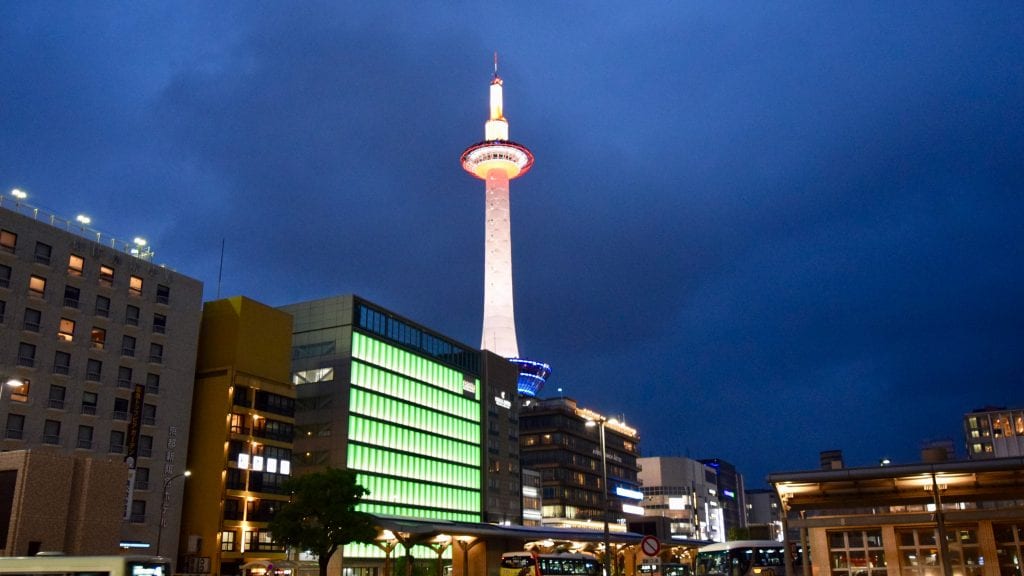
Just outside Kyoto Station, the 131-metre Kyoto Tower provides panoramic city views from a platform 100 metres up. It is the tallest structure in Kyoto and the contrast between the modern tower and the ancient city below is striking at night. Free binoculars on the observation deck.
Opening hours: 7:00 AM to 10:00 PM. Buy Kyoto Tower tickets online to skip the queue.
Alternative evening: Sumo Show & Hot Pot. If you want something completely different for your first evening in Kyoto, the Sumo Show Experience with Chicken Hot Pot & Souvenir (GetYourGuide) is a memorable option — a sumo demonstration followed by a shared hot pot dinner. Unusual, entertaining, and a conversation starter for the rest of the trip.
Day 2: Higashiyama — Kiyomizu-dera, Sannenzaka & the Philosopher’s Path
Day 2 moves east to Higashiyama, Kyoto’s temple district — steep stone streets, the city’s most photographed temple, and one of the best sunset walks in Japan.
Kiyomizu-dera Temple — Arrive Early
Kiyomizu-dera is the site most people mean when they say “that famous wooden temple in Kyoto.” Built into the hillside on a network of wooden pillars — without a single nail, according to tradition — it offers a sweeping terrace view over Kyoto’s rooftops and the surrounding forest. It is a UNESCO World Heritage Site and the most visited temple in the city.
The surrounding streets of Sannenzaka and Ninenzaka are ideal for traditional photos and should be explored after the temple visit, spending about 1.5 to 2 hours here.
Go before 9 AM. The steep approach streets are charming in the early morning when the souvenir shops are still shuttered and the stone steps are nearly empty.
Admission: JPY 500. Open from 6:00 AM (early morning visits possible before full crowds arrive).
💡 While you’re in the Higashiyama area: A traditional tea ceremony near Kiyomizu-dera is one of the highest-converting Kyoto experiences — book a tea ceremony experience near Kiyomizu-dera via GetYourGuide in advance. These run most mornings and fill up quickly during peak season.
Sannenzaka and Ninenzaka — The Most Beautiful Streets in Kyoto
Directly below Kiyomizu-dera, the cobblestone lanes of Sannenzaka (Three Year Slope) and Ninenzaka (Two Year Slope) wind through perfectly preserved Edo-period streetscapes. Traditional wooden buildings house tea shops, pottery studios, matcha soft-serve counters, and craft shops. This is the Kyoto of woodblock prints.
💡 Tip: According to legend, stumbling on the Sannenzaka steps brings two years of bad luck. Tread carefully.
What to eat here: Matcha soft-serve ice cream. Every shop sells it; every version is good.
Ginkaku-ji — The Silver Pavilion
Despite its name, Ginkaku-ji (the Silver Pavilion) was never actually coated in silver — the shogun who commissioned it ran out of money. What it lacks in precious metal it makes up for in garden design: the grounds surrounding the pavilion are among the most refined in Kyoto, with a famous cone of raked sand (the Moon Viewing Platform) in the courtyard.
Opening hours: 8:30 AM to 5:00 PM (until 4:30 PM in winter). Admission: JPY 500.
The Philosopher’s Path — Walk at Sunset
The Philosopher’s Path (Tetsugaku-no-michi) is a two-kilometre canal-side walkway lined with hundreds of cherry trees, connecting Ginkaku-ji to Nanzen-ji temple. Its name comes from the Kyoto University philosopher Nishida Kitaro, who reportedly walked this route in daily meditation.
In spring it is one of the great cherry blossom walks in Japan. In autumn the maple trees turn the path gold and red. In winter it is quiet and reflective in a way that perfectly matches the name. Walk it in any direction; the southern end toward Nanzen-ji is particularly beautiful.
Small independent coffee shops and craft galleries line the path — duck into whichever looks appealing.
Optional: Samurai Ninja Museum
If you have time between the Philosopher’s Path and dinner, the Samurai Ninja Museum guided tour (GetYourGuide) is a short detour in the Higashiyama area — an interactive museum covering samurai armour, ninja history, and hands-on demonstrations. It takes about 90 minutes and is particularly good if you are travelling with younger companions or just want something lighter after a day of temples.
Evening: Pontocho
After the Philosopher’s Path, make your way to Pontocho for dinner. This is a single narrow alleyway running parallel to the Kamo River, packed with some of the best restaurants in Kyoto — from affordable ramen and yakitori to proper kaiseki dining rooms. The setting at night, with lanterns strung overhead and the occasional glimpse of river through the gaps, is one of those Kyoto moments you will not forget.
Book in advance for anything above street food level — the best places fill up early.
Day 3: Arashiyama — Bamboo, Temples & the Katsura River
Day 3 takes you west to Arashiyama, 10 kilometres from central Kyoto. Allow a full day — the area rewards slow walking more than any other part of the city.
Togetsukyo Bridge — First Stop
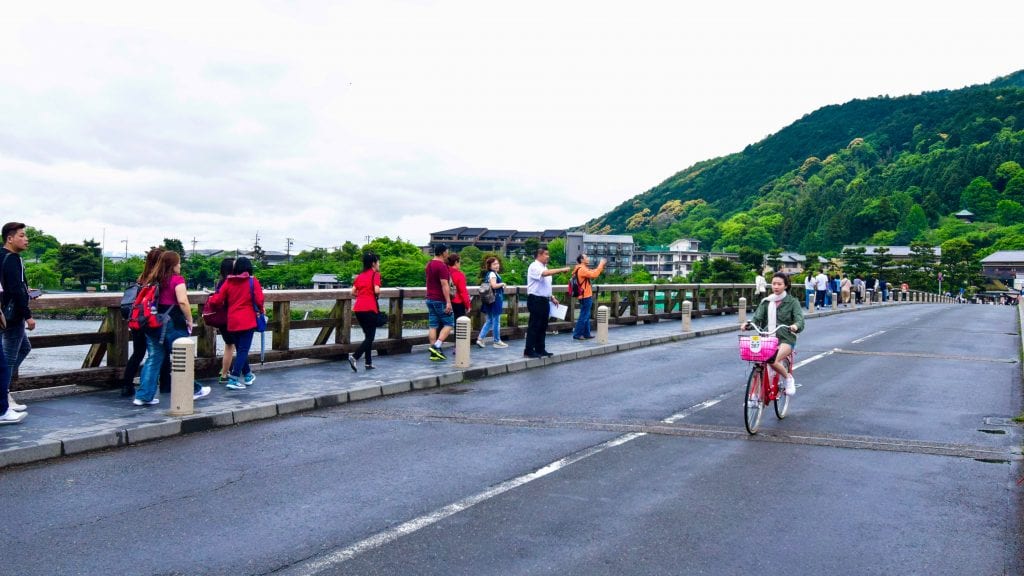
After reaching Arashiyama station, a short walk brings you to the Togetsukyo Bridge — a 155-metre bridge over the Katsura River. The bridge itself is not the point; the view from it is. Arashiyama mountain rises in the background, green or pink or amber depending on the season, and the river below is wide enough to give the whole scene scale.
Book the Arashiyama bicycle tour if you want to cover more ground and move at your own pace.
Arashiyama Nature Trail
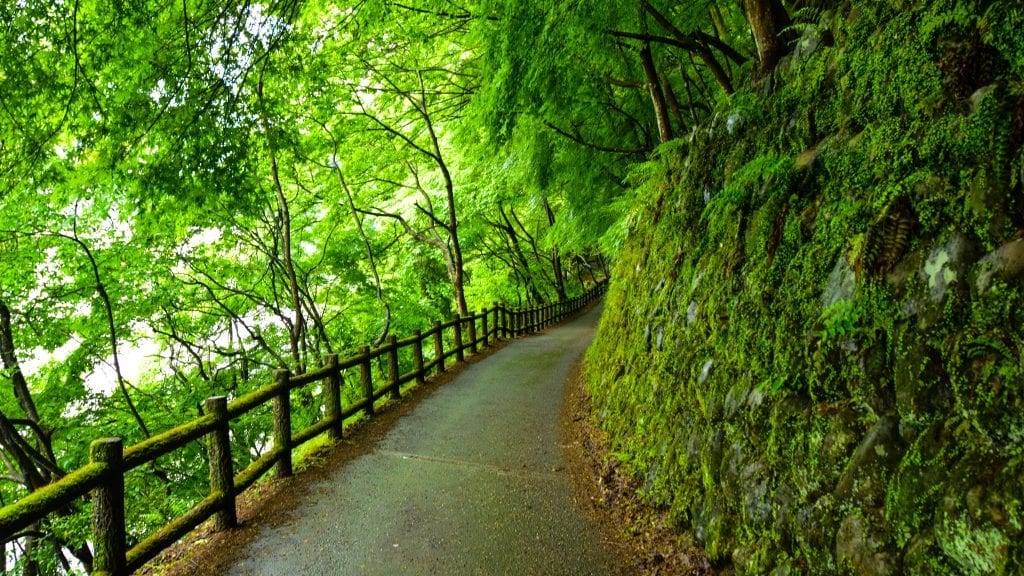
Cross the bridge and take the small paths heading uphill. I did not find these in a guidebook — I just walked. The routes wind into the forested hillside above the river through a quiet that feels earned after the busy streets of central Kyoto.
Katsura River
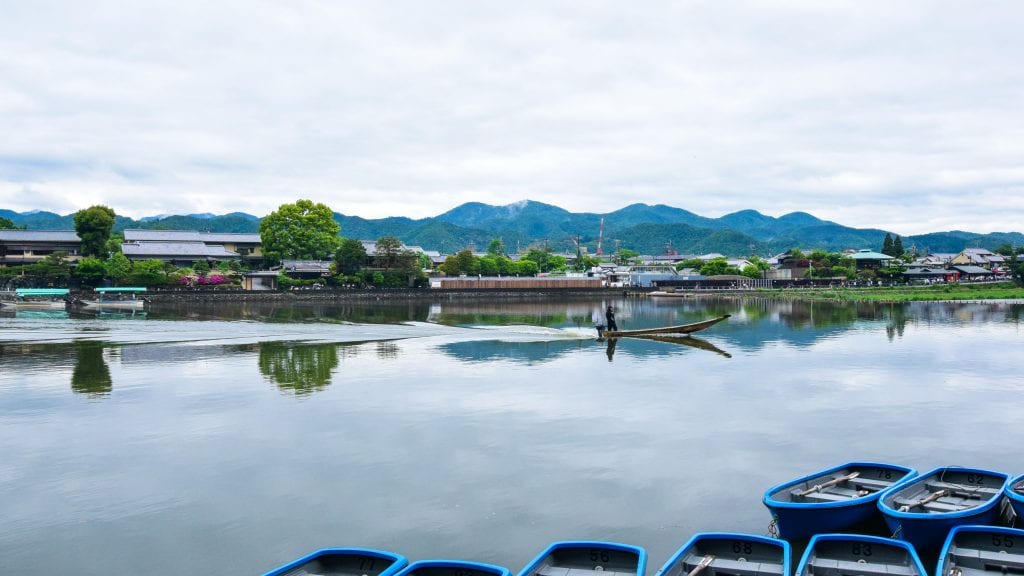
If you want to rent a boat and take a trip to the Katsura river, just do it! Even if you don’t do it, just sit at the bank of the river as the moment passes by.
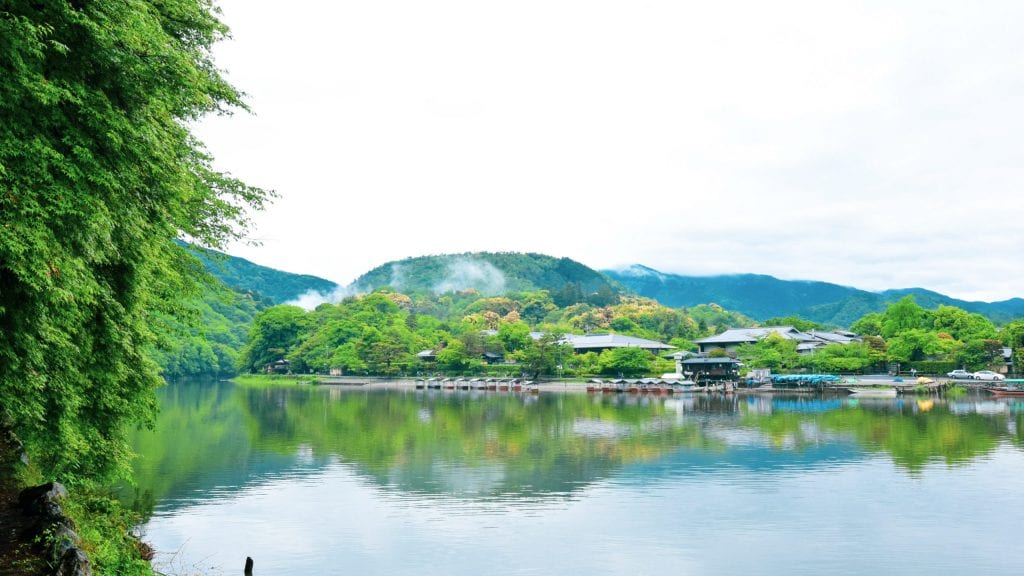
You will see the beautiful Arashiyama mountains as the backdrop and their reflection on the calm water of Katsura. The clouds hovering like page flakes will make you feel like catching them. The serenity
Arashiyama Bamboo Grove — Go at Dawn If You Can
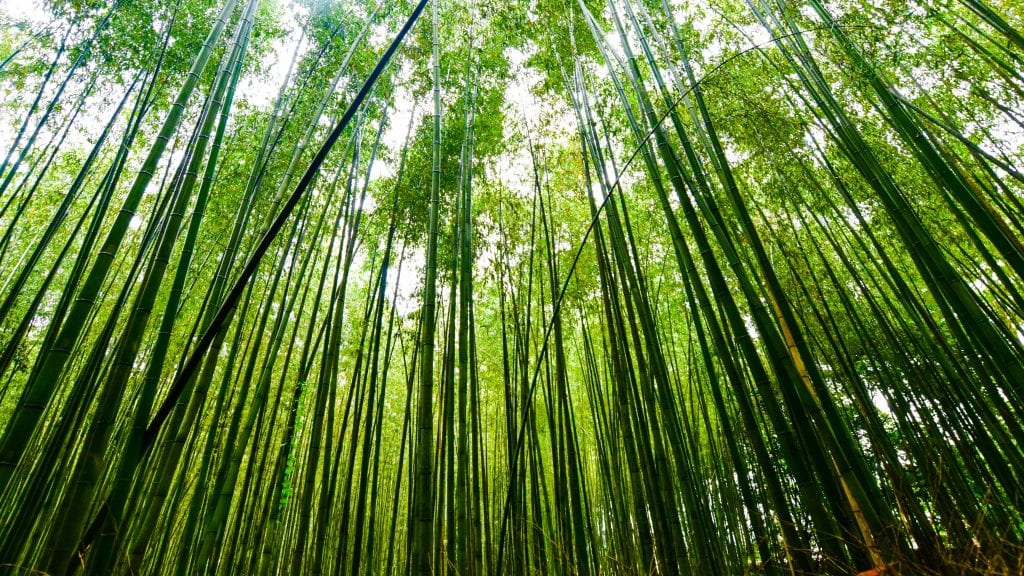
The Arashiyama Bamboo Grove is one of the most photographed places in Japan and one of the most crowded by mid-morning. Thousands of bamboo stalks create a green tunnel that filters the light in ways that make even your phone camera produce extraordinary images.
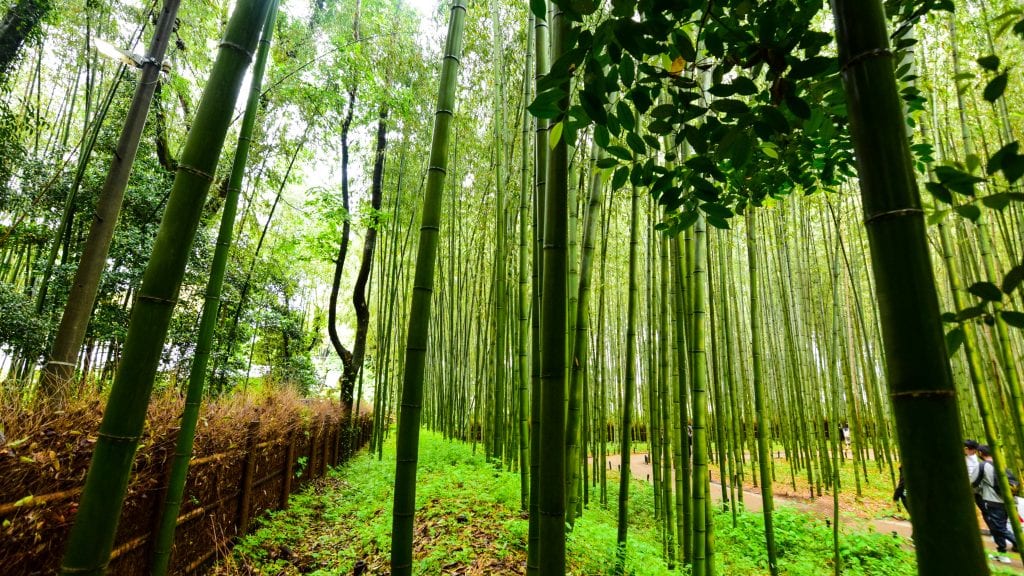
It is also free and open 24 hours, which means you can visit at dawn before the crowds arrive and have the path almost entirely to yourself. If this is possible in your schedule, do it. The difference between the bamboo grove at 6 AM and at 11 AM is the difference between a spiritual experience and a school trip.
Book the Arashiyama Bamboo Grove walking tour for a guided morning walk with context and crowd management.
Tenryu-ji Temple and Garden
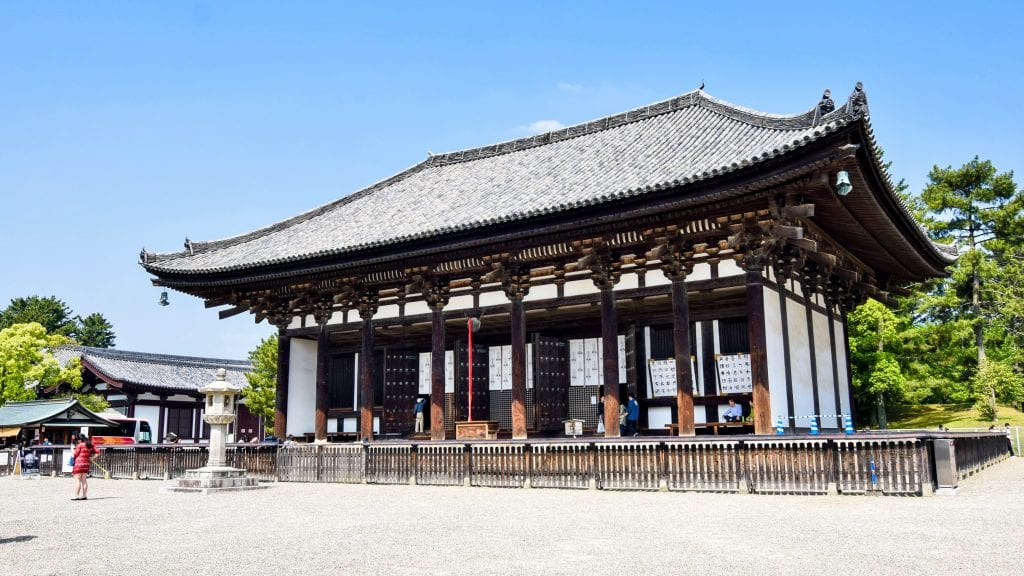
Tenryu-ji is a Zen Buddhist temple established in 1339, and while the main hall has been rebuilt repeatedly after fires and wars, the garden is original — untouched and considered one of the finest Zen gardens in Japan. The mountains of Arashiyama serve as a borrowed backdrop, a technique called shakkei (borrowed scenery) that blurs the boundary between the garden and the landscape beyond it.
Admission: JPY 500 (garden only); JPY 800 (garden + temple interior). Open 8:30 AM to 5:00 PM.
Kinkaku-ji — Golden Pavilion (Afternoon)
Kinkaku-ji is the most visited single site in Kyoto — a three-storey Zen pavilion whose top two floors are covered in real gold leaf, reflected in the Mirror Pond below. It was originally a retirement villa built in 1397, converted to a temple after the owner’s death. The current building dates from 1955, rebuilt after a monk set fire to the original in 1950 (a story immortalised in Mishima’s novel).
The visit is brief — you walk a set path around the pond, photograph, and exit — but the image is genuinely striking, especially in autumn when the surrounding maples frame the gold in red and orange.
The best photos are from the far side of the pond where the gold reflection is clearest. The visit takes about 45 minutes.
Admission: JPY 500. Open 9:00 AM to 5:00 PM.
How to Get to Kyoto
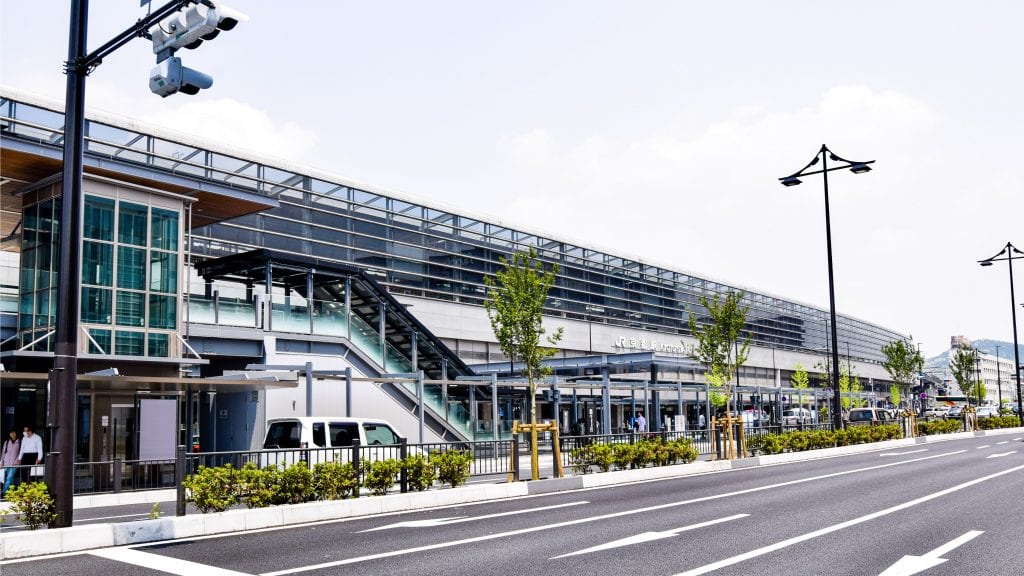
Kyoto is connected to all major Japanese cities by Shinkansen bullet train and bus.
From Osaka with a day tour to Arashiyama and Nara: This Klook tour is a good option if you are basing yourself in Osaka.
From Tokyo: Under 2 hours 20 minutes by Shinkansen (Nozomi or Hikari). Book your train tickets in advance — last-minute fares are significantly more expensive, and reserved seats sell out on weekends. If you’d rather not do it in one hop, Nagoya sits roughly halfway and works well as a stopover.
From Osaka: 25 minutes by the JR Biwako/Kyoto Line. Also accessible by Hankyu or Keihan lines.
By night bus from Tokyo: Takes around 6 hours but saves on accommodation. Book via Klook.
Best Hotels in Kyoto
Hotels in Japan are expensive relative to room size, but Kyoto has a good range across budgets. For a 3-day itinerary, I recommend staying in the Gion or Higashiyama district — you will be within walking distance of Day 2’s sights and well-connected to buses for Fushimi Inari and Arashiyama. Near Kyoto Station works well too if you prioritise easy transport over atmosphere.
⚠️ 2026 Accommodation Tax Update: Kyoto introduced a five-tier accommodation tax in March 2026. The tax is charged per person per night based on room rate — ranging from JPY 200 for budget stays up to JPY 10,000 per person per night for luxury hotels over JPY 50,000/night. This is on top of any existing hotel tax. Budget for it when comparing prices.
Luxury (Over $100/night)
- BnA Alter Museum — an art hotel where each room is designed by a different artist. Unusual and memorable.
- Hotel Kanra Kyoto — a boutique property in a traditional townhouse setting near Nishiki Market.
- Four Seasons Hotel Kyoto — the top end of the market, with an on-site onsen and a garden.
- Hotel Granvia Kyoto — directly inside Kyoto Station. Excellent for early morning trains.
Mid-Range ($60–$100/night)
- Kyoto INN Gion — well located for Day 1 and Day 2 sights, good value.
- Ryokan Shimizu — a genuine traditional ryokan experience at a reasonable price.
- Miru Kyoto Nishiki — walking distance from Nishiki Market and Gion.
- Dormy Inn Premium Kyoto Ekimae — clean, reliable, and near the station. Includes an onsen.
Budget (Below $60/night)
- Ibis Styles Kyoto Station — compact but functional, excellent station location.
- Citadines Karasuma-Gojo Kyoto — apartment-style rooms, more space for the price.
- Hotel Resol Trinity Kyoto — good reviews, central location.
💡 Ryokan tip: If budget allows, spend at least one night in a traditional ryokan rather than a hotel. Tatami floors, futon bedding, yukata robes, and a communal onsen are experiences specific to Japan that most first-time visitors underestimate until they have done it.
Where to Eat in Kyoto
Rather than a list of restaurant names, here is where to focus your eating:
Nishiki Market (Day 1): Street food, pickles, grilled things on sticks. Eat as you walk.
Pontocho (Day 2 evening): The best single alleyway for dinner in Kyoto. Mix of street food and sit-down restaurants. Everything from yakitori for ¥500 to kaiseki for ¥15,000.
Arashiyama (Day 3): Several good restaurants near the bamboo grove and river. Look for places serving yudofu (hot tofu in kombu broth) — a Kyoto speciality and perfect for a cold afternoon.
Must-try dishes in Kyoto: Kaiseki (multi-course seasonal cuisine), yudofu, tofu dengaku (grilled tofu with miso glaze), matcha in any form, Kyoto-style ramen (lighter broth than Tokyo or Sapporo).
Getting Around Kyoto
Kyoto’s sights are spread across the city in different directions, which catches many visitors off guard. Arashiyama is to the far west, Higashiyama is on the opposite side, and Fushimi Inari sits to the south. Relying only on city buses means slow, crowded journeys — especially on weekends.
- IC card — get ICOCA, not just Suica/Pasmo: If you are arriving from Tokyo, your Suica or Pasmo card works in Kyoto. But if you are flying into Osaka Kansai International (KIX) or starting your trip in the Kansai region, get an ICOCA card at any Kyoto or Osaka station. Works on all buses and trains across the Kansai region — tap in, tap out.
- Sightseeing Express Bus (2026 addition): Kyoto launched a dedicated sightseeing express bus service to combat severe bus overcrowding. It runs from Kyoto Station directly to Higashiyama and Kinkaku-ji without stopping at every local stop — significantly faster and less crowded than the regular city buses on the same routes. Look for it at Kyoto Station’s Bus Terminal. Flat fare applies with your IC card.
- Regular bus: The backbone for other routes. Flat fare JPY 230 per ride; one-day pass JPY 700. Avoid during peak tourist hours (9:30 AM–11:30 AM and 1:00 PM–4:00 PM) when buses get badly congested.
- Subway: The fastest option for longer distances. Two main lines: Karasuma (north–south) and Tozai (east–west). Essential for getting from the station area to Higashiyama quickly.
- Taxi: Useful for the Arashiyama day when you are tired. Reasonably priced for short hops. Drivers often speak no English — show the destination on Google Maps.
- Hop-on Hop-off Sightseeing Bus: If you want the flexibility of a bus without navigating routes, the Kyoto Hop-on Hop-off Sightseeing Bus (GetYourGuide) covers the main tourist circuit — Kinkaku-ji, Kiyomizu-dera, Nijo Castle, Arashiyama and more — with a single day ticket. Best for visitors who prefer not to plan transport stop by stop.
- JR Pass: If your trip covers Tokyo–Kyoto–Osaka and potentially Hiroshima, a 7-day pass (around ¥50,000) pays off with just one return Shinkansen trip. Book your Shinkansen tickets in advance via 12GoAsia.
Frequently Asked Questions
Is 3 days enough for Kyoto?
Yes, for the highlights. You can see Fushimi Inari, Kiyomizu-dera, Higashiyama, Arashiyama, Kinkaku-ji, Nijo Castle, and Gion in 3 days if you plan well and start early each morning. A fourth day would allow either a more relaxed pace or a Nara day trip.
What is the best time to visit Kyoto?
Spring (late March to mid-April for cherry blossom) and autumn (mid-November for foliage) are the most spectacular — and the most crowded. Book accommodation months in advance for these periods. Winter (December–February) offers quiet temples and occasional snow, and is underrated. Summer is hot, humid, and busy.
Should I stay near Kyoto Station or in Gion?
Gion/Higashiyama is more atmospheric and walkable to more sights. Kyoto Station is better for day trips and early trains. For a 3-day itinerary, Gion is the better base.
Can I see geishas in Gion?
Possibly — geiko and maiko pass through Gion between approximately 4:30 PM and 6:00 PM. Photography is now strictly banned in several private alleyways with fines of JPY 10,000 enforced on the spot. Signs are posted at alley entrances. You can photograph the streets and buildings freely; you cannot photograph people without permission in the restricted areas. Observe respectfully from a distance.
Is Kyoto expensive?
Mid-range. Budget roughly ¥10,000–15,000 per person per day (accommodation, food, entry fees, transport) for a comfortable trip. Most temple admission fees are ¥500–¥800. Note the new 2026 accommodation tax (up to ¥10,000 per person per night at luxury hotels) when budgeting for hotels.
Is a JR Pass worth it for Kyoto?
If your trip includes Tokyo–Kyoto–Osaka and possibly Hiroshima, yes. The Kyoto–Tokyo Shinkansen alone costs around ¥14,000 each way, so a 7-day pass (around ¥50,000) pays off quickly with one return trip and some additional travel.
Should I visit Nara on a Kyoto trip?
Yes, if you have a fourth day or want to swap Arashiyama. Nara is 46 km from Kyoto — under an hour by train — and genuinely different from Kyoto. The deer, Todai-ji, and Isuien Garden offer a completely different atmosphere to the temple-dense streets of central Kyoto. Book a Kyoto and Nara day tour or go independently. Read my full Nara day trip guide for temples, timing, and the deer etiquette
Kyoto rewards visitors who arrive early, walk slowly, and resist the urge to check everything off a list… Plan enough to give yourself structure. Leave enough gaps to find your own version of it.
If Kyoto is one leg of a longer trip, this itinerary sits in the middle of my 2-week Japan itinerary, between Tokyo and Osaka/Hiroshima.
Maps of places to visit in Kyoto
Loved this 3-day Kyoto itinerary? Pin it for later!

Leave a reply