
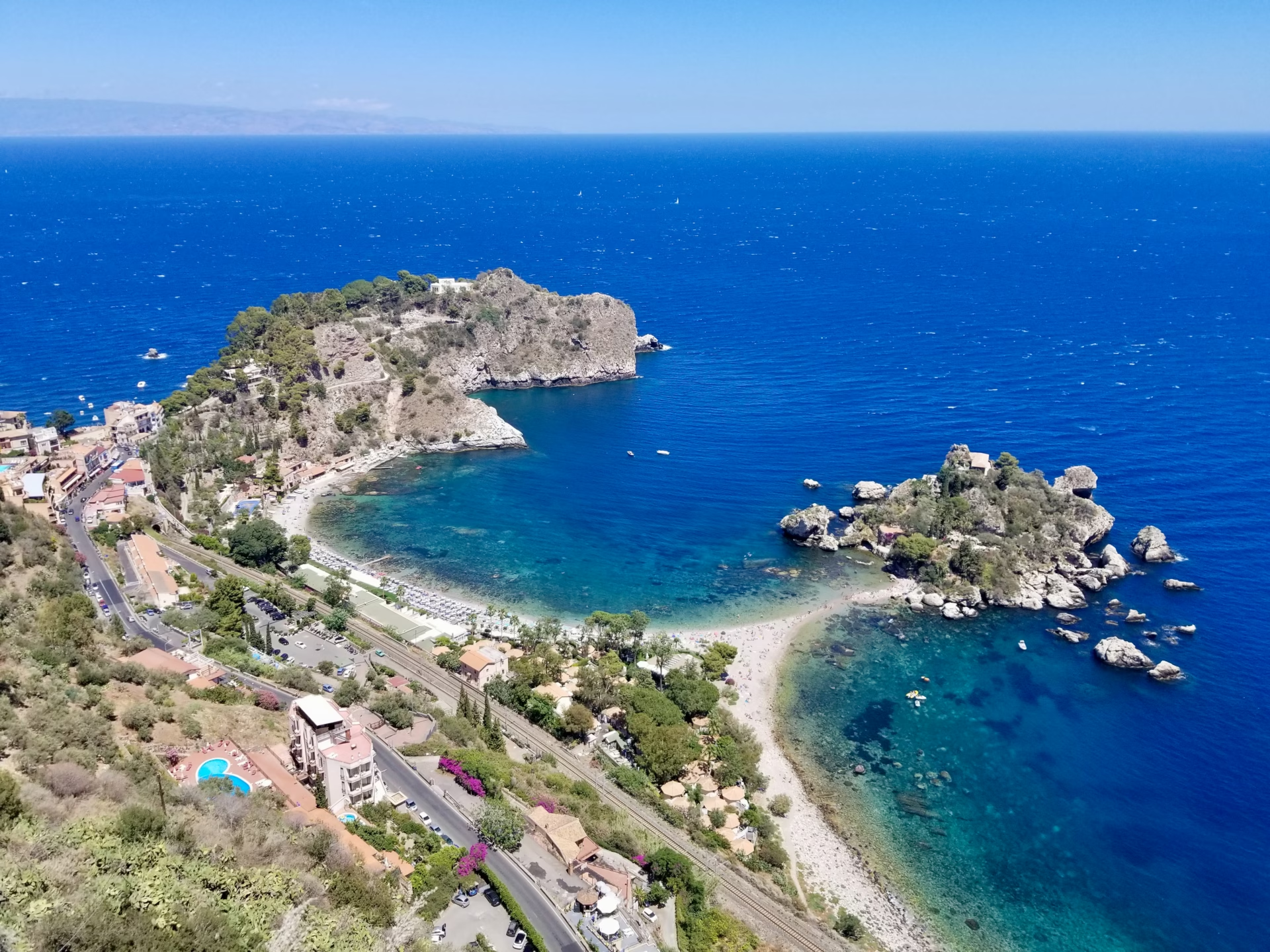
Taormina is a hilltop town on the east coast of Sicily, about 200 metres above the Ionian Sea between Catania and Messina, best known for its ancient Greek theatre with Mount Etna behind it. It is also known for Isola Bella, the tiny island in the bay below, the pedestrian Corso Umberto, almond wine in Castelmola above the town and, more recently, The White Lotus. I spent three days there after a cheap flight from Malta, and this guide covers getting there, where to stay, what to see and eat, and the sunset from Castelmola that made me stay longer than planned.
Where
East coast of Sicily
About 200 m above the sea, between Catania and Messina
Known for
Teatro Antico and Etna views
Plus Isola Bella and Corso Umberto
From Catania airport
Direct bus, €7
80 to 90 minutes to the bus terminal in town
How long
2 to 3 nights
Enough for Castelmola at sunset
Best time
May to June, Sept to Oct
July and August are hot, busy and expensive
I arrived in Sicily on a cheap flight from Malta.
It wasn’t a carefully planned grand tour of southern Italy, just a budget airline alert and a two-day window. Malta to Catania, €30 each way, grab a bus to Taormina, figure out the rest later. This is how slow travel actually works when you are watching prices across thirty open tabs.
What I did not expect was that such a short window would produce some of the most memorable photographs of my Italy trip, and that I would end up returning to the same views again and again, at different hours, unable to quite leave.
Taormina does that. It earned its reputation long before The White Lotus put it on every streaming platform and Instagram feed.
How to Get to Taormina
Taormina has no airport. The nearest is Catania Fontanarossa (CTA), about 65 kilometres south by road. Direct coaches run by Etna Trasporti and Interbus (sold as one service) go from the airport to the bus terminal on Via Pirandello, up in the town, in 80 to 90 minutes. A single costs €7 and a return €14. In summer there are more than 40 departures a day; in winter there are about half as many and the last bus leaves the airport in the early evening, so check the timetable if you land late. Taxis and private transfers cost much more.
From Messina in the north, trains and buses run regularly and take under an hour. If you are coming from mainland Italy by ferry, Messina is where you land, and Taormina is a short connection away.
If you come by train, from Catania or Messina, note that Taormina-Giardini station sits at sea level at the bottom of the hill, while the town is about 200 metres up, so take a local bus up the switchback road or a taxi. I wouldn’t walk it with luggage; with bags, the direct coach from the airport is simpler.
I came from Malta, so my route was Catania airport, then the Interbus straight to Taormina. The ride along the Ionian coast, with the sea on one side and the Sicilian hills on the other, was already a highlight of the trip.
Where to Stay in Taormina
Taormina splits into two zones: in town (on the hill, close to everything) and by the beach (at sea level, near Mazzarò and Isola Bella). Staying in town means walking to everything; staying by the beach means using the cable car to get up to town.
For a first visit, I recommend staying in town. The views from the hillside at dusk are part of the experience, and you lose them if you are down at sea level. If beach time is the priority, Mazzarò or Isola Bella makes more sense, with the cable car up to town.
Stay in town (my pick)
- Walk to the Teatro Antico and Corso Umberto
- Hillside views at dusk
- Restaurants and bars on your doorstep
- Cable car down to the beach
Stay by the beach
- Mazzarò and Isola Bella below the cliffs
- Swim before breakfast
- Quieter in the evening
- Cable car up to town for sightseeing
For a first visit, stay in town. If the trip is mainly about the sea, the beach hotels make more sense.

The cliffside hotels between town and beach level are in a category of their own: infinity pools above the Ionian Sea with Mount Etna filling the horizon. They are not cheap, but the views are hard to beat.
Recommended hotels:
Luxury:
This post contains affiliate links. If you book through them, I may earn a small commission at no extra cost to you.
- San Domenico Palace, Taormina, A Four Seasons Hotel: The most storied hotel in Taormina, a former Dominican convent now run by Four Seasons. The White Lotus season 2 was filmed here. The views are extraordinary.
- Atlantis Bay, The Leading Hotels of the World: Cliffside hotel built into the rock above Mazzarò bay, with a cave beach club and sea views from every room.
- Villa Sant’Andrea, A Belmond Hotel, Taormina Mare: Belmond’s beachside property at Mazzarò, with private beach access; elegant and relaxed.
Mid-range:
- Hotel Villa Ducale: Boutique hotel with panoramic terrace views over the Ionian, strong reviews, well-priced for what you get.
- Hotel Villa Belvedere: Family-run, garden with pool, good central location, reliable across the years.
- Palazzo Vecchio Taormina: Central, rooftop bar with Etna views, well-located for Corso Umberto.
- Jonic Hotel Mazzarò: Good value beachside option at Mazzarò, close to Isola Bella.
Budget:
- Hotel Condor: Clean, well located and much cheaper than its neighbours. The sensible choice if you are watching your spending.
- Hotel Baia Azzurra: Simple seafront option in the Mazzarò area, good for those prioritising beach access over town proximity.
Search for more options:
Corso Umberto, the Main Street
Every visit to Taormina passes through Corso Umberto I, the pedestrianised main street that runs the length of the old town from Porta Catania in the south to Porta Messina in the north. It is lined with boutiques, cafes, gelaterias, restaurants and churches, and during the day it fills steadily with visitors from the cruise ships anchored in the bay below.
Walk it at least twice: once during the day to get your bearings, and once in the evening when the cruise ship crowds have gone and the light changes. The evening version is quieter and more itself.
Along the way you will pass Piazza IX Aprile, a wide terrace that opens suddenly onto views across the Ionian bay and Mount Etna in one sweep. It is the best viewpoint on the main street and the place most people stop longest. The clock tower at one end dates from the 17th century; the Church of San Giuseppe on the square is small and quiet, and repays a few minutes inside. Come here at sunset, when the light hits the sea and the mountain together: it is one of the easiest photographs in Taormina.
Teatro Antico: Taormina’s Ancient Greek Theatre

The Teatro Antico is the reason most people come to Taormina, and it earns its status completely. Built by the Greeks in the 3rd century BC and substantially rebuilt by the Romans, it sits on the hillside with the Ionian Sea in one direction and Mount Etna in the other, which makes it one of the most dramatically sited ancient theatres anywhere in the world.

What strikes you first is not the ruins themselves but the view through them. Standing in the seating bowl and looking toward the stage, the arched openings in the Roman stage wall frame the sea beyond so perfectly that it feels almost deliberate, as if the Romans understood exactly what they were doing. They probably did.

The theatre is still used for performances. The Taormina Film Fest is held here, usually in June (it ran from 10 to 14 June in 2026), and concerts run through the summer. If you visit in season, check whether there is an evening show. Watching anything in this space, with the Sicilian sky above and the sea below, would be memorable whatever was on stage.
A full ticket costs €14 on the archaeological park’s ticket page. Book ahead in high season to skip the queue:
Practical tips for the Teatro Antico:
- Open daily from 9am; closing time changes through the year, from 7.45pm in summer to late afternoon in winter, with last entry 45 minutes earlier
- The audio guide is useful here, given how many layers of history overlap on the site
- Go early morning or late afternoon for the best light and thinner crowds
- The view from the upper seating tiers toward Mount Etna rewards the climb up the steps
Isola Bella

Isola Bella is the small wooded island in the bay directly below Taormina, joined to the shore by a thin strip of beach. From above, from the Teatro Antico or from Castelmola, it looks almost too perfect: a green rocky island with turquoise water on both sides, flanked by two curved beaches.
That strip of sand and pebbles can be partly covered by the sea, depending on the conditions, so you may have to wade. The water on both sides is clear and swimmable, but the rocks call for water shoes rather than bare feet. The island itself is a nature reserve run by the Naxos Taormina archaeological park, with marked paths and the vegetation left deliberately wild. Entry is €6 (€3 reduced), it opens daily from 9am with closing times that change through the year, and it has closed for maintenance for long spells in recent years, so check it’s open before you go down.
The beaches at Isola Bella and Mazzarò are mostly pebbly, and much of the shore is taken by private beach clubs that charge for sunbeds and umbrellas, with free public stretches in between. If you want a long sandy beach, Giardini Naxos is the better choice. Everywhere gets busy in summer, so go early if you can.
The cable car (funivia) from Via Pirandello down to Mazzarò beach is the easiest way to reach the area: a three-minute ride down the cliff face, with views opening over the bay as you descend. Since August 2026 a single costs €8 and a return €15 for non-residents.
For a different perspective entirely, the boat tours around Isola Bella and into the sea caves along the coast are excellent and not expensive:
Giardini Naxos: The Beach Below

Giardini Naxos sits at the bottom of Taormina’s hill, a seaside town in its own right with a long sandy beach, a working harbour and a seafront promenade lined with restaurants. It is also the site of the first Greek settlement in Sicily, founded in 734 BC, which the beach crowds rarely suggest.
From the beach at Giardini Naxos, looking back up at the hillside, you can make out Taormina’s old town clinging to the rock face and, if you know where to look, the tiny cluster of houses that is Castelmola higher still. The view in the other direction is the open Ionian, and on clear days you can see the Italian mainland across the Strait of Messina.
Giardini Naxos is generally cheaper than Taormina’s historic centre for food and accommodation. If budget is a concern, staying here and taking the bus up to Taormina each day makes sense.
Castelmola: The Village Above Taormina

Castelmola sits 529 metres above sea level on the peak behind Taormina, a few kilometres up a winding road and more than 300 metres higher. It is a medieval hilltop village of narrow alleys, old stone buildings and views that stop you mid-sentence.
I spent an afternoon and an entire evening here. The afternoon was for the village and the light; the evening was for the sunset, which I had not planned for and could not leave.

The views from Castelmola look in every direction simultaneously. Turn one way and you see Taormina’s rooftops and Isola Bella and the full sweep of the Ionian coast down to Giardini Naxos. Turn the other way and Mount Etna fills the horizon: Sicily’s volcano, always present, always watching.

The village itself is small enough to explore in an hour. The streets are steep and narrow, proper Sicilian lanes rather than the boutique-lined pedestrian street of Taormina below. There are a handful of bars and restaurants, a ruined castle at the very top, and the famous Bar Turrisi, known since the 1940s for its almond wine and its eccentric interior.

The almond wine, vino alla mandorla, is a local speciality: a sweet wine flavoured with almonds. It tastes as unusual as that sounds, and I mean that as a recommendation.
The Sunset from Castelmola

I did not intend to stay for the sunset. I had been walking the village since mid-afternoon and was thinking about the bus back down to Taormina when the light started to change.
The sky went from blue to pink to a deep mauve in about twenty minutes, and the sea below turned the same colour as the sky. Taormina’s rooftops glowed briefly gold. Isola Bella became a dark shape against the silver water.

And then I turned around and Mount Etna was a perfect black silhouette against an orange and gold horizon, and I understood why people talk about this view the way they do.
Stay for the sunset. It is the best thing about Castelmola, and Castelmola is already very good.
Getting to Castelmola: Local ASM buses run up from Taormina’s bus terminal on Via Pirandello in about 15 to 20 minutes, and a single costs €2 for non-residents. Alternatively, if you are coming from Messina, the Taormina and Castelmola Tour from Messina combines both in a single day trip with transport included.
💡 STAYING FOR SUNSET?
Check the time of the last ASM bus back down to Taormina before you go up, and plan to leave the viewpoint a few minutes after the sun drops. The sky keeps changing for a while after sunset.
Food and Drink in Taormina

Sicily takes food seriously, and Taormina, despite being a tourist town, delivers on its Sicilian obligations.
The gelato is exceptional. Pistachio gelato made from Bronte pistachios (grown on the slopes of Mount Etna) is a specifically Sicilian thing, and it tastes different here from anywhere else you have had it. Gelatomania on Corso Umberto is the obvious stop.

The cannolo is the other essential. A fried pastry tube filled with sweetened ricotta, sometimes with pistachios or candied fruit, dusted with icing sugar. The key is finding one that has been filled to order rather than sitting in a display case for hours, because the shell softens quickly once filled. Ask, and any decent pastry shop will fill it fresh in front of you.
For a proper Sicilian food experience that goes beyond the tourist circuit, the Taormina Sicilian Cooking Class with visit to the local market is a good use of a morning: market, cooking and eating, all in one.
Where to eat:
Taormina has restaurants at every price point, from Michelin-starred dining rooms with Ionian views to simple trattorias one street back from the tourist circuit. This range covers all budgets; it comes from research and the 2026 Michelin Guide rather than a meal at each one, and Michelin stars change every year, so check the latest guide before booking.
Splurge:
- St. George by Heinz Beck (The Ashbee Hotel): two Michelin stars in the 2026 guide, under German chef Heinz Beck. Creative cooking with Sicilian produce on an elegant terrace.
- Principe Cerami (San Domenico Palace, Four Seasons): one Michelin star. Chef Massimo Mantarro’s reinterpretation of Sicilian cuisine, served as tasting menus.
- Otto Geleng (Grand Hotel Timeo, a Belmond hotel beside the Teatro Antico): one Michelin star, in a remarkable 19th-century hotel setting. Short, precise tasting menus. Book well in advance.
- La Capinera (Spisone, by the sea below town): one Michelin star. Chef Pietro D’Agostino’s Sicilian cooking, with plenty of seafood.
Mid-range:
- Ristorante Duomo (by the Cathedral square): well established, with pasta alla Norma, fresh seafood and a terrace facing the square.
- Trattoria Tischi Toschi: a small trattoria built around Slow Food produce and Sicilian classics. Reserve ahead.
- Osteria RossoDiVino: an intimate courtyard osteria with a menu that changes daily and a strong wine list.
Budget:
- BamBar: a favourite granita bar. The pistachio or almond granita with warm brioche is a Taormina ritual. Go in the morning.
- Pasticceria Etna (Corso Umberto): known for marzipan and almond sweets.
- For budget eating, take the bus down to Giardini Naxos: the seafront restaurants are much cheaper and the fish comes off the same boats.
An evening option: For an evening in the old town, the Opera Performance in the Nazarena Theater, in a small historic theatre, is a good choice: not the Teatro Antico scale, but intimate and very Sicilian.
Day Trips from Taormina
Taormina is an excellent base for eastern Sicily, with something to see within half a day in any direction.
Mount Etna is the obvious one: Europe’s most active volcano, over 3,300 metres high (the summit height changes with its eruptions) and visible from almost everywhere in this part of Sicily. Day tours usually drive up to the crater area, sometimes with wine tasting at vineyards on the volcanic lower slopes:
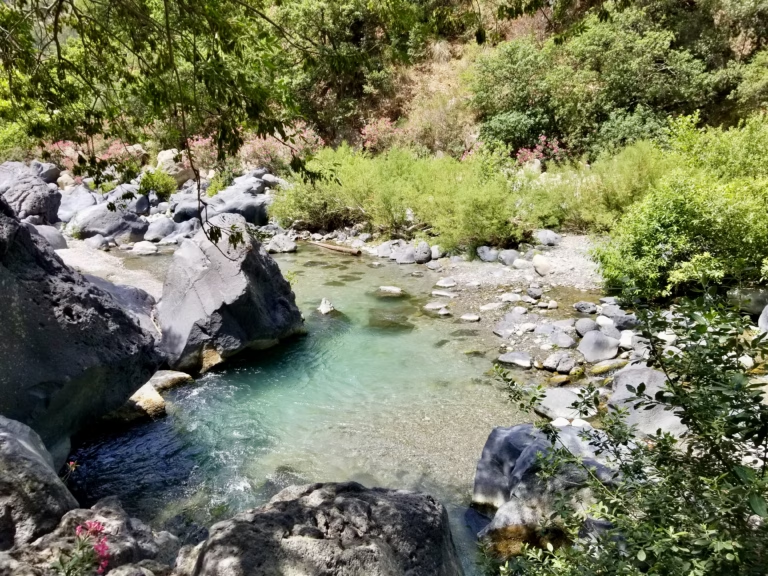
Alcantara Gorges, a volcanic basalt canyon about 20 kilometres inland with clear, cold river water and dramatic rock formations, deserve their own time. I’ve written a full guide:
The Godfather Villages: Savoca and Forza d’Agrò
I read The Godfather before coming to Sicily, and I had watched the film more times than I can count. So arriving in this part of eastern Sicily, with its hills and old stone villages, meant arriving with a particular set of images already in my head.
I did not make it to Savoca on this trip. It is on the list for next time, and it is on this guide because if you share the same connection to the book or the film, you should know about it.
Savoca is a hilltop village about 15 kilometres north of Taormina, tucked into the hills above the Ionian coast. Francis Ford Coppola filmed Michael Corleone’s time in Sicily here: the scenes of him hiding after the restaurant shooting, falling in love with Apollonia and asking her father for permission to court her. It worked because it looked like a small Sicilian village had looked for centuries: stone streets, old churches, a bar on the square where men sat and watched the road.
Bar Vitelli, where Michael asks Apollonia’s father for permission to court her, still exists and looks much as it did in the 1972 film. The family who run it have leaned into the history without overdoing it: there are photographs and some memorabilia, and the bar is known for its granita al limone. You can sit on the terrace where the scene was filmed. For anyone who loves the film, it is a piece of cinema history in a working Sicilian bar.
The Church of San Nicolò above the village is where Michael and Apollonia’s wedding was filmed. It is a 13th-century church with a terrace overlooking the valley, and the view is the one you saw in the film.
Forza d’Agrò, a few kilometres away, appears in Part I, where Michael and his bodyguards walk through its streets, and again in Part III. It is smaller than Savoca, less visited and, if anything, more atmospheric: a village perched on a ridge with views in every direction.
Neither village is easy to reach independently without a car. The organised tour from Taormina handles all the transport, includes both villages, and is the practical solution for most visitors:
If you have read the novel, the villages add a layer that the film alone cannot give you. Puzo’s Sicily was drawn from family memory and imagination, and standing in the landscape where it was brought to life on screen closes a loop that is hard to describe. Go with the book in your head and the film in your memory.
Practical Information
Best time to visit: May and June bring warm weather, manageable crowds and spring flowers still on the hillsides. September and October are just as good: slightly cooler, past the peak, and the autumn light is exceptional. July and August are busy, hot and expensive. If you’d like to coincide with the Taormina Film Fest at the Teatro Antico, it usually runs in June.
Getting around: Within Taormina, you walk. Corso Umberto is pedestrianised, but the streets around it involve steep slopes, steps and uneven paving, which matters if you have heavy luggage or a pushchair. For the beach, the cable car down to Mazzarò runs every 15 minutes from 8am, until 8pm in winter and 1.30am in summer, and costs €8 one way or €15 return. Local ASM buses go up to Castelmola, and Etna Trasporti and Interbus coaches cover the coast and Catania. For Etna and more remote sites, a guided tour or a rental car makes more sense.
Driving and parking: The historic centre is pedestrianised or restricted to authorised traffic, so if you arrive by car you will need one of the car parks on the edge of town, such as Lumbi or Porta Catania. Parking is expensive and fills up in summer, so check the current rates and ask your hotel about access before you arrive.
Dress and temperatures: June in Sicily is warm, from the high 20s to the low 30s Celsius. Pack light clothing, sunscreen and good walking shoes; the old town streets are cobbled and sometimes steep. If you plan to visit the churches (which repay a look even if you are not religious), cover your shoulders.
Safety: Taormina is very safe for tourists. The usual sensible precautions apply: watch your bag in crowded areas, particularly around the cable car and on Corso Umberto at peak times. The town has a small-town feel rather than big-city anonymity.
FAQ: Visiting Taormina
What is Taormina known for?
Its ancient Greek theatre, the Teatro Antico, with Mount Etna and the Ionian Sea as a backdrop. It is also known for Isola Bella in the bay below, the pedestrian Corso Umberto, the hilltop village of Castelmola above the town and, more recently, The White Lotus, whose second season was filmed at the San Domenico Palace hotel.
Where is Taormina?
On the east coast of Sicily, in the province of Messina, roughly halfway between Catania and Messina. The town sits on a hill about 200 metres above the Ionian Sea, with Giardini Naxos and the beaches below and Castelmola (529 metres) above.
How high is Taormina above sea level?
The historic centre is about 200 metres (650 feet) above sea level, on a terrace overlooking the Ionian Sea. Castelmola, the village above it, sits at 529 metres, and Taormina-Giardini station and the beaches are at sea level.
How do I get from Catania Airport to Taormina?
Take the direct Etna Trasporti and Interbus coach to the bus terminal on Via Pirandello in Taormina. It takes 80 to 90 minutes and costs €7 one way or €14 return. There are more than 40 departures a day in summer and about half that in winter, with the last bus in the early evening.
How many days do I need in Taormina?
Two days covers the Teatro Antico, Corso Umberto, Isola Bella and a trip to Castelmola. Three days lets you add Giardini Naxos and a day trip to Etna or the Alcantara Gorges. Four or five days gives you a relaxed pace.
Is Taormina worth visiting?
Yes. It is one of those places where the reputation is accurate: ancient history, dramatic scenery, good food and both a volcano and the sea on your doorstep. The best view is from Castelmola at sunset, with Etna silhouetted and Taormina spread below.
Is Taormina expensive?
Yes, by Sicilian standards, particularly for hotels and restaurants in the historic centre. You can save money by staying in Giardini Naxos, eating away from Corso Umberto and using buses rather than taxis.
How much is the Teatro Antico in Taormina?
A full ticket costs €14 on the archaeological park’s ticket page, with a reduced rate for some visitors. It opens daily at 9am and closes between late afternoon in winter and 7.45pm in summer, with a few late openings until midnight in summer.
How do I get from Taormina down to the beach?
Take the cable car from Via Pirandello down to Mazzarò, a three-minute ride. Since August 2026 a single costs €8 and a return €15 for non-residents. From Mazzarò it is a short walk to Isola Bella.
Can I visit Taormina as a day trip from Catania?
Yes. The bus takes 80 to 90 minutes each way. A full day is enough for the Teatro Antico, Corso Umberto and Isola Bella by cable car. Castelmola at sunset needs an overnight stay.
Can I visit the Godfather filming locations from Taormina?
Yes. Savoca and Forza d’Agrò, the villages used for the Sicily scenes in The Godfather, are about 15 kilometres north. Bar Vitelli in Savoca still looks much as it did in the 1972 film. Neither village is easy to reach without a car, so a tour is the practical option.
Was The White Lotus filmed in Taormina?
Yes. Season 2 of the HBO series was filmed mainly at the San Domenico Palace, a Four Seasons hotel, with other scenes shot around the town. Non-guests can book its restaurants, subject to availability, so check with the hotel before you go.
Is Taormina safe?
Yes, it is very safe for tourists. Take the usual precautions with bags in crowded spots, especially around the cable car and on Corso Umberto when the cruise ship crowds are in.
Is Taormina Worth Visiting?
I came to Sicily on a cheap flight and two free days. I left having spent three, having missed a flight I could have caught, and having photographed the same sunset from Castelmola twice because once was not enough.
Taormina is the kind of place that makes that kind of decision easy to justify. The Teatro Antico alone would make the trip. The view from Castelmola at dusk makes you want to stay another night. The pistachio gelato on Corso Umberto is the best argument for arriving without a schedule and making decisions as you go.
Go in May or September. Stay two nights minimum. Climb to Castelmola before the sun goes down.
More From My Italy Trip
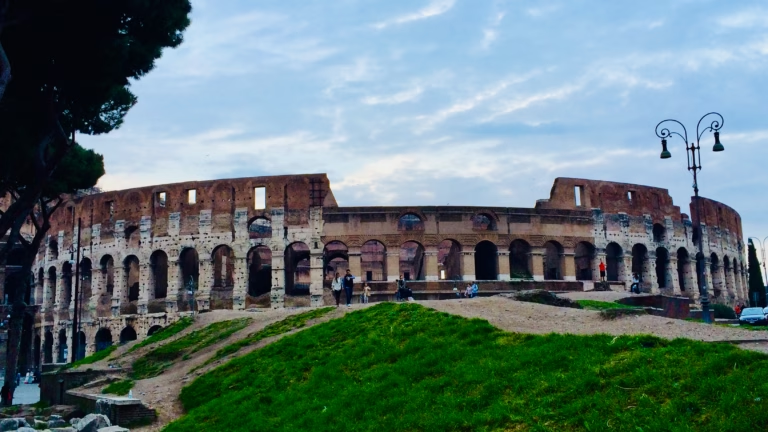
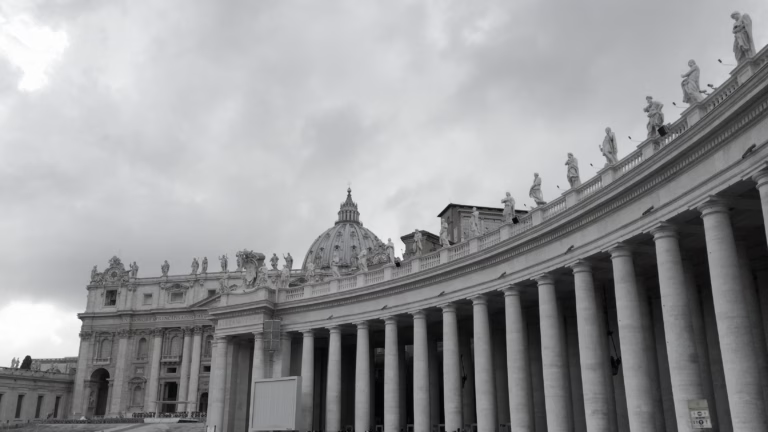
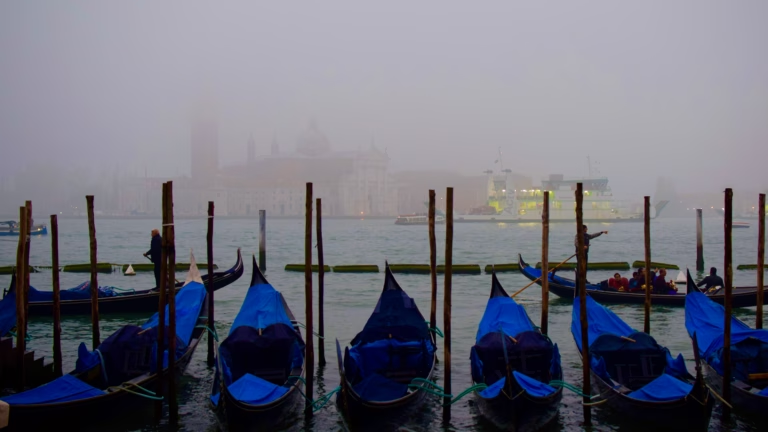
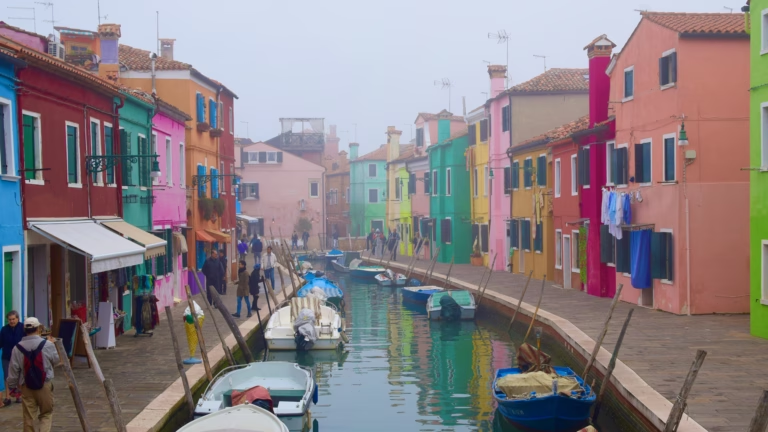
Taormina was part of a longer Italy trip through Rome, the Vatican, Venice and Burano, and the Alcantara Gorges were my day trip inland:

Leave a reply