
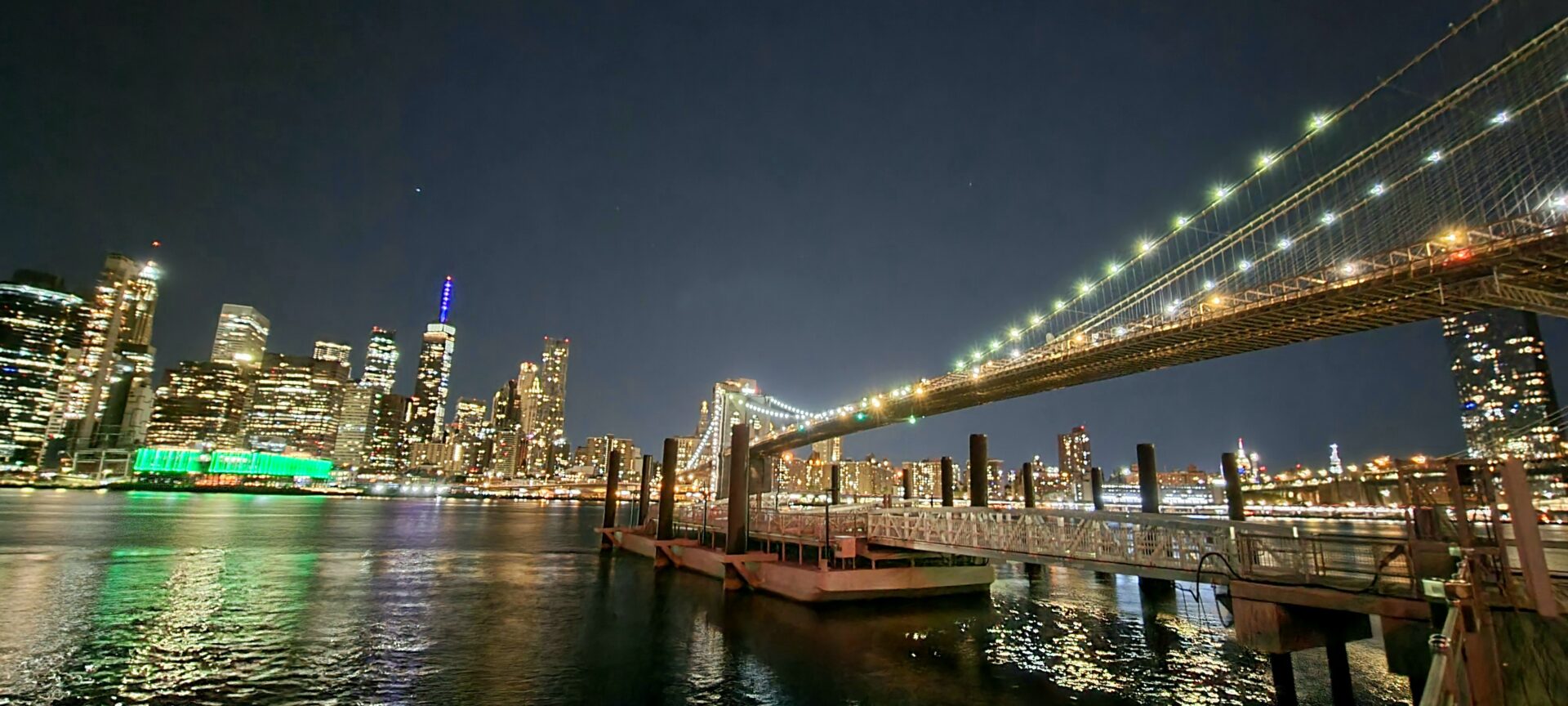
New York is not the capital of the United States, nor is it the largest or most populous state. However, New York, along with California, is the most well-known state in the United States. If you spend a couple of days in New York and use the subway, you might meet people from every country in the globe because the city is so varied! If you visit the United States, you must go to New York; it has something for everyone.
Planning 1 day in New York City? Here’s exactly how to spend it!
You have exactly 24 hours in New York City. The subway map looks like a plate of spaghetti, there are a thousand “must-see” lists online, and everyone has an opinion. So let me cut through the noise with a single, field-tested itinerary that covers the best of Manhattan — from a cast-iron neighbourhood in Lower Manhattan to the blazing billboards of Times Square — all without a tour bus or a wasted minute.
I’ve walked every step of this route myself. As a Bangladeshi passport holder who needed a visa just to get here, arriving in New York felt surreal. This guide is built for travellers who want to feel the city, not just photograph it.
Have more time? This itinerary also works perfectly as a two-day New York itinerary if you want to take it slower — just split it at Brooklyn Bridge Park.
The One-Day New York Itinerary at a Glance
Follow this sequence for the most logical, walk-friendly route through Manhattan:
SoHo → Rockefeller Park → Oculus (WTC Hub) → 9/11 Memorial → XO World → Wall Street → The Battery → Brooklyn Bridge Park → Hudson River Park → The High Line → Hudson Yards → Times Square
Total walking distance: approximately 7–9 miles. Comfortable walking shoes are non-negotiable.
Start in SoHo — New York’s Most Photogenic Neighbourhood
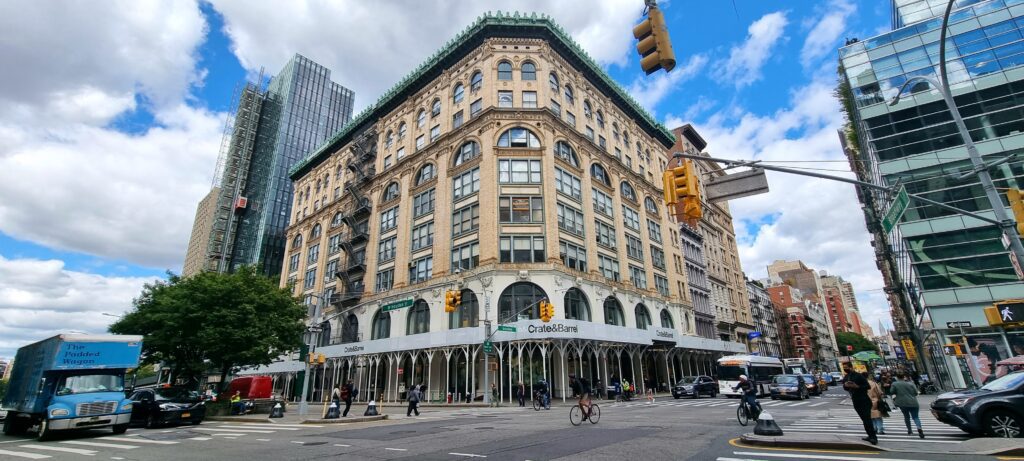
Begin your day in SoHo (South of Houston Street), one of the most visually striking neighbourhoods in all of New York City. What makes SoHo special is its architecture: entire blocks of ornate cast-iron buildings that were once industrial warehouses, now housing art galleries, boutique restaurants, and high-end shops.
Walk along Mercer Street or Greene Street — the uneven cobblestones will make you feel like you’ve stepped back into the 19th century. In the early morning, before the shoppers arrive, SoHo has an almost cinematic calm about it.
What to do: Walk the streets, admire the façades, grab a coffee from one of the local cafés. If you’re here on a weekday morning, you’ll have the cobblestones largely to yourself.
| Detail | Info |
|---|---|
| Cost | Free to explore |
| Time needed | 30–45 minutes |
| Nearest Subway | Spring St (C/E) or Prince St (N/R/W) |
| Best time | Early morning (before 9am) for quiet streets |
Rockefeller Park — A View That Surprises
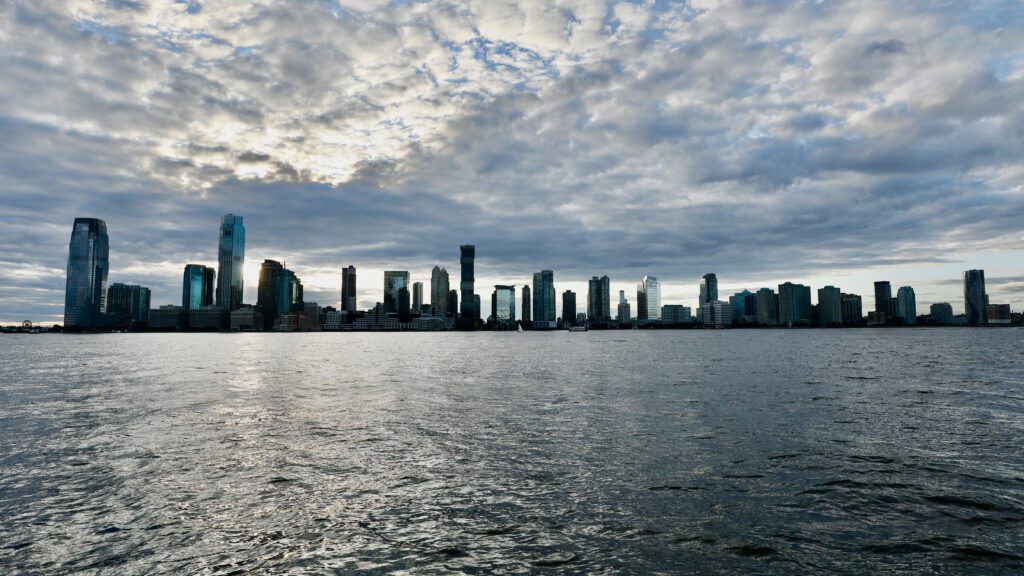
Just north of Battery Park, Rockefeller Park sits at the edge of the Hudson River and offers a sweeping panorama of the New Jersey skyline. Most tourists overlook it entirely, which is exactly why you should stop here. The park is peaceful, the waterfront is clean, and watching the heavy clouds roll over the river while the city hums behind you is genuinely moving.
I spent longer here than I planned. The dense cloud formations constantly change the mood of the water — one minute moody grey, the next blazing gold. Don’t rush this one.
| Detail | Info |
|---|---|
| Cost | Free |
| Time needed | 20–30 minutes |
| Nearest Subway | Rector St (1) or Cortlandt St (R/W) |
9/11 Memorial & Museum — The Heart of Lower Manhattan
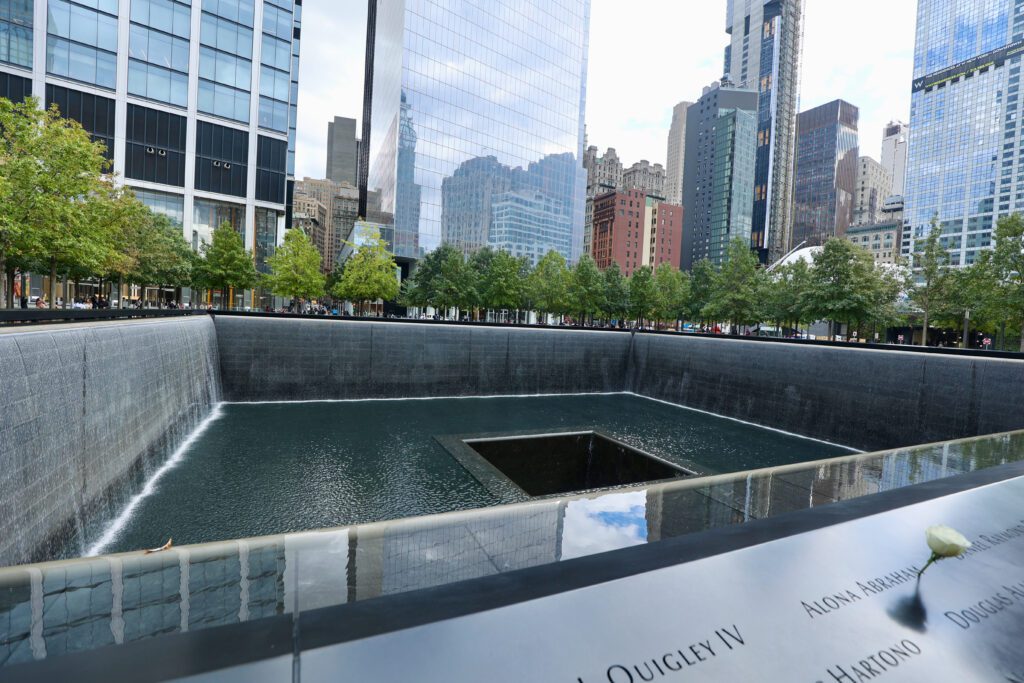
No visit to New York is complete without paying respects at the 9/11 Memorial. On the morning of September 11, 2001, nearly 3,000 people lost their lives when terrorists crashed hijacked planes into the Twin Towers — at the time, two of the five tallest buildings in the world. What stands in their place today is one of the most thoughtfully designed memorials I have ever visited.
Two massive reflecting pools, each roughly the size of the original towers’ footprints, descend into the ground with water endlessly falling into a central void. The names of every victim are carved into the bronze parapets surrounding the pools. Visitors leave flowers, flags, and small mementos beside the names of their loved ones.
The 9/11 Museum beneath the memorial tells the story of the attacks through original artefacts, audio recordings, photographs, and personal testimonies. It is sobering, deeply respectful, and essential. Allow at least 90 minutes if you go inside.
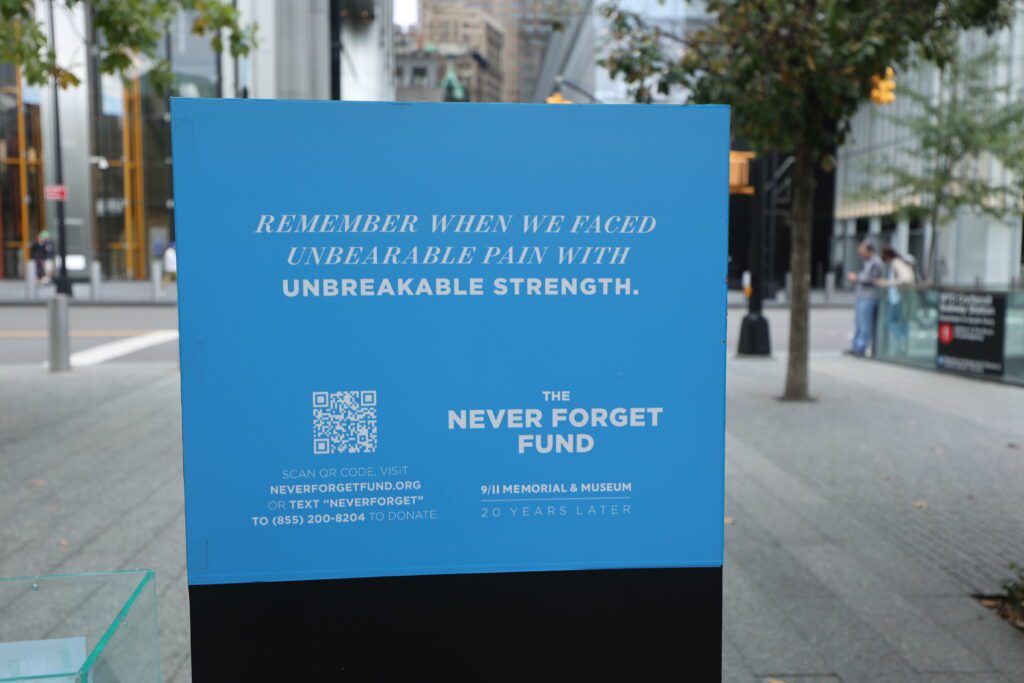
Spending some time there will transport you back in time and give you the belief that, at the end of the day, mankind will resist all forms of terrorism. The museum tells the story of the attacks through artifacts and photographs and provides you with a timeline of the attacks. You can buy tickets for the 9/11 memorial online to avoid the line.
| Detail | Info |
|---|---|
| Memorial (outdoor) | Free, open daily 7:30am–9pm |
| Museum entry | ~$33 adults / ~$24 youth (book online to skip queues) |
| Time needed | 30 min (memorial only) / 90–120 min (with museum) |
| Nearest Subway | Fulton St (2/3/4/5/A/C/J/Z) or Cortlandt St (R/W) |
| Tip | Book tickets in advance at 911memorial.org — walk-up queues can be very long |
The Oculus — An Architectural Marvel You Can’t Miss
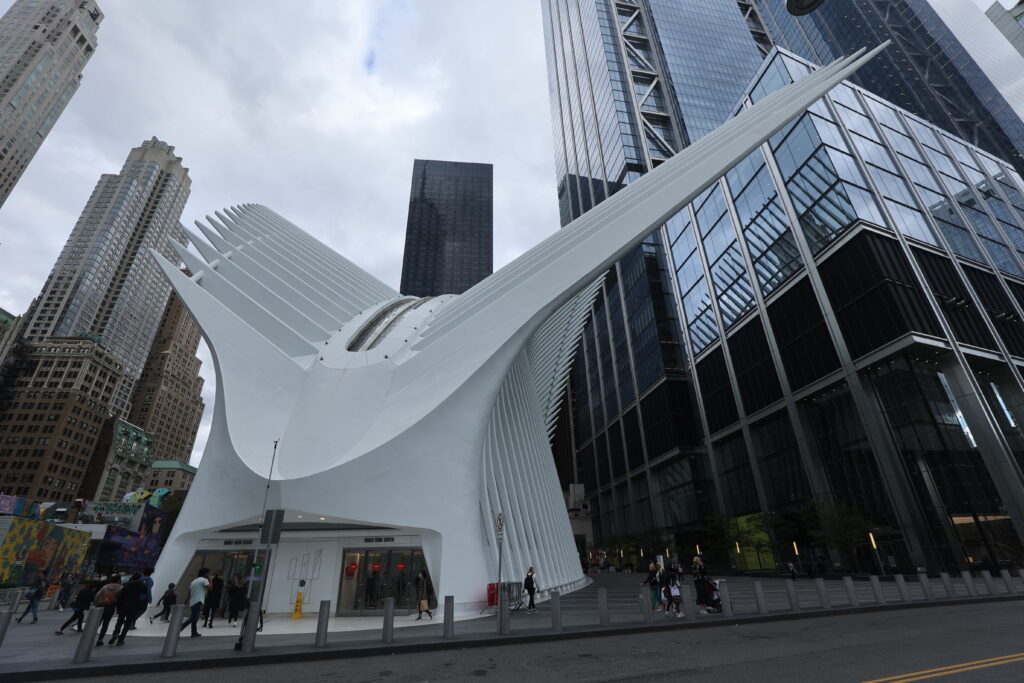
Right next to the 9/11 Memorial stands the Oculus — officially the World Trade Center Transportation Hub. Designed by architect Santiago Calatrava, this breathtaking structure rises from the ground like the ribcage of some great creature. Its white steel fins stretch skyward, and from certain angles it looks like a bird mid-flight.
The symbolism is deliberate: Calatrava envisioned a child releasing a bird from their hands — a gesture of hope and rebirth at the site of so much loss. Step inside the main hall, look up, and let the scale of it hit you. On clear days, a central skylight opens completely, flooding the white marble interior with natural light.
It’s also a functioning transit hub — you can take the PATH train to New Jersey from here — but most people visit simply to experience the architecture.
| Detail | Info |
|---|---|
| Cost | Free to enter |
| Hours | Open daily (approx. 6am–midnight) |
| Time needed | 15–20 minutes |
| Nearest Subway | Cortlandt St (R/W) — directly connected |
XO World — Public Art at Its Most Powerful
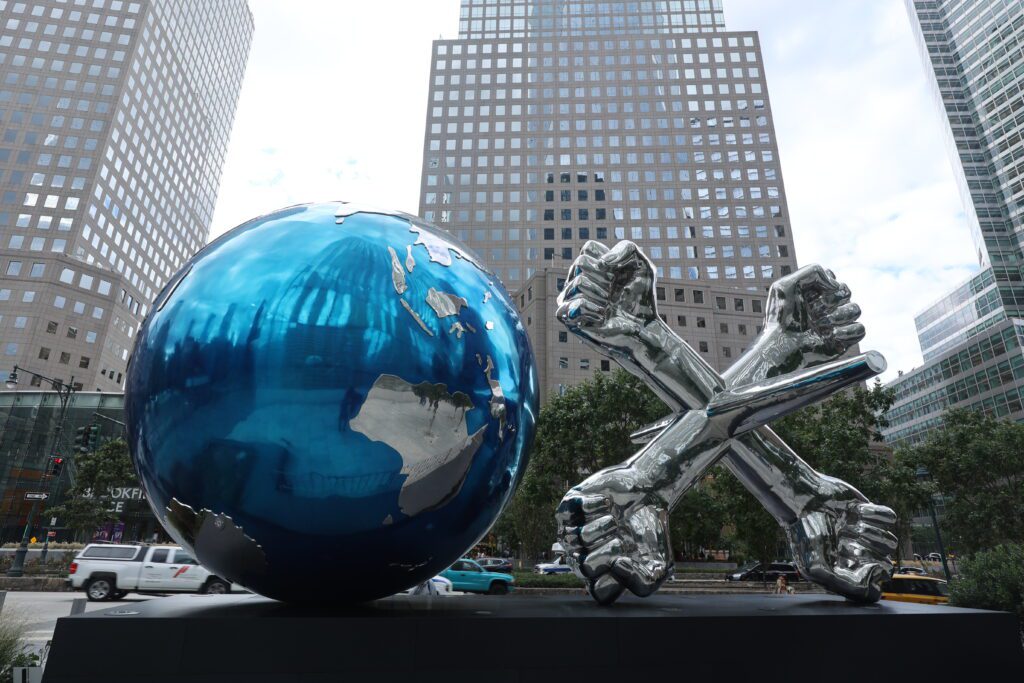
Just outside the World Trade Center complex, you’ll find one of my favourite stops on this itinerary: the XO World installation. It’s a public art project consisting of 11 sculptures placed across New York City. The most striking piece — and the one you’ll walk past — shows a large globe flanked by two enormous hands forming an “X” and an “O”: a universal symbol of unity and love.
It’s easy to walk past without pausing, but take a moment. In the shadow of the 9/11 memorial, it carries real weight.
| Detail | Info |
|---|---|
| Cost | Free |
| Time needed | 5–10 minutes |
Wall Street — Where the World’s Money Lives
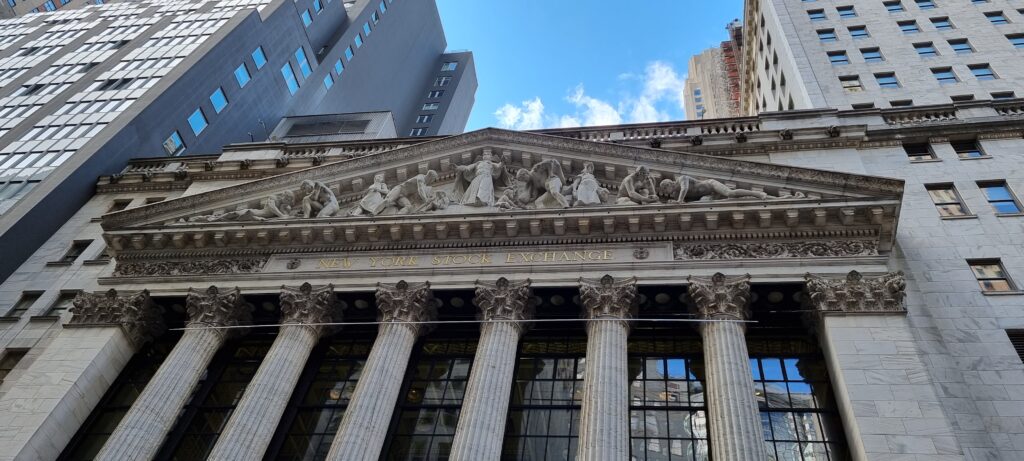
Walk a few blocks east and you’ll reach Wall Street — arguably the most financially powerful street in the world. The New York Stock Exchange (NYSE), founded in 1792, sits here with its imposing neoclassical columns. The Federal Reserve Bank of New York is nearby, sitting atop one of the largest gold reserves on the planet.
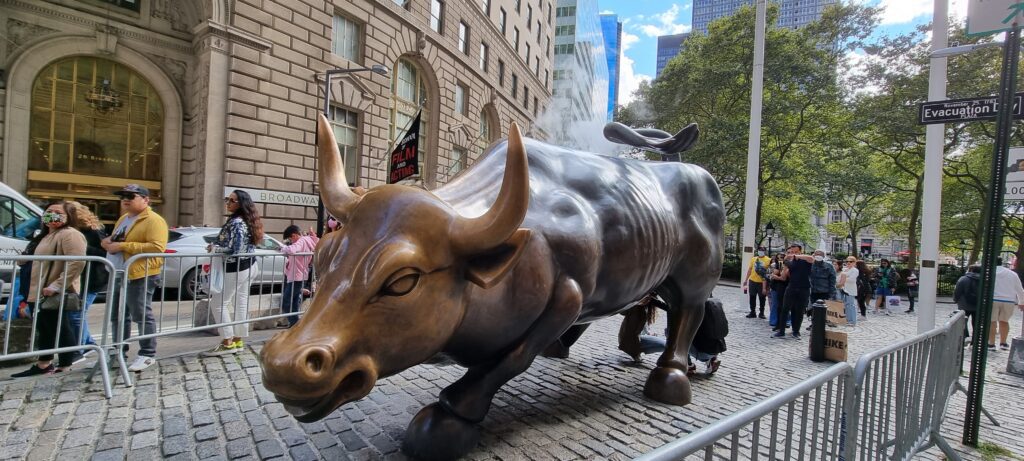
A short walk away, you’ll find the Charging Bull — the famous bronze sculpture representing the optimism and aggression of a bullish market. Everyone wants a photo with it, so expect a queue. Nearby stands the Fearless Girl, a smaller statue of a young girl squaring up to the bull, representing women’s place in finance. The juxtaposition is powerful.
| Detail | Info |
|---|---|
| Cost | Free (outdoor viewing) |
| Time needed | 20–30 minutes |
| Nearest Subway | Wall St (2/3/4/5) or Broad St (J/Z) |
| Tip | Go early morning — Wall Street is quiet before 8am and the photos are better without crowds |
The Battery — Green Space at the Southern Tip of Manhattan
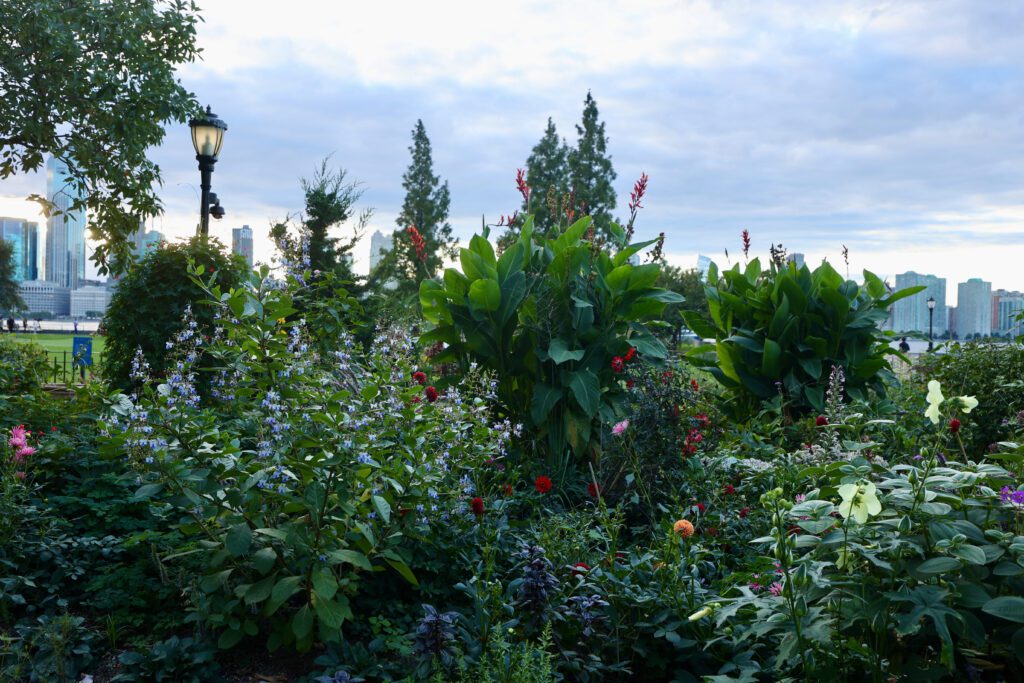
At the very southern tip of Manhattan, The Battery (formerly Battery Park City) is a 92-acre public space with lawns, gardens, waterfront paths, and a scattering of quirky sculptures. It’s a place to breathe — to sit on a bench and watch tugboats push barges up the Hudson.
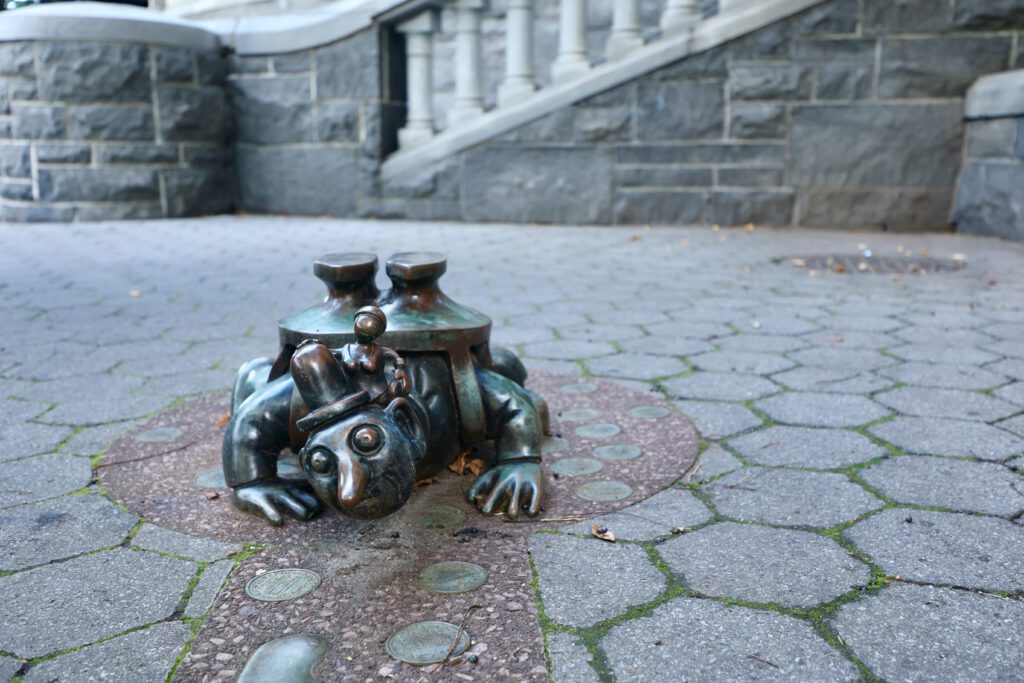
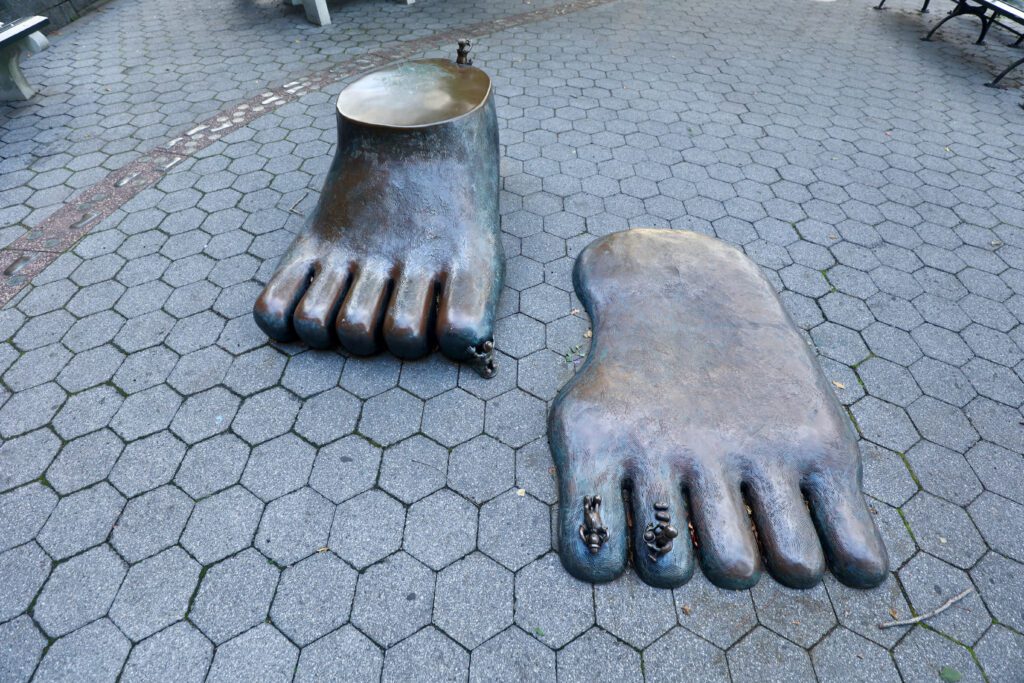
What caught my attention most were the sculptures — some monumental, some almost comically small, hidden in the grass. Look down occasionally; you might find a tiny figure peeking out from between blades of grass near the larger installations.
| Detail | Info |
|---|---|
| Cost | Free |
| Time needed | 20–30 minutes |
| Nearest Subway | Rector St (1) or South Ferry (1) |
Statue of Liberty — Symbol of America
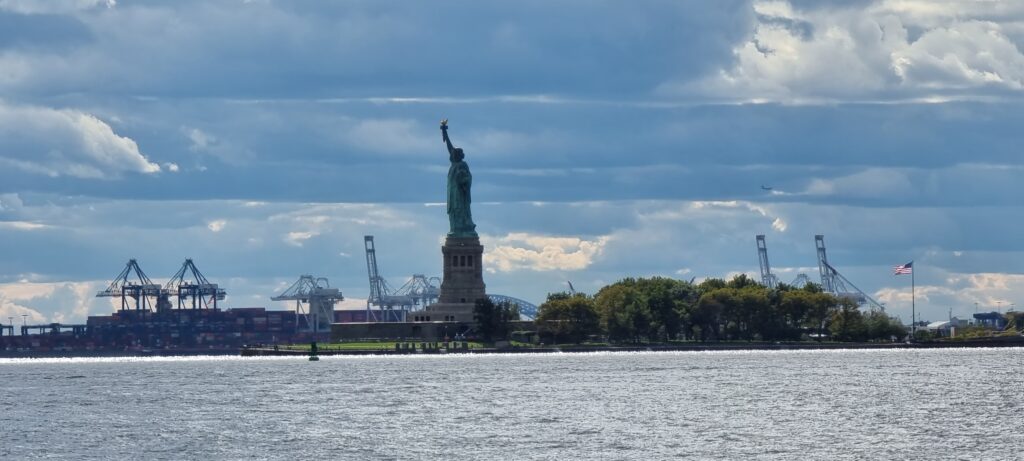
The Statue of Liberty, a gift from France unveiled in 1886, is one of the most universally recognised symbols in human history. The statue depicts Libertas, the Roman goddess of freedom, holding a torch aloft and clutching a tablet inscribed with the date of American independence. The broken chains at her feet represent the abolition of slavery.
On a one-day itinerary, I recommend viewing her from Battery Park rather than taking the ferry. The full ferry trip (including Ellis Island) takes 3–4 hours — a significant chunk of your day. The view from the East Coast Memorial inside Battery Park is excellent and deeply satisfying.
If you do want to visit Liberty Island, book tickets well in advance — they sell out weeks ahead in peak season.
| Detail | Info |
|---|---|
| View from Battery Park | Free |
| Ferry to Liberty Island | ~$24 adults / ~$12 children (book at statuecruises.com) |
| Ferry duration | 3–4 hours total (including Ellis Island) |
| 60-min boat cruise option | Available via Klook — gets you close for photos without the full visit |
| Tip | Book ferry tickets months in advance for summer visits — they sell out fast |
I suggest you to book this 60 minutes trip which will take you near the Statue of Liberty, from where you can take good photos.
Brooklyn Bridge Park — New York’s Most Iconic View
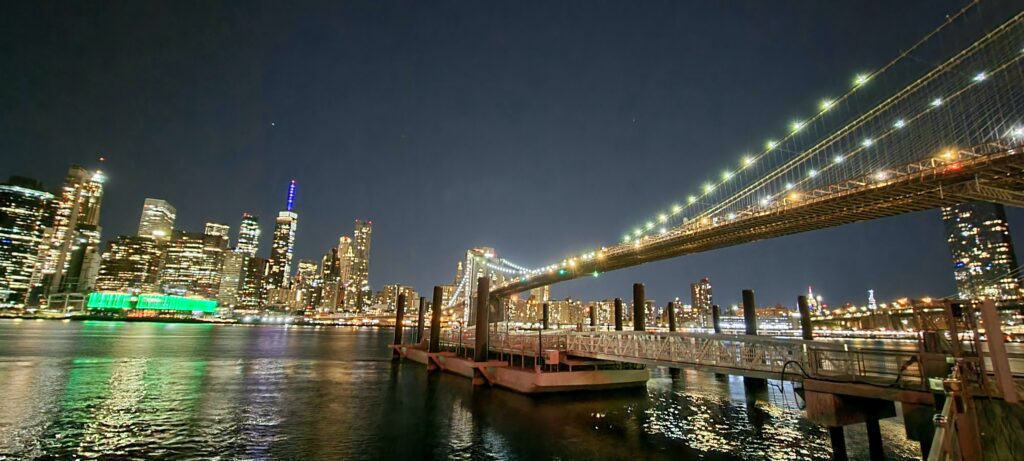
If one image represents New York to the rest of the world, it’s probably the Brooklyn Bridge. Completed in 1883, it was the longest suspension bridge in the world at the time. Today it connects Manhattan to Brooklyn and is one of the most walked bridges on the planet.
Brooklyn Bridge Park on the Manhattan side provides a classic ground-level view of the bridge with the East River in the foreground. For the definitive photo, though, you want to cross the bridge and view it from the Brooklyn side — the entire Manhattan skyline stretches behind it.
The bridge is spectacular at night when its cables are illuminated, so if you can time your return this way, do it.
| Detail | Info |
|---|---|
| Cost | Free (walking the bridge is free) |
| Time needed | 30–45 minutes (view only) / 60–90 min (walk across and back) |
| Nearest Subway | Brooklyn Bridge–City Hall (4/5/6) or Fulton St (A/C) |
| Best time | Golden hour or after dark for illuminated cables |
Hudson River Park — Live Music and Sunset Views
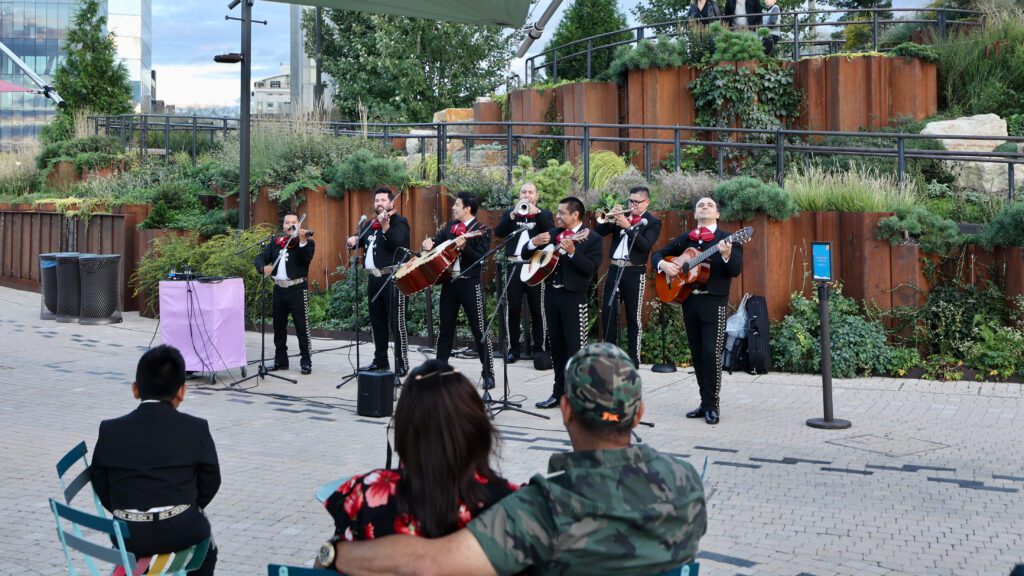
Stretching along the Hudson waterfront from Battery Park to 59th Street, Hudson River Park is where New Yorkers actually spend their free time. It hosts concerts, outdoor film screenings, fitness classes, and community festivals throughout the year. When I visited, a group of musicians was performing in the open air — completely unannounced, completely wonderful.
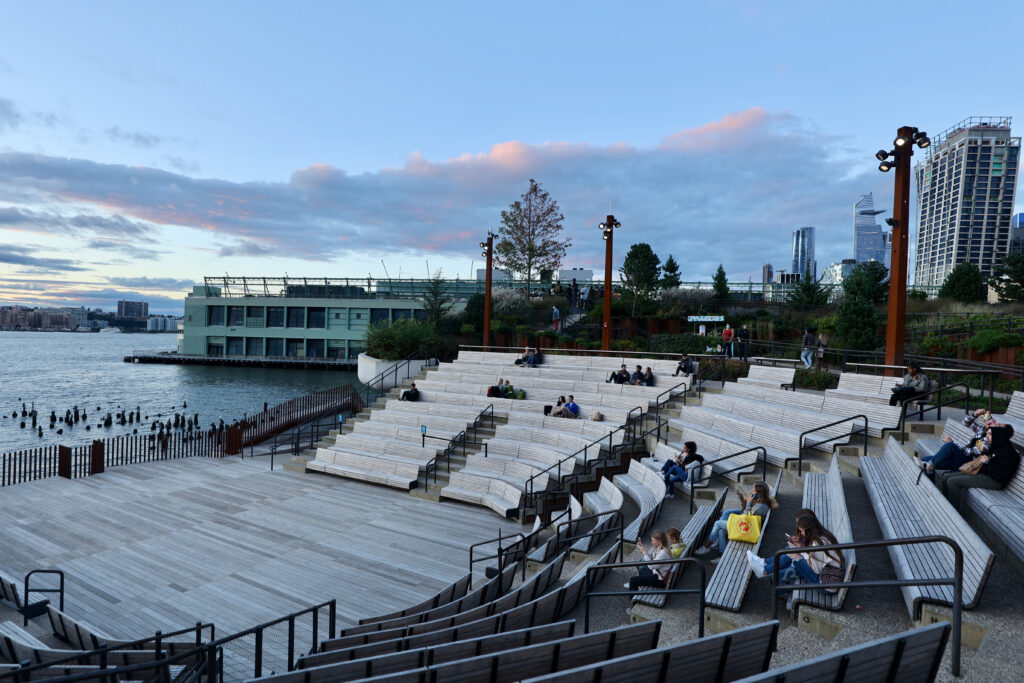
Find the small wooden amphitheatre along the park — it’s a beautiful, understated spot to sit and watch the sun descend over the river. The breeze off the water is cooling in summer and the light at golden hour is extraordinary.
The High Line — New York’s Most Creative Urban Space
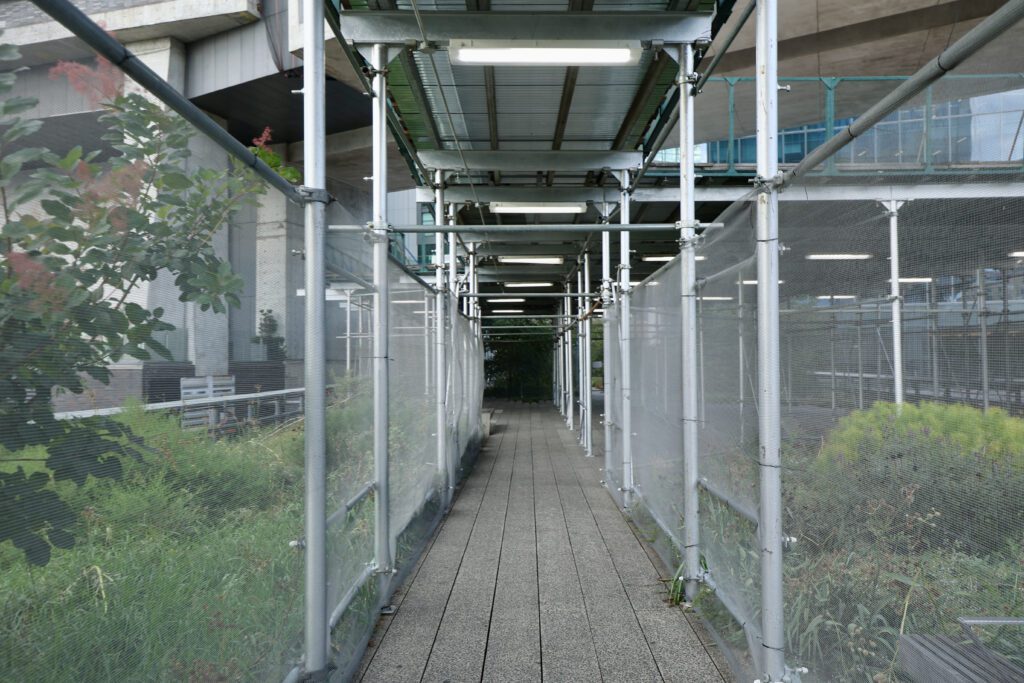
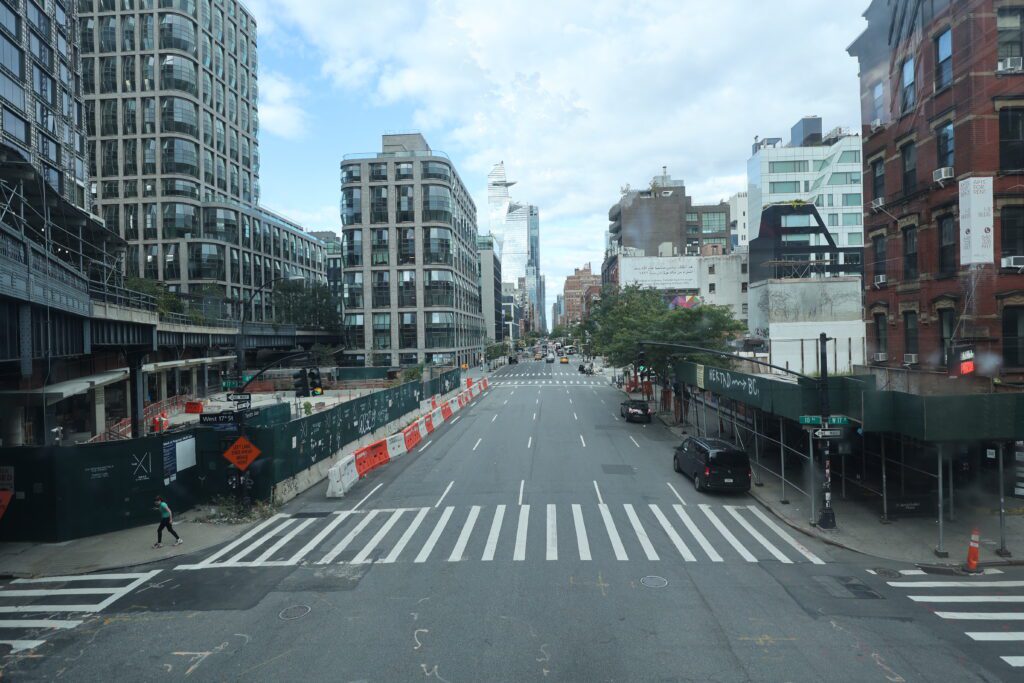
The High Line is one of the great urban transformation stories of the 21st century. A disused elevated freight railway running through Chelsea, it was converted into a 1.45-mile linear park that floats above the street level of Manhattan. Walking it is unlike anything else in the city: you’re level with the second and third floors of buildings, looking into windows, over rooftops, and across to the Hudson River.
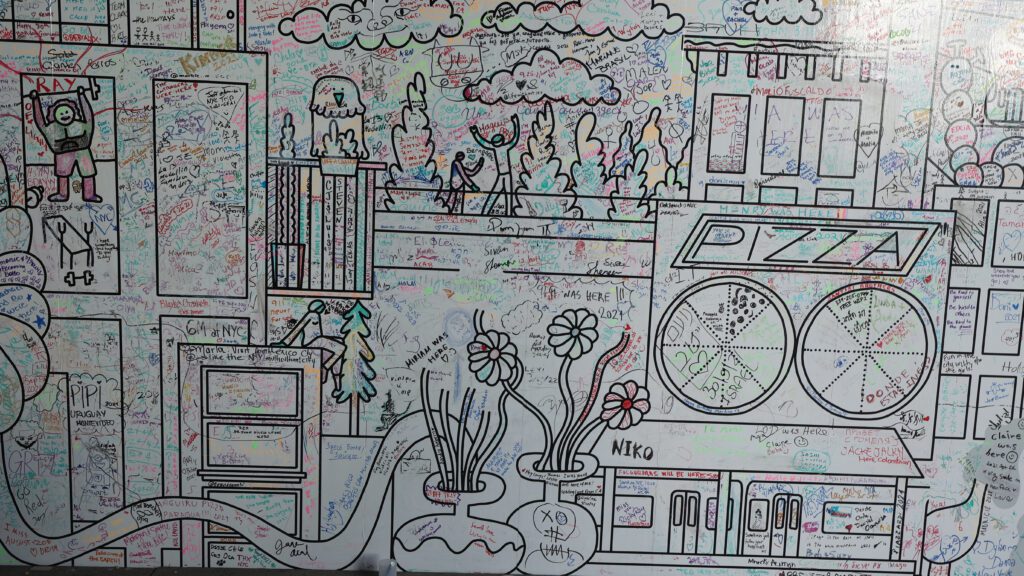
The park features curated planting inspired by the wildflowers that originally colonised the abandoned tracks, regular art installations, and seating designed to face outward over the city. One particular highlight: a multicoloured wall where anyone can pick up a pen and leave their mark. I wrote something in Bangla — a small piece of Bangladesh permanently embedded in New York City.
| Detail | Info |
|---|---|
| Cost | Free |
| Hours | 7am–10pm (summer) / 7am–7pm (winter) |
| Length | 1.45 miles (Gansevoort St to 34th St) |
| Time needed | 45–60 minutes |
| Access points | Gansevoort St, 14th St, 16th St, 18th St, 20th St, 23rd St, 26th St, 28th St, 30th St, 34th St |
| Nearest Subway | 14th St–8th Ave (A/C/E) or 23rd St (C/E) |
Hudson Yards & The Vessel — Manhattan’s Newest Skyline
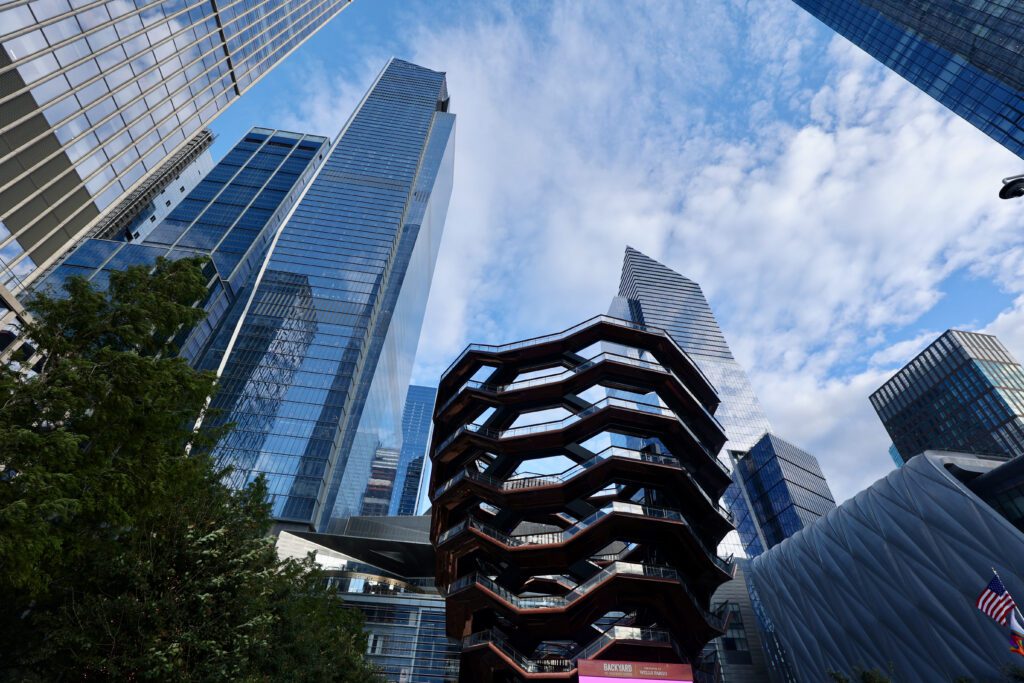
At the northern end of the High Line lies Hudson Yards — the largest private real estate development in American history, spanning 18 million square feet across 16 towers. It feels almost alien: a gleaming grid of glass and steel that materialized from nothing in just over a decade.
The centrepiece is The Vessel, a honeycomb-like structure of 154 interconnecting staircases and 2,500 steps. Climbing it gives you a dizzying, 360-degree bird’s-eye view of the surrounding neighbourhood and the Hudson River beyond. There are also public plazas, gardens, and the Edge observation deck — the highest outdoor sky deck in the Western Hemisphere — if you want to go even higher.
| Detail | Info |
|---|---|
| The Vessel — entry | Free (timed tickets required; book at hudsonyardsnewyork.com) |
| Edge Sky Deck | ~$36–$44 (hudsonyardsnewyork.com) |
| Time needed | 30–45 minutes |
| Nearest Subway | 34th St–Hudson Yards (7) |
Times Square — End the Day in the City That Never Sleeps
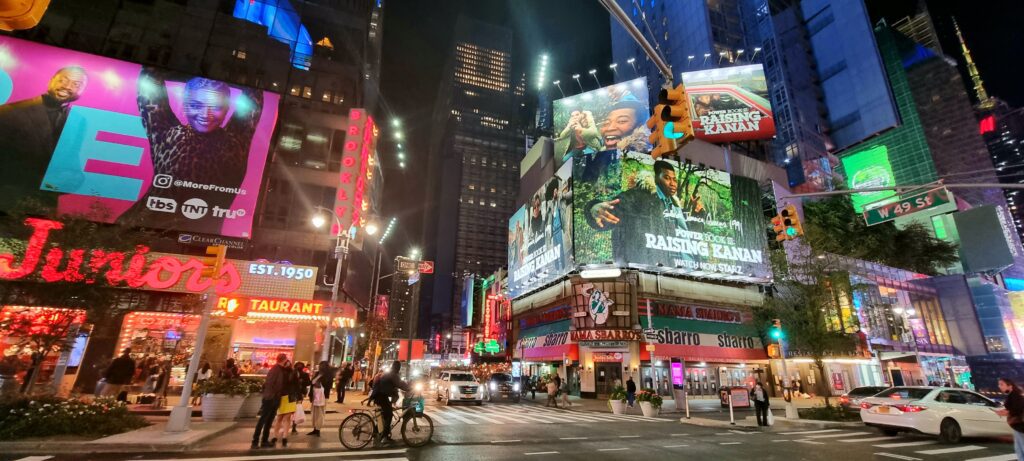
As the sun drops, make your way to Times Square. Nothing prepares you for it — not the photos, not the movies, not all the times you’ve heard people describe it. The sheer density of colour, noise, movement, and light is overwhelming in the best possible way. Every surface is a screen. Every screen is shouting. And somehow, it works.
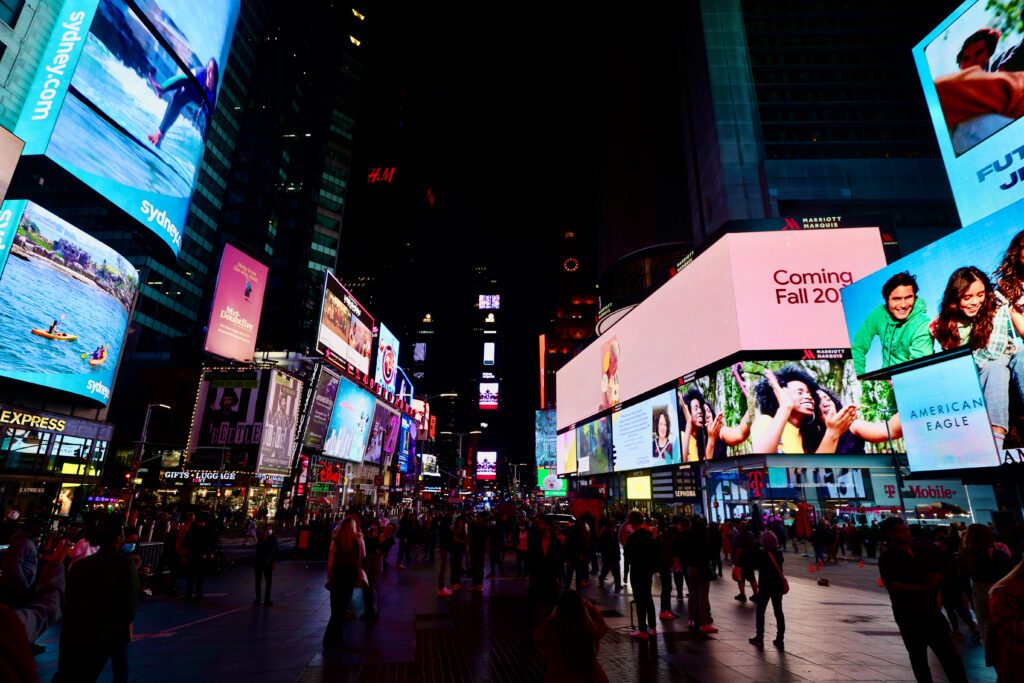
Times Square is the heart of the Broadway Theatre District — dozens of world-class theatres are within walking distance. If you want to see a show, book tickets months in advance for the most popular productions, or check the TKTS booth in Times Square for same-day discounted tickets (often 20–50% off).
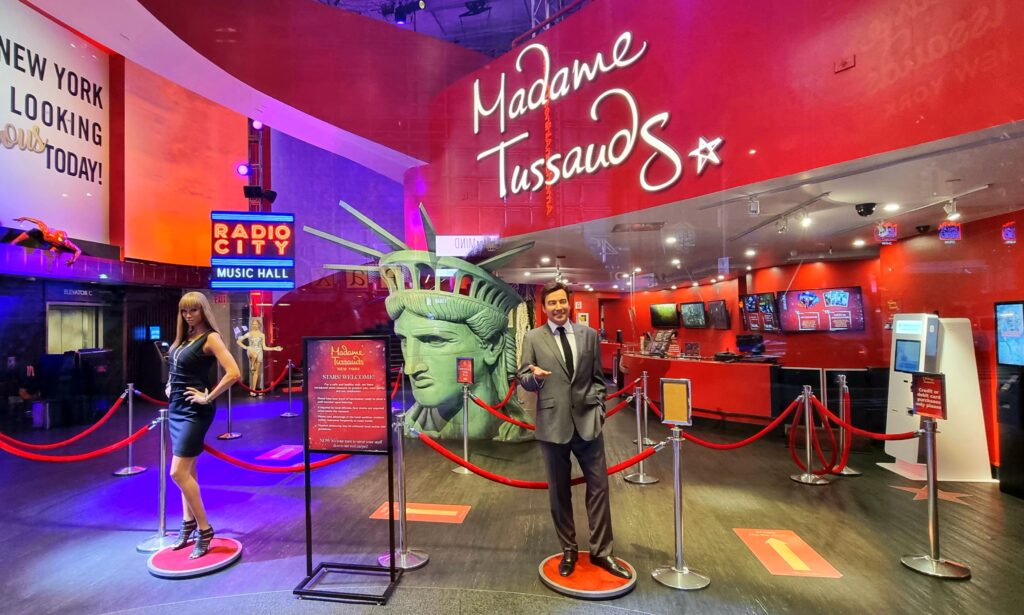
Also in Times Square: Madame Tussauds, the world-famous wax museum with over 200 figures. Buy tickets in advance to avoid the queues.
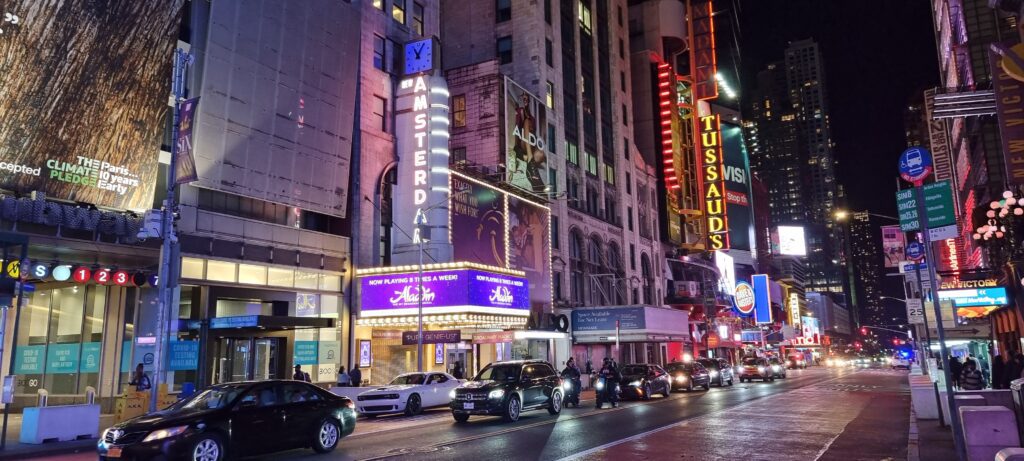
| Detail | Info |
|---|---|
| Times Square | Free to visit (open 24 hours) |
| Madame Tussauds | ~$30–$45 (book online for discounts) |
| Broadway tickets | $50–$200+ (or discounted via TKTS booth same day) |
| Nearest Subway | Times Square–42nd St (1/2/3/7/A/C/E/N/Q/R/W/S) |
| Best time | After dark — the billboards are far more impressive at night |
Getting Around New York: Everything You Need to Know
New York’s subway system is the fastest and cheapest way to cover distance in the city. A single ride costs $2.90, and an unlimited 24-hour MetroCard costs $34 — worth it if you plan to take more than 12 trips. Alternatively, the new OMNY system lets you tap to pay with any contactless card or phone.
The subway runs 24 hours a day, 7 days a week — a rarity among major world cities. For this itinerary, you’ll start in Lower Manhattan and work north, meaning many sections are walkable. Use the subway to jump from the Brooklyn Bridge area back up to the High Line/Hudson Yards stretch.
Key tips:
- Download the MTA app or use Google Maps for real-time directions and subway status.
- Stand clear of the closing doors — it’s more than a recorded announcement.
- Taxis and Ubers are plentiful but slow due to traffic. Subway is almost always faster during the day.
- Citi Bike (NYC’s bike-share scheme) is a great option for the Hudson River Park and High Line stretch.
Map for One Day in New York
Practical Information for Your New York Trip
Best time to visit New York City
Spring (April–June) and autumn (September–November) offer the best weather — mild temperatures, lower humidity, and beautiful light. Summer (July–August) is hot, humid, and very crowded. Winter is cold but magical, especially around Christmas when the city decorates heavily. The week between Christmas and New Year is extremely busy.
Where to get the best 360° views of the NYC skyline
Three iconic observation decks compete for the title. Top of the Rock (Rockefeller Center) gives you a view that includes the Empire State Building — making it many people’s favourite. The Empire State Building offers the most historic experience. One World Observatory is the tallest, with the most dramatic perspective over Lower Manhattan and the harbour. All three require advance booking.
Best day trips from New York City
Niagara Falls is the classic day trip — roughly 8 hours by bus or train, but completely worth it. Washington DC is under 3 hours by Amtrak and offers an extraordinary concentration of free museums and monuments.
Can you see New York from a helicopter?
Yes, and it’s more affordable than you’d expect. Helicopter tours of Manhattan typically start around $150–$250 per person for a 12–20 minute flight. Several operators depart from the Downtown Manhattan Heliport near the Seaport.
Frequently Asked Questions — One Day in New York City
Can you suggest a guided sightseeing tour in New York in one day?
If you want a day trip in New York with a guide, consider booking this one day excursion in New York
What are the best museums to visit in New York?
New York has some of the most fascinating museums in the USA. Among them, the Museum of Modern Art, the American Museum of Natural History, and the Metropolitan Museum of Art are not to be missed.
Is one day enough to see New York City?
One day is enough to see the highlights of Lower Manhattan and Midtown if you follow a smart itinerary and start early. You won’t see everything — New York rewards weeks of exploration — but a focused 24-hour visit will give you an authentic taste of the city. Use this guide as a two-day itinerary if you have more time.
How much money do I need for one day in New York?
Budget roughly $80–$120 for a comfortable day including subway travel, food, and one paid attraction (like the 9/11 Museum or Madame Tussauds). Many of the best stops on this itinerary — SoHo, the Battery, the High Line, the Oculus, the Brooklyn Bridge — are completely free.
Is New York City safe for tourists?
Yes. The areas covered in this itinerary — Lower Manhattan, the High Line, Hudson Yards, Times Square — are very safe and heavily visited. The usual city precautions apply: be aware of your surroundings, keep your phone in your pocket on the subway, and don’t flash expensive cameras unnecessarily in quiet areas.
What is the best neighbourhood to stay in New York?
For a first visit, Midtown Manhattan puts you within walking or short subway distance of most major attractions. If you prefer more character and local atmosphere, Lower East Side, Chelsea, or the West Village are excellent choices. Avoid booking accommodation in areas far from the subway if you’re short on time.
Do I need to book attractions in advance in New York?
Yes — for the 9/11 Museum, Top of the Rock, Empire State Building, One World Observatory, and any Broadway shows, advance booking is strongly recommended and will save you significant time in queues. The Brooklyn Bridge, High Line, Times Square, and most parks require no booking.
Best Hotels in New York City
Where you stay in New York sets the tone for your entire trip. Here are reliable options across a range of budgets, organised by neighbourhood:
Luxury
- The Carlyle (Upper East Side) — old-school New York elegance at its finest
- The Plaza (Midtown) — a New York institution overlooking Central Park
- The Surrey (Upper East Side) — intimate, art-focused boutique luxury
Mid-Range
- The Mark (Midtown Manhattan) — design-forward with great Midtown access
- The NoMad (NoMad) — stylish, central, and consistently excellent
- The Standard, High Line (Chelsea) — directly above the High Line; views to match
Budget
- Ace Hotel (Lower East Side) — creative, hip, and great value for the neighbourhood
All photos in this post were taken by the author. If you found this guide useful, share it with a fellow traveller planning their first New York City trip!

Leave a reply