
A few other cities in the world have as many beautiful landmarks as Barcelona. Thanks to the genius architect and designer Antoni Gaudi – Barcelona was a canvas for showing his iconic masterpieces. If that is not enough for you, Barcelona offers some amazing beaches, mountains and Lionel Messi – the current God of football. Here is the list of ultimate things to do in Barcelona.
Few cities in the world pull off the impossible combination that Barcelona manages effortlessly: architectural genius, golden beaches, mountain backdrops, world-class food, and a cultural identity so fierce and proud that its residents will cheerfully tell you they’re not from Spain — they’re from Catalonia.
I discovered Barcelona somewhat unprepared. I flew in thinking mostly about football (Lionel Messi’s city, after all) and left completely overwhelmed by a man I’d barely heard of — Antoni Gaudí, the Catalan architect whose organic, dreamlike designs are scattered across the city like treasures on a scavenger hunt. Once you’ve seen his work, you start seeing his fingerprints everywhere.
Barcelona sits on the northeastern coast of Spain along the Mediterranean Sea, flanked by the Collserola mountain range. It’s the capital of the autonomous community of Catalonia, and the political identity of the region adds a fascinating cultural layer to every visit.
Here are the 15 best things to do in Barcelona — ranked, described, and equipped with everything you need to book them.
Sagrada Família — The Crown Jewel of Barcelona
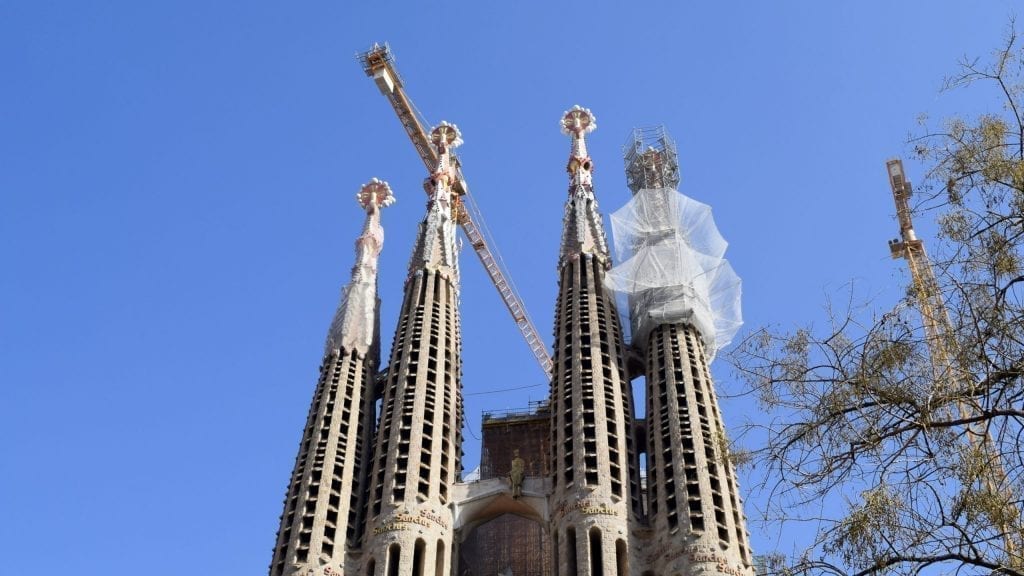
If Barcelona had a single icon, it would be the Sagrada Família. This Roman Catholic basilica is one of the most astonishing works of architecture on earth — and it’s still unfinished after 140 years of construction.
Antoni Gaudí took over the project in 1883 and devoted the last 43 years of his life to it. He knew he would never see it completed, but his vision was so detailed and revolutionary that work has continued for generations. The completion date is now projected for around 2026 — the centenary of Gaudí’s death.
From the outside, the Sagrada Família looks unlike anything else: spires like melting candles, facades teeming with sculptural detail, cranes still quietly working above. But go inside. The interior is where the building truly lives — a forest of branching columns that diffuse light like a cathedral through the trees, stained glass that floods the nave in electric blues and amber golds depending on the time of day. Morning light through the eastern windows is particularly spectacular.
Practical Info:
- Address: Carrer de Mallorca, 401, Barcelona
- Metro: Sagrada Família (Lines 2 & 5)
- Hours: Mon–Sat 9am–7pm (seasonal variations apply); check official site before visiting
- Ticket Price: From €26 for basic entry; tower access costs more
- Tip: Book weeks in advance — this is the most visited monument in Spain. Morning visits (right at opening) give you the best light and smallest crowds.
- Free option: Sunday Mass at 9am is open to the public at no charge.
👉 Book Skip-the-Line Tickets for Sagrada Família →
Park Güell — Gaudí’s Colorful Hilltop Fantasyland
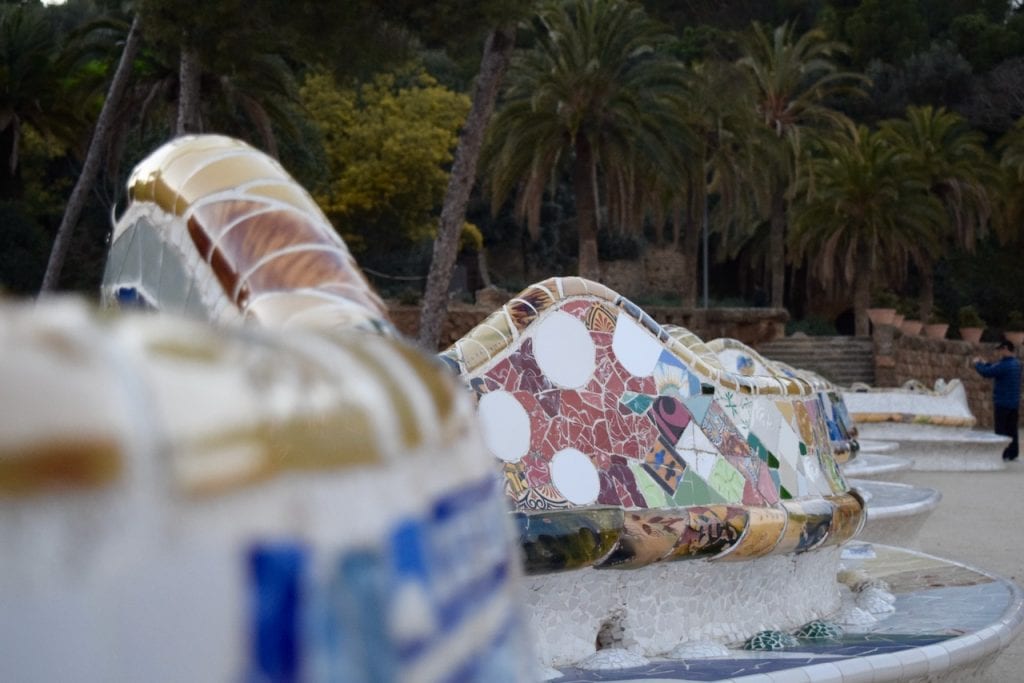
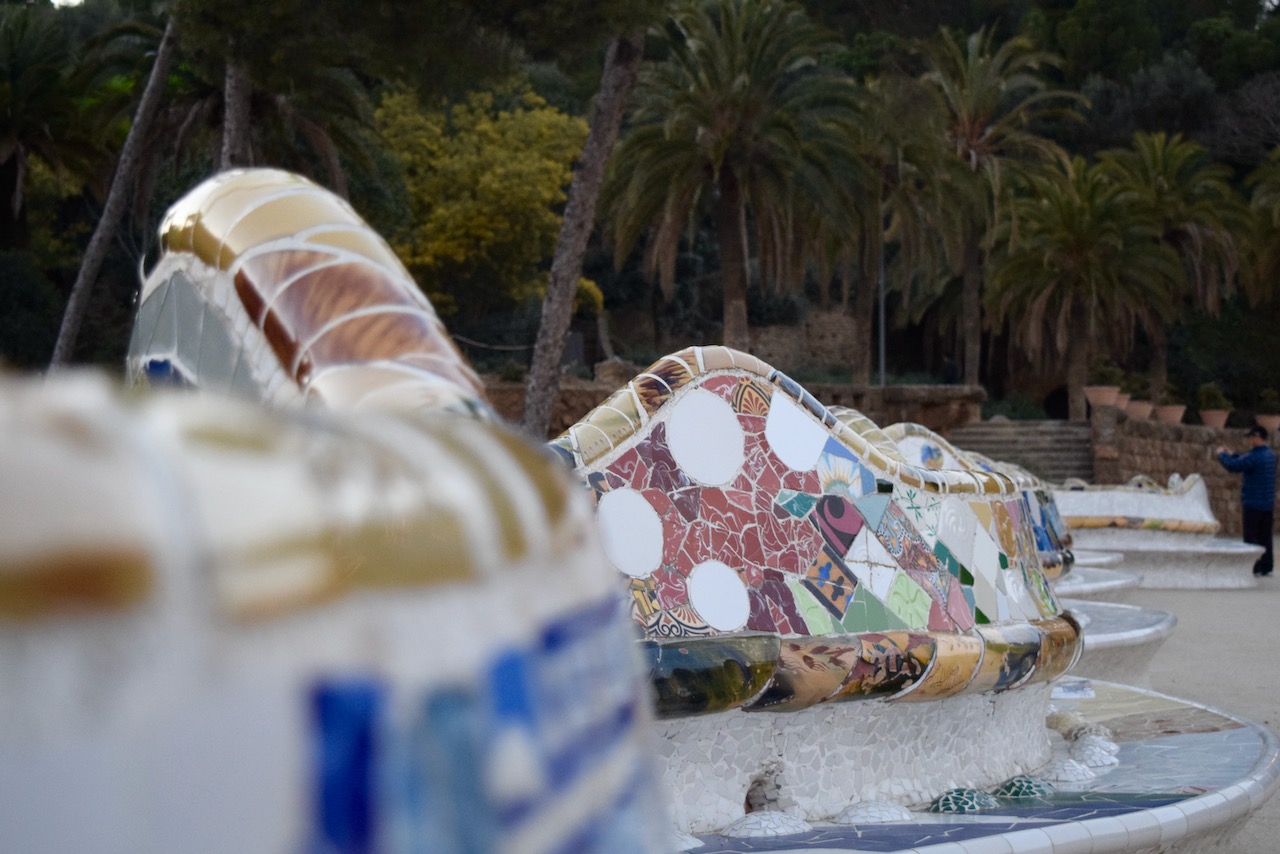
If Sagrada Família is Gaudí at his most spiritual, Park Güell is Gaudí at his most playful. Perched on Carmel Hill above the city, this UNESCO World Heritage Site is part public park, part open-air art installation.
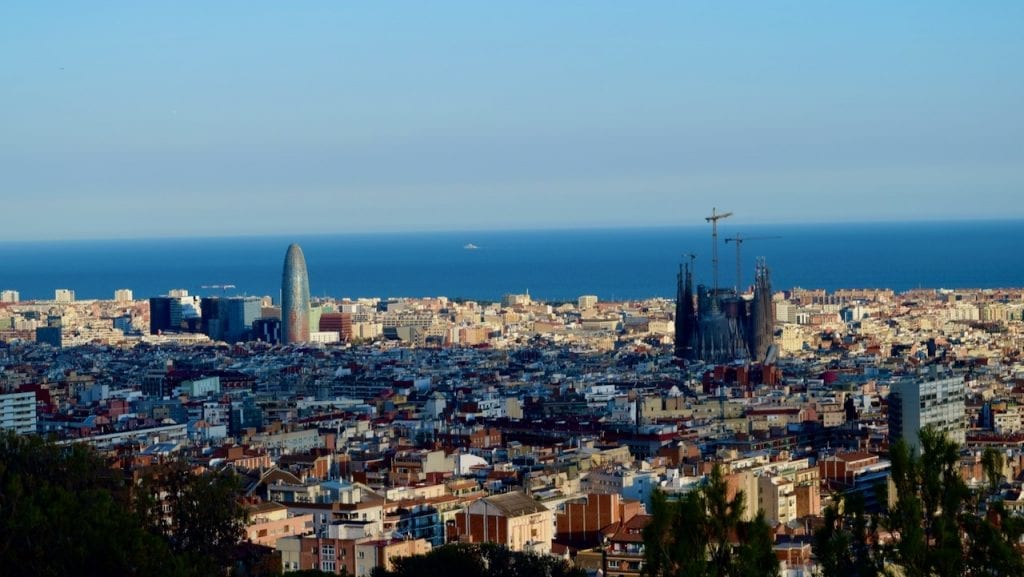
The monumental zone — the paid area — contains the famous mosaic dragon staircase, the Hypostyle Room (a forest of Doric columns), and the iconic serpentine bench that wraps around the main terrace with panoramic views of Barcelona stretching to the sea. From the terrace, you can spot the Sagrada Família, Torre Glòries, and on clear days, the entire coastline.
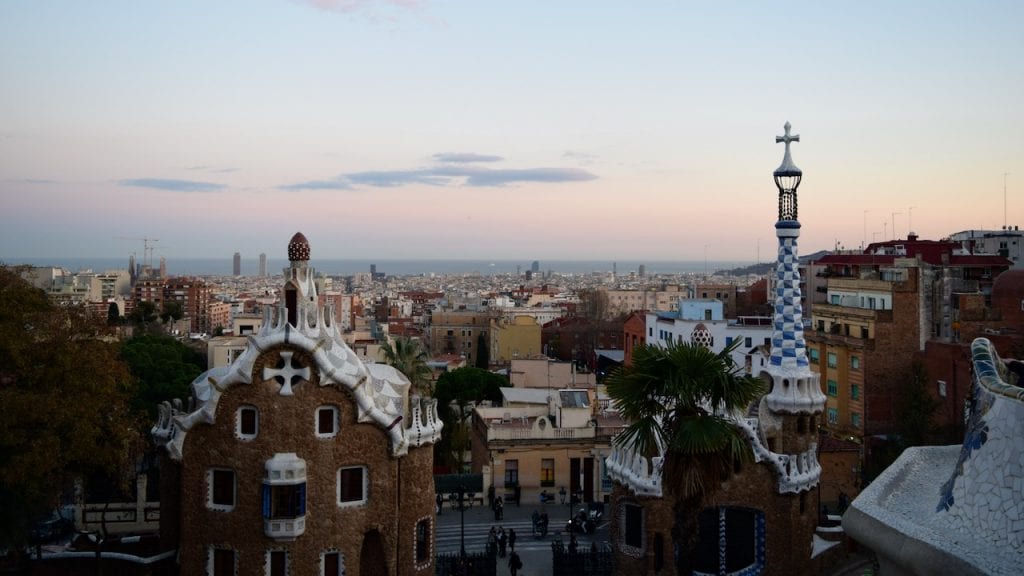
Outside the monumental zone, the park is free to explore — winding trails through pine trees, viaducts held up by tilted stone columns, and quiet corners where you can escape the crowds.
Practical Info:
- Metro: Lesseps (Line 3), then a 20-minute walk uphill, or take Bus H6 directly to the park entrance
- Monumental Zone Ticket: €10 per person
- Entry is timed — book your specific time slot in advance online
- Best time to visit: Early morning (9–10am) before the crowds arrive, or late afternoon for the golden light
👉 Book Park Güell Tickets Online →
Passeig de Lluís Companys & Arc de Triomf
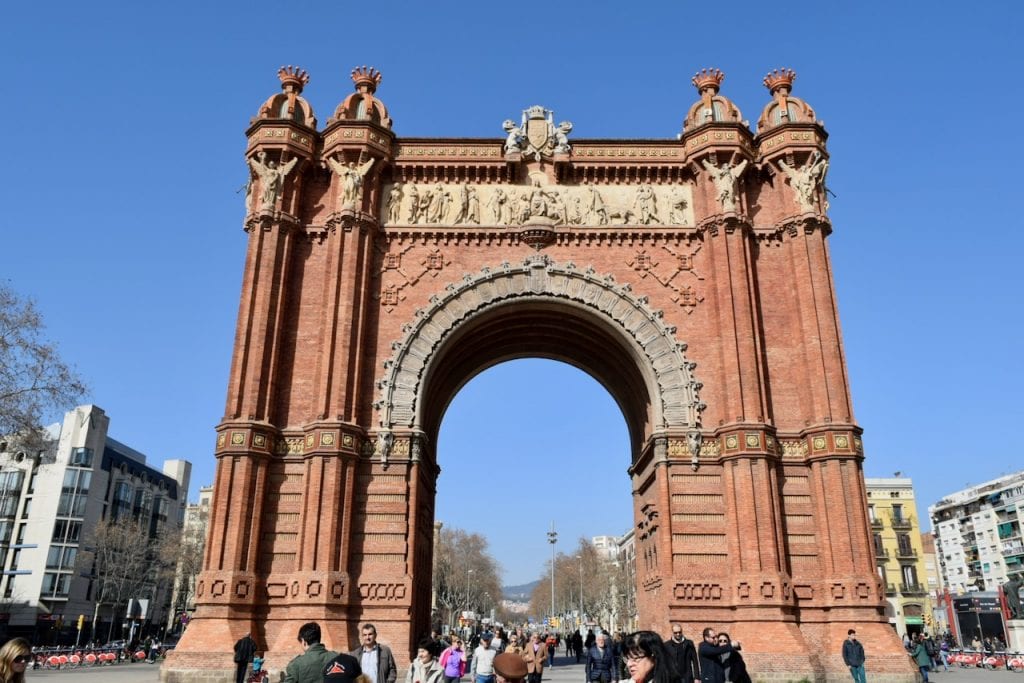
Just northeast of the Gothic Quarter, this elegant promenade leads from the striking Arc de Triomf — Barcelona’s own take on Paris’s famous arch, built as the gateway to the 1888 Universal Exposition — down toward Parc de la Ciutadella. The brick archway is more intimate than its Parisian counterpart, and the boulevard it anchors is one of the city’s most pleasant for a leisurely walk.
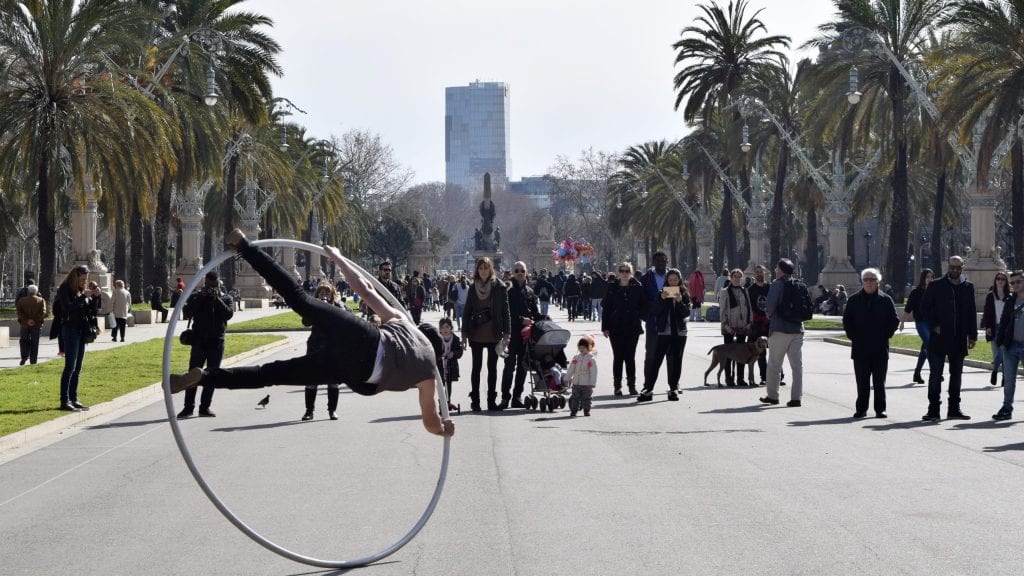
Street performers, cyclists, families with prams, and the occasional acrobat animate the boulevard throughout the day. The ornate lamp posts, the red brick arch glowing in the evening light, and the leafy canopy overhead make this one of Barcelona’s most underrated photo spots.
Practical Info:
Metro: Arc de Triomf (Line 1)
Entry: Free
Barceloneta Beach — Where the City Meets the Sea
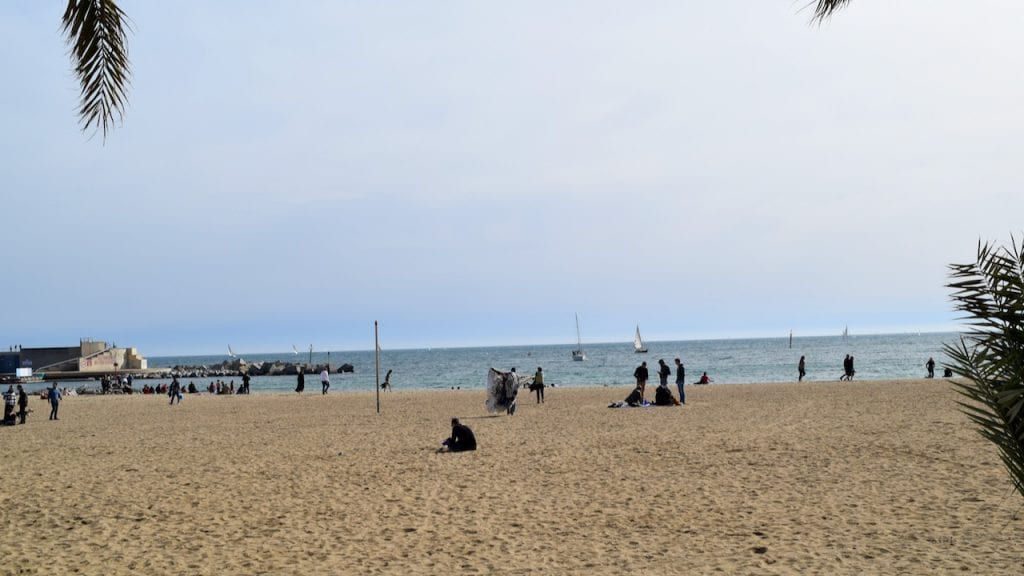
Barcelona is one of the very few major European cities with proper urban beaches, and the most famous is Playa de la Barceloneta. It’s lively, well-maintained, and just a 10-minute walk from La Rambla — making it absurdly convenient for a city beach.
The beach itself is wide and sandy, with a long promenade lined with chiringuitos (beach bars), restaurants serving paella and fresh seafood, and a constant background soundtrack of volleyball, music, and conversation. There’s an outdoor gym section, a volleyball court, and plenty of sun loungers for rent.
For quieter beaches, head northeast along the promenade toward Nova Icaria, Bogatell, or Mar Bella — each progressively less crowded than Barceloneta.
Practical Info:
- Metro: Barceloneta (Line 4) or Ciutadella-Vila Olímpica (Line 4)
- Entry: Free
- Best time: Early morning or late afternoon; avoid midday in July and August unless you enjoy being sardined
Where to Stay Near Barceloneta:
👉 Find the best hotels near Barceloneta Beach on` Booking.com →
Plaça de Catalunya — The Heart of the City
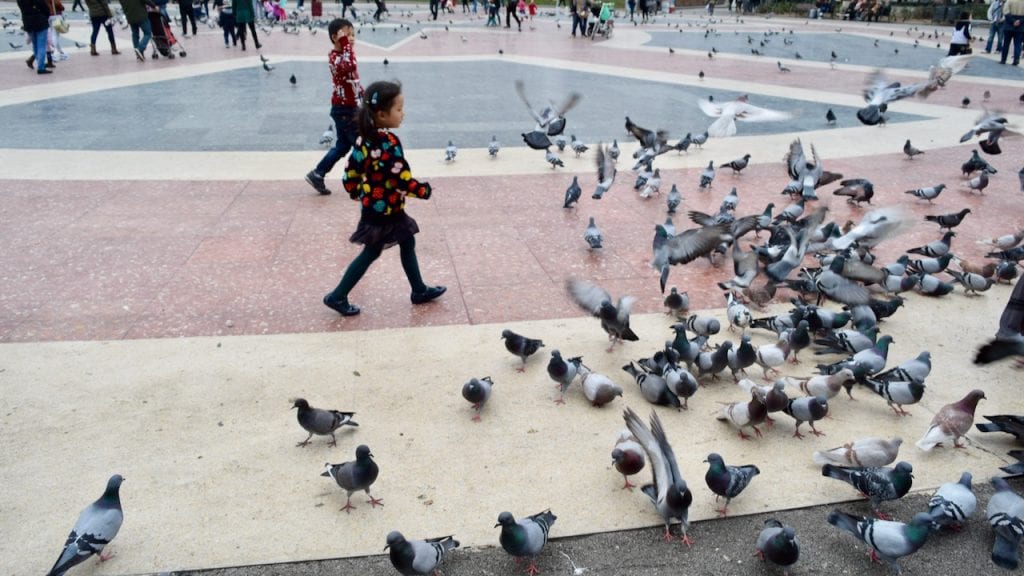
At the junction of the old city and the modern Eixample district sits Plaça de Catalunya, an expansive 50,000 square metre public square that serves as Barcelona’s central hub. Fountains, statues, manicured gardens, and flocks of pigeons fill the space, and on any given afternoon you’ll find locals resting in the sun, kids chasing birds, and buskers performing to no one and everyone.
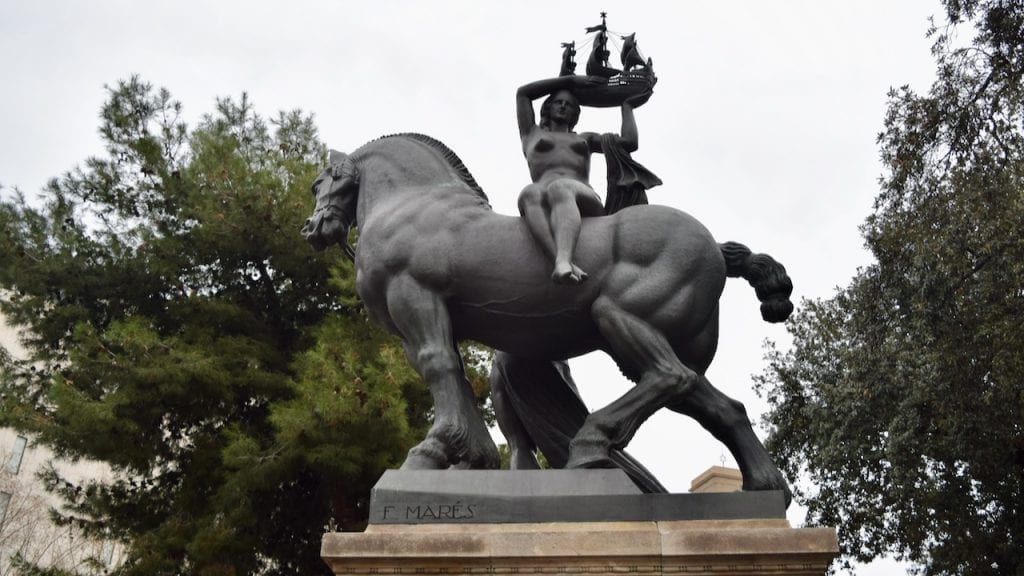
This is also the starting point of La Rambla and the top of Passeig de Gràcia, making it the perfect launchpad for exploring the city. Most airport buses also terminate here.
Practical Info:
Metro: Catalunya (Lines 1 & 3)
Entry: Free
Casa Batlló — The Most Surreal Building on Passeig de Gràcia
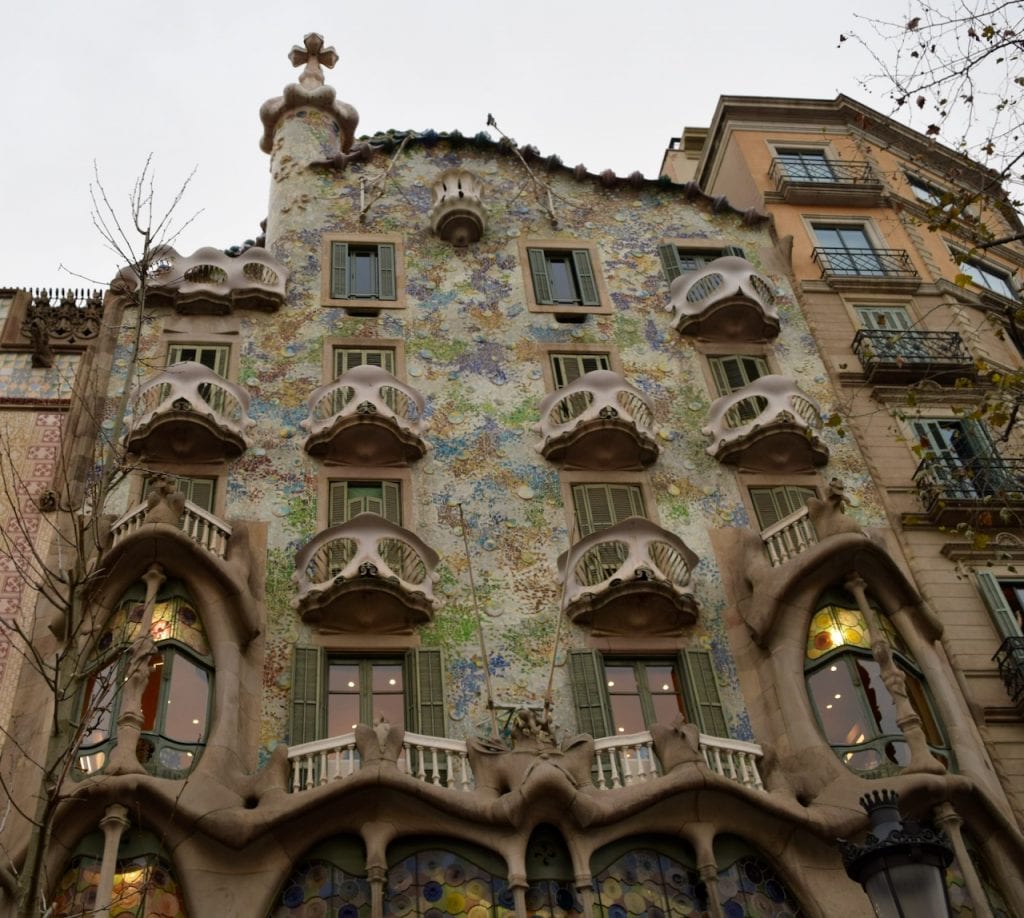
Barcelona’s equivalent of the Champs-Élysées is the Passeig de Gràcia, and its showpiece is without doubt Casa Batlló. Gaudí redesigned this building between 1904 and 1906 for the Batlló family, and the result is one of the most bizarre and beautiful facades in the world.
The exterior shimmers with scales of blue-green glass, the balconies look like skulls and bones (giving it the nickname Casa dels Ossos — House of Bones), and the rooftop resembles the back of a dragon. Inside, the Blue Room (the central atrium) is a masterpiece of ocean-inspired light design, and the dragon rooftop is worth every euro of the entrance fee.
Practical Info:
- Address: Passeig de Gràcia, 43, Barcelona
- Metro: Passeig de Gràcia (Lines 2, 3 & 4)
- Ticket Price: From €35 (standard) to €49+ (Magic Nights experience); prices vary seasonally
- Free option: The exterior is free to admire from the street — and it’s magnificent even without going inside
👉 Book Casa Batlló Tickets with Priority Access →
Casa Milà (La Pedrera) — Gaudí’s Final Residential Masterpiece
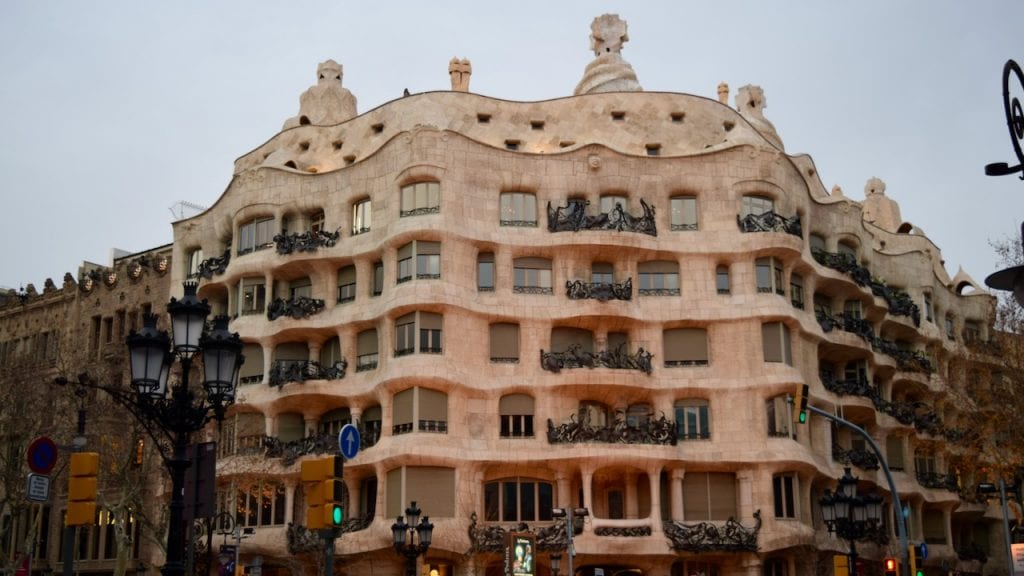
Just a short walk up Passeig de Gràcia from Casa Batlló sits Casa Milà, known locally as La Pedrera (“The Stone Quarry”) for its undulating limestone facade that looks like waves frozen in stone. Completed in 1912, this was the last private residence Gaudí designed — and it’s a UNESCO World Heritage Site.
The rooftop is the star attraction: warrior-like chimney stacks, twisted ventilation towers, and sweeping views over Eixample’s grid. The interior apartment (El Pis de La Pedrera) shows what bourgeois life looked like in early 20th-century Barcelona, while the attic houses the excellent Espai Gaudí exhibition.
Practical Info:
- Metro: Diagonal (Lines 3 & 5)
- Ticket Price: From €22 (daytime) to €39 (evening/night experience)
- Free for children under 7
- Tip: The night experience (La Pedrera at Night) transforms the rooftop with atmospheric lighting — spectacular for photos
👉 Book Casa Milà (La Pedrera) Tickets →
Do not think that, Anthoni Gaudi designed many buildings in Barcelona. He designed three in total. You already know about the two above, the third one is Casa Calvet.
Torres Venecianes — The Gateway to Montjuïc
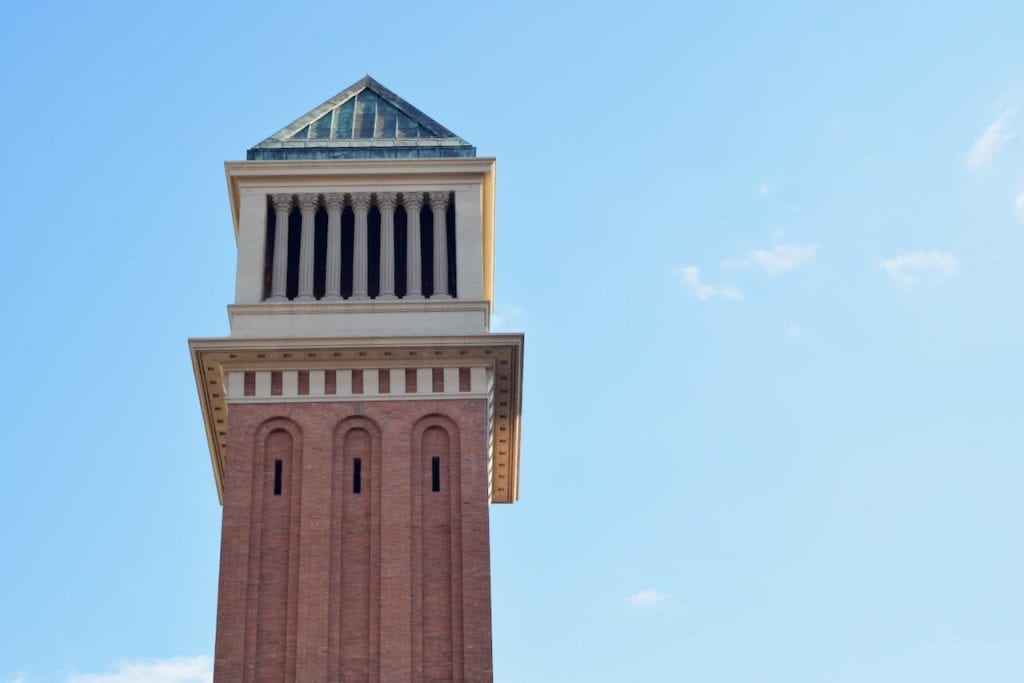
At the foot of Montjuïc, flanking the grand roundabout of Plaça d’Espanya, stand two 47-metre Venetian towers that were built for the 1929 International Exposition. They frame the approach to the Montjuïc fountains and the National Palace beyond, making this one of the most photogenic angles in the city.
The viewing platforms at the top are unfortunately closed to the public, but the towers are worth a detour if you’re heading toward the Font Màgica de Montjuïc, which puts on spectacular free light-and-music shows on Thursday–Sunday evenings.
Practical Info:
- Metro: Espanya (Lines 1 & 3)
- Entry: Free (exterior only)
Hospital de Sant Pau — The Most Beautiful Hospital You’ll Ever Visit
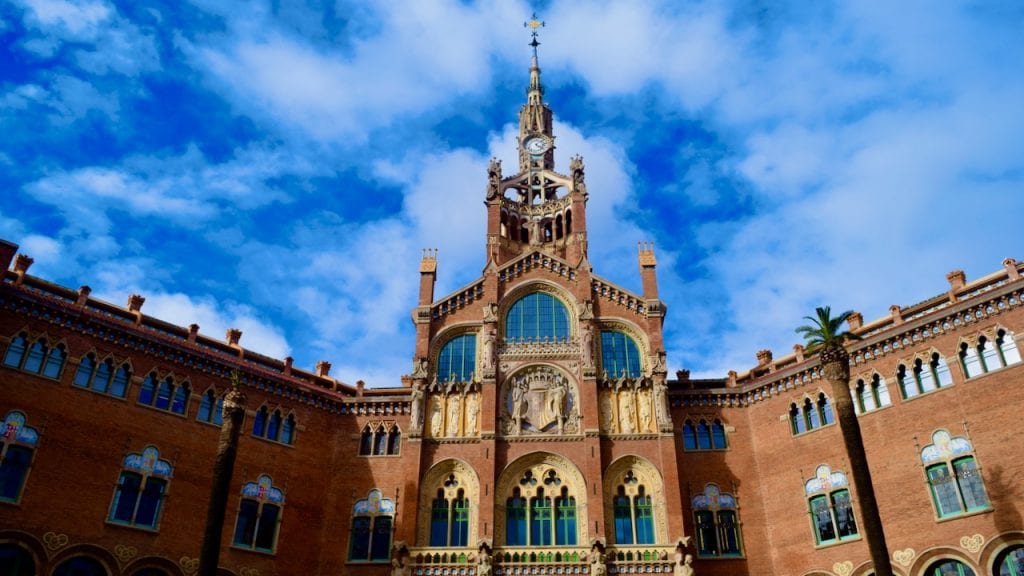
Most visitors rush between Sagrada Família and Casa Batlló without knowing that one of Barcelona’s finest architectural gems lies just a few blocks away. The Recinte Modernista de Sant Pau — the old Hospital de Sant Pau — was built between 1901 and 1930 by architect Lluís Domènech i Montaner, and it’s one of the most breathtakingly beautiful complexes in Spain.
Unlike Gaudí’s organic curves, Sant Pau is Art Nouveau at its most ornate and colorful — pavilions adorned with mosaics, sculptures, and glazed tiles, connected by underground tunnels that once transported patients. It’s a UNESCO World Heritage Site and, astonishingly, far less visited than it deserves to be.
Practical Info:
- Address: Carrer de Sant Antoni Maria Claret, 167
- Metro: Hospital de Sant Pau (Line 5)
- Ticket: €16 (self-guided); €22 (guided tour)
- Tip: Buy your tickets online to save queuing. Combine this with Sagrada Família (only 400m away) for the ultimate Modernisme half-day.
Torre Glòries (Torre Agbar) — Barcelona’s Futuristic Landmark
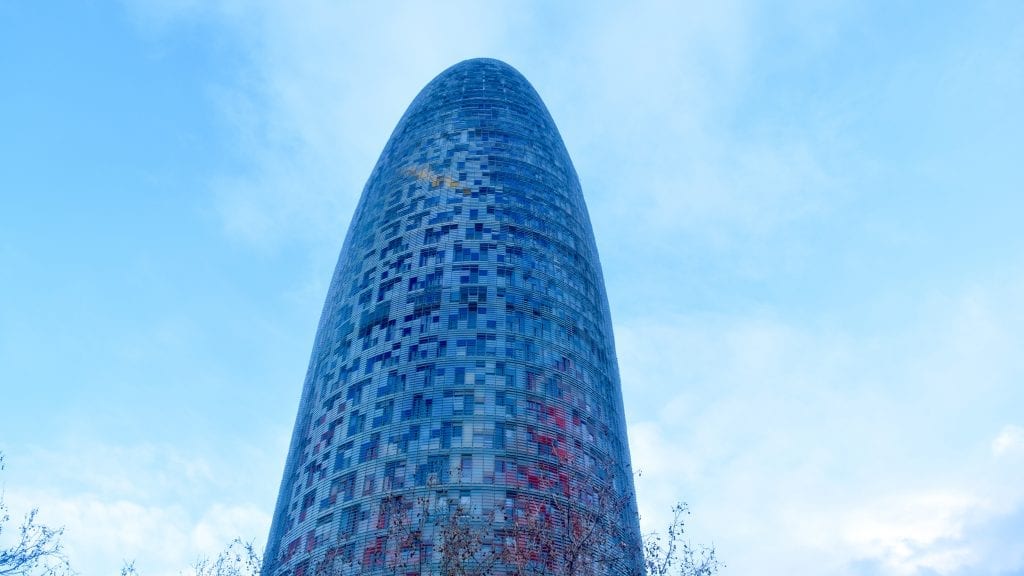
The skyline of Barcelona is defined mostly by history — but Torre Glòries breaks the mould. This 38-storey, 142-metre tower was designed by French architect Jean Nouvel and opened in 2005. Its bullet-shaped silhouette and facade of 4,400 louvred windows make it instantly recognizable from across the city.
During major festivities like New Year’s Eve and Christmas, the tower puts on light shows that transform it into a glowing beacon visible for miles. It’s best appreciated from a distance — from the top of Park Güell or from the Glòries district below.
Practical Info:
- Metro: Glòries (Line 1)
- Entry: Free to view from outside (the interior is commercial office space)
Els Encants Vells Flea Market
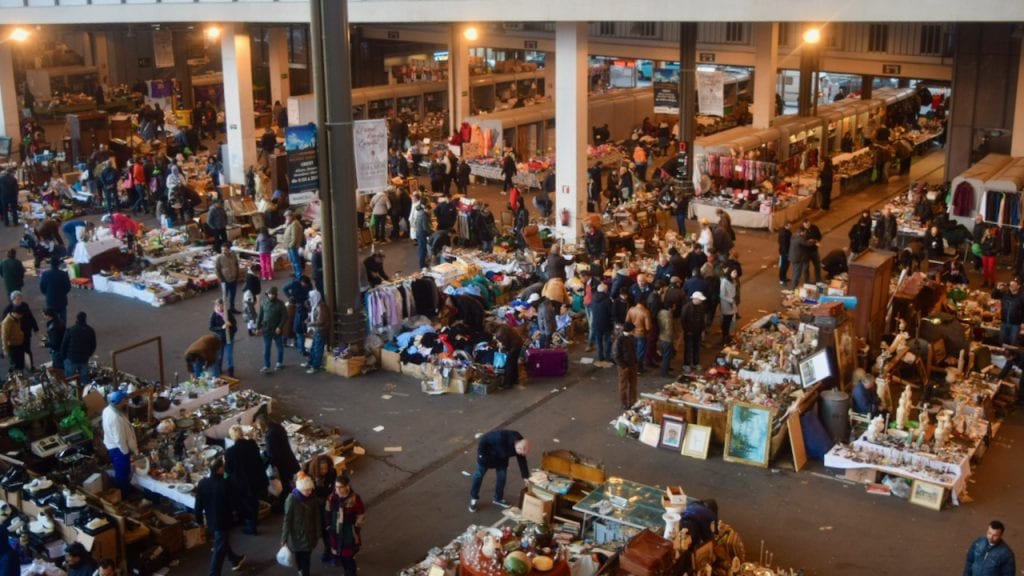
Just around the corner from Torre Glòries, under a spectacular mirrored canopy that reflects the street below, you’ll find Els Encants Vells — one of Europe’s oldest flea markets, operating since the 14th century. Second-hand clothes, vintage records, antique furniture, porcelain, paintings, tools, and outright oddities fill the stalls.
Even if you buy nothing, it’s a fascinating window into local life — a world away from the polished boutiques of Passeig de Gràcia.
Practical Info:
- Hours: Monday, Wednesday, Friday & Saturday, 9am–8pm
- Entry: Free
Camp Nou — A Pilgrimage for Football Lovers
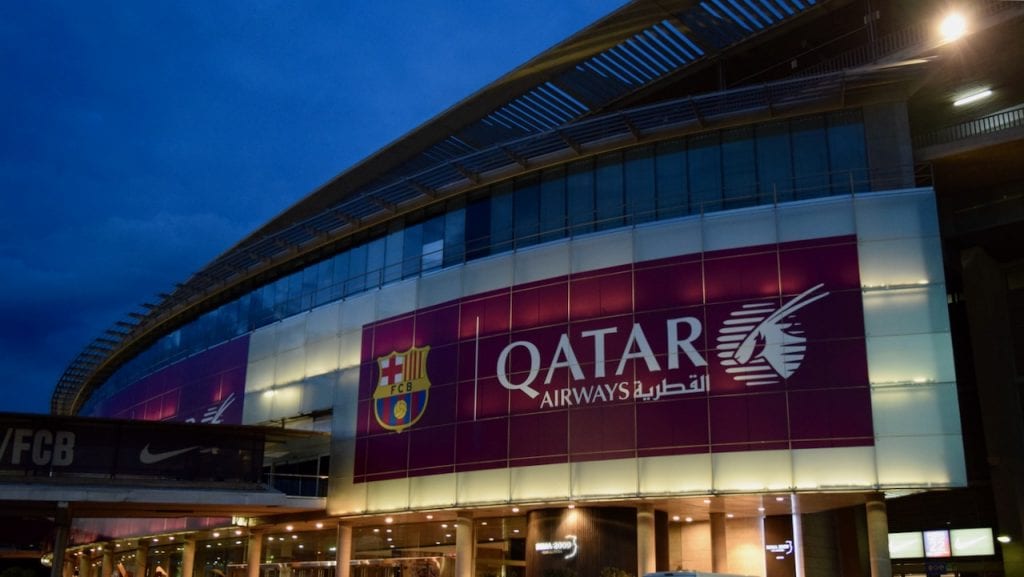
Even if you’re not a die-hard football fan, there’s something magnetic about standing in Europe’s largest stadium — a venue that has witnessed decades of football history. Camp Nou is the home of FC Barcelona, with a capacity of 99,354 spectators (soon to exceed 100,000 following major renovations).
The stadium tour takes you through the players’ tunnel, the pitch side, the press room, the trophy exhibition, and the club museum — which traces Barça’s history from its 1899 founding to the present day. If you can time your visit to coincide with a match, do it. The atmosphere is extraordinary.
Practical Info:
- Address: Carrer d’Aristides Maillol, Barcelona
- Metro: Palau Reial (Line 3) or Les Corts (Line 5)
- Ticket: From €26 (museum + stadium tour); match tickets vary widely
- Note: Camp Nou is currently undergoing renovation (Espai Barça project); confirm tour availability before booking
👉 Book the Camp Nou FC Barcelona Experience →
La Rambla & the Gothic Quarter — The Soul of Old Barcelona
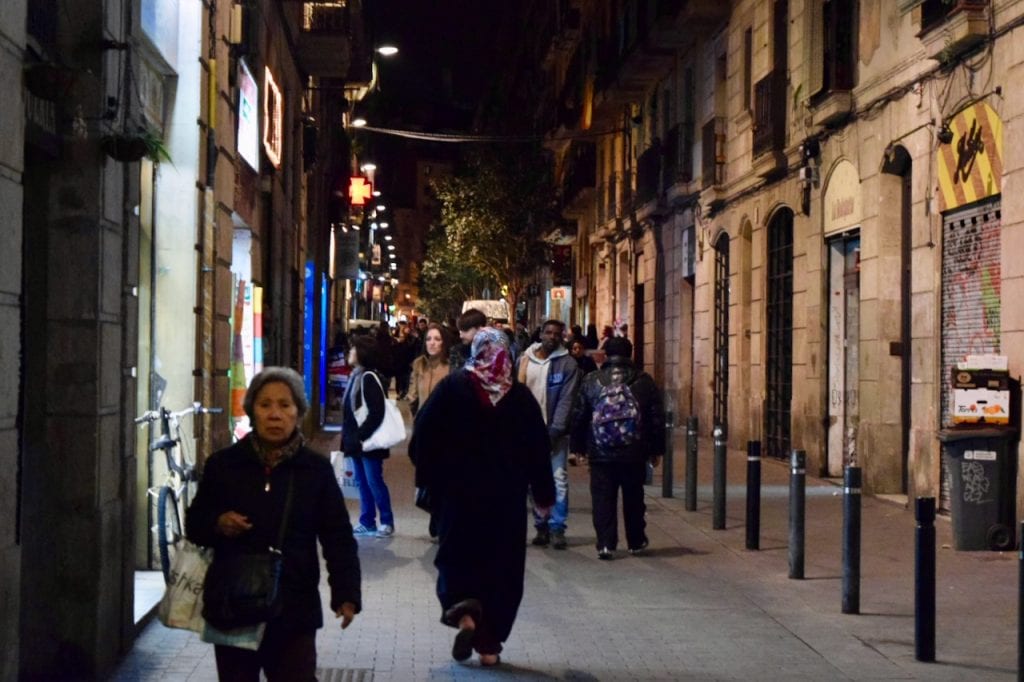
La Rambla is Barcelona’s most famous boulevard — a 1.2 km pedestrian promenade that runs from Plaça de Catalunya down to the sea. It’s touristy, yes, but still worth walking at least once: flower stalls, human statues, the La Boqueria market entrance, and a constant river of people from every corner of the world.
The real magic, though, is just off La Rambla in the Gothic Quarter (Barri Gòtic). This medieval labyrinth of narrow lanes, hidden plazas, and Roman ruins is the oldest part of Barcelona — some streets here trace back 2,000 years to the Roman settlement of Barcino. You’ll find the Barcelona Cathedral, the remains of Roman temples, the old Jewish Quarter (El Call), and restaurants tucked into buildings that have stood since the Middle Ages.
Get lost here. Seriously — put the map away for an hour and just wander. You’ll stumble into a sun-drenched courtyard or a centuries-old church that no guidebook ever mentioned.
Practical Info:
- Gothic Quarter: Free to explore. Nearest metro: Liceu (Line 3) or Jaume I (Line 4)
- Barcelona Cathedral: Free entry on Sunday mornings; €7 at other times for rooftop access
👉 Book a Gothic Quarter Walking Tour with a Local Guide →
Appreciate Barcelona’s Urban Grid — The Eixample
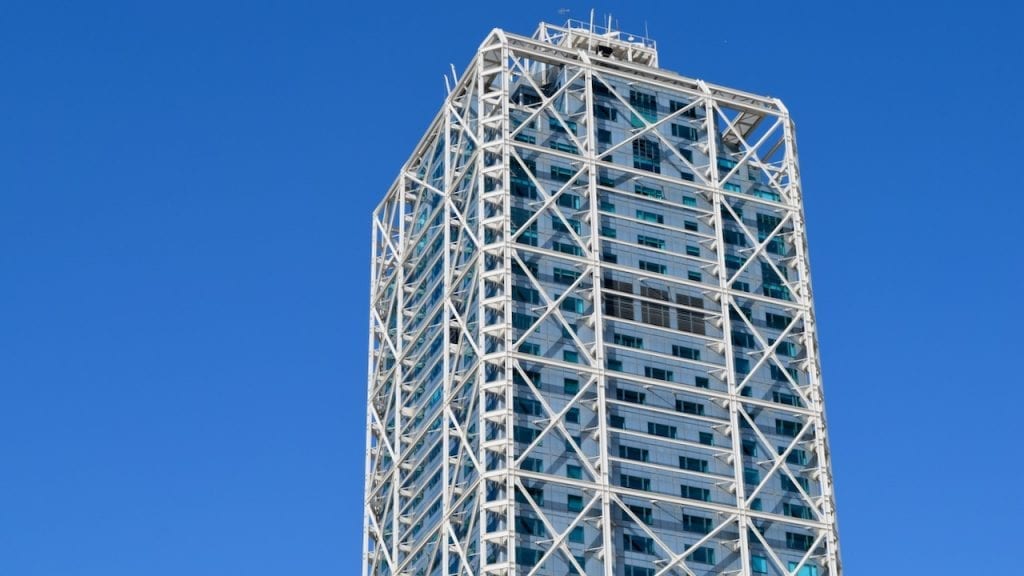
One of the most underrated pleasures in Barcelona is simply looking down at it from above. The Eixample district (literally “extension”) was designed by Ildefons Cerdà in the 19th century and remains one of the most remarkable examples of urban planning ever executed: perfectly uniform octagonal blocks, chamfered corners to allow light and traffic flow, and a system of interior courtyards within each block.
From a viewpoint — or from the rooftop of La Pedrera — you’ll see a grid stretching to the mountains that looks almost like something from a science fiction film. Walking through it at street level, you’ll constantly stumble into intricate facades, flower-filled courtyards, and hidden gems between the big-name attractions.
Day Trips from Barcelona
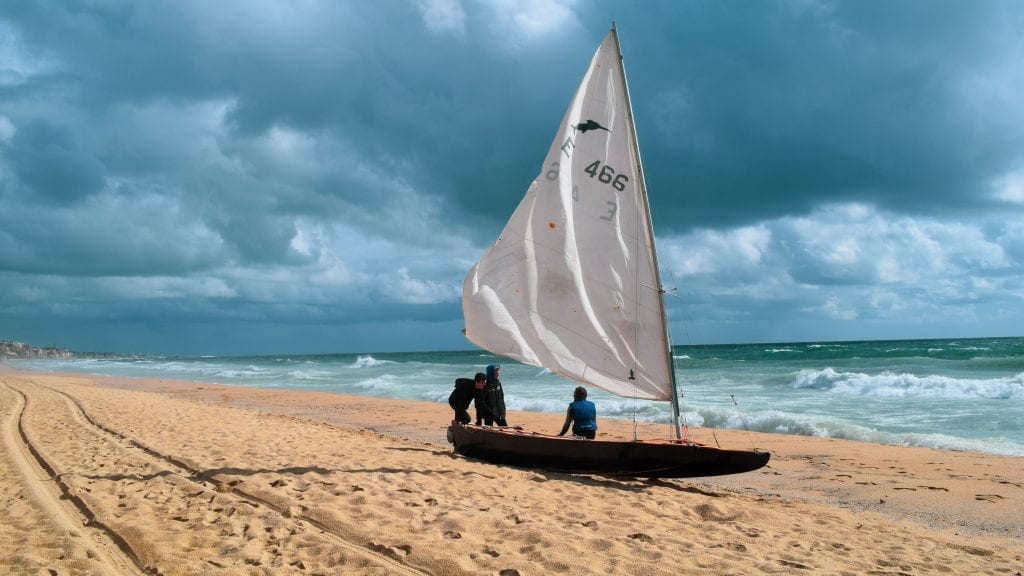
Barcelona is an exceptional base for exploring the surrounding region. Some of the best day trips include:
🏔️ Montseny Natural Park — Hiking in the Hills
About 1.5 hours by train from Barcelona, Montseny is a biosphere reserve with hiking trails through misty mountain forests, tiny stone villages, and striking views. It’s far less crowded than Montserrat and offers a more authentic, meditative experience in nature.
👉 Book a Private Montseny Hiking Tour from Barcelona →
🏖️ Costa del Maresme Beach Towns — Hop-On, Hop-Off Coastal Fun
Catch a local train from Barcelona’s Passeig de Gràcia or Sants station and ride north along the coastline, hopping off at Montgat, Masnou, Premià de Mar, or wherever takes your fancy. The towns are small, the beaches are quieter than Barceloneta, and the whole trip has the feeling of a lazy, sun-drenched adventure.
👉 Explore Barcelona Day Tours on Viator →
Read the story of a day trip to Montseny
Read the story of a day trip to Coastal Towns in Barcelona
Practical Information for Visiting Barcelona
When to Visit
The best months to visit Barcelona are April–June and September–October. The weather is warm but not brutally hot, crowds are thinner than in summer, and hotel rates are more reasonable. July and August are peak tourist season — hot, crowded, and expensive, but also the best time for beach weather.
Getting Around
Barcelona has an excellent public transport network:
- Metro: Fastest way to get between major attractions. A T-Casual 10-trip card covers metro, bus, and local trains and is far cheaper than buying single tickets.
- Bus: Useful for reaching Park Güell and Montjuïc
- Walking: The old city (Gothic Quarter, El Born, Barceloneta) is highly walkable
- Taxi/Bolt: Readily available and affordable for late-night travel
Where to Stay
For Luxury: The area around Passeig de Gràcia puts you in the middle of Gaudí country, with high-end hotels and excellent dining.
For Budget Travellers: The El Raval and Poble Sec neighbourhoods offer affordable accommodation close to the city centre.
For Beach Access: Stay in or near Barceloneta — walk to the beach and the Gothic Quarter with equal ease.
How Much Money Do You Need?
Barcelona is moderately priced by Western European standards. Budget roughly:
- Budget traveller: €60–80/day (hostel, cheap eats, free attractions)
- Mid-range: €120–180/day (hotel, sit-down meals, paid attractions)
- Comfort: €200+/day (boutique hotel, restaurant dining, full attraction access)
Barcelona Attractions Map
FAQ: Things to Do in Barcelona
How many days do you need in Barcelona?
3–4 days is the sweet spot for seeing the main attractions without feeling rushed. Add extra days for day trips or deeper exploration of neighbourhoods like El Born, Gràcia, or Montjuïc.
Is Barcelona safe for tourists?
Generally yes, but pickpocketing is common around La Rambla, the Gothic Quarter, and on the metro. Keep bags in front, use inside pockets, and don’t leave belongings unattended on the beach.
Do you need to book Barcelona attractions in advance?
For Sagrada Família, absolutely — often weeks in advance. For Casa Batlló, La Pedrera, and Park Güell, booking online at least a few days ahead is strongly recommended. Many sell out completely during peak season.
Is Barcelona worth visiting without going inside the Gaudí buildings?
Yes — many of Gaudí’s buildings are stunning from outside (and free to admire). The Gothic Quarter, beaches, and markets are entirely free. You can have a rich Barcelona experience on a tight budget.

Leave a reply