
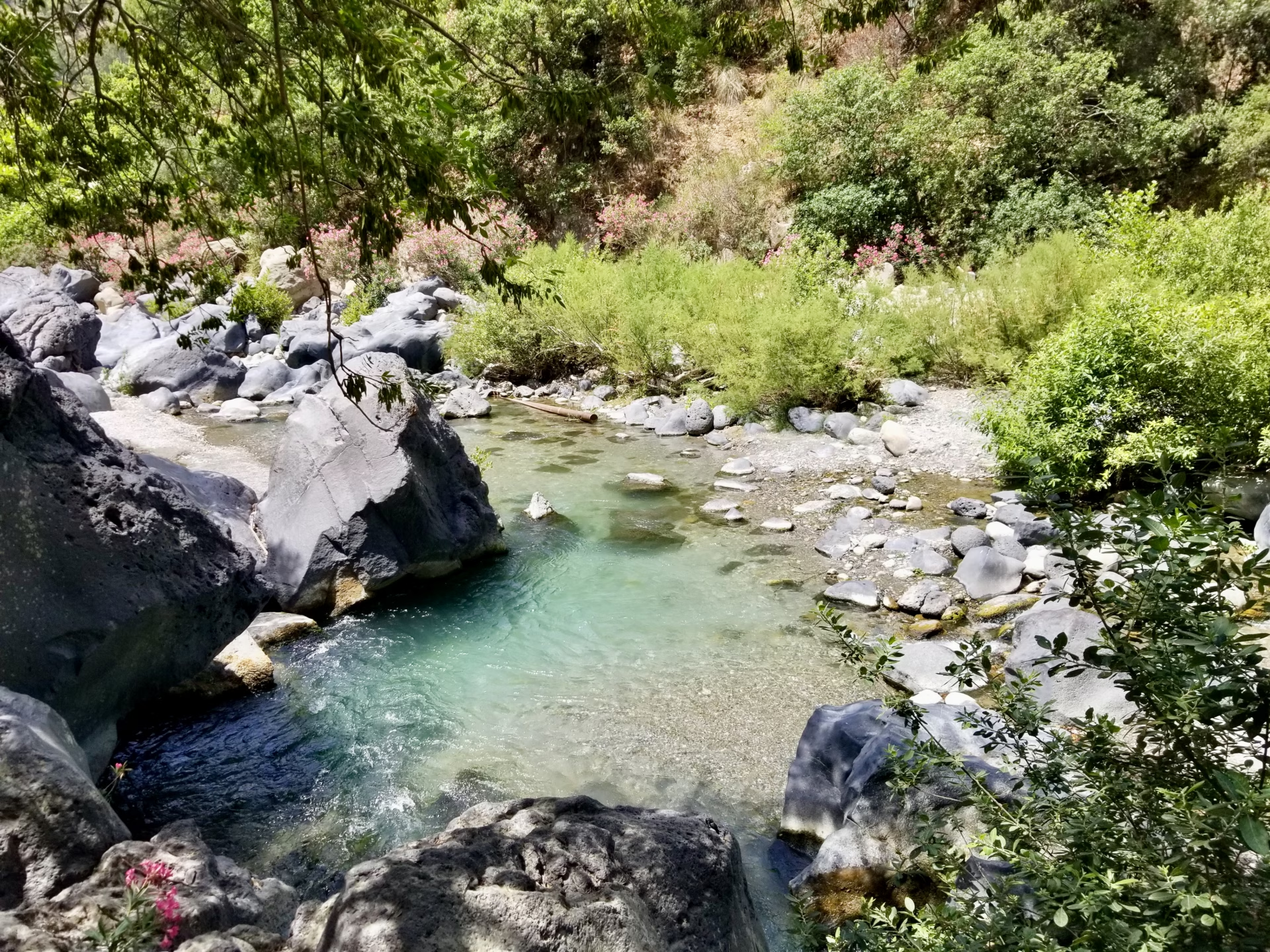
The Alcantara Gorge (Gole dell’Alcantara) is a basalt canyon carved by the Alcantara River through an old Etna lava flow, about 20 kilometres inland from Taormina. There are two ways down to the river, the €2 municipal stairs or the private botanical park with its lift, and the water stays icy even in summer. I came on an afternoon day trip from Taormina; below is how to get there by bus or car, which entrance to use, what to wear and how to fit the gorge in with Etna.
Where
20 km inland from Taormina
About 30 minutes by car, near Motta Camastra
Entry
€2 by the municipal stairs
Private park packages cost more; river access is seasonal
Getting there
Car, tour or Interbus
Few buses a day, so check the return
Water
Cold all year
Around 8 to 15°C; bring water shoes
Time needed
Half a day
A full day with Etna or body rafting
Seasonal access: the municipal stairs are open from spring to the end of October (4 April to 31 October in 2026), and heavy rain or high water can close river access at any time. Check before you set out, especially in spring and autumn.
The gorge is what happens when lava from Etna flows into a riverbed, cools and cracks into columns of dark basalt. The Alcantara River has spent the thousands of years since carving its way through that rock, leaving walls up to about 25 metres high, natural pools, small waterfalls and a canyon only a couple of metres wide at its narrowest.
I came here from Taormina on a day trip. I had one afternoon and no particular plan beyond seeing the gorge. I left understanding why people extend their entire Sicily itinerary to spend more time in this valley.
What Are the Alcantara Gorges?
The geology here is specific and unusual. Between about 14,000 and 10,000 years ago, according to a 2019 dating study, a lava flow from Etna filled the Alcantara River valley, and later flows nudged the river’s course again. As the thick lava cooled and contracted, it fractured into columnar basalt, many of the columns hexagonal in cross-section, the same kind of formation you find at the Giant’s Causeway in Northern Ireland.
The Alcantara River then cut through these basalt formations over millennia, producing the gorge you walk through today: dark grey walls with geometric fracture lines, shaped by water into curves and niches and channels that look, in places, almost too deliberate to be natural.
The main gorge is about 400 metres long and narrows to around two metres in places. The river running through it is cold and clear year-round; it rises in the Nebrodi mountains and is fed by springs along the way.
Getting to the Alcantara Gorges from Taormina

The gorges are about 20 kilometres from Taormina and easy to reach, though the options vary in price and convenience.
By guided tour (recommended for first-timers): The easiest approach is a day tour with transport included, either combined with Etna or focused on the gorge itself:
This post contains affiliate links. If you book through them, I may earn a small commission at no extra cost to you.
By public bus: Interbus runs from Taormina’s bus terminal on Via Pirandello to the Gole Alcantara stop on the SS185, near the private park entrance. There are only a handful of buses a day and the timetable changes with the season; the ride takes from 35 minutes to just over an hour, and a single costs a few euros, so it is the cheapest option. Check the time of the last bus back before you go, and the walk from the stop to the entrance you want.
By rental car: From Taormina, follow the SS185 inland toward Francavilla di Sicilia. The gorge entrances near Motta Camastra are signposted, with parking along the road. The drive takes around 30 minutes on winding roads. Car hire is easiest to arrange at Catania airport, the most practical base for a self-drive Sicily trip.
Parking fills quickly on summer weekends and holidays, so arrive before 10am in July and August.
By taxi from Taormina: Possible, but not cheap. Agree the fare before you set off and book the return trip at the same time.
The Botanical and Geological Park

The gorge sits within the Parco Fluviale dell’Alcantara, a protected regional river park, and there are two ways in. The municipal entrance run by the town of Motta Camastra is a staircase of more than 200 steps down to the river, for €2. Nearby, the private Parco Botanico e Geologico Gole Alcantara has a lift, gardens, a café and equipment hire, sold as its own ticket packages. Most visitors head straight for the river, but the private park’s gardens above the gorge, where I walked through the citrus groves, repay a slower look.
Municipal stairs (Motta Camastra)
- €2 per person
- More than 200 steps down and back up
- Basic access only, without a café or changing rooms
- Open 4 April to 31 October in 2026
Private botanical park
- Full tour €30 (park entry, lift and boots)
- Lift down to the river
- Café, changing rooms and wetsuit hire
- Gardens and citrus groves above the gorge
On a budget and reasonably fit, take the stairs. With children, limited mobility or plans to get in the water, the private park makes the day easier.
The botanical section covers citrus orchards, olive groves, vineyards, and wild Mediterranean vegetation. Walking the paths through the park before descending to the gorge gives you a sense of how fertile this volcanic soil is: the same lava flows that created the canyon have, over centuries, broken down into some of the richest agricultural land in Sicily.

In early summer, the vines carry young grapes and the citrus trees are in full leaf. The prickly pear cactus, the fico d’India, as common in Sicily as olive trees, grows everywhere along the paths. The Sicilian countryside at this altitude, away from the coast, has a quieter, wilder feel than anything in Taormina.
The private park has picnic tables in its orchard area if you want to bring your own food. The park café sells basic snacks and drinks, but the selection is limited, so pack a lunch if you plan to spend a full day.
Descending to the Gorge

In the private park, the lift takes you down to the river in seconds. The municipal staircase, more than 200 steps, takes five minutes or so going down and rather longer coming back up. If you have mobility considerations or are short on time, the lift is the easy choice. If you are reasonably fit, the stairs give you a sense of the depth and the changing light as you descend.
Either way, the stretch of river you can explore on your own is fairly short. Going deeper into the gorge means a guided activity such as body rafting or river trekking, depending on water levels.
At the bottom, the canyon floor is a mix of smooth basalt rock and white pebble beach. The river runs through the centre. In summer, the water is cold enough to be bracingly refreshing rather than comfortably swimmable. Bring water shoes or sandals with grip, because the wet basalt is slippery.

The geometry of the basalt is what stops you. The columns and fractures look almost engineered: straight lines and precise angles in stone that formed without any human involvement. Standing at the base of the canyon walls and looking up at 25 metres of dark volcanic rock, with wildflowers growing from crevices and the river running cold and clear at your feet, is one of those unusual experiences that travel occasionally produces and you cannot fully anticipate.

The elevated walkways around the gorge rim give you the overview shot: the full canyon depth, the river below, the people on the pebble beach providing scale. It is from here that the scale of the place registers properly. From canyon floor level, you feel the walls; from the rim, you understand the geology.
The Alcantara River

The river itself is the centrepiece. The water is turquoise in the sunlight, the colour coming from the mineral composition of the basalt riverbed and the clarity of the water. Pink oleander grows in dense clumps along the banks. In June, the combination of dark volcanic rock, turquoise water, and flowering oleander produces a colour palette that feels almost artificially vivid.
You can wade into the river in the wider sections when conditions allow, and some people swim in summer, but the water is very cold and the current and depth change from place to place. Do not assume every section is safe for swimming, least of all inside the narrow gorge. Water shoes are essential: the basalt riverbed is uneven and sharp in places.
Further along the river, near Francavilla di Sicilia, are the Gurne dell’Alcantara, a series of natural pools in the riverbed. They are a separate stop a few kilometres away, with their own walking trail from Francavilla, and a quieter, less visited feel.
Activities at the Alcantara Gorges
The gorge offers more than looking. The activity options range from entirely passive to considerably adventurous:
Walking the gorge floor: The base-level experience. Descend, walk the canyon, wade through the shallower sections if you choose, observe the geology. No booking required beyond the entry ticket.
Body rafting: The full adventure option. Equipped with a wetsuit, helmet, and life jacket, you wade, swim, and float through sections of the gorge that are inaccessible on foot. The water is cold, the basalt walls are close, and the experience is unlike anything at a managed tourist site. Guides are mandatory: do not attempt it unguided.
River trekking: A guided upstream walk through the river itself, wading through deeper sections with proper equipment. More accessible than body rafting but still physically demanding. Only available in summer when water levels drop.
ATV adventure: The Alcantara Valley extends well beyond the gorge, and the surrounding terrain of volcanic hillsides, rural tracks and mountain paths is excellent quad bike country. The ATV tours cover the wider valley rather than the gorge interior:
Photography: The gorge is one of the most photogenic natural sites in Sicily. The best light is in the morning, when the canyon walls catch the sun directly and the shadows create definition in the basalt texture. By midday in summer, the canyon floor is in shade. Both have their merits photographically; morning is the more dramatic.
Practical Information
Tickets and entry: The municipal stairs cost €2 per person. In 2026 they were open daily from 4 April to 31 October, from 9am until between 5pm and 7.30pm depending on the month, and the hours can change with visitor numbers and the weather. The private Gole Alcantara park sells its own packages: in 2026 its full tour, with park entry, the lift and boots, was €30 for adults (€25 for children aged 5 to 10), and body rafting there was €65, so check its website for current options. Wetsuit and boot hire for water activities is extra, on site or through activity providers.
Book activity tours in advance in July and August: body rafting and river trekking sessions fill up quickly and walk-ins are not reliable.
💡 WHAT TO WEAR
Closed-toe shoes with grip, or proper water shoes, and clothes you don’t mind getting wet. Tour operators provide wetsuits for body rafting. Leave the flip flops in Taormina: the canyon floor is wet, slippery basalt.
Water temperature: Cold year-round, around 8 to 15°C in the gorge even in August. This is not a Mediterranean beach swim. Come prepared, or come to look rather than swim; both are valid choices.
⚠️ AFTER HEAVY RAIN
Never go into the river during or just after heavy rain: the water can rise quickly, even when the entrance looks calm. Follow any closures or warnings on the day, and get out of the water straight away if conditions change.
Best time to visit: May and June are ideal: the water level is reasonable, the oleander is in bloom, the gardens are at their most lush and the crowds are manageable. September and October are also good. July and August are busy and hot above ground, though the gorge stays cool. Avoid winter and early spring, when water levels can be high, the municipal stairs are closed and some activities are suspended.
How long to spend: Allow at least half a day for the gorge and botanical park combined. A full day if you are adding an ATV tour or river trekking. If you are combining it with Mount Etna, which makes sense given the geography, a full-day tour covers both without rushing.
Food and eating: The park café at the gorge entrance sells sandwiches, drinks, and basic snacks, enough for a quick break, not enough for a proper meal. If you enter through the private park, the best approach is to pack a picnic and use the orchard tables there. If you want to eat in a restaurant, the village of Francavilla di Sicilia, about 5 kilometres from the gorge, has several trattorias serving solid Sicilian food at local prices, far cheaper than anything back in Taormina. Motta Camastra itself, the village closest to the gorge, has a handful of bars and cafes suitable for a coffee and pastry before or after.
Combining Alcantara with Mount Etna
The Alcantara Gorges and Mount Etna are in the same direction from Taormina, and the combination makes excellent logistical sense. The geology connects them directly: the lava flows that created the gorge came from Etna’s eruptions. Seeing the volcano and then the canyon its lava carved gives the whole day a coherent narrative.
The most efficient way to do both in a single day is a combined tour, which handles the transport and timing. If you want more time on the volcano, for the summit area, the crater landscape and the wine tasting in depth, do Etna as a separate half-day trip:
Where to Stay Near the Alcantara Gorges
Most visitors base themselves in Taormina and make the Alcantara Gorges a day trip, which is the sensible approach. Taormina has the accommodation range, the restaurants, and the other sites to justify the base.
For where to stay in Taormina at every price point, see my full guide:
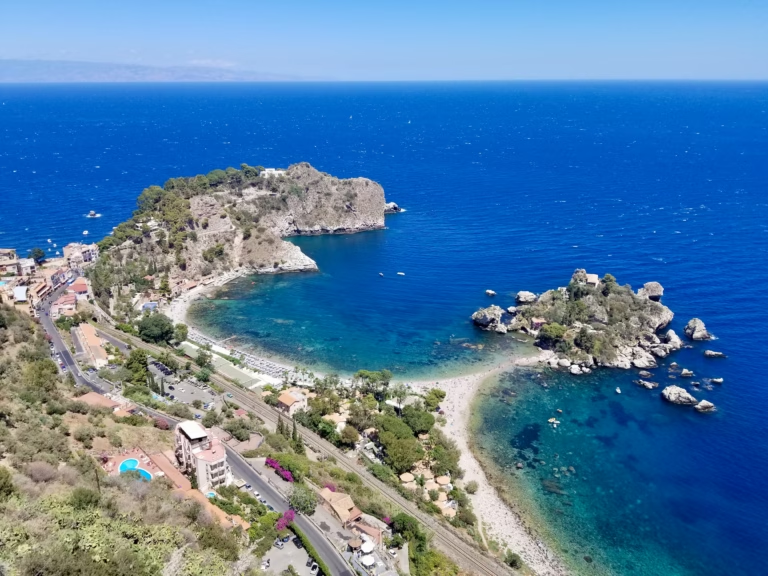
If you specifically want to stay closer to the gorge for an early morning visit or a multi-day valley exploration, the Alcantara valley has a small number of agriturismi (farmstay accommodation) that offer an entirely different pace from Taormina. Search Booking.com or Agoda for availability.
More From My Italy Trip
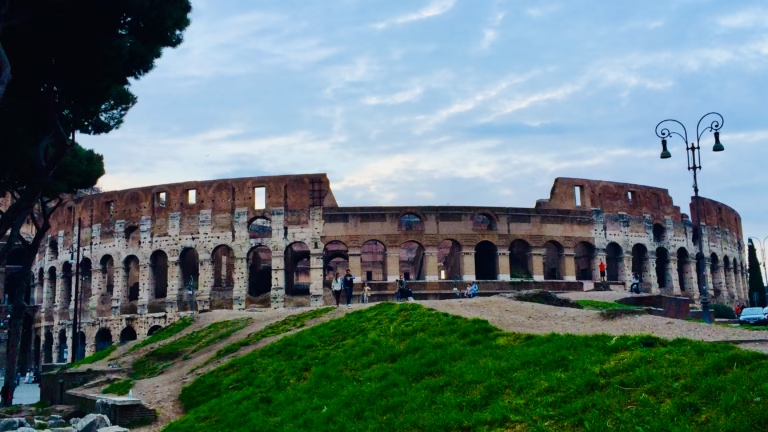
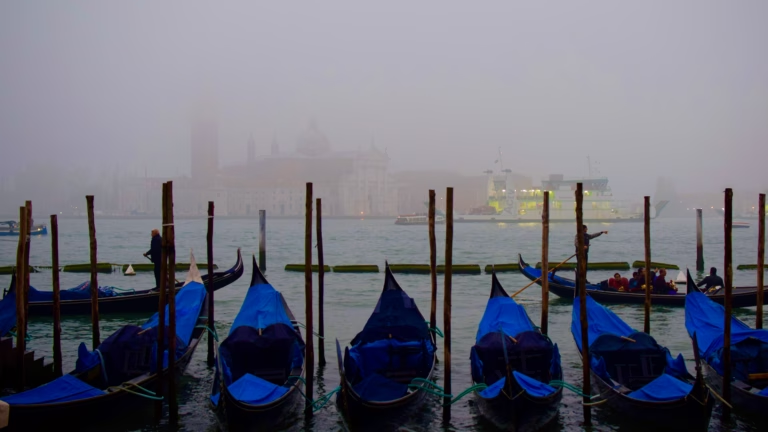
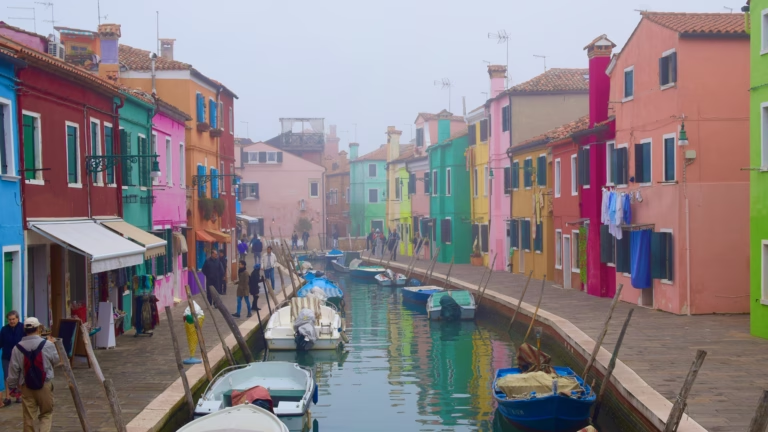
The Alcantara Gorges were one part of a Sicily trip centred on Taormina, and the rest of my Italy trip took in Rome, the Vatican, Venice and Burano:

FAQ: Visiting the Alcantara Gorges
How far is the Alcantara Gorge from Taormina?
About 20 kilometres inland, or around 30 minutes by car on the SS185 toward Francavilla di Sicilia. By Interbus it takes from 35 minutes to just over an hour.
How do I get from Taormina to the Alcantara Gorge by bus?
Interbus runs from the Via Pirandello bus terminal in Taormina to the Gole Alcantara stop on the SS185, near the private park entrance, in 35 minutes to just over an hour. There are only a handful of buses a day, so check the return time before you go. Driving or a tour is more flexible.
How much does it cost to visit the Alcantara Gorges?
The municipal stairs cost €2 per person. The private Gole Alcantara park sells its own packages; in 2026 its full tour with park entry, the lift and boots was €30 for adults. Body rafting costs about €50 to €65 depending on the operator.
Can I visit the Alcantara Gorge in winter?
River access is seasonal. In 2026 the municipal stairs were open from 4 April to 31 October, and winter brings high water and suspended activities. You can still see the valley and walk the Gurne trail near Francavilla di Sicilia.
Can I swim in the Alcantara Gorges?
You can wade in the wider sections when conditions allow, but the water is cold year-round, around 8 to 15°C, and the current and depth vary. The narrow parts of the gorge are not a swimming area, and you should stay out of the river after heavy rain.
How much of the Alcantara Gorge can I explore without a guide?
Only a fairly short stretch of river near the entrances, depending on water levels. Going deeper into the gorge means a guided activity such as body rafting or river trekking, with the right equipment.
What should I wear to the Alcantara Gorges?
Water shoes or closed shoes with grip, because the wet basalt is slippery and sharp in places, plus clothes you don’t mind getting wet, a towel and a dry bag for your phone. Tour operators provide wetsuits for body rafting.
Do I need to book tickets in advance?
For general entry, walk-in is usually fine. For body rafting, river trekking and ATV tours, book ahead, especially in July and August when sessions fill quickly.
Is the gorge suitable for children?
Yes, with supervision. Older children manage the walking sections, and the wider river sections and the Gurne pools are popular with families for paddling. Body rafting and river trekking have age and weight limits, so check with the operator.
Is the gorge accessible for visitors with mobility issues?
The lift in the private park makes the descent easier, but the riverbed itself is uneven wet basalt and not wheelchair accessible. The viewpoints above the gorge give good views without going down.
What is the difference between the Alcantara Gorges and the Gurne dell’Alcantara?
The gorge is the narrow canyon with the dramatic basalt walls near Motta Camastra. The Gurne are natural pools in the riverbed a few kilometres away near Francavilla di Sicilia, with their own walking trail and fewer visitors.
Can I do the Alcantara Gorges and Mount Etna in the same day?
Yes. They are in the same direction from Taormina, and a combined day tour handles it efficiently. Allow a full day rather than rushing both.
Where do I park at the Alcantara Gorges?
There is parking along the SS185 near both entrances. It fills up fast on summer weekends and Italian public holidays, so aim to arrive before 10am in peak season.
Are the Alcantara Gorges Worth Visiting?
The Alcantara Gorges are not on most people’s first draft of a Sicily itinerary. They probably should be.
The gorge is not the reason most people come to Taormina. They come for the Teatro Antico, the views, the food, the Sicilian heat and colour. The gorge is the day trip: the thing you do when you have seen the theatre and walked Corso Umberto and need something different.
What I did not expect was for it to be the thing I thought about most afterwards.
The combination of cold clear water, dark volcanic geometry and the quiet of the valley, away from the cruise ship crowds of Taormina and the noise of the coast, produced something that felt rare. A place that has not been smoothed down for tourists. A canyon that the lava made and the river carved, and that you walk through feeling like you are in the presence of something that does not particularly care whether you are there or not.
You don’t find that often, and this is only 20 kilometres from Taormina.


Leave a reply