
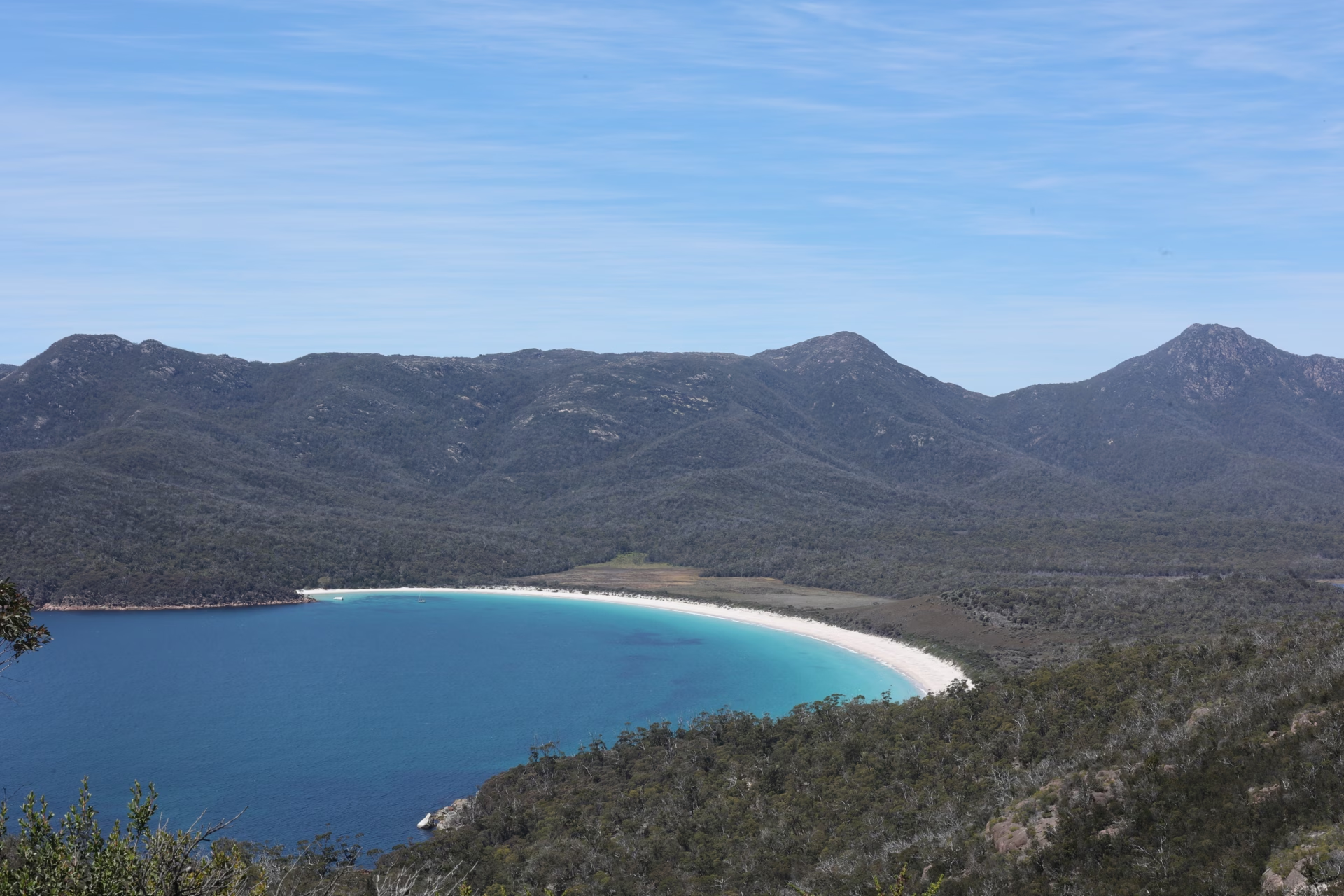
Wineglass Bay is the photo that sells Tasmania. That perfect curve of white sand and turquoise water, wrapped around by the pink granite peaks of the Hazards, ends up on every postcard and guidebook cover for a reason. In 2026 it was named one of the World’s 50 Best Beaches, and seeing it in person, from the lookout, on a clear day, it earns the hype.
I am Fuad, and I have visited forty-four countries, so I do not say that lightly. I did the trip from Hobart as an organised day tour on 12 January, a clear and sunny midsummer day, and we packed in far more than the usual lookout-and-lunch run: the Wineglass Bay Lookout, Honeymoon Bay, Sleepy Bay, Cape Tourville Lighthouse and the Devil’s Corner cellar door, with a beach stop on the drive home. This is the honest account of what a Hobart to Freycinet day trip actually involves, what you see, how hard the famous walk really is, and how to choose between doing it on a tour or driving yourself.
⚡ Hobart to Freycinet: Quick Trip Summary
- Total Driving Time: 2.5 to 3 hours each way (~5-6 hours total on the road). Start early (by 7:00 AM)!
- Main Highlight: Wineglass Bay Lookout Walk (1.5-hour return hike, steep stairs but well-maintained).
- Park Entry Requirement: Tasmanian National Parks Pass required (AUD $44.75 per vehicle if self-driving). Included if you take a guided tour.
- Alternative (No Car): Highly recommend a Guided Day Tour to skip the exhausting 6-hour driving fatigue.
Is a Freycinet Day Trip from Hobart Worth It?
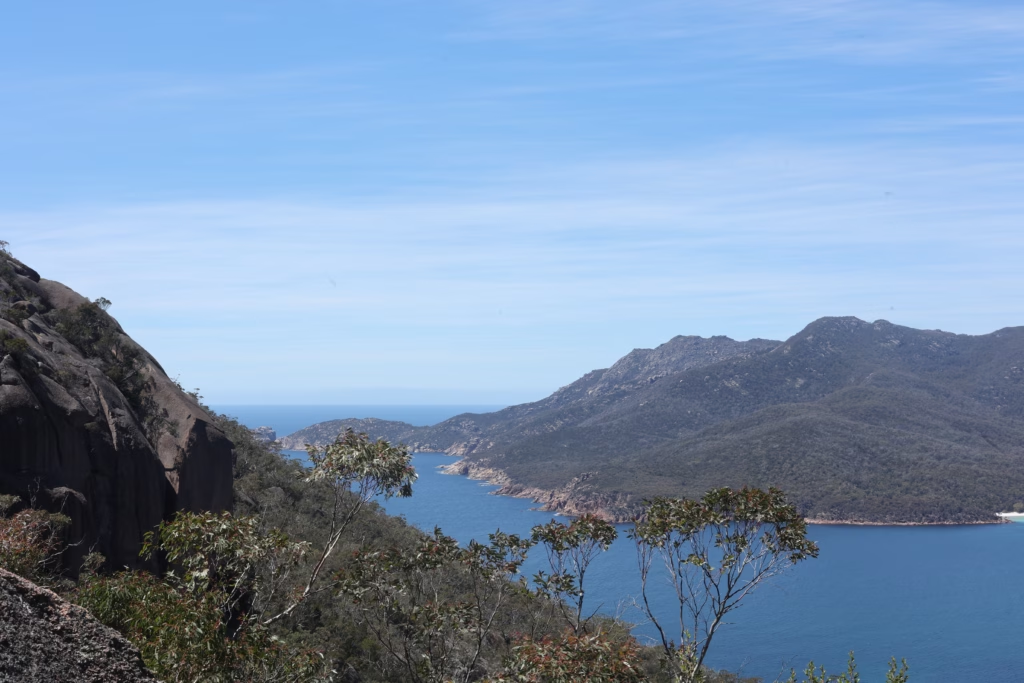
Short answer: yes, but go in with clear expectations. Freycinet National Park sits about 195 km up the east coast from Hobart, which is a 2.5 to 3 hour drive each way. That is a big chunk of a day in a vehicle, so a Freycinet day trip is a long day however you do it, usually ten or so hours door to door.
What you get in return is one of the most beautiful stretches of coast in Australia: the famous bay, pink granite mountains, sheltered coves, a clifftop lighthouse, and the kind of clear water that does not look real in photos. If you only have a day and you want the highlight, it is absolutely worth it. If you can spare a night at Coles Bay, you will see it in less of a rush, but plenty of people, me included, do it well in a single day.
Tour or Drive? How to Do the Trip
There are two sensible ways to do a Hobart to Freycinet day trip: join an organised day tour, or hire a car and drive yourself. Here is the honest comparison.
| Organised day tour | Self-drive | |
|---|---|---|
| Best for | First-timers, non-drivers, anyone who wants the day handled | Families, photographers, people who want to set their own pace |
| Driving | None; sit back and enjoy the coast | 5 to 6 hours return on winding roads |
| Guiding | Local commentary, wildlife spotting, the stops chosen for you | You plan and navigate yourself |
| Parks pass | Included in the tour price | You buy a Parks Pass separately |
| Downside | Fixed schedule and group pace | The drive is long and tiring after a full day’s walking |
I took an organised tour and, for a long-haul day like this, it was the right call. The driving on the east coast is genuinely tiring, the roads are winding, and after climbing to the Wineglass Bay Lookout you may not relish three hours back at the wheel. Letting a local guide handle the logistics, point out wildlife and tell the stories meant I could just look out the window. <!– CALLOUT BOX: class “callout-box”, title + button –>
The tour I took
I did the Wineglass Bay & Freycinet National Park Active Day Tour from Hobart. It covers the Wineglass Bay Lookout walk plus the quieter corners of the park most day-trippers miss, with a local guide and all the driving handled. For a first visit on a single day, it is the easy, low-stress choice.
Check availability for the Wineglass Bay & Freycinet Active Day Tour →
If you would rather drive, you will need a hire car and a Tasmania Parks Pass to enter the national park (buy it online or at the visitor centre; a holiday pass is better value if you are visiting two or more parks).
Compare hire cars on DiscoverCars →
The Wineglass Bay Lookout Walk
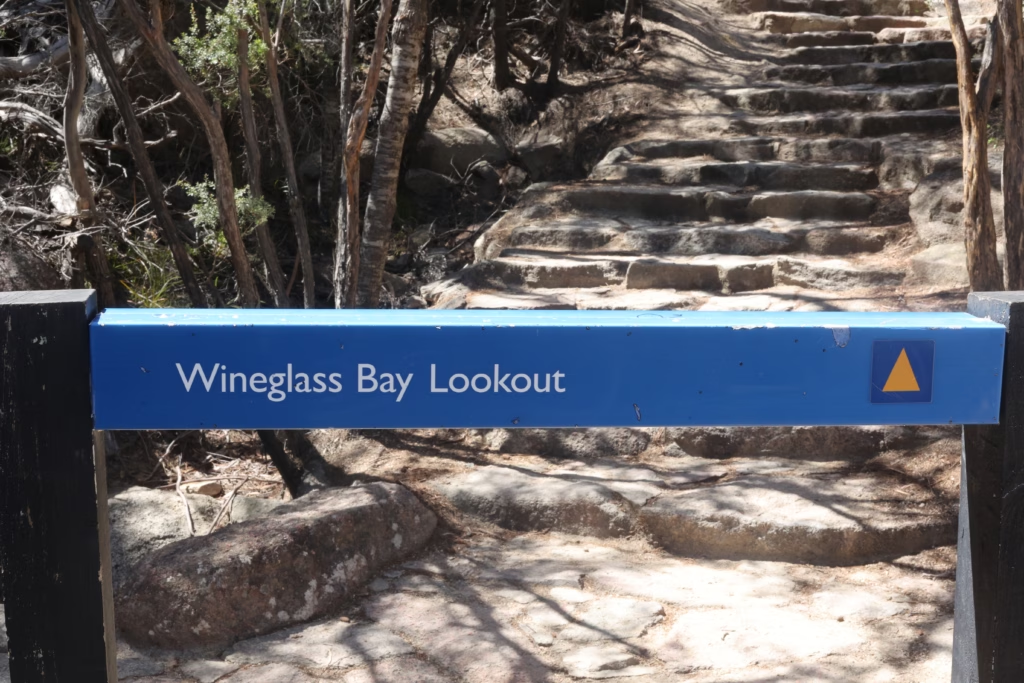
This is the main event, and the thing most people want to know about: how hard is the walk to the Wineglass Bay Lookout?
Here is my honest take. It was fun, and relatively easy, but not the easiest walk you will ever do. The track climbs steadily up to a saddle in the Hazards, the dip between Mount Amos and Mount Mayson, on a well-built path of stone steps. It is about 1.5 hours return over roughly 3 km, graded moderate. You will be puffing in places, and on a hot day you will want water, but it is well within reach of anyone reasonably fit. Take your time, stop on the steps, and you will be fine.
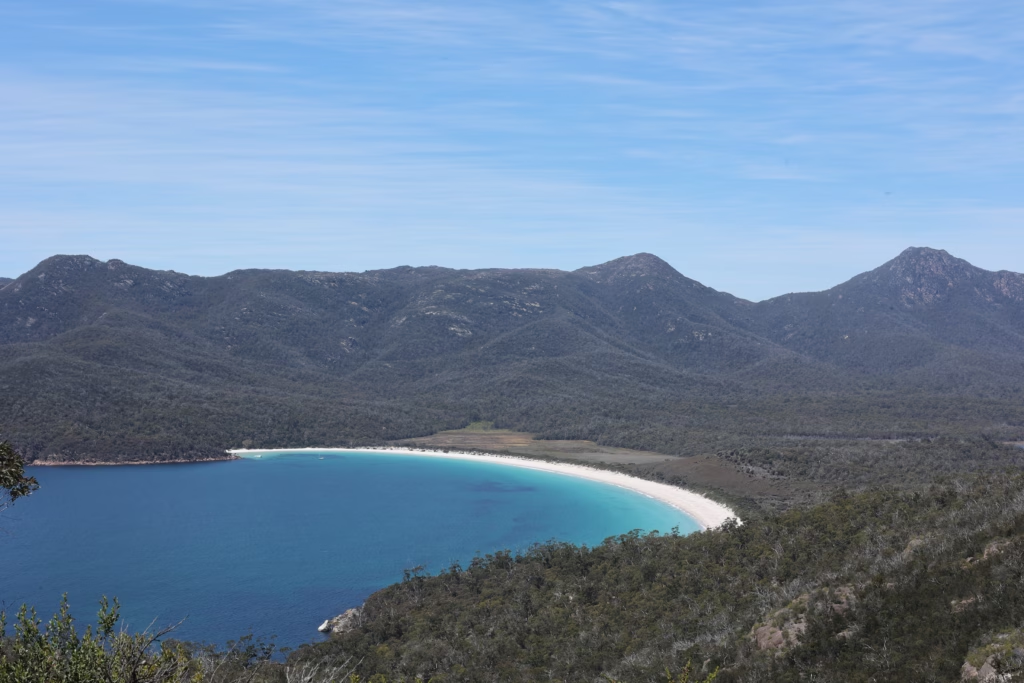
The reward at the top is the view you came for. Wineglass Bay opens up below you, that flawless curve of white sand and graded blue water, framed by forested hills. It is one of those rare views that actually exceeds the photos.
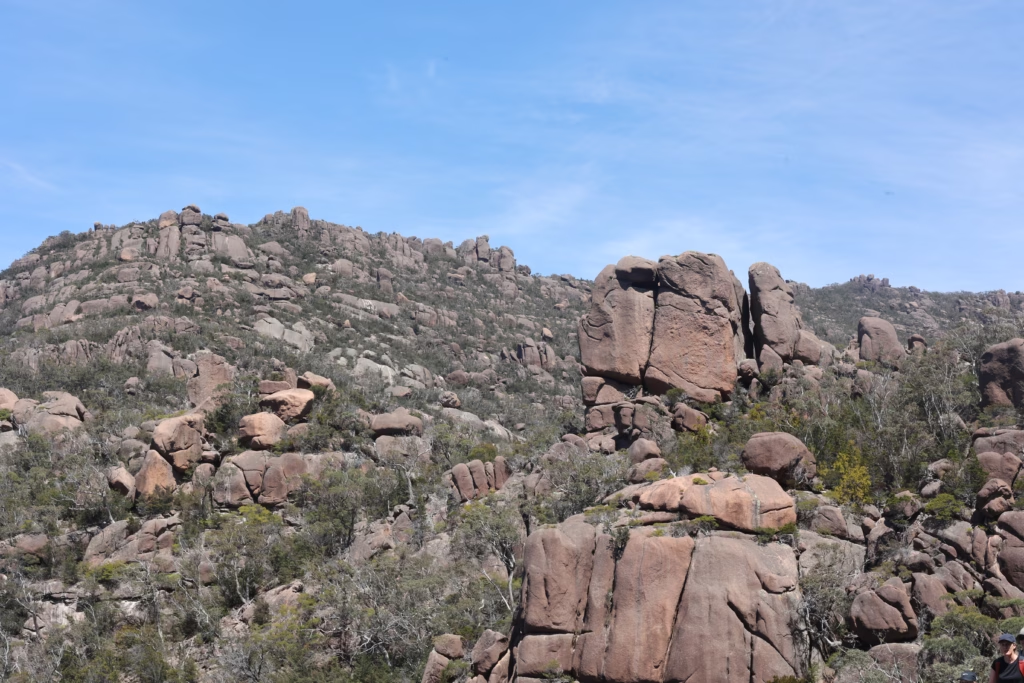
The granite landscape on the way up is worth slowing down for too. The Hazards are made of pink-tinged granite, and the boulders, tors and wind-shaped scrub give the climb real character rather than just being a slog to a viewpoint.
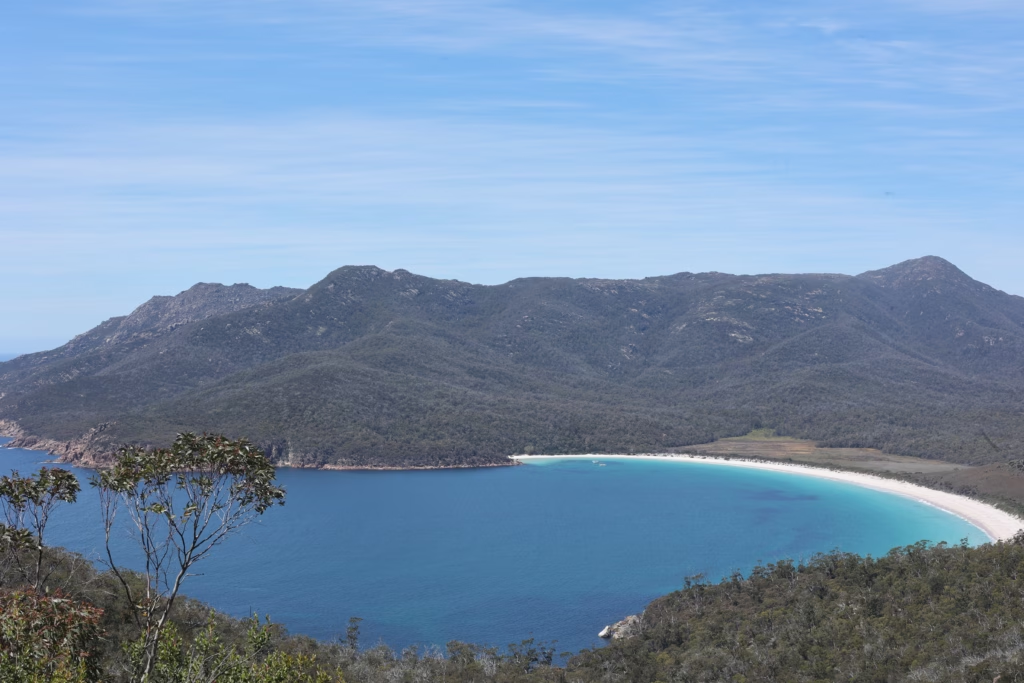
If you have the legs and the time, you can continue down the steep track from the lookout all the way to the beach itself, which makes it a 2.5 to 3 hour, 6 km return walk. On a day tour you will usually do the lookout; with your own car and an early start you could add the beach.
Carry water and start early
Tasmania’s east coast gets hot and dry in summer, and the Wineglass Bay track is largely exposed. Carry at least a litre of water per person, wear sturdy shoes for the stone steps, and bring sunscreen and a hat. The car park fills early in summer, and tours leave Hobart around 7:30am for good reason: the earlier you walk, the cooler and quieter it is.
Honeymoon Bay
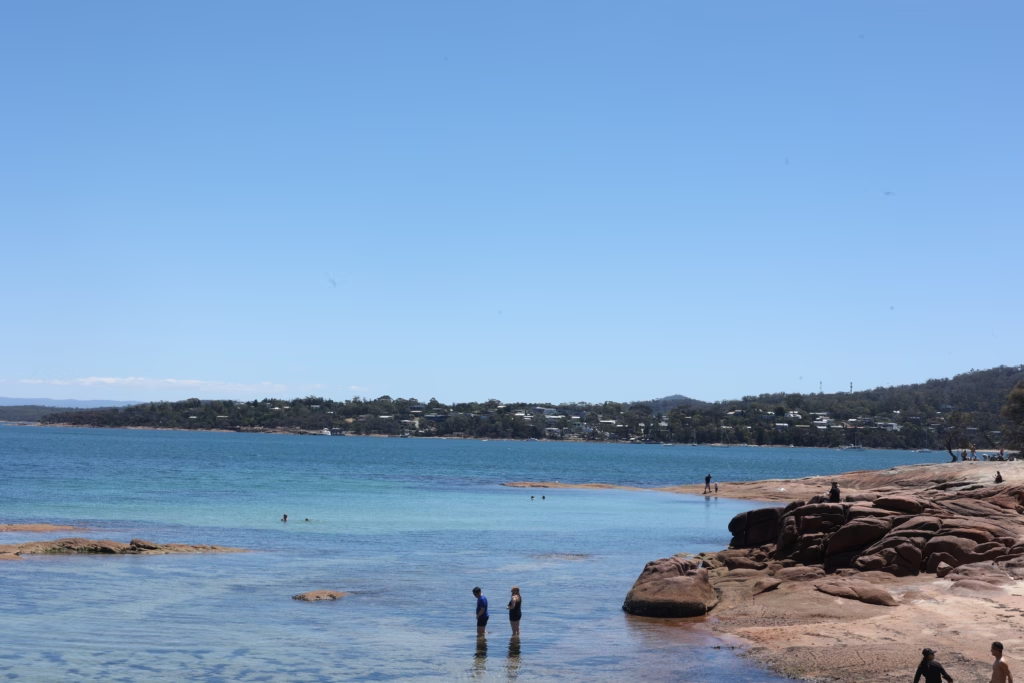
After the lookout, we dropped down to Honeymoon Bay, and it might have been my favourite stop of the day. It is a tiny crescent cove framed by big rounded granite boulders, with sheltered, crystal-clear water that is perfect for a swim or just a paddle. The pink granite glows in the sun, and the Hazards rise up behind it.
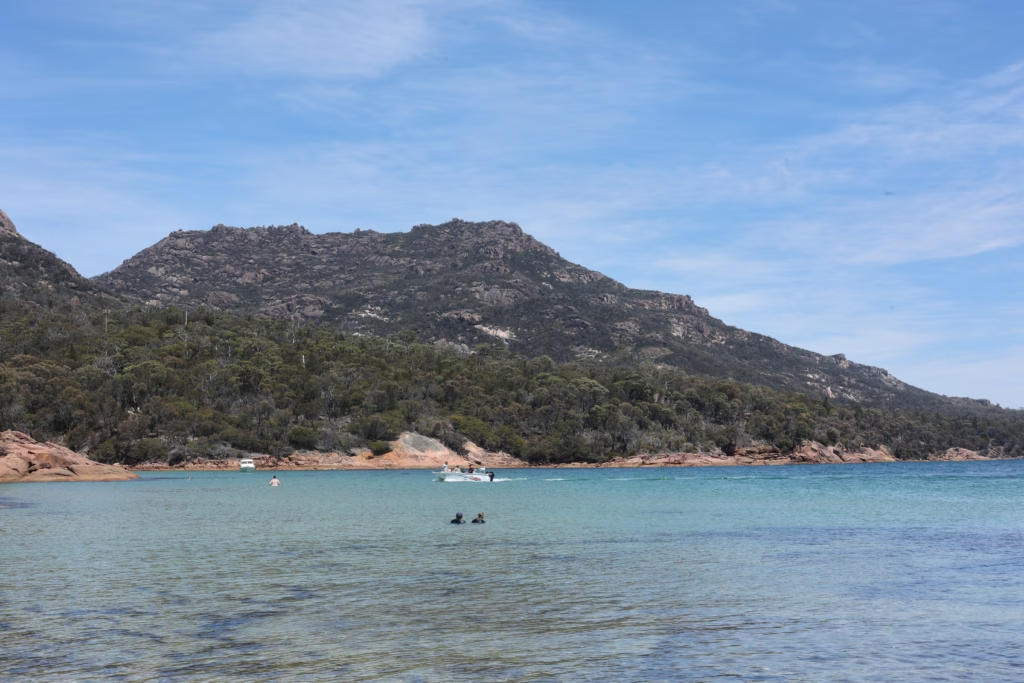
This is where the day shifts from hiking to simply enjoying being somewhere beautiful. We stopped here for lunch, a packed lunch we had picked up earlier, and it is a lovely spot for it: there is no cafe or shop at the bay, so bring your own. People were swimming, picnicking, paddleboarding, and clambering over the rocks while we ate. It is an easy, accessible spot right by the road, and a complete contrast to the effort of the lookout climb.
Sleepy Bay
A short drive away along Cape Tourville Road is Sleepy Bay, a hidden little cove that many day-trippers skip. The rocks here take on deep red and orange tones, especially in the right light, and the water is dark and clear against them. It is a quieter, wilder feel than Honeymoon Bay, a quick walk down from the car park, and a good place to spot the contrast in Freycinet’s famous granite. Keep an eye out for wallabies in the scrub around the car park.
Cape Tourville Lighthouse
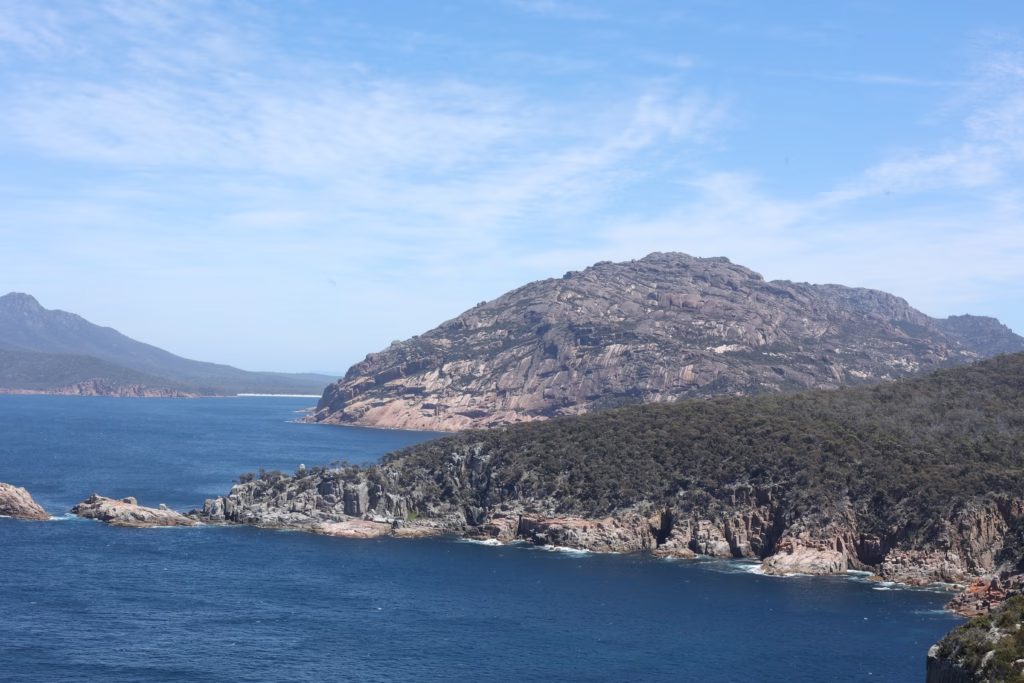
Cape Tourville was the surprise highlight for me. There is an easy, mostly flat boardwalk loop, about 20 minutes, that is one of Tasmania’s 60 Great Short Walks, and it delivers an enormous payoff for almost no effort. From the clifftop you look back along the whole granite coastline toward Wineglass Bay and the Hazards, out to the open Tasman Sea, and down sheer cliffs to the surf far below.
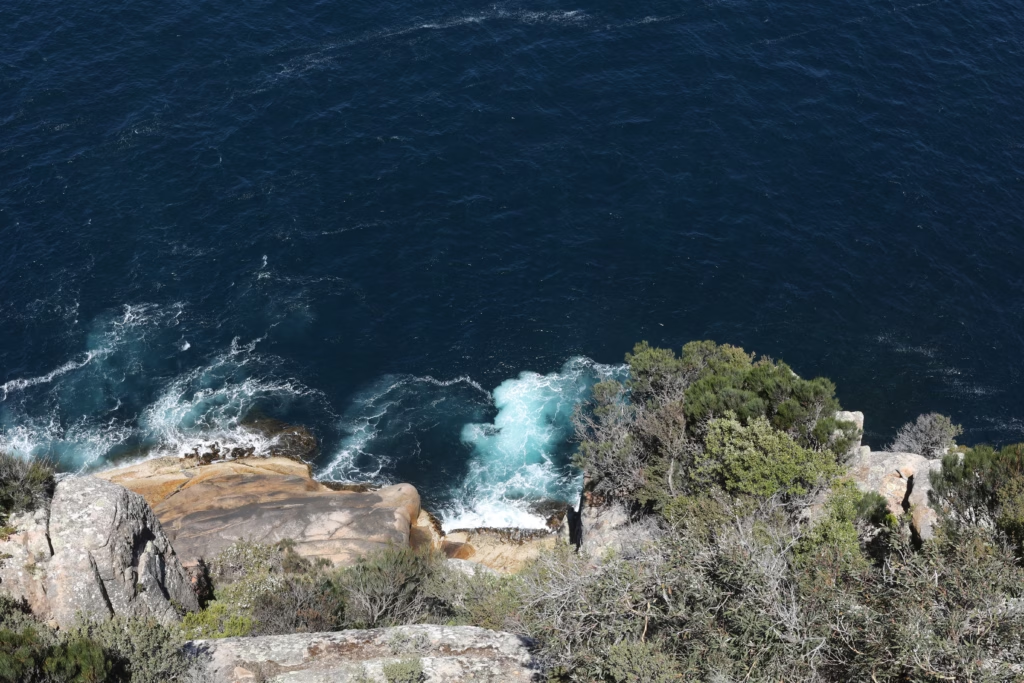
The lighthouse itself, built in 1971, sits at the top, and interpretive signs along the boardwalk explain the geology and the area’s place on the East Coast Whale Trail; the markings even give you a sense of how big the passing whales are. Offshore you can see The Nuggets, a cluster of granite islets where seals sometimes laze.
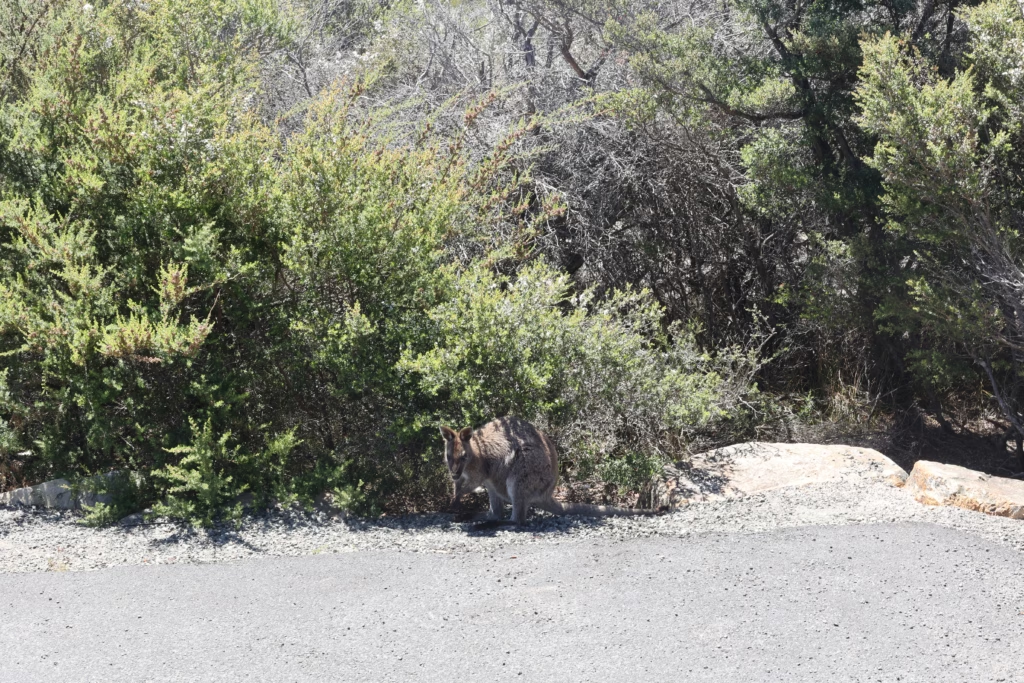
We also had a lovely wildlife moment here: a pademelon, one of Tasmania’s small, shy macropods, grazing right at the edge of the path. It is the kind of unhurried encounter that makes Freycinet feel special.
A Cellar Door with a View: Devil’s Corner
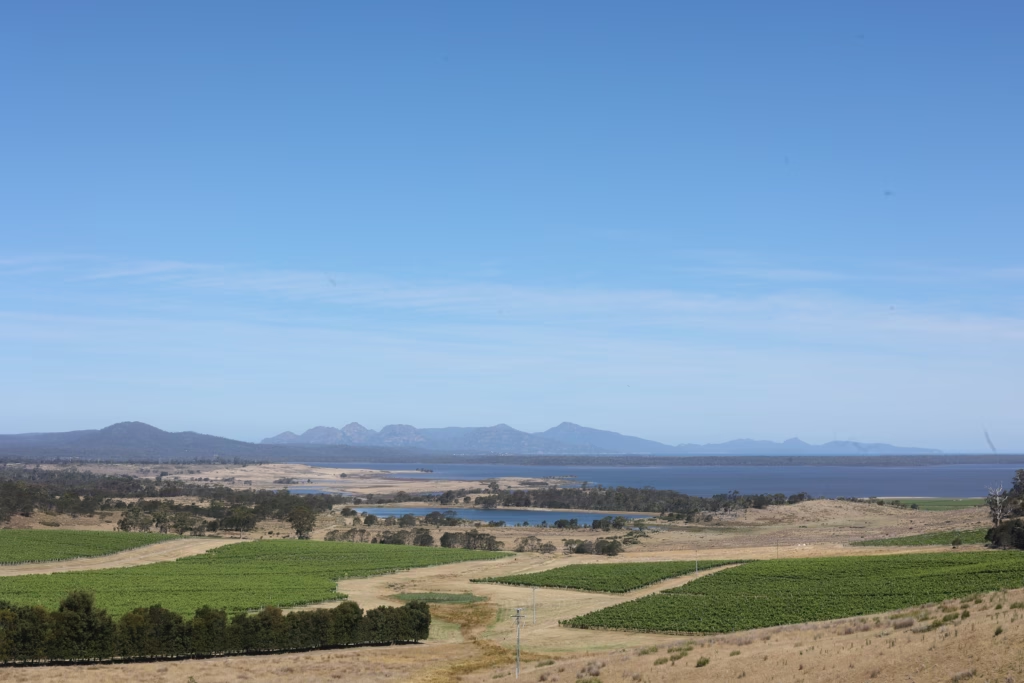
On the way back to Hobart, we stopped at the Devil’s Corner cellar door, and what a spot it is. The vineyard rolls down toward Moulting Lagoon and Great Oyster Bay, with the full sweep of the Hazards and the Freycinet peninsula laid out across the water. There is a lookout tower for an even wider view, and the contemporary cellar door serves wood-fired pizza and local seafood alongside the wines. Several of our group ordered food and drinks here and made a relaxed late-afternoon stop of it.
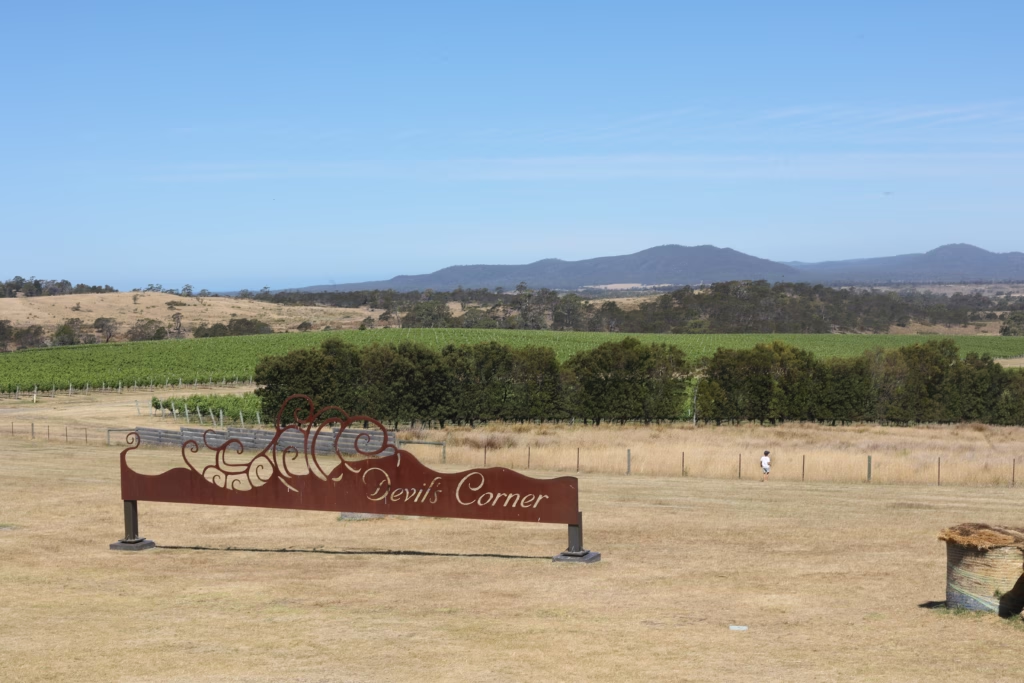
Even if you are not drinking, it is worth the stop just for the outlook: green vines, golden summer paddocks, blue water and those pink granite peaks in one frame.
The Drive Home, and a Glimpse of Maria Island from Triabunna
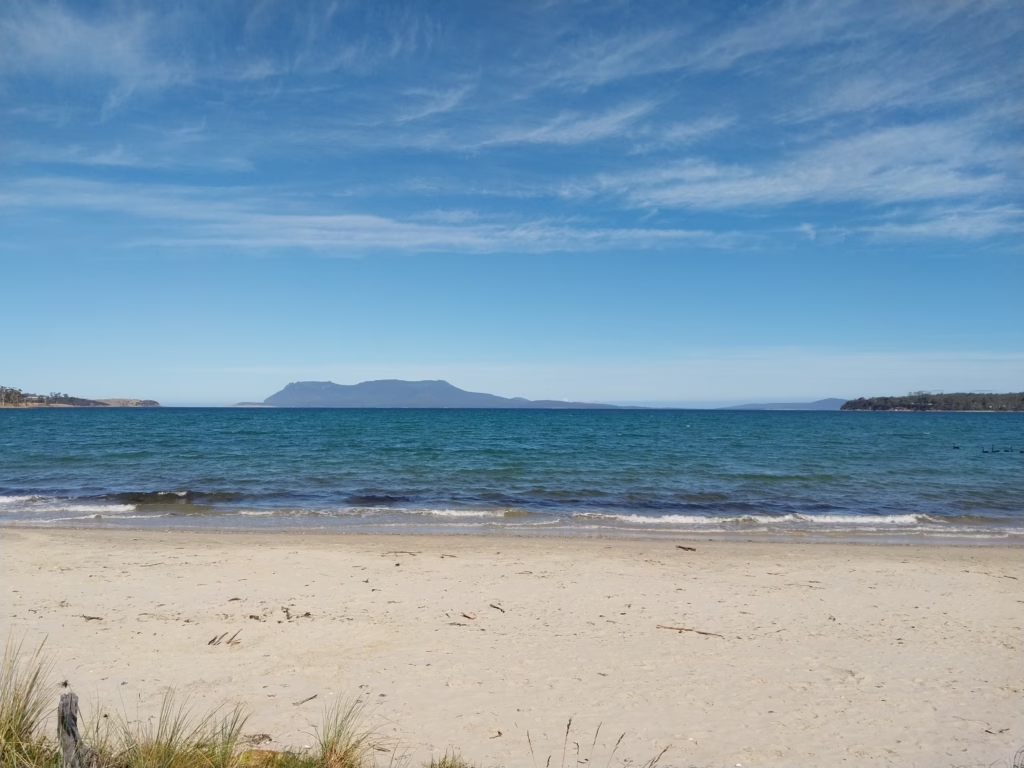
On the way back to Hobart we pulled into Triabunna, the small fishing town that is the jumping-off point for Maria Island, for a quick break. From the waterfront there, across the calm channel with a few black swans bobbing offshore, you can see the unmistakable flat-topped silhouette of Maria Island.
Add On or Come Back For: Maria Island
If Freycinet leaves you wanting more of Tasmania’s east coast, Maria Island is the obvious next trip, and Triabunna, where we stopped, is exactly where you would set off from. It is Tasmania’s only island national park, reached by a 30-minute passenger ferry from Triabunna, about an hour from Hobart.
Maria Island is car-free and famous as one of the best places in Australia to see wombats in the wild; they graze right out in the open, along with wallabies, kangaroos and Cape Barren geese. Add the convict-era Darlington World Heritage site, the swirl-patterned Painted Cliffs, the shell-studded Fossil Cliffs, and deserted beaches, and it is a wonderful full day in its own right. Like Freycinet, the easiest way to do it from Hobart is an organised day tour that handles the drive, the ferry and a guided walk.
Check availability for a Maria Island day tour from Hobart →
More Ways to Experience Freycinet
If you want to go beyond the standard day trip, a few options are worth knowing about:
- The Freycinet Paddle kayak tour explores the sheltered waters and coves of Great Oyster Bay by kayak, a beautiful way to see the coast from the water.
- A one-way Launceston to Hobart active day trip via Wineglass Bay suits travellers moving between the two cities who want Freycinet on the way.
- A two-day Wineglass Bay and Cape Hauy hike is for keen walkers wanting to tackle two of the peninsula’s best trails.
- A two-day Cradle Mountain and Wineglass Bay tour pairs Tasmania’s two natural icons, north and east.
- A five-day Tasmania west and east coast tour folds Freycinet into a full island loop.
Hobart to Freycinet Day Trip FAQ
How far is Freycinet from Hobart?
Freycinet National Park is about 195 km from Hobart, a drive of roughly 2.5 to 3 hours each way up the east coast via the Tasman Highway and Coles Bay Road. It makes for a long but rewarding day trip.
How hard is the Wineglass Bay Lookout walk?
The walk to the Wineglass Bay Lookout is about 1.5 hours return over roughly 3 km, graded moderate. It is a steady uphill climb on stone steps to the saddle between Mount Amos and Mount Mayson. It is fun and manageable for most reasonably fit people, but not effortless, so take water and pace yourself.
Can you walk down to Wineglass Bay beach?
Yes. From the lookout, a steep track descends to the beach, making it a 2.5 to 3 hour, 6 km return walk from the car park. Day tours usually do the lookout only; with your own car and an early start you can add the beach.
Do I need a Parks Pass for Freycinet?
Yes, if you drive yourself you need a Tasmania Parks Pass to enter the national park, available online or at the visitor centre. A holiday pass is better value if you are visiting two or more parks. Organised tours include the pass in the price.
Is it better to do Freycinet as a tour or self-drive?
A tour is easier for first-timers and non-drivers, with no long drive to manage and a guide handling the stops, wildlife and commentary. Self-drive suits those who want to set their own pace, add the beach walk or linger for photos. The drive is long and winding, so factor in fatigue after a full day’s walking.
What else can you see near Freycinet?
The same stretch of coast includes Honeymoon Bay, Sleepy Bay, the Cape Tourville Lighthouse boardwalk, the Devil’s Corner cellar door, and the gateway town of Coles Bay. Maria Island, reached by ferry from Triabunna, makes another superb east-coast day trip.
When is the best time to visit Wineglass Bay?
Summer (December to February) brings the warmest, clearest days and the best swimming, but also the biggest crowds and hotter, more exposed walking. Spring and autumn are quieter and cooler for the climb. Whenever you go, start early to beat the heat and the car park rush.
Final Thoughts
A Hobart to Freycinet day trip is a long day, but it rewards you with one of the great coastlines anywhere: the Wineglass Bay Lookout, the sheltered glow of Honeymoon Bay, the wild clifftops of Cape Tourville, and a glass of wine overlooking the Hazards to finish. Do the famous walk, but do not stop there; the quieter corners of Freycinet are what made the day for me. Take water, start early, and let the east coast do the rest.
Planning the rest of your trip? See our kunanyi / Mount Wellington from Hobart guide and our Bruny Island day trip for two more easy days out of the city. Heading north? Our guides to things to do in Launceston, the Cataract Gorge, a Cradle Mountain day trip, historic Ross Village and the Sydney to Launceston flight will help you plan. Starting on the mainland first? Don’t miss our 4 days in Melbourne itinerary, Melbourne food guide and where to stay in Melbourne.
Want it all mapped into a single trip? 3 Days in Hobart shows exactly where this fits, and 7 Days in Tasmania covers the fuller route with Launceston included.

Leave a reply